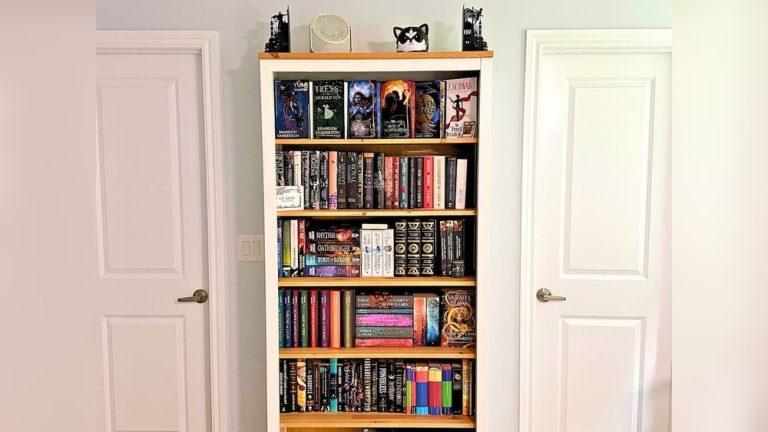
Bookshelf guide: build, style, and organize right
Byline: Written and measured by a hands-on homeowner who has assembled flat-pack bookcases, built simple plywood shelving, and reworked shelf spacing for heavy art books, kids’ books, and mixed-media storage in small rooms.
Treat a bookshelf as a three-job system: structure holds weight, display leaves breathing room, and retrieval keeps titles reachable; start with 10-12-inch depth, anchor tall units, and keep about 20 percent empty. Ignore one job and shelves sag, rooms crowd up, and finding a book becomes daily friction. This guide covers choosing or building the right unit, setting shelf spacing, styling mixed items, and organizing books so the setup still works as your collection grows.
The three-job bookshelf system


A useful bookshelf has three jobs at once. Structure carries the load and stays stable. Display gives selected books and objects visual space. Retrieval keeps everyday items easy to find, remove, and return without creating drift into clutter.
Most shelf problems come from solving only one job. A display-first shelf can become top-heavy or unusable. A storage-first shelf can bow in the middle and weigh down the room. A retrieval-first setup can look chaotic if spacing and concealment were never planned.
Choose the priority before choosing the unit
Start by deciding whether the shelf is storage-first, balanced, or display-first. That choice affects height, depth, shelf count, spacing, anchoring, and how much closed storage belongs at the bottom.
- Storage-first: best for large collections, binders, or mixed media that need capacity and easy return.
- Balanced: fits living rooms and home offices where books matter, but the shelf also frames the room.
- Display-first: suits smaller collections where objects, art, and negative space matter more than raw capacity.
A repeatable workflow beats one-off styling
- Measure the wall, ceiling, nearby doors, outlets, baseboards, and walking path.
- Audit the collection by type: paperbacks, hardcovers, art books, binders, records, games, kids’ items.
- Sort items by weight and use frequency.
- Choose format: freestanding, wall-fixed, or built-in style; open, closed, or mixed.
- Plan shelf spacing around real item heights, not idealized book rows.
- Check per-shelf load in kg and total unit load before buying or building.
- Install, level, and anchor.
- Style only after the heavy items and daily-use zones are fixed.
- Rebalance whenever collection growth has noticeably eaten into that breathing room.
What dimensions should a bookshelf have for your room?
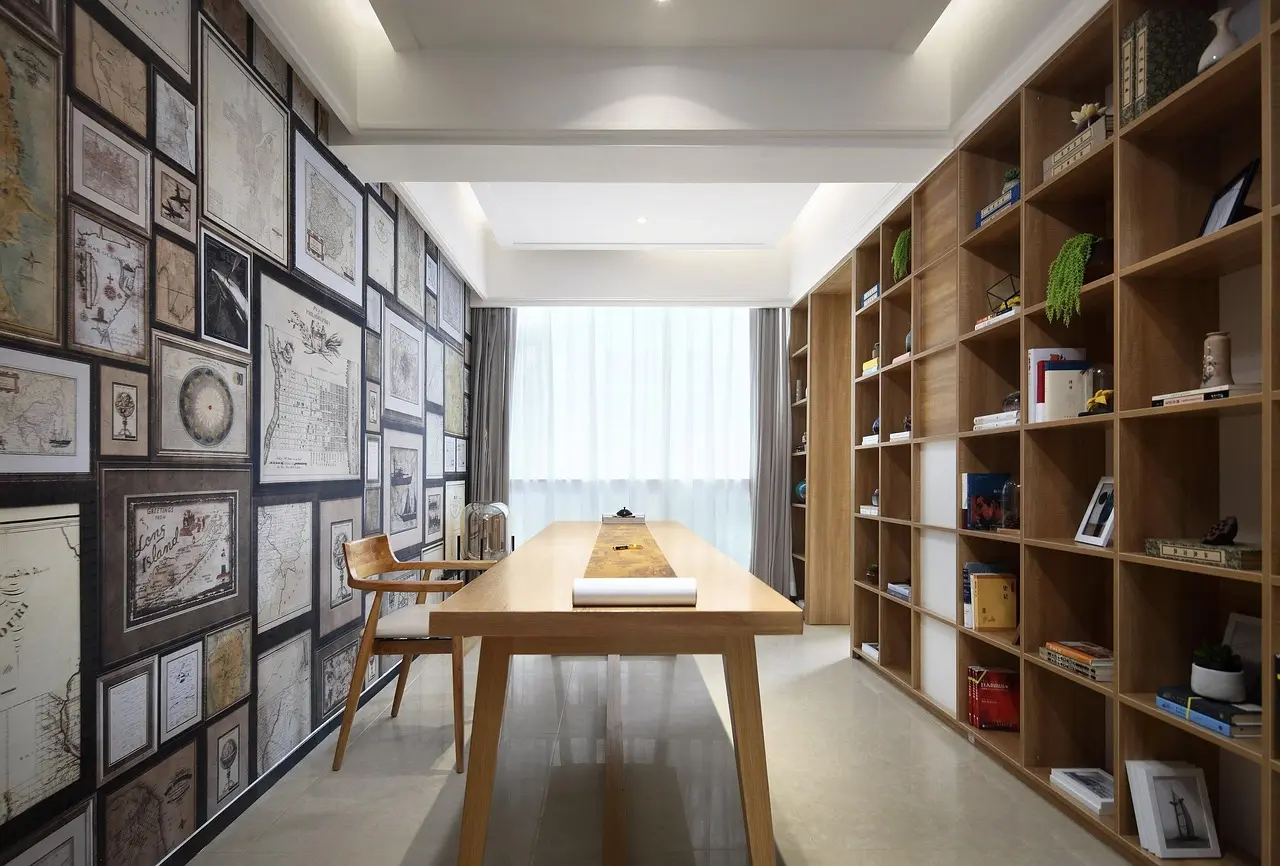
A bookshelf should fit the wall, leave a clear walking path, and match the depth of the collection. Start with wall width, ceiling height, and nearby furniture, then choose a unit that holds the deepest items without projecting so far that circulation, doors, or sightlines become awkward.
Measure the room before the shelf
Measure the full wall width, then subtract the space already taken by door swing, radiator valves, light switches, vents, baseboards, and the furniture that sits beside the case. Measure ceiling height in two or three spots because old floors and plaster can vary more than people expect. In one apartment office, I found almost a 3/4-inch difference across the same wall, which was enough to change whether a full-height case would fit cleanly without scribing. A short unit on a tall wall can look stranded, while a full-height unit in a low room can feel heavy unless it is broken into narrower bays.
Walking clearance matters more than many guides admit. In a narrow entry, 12-inch-deep cases can become awkward once coats, bags, and shoes enter the mix. In a dedicated office or library wall, a deeper footprint is easier to justify. On a recent living-room install, I taped the shelf footprint on the floor before buying; that quick test made it obvious that an extra 2 inches of depth would pinch the path beside the sofa.
Plan depth by the deepest thing you own
A shelf depth around 10-12 inches works for many general book collections, but the right depth depends on the deepest category on that shelf. Paperbacks and standard hardcovers fit easily on shallower shelves than art books, binders, records, or board games. Library and interiors references commonly put general book shelving around this range, while oversized books and media call for deeper bays.
Mixed-media households should avoid a single depth everywhere if the unit is custom or DIY. A lower section can handle deeper records or bins, while upper shelves stay shallower for ordinary books and less visual bulk. In my own mixed setup, standard novels sat comfortably on shallower upper shelves, while lower shelves needed extra depth for ring binders and large-format cookbooks that projected too far on the original case.
Use height and width to control scale
Tall, narrow units save floor area, but they can become top-heavy faster and often need extra attention to anchoring and load placement. Use them where floor space is tight, but only after checking that the upper shelves will hold light, rarely used books. Low, wide units work better under windows, below art, or behind seating, because the long line keeps the room calmer and the top can act like a ledge without taking over the wall.
Narrow-wall formats work well between doorways, beside fireplaces, or in corners where a full-width run would block use of the room. Full-height runs suit larger collections, but only if retrieval stays reasonable and upper shelves are reserved for lighter, less-used items.
Leave room for the shelf environment
The shelf does not live alone. Baseboards, trim thickness, outlet placement, nearby desks, and wall finish all affect whether a case reads as a separate piece of furniture or part of the architecture. Notch around baseboards, shim for uneven plaster, and leave extra reveal beside a desk chair so the shelf is used comfortably instead of just photographed well.
If the room is being repainted or fitted with trim at the same time, plan those moves together. That is especially true when a bookcase shares a wall with a desk, cabinets, or a reading chair, because the circulation zone around the shelf matters as much as the shelf itself.

Which bookshelf format fits your collection and space?
The best format depends on load, flexibility, and how finished the installation should feel. Freestanding shelves suit renters and changing layouts, wall-fixed shelves suit tight rooms or awkward alcoves, and built-in style units suit permanent plans where storage, finish, and room proportion matter more than mobility.
Freestanding vs wall-fixed vs built-in style
Freestanding units are easiest to move and replace. I reach for them in rentals, in rooms that get rearranged every year or two, and for collections that are still growing into their final shape. If you may move house, swap the sofa wall, or split one large case into two smaller ones later, this format gives you that option. The tradeoff is that many freestanding units rely heavily on anchoring and careful loading to stay safe.
Wall-fixed shelving opens floor space and can fit odd spans. It is useful above desks, in narrow hallways, or where a full cabinet would feel bulky. It demands better wall knowledge, stronger anchors, and discipline about load per shelf. In compact offices, use wall-fixed shelves above a worktop when a floor unit makes chair clearance miserable, but limit those shelves to lighter reference books and decor.
Built-in style units look integrated, but that does not make them the default best choice. They cost more in time, planning, and finish work. In practice, modular growth is often smarter than guessing a final layout too early. Better long-term results come from starting with a stable base run, living with it for a season, and only then deciding whether the wall needs more height, doors, or trim.
Open shelves vs closed bookcases vs mixed storage
Open shelves give fast access and visual lightness. Closed bookcases hide clutter, reduce dust on some contents, and help when the collection includes cables, paperwork, toys, or mismatched media. A mixed setup often works better than either extreme.
A practical mix places open shelves at eye and hand level for books in active use, then closed storage below for overflow, family clutter, or items with poor visual discipline. That approach keeps retrieval fast without forcing every object to participate in the room.
Solid back vs open back
A solid back adds visual calm and usually more stiffness. It helps small objects stay put, protects walls from scuffs, and can make a flat-pack bookcase feel more planted. An open back feels lighter and can work well against wallpaper or a painted feature wall, but it often looks messier once cords, outlets, and uneven contents enter the picture.
From a build standpoint, the back panel matters more than people think. On assembled cases, the difference between a properly fixed back and a loose or skipped back is obvious in side-to-side racking when tested by hand. That matches standard casework practice: the panel or bracing that squares the cabinet is a major part of the stiffness, not just a cosmetic add-on.
Choosing the right bookshelf type for your living room layout
A living room bookshelf should anchor the space without blocking natural light or foot traffic. The most effective setups use one tall unit per wall and leave 30 to 40 percent of shelves open to prevent visual clutter. Choosing the wrong placement or style makes the room feel smaller and harder to navigate daily.
Different layouts demand specific formats: built-ins suit large walls, floating shelves work in tight zones, ladder units fit narrow gaps, and open-back shelving doubles as a room divider. Matching the format to your floor plan ensures both storage and flow. Our guide to living room bookshelf ideas breaks down these placements, styling choices, and modular options for real spaces.
Rental‑Friendly Bookshelf Solutions
Pick a bookshelf that meets rental rules by opting for freestanding units with anti‑tip hardware or compact cube stacks that fit narrow walls while leaving baseboards exposed. The guide walks you through room‑by‑room layouts, load limits, no‑drill styling tricks, and common failure points like wobble or wall scuffs that can cost you a deposit. It also shows how to style the piece so it feels built‑in and adds storage without permanent fixtures. Following these tips lets you maximize storage, keep the space looking custom, and protect your rental from damage. For a full rundown of the best options, see the rental bookshelf ideas article.
Choosing a beginner-friendly bookshelf build
Starting with the right design prevents wasted lumber and structural failures. The safest first projects are open-box shelves, wall-mounted picture ledges, or basic cube units—each requiring minimal cuts and short unsupported spans to avoid warping or splitting under load.
Selecting your build depends on available tools, material costs, and how wide a shelf can span before sagging. Our guide to beginner DIY bookshelves ranks these styles by difficulty and structural risk, detailing wood selection, anti-wobble fixes, and freestanding versus wall-mounted trade-offs so you can complete a stable project on your first attempt.
Choosing the Right Shelf for Narrow Walls
If you have a slim wall, the right bookshelf can add storage without crowding the room. The Decorguider guide walks you through selecting a shelf that fits a wall under 30‑inches wide, balancing depth, clearance, and load capacity. It compares floating shelves, freestanding narrow bookcases, corner units, and tall industrial options, and explains which style works best for light décor, heavy collections, renters, or spaces where drilling isn’t possible.
By following its step‑by‑step checklist you can avoid sagging shelves, traffic bottlenecks, and visual clutter, turning a narrow wall into a functional focal point with the perfect narrow wall bookshelves solution.
Selecting the Ideal Modern Bookshelf Style
Choosing the right bookshelf can make or break a modern interior. The guide breaks down the classic 60/30/10 rule—60% books, 30% decor or storage, 10% breathing space—and shows how floating, built‑in, freestanding, open, and ladder shelves perform in small apartments, open‑plan homes, and statement walls. It also offers a quick comparison chart, a shelf‑planning matrix based on room size and ceiling height, and practical styling tips.
Use these insights to avoid heavy, cluttered looks and to pick a shelf that balances function with sleek design. Discover the full set of recommendations in our curated modern bookshelf ideas.
Bookshelf vs. Ladder Shelf: Choosing the Right Frame for Your Space
Standard bookshelves handle heavy loads and long-term storage, making them the safer choice for kids’ rooms and large collections. Ladder shelves work best for lighter, curated displays in small apartments or tight corners where floor space is limited.
Picking the wrong frame risks tipping, shelf sag, and wasted square footage. The guide comparing bookshelf vs ladder shelf breaks down load capacity, safety, standard dimensions, and room fit so you can match the right style to your hallway, office, or living area before buying.
Bookshelf vs. Cube Storage: Choosing the Right Unit for Your Space
Cube storage works best for bin-sorted mixed items and toys, while traditional bookshelves handle books lined up in rows, taller objects, and heavier loads. Picking the wrong format wastes floor space, causes shelves to sag under weight, or buries frequently used items inside opaque bins.
The comparison of bookshelf vs cube storage breaks down exact size cutoffs, load limits, and room-by-room recommendations. It also addresses whether cube organizers can double as bookshelves and which option suits small apartments. Matching the unit to your specific inventory prevents structural failures and keeps your layout functional from day one.
Bookshelf vs wall shelves: which fits your space?
Choosing between a floor-standing unit and hanging displays depends on your collection’s weight and available floor area. Wall shelves suit light decor and a handful of paperbacks, but heavy loads demand the structural stability of a dedicated case. To prevent sagging boards and failed wall anchors, evaluate your storage volume and layout needs using our bookshelf vs wall shelves comparison guide.
The right storage choice balances room dimensions against weight limits. Reviewing load capacities, floor space trade-offs, and room-by-room suitability ensures your display remains safe and functional over time.
Corner versus standard bookshelf placement
A corner bookshelf reclaims dead space and keeps traffic paths clear in small or oddly shaped rooms, while a standard bookshelf offers broader shelves and easier access along usable walls. Choosing the wrong format wastes floor area or makes books harder to reach.
The comparison covers room fit, storage capacity, and accessibility across bedrooms, offices, living rooms, hallways, and rentals. A decision matrix evaluates eight specific room constraints so you can match the right shelf type to your layout without guessing. For a detailed breakdown of these tradeoffs, review this corner vs standard bookshelf guide before finalizing your furniture plan.
Narrow vs Wide Bookshelf Footprints
A narrow bookshelf preserves floor space and keeps walkways clear, while a wide bookshelf offers easier access, heavier storage capacity, and a steadier base. Choosing the wrong width can block traffic flow, make books hard to reach, or increase tipping risk in busy rooms.
The comparison of narrow versus wide bookshelves breaks down how footprint, depth, and shelf span affect performance. It includes a decision matrix for matching each shape to specific room scenarios, helping you size the right unit for books, decor, or mixed-use spaces without compromising safety or function.
Bookshelf depth: How shelf size affects storage and room flow
A bookshelf’s depth—whether deep (12–15 inches) or shallow (8–10 inches)—directly impacts what you can store and how your space feels. Deep shelves handle oversized books, binders, or decorative items without crowding, while shallow shelves maximize tight rooms or display slim volumes neatly. The wrong choice creates cluttered edges, wasted floor space, or an overly cramped look. This comparison breaks down how depth aligns with book types, room clearance, and display goals to help you avoid awkward fits and visual disruption.
For a detailed breakdown of when to prioritize depth over space—or vice versa—see the bookshelf depth guide.
Understanding the differences between bookcases and shelving units
Choosing the right furniture for your book collection depends on your storage needs and room layout. A traditional bookcase vs shelving unit comparison reveals key differences in load capacity, visual weight, and room-divider potential. Bookcases typically offer stronger, enclosed support suited for heavy volumes, whereas open shelving units provide a lighter aesthetic ideal for minimalist displays or breaking up large floor plans.
Evaluating these structural and stylistic traits prevents sagging shelves and cluttered traffic paths, ensuring your furniture matches both your decor style and storage volume.
Choosing Between Metal and Wood Bookshelves
Metal bookshelves handle heavy storage, frequent moves, and tighter budgets better than wood. Wood shelves deliver a warmer aesthetic, less wobble under mixed loads, and stronger long-term value. Picking the wrong material leads to sagging shelves, chipped finishes, or a unit that is awkward to relocate and expensive to replace.
The right choice depends on how you will actually use the shelf day to day. A detailed breakdown of metal versus wood bookshelves compares load capacity, structural stability, maintenance needs, room fit, and total cost of ownership so you can match the material to your specific space and collection.
How much weight can a bookshelf hold safely?
A standard bookshelf can hold only what its maker or builder intended, so the safe answer is to read both the per-shelf load and the total unit capacity in kg, then load heavy books low and across shorter spans. Material, shelf thickness, span length, and back support all change the result.
Read the capacity labels, then plan the layout
Per-shelf load often matters more than total capacity in daily use. A unit may carry a respectable total load, yet still fail early if one long shelf is packed with oversized art books. Put the heaviest categories on lower shelves and spread them across multiple bays where possible. Follow the manufacturer’s rated limits for any ready-made unit; those product instructions are more reliable than generic rules of thumb.
Collectors should treat art books, catalogs, binders, and records as stress tests. Those items reveal weak shelves quickly. Kids’ books and paperbacks are easier on the structure, but many small books packed tightly still add up. On one 31-inch shelf in my own office, a row of large design books created visible deflection that ordinary novels never did, so I split that category across two lower shelves instead of keeping it in one photogenic block.
How materials change strength
Particleboard is usually the most price-driven option and the most vulnerable to chipped edges, stripped fasteners, and sag over long spans. MDF gives a smoother painted finish and can feel more solid, but it is heavy and dislikes repeated disassembly. Solid wood handles refinishing and repair better, while metal frame systems often resist racking well when their shelves are properly supported.
Laminate finishes vary. Some wear well on shelf faces and tops; some chip early at exposed corners. In family rooms and rentals, finish durability matters because dragged baskets, hardback corners, and toy collisions wear the front edge first. Wood engineering references and casework standards both support the same broad lesson: longer unsupported spans and weaker sheet goods increase deflection risk, while thicker shelves, shorter spans, and better edge support improve performance.
Watch for sagging before failure
Early warning signs are simple: a shelf line that starts to smile in the middle, joints that open slightly, wobble when books are removed from one side, or a back panel that loosens. Once bowing appears, unload the shelf, shorten the span, or add support. Waiting rarely improves anything.
On pieces measured in ordinary homes, long unsupported runs begin looking suspect well before owners expect them to. That is why shelf span belongs in the plan, not in the rescue phase. As a practical threshold, I start watching closely when a shelf carries dense oversized books across a long clear opening, even if the case still feels fine overall.
How do you build or buy a shelf that holds up over time?
A shelf holds up over time when the structure matches the collection, the shelf intervals match real item heights, and the assembly details resist loosening. Buy or build with awkward books, future growth, and maintenance in mind, because failure usually comes from mismatch, not from one dramatic mistake.
Assembly complexity matters
Many flat-pack failures begin at the same points: under-tightened cam locks, soft fastener holes in particleboard, thin back panels left off or nailed out of square, and shelves asked to carry more than the case was built for. A bookcase that racks during assembly rarely becomes more rigid after loading.
If the unit feels flexible while empty, adding books will not fix the weakness. It will only hide it for a while. I have rebuilt more than one case simply by emptying it, re-squaring it on the floor, tightening all hardware, and reinstalling the back panel correctly; that is often the difference between a wobbly shelf and a usable one.
Adjustable shelf spacing and awkward heights
Adjustable shelf intervals are worth prioritizing. Collections change. Novels become binders, picture books become chapter books, and one stack of art monographs appears from nowhere. Fixed spacing often wastes vertical room on one shelf and starves it on the next.
Plan one or two tall openings for oversized books or decor objects. Otherwise, those pieces get laid flat in piles that slow retrieval and create dead zones. In family room installs, moving two pins up by one hole provides enough clearance for tall albums and eliminates a horizontal stack that people often disturb.
DIY material choices and finish planning
For DIY work, material choice should follow load, finish, and tool comfort. MDF paints cleanly. Particleboard is usually the least forgiving for repeated handling. Solid wood is easier to repair and edge-finish. Metal frames pair well with wood shelves where long-term stiffness matters.
Shelf design and room finish belong in the same conversation, especially when the bookcase shares a wall with a desk, cabinets, or trim. For a painted built-in look, smooth sheet goods save finishing time, but for shelves that will be moved, bumped, or refinished later, solid wood is more forgiving at the edges and around fasteners.
How do you keep a bookshelf from tipping over?
Tall bookshelves should be anchored whenever tipping seems possible, especially in homes with children, pets, uneven floors, climbing risk, or heavy upper loads. The safest approach is stud mounting where possible, backed by anti-tip straps or suitable wall anchors matched to the wall type and unit weight.
When anchoring is required
If a unit is tall, narrow, lightly built, top-loaded, or placed on soft carpet, treat anchoring as required. The same is true in kids’ rooms, playrooms, family rooms, and any space where a shelf might be pulled, climbed, or bumped repeatedly. Safety guidance from the U.S. Consumer Product Safety Commission is clear on anchoring top-heavy furniture, and many furniture manufacturers now include anti-tip hardware in their instructions.
Stud mounting, anchors, and straps
Stud mounting is the strongest option for many walls. Anti-tip straps are common on freestanding units because they allow slight movement while preventing forward fall. Wall anchors can work when studs are not available, but they must match the wall material and the expected load.
Do not trust friction pads, the shelf’s own weight, or a hope that books make it stable. Books increase mass. They do not guarantee balance. In rentals, use the manufacturer’s strap kit into a stud after confirming the case leans slightly forward on old floors; that small lean is invisible at a glance but obvious with a level, making it a reason to anchor it properly.
Safer setups for renters and mixed households
Renters still need safety. Ask the landlord before assuming nothing can be fixed to the wall. In many cases, a few properly placed fasteners are a better choice than a freestanding hazard. Lower, wider bookcases can be a renter-friendly choice because they reduce tipping risk while keeping capacity decent.
In pet homes and family spaces, put the heaviest books low, avoid placing tempting objects on the top front edge, and check level again after rugs compress or furniture shifts. I also avoid storing toy bins or frequently grabbed baskets high up, because repeated pulling changes the forces on the whole unit over time.
How do you style and organize a bookshelf without losing function?
Style a bookshelf by setting the organization method first, then assigning a ratio for books, objects, and concealed storage that matches the shelf’s job. The shelf should still let books slide out easily, return to the right place fast, and keep enough open space that the arrangement can absorb change.
Choose the organization method by failure risk
Genre is strong for readers who browse by subject. Author helps known-item retrieval. Size protects awkward shelves and can reduce wasted space. Color is the slowest for retrieval unless the collection is small and familiar. Read status suits active readers, while family access matters most in shared rooms.
Each method fails somewhere. Genre breaks down when one person wants speed and another wants display. Author order becomes frustrating with mixed media. Color looks tidy until someone tries to find a reference book quickly. Size order can hide subject relationships. The right answer is the one that cuts daily friction for the people using the shelf.
Set a styling ratio that fits the shelf’s job
For storage-first shelving, keep most width for books, use small object moments only where they break up long runs, and preserve about 20 percent empty across the case instead of forcing every shelf full. Balanced shelves can carry a wider mix, but retrieval should still drive eye-level zones.
Display-first shelves can give more room to trays, art objects, and empty breathing space, yet they still need at least one clear logic for where books live. Without that, the case turns into rotating decor and books become leftovers. In living rooms, leaving that empty margin makes the shelf easier to maintain than any decorative rule tried before it.
What should go on shelves besides books
Useful accessories earn their place. Bookends hold short runs upright. Storage baskets hide visual noise, especially on lower shelves. Trays corral small objects so one shelf reads as a unit instead of scattered singles. Art objects should be sparse enough that books can still move.
Plants need stricter limits than many styling guides admit. Water, dropped leaves, grow lights, and heat from lamps all create maintenance around paper. If a plant goes on a shelf, give it a tray and keep it away from valuable covers and upper edges where spills travel down the whole case.
Fix common failure cases fast
- Overloaded shelf: move heavy books lower and shorten the span.
- Bowed line: unload, add support, or replace the shelf before the set worsens.
- Awkward book heights: reset adjustable shelves instead of stacking horizontally by default.
- Top-heavy styling: move objects down or inward; reserve the highest shelves for light items.
- Cluttered sightlines: trade scattered small pieces for one tray or one basket.
- Inaccessible storage: stop double-rowing books you need to reach weekly.
Sizing and Placing Bookshelves in a Home Office
A home office bookshelf works best when it is 60 to 72 inches tall, 12 to 14 inches deep, and fitted with adjustable shelves. Keeping frequently used materials at eye level prevents desk clutter and reduces visual noise that slows down daily work.
The guide on home office bookshelf ideas breaks down specific layouts, reach zones, and room-fit choices for different floor plans. It compares built-in units for tight spaces, floor-to-ceiling options for large collections, and desk-adjacent shelves for active projects. Matching the right shelf style and placement to your workflow keeps the office functional and calm without sacrificing storage capacity.
Use the shelf-planning checklist and layout matrix
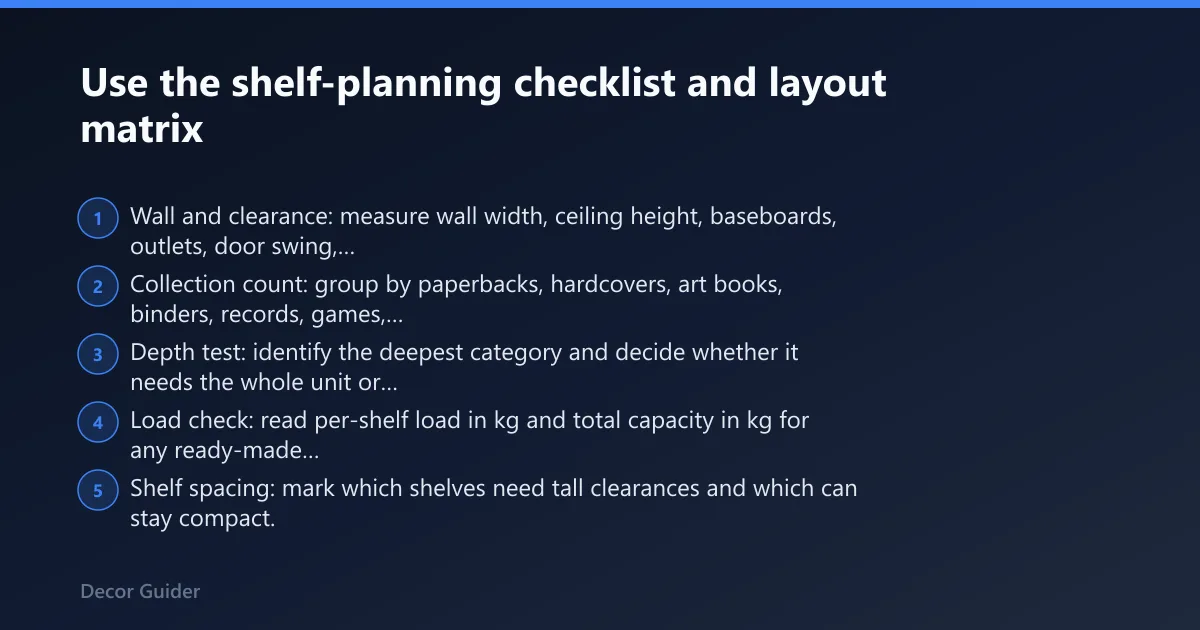
A bookshelf plan gets clearer when room type, collection size, and storage priority are mapped together before buying anything. The checklist below covers measurements, load, access, and safety. The matrix then turns those inputs into a usable format choice, organization method, and styling ratio.
Shelf-planning checklist
- Wall and clearance: measure wall width, ceiling height, baseboards, outlets, door swing, and walking path.
- Collection count: group by paperbacks, hardcovers, art books, binders, records, games, and kids’ items.
- Depth test: identify the deepest category and decide whether it needs the whole unit or only part of it.
- Load check: read per-shelf load in kg and total capacity in kg for any ready-made bookcase.
- Shelf spacing: mark which shelves need tall clearances and which can stay compact.
- Format choice: pick freestanding, wall-fixed, or built-in style; then open, closed, or mixed.
- Back panel: decide whether a solid back is worth the extra stiffness and calmer look.
- Safety: plan stud mounting, anti-tip straps, or wall anchors before loading the unit.
- Retrieval rule: choose one organization method for active items and one overflow rule for less-used items.
- Maintenance: leave about 20 percent empty so growth does not trigger immediate clutter.
Layout matrix for room, collection, and priority
| Room type | Collection size | Storage priority | Recommended bookshelf format | Organization method | Styling ratio |
|---|---|---|---|---|---|
| Living room | Small | Balanced | Freestanding, mixed open and closed, solid back preferred | Genre or author for active shelves; basket overflow below | Roughly book-dominant with about 20 percent open space |
| Living room | Large | Storage-first | Full-height wall run or grouped bookcases, anchored | Genre plus size zoning for heavy sections | Mostly books, few objects, about 20 percent distributed empty space |
| Home office | Medium | Storage-first | Wall-fixed above desk or low-wide case near work zone | Use frequency first, then subject or author | Book-heavy, tray for small tools, limited decor |
| Bedroom | Small | Display-first | Low or mid-height freestanding shelf, open upper shelves | Read status or author | Balanced books and objects, still keep about 20 percent empty |
| Kids’ room | Medium | Balanced | Low-wide anchored bookcase with closed bins below | Family access by child height and category | Books at hand level, baskets low, very few loose objects |
| Rental apartment | Medium | Balanced | Narrow freestanding units grouped together, anti-tip straps | Author or genre with labeled baskets for mixed media | Book-first with restrained objects and visible breathing room |
| Collector wall | Large | Storage-first | Solid-back bookcases or built-in style bays with adjustable shelves | Genre, size, and special-format zoning | Dense storage below eye level, lighter display above |
| Mixed-media family room | Large | Balanced | Mixed open and closed case with deeper lower shelves | Media type first, then use frequency | Books and media grouped, bins below, edited display at eye level |
Use digital planning if the collection is hard to track
For large shelves, a simple planning file helps. Use a basic spreadsheet and a notes app to track shelf widths, book heights, and overflow categories before moving a single board. The useful part is not a specific app claim; it is having a searchable list of what must fit, what can move, and which heavy categories need the strongest shelves.
Maintenance is part of the system
Bookshelves drift. New purchases arrive, baskets migrate, horizontal stacks appear, and one oversized volume steals a whole shelf. Resetting the case a few times a year prevents bigger failure later. Rebalance weight, remove decor that lost its purpose, and re-space shelves when the collection changes.
If the room changes too, the shelf plan should change with it. Wallpaper, repainting, added casework, or a desk integrated into the wall can all change whether a case should read as display furniture or as working storage.
Weighing custom builds against ready-made units
Deciding whether to construct your own shelving or purchase a pre-made unit comes down to balancing your available time, budget, and structural needs. Building a custom piece allows for exact dimensions and heavy-duty load capacities, but requires an investment in tools and labor hours. Conversely, retail options offer immediate setup and predictable pricing, though they may lack a precise wall-to-wall fit.
Before committing to a project, it helps to evaluate the total financial and temporal investment required for each path. To determine which route fits your space and skill level, review the DIY vs store-bought bookshelf comparison covering material costs, assembly times, and weight limits.
Frequently asked questions
How do I style a bookshelf so it looks organized and not cluttered?
Set the organization method first, then style around it. Keep books in clear runs, confine small objects to trays or baskets, and preserve about 20 percent empty space so every shelf can breathe. When clutter appears, remove scattered singles before moving the books.
What is the best way to organize books by size, color, or genre?
The best method is the one that fits retrieval needs. Genre works well for browsing, author works for known titles, size helps awkward shelves, and color is slower for finding a specific book. In shared homes, use a hybrid system with one primary rule and one overflow rule.
What materials work best for a DIY bookshelf?
No single material wins every job. MDF paints smoothly, particleboard is usually the least forgiving, solid wood handles repair well, and metal frames add stiffness in long-term use. Pick by expected load, shelf span, finish wear, tool skill, and whether the unit may be moved later.
Should I choose open shelves or a closed bookcase?
Choose open shelves for quick access and visual lightness, closed bookcases for dust control and hiding mixed clutter, and mixed storage when the room needs both. A common solution is open shelves at eye level and closed storage below for overflow, paperwork, toys, or cables.
Sources
- U.S. Consumer Product Safety Commission, furniture tip-over safety guidance and anchoring recommendations.
- Manufacturer assembly and safety instructions for ready-made bookcases, including anti-tip hardware requirements and stated per-shelf or total load limits.
- The Wood Handbook: Wood as an Engineering Material, U.S. Forest Service, for wood movement, stiffness, and deflection context.
- Architectural Woodwork Standards, Architectural Woodwork Institute and partners, for casework construction and support principles.
- Library shelving and space-planning references used by libraries and interiors professionals for common shelf-depth ranges and access planning.
Products related to this article
Sponsored / affiliate links. As an Amazon Associate I earn from qualifying purchases. I may earn additional commission from eligible campaigns.