Bookshelf with Doors vs Open Bookshelf: Which Fits Best
Choose a bookshelf with doors if dust control, a tidier look, or narrow rooms matter; choose open shelving if you want quicker access, lower cost, and easier styling. Choose the wrong one, and you spend more time dusting and hiding clutter, or you give up fast access and storage depth. This guide compares dust control, display, access, space use, and room fit so you can choose the better setup.
Bookshelf with doors vs open bookshelf: what changes in daily use?


The main difference is access versus protection. An open bookshelf has no doors, so books stay visible and easy to reach, but they collect dust and take more light when placed near a window. A bookshelf with doors slows access a bit, yet it hides clutter and cuts exposure.
| Decision factor | Bookshelf with Doors | Open Bookshelf | Winner |
|---|---|---|---|
| Dust and light protection | Better protection, especially with solid doors | Books are exposed to dust and sunlight | Bookshelf with Doors |
| Visual weight and display | Cleaner, more finished look; less display visibility | Full display, lighter visual feel | Tie |
| Access speed | Slower because you open a door first | Fastest for daily grab-and-return use | Open Bookshelf |
| Cleaning effort | Lower dusting frequency inside the cabinet | More frequent dusting on books and shelves | Bookshelf with Doors |
| Child and pet safety | Better when doors and hardware stay secure | More exposed books and objects | Bookshelf with Doors |
| Best room use | Living rooms, bedrooms, offices, small rooms with clutter to hide | Reading corners, casual display areas, frequent-access spaces | Depends on use |
Dust and light protection
Doors win when protection matters most. Open bookshelves leave spines and pages exposed to dust and sunlight, which matters more near bright windows or in rooms with traffic. Glass doors sit in the middle: you still see the books, but they face less direct dust.
Visual weight and display
Open shelving gives the strongest display effect because every row stays visible. Bookshelf doors cut that display, which helps if the room already feels busy or if you want to hide mixed items. Glass doors keep part of the display while softening the look.
Access speed and cleaning effort
Open shelves are better for books you reach every day. Doors add one more step, and that gets old for frequent reference books, children’s picture books, or office binders. The trade-off is lower cleaning effort, since enclosed storage limits how much dust settles on the collection.
Child and pet safety
Closed storage is usually the safer choice when children or pets can reach the shelves. Doors can reduce grabbing, chewing, and sticky fingerprints, but hinges and glass still need care. For low units, secure placement matters as much as the door style.
Which protects books better from dust and light?
Bookshelves with doors protect books better from dust and light, especially solid doors. Open shelves leave books exposed on both fronts, so they need more cleaning and are a weaker choice beside windows or in bright, sunny rooms. Glass doors protect well too, though they still show the collection.
Open shelves
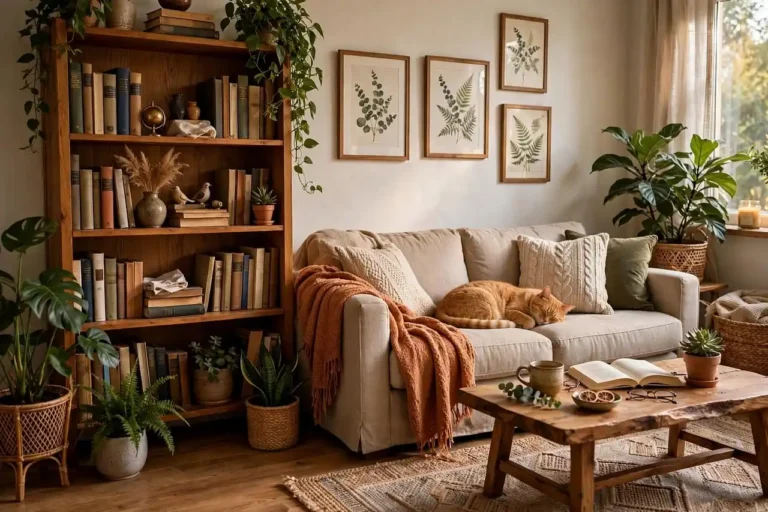
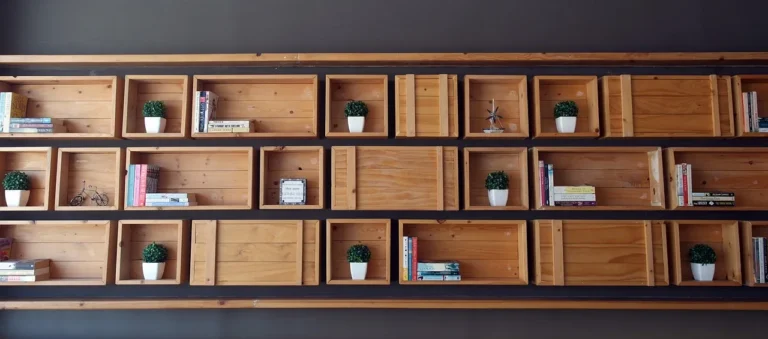
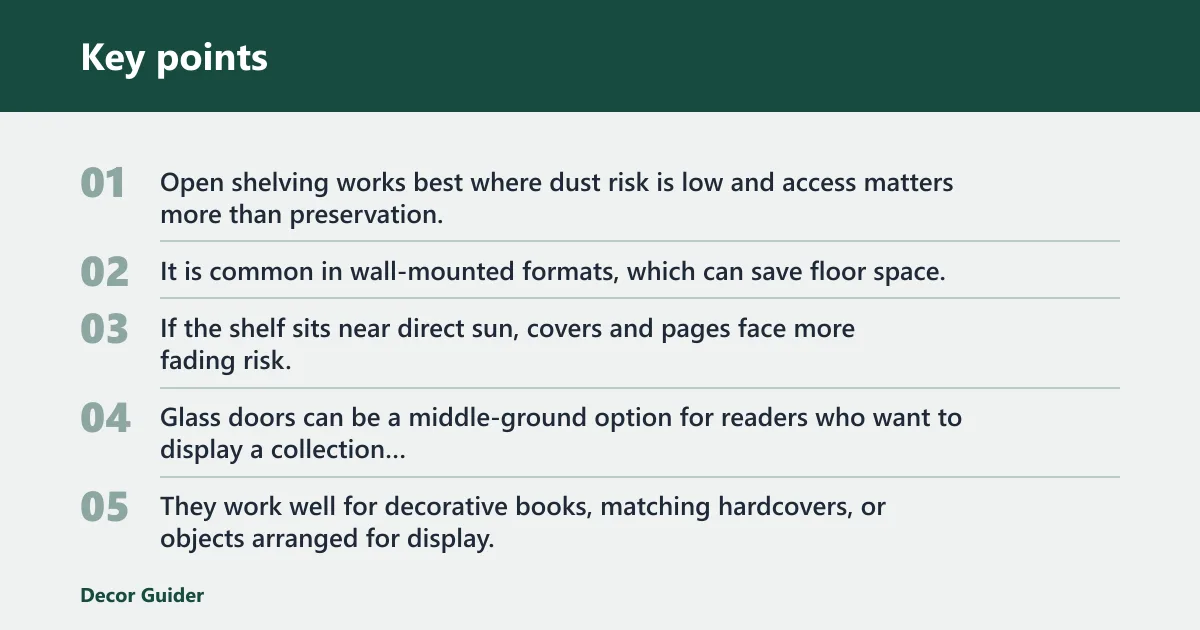
Open shelving works best where dust risk is low and access matters more than preservation. It is common in wall-mounted formats, which can save floor space, but that does not change the exposure problem. If the shelf sits near direct sun, covers and pages face more fading risk.
Glass doors
Glass doors can be a middle-ground option for readers who want to display a collection while still reducing dust. They work well for decorative books, matching hardcovers, or objects arranged for display. The downside is that fingerprints and smudges on the glass add another cleaning surface.
Solid doors
Solid doors give the strongest concealment and the cleanest visual line. They are the best choice when the goal is to hide mixed storage, kids’ materials, or office clutter. They also cut display visibility the most, so they work less well if the books themselves are part of the decor.
How do space, placement, and installation affect the choice?

Space constraints often decide the winner before style does. A freestanding bookcase usually takes more floor space but may offer sturdier, more stable storage, while a wall-mounted bookshelf can help save floor space in a small room. Closed units also need room for door swing and some airflow.
Freestanding bookcase
A freestanding bookcase is usually the better choice when the shelf will hold a significant load or sit in a high-use room. Bookcases often have a back panel and sometimes doors, and the back panel can add stability while helping keep books from pushing through. They also tend to cost more than simple bookshelves.
Wall-mounted bookshelf
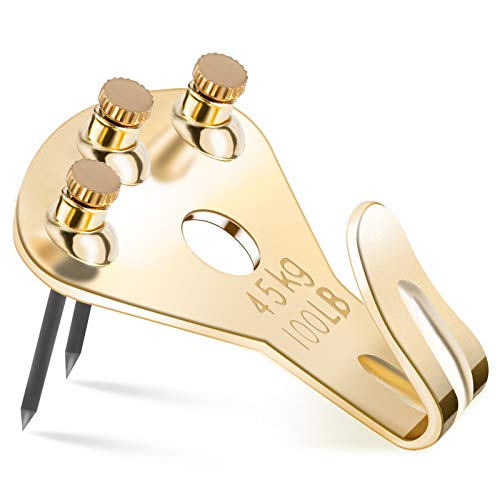
A wall-mounted bookshelf is useful when floor space is tight and the wall can carry the load safely. It can save floor space, but it usually requires secure installation and either careful stud placement or proper anchors. Open wall-mounted shelves are common, though door hardware can add some weight and may create swing-clearance issues.
Clearance, hinge swing, and ventilation
Measure the opening first. Leave room for the door to open fully, check shelf depth against your largest books, and make sure the unit does not crowd vents, outlets, or trim. Closed storage can also benefit from some ventilation around the back and sides, especially in humid rooms.
- Measure the wall width available for the unit.
- Check floor clearance and note baseboards or vents.
- Measure the tallest books or boxes you plan to store.
- Allow space for door swing if you choose doors.
- Confirm wall anchors or studs if the shelf mounts to the wall.
What looks better in a living room, office, or bedroom?
Decor-first rooms usually favor open shelves or glass doors because the collection stays part of the view. Offices and bedrooms often benefit from doors, since they hide paper stacks and soften visual clutter. A back panel can also make a unit feel more finished and keep the arrangement from looking unfinished from the side.
Living room
In a living room, glass doors often hit the best middle ground. They let you display books and objects, but they keep the shelf from feeling too busy. Solid doors are better if the unit will sit beside media gear, toys, or mixed storage that should stay out of sight.
Office
For an office, the right choice depends on access frequency. Open shelving works for active reference books and supplies you reach all day, while doors help hide archived files and reduce visual clutter during video calls. Adjustable shelves matter here because binders, paperbacks, and tall reference books rarely share the same height.
Bedroom
Bedrooms usually benefit from quieter visual lines. A bookshelf with doors can make the room feel calmer by hiding books, chargers, and bedside items that would otherwise collect on open shelves. If you want a few favorite titles on display, glass doors give you that without full exposure.
Choose Bookshelf with Doors if… / Choose Open Bookshelf if…
Choose a bookshelf with doors if you care most about dust control, a tidier look, or storing books in bright rooms. Choose open shelving if you need quick access, want to keep costs down, or plan to rearrange styling often. Glass doors sit between the two when you want display and protection together.
Choose Bookshelf with Doors if…
Choose doors if the shelf sits near a window, in a bedroom, or in a room with pets or children. Choose doors if you want to hide mixed storage, reduce dusting, or make a freestanding unit feel more finished. Choose solid doors when concealment matters more than display.
Choose Open Bookshelf if…
Choose open shelves if you reach the books often and want the fastest access. Choose open shelving if the room is small enough that a lighter visual profile matters more than dust protection. Choose it when the shelf is mostly for display and you are comfortable with more frequent cleaning.
Frequently asked questions
open vs closed bookshelf
Open shelves give you faster access and full display, while closed shelves give you more dust control and a cleaner look. Open shelving suits high-use books and styling, but closed storage is better when the room is bright, busy, or prone to clutter.
how do I choose between a bookshelf with doors and an open bookshelf?
Start with three questions: how often you reach the books, how much dust and sunlight the shelf gets, and how much of the collection you want visible. If access is daily, open shelves work well. If protection and neatness matter more, choose doors.
which is better for dust protection, doors or open shelves?
Doors are better for dust protection, with solid doors offering the most coverage. Open shelves leave books exposed, so dust settles faster and sunlight can fade covers and pages. If you live near a bright window or in a dusty room, doors are the safer pick.
is a bookshelf with glass doors better than a fully open bookshelf?
Yes, if you want a balance of display and protection. Glass doors still let you see books and decorative objects, but they reduce dust exposure more than open shelves. They are a strong middle choice for collections you want visible but not fully exposed.
what should I put on the bottom of a bookshelf with doors?
Heavier books, storage bins, and items you use less often fit well on the bottom, as long as the shelf clearance allows them to sit without scraping the door. Low placement also helps stabilize the visual weight of the unit and keeps the easiest-to-reach shelves free for daily use.
can I build a door for an existing bookshelf?
Yes, if the frame is square enough for hinges and the front edge can support hardware. Retrofitting doors usually needs careful measurement, hinge alignment, and a plan for clearance. It can be practical, but the total cost may rise once you add hardware, latches, and finishing supplies.
how do I make doors for a bookshelf?
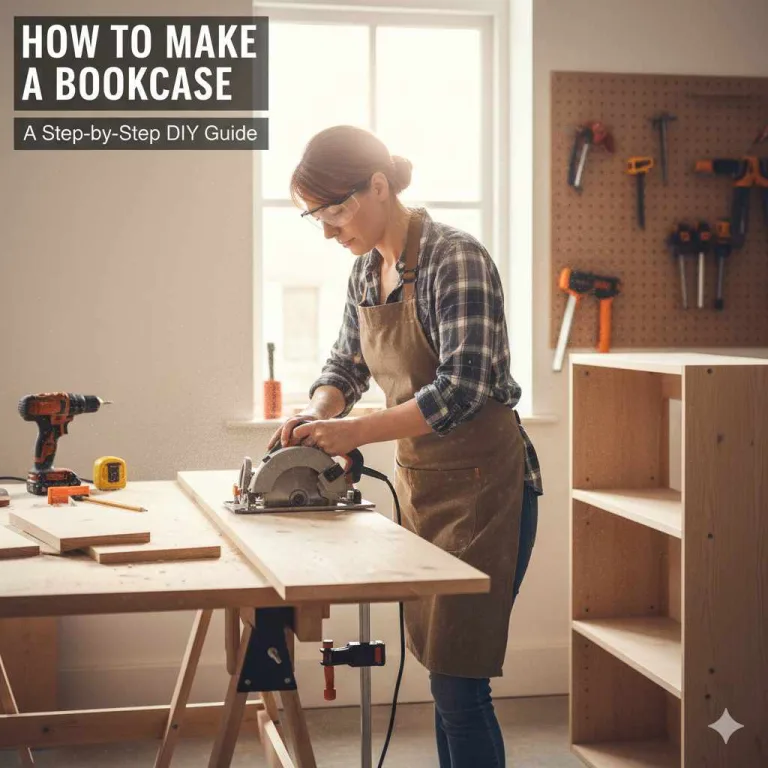
To make doors for a bookshelf, measure the opening, choose a door material, add hinges, and confirm that the swing will not hit nearby furniture or trim. A back panel, if present, helps the unit stay stable while you fit the doors. Keep the door weight reasonable for the hinge size.
what size bookshelf with doors works best in a small room?
For a small room, a narrow or wall-mounted bookshelf with doors usually fits best because it saves floor space and reduces visual bulk. Keep the depth shallow enough for the room to move comfortably around it, and check that door swing will not block walking paths or other furniture.
how to build a bookshelf door
Start by sizing the opening, then cut the door panel to leave room for hinges and easy movement. Use a back panel or a rigid frame if you need more stability, and test the swing before finishing the surface. The key is fit, not decoration.
how to make doors for a bookshelf
Measure the exact opening, choose solid or glass inserts, and install hinges that match the door weight. Then check shelf alignment, latch placement, and whether the door clears adjacent walls. If the shelf already flexes, reinforce it first so the doors do not bind later.
how to make a bookshelf door
A bookshelf door can be a simple flat panel or a framed front with an insert, depending on the look you want. The main requirements are accurate dimensions, secure hinge mounting, and enough clearance for smooth opening. If the shelf is wall-mounted, confirm that the added weight is acceptable.
Products related to this article
Sponsored / affiliate links. As an Amazon Associate I earn from qualifying purchases. I may earn additional commission from eligible campaigns.