Bookshelf vs Cube Storage: Which Fits Your Space?
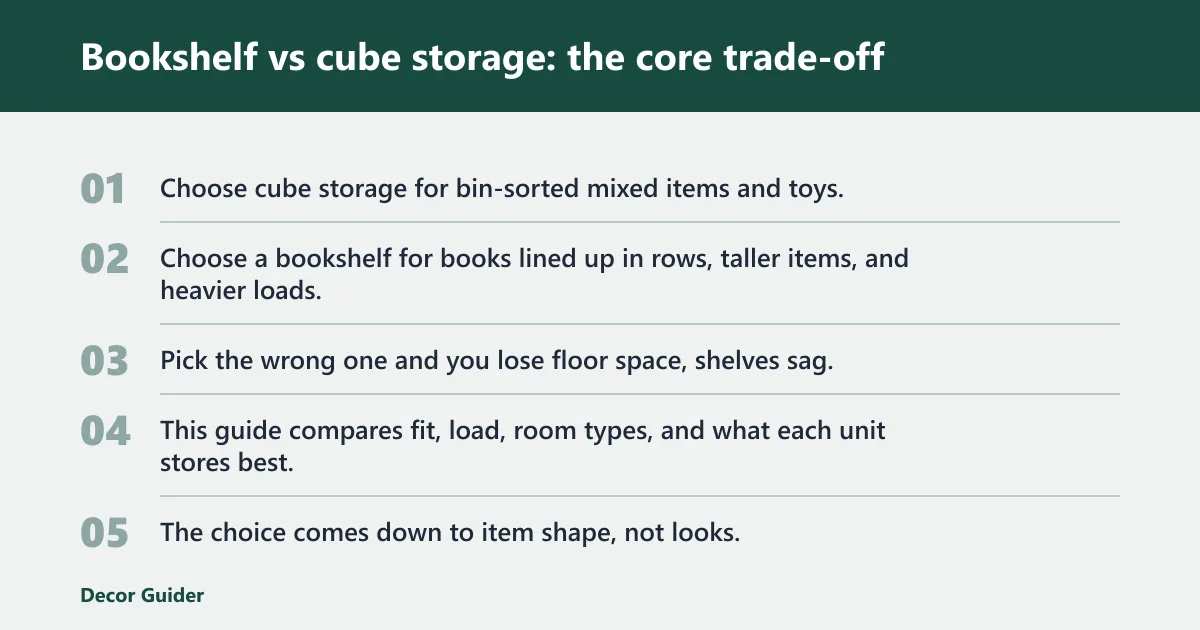
Choose cube storage for bin-sorted mixed items and toys. Choose a bookshelf for books lined up in rows, taller items, and heavier loads. Pick the wrong one and you lose floor space, shelves sag, or boxes hide the thing you need. This guide compares fit, load, room types, and what each unit stores best.
This guide is part of our Bookshelf guide: build, style, and organize series.
The choice comes down to item shape, not looks. Cube storage uses a fixed square grid with equal openings, while bookshelves use long ledges and may have adjustable shelves. That difference decides whether a unit handles hidden clutter well or supports books and tall pieces cleanly.
Bookshelf vs cube storage: the core trade-off
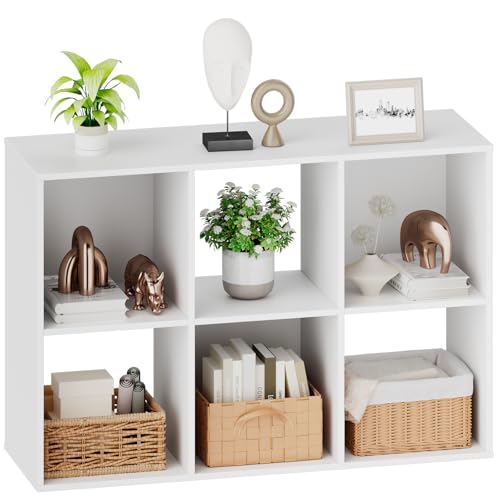


| Decision factor | Bookshelf | Cube Storage | Winner |
|---|---|---|---|
| Best storage pattern | Long rows of books, decor, and mixed-height objects | Bin-based sorting, toys, and mixed small items | Cube Storage for hidden categories; Bookshelf for linear runs |
| Fit control | Adjustable shelf positions help match item height | Fixed square openings limit item height and width | Bookshelf |
| Load handling | Better for heavier items and tall pieces | Typical cube storage weight per section is 20 to 40 lbs | Bookshelf |
| Visual clutter control | Open display surface leaves contents visible | Fabric storage bins hide clutter inside the grid | Cube Storage |
| Assembly and moving | Often simpler, but larger spans can be awkward to move | Cube organizers often assemble in 30 to 90 minutes and modular stackable variants can be easier to reconfigure | Cube Storage |
Best storage pattern
Bookshelves win when the load is a run of books, binders, or display pieces that work better in one horizontal line. Cube storage wins when the contents are split into categories and hidden inside bins, because the fixed square grid is built for that setup.
Fit control
Adjustable shelves matter because height mismatch is what breaks a bookcase setup. Cube storage cannot change its opening on demand, so oversized books, upright binders, and tall decor hit the top of the compartment sooner.
Load handling
Books put concentrated weight on a long span. Solid wood bookshelves can hold 40 to 75 lbs across a span, while cube storage is usually rated at 20 to 40 lbs per section, so the better support case usually belongs to the bookcase.
Visual clutter control
Cube storage is easier to keep visually quiet because bins hide mixed items. A bookshelf leaves contents exposed, which is fine for access and display but unforgiving when the shelf starts collecting cords, paper stacks, and odd-shaped objects.
Assembly and moving
Cube organizers often assemble in 30 to 90 minutes and their modular shape can make them easier to stack or split across rooms. A bookshelf can be just as simple to build, but wider spans and taller frames are harder to move through tight halls and doorways.
📊 Typical cube storage weight per section is 20 to 40 lbs. Source: Cube Storage vs Bookshelf: Which Is Right for You? (2026).
Decision matrix: exact size and load cutoffs

Use cube storage when the opening, bin, and item all fit the same square system; use a bookshelf when item height or load breaks that system. The practical cutoff is not style. It is whether the item clears the opening, whether the bin fits cleanly, and whether the unit carries the weight without sag or wobble.
| Fit test | Cube storage | Bookshelf | Decision rule |
|---|---|---|---|
| Opening size | Typical cube storage openings are around 11.25 to 13.4 inches | Continuous shelf spans vary, with adjustable shelf positions on many units | Choose cube storage only when the item or bin fits within the opening without forcing it |
| Bin fit | Fabric storage bins should match the cube opening; a common compatible size is around 11 inches | Bins are optional, not required for the shelf to function | If hiding clutter matters, bin fit decides the purchase |
| Item height | Limited by the fixed cube opening | Better for taller pieces because shelf gaps can be set higher | Pick the bookshelf when the item needs extra vertical clearance |
| Load per compartment | Typical cube storage weight per section is 20 to 40 lbs | Solid wood bookshelves can hold 40 to 75 lbs across a span | Pick the bookshelf for dense books or heavier mixed loads |
For cube storage, the useful number is the opening, not the outside frame. The Furinno open-back cube organizer has about 13.4-inch openings, while the ClosetMaid Cubeicals 8-Cube Organizer has 11.25-inch-wide openings. That difference matters because a bin or book that fits one may feel tight or awkward in the other.
The 11.25-inch figure is the stricter cutoff. If a fabric storage bin is around 11 inches, it is far more likely to slide cleanly into a cube opening near 11.25 inches than into a smaller opening with no margin. Once the fit becomes forced, the unit stops being easy storage and starts becoming a daily annoyance.
Can you use cube storage as a bookshelf?
Yes, but only for short book runs, paperbacks, and light decor that sit comfortably within the cube opening. Cube storage works as a bookshelf when the books do not need taller clearance and when the weight stays within the compartment limit. It becomes a poor substitute once hardcovers, binders, or mixed-height stacks push past the opening size.
Open-back cube units can help with cable access or rear access, which makes them useful for media gear and charging points. That still does not change the square limit. If the object is too tall or too heavy, an open back fixes access, not fit.
When cube units work well as book storage
Paperbacks, small hardcovers, and short display rows fit best. The square layout also helps keep categories separate, so a cube can hold one author, one reading project, or one small topic group without spilling across a long shelf.
When cube units stop making sense
Once books begin standing above the opening or leaning because the compartment is shallow for the collection, the setup loses efficiency. That is also where visual clutter grows fast, because mismatched book heights and leftover space make the unit look unfinished.
When cube storage is the better pick
Cube storage is the better pick for bins, toys, and mixed small items that need hidden categories. It is also the stronger choice in rentals, kids’ rooms, and other spaces where the storage has to be easy to reconfigure, easy to clean visually, and simple to stack in modular form.
Toys and mixed small items
Toys, craft supplies, charging gear, and spare household items fit the square grid well because they work better sorted by bin than by height. This is where cube storage hides clutter instead of putting it on display.
Kids’ rooms and rentals
In a kids’ room, a cube organizer can keep categories low and within reach, while fabric bins cut down visual noise. In a rental, the modular shape and faster assembly are practical advantages, especially when the furniture may need to move later.
Small spaces with category storage
When floor space is tight, cube storage still works if the goal is compact, labeled storage rather than a library wall. An open-back cube unit can also help in media corners where cables need to pass through the back of the compartment.
When a bookshelf is the better pick
A bookshelf is the better pick for book runs, taller clearance, and heavier loads. Adjustable-shelf bookcases are especially useful for mixed book heights, binders, and objects that do not fit well inside a fixed square opening. They also keep access simpler when the collection grows over time.
Books, binders, and tall items
Bookshelves handle upright books better because the shelf gap can be set to the object instead of forcing the object to match the shelf. Binders and oversized books are the clearest case for a bookcase, since they often exceed the useful height of common cube openings.
Decor and open display
For decor, framed pieces, and mixed-height objects, the open shelf surface reads better because each item can stand alone. That is harder inside a cube, where the square compartment can make larger pieces feel boxed in.
Heavier loads
Dense books create a real load problem. Solid wood bookshelves are better for that job because the weight spreads across a continuous ledge rather than loading a smaller compartment with a fixed square boundary.
Choose cube storage if… / choose a bookshelf if…

Choose cube storage if the plan is bin-based, mixed small-item storage with hidden clutter control. Choose a bookshelf if the plan is a book run, taller clearance, or better support for heavier loads. The right unit is the one that fits the item and the load, not the one that merely looks tidy on day one.
Best choice for books
Choose a bookshelf if most of the collection is standard books, hardcovers, or mixed-height volumes. Choose cube storage only if the books are short enough to sit neatly inside the opening without wasting space above them.
Best choice for toys
Choose cube storage. Toys, art supplies, and small gear are easier to sort into bins than onto open shelves, and the bins keep visual clutter under control.
Best choice for binders
Choose a bookshelf. Binders need height and stable support, and the adjustable-shelf bookcase can give both. Cube storage becomes awkward once the binders push against the fixed opening.
Best choice for decor and media storage
Choose a bookshelf for display-heavy decor and a cube unit for media gear that benefits from bins or rear cable access. If the goal is mixed storage in one small footprint, an open-back cube can be useful, but only if the item sizes still fit the square grid.
Which is better for a small apartment: cube storage or bookshelf?
For a small apartment, the better choice depends on whether the storage must hide clutter or display books. Cube storage is usually better for mixed belongings, while a narrow bookshelf is better when the main job is holding books in a slim footprint. Modular cube stacking can help if the room changes often.
A narrow bookcase is a strong option when wall width is tight but vertical height is available. The VASAGLE 5-Tier Bookshelf is positioned as a narrow bookcase footprint, while the Sauder Beginnings 5-Shelf Bookcase is presented as a traditional bookcase option. Both point to the same rule: choose the frame that matches the wall, not the one that merely looks smaller.
What size are cube storage boxes for cube organizers?
Cube storage boxes should match the cube opening, and a common compatible size is about 11 inches, though the exact fit depends on the unit. That fit matters because cube storage relies on a fixed square grid, so a bin that is too large jams at the opening and a bin that is too small leaves messy gaps and weakens the hiding effect.
The practical test is simple. If the organizer has openings around 11.25 to 13.4 inches, the bin should slide in without forcing the frame or collapsing the fabric sides. If the bin does not sit cleanly, the organizer loses the main advantage of cube storage: controlled, concealed categories.
How do shelf heights affect book storage?
Shelf height decides whether books stand upright, lay flat, or get squeezed. Adjustable shelves are valuable because they let a bookcase match the collection’s height mix, while fixed cube openings force every item to fit the same space. That difference is why tall books often do better on a bookcase.
When the gap is too short, books tilt, waste space, or block access to neighboring items. When the gap is too tall, the shelf wastes volume, which matters in compact rooms where usable storage is more useful than the shelf’s surface area.
Which holds more weight, cube storage or a bookshelf?
A bookshelf often holds more weight, especially when it is solid wood and built for longer shelf spans. Typical cube storage weight per section is 20 to 40 lbs, while solid wood bookshelves can hold 40 to 75 lbs across a span. That makes the bookcase the safer choice for dense books and heavy mixed loads.
Load distribution also differs. Cube storage pushes weight into separate compartments, which is fine for lighter grouped items, but the bookcase spreads load along a continuous ledge. That spread is what helps reduce stress when the shelf carries a heavy row of books.
Is cube storage cheaper than a bookshelf?
Often, yes, but price alone is a weak reason to buy it. Cube storage can cost less and assemble faster, yet a cheaper unit is a bad buy if the opening is too small, the bins do not fit, or the compartment load is wrong for the items. Cost should follow fit.
In practice, the better value is the one that avoids replacement. A unit that looks inexpensive but cannot hold the load or hide the clutter usually gets swapped out sooner than a bookcase that fit the job from the start.
What kinds of items fit better in cube storage than on a bookshelf?
Cube storage fits better for toys, craft supplies, cables, folded textiles, and mixed household items that are easier to sort into bins than to line up on shelves. It also works for media accessories and other small objects that benefit from compartment separation and hidden storage.
Bookshelves are still better for books, binders, framed pieces, and tall decor. If the item’s height or weight matters more than hiding it, the bookshelf usually wins.
dresser vs cube storage
A dresser is often better for folded clothing because drawers hide items and help keep soft goods stacked in a more controlled way. Cube storage is better when the contents need labeled bins, open access, or a mix of category storage that does not behave like clothing. For books and school supplies, the cube unit is usually the better multifunctional furniture choice.
If the room needs both clothing and books, a dresser handles garments while cube storage handles toys, paper goods, or media gear. That split is cleaner than forcing one unit to do both jobs badly.
how to store books for storage
Store books upright on a bookshelf when possible, with shelf gaps set to the collection’s tallest common size. For long-term storage, keep the run stable, avoid overloading one shelf, and do not stack heavy books so high that the shelf bows. Cube storage is only a fit when the books are short enough to sit cleanly inside the opening.
If the books are packed for moving or seasonal holding, a bookshelf with adjustable shelves is usually the safer storage frame. It gives better support and better access than a cube grid forced to behave like a library shelf.
are floating shelves good for books
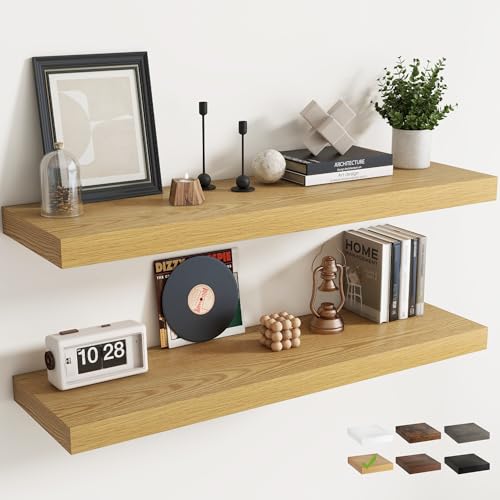
Floating shelves can work for a few light books, but they are not the general substitute for a bookcase. The load is concentrated, the access is open, and the support depends heavily on wall fixing. For a real book run or heavier volumes, a bookshelf is the safer and more practical choice.
Frequently asked questions
Is cube storage better than a bookshelf for books?
Only for short book runs, paperbacks, or mixed items grouped with bins. For heavier books, taller spines, and collections that need room to grow, a bookshelf is the better fit because it gives more height control and stronger support across the span.
Can you use cube storage as a bookshelf?
Yes, but only within the cube size limit. It works for light, short books and small decor, then fails when hardcovers, binders, or taller volumes need more clearance than the square opening provides.
Which holds more weight, cube storage or a bookshelf?
A bookshelf usually holds more weight, especially a solid wood one. Typical cube storage weight per section is 20 to 40 lbs, while solid wood bookshelves can hold 40 to 75 lbs across a span, so heavier books belong on the bookcase.
What size are cube storage boxes for cube organizers?
A common compatible size is around 11 inches, and the box should match the cube opening closely. That is why cube openings around 11.25 to 13.4 inches matter; the bin has to slide in cleanly or the system stops working well.
Is cube storage cheaper than a bookshelf?
Often it is, but cheaper is not the same as better value. If the cube opening is too small, the bin fit is poor, or the load is too heavy, the lower price does not save money for long because the unit does not solve the storage problem.
Which is better for a small apartment: cube storage or bookshelf?
Use cube storage when hidden categories matter and the room needs modular, bin-based storage. Use a narrow bookshelf when the goal is books, tall clearance, or visible display in a slim footprint. The better small-apartment choice is the one that matches the load and the wall space.
Products related to this article
Sponsored / affiliate links. As an Amazon Associate I earn from qualifying purchases. I may earn additional commission from eligible campaigns.