Bookcase vs Shelving Unit: Which Fits Your Space?
Choose a bookcase if you need heavier, enclosed storage with stronger shelf support; choose a shelving unit if you want a lighter, open display or room divider. Pick the wrong one and shelves can bow, rooms feel cluttered, or sightlines and traffic flow suffer. This guide compares load-bearing storage, openness, privacy, and divider use, then matches each form to living rooms, offices, rentals, bedrooms, study spaces, and kids’ rooms.
This guide is part of our Bookshelf guide: build, style, and organize series.
Bookcase vs shelving unit: the core trade-off
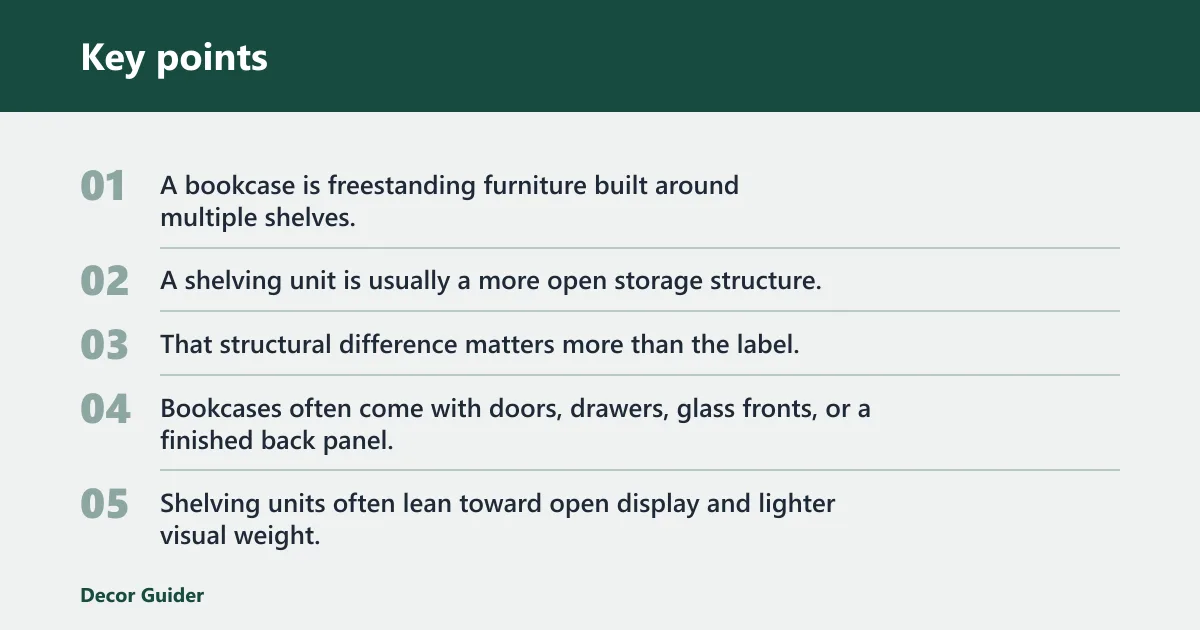


A bookcase is freestanding furniture built around multiple shelves, often with a cabinet-like feel. A shelving unit is usually a more open storage structure, and it may be wall-mounted or freestanding. That structural difference matters more than the label, because it affects weight support, privacy, dust control, and how the piece sits in a room.
Bookcases often come with doors, drawers, glass fronts, or a finished back panel. Shelving units often lean toward open display and lighter visual weight, with forms such as cube, ladder, etagere, and room-divider styles. Slumberland notes that the terms are often used interchangeably, but the construction is not the same.
What a bookcase usually includes
Bookcases are commonly sold as standard, library, corner, cube, ladder, or room-divider types. Some retailers describe standard bookcases as roughly 3 to 7 feet tall, and shopping filters may sort units into narrow, standard, and wide width ranges.
Closed fronts, drawers, and glass doors are common bookcase features. A finished back panel also matters because it adds visual closure and can help the piece look complete when placed against a wall or used as a room divider.
What a shelving unit usually prioritizes
Shelving units usually prioritize openness and flexibility. They may be wall-mounted or freestanding, and they often put display and access ahead of enclosure. That makes them easier to use for decor, bins, baskets, and mixed storage, especially when you do not want a heavy cabinet look.
IKEA lists bookcases, bookshelves, and smart storage solutions for every room, which reflects how broad the category has become. Walmart also shows 5-shelf bookcases with adjustable shelves and 8-cube storage organizers as bookcase-like storage options, which shows how easily the categories overlap in retail listings.
Why the structure matters more than the label
Two pieces called “bookcase” can behave very differently if one has doors and a finished back while the other is an open cube unit. The same is true for shelving units: a wall-mounted open shelf and a freestanding room divider solve different problems.
If you need weight support, privacy, or dust protection, structure matters first. If you need visual openness or a divider that still lets light through, the more open form usually works better.
| Decision factor | Bookcase | Shelving Unit | Winner |
|---|---|---|---|
| Storage density | Higher, especially with enclosed shelves, drawers, or doors | Good for mixed storage, bins, and display, but usually less enclosed | Bookcase |
| Dust protection | Better when it has doors, glass fronts, or a finished back | Open shelves collect dust more quickly | Bookcase |
| Visual lightness | Often heavier in appearance | Usually lighter and less bulky to the eye | Shelving Unit |
| Room-divider use | Good when it has a finished back or enclosed sides | Better if it is specifically built as an open divider | Tie |
| Assembly complexity | Can be higher with doors, drawers, or extension units | Often simpler, especially with basic open frames | Shelving Unit |
| Safety and stability | Often more stable if heavier and lower; tall units still need anchoring | Often needs anchoring sooner because the open frame can wobble | Bookcase |
| Styling flexibility | Good for a cleaner look and hidden storage | Better for changing displays and mixed decor | Shelving Unit |
| Renter-friendliness | Strong if freestanding and compact | Strong if lightweight or easy to move, but wall mounting reduces appeal | Tie |
Storage density
Bookcases usually win when you need to store the most in a fixed footprint. Closed-front versions pack in books, office supplies, and visual clutter that would otherwise spill across a room.
Shelving units work well for open bins and display, but they usually trade some enclosure for access. That makes them less dense as pure storage, even when the shelf count is similar.
Dust protection
Doors and glass fronts help block dust, which matters for paperbacks, collectibles, and electronics stored near the shelves. A finished back panel can also reduce the “unfinished wall” look.
Open shelving units need more dusting because every surface stays exposed. If the room gets dusty fast, an open frame can become a maintenance task rather than a feature.
Visual lightness
Shelving units usually read as lighter because air passes through them. That can help in small rooms, narrow hallways, and apartments where solid furniture feels too heavy.
Bookcases are often better when you want the wall to feel grounded and contained. The trade-off is that they can take over a room visually if the unit is wide or tall.
📊 IKEA offers a BILLY bookcase with foldable table, sized 80×33/112×106 cm. Source: Buy Bookcases with Doors & Shelving Unit Online UAE.
Which is better: a bookcase or a shelving unit for books?
A bookcase is usually better for books because it is more likely to offer the shelf support, enclosure, and stability that heavy volumes need. A shelving unit can still hold books, but open frames and lighter construction make shelf ratings and anchoring more important, especially with hardcovers.
Shelf ratings and heavy-book storage
Wayfair states that some shelves support up to 35 lbs, which is a useful reminder that shelf capacity varies by build. Heavy textbooks, art books, or long rows of hardcovers do better on shelves designed for weight, especially when the unit uses thicker panels or metal framing.
Walmart’s 5-shelf bookcases with adjustable shelves are a practical sign that many bookcases are designed to adapt to different book heights. Adjustable shelves also let you set shorter gaps for paperbacks and taller gaps for oversized volumes.
Open shelves, dust, and book protection
Open shelving makes books easy to reach, but it exposes spines and page edges to dust. That is fine for frequently used books, less ideal for a library that you want to keep cleaner over time.
If book condition matters, closed fronts or glass doors are useful. They reduce exposure without hiding the collection completely.
When doors or glass fronts help
Doors are best when you want concealed storage for papers, cords, or mixed items that do not need to be seen. Glass fronts work when you want the books visible but still protected from dust.
For a study or office, glass-front bookcases often give the best balance. You get a cleaner view than open shelves, but less visual bulk than a fully solid cabinet.

Can a shelving unit hold heavy books like a bookcase?
Yes, but only if the shelving unit has the right shelf rating, sturdy materials, and stable support. A shelving unit can match a bookcase for books only when the shelf depth, span, and mounting method are designed for load rather than display alone.
Material and build matter
Engineered wood, manufactured wood, wood veneer, and metal all behave differently under load. Metal frames usually feel more rigid, while manufactured wood can be perfectly serviceable if the shelf spans are short and the hardware is solid.
Bookcases with thicker shelves and finished back panels often resist sway better than lightweight open units. That matters once you load several shelves with dense books.
When wall anchoring is needed
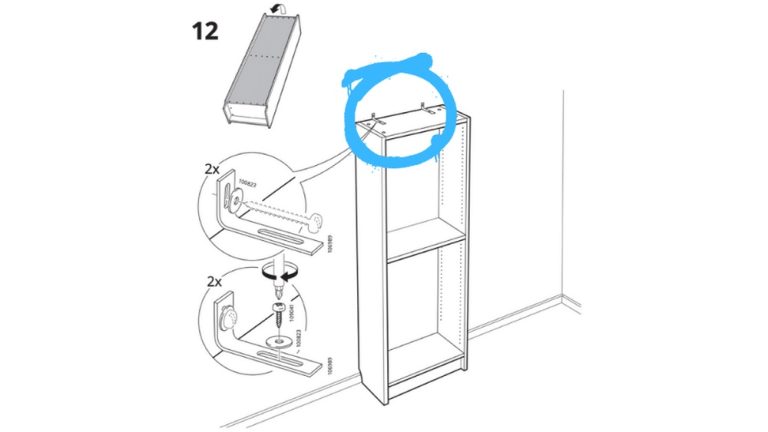
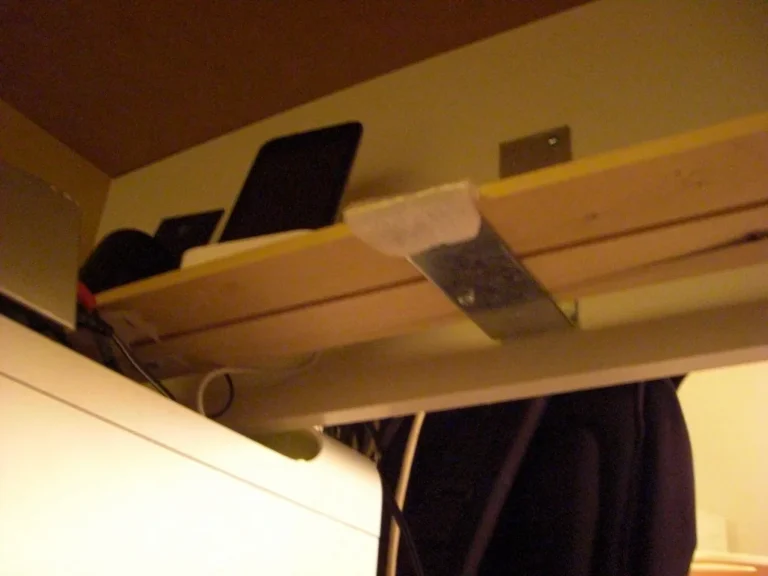
Tall shelving units should be anchored to the wall whenever the manufacturer recommends it, and the same caution applies to tall bookcases. Anchoring matters because height increases tip risk, especially in homes with children or pets.
A common rule of thumb is simple: the taller and lighter the unit, the more important the anchor becomes. If the unit feels top-heavy before books are added, do not skip the wall fastener step.
Failure cases to watch for
A common first-timer mistake is filling an open shelf from top to bottom with oversized books. The unit can start to lean, shelves can bow, and the whole piece may feel unstable long before it reaches its decorative limit.
If the floor is uneven, use adjustable levelers if they are included and tighten all hardware after assembly. Wobble often comes from small alignment issues, not just weak materials.
Is a bookcase or shelving unit better for a room divider?
A shelving unit is usually better for a room divider when you want an open boundary that still passes light and keeps the room from feeling boxed in. A bookcase is better when the divider needs more privacy, more hidden storage, or a stronger visual break between zones.
Depth, back panels, and stability
For divider use, depth and a finished back panel matter more than shelf count. A finished back helps the divider look intentional from both sides, while a deeper base improves balance and reduces the chance of wobble.
Open-back units are useful when you want the divider to read lightly. They keep sightlines open, but they also reveal clutter on both sides, so the contents need to stay orderly.
When a divider should still feel light
If the goal is to split a studio apartment or a combined living-dining space, a lower or open shelving unit often works better than a solid bookcase. It gives definition without making the room feel cut off.
Say your studio is fairly narrow and you want to separate a desk zone from a sofa zone. A bookcase with a finished back can create privacy, but a cube-style shelving unit may preserve more light and circulation.
What size bookcase or shelving unit should I buy for my space?
Start with width, then height, then depth. Narrow units under 20 inches work for tight corners, standard 20 to 50 inch units fit many walls, and wide units over 50 inches make sense only when you have enough uninterrupted wall length and clearance.
Width bands: under 20 in., 20–50 in., and over 50 in.
Wayfair filters bookcases by width, including narrow under 20 inches, which is useful for hallways, corners, and beside a desk. Standard widths from 20 to 50 inches suit most home offices and living rooms.
Wide units over 50 inches work best when the wall can visually support them. Otherwise, the piece can overpower the room and make the layout feel crowded.
Height and ceiling clearance
Wayfair filters include tall units over 84 inches, and that scale is most useful in rooms with enough vertical space to absorb the height. Slumberland’s 3 to 7 feet range for standard bookcases is easier to place in average rooms.
IKEA shows BILLY bookcases in multiple widths and heights, including 40x28x202 cm, which demonstrates how height choices can change the entire footprint. An added BILLY bookcase with foldable table, sized 80×33/112×106 cm, shows how storage can also double as a work surface.
Depth for books, bins, and narrow rooms
Depth affects both usability and traffic flow. Deeper units hold larger books and bins, but they can crowd a narrow room if placed near a path or doorway.
For a compact apartment, a slimmer unit often works better than a deep one that steals walking space. Measure floor clearance as carefully as wall width.
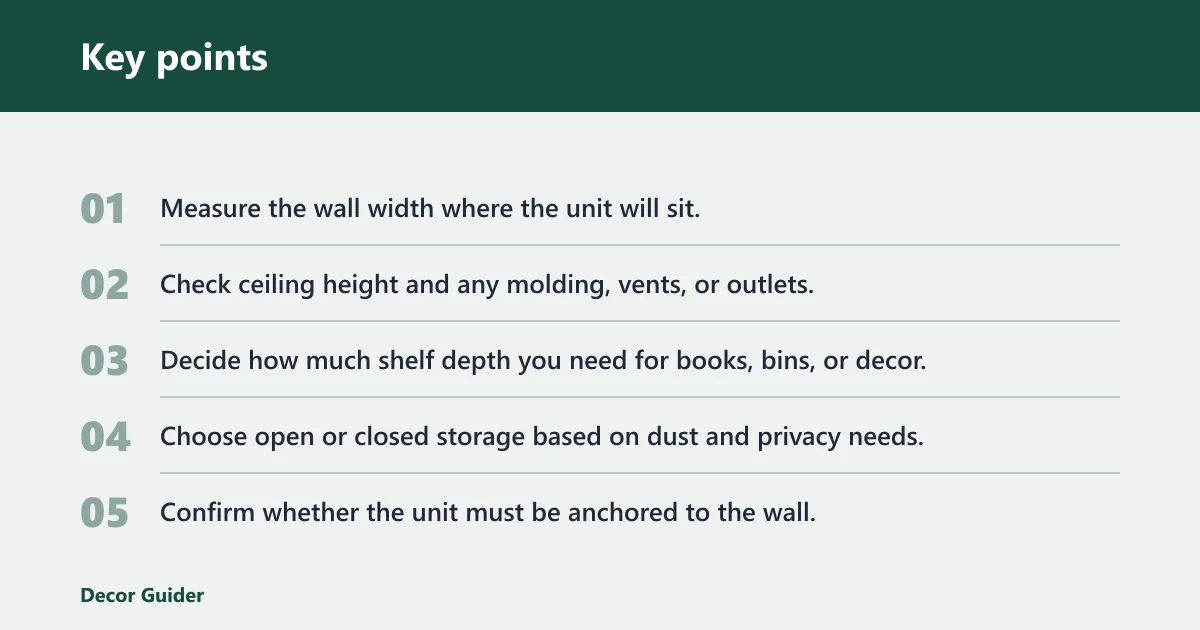
- Measure the wall width where the unit will sit.
- Check ceiling height and any molding, vents, or outlets.
- Decide how much shelf depth you need for books, bins, or decor.
- Choose open or closed storage based on dust and privacy needs.
- Confirm whether the unit must be anchored to the wall.
Which is easier to style: a bookcase or a shelving unit?
Shelving units are usually easier to style if you like changing displays, because the open structure lets you mix books, objects, baskets, and art with little visual blockage. Bookcases are easier when you want a calmer, more contained look with fewer visible items.
Styling flexibility
Open shelving gives you more freedom to alternate stacked books, framed art, and sculptural objects. That freedom can also become clutter if every shelf gets filled with items of the same height.
Bookcases with doors or drawers simplify the surface styling problem by hiding part of the load. The visible shelves can stay more edited, which is helpful in offices and living rooms.
What happens when styling goes wrong
Picture a medium-width cube unit in a small living room. If every cube holds a different object type, the piece can start to read as noise instead of storage.
Bookcases help avoid that problem by reducing what stays visible. Shelving units work best when you leave some open space on the shelves and repeat a few materials or colors.
Do I need wall anchors for a tall shelving unit?
Yes, if the unit is tall, top-heavy, or placed where children can pull on it. Wall anchors are especially important for freestanding shelving units, because open frames can wobble before they fail, and tall furniture can tip if weight shifts forward.
Safety and stability
Anchors reduce tip risk and help the piece stay aligned over time. This matters for both bookcases and shelving units, but it becomes more urgent with tall open shelving because less enclosure usually means less inherent stiffness.
If the unit has a finished back panel, that can help with rigidity, but it does not replace anchoring when the manufacturer calls for it. Follow the included hardware instructions, not guesswork.
Kids’ rooms and traffic areas
In kids’ rooms, anchoring is not optional if the unit is tall. Toys, books, and climbing behavior all increase the chance of a forward pull.
In a hallway or near a doorway, anchoring also helps when the unit might get bumped. A stable unit is easier to live with and less likely to shift after assembly.
What is the best option for small apartments: bookcase or shelving unit?
For small apartments, a shelving unit often wins when you need visual lightness and flexible storage, while a bookcase wins when you need the most concealed storage in the smallest footprint. The better pick depends on whether the room feels crowded because of bulk or because of clutter.
Apartment and rental scenarios
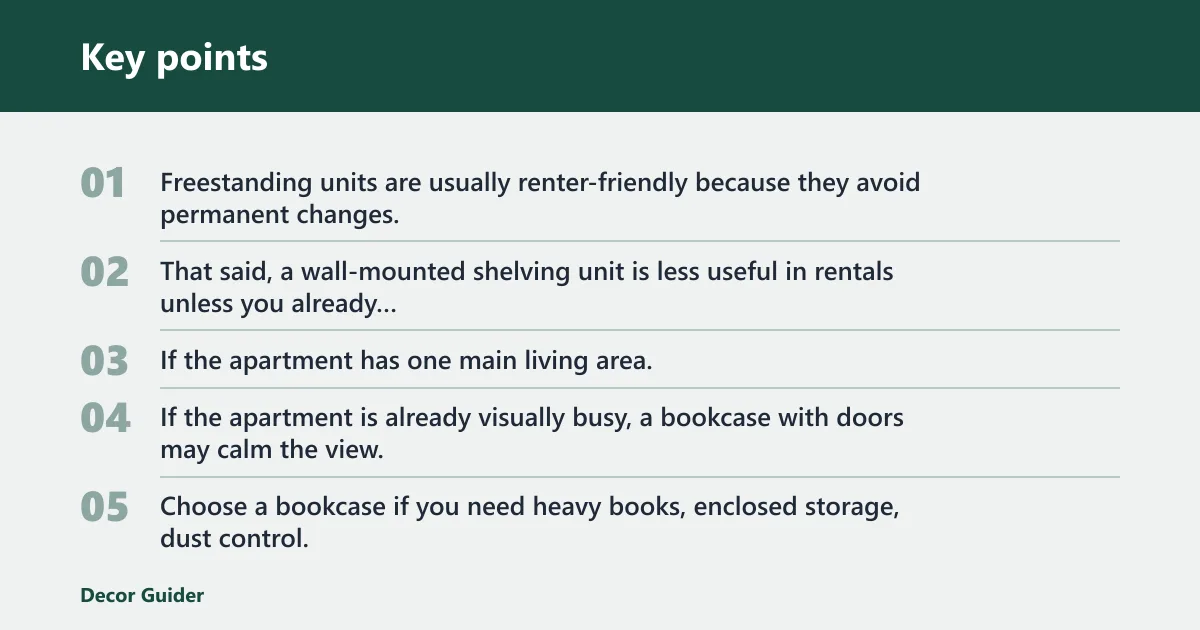
Freestanding units are usually renter-friendly because they avoid permanent changes. That said, a wall-mounted shelving unit is less useful in rentals unless you already have permission and the wall type can take the hardware.
If the apartment has one main living area, an open shelving unit can act as a divider without closing off the room. If the apartment is already visually busy, a bookcase with doors may calm the view.
Choose bookcase if… / choose shelving unit if…
Choose a bookcase if you need heavy books, enclosed storage, dust control, or a stronger wall of storage in a home office, study, bedroom, or library. It also fits better when you want doors, drawers, glass fronts, or a finished back panel.
Choose a shelving unit if you want a lighter display, a room divider that still passes light, easier styling changes, or a compact solution for a rental or small apartment. It is especially useful for decor-first living rooms and open-plan spaces.
For a home office or study, choose a bookcase when you need to support heavy files and books. For a living room, choose a shelving unit for display, or a bookcase if you want hidden storage behind doors. For kids’ rooms, a low bookcase or anchored shelving unit with bins works best. For room-divider use, a finished-back bookcase or a divider-style shelving unit can work, depending on how much privacy you need.
Frequently asked questions
What is the difference between a bookcase and a shelving unit?
A bookcase is usually freestanding furniture with multiple shelves and may include doors, drawers, or glass fronts. A shelving unit is usually more open and may be wall-mounted or freestanding, which makes it better for display and lighter visual weight.
Products related to this article
Sponsored / affiliate links. As an Amazon Associate I earn from qualifying purchases. I may earn additional commission from eligible campaigns.
 Zedfire 18" x 36" x 74" Garage and Office Heavy-Duty Shelving Unit with 25 Storage Bins - Commercial Metal Wire Rack for Tool Storage, Red
 Heavy-Duty Commercial Chrome Storage Shelving Unit 18" x 36" x 74" with 25 Bins - Metal Utility Rack for Tool Organization, Wire Storage Shelf for Office, Warehouse, Garage, and Workshop - Black