Bookcase And Bookshelf Difference
When people set out to organize their homes, offices, or libraries, the terms “bookcase” and “bookshelf” are often used interchangeably. Yet, the distinction between these two pieces of furniture goes far beyond mere semantics. Whether you’re an interior designer, a home organization enthusiast, or just someone looking to add more storage to your space, understanding the bookcase and bookshelf difference can help you make better purchasing decisions, optimize your room’s layout, and even improve the preservation of your prized book collection.
The global market for home and office storage solutions is booming as people increasingly value both function and aesthetics in their living spaces. According to a report by Statista, the home furniture market is projected to reach $249.4 billion in 2026, with storage furniture representing a significant portion of this figure. As design trends shift and consumer needs evolve, the nuances between bookcases and bookshelves play a greater role in shaping interiors that are not only visually appealing but also highly functional. In this article, we’ll explore every facet of the bookcase vs bookshelf debate, provide real-world examples, and offer data-driven comparisons to empower your next furniture decision.
Key Takeaways
- Bookcases are freestanding, enclosed units; bookshelves are open, wall-mounted or modular surfaces.
- Bookcases provide superior protection for items and more structural stability, while bookshelves excel at space-saving and decorative flexibility.
- The right choice depends on your space, storage needs, design preferences, and budget.
- Materials, size, installation, and maintenance requirements differ significantly between the two.
- Real-world examples demonstrate how the correct selection impacts organization, aesthetics, and usability.
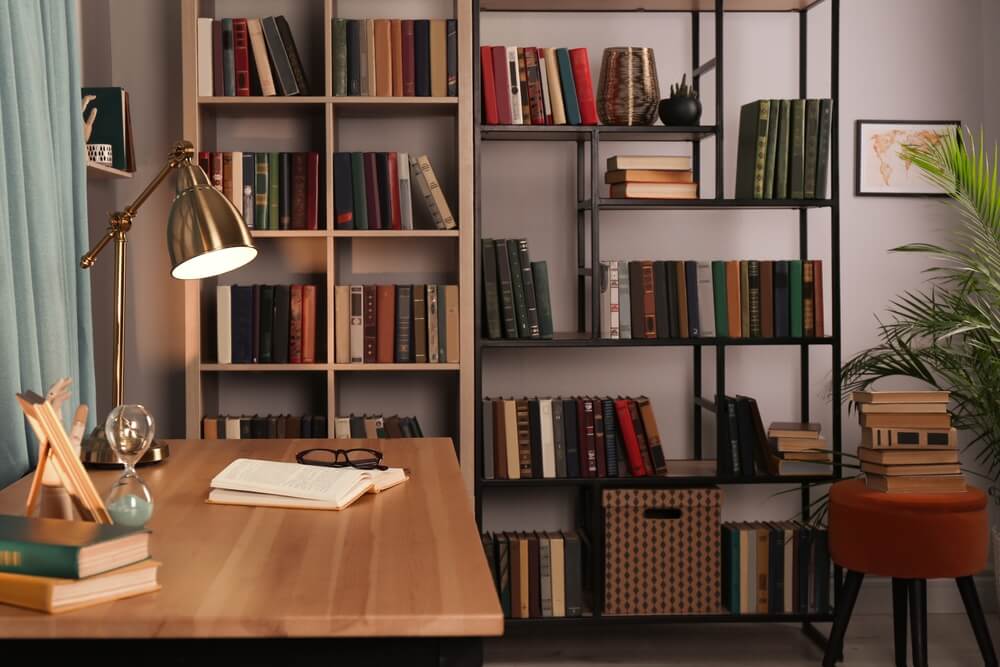
Credit: www.maximfurniture.com.my
Definitions: Bookcase Vs Bookshelf
Bookcase
A bookcase is a large, freestanding piece of furniture, typically featuring multiple horizontal shelves enclosed within a frame. It’s designed to store and display books, documents, and decorative objects. Bookcases are often constructed from sturdy materials like wood, metal, or engineered composites and can range from small, two-shelf units to expansive, floor-to-ceiling installations.
Key characteristics of bookcases:
- Freestanding (not attached to walls)
- Enclosed sides, back, and sometimes doors
- Multiple fixed or adjustable shelves
- Can include additional features like cabinets or drawers
Bookshelf
A bookshelf is generally a single, open shelf or a set of open shelving units. Unlike bookcases, bookshelves are often wall-mounted or designed as modular, open frames. Their primary function is to provide an accessible surface for storing or displaying books and other items, but they don’t offer the same degree of enclosure or protection.
Key characteristics of bookshelves:
- Wall-mounted, floating, or modular
- Open sides and back, no doors
- One or more surfaces (often not enclosed within a frame)
- Typically lighter and more flexible than bookcases
Visual Comparison Table
| Feature | Bookcase | Bookshelf |
|---|---|---|
| Structure | Freestanding, enclosed | Open, wall-mounted/modular |
| Protection | High (sides, back, sometimes doors) | Low (open to dust, air) |
| Capacity | Large volumes | Moderate/small volumes |
| Mobility | Heavy, less portable | Lightweight, movable |
| Installation | Place on floor | Mount or stack |
Historical Context And Evolution
Origins Of The Bookcase
Bookcases trace their lineage back to the libraries of ancient Rome and Egypt, where wooden cabinets and chests were used to house scrolls and manuscripts. The modern bookcase, as a standing unit with horizontal shelves, rose to prominence during the Renaissance, when the proliferation of printed books demanded more robust storage solutions. Notable examples include the 18th-century barrister bookcase, designed for legal offices and built with glass doors for protection.
The Rise Of The Bookshelf
Bookshelves evolved as a response to the growing need for easy access and display in smaller, more adaptable spaces. Wall-mounted shelves became popular in the 20th century, coinciding with trends toward minimalism and open-plan living. Open shelving also grew in popularity for its versatility, not just for books, but also for art, plants, and collectibles.
Real-world Example: The Home Library
In homes with dedicated library rooms, bookcases often dominate, providing enclosed, floor-to-ceiling storage for large collections. In contrast, urban apartments frequently feature bookshelves for space-saving, decorative displays. This evolution reflects shifting lifestyles and interior design priorities.

Credit: www.youtube.com
Structural And Functional Differences
Construction And Materials
Bookcases are usually constructed from solid hardwoods (like oak, cherry, or walnut), engineered woods, or metal frames. Their enclosed structure allows for heavier, more durable builds capable of supporting significant weight without warping.
Bookshelves are typically made from lighter materials, such as MDF, pine, or even glass and acrylic. Because they’re open and often wall-mounted, their load capacity is lower, and they require secure anchoring to support heavier items.
Installation And Placement
- Bookcases require floor space and can be moved as needed (though larger units may require disassembly).
- Bookshelves are often mounted directly to walls, freeing up floor space and offering more flexibility in placement.
Storage Capacity And Accessibility
Bookcases can hold hundreds of books and offer superior protection from dust, sunlight, and accidental knocks. Some models feature glass doors or locks for added security.
Bookshelves, while more accessible, typically hold fewer items and provide less environmental protection. However, they excel at displaying favorite titles, plants, or art objects within easy reach.
Example: Office Vs Living Room
In offices, bookcases are preferred for organizing large volumes of documents and reference materials. In living rooms, bookshelves are favored for blending books with decor, creating a visually engaging focal point.

Credit: www.habitatfurniture.com.au
Aesthetic Impact And Design Considerations
Style And Visual Presence
Bookcases make a bold statement, anchoring a room with their size and presence. They come in various styles, from traditional carved wood to sleek, modern designs with glass or metal accents.
Bookshelves are subtler, blending into walls and highlighting their contents rather than the structure itself. Floating shelves, ladder shelves, and modular systems are common, allowing for creative arrangements.
Integration With Decor
Bookcases can serve as room dividers or be built into walls for a custom look. Their enclosed design can hide clutter, contributing to a tidy appearance.
Bookshelves encourage open display and can be styled with color-coordinated books, plants, and decorative objects. They’re especially popular in minimalist and Scandinavian interiors.
Table: Style Comparison
| Design Element | Bookcase | Bookshelf |
|---|---|---|
| Visual Impact | Dominant, substantial | Light, airy |
| Customization | Built-ins, modular, traditional | Floating, ladder, geometric |
| Styling Options | Hidden or displayed | Open display only |
| Decor Integration | Room divider, focal point | Wall accent, flexible layout |
Example: Scandinavian Minimalism
In my experience designing for small urban apartments, floating bookshelves have become a staple of Scandinavian-inspired interiors. Their open, minimalist look contrasts with the heavier, more traditional appearance of classic bookcases, which suit larger, formal spaces.
Practical Applications: Choosing The Right Option
When To Choose A Bookcase
- Large Book Collections: If you have an extensive library or need to store heavy reference materials, a bookcase offers the necessary support and protection.
- Need for Organization: Bookcases with doors, drawers, or cabinets keep items organized and hidden from view.
- Protecting Items: Enclosed sides and optional doors shield valuable books from dust, sunlight, and curious pets or children.
- Permanent Placement: Ideal for spaces where furniture arrangement is unlikely to change.
When To Choose A Bookshelf
- Limited Space: For small rooms or apartments, wall-mounted bookshelves save valuable floor area.
- Decorative Displays: Bookshelves are perfect for showcasing art books, plants, or collectibles alongside a few favorite reads.
- Flexibility: Modular or floating shelves can be rearranged or expanded as your needs change.
- Budget-Friendly: Bookshelves, especially DIY or ready-to-assemble options, are generally more affordable.
Example: Studio Apartment
A studio dweller might opt for a set of floating bookshelves above a desk to maximize vertical space, while a homeowner with a dedicated library would likely invest in a robust, enclosed bookcase for their collection.
Pro Tip:
When mounting bookshelves, always use appropriate wall anchors and check the weight rating to prevent accidents.
Durability, Maintenance, And Longevity
Durability And Stability
Bookcases excel in durability, especially when constructed from quality hardwoods or metals. Their freestanding design means they’re less reliant on wall integrity and can withstand years of use.
Bookshelves, by contrast, depend on secure installation. Poorly anchored shelves may sag or detach over time, particularly under heavy loads.
Maintenance Requirements
- Bookcases: Require occasional dusting, polishing (for wood), and inspection for loose joints.
- Bookshelves: Must be checked regularly for secure mounting, and open surfaces require more frequent dusting due to lack of enclosure.
Longevity
A well-built bookcase can last decades or even centuries, as seen in antique library furniture. Bookshelves, while stylish and adaptable, may need replacement or reinforcement as tastes and storage needs evolve.
Real-world Example: Family Heirloom
Many families pass down solid wood bookcases as heirlooms, while bookshelves are often replaced to match changing decor trends or to accommodate growing collections.
Cost, Customization, And Accessibility
Price Ranges
While there’s overlap, bookcases generally cost more than bookshelves due to the amount of material and craftsmanship involved. According to Wayfair, bookcases range from $100 for basic models to several thousand dollars for custom, built-in units. Bookshelves can be as affordable as $20 for floating shelves, with designer options costing more.
Customization
- Bookcases: Can be built to fit specific spaces, with adjustable shelves, integrated lighting, or locking doors.
- Bookshelves: Offer more flexibility in arrangement and style, mix and match shapes, colors, and mounting patterns.
Accessibility
Bookcases, especially tall models, may require a step stool for upper shelves. Bookshelves can be installed at any height for easy access.
Table: Cost And Customization Comparison
| Aspect | Bookcase | Bookshelf |
|---|---|---|
| Typical Cost | $100, $2,000+ | $20, $500 |
| Customization | High (built-ins, doors, finishes) | Very high (modular, shapes, colors) |
| Installation Cost | Low (self-standing) | Varies (DIY to professional) |
| Accessibility | May require step stool | Height fully adjustable |
Example: Home Office Customization
A tech startup founder customized an office wall with a floor-to-ceiling bookcase featuring built-in lighting and lockable cabinets for sensitive documents, while a marketing executive used modular bookshelves to create a rotating display of industry awards and inspirational books.
Impact On Book Preservation And Collection Management
Protection From Environmental Factors
Bookcases, especially those with glass or solid doors, shield books from dust, humidity, and sunlight, key factors in book deterioration. This is crucial for rare or valuable collections.
Bookshelves, being open, expose books to greater risk from sunlight, air pollutants, and accidental spills.
Organization And Categorization
Large bookcases facilitate systematic organization by genre, author, or subject, supporting efficient collection management. Some models include label holders or adjustable shelves for easy reorganization.
Bookshelves, while less suited to massive collections, make it easy to rotate featured books or create themed displays.
Example: Preservation In Academic Libraries
Academic libraries invest in high-quality, enclosed bookcases to maintain their archives, while student lounges often feature open bookshelves for casual reading and easy access.
Internal Linking Example:
For those interested in the intersection of storage and preservation, see how the right canning jar impacts food longevity in Choosing the right canning jar makes preserving food easier.
Sustainability And Environmental Impact
Materials And Manufacturing
Bookcases made from solid hardwoods or sustainably sourced materials can last generations, reducing the need for frequent replacement and minimizing waste. However, their production is resource-intensive.
Bookshelves, especially those made from MDF or particleboard, have a lower initial environmental footprint but may require more frequent replacement due to lower durability.
End-of-life Considerations
Solid wood bookcases are often repairable, upcyclable, or recyclable. Cheaper bookshelves may end up in landfills if not properly disposed of.
Pro Tip:
When shopping for either option, look for certifications like FSC (Forest Stewardship Council) or GREENGUARD to ensure responsible material sourcing.
External Resource
For a deeper dive into sustainable furniture practices, see the Sustainable Furniture Wikipedia page.
Frequently Asked Questions
What Is The Main Practical Difference Between A Bookcase And A Bookshelf?
The primary practical difference lies in their structure and intended use. A bookcase is a freestanding, enclosed unit designed to hold large quantities of books and protect them from dust and damage. A bookshelf is an open, often wall-mounted or modular shelf intended for lighter, more flexible display and storage. Bookcases are better for long-term, organized storage, while bookshelves excel at accessible, decorative displays.
Can Bookshelves Support As Much Weight As Bookcases?
Generally, bookshelves cannot support as much weight as bookcases. Bookcases are built with sturdy frames and are designed to rest on the floor, distributing weight more evenly. Bookshelves, especially floating or wall-mounted types, rely on secure anchoring and are limited by the strength of the wall and mounting hardware.
Overloading a bookshelf can lead to sagging or even detachment from the wall, so always check manufacturer weight ratings.
Which Is Better For Small Spaces: Bookcase Or Bookshelf?
Bookshelves are usually the better choice for small spaces. They can be mounted high on walls to free up floor area, customized in length and arrangement, and visually lighten a room. Bookcases, while excellent for storage, occupy significant floor space and may make a small room feel crowded. However, a narrow or tall bookcase can work if you need enclosed storage and have vertical clearance.
How Do You Secure A Bookcase Or Bookshelf To Prevent Accidents?
Bookcases, especially tall or heavy models, should be anchored to the wall with anti-tip brackets or straps to prevent tipping, particularly in homes with children or pets. Bookshelves must be mounted with appropriate wall anchors, screws, and brackets rated for their intended load.
For both, regular inspection of hardware and fasteners is important for safety.
Are There Hybrid Options That Combine Features Of Both?
Yes, many modern storage solutions combine the features of bookcases and bookshelves. For example, modular units may feature open shelving above and enclosed cabinets below, or bookcases with open sides and backs for a lighter look. Ladder shelves, cube organizers, and custom built-ins often blend the accessibility of bookshelves with the capacity and stability of bookcases.
Always consider your specific needs and the characteristics of your space before choosing a hybrid design.
Selecting between a bookcase and a bookshelf ultimately comes down to your unique needs, style preferences, and the characteristics of your space. Whether you require the robust storage and protection of a traditional bookcase or the open, flexible charm of a bookshelf, understanding these differences ensures you’ll make an informed investment that adds both function and style to your home. For related insights on choosing the right storage method for other collections, see how freeze-drying vs canning compares for long-term food storage, and explore the nuances of preservation in our guide to canning vs bottling methods.
Products related to this article
Sponsored / affiliate links. As an Amazon Associate I earn from qualifying purchases. I may earn additional commission from eligible campaigns.