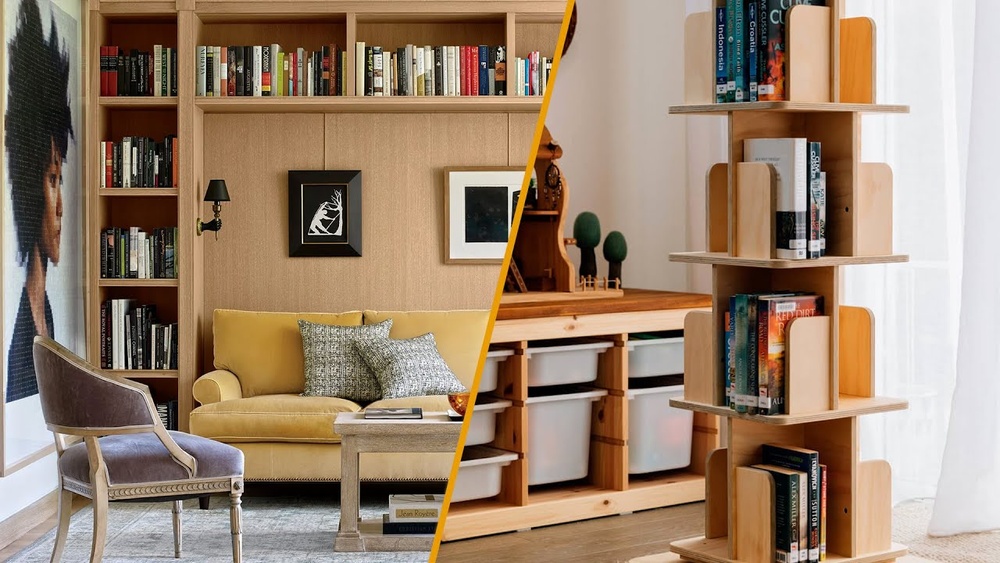
What’S The Difference Between A Bookcase And A Bookshelf
Books have long been more than repositories of knowledge, they’re treasured objects that shape the look and feel of our homes and offices. As our collections grow, the way we organize and display books becomes a reflection of our style, our needs, and often, our space constraints. Yet, confusion often arises between the terms bookcase and bookshelf. While many use them interchangeably, these storage solutions have distinct characteristics, uses, and design implications.

Furinno
Furinno LUDER Book Shelf, 5-Tier Bookshelf, Bookcase…
- SLEEK & VERSATILE DESIGN: This book shelf showcases a tall 5-tier layout with a closed back that fits seamlessly in living rooms,…
- 5-TIER STORAGE SPACE: This bookshelf provides multiple wide shelves to organize books, decor, framed photos, or storage bins, help…
- WEIGHT CAPACITY: Each cube supports up to 30 lb (13.6 kg); 150 lb (68 kg) total when evenly distributed; keeping the bookshelf saf…
As an Amazon Associate I earn from qualifying purchases.
Understanding the difference is essential not just for interior designers or architects but for anyone looking to optimize their living or working environment. Whether you’re an avid collector with hundreds of volumes or someone seeking a minimalist solution for a handful of treasured reads, selecting the right storage can impact both functionality and aesthetics.
This article explores the nuanced distinctions, benefits, and best use cases for bookcases and bookshelves, offering expert tips, real-world examples, and data-driven insights to help you make informed decisions.
Key Takeaways
- Bookcases are typically freestanding, enclosed units with multiple shelves and often offer greater capacity and protection for books.
- Bookshelves refer to individual horizontal surfaces, which may be wall-mounted, floating, or part of larger structures, offering flexible display options.
- Design, space constraints, and intended use play major roles in choosing between a bookcase and a bookshelf.
- Bookcases provide enhanced stability, storage volume, and protection, while bookshelves excel in versatility, customization, and minimalist aesthetics.
- Real-world examples highlight how both solutions are used in homes, offices, and public spaces.
- Maintenance, installation, and cost considerations differ significantly between bookcases and bookshelves.
Credit: www.maximfurniture.com.my
Definitions And Core Differences
To fully appreciate the distinction between a bookcase and a bookshelf, it’s crucial to start with clear definitions and an exploration of their core features.
What Is A Bookcase?
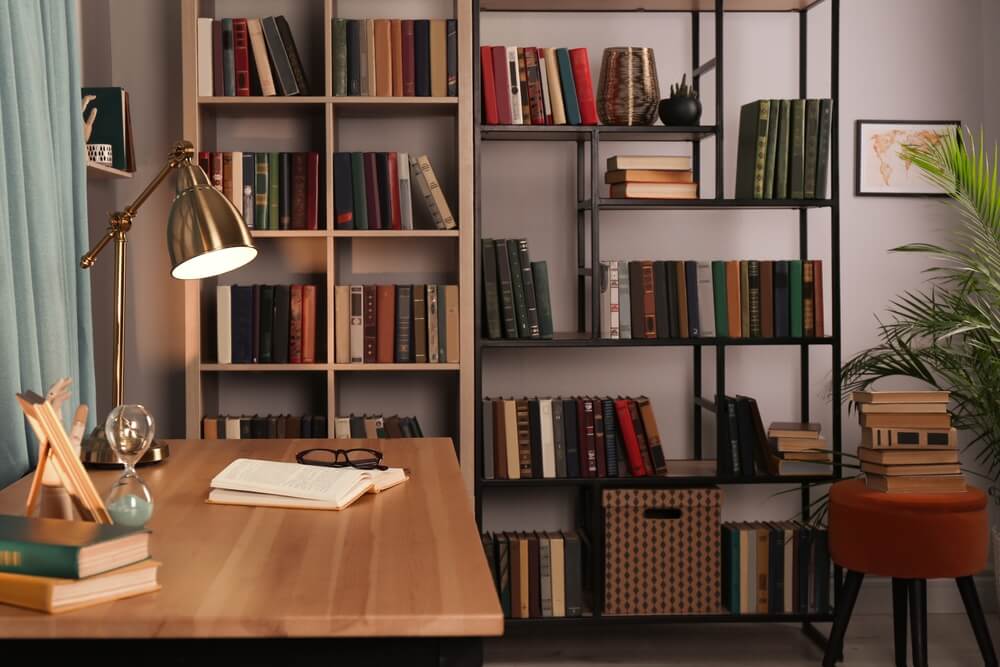
A bookcase is a freestanding piece of furniture, typically composed of multiple horizontal shelves stacked vertically within a frame. Bookcases can range from low, two-shelf units to towering, multi-sectioned cabinets. Most bookcases are made from wood, metal, or engineered materials and often feature enclosed sides and backs, offering stability and some protection from dust or sunlight.
Key characteristics of bookcases include:
- Freestanding design: They can be moved as a complete unit.
- Multiple shelves: Usually three or more, fixed or adjustable.
- Enclosed structure: Sides (and often a back panel) help contain books and add strength.
- Capacity: Designed for holding a significant number of books.
What Is A Bookshelf?
A bookshelf, in contrast, refers to a single horizontal shelf or a set of shelves, which may be mounted to a wall, suspended, or integrated into other furniture. Bookshelves can be standalone units (like floating shelves) or part of a larger piece (such as a desk with an upper shelf).
Key characteristics of bookshelves include:
- Wall-mounted or floating: Often attached directly to a wall, or supported by brackets.
- Minimal structure: Usually just the shelf itself, without sides or a back.
- Customizable arrangements: Can be installed at any height or spacing.
- Versatile use: Suitable for books, décor, or both.
Summary Table: Bookcase Vs Bookshelf
| Feature | Bookcase | Bookshelf |
|---|---|---|
| Structure | Freestanding, enclosed | Wall-mounted or floating, open |
| Mobility | Movable as a unit | Fixed to wall/furniture |
| Capacity | High | Varies, usually lower |
| Protection | Better dust/sunlight protection | Minimal protection |
| Installation | Place on floor | Requires mounting |
Linguistic And Historical Context
The term bookcase dates back centuries, commonly used to describe substantial, often ornate furniture pieces found in libraries and studies. Bookshelf emerged as a more general descriptor for any horizontal surface holding books, particularly as modern design trends emphasized open, flexible layouts. According to the Wikipedia entry on bookcases, the bookcase’s history traces to the earliest libraries, while the bookshelf’s rise parallels changes in architectural and interior design.
Credit: tribesigns.com
Design, Functionality, And Aesthetics
Choosing between a bookcase and a bookshelf often hinges on design, function, and the desired visual impact.
Bookcase Design Features
Bookcases are designed for stability, capacity, and sometimes to serve as statement furniture. They may include doors (glass or solid), drawers, or integrated lighting. Common designs include:
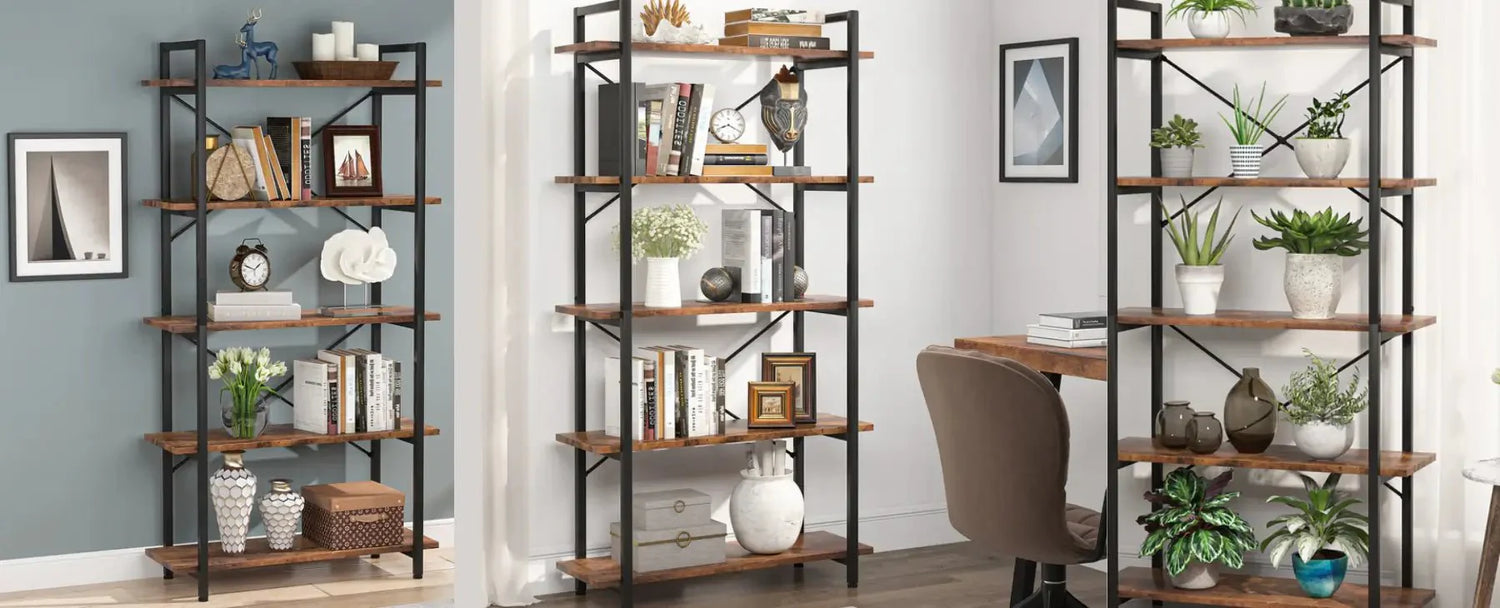
- Standard vertical bookcases: Tall, narrow, with adjustable shelves.
- Barrister bookcases: Feature glass doors for protection.
- Modular systems: Allow rearrangement or expansion.
The enclosed sides and back of bookcases help protect books from dust and sunlight, and their construction supports heavier loads.
Bookshelf Design Features
Bookshelves favor a minimalist or modern aesthetic, emphasizing open space and lightness. Designs may include:
- Floating shelves: Appear to “float” without visible brackets.
- Corner shelves: Utilize unused space efficiently.
- Integrated shelves: Built into walls or furniture.
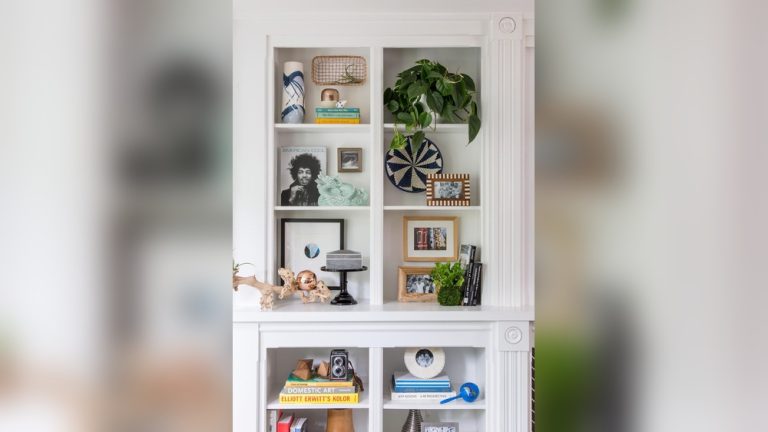
Bookshelves allow for creative arrangements, mixing books with decorative objects, plants, or art. Their open format makes them ideal for display rather than pure storage.
Aesthetic Impact
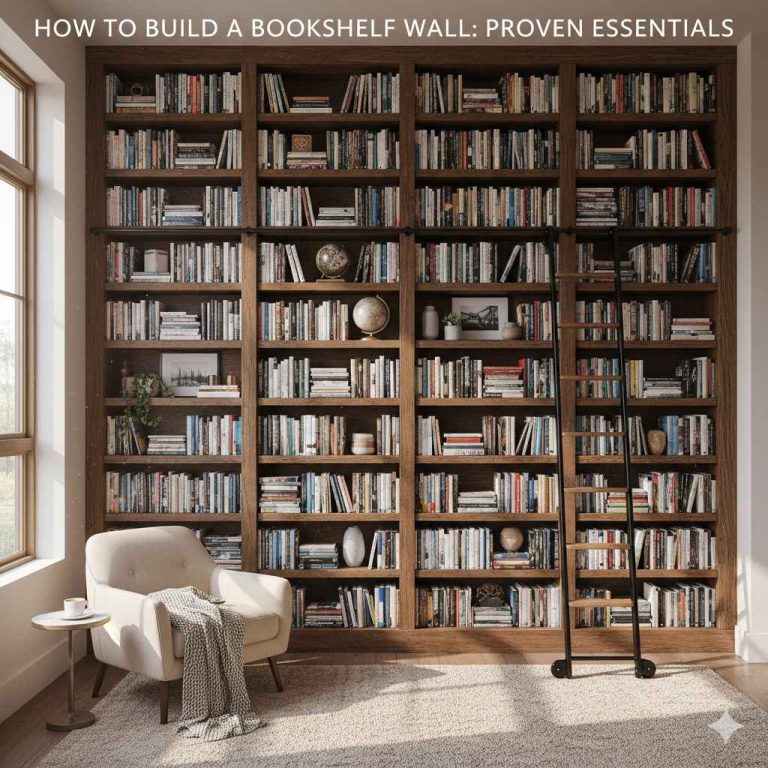
- Bookcases create a sense of structure and permanence, often anchoring a room.
- Bookshelves add visual interest, break up blank walls, and give a feeling of openness.
Example: Home Office Transformation
When designing a home office, one homeowner opted for a wall of built-in bookcases for storage and organization, creating a library feel. In contrast, a neighboring room featured floating bookshelves for a more modern, airy look, perfect for displaying a smaller, curated collection and decorative items.
Credit: www.rolifeonline.com
Space And Usage Considerations
The spatial constraints and intended use of your book storage play a pivotal role in your decision.
Small Spaces
For apartments or rooms with limited square footage, bookshelves are invaluable. They utilize vertical wall space, freeing up floor area. Floating shelves above desks, beds, or doorways create storage where none existed.
Large Libraries Or Collections
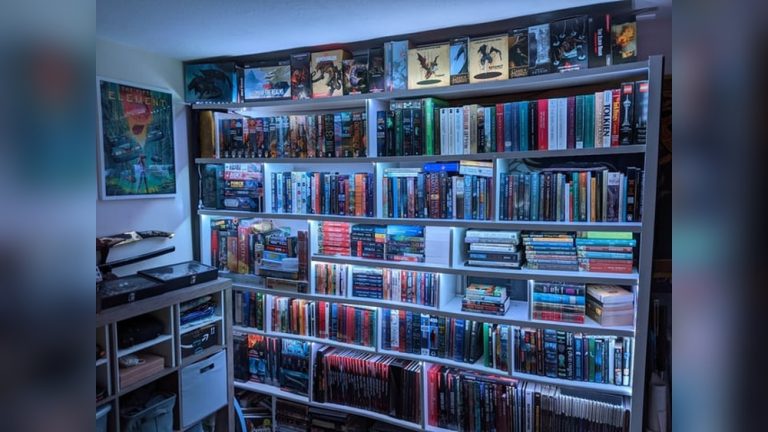
Serious collectors, scholars, or families with extensive book collections benefit from bookcases. Their structure supports heavy loads, and adjustable shelves accommodate volumes of varying sizes. Bookcases can be arranged side by side to create an entire library wall.
Flexibility And Mobility
- Bookcases can be repositioned as needs change (within the limits of their weight and size).
- Bookshelves are fixed after installation, but can be customized in height and number to suit changing needs.
Example: Tiny Apartment Vs. Home Library
A graduate student in a 400-square-foot apartment installed three floating bookshelves above her desk, maximizing space for textbooks and reference materials. Meanwhile, a retired couple transformed their spare room with four tall bookcases, creating a dedicated home library for their 2,000-volume collection.
Installation, Maintenance, And Cost
Practical considerations often tip the balance between a bookcase and a bookshelf.
Installation Requirements
- Bookcases: Require only floor space and, for tall units, anchoring to the wall for safety (especially in homes with children).
- Bookshelves: Demand careful wall installation, with proper anchors for weight support. Stud-finding and precise measurements are crucial.
Maintenance
- Bookcases: Easier to dust and clean, as sides and backs contain books.
- Bookshelves: Exposed surfaces require frequent dusting, and books are more vulnerable to sunlight and environmental factors.
Cost Comparison Table
| Type | Average Price Range | Installation Cost | Maintenance Needs |
|---|---|---|---|
| Bookcase | $80 – $1000+ | Low (DIY setup) | Low to moderate |
| Bookshelf | $20 – $300+ | Moderate (tools, wall anchors) | Moderate to high |
Example: Diy Installation
In my experience, assembling a flat-pack bookcase took under an hour with basic tools. Mounting a set of floating bookshelves, however, required a drill, stud finder, level, and careful measurement, taking nearly twice as long due to the precision required.
Durability
- Bookcases: Built for longevity, especially those made from solid wood or metal.
- Bookshelves: Durability depends on wall anchors and material; overloading can lead to sagging or wall damage.
Practical Applications And Real-world Examples
How do bookcases and bookshelves function in actual settings? Let’s examine their real-world applications.
Home Settings
- Living rooms: Bookcases serve as feature walls, combining storage with display for books, photos, and décor. Bookshelves above sofas or in alcoves display art and select volumes without dominating the space.
- Bedrooms: Narrow bookcases double as nightstands. Wall-mounted bookshelves above headboards hold favorite bedtime reads.
- Children’s rooms: Low bookcases encourage kids to browse and store books independently.
Office And Commercial Spaces
- Corporate offices: Bookcases organize manuals, files, and reference works, supporting a professional image.
- Reception areas: Bookshelves offer a stylish way to display company literature, awards, or magazines.
- Libraries: Rely on durable, modular bookcases for heavy use and reconfiguration.
Public And Educational Institutions
Many schools and libraries use modular bookcase systems to adapt spaces for events or changing collections. Meanwhile, classrooms often feature wall-mounted bookshelves for accessibility and safety.
Case Study: Retail Bookstore Design
An independent bookstore transformed its space using a mix of tall bookcases for the main inventory and wall-mounted bookshelves for featured titles and seasonal displays. This hybrid approach maximized capacity and encouraged customer browsing.
Customization, Materials, And Styles
Both bookcases and bookshelves come in a wide array of materials, finishes, and customizable options to suit any décor.
Material Choices
- Wood: Classic, durable, and available in various finishes. Solid wood bookcases are premium but heavy.
- Metal: Industrial style, strong, and suitable for modern spaces.
- Glass: Used in combination with wood or metal for a contemporary look, mostly for bookshelves.
Customization Options
- Bookcases: Can be built-in (custom to room), modular, or finished with doors and lighting.
- Bookshelves: Custom lengths, depths, and arrangements; can be painted or stained to match walls.
Style Trends
- Mid-century modern: Clean lines, tapered legs, walnut finishes.
- Industrial: Exposed metal and wood, open designs.
- Minimalist: Floating shelves, simple shapes, neutral colors.
Example: Designer Showcase
A well-known interior designer recently completed a project featuring a series of staggered floating bookshelves painted the same color as the wall, creating a seamless, modern effect. In the same house, a traditional study featured a mahogany bookcase with glass doors, showcasing a rare book collection.
Pros And Cons: Bookcase Vs Bookshelf
A direct comparison highlights the primary advantages and drawbacks of each solution.
Bookcase Pros
- High capacity for large collections
- Stability and protection for books
- Freestanding (easy to move or reconfigure)
- Design versatility with enclosed or open options
Bookcase Cons
- Requires floor space
- Heavier and harder to move
- Can dominate small rooms
Bookshelf Pros
- Space-efficient (uses wall space)
- Flexible and customizable
- Modern, minimalist look
- Inexpensive options available
Bookshelf Cons
- Lower capacity
- Less protection from dust/sunlight
- Requires careful installation
Comparison Table: Best Use Cases
| Scenario | Best Option | Reason |
|---|---|---|
| Large Book Collection | Bookcase | Capacity & stability |
| Small Apartment | Bookshelf | Saves floor space |
| Display & Decor | Bookshelf | Open, customizable |
| Children’s Room | Low Bookcase | Easy access & safety |
| Office Reference Library | Bookcase | Organization & professionalism |
Sustainability, Safety, And Longevity
As sustainability and safety become more important in home furnishings, these factors influence the choice between bookcases and bookshelves.
Sustainability
- Bookcases made from certified wood or recycled materials contribute to eco-friendly interiors. Many manufacturers now offer FSC-certified options.
- Bookshelves can be constructed from reclaimed wood, metal, or even upcycled materials, reducing environmental impact.
Safety
- Tall bookcases should always be anchored to prevent tipping, especially in households with children or pets.
- Bookshelves require secure mounting; overloaded or improperly installed shelves can pull away from walls, risking injury or damage.
Pro Tip: Always follow manufacturer instructions for anchoring and weight limits to ensure safety and longevity.
Longevity
- Quality bookcases can last decades and may become family heirlooms.
- Bookshelves are easier to update or replace as styles or needs change.
How To Choose: Decision-making Factors
Selecting between a bookcase and a bookshelf depends on a variety of considerations.
Assessing Your Collection
- Volume: Large collections demand bookcases; small or curated libraries may suit bookshelves.
- Size of books: Oversized art books or atlases may require deeper shelves.
Evaluating Your Space
- Floor plan: Open floor space favors bookcases; wall space favors shelves.
- Traffic flow: Avoid placing bookcases where they block movement.
Considering Your Style
- Traditional/Classic: Opt for wood bookcases with decorative details.
- Modern/Minimalist: Choose floating shelves or sleek metal bookcases.
Budgeting
- DIY options: Flat-pack bookcases and ready-to-mount shelves offer affordable solutions.
- Custom builds: More expensive but tailored to your space.
Multi-purpose Needs
- Bookcases with doors: Protect rare books or collectibles.
- Bookshelves with hooks or integrated lighting: Add functionality to entryways or reading nooks.
For more advice on choosing storage solutions that fit your lifestyle, see Real Simple’s guide.
Frequently Asked Questions
What Are The Main Structural Differences Between A Bookcase And A Bookshelf?
A bookcase is a freestanding unit with multiple shelves, sides, and usually a back panel, while a bookshelf is typically a single horizontal surface or set of surfaces mounted to a wall or other structure. The bookcase’s enclosed design provides greater stability and capacity, whereas bookshelves offer open, customizable storage.
Can Bookshelves Hold As Much Weight As Bookcases?
Bookshelves, especially wall-mounted types, generally have lower weight limits than bookcases. The weight a bookshelf can support depends on its material, length, thickness, and the quality of its wall anchors. Overloading shelves can lead to sagging or wall damage, so always check manufacturer guidelines for safe weight limits.
Are Bookcases Or Bookshelves Better For Displaying Collectibles And Décor?
Bookshelves excel at displaying a mix of books, collectibles, and décor due to their open, accessible design and customizable arrangements. However, bookcases with adjustable shelves or glass doors can also showcase prized items while providing more protection from dust and accidental bumps.
How Do I Safely Anchor A Tall Bookcase?
To prevent tipping, use manufacturer-provided anti-tip kits or universal wall anchors. Position the bookcase flush against the wall, locate wall studs, and secure the top of the bookcase with brackets or straps. This is especially important in homes with children or pets.
For more detailed safety tips, consult furniture safety resources or your product manual.
Can I Combine Both Bookcases And Bookshelves In One Room?
Absolutely. Many designers recommend mixing both for maximum function and style. For instance, you might use a bookcase for bulk storage and stability, while adding floating shelves above a desk or sofa for display. This layered approach adds visual interest and meets varied storage needs.
Final Thoughts
The choice between a bookcase and a bookshelf is more than semantics, it shapes your space, supports your collection, and reflects your personal style. By understanding their unique features, benefits, and limitations, you can create an environment that’s both beautiful and practical. Whether you lean toward the classic solidity of a bookcase or the flexible elegance of bookshelves, your decision will help ensure your books and treasures are organized, accessible, and showcased to their best advantage.
Related pick: Check today's price on Amazon
Products related to this article
Sponsored / affiliate links. As an Amazon Associate I earn from qualifying purchases. I may earn additional commission from eligible campaigns.