How Much Does a Custom Bookshelf Cost?
Custom bookshelves usually cost about $300 to $1,500 for freestanding units, about $1,500 to $6,000 for built-ins, and roughly $8,000 to $25,000 or more for full library walls, with project size and finish type often driving much of the price. Bad estimates can leave you short on budget, force cheaper materials, or delay installation. This guide breaks costs into a simple buyer framework for freestanding bookcases, built-ins, and library walls.
Custom bookshelf cost basics
The fastest way to budget a custom shelf project is by scope first, then by material and features. A small open bookcase is a different buy from a floor-to-ceiling millwork wall, even if both use MDF or plywood. Permanent built-ins also bring installation and sitework that freestanding units do not.
What you pay for in a custom build
Your quote usually bundles design time, shop labor, finishing, transport, and installation. Add-ons such as cabinet bases, glass doors, lighting, crown molding, and a ladder system push the total up quickly because they add fabrication steps and field fit-up. Room conditions matter too.
Uneven floors, non-square walls, wall recesses, and baseboard conflicts all increase install time. Electrical relocation can also change the bid, especially when sconces or in-cabinet lighting are planned. A built-in that must fit architectural trim often costs more than a plain box unit of the same size.
Freestanding vs built-in pricing
Freestanding custom bookcases cost less because they do not have to be scribed into a wall, tied into trim, or anchored as permanent millwork. Built-ins cost more because they are measured, fabricated, and installed to fit a specific room. That difference is usually the biggest pricing gap.
Built-ins also use more site labor. If the wall is bowed, the floor slopes, or the baseboard profile is unusual, the carpenter may need extra blocking, filler pieces, and trim matching. Those adjustments can raise the quote even before you pick a material grade.
Custom bookshelf cost estimator
A useful estimate starts with project type, then adds material tier and finish complexity. For many buyers, linear-foot pricing is the cleanest way to compare bids across shops. Square-foot pricing helps more with full wall systems and library walls, where height and depth matter as much as width.
| Project type | Material tier | Example range | Common cost drivers |
|---|---|---|---|
| Freestanding custom bookcase | Paint-grade MDF or pine/poplar | $300 to $1,500 | Finished sides, adjustable shelves, painted finish |
| Freestanding custom bookcase | Cabinet-grade plywood or red oak | $1,200 to $3,500 | Better joinery, veneer-banding, deeper shelves, doors |
| Freestanding custom bookcase | Solid hardwoods | $2,800 to $7,500+ | Species selection, stain-grade finishing, cabinet base |
| Built-in bookshelf | Paint-grade MDF or plywood | $1,500 to $6,000 | Wall prep, trim matching, scribing, installation |
| Built-in bookshelf | Higher-grade plywood or hardwood | $4,000 to $12,000 | Cabinet base, doors, lighting, crown molding |
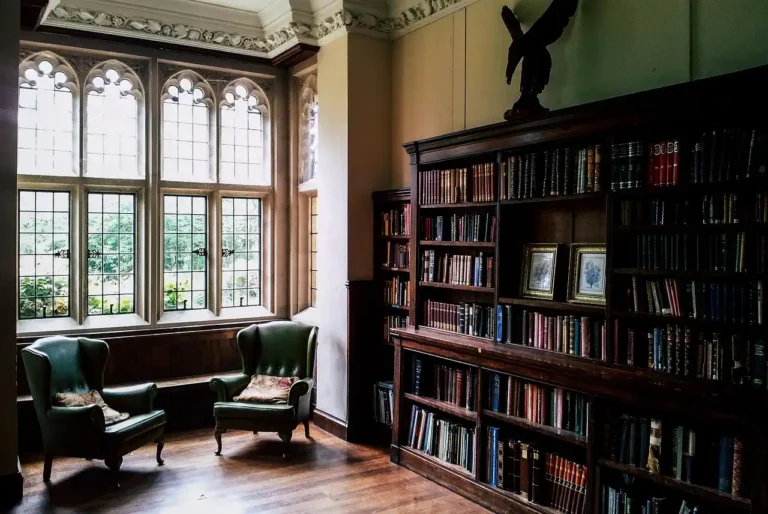
| Library-style wall | Solid hardwoods or premium veneer | $8,000 to $25,000+ | Floor-to-ceiling height, ladder system, electrical work |
| Library-style wall | Walnut or other premium hardwood | $10,000 to $18,000+ | High labor hours, stain-grade finish, custom detailing |
Project types and example ranges
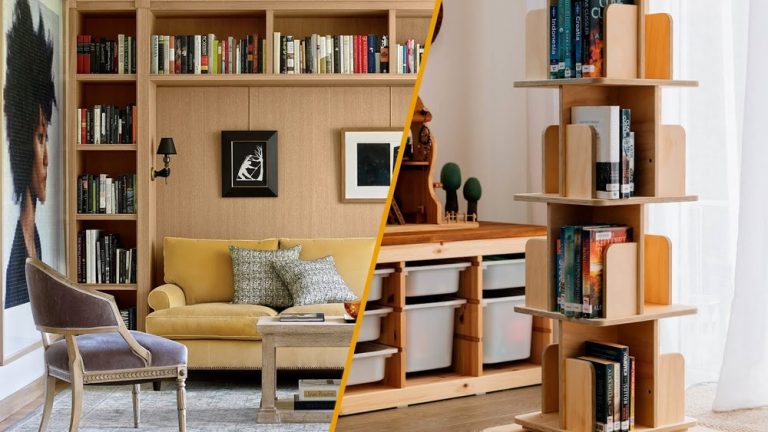
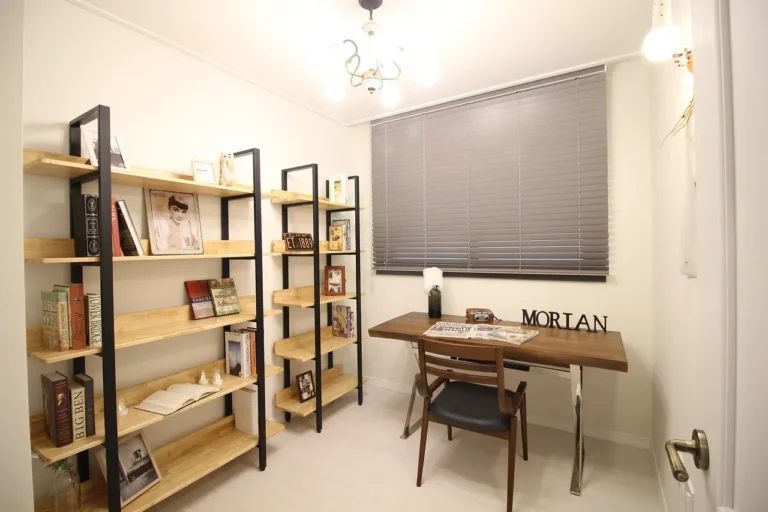
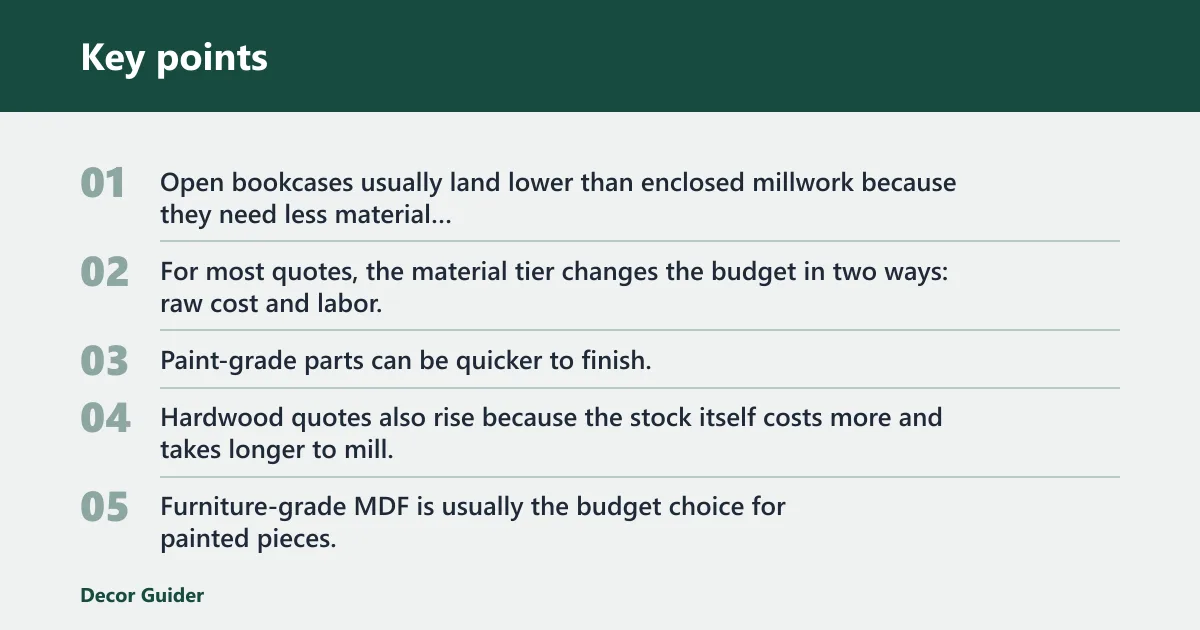
Open bookcases usually land lower than enclosed millwork because they need less material and less labor.
Material tiers and cost drivers
For most quotes, the material tier changes the budget in two ways: raw cost and labor. Paint-grade parts can be quicker to finish, while stain-grade parts often demand cleaner grain matching and more careful joinery. Hardwood quotes also rise because the stock itself costs more and takes longer to mill.
Furniture-grade MDF is usually the budget choice for painted pieces. Cabinet-grade plywood is often a middle-cost option, while solid hardwoods usually sit above that. Species matters too: oak, cherry, maple, and walnut all carry different price points and finishing demands.
Linear-foot and square-foot cues
Use linear-foot pricing for simple wall runs. Use square-foot cues when height changes the build, such as a floor-to-ceiling library. A 10-foot run at 8 feet high will not price like a 10-foot run at 10 feet high because the taller system needs more material, more finishing, and more anchoring.
Suppose a home office needs a 12-foot built-in with cabinets below and open shelves above. If the wall is level and the trim is simple, the bid may stay near the lower end of the built-in range. Add crown molding, glass doors, and electrical work, and the quote can move much higher.
How much do built in bookshelves cost?
Built-in bookshelves usually cost more than freestanding units because the design, wall prep, finish type, trim matching, and installation all affect the final price. Full library walls cost the most because they run floor to ceiling and require the most fabrication and sitework.
Partial wall vs floor-to-ceiling
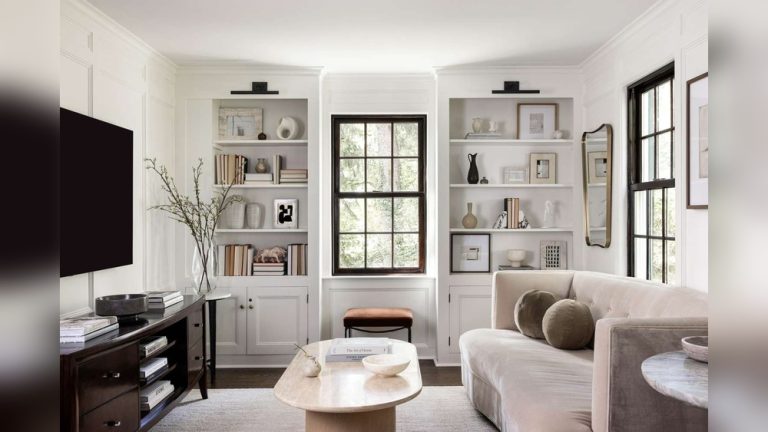
Partial wall built-ins cost less because they use less material and create less finish work. They also leave the upper wall open, which reduces the amount of trim and casework needed. Floor-to-ceiling systems cost more because every inch has to be built, aligned, and finished.
Built-ins that fill a wall recess can be a midrange option. They look integrated without covering the full room height. Decorative wall niches and shelving are listed at $2,500 to $5,000, which often makes them a practical choice for smaller rooms or tighter budgets.
Paint-grade vs stain-grade built-ins
Paint-grade built-ins are often the lower-cost route because small surface flaws are easier to hide under paint. Furniture-grade MDF is often used here because it stays stable and resists warp better than some budget softwoods when it is kept dry and properly sealed.
Stain-grade built-ins cost more because the wood grain stays visible. That pushes the job toward cabinet-grade plywood with veneer-banding or solid hardwoods such as oak, cherry, maple, or walnut. The finish has to look consistent across visible faces, end panels, and trim returns.
Permanent millwork and install needs
Built-ins are usually installed as permanent millwork. That means they are attached to the room, not just placed inside it. Anchoring, scribing to the floor and walls, and matching nearby trim all add labor. These steps are part of the product, not optional extras.
A built-in in a living room may need to align with a fireplace surround. A home office installation may need cord openings or cabinet bases. A library room may call for deeper shelves, more load planning, and room-wide trim continuity. Each of those details shifts the price upward.
How much is a freestanding custom bookcase?
A freestanding custom bookcase usually costs less than a built-in because it is finished as furniture, not site-built millwork. Expect a broad range from $300 to $1,500 for simpler painted units, with higher prices for larger, heavier, or more decorative pieces. All four sides are finished, so material and labor still matter.
Finished sides and cabinet details
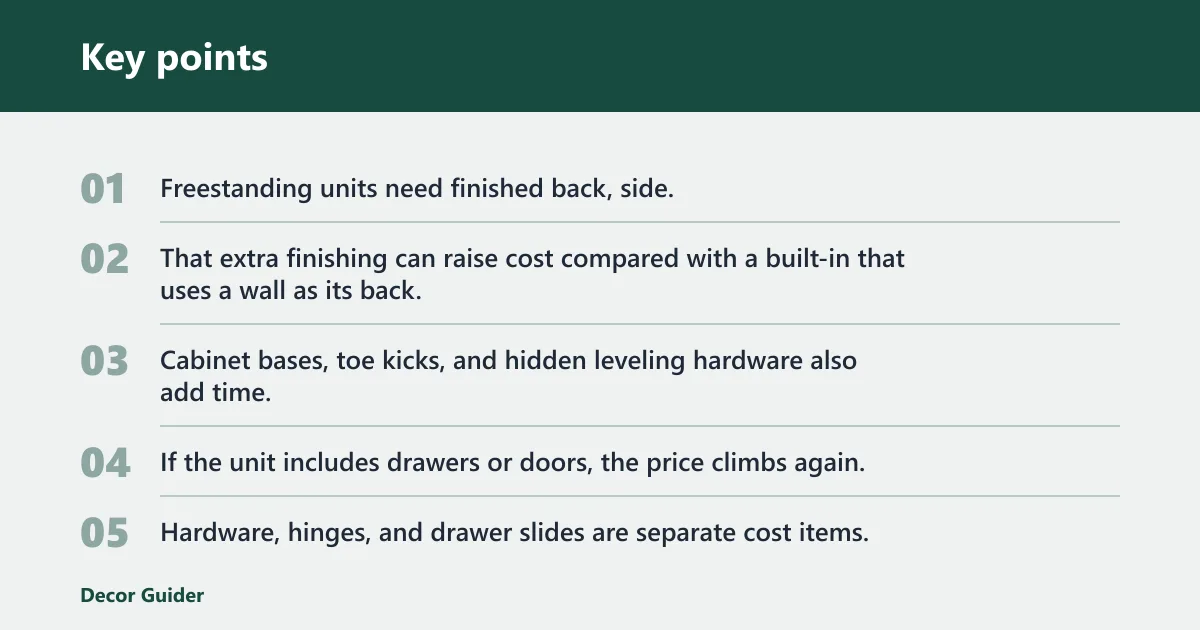
Freestanding units need finished back, side, and top faces because they may be seen from multiple angles. That extra finishing can raise cost compared with a built-in that uses a wall as its back. Cabinet bases, toe kicks, and hidden leveling hardware also add time.
If the unit includes drawers or doors, the price climbs again. Hardware, hinges, and drawer slides are separate cost items, and the casework has to be square enough for those parts to operate correctly. A simple open bookcase is cheaper than a storage-heavy unit.
Doors, crown, and style changes
Doors increase price because they require precise openings, consistent gaps, and quality hardware. Crown molding adds more material and more finishing labor. A plain open shelf unit is the least expensive style, while a craftsman look or built-in-style cap trim pushes the quote higher.
Style choices can also change the build method. A clean modern unit with flat panels is faster to fabricate than a traditional piece with applied trim or framed doors. The more decorative the profile, the more labor hours the shop needs.
Species choices and price tier
Species choice matters most when you want a stain-grade finish. Oak is commonly priced below cherry and walnut, while maple often sits in a middle band depending on grade. Walnut usually lands at the top because both the lumber and the finishing are more demanding.
For painted bookcases, species may matter less than substrate quality and stability. Pine or poplar painted bookcases are priced at $600 to $1,200, which makes them a common starting point for homeowners who want a custom size without paying hardwood pricing.
Which materials change the price most?
MDF, plywood, and hardwood do not price the same because they solve different problems. MDF keeps painted faces smooth, plywood improves strength and screw-holding, and hardwood brings visible grain and a higher-end finish. The best choice depends on budget, finish type, and how much load the shelves must carry.
Furniture-grade MDF
Furniture-grade MDF is often the most budget-friendly option for painted shelves and built-ins. It is dense, flat, and stable, which helps when you want crisp painted panels and clean edges. Its main limits are moisture sensitivity and weight, so it needs careful sealing and proper support.
For homeowners planning a smooth painted finish, MDF often gives the best value. It is especially useful for face frames, side panels, and cabinet bases where grain is not supposed to show. It is less suited to stain-grade work because it does not offer a natural grain pattern.
Cabinet-grade plywood
Cabinet-grade plywood sits above MDF for structural work. It is lighter, holds screws well, and offers better resistance when shelves are carrying weight over long spans. Veneer-banding hides exposed edges so the finished piece looks intentional rather than utilitarian.
Plywood is a strong fit for built-ins and freestanding cases that need durability with moderate cost. It is also a common choice for hidden structural parts, carcases, and shelf cores. A stained plywood build may still need careful grain matching to look refined.
Solid hardwoods
Solid hardwoods such as oak, cherry, maple, and walnut sit in the higher price tier. They cost more in material and labor because they require more careful milling, finishing, and matching. They are the best fit when the grain is meant to be seen and appreciated.
Hardwoods are often chosen for stain-grade library bookcases and prominent rooms. They can support a premium look, but they do not erase the need for engineering. Long spans still need proper thickness, and heavy loads still need planning.
What features raise the quote?
Features raise the quote because each one adds fabrication, hardware, or field labor. Adjustable shelves, cabinet bases, glass doors, lighting, crown molding, and ladder systems all increase cost in different ways. Hidden sitework such as wall prep or electrical relocation can be just as important as the visible upgrades.
Adjustable shelves and shelf span
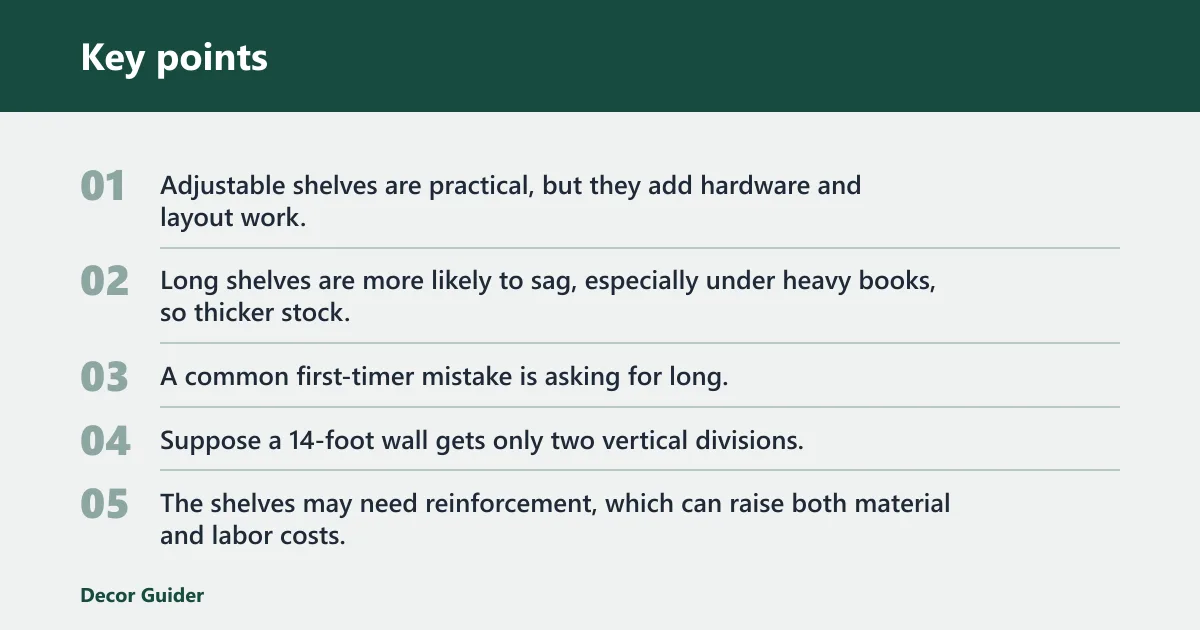
Adjustable shelves are practical, but they add hardware and layout work. Shelf span matters just as much. Long shelves are more likely to sag, especially under heavy books, so thicker stock, center supports, or shorter bay widths may be needed. Engineering and load planning affect price.
A common first-timer mistake is asking for long, uninterrupted shelves in a deep bookcase, then expecting the same quote as a small open unit. Suppose a 14-foot wall gets only two vertical divisions. The shelves may need reinforcement, which can raise both material and labor costs.
Cabinet bases and doors
A cabinet base adds storage and visual weight, but it also adds doors, hinges, and a more complex frame. Glass doors usually cost more than solid doors because they require careful sizing and better hardware. If the doors are flush and the reveals are tight, the labor increases again.
Doors can also affect the entire layout. A lower cabinet section may need deeper framing, different shelf spacing, or a stronger base to carry the load above it. That is why two bookcases with the same width can still produce very different bids.
Lighting, crown molding, and ladder systems
Integrated lighting adds electrical planning, wire management, and extra finishing. Crown molding adds trim work and can require ceiling scribing. A ladder system is a premium feature that changes both fabrication and installation because the rails, hardware, and wall attachment have to be built in from the start.
These features are most common in library rooms and full wall installations. They can be worthwhile when the goal is a finished architectural look, but they should not be added casually. Each one changes the labor count and the finish schedule.
Wall prep, trim matching, and electrical work
Hidden costs often come from the room, not the shelf design. Baseboard scribing, trim matching, uneven floors, and non-square walls can all add time. Electrical relocation matters when outlets, switches, or sconces conflict with the new layout.
These issues are common in living rooms, home offices, and older houses. A built-in that fits a wall recess may still need custom filler strips or rebuilt casing. If the room has architectural details, matching them cleanly may be as expensive as the shelves themselves.
Bookshelf measurement checklist
Before you request bids, measure the room carefully and note how the shelves will be used. A clean measurement set reduces surprises, especially when the unit must fit a wall recess or reach ceiling height. Use this list to compare quotes on the same basis.
- Measure the wall width from finished surface to finished surface.
- Measure the height from floor to ceiling, and note any crown or soffits.
- Measure the usable depth and check for baseboards, vents, or outlets.
- Estimate shelf load by saying whether the shelves will hold paperbacks, hardcovers, decor, or heavy reference books.
- Choose the finish type: paint-grade or stain-grade.
- Note trim details that must be matched or removed.
- Decide whether you want doors, drawers, or open shelves.
- Mark lighting needs, including plugs, switches, and under-shelf fixtures.
If you want a bid that is easy to compare, ask each contractor to separate material, shop labor, install labor, and sitework. That makes it easier to see where a low quote is being held down and where a higher quote buys a better result.
Frequently asked questions
How much does a bookshelf cost?
A custom bookshelf cost depends on scope, materials, and finish type. A small open case, a built-in run, and a full-height wall unit belong in different budget brackets.
Custom bookshelves cost vs ready-made
Custom shelves cost more than ready-made units because they are sized for your room, built from chosen materials, and installed to fit walls that are rarely square. Ready-made pieces are cheaper upfront, but they usually give up fit, finish control, and load-specific detailing.
What drives custom bookshelf pricing?
Project scope drives pricing first, then material, finish, and feature count. Shelf span, load capacity, doors, lighting, crown molding, wall prep, and electrical work all add labor. Rooms with uneven floors or wall recesses also take more fitting time and planning.
Is MDF cheaper than solid wood for custom bookshelves?
Yes. Furniture-grade MDF is usually cheaper than solid hardwoods and is often chosen for painted finishes. Solid wood costs more because of lumber price, milling, and finish labor. MDF is not automatically better or worse; it is a budget and finish decision.
How much do custom built-ins cost by project scope?
Decorative wall niches and shelving, standard custom built-in bookshelves, and luxury floor-to-ceiling libraries occupy different budget tiers. The wider the scope and the taller the build, the higher the quote.
Products related to this article
Sponsored / affiliate links. As an Amazon Associate I earn from qualifying purchases. I may earn additional commission from eligible campaigns.