How To Store Books Without A Bookcase
Books are the heartbeat of any thoughtful home, a source of inspiration, entertainment, and education. Yet, not every book lover has the luxury of a sprawling library or even a simple bookcase. Whether you’re a city dweller in a compact apartment, a student in a dorm room, or someone simply outgrowing your shelves, storing books without a bookcase is a real challenge.
But it’s also an opportunity for creativity and organization, letting you showcase your collection in unique ways that reflect your personality and space.
From decorative arrangements to practical storage solutions, learning how to store books without a bookcase can actually enhance your living environment. The right approach can keep your volumes accessible, safe from damage, and even make them a central part of your home’s aesthetic.
This guide explores tried-and-true strategies, clever hacks, and professional advice to help you safeguard and display your treasured books, no bookcase required.
Key Takeaways
- Creative storage options like baskets, trunks, or under-bed containers can protect and display books stylishly.
- Climate control and careful placement are crucial to prevent damage from moisture, sunlight, and pests.
- Rotating displays and thoughtful organization systems help keep your collection accessible and manageable.
- DIY and upcycled furniture offer affordable, personalized alternatives to traditional shelving.
- Real-life examples show how book lovers make the most of small or unconventional spaces.
- Proper maintenance and handling will extend the lifespan of your books, even without a classic bookcase.

Credit: www.reddit.com
Understanding The Challenges Of Book Storage Without A Bookcase
Storing books without a bookcase is about more than just finding space; it’s about preserving their condition, accessibility, and even their visual appeal. Let’s examine the main hurdles faced by book lovers when shelving isn’t an option.
Space Limitations And Creative Constraints
Many urban apartments and shared living situations offer limited square footage. The absence of vertical shelving forces you to use unconventional spaces, under the bed, atop furniture, or even in closets. Optimizing these small or awkward areas requires inventive thinking and a willingness to experiment.
Protecting Books From Environmental Hazards
Books are highly sensitive to their environment. Excess humidity can cause mold and mildew, while direct sunlight leads to fading and brittle pages. Pest infestations, from booklice to silverfish, are more likely if books are stored haphazardly. Without the protection of a bookcase, you must be proactive about where and how you store your collection.
Accessibility And Organization
A major benefit of bookcases is easy access and visibility. When you store books in bins, boxes, or stacked piles, you risk losing track of favorites or causing damage through frequent shuffling. Maintaining an organized system is essential to ensure your books remain usable and your space doesn’t become cluttered.
Aesthetic Considerations
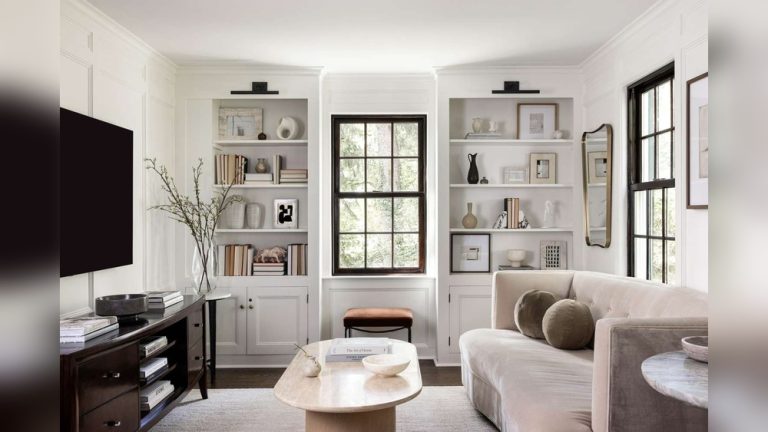
Bookcases can serve as a design feature in a room, but alternative storage methods present new opportunities to make books a part of your décor. Arranging books in stacks, baskets, or unique furniture can add warmth and character to your home when done thoughtfully.
Credit: www.glam.com
Choosing The Right Storage Method For Your Space
Selecting the best storage solution depends on your available space, book collection size, and stylistic preferences. Here’s a breakdown of popular options, their pros and cons, and tips for making them work.
Under-bed Storage
For those with limited floor space, under-bed storage is an underutilized asset. Flat, rolling storage bins or shallow boxes can hold a surprising number of books while protecting them from dust and sunlight.
Pro Tip: Use clear, lidded containers to easily spot titles and keep out moisture.
| Storage Option | Capacity (approx.) | Best For | Potential Drawbacks |
|---|---|---|---|
| Rolling Under-Bed Bin | 40-60 paperbacks | Small apartments | Hard to access frequently |
| Shallow Cardboard Box | 30-50 books | Short-term storage | Less protection from humidity |
| Vacuum Storage Bag | Variable | Long-term storage | May compress delicate books |
Baskets And Decorative Boxes
Wicker baskets, fabric bins, and decorative trunks blend seamlessly with most interior styles and provide flexible, portable storage. These are ideal for living rooms, bedrooms, or even bathrooms where you want books close at hand.
Example: A friend of mine uses three matching woven baskets in her living room, each dedicated to a genre. It keeps her favorites accessible and looks intentional, not cluttered.
Floating Shelves And Wall Ledges
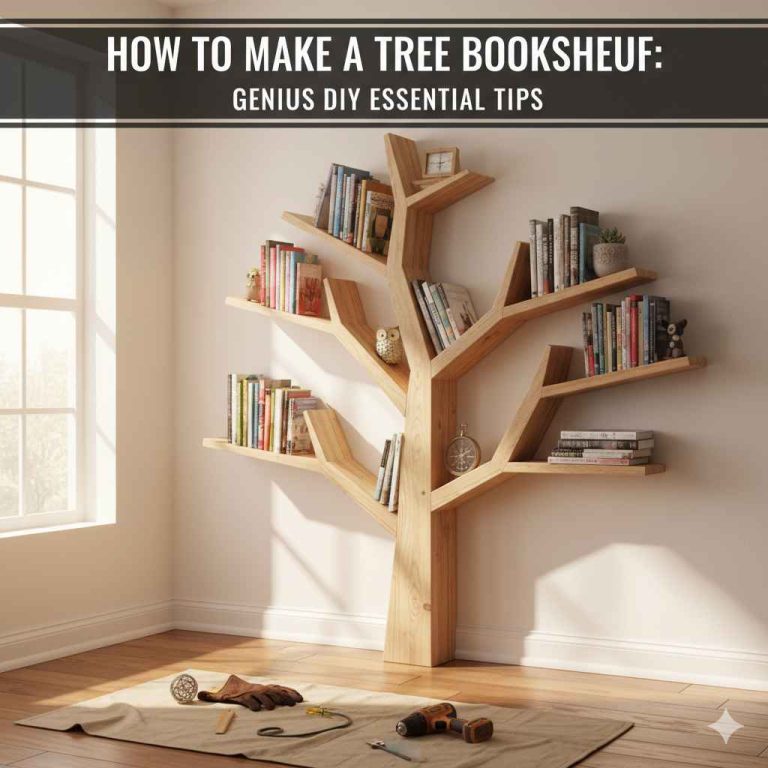
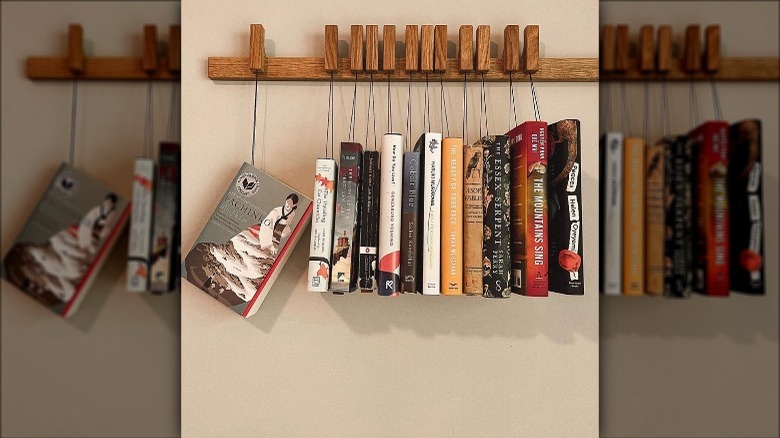
If you can’t have a full bookcase, floating shelves or slim wall ledges can display select books without taking up floor space. They turn books into art, letting you rotate covers or stack volumes creatively.
Warning: Always use sturdy brackets and avoid overloading shelves to prevent accidents.
Repurposed Furniture
Old dressers, sideboards, or TV stands can double as book storage. Drawers and cabinets offer dust protection and, when organized, make excellent alternatives to traditional shelving.
Example: In my experience, a vintage wooden chest not only stores a dozen hardcovers but also serves as an attractive coffee table.
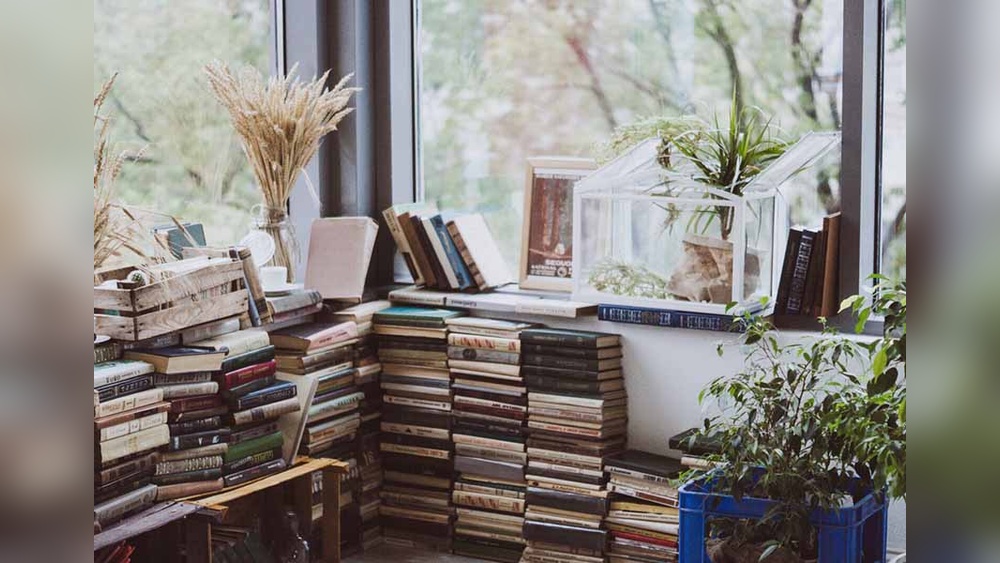
Stacking And Piling
Stylish piles of books can act as side tables, bedside stands, or even pedestals for lamps and plants. This method works best with hardcover books and in spaces where a casual, bohemian look fits.
Pro Tip: Stack largest books on the bottom for stability and avoid placing stacks in damp areas.
Protecting Your Books: Climate, Light, And Pest Control
Proper storage isn’t only about where you put your books, it’s about how you protect them from environmental threats. Here are the key considerations for keeping your collection safe and sound.
Managing Humidity And Temperature
Books thrive in stable, moderate climates, ideally 60-70°F and 40-50% relative humidity. High humidity fosters mold, while low levels cause paper to dry and crack. Avoid storing books in basements, attics, or unventilated closets.
- Use silica gel packets in closed bins to absorb excess moisture.
- Invest in a small dehumidifier for rooms prone to dampness.
- Store books away from exterior walls where temperature fluctuates.
Shielding From Sunlight And Uv Damage
Direct sunlight fades covers and weakens paper over time. Place books in shaded areas, under furniture, or in opaque containers if possible.
- UV-protective window films can help if natural light is unavoidable.
- Drapes or blinds offer a simple, affordable solution.
Pest Prevention
Common pests like silverfish, booklice, and even rodents are attracted to paper and glue. To minimize risk:
- Regularly vacuum storage areas and check for signs of pests.
- Avoid storing books directly on the floor, especially in older homes.
- Use tightly sealed containers for rarely accessed volumes.
Cleaning And Maintenance
Dust and dirt can degrade books over time. Gently dust stored books every few months and inspect for any signs of damage. If you find mold or mildew, isolate affected books and consult professional cleaning advice.

Credit: www.reddit.com
Creative And Decorative Book Storage Ideas
Storing books without a bookcase opens up a world of creative possibilities. Here are some visually appealing and practical ideas to inspire you.
Book Towers And Vertical Stacks
Arrange books in tall, free-standing stacks to create book “towers. ” These can be functional (as side tables) or purely decorative.
- Place a sturdy base under the stack to prevent tipping.
- Alternate book orientation for visual interest.
Trunks, Chests, And Vintage Suitcases
Repurpose old trunks or suitcases as book storage with a story. These containers are perfect for seasonal reads or rare editions you want to protect.
- Add cedar blocks to deter insects.
- Use fabric liners to prevent scuffing.
Built-in Alcoves And Window Seats
If you have alcoves, window seats, or other built-in nooks, line them with books for a cozy, inviting feel. Books can act as both insulation and decoration.
Example: A small bay window filled with books and a cushion transforms into a reading nook, maximizing use of an awkward architectural feature.
Diy Book Storage Projects
Get hands-on by building or modifying furniture for custom book storage. Pallets, crates, or plywood planks can be turned into unique shelving or storage units.
- Sand and paint unfinished wood for a polished look.
- Attach wheels to crates for mobile storage.
Utilizing Wall Space
Hang pocket organizers or fabric slings on walls or doors to hold children’s books or paperbacks. These are especially useful in kids’ rooms or bathrooms, where space is at a premium.
Organizing And Cataloging Books Without Shelves
Without the visual cues of a bookcase, maintaining order is key to enjoying your collection. Here are expert tips for keeping track and making retrieval easy.
Genre, Author, Or Color Coding
Sort books by genre, author, or even spine color for quick access and a pleasing look. Baskets or bins can be labeled for clarity.
Pro Tip: Color-coding works especially well for decorative displays in living or bedrooms.
Digital Cataloging Tools
Apps like Libib or LibraryThing allow you to scan or manually enter your collection, making it easy to track what you own, even when books are tucked away in bins or closets.
- Add notes on where each book is stored.
- Track books lent to friends or family.
Rotating Collections
If storage is limited, keep a “current reads” basket in your main living area and rotate books seasonally. Store out-of-season or less-used titles in closed containers.
- Refresh displays monthly or quarterly to rediscover forgotten gems.
- Donate or sell books you no longer need to keep your collection manageable.
Numbering And Indexing
For larger, stored collections, consider numbering containers and keeping a simple index (digital or paper) of which books are in which bin. This is especially useful for long-term storage or extensive libraries.
| Organization Method | Best For | Pros | Cons |
|---|---|---|---|
| Genre/Author Sorting | Medium to large collections | Easy retrieval | May break up sets/series |
| Color Coding | Decorative displays | Visually appealing | Less practical for finding titles |
| Numbered Bins & Index | Long-term storage | Highly organized | Requires setup time |
Case Studies: Real-world Examples Of Book Storage Without A Bookcase
Learning from the solutions of others can spark your own ideas. Here are three real-world examples of creative book storage.
Small Apartment: Under-bed And Floating Shelf Combo
Samantha, a book collector living in a 400-square-foot studio, struggled with overflowing stacks. She invested in two rolling under-bed bins for lesser-read titles and installed a floating shelf above her desk for current favorites. By rotating her display monthly, she kept her space tidy and her reading fresh.
Family Home: Decorative Baskets In Living Spaces
The Patel family, with young children and a love of reading, scattered large woven baskets in the living room and bedrooms. Each family member had a basket for personal books. This system encouraged reading and made cleanup simple, while protecting books from pet hair and spills.
Vintage Lover: Trunks And Suitcases As Storage
Mark, who enjoys vintage décor, used old suitcases and a repurposed trunk to store his classic literature collection. Each container was lined with acid-free paper and stored in his bedroom, doubling as nightstands and conversation pieces.
Example: Mark’s trunk, inherited from his grandparents, became a central feature in his home, blending family history with his passion for books.
Maintenance, Cleaning, And Long-term Book Care
Once your books are stored, regular maintenance is crucial for longevity. Here’s how to ensure your collection remains in top shape, even without a bookcase.
Regular Inspection And Airing
Every few months, inspect stored books for signs of moisture, mold, or pests. Air out bins and boxes to prevent musty odors and allow books to “breathe. ”
- Avoid stacking books too tightly, which can cause warping.
- If possible, periodically rearrange books to prevent permanent bending.
Cleaning Techniques
Use a soft, dry cloth or a gentle brush to remove dust from covers and spines. For books stored in baskets or open bins, this should be done more frequently.
- Never use harsh chemicals or water on book covers.
- For leather-bound volumes, apply a specialized leather conditioner annually.
Handling And Moving Books
When retrieving books from stacks or bins, handle them with clean, dry hands. Support the spine and avoid pulling books out by the top edge, which can tear bindings.
Pro Tip: When moving large numbers of books, use smaller boxes to prevent overloading and injury.
Addressing Damage
If you find damaged books, torn pages, mold, or broken spines, address the issue promptly. For valuable or sentimental books, consider consulting a professional conservator.
- Store damaged books separately until repaired.
- Use acid-free repair tape for minor tears.
Advanced And Diy Book Storage Solutions
For those ready to invest time or money, advanced solutions can maximize space and add a personal touch.
Custom-built Storage
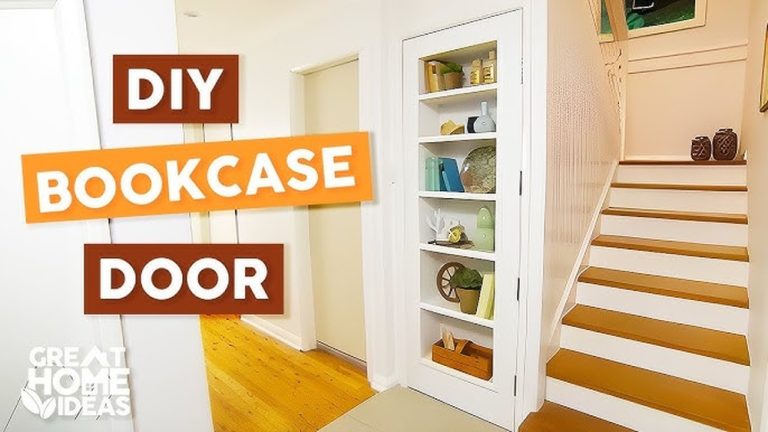
Hire a carpenter or use online guides to build custom storage tailored to your space. Corner shelving, built-in drawers, or under-stair storage can transform wasted areas into book havens.
- Measure carefully and use moisture-resistant materials.
- Paint or finish to match your décor.
Upcycled And Modular Furniture
Turn old ladders, crates, or even wine racks into book storage. Modular shelving systems allow you to expand as your collection grows.
Example: A friend turned a broken ladder into a rustic book display by sanding and mounting it horizontally on her wall, creating a conversation piece and functional storage.
Mobile Book Carts
Rolling carts, often used in libraries, are ideal for small spaces or anyone who likes to move their collection between rooms.
- Choose carts with locking wheels for safety.
- Use baskets or dividers to prevent books from sliding.
Hidden And Secret Storage
For extra security or fun, hollow out an ottoman or create a false-bottom drawer to hide rare or valuable books. This protects your treasures while keeping them accessible to you.
Comparison Table: Book Storage Solutions At A Glance
To help you choose, here’s a quick comparison of popular book storage alternatives:
| Storage Method | Space Needed | Accessibility | Protection | Cost |
|---|---|---|---|---|
| Under-Bed Bins | Low | Medium | Good | $$ |
| Decorative Baskets | Medium | High | Fair | $ |
| Floating Shelves | Low (vertical) | High | Fair | $$ |
| Repurposed Furniture | Medium-High | High | Good | $$$ |
| Suitcases/Trunks | Medium | Low | Excellent | $-$$ |
| DIY/Mobile Carts | Low-Medium | High | Fair | $-$$ |
Frequently Asked Questions
How Do I Prevent My Books From Getting Musty When Stored In Closed Containers?
Closed containers can trap moisture, leading to musty odors and potential mold growth. To prevent this, always store books in containers with silica gel packets or other desiccants to absorb excess humidity. Make sure books and containers are completely dry before sealing. Periodically open the containers to allow air circulation, and store them in a room with stable, moderate humidity.
Are There Risks To Stacking Books Directly On The Floor For Long Periods?
Yes, stacking books on the floor exposes them to dust, dirt, and fluctuating temperatures. Floors can become damp, especially in older buildings or basements, which increases the risk of mold and pest infestation. If floor stacking is unavoidable, place a moisture barrier like a plastic mat or wooden pallet underneath and regularly check for any signs of damage.
Can Digital Cataloging Help Me Manage Stored Books In Multiple Locations?
Digital cataloging tools are extremely helpful for tracking books stored across different bins, rooms, or homes. Apps like Libib, BookBuddy, and LibraryThing let you create custom tags or notes for the exact storage location of each book. This makes it easy to find specific titles without opening every container and helps you keep your collection organized as it grows.
What Is The Best Way To Store Rare Or Valuable Books Without A Bookcase?
Rare or valuable books should be stored in acid-free boxes or containers, away from direct sunlight, excessive heat, and humidity. Use unbleached cotton gloves when handling, and avoid stacking heavy books on top of delicate editions. For the highest level of protection, consult a professional book conservator or reference the guidelines from the Library of Congress.
How Can I Incorporate Books Into My Home Décor Without Shelves?
Books can be integrated into décor by stacking them as side tables, displaying favorite covers on wall-mounted ledges, or arranging them in decorative baskets and trunks. Use color-coordinated stacks for a cohesive look or mix in plants, art, and personal items for a more eclectic style.
Repurposed furniture, like a vintage suitcase or ladder, adds character and turns your collection into a visual focal point.
Storing books without a bookcase may seem like an obstacle, but it’s actually a chance to rethink how books fit into your life and space. With a bit of creativity and attention to environmental conditions, you can keep your collection organized, protected, and beautifully displayed. For more ways to make the most of your home, explore topics like choosing the right canning jar or learn about other storage solutions in our guide to freeze-drying vs canning. Whether you’re a minimalist or a maximalist, the perfect book storage solution is out there, waiting to be discovered. For further preservation guidance, the Wikipedia page on book preservation offers additional expert advice.
Products related to this article
Sponsored / affiliate links. As an Amazon Associate I earn from qualifying purchases. I may earn additional commission from eligible campaigns.