How To Decorate A Bookshelf
Bookshelves are more than just utilitarian furniture, they are a canvas for personal expression, a showcase for cherished collections, and a focal point in any room. Whether you’re an avid reader, a design enthusiast, or someone seeking to add character to your space, decorating a bookshelf offers endless possibilities.
From minimalist arrangements to eclectic displays, the way you style your shelves can elevate your entire home, balancing function and aesthetics.
Yet, with so many options, many homeowners feel overwhelmed about where to start. What items should you feature alongside your books? How do you achieve a cohesive look without sacrificing practicality? The art of bookshelf decoration involves strategic placement, mixing textures, and incorporating meaningful objects.
In this guide, you’ll discover actionable steps, proven design strategies, expert insights, and inspiring real-world examples to create a bookshelf that reflects your unique style, while maintaining harmony with the rest of your decor.
Key Takeaways
- Balance form and function by arranging books and decorative items thoughtfully.
- Use color, texture, and shape to create visual interest and cohesion.
- Integrate personal touches such as photos, art, and souvenirs for authenticity.
- Follow design principles like symmetry, layering, and negative space for a polished look.
- Regularly refresh your bookshelf to adapt to changing tastes and seasons.
- Practical tips and real-world examples ensure your bookshelf is both beautiful and usable.
Credit: kellyinthecity.com
Understanding Your Bookshelf’s Purpose
Before diving into decoration, it’s essential to clarify your bookshelf’s primary role. Is it a storage solution, a display piece, or a blend of both? Your answer will guide every subsequent decision.
Functional Vs Decorative Bookshelves
Some bookshelves are primarily for storing large book collections, while others serve as a stage for art and memorabilia. For example, a built-in bookshelf in a home office may prioritize easy access to reference books, while a living room shelf can showcase curated decor items.
Assessing Space And Placement
The physical context matters. Tall freestanding shelves, wall-mounted units, and low credenzas each offer distinct styling opportunities. Consider:
- Room size: A large bookshelf can anchor a spacious room; a small shelf should avoid clutter.
- Lighting: Natural light enhances colors and textures; consider proximity to windows.
- Traffic flow: Avoid placing fragile items near high-traffic areas.
Example: Balancing Storage And Display
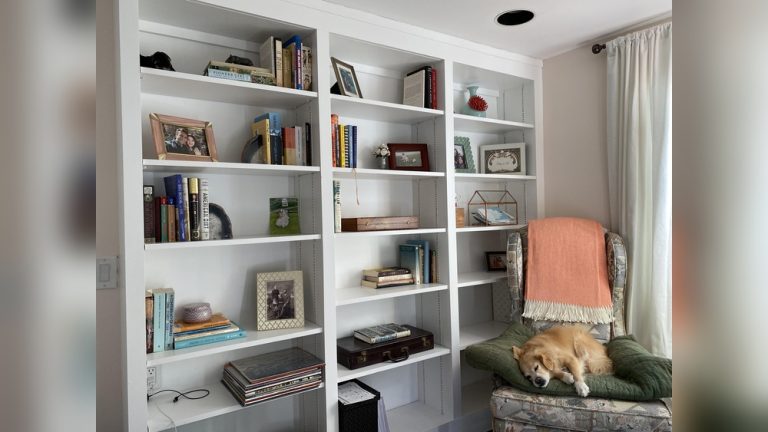
In my experience, I transformed a cluttered home office bookshelf by organizing reference books on the lower shelves and displaying framed photos, a small potted plant, and a sculptural object on the upper shelves. The result was a space that felt both inviting and functional.
Credit: theturquoisehome.com
Choosing And Arranging Books
Books are the foundation of any bookshelf, but their arrangement sets the tone for the entire display.
Organizing By Color, Size, Or Subject
There are several popular methods:
- Color-coordinated: Arranging books by spine color creates a striking visual effect, often called a “rainbow bookshelf.”
- Size-based: Grouping by height and thickness achieves neatness and symmetry.
- Subject or genre: Organizing by topic makes it easy to find what you need.
| Arrangement Method | Visual Impact | Practicality |
|---|---|---|
| Color-coordinated | Bold, modern | Low (hard to find specific titles) |
| Size-based | Clean, balanced | Medium (easier access, not topic-based) |
| Subject/genre | Eclectic, personalized | High (easy to locate books) |
Horizontal Vs Vertical Stacking
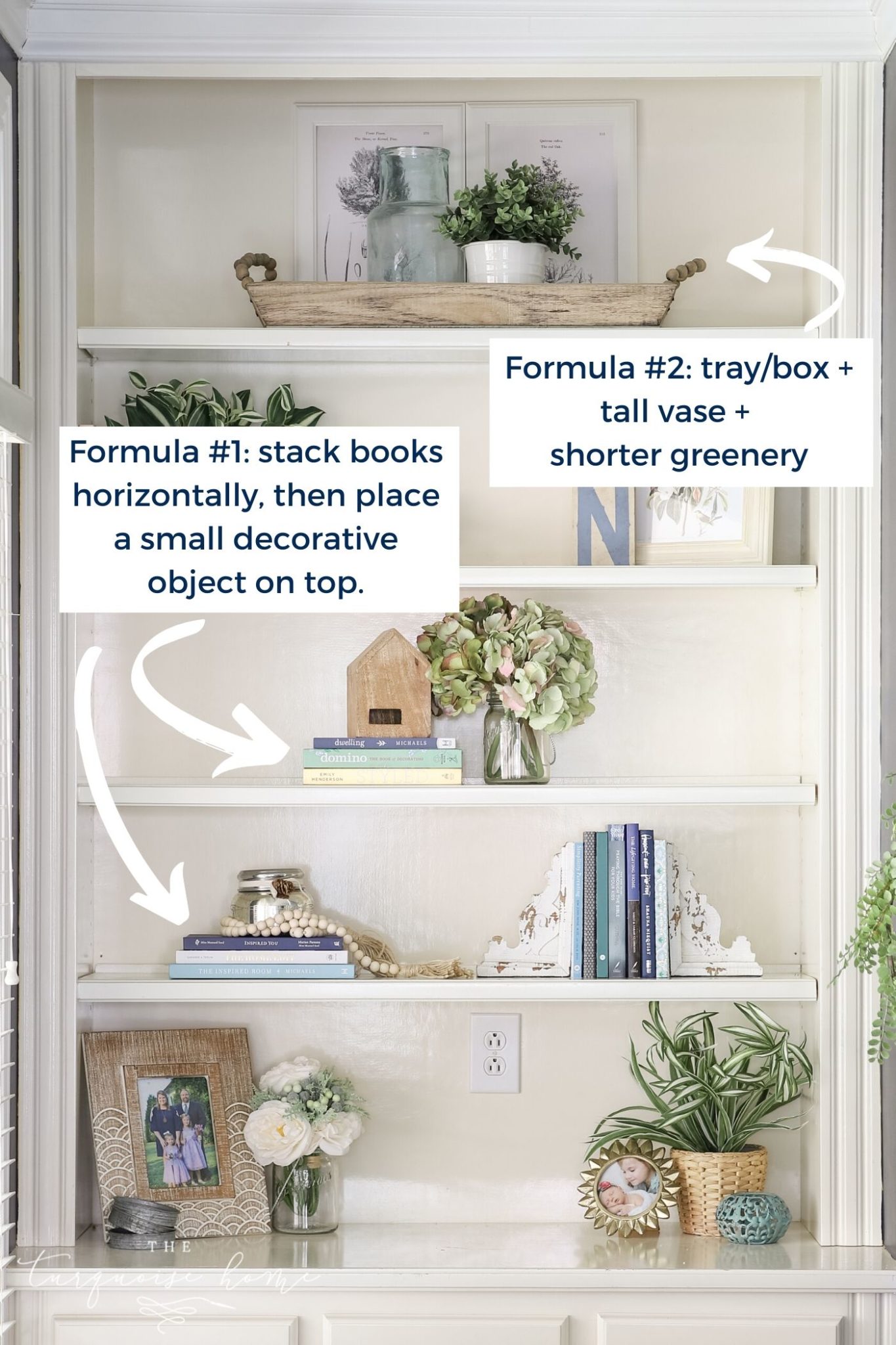
Mixing vertical rows with horizontal stacks breaks monotony and offers surfaces for displaying smaller objects. Stack 2-3 books horizontally and place a decorative item atop for added interest.
Pro Tip:
For shelves with limited height, opt for horizontal stacks to maximize space and enable layered decor.
Incorporating Bookends
Bookends can be both practical and decorative. Choose bookends that reflect your style, metal, marble, or whimsical shapes. They help anchor books and add a touch of personality.

Credit: bocointeriordesigns.com
Integrating Decorative Elements
Bookshelves are ideal for showcasing decorative objects that enrich your space and spark conversation.
Art And Framed Photos
Small framed artwork or personal photos lend warmth and authenticity. Lean frames against the back of the shelf or hang them for added depth.
- Gallery-style: Cluster several small frames together.
- Statement piece: Use one large artwork as a focal point.
Plants And Greenery
Adding plants introduces life and color. Succulents, trailing vines, or small potted ferns are popular choices. Ensure your shelf receives adequate light.
- Low-maintenance: Opt for snake plants or pothos.
- Artificial plants: Good for dark corners.
Sculptures And Collectibles
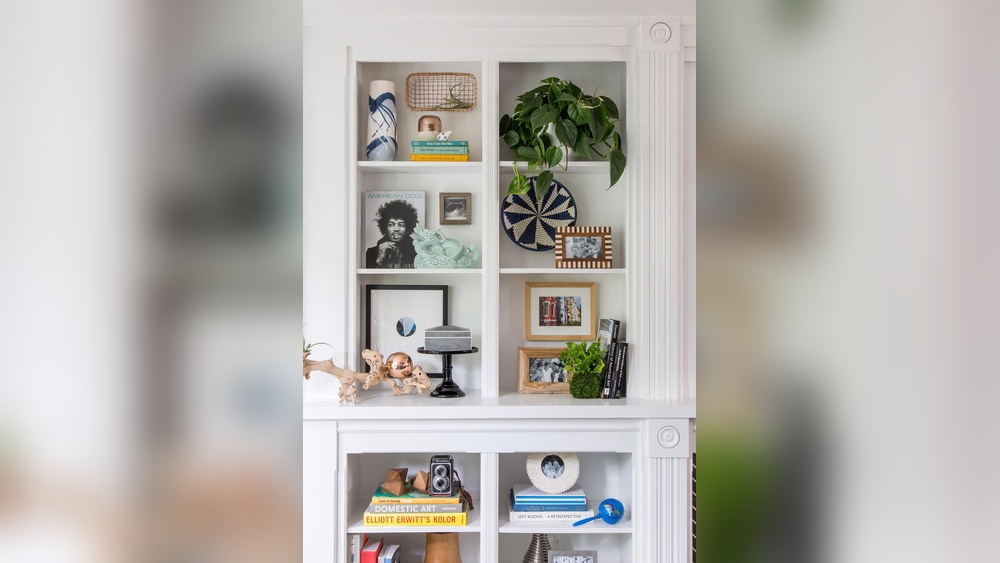
Display sculptural objects or collectible items such as ceramics, glassware, or vintage cameras. Group items in odd numbers for a more natural look.
Candles And Vases
Candles and vases bring texture and scent. Choose vessels in varying heights and materials, glass, ceramic, metal, to add dimension.
Example: Eclectic Shelf Styling
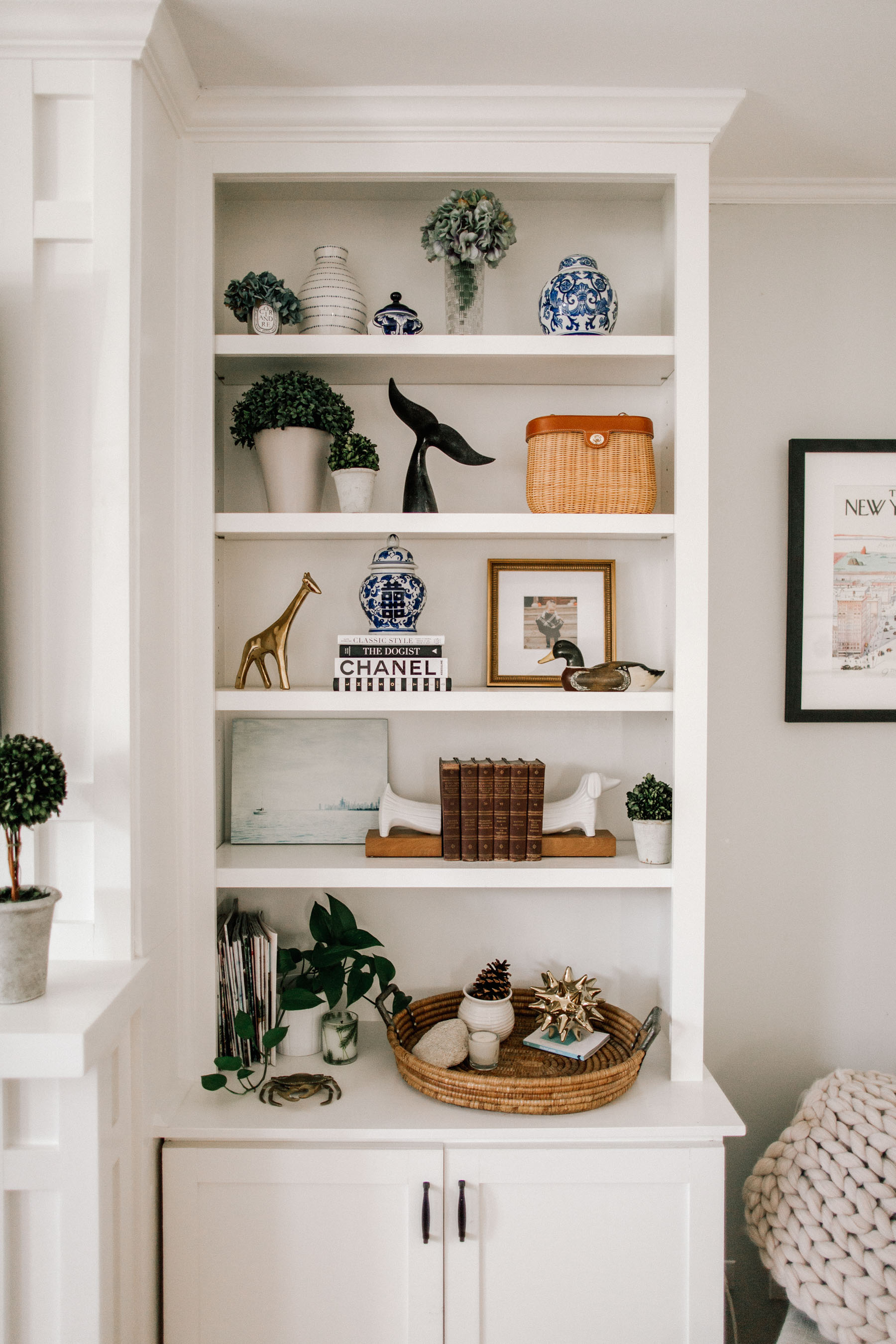
A New York interior designer styled a bookshelf with a mix of antique books, a brass giraffe sculpture, monochrome art prints, and a trailing pothos plant. The result was a shelf that felt curated yet approachable.
Applying Design Principles For Visual Balance
Professional designers rely on key principles to ensure bookshelf displays feel intentional and harmonious.
Layering And Depth
Layering objects creates visual depth. Place items at varying distances from the front edge, and overlap frames or books slightly.
- Back-to-front layering: Lean art at the back, place books and objects in front.
- Height variation: Mix tall and short items.
Symmetry Vs Asymmetry
Symmetrical arrangements are calming, while asymmetrical layouts feel dynamic and modern. Decide which suits your space.
- Symmetrical: Mirror objects on either side of the shelf.
- Asymmetrical: Vary object placement and heights.
Negative Space
Resist the urge to fill every inch. Negative space, empty areas, allows the eye to rest and prevents clutter.
Rule Of Thirds
Divide each shelf into three sections; place items off-center to create interest. This technique is borrowed from photography and is highly effective.
Data Table: Shelf Balance Strategies
| Principle | Effect | Best Use |
|---|---|---|
| Layering | Creates depth | Art, photos, objects |
| Negative Space | Prevents clutter | Minimalist, modern styles |
| Symmetry | Calming, orderly | Traditional decor |
| Rule of Thirds | Dynamic, balanced | Eclectic, contemporary |
Personalizing Your Bookshelf
A bookshelf becomes truly special when it reflects your personality and interests.
Displaying Personal Mementos
Incorporate souvenirs, travel keepsakes, or objects with sentimental value. This could be a seashell from a favorite vacation or a handmade ceramic.
Rotating Seasonal Decor
Swap items seasonally to keep your shelf fresh. In autumn, use warm-toned vases; in winter, display festive candles.
Incorporating Hobbies And Passions
Showcase items related to your hobbies, musical instruments, vintage records, or sports memorabilia. This adds authenticity and sparks joy.
Example: Hobby-focused Shelf
A musician arranged their bookshelf with stacks of sheet music, a framed concert poster, and a vintage harmonica, blending passion and practicality.
Maximizing Storage Without Sacrificing Style
Decorating doesn’t mean sacrificing storage. Smart strategies ensure your bookshelf remains functional.
Baskets And Boxes
Stylish baskets or boxes hide clutter and offer storage for loose items (remote controls, chargers, or craft supplies). Choose materials that complement your decor, woven, metal, or fabric.
Multi-use Decorative Objects
Opt for objects that are both pretty and practical. For example, a decorative bowl can hold keys or small accessories.
Vertical Space Utilization
Use tall bookcases to maximize vertical storage. Place less-used items on higher shelves and frequently accessed books within easy reach.
Comparison Table: Storage Solutions Vs Decorative Impact
| Storage Solution | Decorative Impact | Best For |
|---|---|---|
| Baskets/Boxes | High (adds texture) | Hidden storage |
| Multi-use objects | Medium (functional beauty) | Small accessories |
| Vertical shelves | Low (utilitarian) | Large collections |
Pro Tip:
If your bookshelf doubles as storage for kitchen or craft supplies, coordinate baskets and bins in one color palette for a unified look.
Real-world Examples And Case Studies
Learning from successful bookshelf transformations can spark your own creativity.
Case Study 1: Minimalist Scandinavian Design
A homeowner in Stockholm styled their bookshelf with white books, pale wood objects, and a single green plant. The result was a clean, serene display that complemented the minimalist interior.
Case Study 2: Vintage Eclectic
A San Francisco apartment featured a bookshelf packed with vintage books, old cameras, and quirky figurines. Layered art and mismatched pottery created a rich, lived-in look.
Case Study 3: Functional Family Room
In a busy family room, shelves held children’s books, board games in baskets, and family photos. The display was practical yet warm, fostering a sense of togetherness.
Example: Reader’s Retreat
A book lover arranged their bookshelf with favorite novels, framed literary quotes, and a reading lamp. The setup encouraged cozy evenings spent browsing the collection.
Maintaining And Refreshing Your Bookshelf
A well-decorated bookshelf is never static. Regular upkeep keeps it attractive and relevant.
Dusting And Cleaning
Dust shelves and objects weekly. Use a soft cloth for delicate items and avoid harsh chemicals.
Reassessing Arrangement
Every few months, evaluate your display. Remove items you no longer love and rearrange for a new look.
Adapting To New Additions
As your book collection or decor grows, update your arrangement to maintain balance. Don’t overcrowd; rotate items in and out.
Pro Tip:
Take a photo of your bookshelf before making changes. Reviewing the image helps spot areas that need improvement.
Sustainability And Conscious Decorating
Choosing sustainable materials and mindful decor practices benefits both your home and the planet.
Eco-friendly Materials
Opt for recycled wood, bamboo, or reclaimed metal shelves. Avoid plastics whenever possible.
Upcycling And Diy Decor
Repurpose old jars as vases or turn vintage books into art. DIY projects add uniqueness and reduce waste.
Sourcing Responsibly
Support local artisans or choose secondhand items. Sites like Etsy offer handmade decor that supports small businesses.
Example: Sustainable Shelf Styling
A homeowner used thrifted baskets, upcycled glass bottles, and locally made pottery to decorate their bookshelf, demonstrating style can be eco-friendly.
Frequently Asked Questions
What Is The Best Way To Style A Bookshelf With Mostly Paperback Books?
If your collection consists mainly of paperbacks, consider grouping them by size and stacking some horizontally to break up the vertical lines. Use bookends to stabilize rows and add a few decorative objects between stacks for visual interest. Incorporate lightweight decor, such as small picture frames or faux plants, to avoid overpowering the shelf.
How Can I Make My Bookshelf Look Less Cluttered?
To reduce clutter, implement negative space by leaving some sections empty. Use baskets or boxes for small items, and limit the number of decorative objects. Stick to a cohesive color palette for both books and decor, and regularly reassess the shelf to remove anything that feels out of place.
Can I Decorate A Bookshelf In A Small Apartment?
Absolutely, compact spaces benefit from multi-purpose shelves. Choose slim, vertical units to maximize floor space. Opt for dual-purpose decor, such as storage boxes that match your color scheme. Incorporate mirrors or light-colored objects to make the area feel larger.
How Do I Decorate A Bookshelf In A Child’s Room?
For a child’s bookshelf, focus on accessibility and fun. Use colorful bins for toys, stack favorite books at reachable heights, and add playful decor like stuffed animals or framed artwork. Rotate items seasonally or as your child’s interests change to keep the display engaging.
Are There Any Rules For Mixing Books With Decorative Items?
While there are design principles, creativity is key. Aim for balance, don’t overwhelm the shelf with decor. Mix textures and heights, and use books as platforms for smaller objects. Incorporate personal items for authenticity, but maintain negative space to prevent visual overload.
A thoughtfully decorated bookshelf enriches your living space and showcases your personality. By balancing storage and display, integrating meaningful objects, and applying proven design principles, you transform your shelves into an inviting focal point. Whether you prefer minimalist, eclectic, or functional styles, the tips and examples above offer a roadmap to creating a bookshelf that’s both beautiful and practical. For more insights on home organization and preservation methods, explore guides like choosing the right canning jar makes preserving food easier and Freeze-drying vs canning: Which is better for long-term food storage?. Decorating your bookshelf is an evolving journey, embrace your style, refresh your arrangement, and enjoy the creative process.
Products related to this article
Sponsored / affiliate links. As an Amazon Associate I earn from qualifying purchases. I may earn additional commission from eligible campaigns.