How To Make A Bookcase Look Good
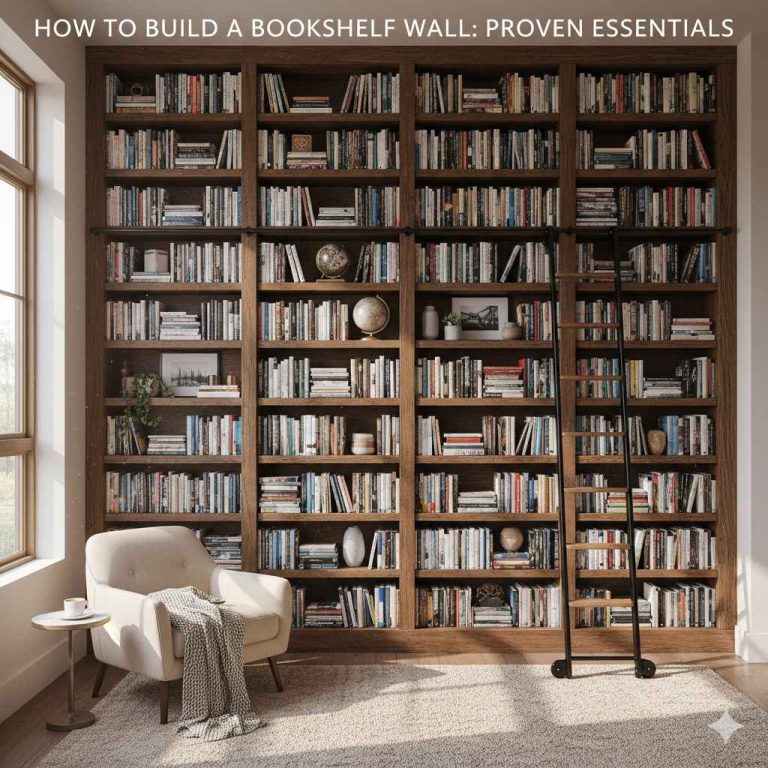
A beautifully styled bookcase can transform a room, elevating it from utilitarian storage to a captivating focal point that reflects your taste and creativity. Whether your shelves are overflowing with novels, displaying cherished mementos, or organizing practical items, the way you arrange and accessorize a bookcase has a substantial impact on the overall ambiance of your space.
Many homeowners struggle with cluttered, bland, or mismatched shelves, not realizing that a few expert strategies can make all the difference.
Styling a bookcase is both an art and a science. It requires thoughtful curation, an understanding of balance and color, and creative use of personal items. With the right approach, you can ensure your bookcase serves both functional and aesthetic purposes, showcasing your personality while keeping your space organized.
This comprehensive guide walks you through proven techniques, real-world examples, and expert tips, empowering you to make your bookcase look truly spectacular.
Key Takeaways
- Balance books and decor by mixing vertical and horizontal arrangements with art, plants, and objects.
- Use color schemes and themes to create visual harmony and draw the eye.
- Incorporate layering, negative space, and lighting for depth and sophistication.
- Periodically edit and refresh your shelves to keep the look current and uncluttered.
- Personalize with artwork, photographs, and unique finds to reflect your style.
Understanding The Potential Of Your Bookcase
A bookcase is more than just a storage solution; it’s an opportunity to add character, organization, and function to your space. Recognizing the types, materials, and placements available will help you maximize your design impact.
Types Of Bookcases And Their Impact
The type of bookcase you choose sets the foundation for the entire look. Popular options include:
- Freestanding bookcases: Versatile, can be moved and styled from both sides.
- Built-in shelves: Seamlessly integrate with walls for a custom look.
- Modular systems: Offer flexibility for changing needs and spaces.
- Ladder and leaning shelves: Create a casual, modern vibe.
Each type affects how you style and arrange items, built-ins, for example, often benefit from more symmetrical layouts, while open-sided freestanding units invite a looser, airier feel.
Material Matters
The material, wood, metal, glass, or composite, determines the style direction:
- Wood: Warm, classic, pairs well with both traditional and contemporary decor.
- Metal: Industrial, sleek, great for minimalist or urban spaces.
- Glass: Light and modern, but requires careful curation to avoid a cluttered look.
Pro Tip: Match your bookcase material to other elements in the room for cohesion, or use it as a contrasting statement piece.
Placement And Room Integration
Where you position your bookcase affects both function and style:
- Living room: Acts as a central display for books and art.
- Home office: Organizes reference materials, awards, and supplies.
- Bedroom: Doubles as a nightstand or displays personal items.
- Hallway/Entryway: Provides a welcoming focal point and storage.
Integrate the bookcase with the overall design by echoing colors, materials, or shapes found elsewhere in the room.

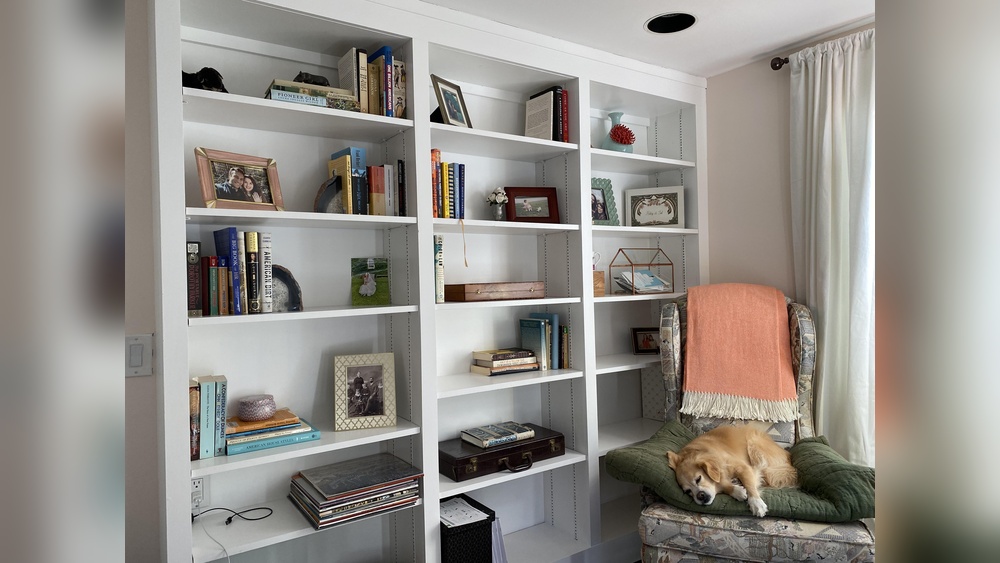
Credit: ikeahackers.net
The Art Of Arranging Books
Arranging books is about more than simply filling shelves. The way you organize and display your collection can dramatically alter the bookcase’s visual appeal and functionality.
Vertical Vs. Horizontal Stacking
Traditional vertical rows are classic, but mixing in horizontal stacks adds visual interest and breaks up monotony.
- Vertical rows: Maximize capacity, create order.
- Horizontal stacks: Provide platforms for decor, add dimension.
Alternate between the two to guide the eye and create rhythm.
Organizing By Color, Genre, Or Size
How you group your books influences the visual and practical utility:
- By color: Creates a striking, graphic effect, ideal for modern or eclectic interiors.
- By genre/subject: Enhances usability for reference or research-heavy collections.
- By size: Offers a sense of order and symmetry, especially on open-backed shelves.
Example: A homeowner with a large collection of travel guides grouped them by continent (genre), then arranged each continent’s books by color. This made the shelf both functional and visually compelling.
Showcasing Favorite Covers
Don’t be afraid to display a few books face-out, especially if they have beautiful or meaningful covers. This technique works particularly well for art, photography, or children’s books.
Pro Tip: Limit face-out books to one per shelf or section to avoid visual clutter.
Editing Your Collection
A crowded bookcase rarely looks stylish. Regularly remove outdated, unused, or tattered books, and donate or relocate them as needed. Aim for a curated selection that leaves room for decorative elements and negative space.
Styling With Decorative Objects
The most captivating bookcases blend books with well-chosen decor, art, sculpture, plants, and personal mementos. Strategic use of objects adds life, contrast, and personality.
Balancing Books And Decor
A harmonious bookcase typically follows the 60-30-10 rule:
- 60% books
- 30% decorative objects
- 10% negative (empty) space
This balance keeps the shelves from feeling overcrowded or sparse.
Types Of Decorative Objects To Use
Consider incorporating:
- Vases and pottery: Introduce texture and height.
- Plants: Add freshness and a pop of green.
- Framed photos or art: Personalize and create focal points.
- Sculpture and figurines: Lend sophistication or whimsy.
- Baskets or boxes: Conceal smaller items, add order.
Example: In my experience, adding a trailing plant like pothos to the upper shelf softened sharp lines and gave the bookcase a lively, organic touch.
Layering And Height Variation
Vary the height and depth of objects to create depth and avoid a flat, monotonous look. Layer items by placing smaller objects in front of books or art, and stack books horizontally to act as pedestals for decor.
Pro Tip: Odd numbers (groups of 3 or 5) are more visually pleasing than even arrangements.
Rotating Seasonal Decor
Refresh your bookcase with seasonal touches, a pumpkin in fall, a pinecone in winter, or fresh flowers in spring. This keeps the look dynamic and responsive to your home’s changing vibe.
Creating Visual Harmony: Color, Texture, And Theme
Achieving a cohesive look involves more than just arranging items. Color, texture, and a clear theme unify the bookcase with the room and reflect your personal style.
Choosing A Color Palette
Select a color scheme that complements your room’s decor. For a calm, cohesive look, stick to two or three main colors with a few accent hues. For a bolder statement, use contrasting or vibrant colors strategically.
| Color Scheme | Best For | Example Decor Items |
|---|---|---|
| Monochromatic | Minimalist, Modern Spaces | White vases, silver frames, clear glass |
| Analogous | Relaxed, Transitional Rooms | Blue, green, teal books and art |
| Complementary | Eclectic, Statement Shelves | Orange pottery, blue planters |
Mixing Textures And Materials
Contrast is key. Pair sleek ceramics with woven baskets, glossy book jackets with matte pottery, or glass with wood. Mixing textures adds depth and visual intrigue.
Establishing A Theme Or Story
A theme can be subtle (nautical, botanical, travel-inspired) or based on a personal narrative (family history, favorite hobbies). Let your bookcase tell a story, display souvenirs from travels, heirloom objects, or works by artists you admire.
Example: A collector of vintage cameras used them as bookends and paired them with photography books, creating a theme that reflected his passion.
Using Negative Space Effectively
Don’t fill every inch. Strategic empty space draws attention to special items and prevents the bookcase from looking cluttered.
Pro Tip: If a shelf feels crowded, remove one-third of the items and step back, the difference will be immediate.
Lighting And Backdrops: Enhancing Depth And Drama
Lighting and backdrop treatments elevate a bookcase from basic to breathtaking, highlighting your favorite pieces and adding architectural interest.
Integrating Shelf Lighting
Shelf lighting can be as simple as LED puck lights or as advanced as built-in LED strips. Well-placed lighting:
- Illuminates books and decor in low-light rooms.
- Creates a cozy evening ambiance.
- Highlights special objects.
Pro Tip: Choose warm white (2700-3000K) for a welcoming, residential feel.
Painting Or Wallpapering The Back
A painted or wallpapered back panel adds instant style and depth. Consider:
- Bold paint colors: Make items pop (e.g., navy, emerald, charcoal).
- Textured wallpaper: Grasscloth, geometric prints, or metallics.
- Temporary peel-and-stick options: Renter-friendly and easily changed.
Example: A homeowner painted the backs of her built-in shelves a deep teal, instantly drawing the eye and making white ceramics stand out.
Using Mirrors And Metallic Accents
Mirrored back panels or metallic decor (gold, brass, chrome) reflect light and add glamour. Small metallic trays or bookends can also brighten dark corners.
Layering Art And Photographs
Prop larger artwork or framed photographs at the back of shelves, then layer smaller items in front. This technique creates depth and a curated, gallery-like effect.
Editing, Maintenance, And Refreshing Your Bookcase
A stunning bookcase is never static. Regular editing, cleaning, and occasional restyling keep your shelves looking fresh and intentional.
Regular Editing And Decluttering
Set a quarterly reminder to reassess your bookcase:
- Remove outdated or irrelevant items.
- Dust books and decor (especially open shelving).
- Rotate in new books or objects, especially those with seasonal relevance.
Cleaning And Shelf Care
Dust can quickly diminish the look of your shelves. Use a microfiber cloth for surfaces and a soft brush for book spines and delicate objects.
Pro Tip: If you use plants, check for water damage or dirt and use trays under pots.
Adapting To Evolving Tastes
As your interests change, so should your shelves. Swap out decor as you acquire new art, travel souvenirs, or family photos. Embrace change as part of the design process.
Keeping Functionality In Mind
Even the most beautiful bookcase should remain practical. Store frequently used items within easy reach, and don’t let style impede access to reference materials, cookbooks, or children’s books.
Real-world Examples And Case Studies
Examining how others have approached bookcase styling can spark ideas and help you visualize the impact of these strategies.
Case Study 1: Small Space, Big Style
A renter with a narrow apartment used a slim, tall bookcase as a room divider. By sticking to a black, white, and gold color palette and mixing books with a few gold-framed photos and a trailing plant, she created a stylish, functional partition that didn’t overwhelm the space.
Case Study 2: Family-friendly, Functional Shelving
A family with young children needed both storage and display. They allocated the lower shelves for children’s books and baskets of toys (easy for kids to access), while upper shelves featured framed art, adult novels, and decorative objects safely out of reach.
Case Study 3: Eclectic Collector’s Display
An art lover used her bookcase to showcase both books and a rotating selection of small sculptures, pottery, and vintage finds. By grouping similar objects and using consistent color accents, she kept the look cohesive despite the diversity of items.
Data Table: Common Bookcase Styling Approaches Compared
| Styling Approach | Pros | Cons | Best For |
|---|---|---|---|
| Color-Coded Books | Visually striking, modern | May separate series/genres | Design-focused rooms |
| Genre/Theme Grouping | Functional, easy to use | Less visually cohesive | Reference or large libraries |
| Mixed Books & Decor | Balanced, personalized | Requires editing for clutter | Most homes |
| Minimalist Shelves | Calm, uncluttered | Less storage capacity | Modern, small spaces |
Advanced Bookcase Styling Tips
Once you’ve mastered the basics, explore advanced techniques to make your bookcase truly distinctive.
Using Art As A Focal Point
Anchor your shelves by placing a striking piece of art at eye level, then arrange books and objects around it. This draws the eye and establishes hierarchy.
Incorporating Technology Seamlessly
Modern living often requires space for smart speakers, chargers, or lighting controls. Hide cords behind books or in decorative boxes, and choose tech in attractive finishes that blend with your decor.
Creating Zones For Different Purposes
Divide a large bookcase into distinct zones, one for books, another for display, a third for plants or storage. This structure works especially well in open shelving or modular systems.
Installing Adjustable Shelves
Customizing shelf heights allows you to accommodate tall art books, oversized decor, or baskets. Many modular systems offer easy adjustability, making it simple to refresh your look as needed.
Pro Tip: Use Your Bookcase For Rotating Displays
Treat your bookcase like a mini-gallery, rotating in new art, family photos, or seasonal decor every few months. This keeps the space dynamic and encourages you to continually curate your collection.
Troubleshooting Common Bookcase Challenges
Even experienced decorators encounter obstacles. Here’s how to address frequent bookcase styling dilemmas.
Problem: Overcrowded Shelves
Solution: Edit ruthlessly. Remove items that don’t fit your theme or color palette. Group similar objects and prioritize quality over quantity.
Problem: Clashing Colors Or Styles
Solution: Choose a unifying color or material (e.g., all white ceramics, or a dominant accent color) and remove outliers. Alternatively, use baskets or boxes to conceal items that don’t match.
Problem: Shelves Look Flat Or Boring
Solution: Layer objects front-to-back and vary heights. Add art at the back of shelves and small decor in front. Use lighting to highlight special pieces.
Problem: Difficult-to-access Books
Solution: Keep most-used books at eye or hand level. Place less-used or decorative books on higher or lower shelves. Use labeled baskets for small or loose items.
Table: Bookcase Styling Challenges And Solutions
| Challenge | Quick Fix | Long-Term Solution |
|---|---|---|
| Too Busy | Remove 30% of items | Regular editing, use negative space |
| Mismatch with Room | Add matching decor | Repaint bookcase or update accessories |
| Poor Lighting | Add LED puck lights | Install built-in lighting or move to brighter area |
| Outdated Look | Add a few trendy objects | Update backdrop or decor seasonally |
Personalizing Your Bookcase: Making It Truly Yours
No two bookcases should be identical. Infuse yours with personal meaning and unique touches.
Showcasing Collections
Whether you collect vintage cameras, ceramics, or travel souvenirs, group them together for maximum impact. Use books as risers to vary the height of objects.
Displaying Family Photos And Art
Mix framed photos with art prints or children’s drawings. Use uniform frames or mats for a cohesive look, or mix styles for a more eclectic effect.
Integrating Plants And Natural Elements
Plants bring life and movement to shelves. Choose varieties that thrive indoors and require minimal watering, such as pothos, snake plants, or succulents.
Example: One homeowner used a combination of small succulents and a trailing philodendron to add color and texture to her minimalist white bookcase.
Incorporating Functional Storage
Not every item needs to be on display. Use decorative boxes or baskets to store remotes, cords, or other small items you want to keep out of sight.
Drawing Inspiration From Experts
Many interior designers, such as Emily Henderson and Nate Berkus, emphasize the importance of layering books with meaningful objects, artwork, and plants to create shelves that feel curated, not cluttered. For more inspiration, sites like Architectural Digest showcase a variety of bookcase styling approaches in real homes.
Frequently Asked Questions
How Do I Style A Bookcase If I Have Very Few Books?
Focus on decorative objects, art, plants, ceramics, or framed photos. Use horizontal stacks or art books to fill space, and add baskets for texture and function. Group items by color or material for a cohesive look, and incorporate negative space to avoid overcrowding.
What’s The Best Way To Style A Bookcase In A Small Apartment?
Choose a slim or open-back bookcase to avoid visual heaviness. Stick to a tight color palette, incorporate multifunctional decor (like baskets for storage), and use mirrors or light-colored shelves to reflect light and make the space feel larger. Consider using the bookcase as a room divider if needed.
How Often Should I Refresh The Look Of My Bookcase?
Seasonal updates, every three to four months, keep your shelves feeling current. Swap in seasonal decor, rotate art or family photos, and edit out items that no longer fit your style or needs. More frequent refreshes may be needed in high-traffic areas.
Are There Any Rules For Mixing Books And Decor?
While there are no strict rules, a balanced approach works best. Aim for about 60% books, 30% decor, and 10% empty space. Group items by color, shape, or theme for a cohesive look, and use layering and height variation for depth.
Where Can I Find Inspiration For Bookcase Styling?
Interior design websites and magazines, such as House Beautiful, are excellent sources. Social media platforms like Pinterest and Instagram also offer endless visual ideas. Pay attention to designer portfolios for expert arrangements and creative use of color, lighting, and objects.
A thoughtfully styled bookcase elevates any space, combining function, beauty, and personality. With careful curation, attention to balance, and a willingness to experiment, your shelves can become a dynamic, ever-evolving reflection of your tastes and interests. Whether you’re working with a small apartment or a grand library, these strategies will help you make your bookcase look not just good, but truly exceptional. If you’re interested in organizing other aspects of your home, you may also enjoy resources such as choosing the right canning jar or canning vs bottling for preserving food. Happy styling!
Products related to this article
Sponsored / affiliate links. As an Amazon Associate I earn from qualifying purchases. I may earn additional commission from eligible campaigns.