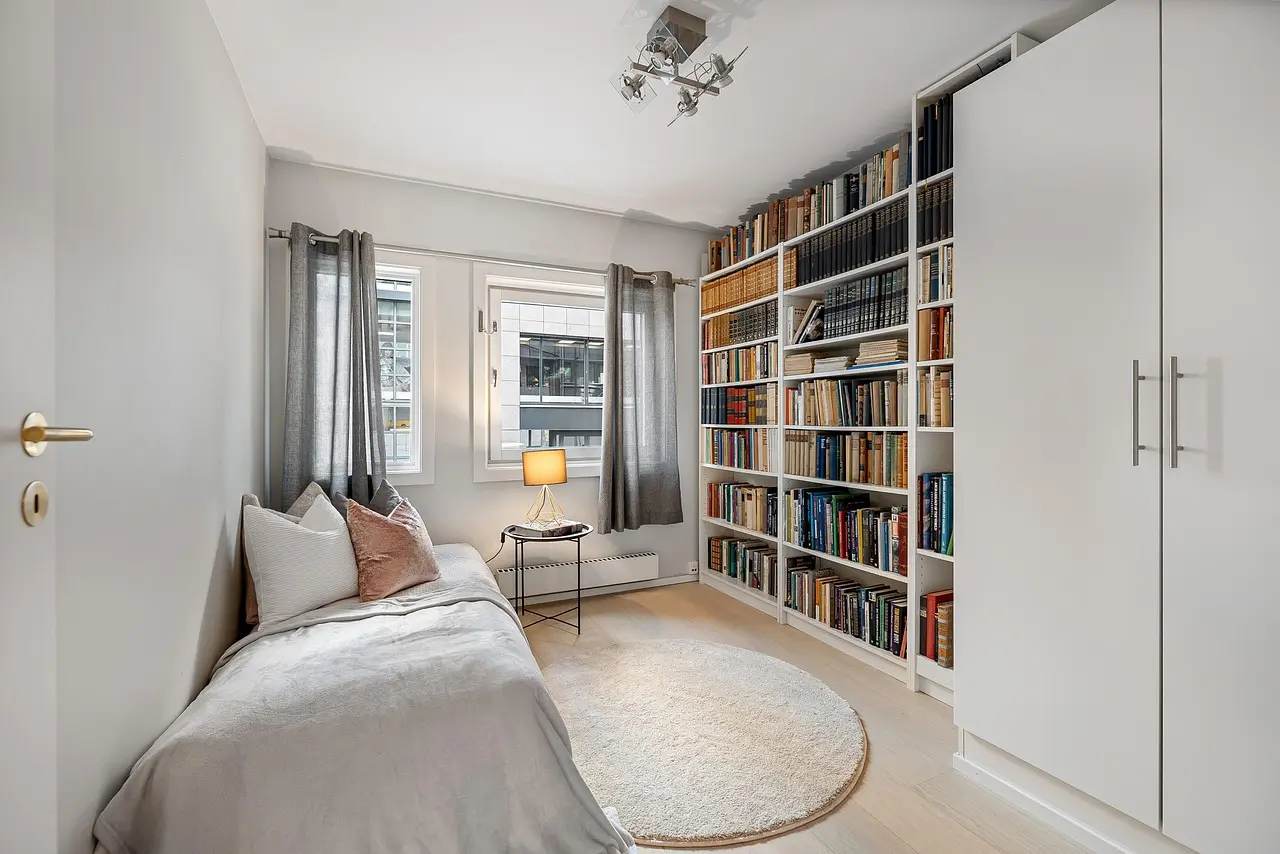
How Much Does a Bookcase Cost?
A built-in bookcase can cost about $1,500 to $10,000+ before delivery or installation. Pick the wrong tier, and you can end up with weak shelves, surprise labor charges, or a unit that eats floor space. This guide breaks down material, size, assembly, and installation costs so you can compare options with clear numbers.
Bookcase cost matrix


This matrix puts the four main buying paths side by side. The sticker price is only part of the total. Delivery, assembly, finishing, anchoring, and installation can add hundreds or thousands of dollars.
| Buying path | Typical total price | Main cost drivers | Hidden extras | Best-fit use case |
|---|---|---|---|---|
| Budget flat-pack | $50 to $300 | Particleboard or MDF, shelf count, size, finish, hardware | Delivery, assembly, tip-over anchoring, replacement fasteners | Renters, short-term storage, tight budgets, small spaces |
| Mid-range retail | $300 to $1,500 | Better panels, thicker shelves, more finish options, added trim, doors or drawers | Delivery, assembly, wall anchoring, removal of old furniture | Homeowners who want a stronger store-bought unit with a cleaner look |
| Custom freestanding | $300 to $9,000+ | Wood species, labor hours, joinery, finish type, open shelves versus doors | Shop drawings, finishing, delivery, site setup, hardware upgrades | Spaces that need a made-to-fit piece without full wall installation |
| Built-in | $1,500 to $10,000+ | Linear footage, floor-to-ceiling fit, scribing, paint or stain system, base cabinets, upper doors | Installation, wall repairs, electrical changes, removal of old built-ins | Permanent storage, library walls, awkward rooms, high-value finishes |
How much does a bookcase cost?
Most buyers fall into one of three price bands: budget flat-pack at about $50 to $300, mid-range retail at about $300 to $1,500, and custom or built-in work above that. A fair price depends on size, material, and whether the unit arrives ready to use or needs labor, finishing, or installation.
Typical budget, mid-range, and premium ranges
Budget units usually trade price for thinner panels and simple hardware. Mid-range retail bookcases cost more because the frame is sturdier, the finish is better, and the proportions are often larger. Premium pricing appears when you buy real wood, custom sizing, doors, drawers, or floor-to-ceiling installation.
Cost per shelf and cost per storage foot
Price per shelf helps compare units with different layouts. A small four-shelf piece at $120 works out to about $30 per shelf; a taller unit at $300 with six shelves works out to about $50 per shelf. Cost per finished storage foot is more useful for wall systems and built-ins because it shows what you pay for usable vertical space, not just the frame.
What counts as a fair price for your space
A fair price is one that matches both load and fit. If the unit will hold heavy hardcovers, magazines, or media equipment, thicker shelves and stronger backing matter more than a low sticker price. If the room is small, a narrower or taller piece may cost more per shelf but free up floor space.
Say your entry wall can only take a 30-inch-wide unit. A cheap 72-inch bookcase may look like a bargain, but it can waste floor area and force you to buy extra furniture. In that case, a narrower custom piece can be the better value even at a higher price.
What changes the price most?
Material choice changes price first, followed by size and shelf count. Doors, drawers, trim, delivery, assembly, anchoring, and finishing all add cost. If you compare quotes without those items, the lowest number often stops being the real total.
Material and wood species
Painted pine and poplar usually sit at the low end because they are easier to machine and finish. Red oak costs more, white oak costs more again, and cherry and walnut sit in the premium range. Solid wood species pricing rises with grain quality, stability, and how much labor it takes to prep the surface.
- Pine: common low-cost painted choice
- Poplar: common low-cost painted choice
- Red oak: mid-priced hardwood
- White oak: higher-priced hardwood with a stronger premium feel
- Cherry: premium hardwood, often used in finer furniture
- Walnut: highest-cost option in this group
Height, width, and shelf count
More width usually means more material and more bracing. More height means greater tip risk and often thicker panels or extra anchoring. Shelf count matters because each shelf adds cutting, edging, and load considerations. A tall, shallow unit can cost less to build than a wide one, but it may need wall attachment to stay stable.
Doors, drawers, base cabinets, and trim
Closed storage raises the price because doors, drawer boxes, hinges, pulls, and face frames add labor and hardware. Base cabinets also increase cost because they require a stronger lower structure and more finishing. Trim and crown pieces add time at the bench and more time on site.
Delivery, assembly, anchoring, and finishing
Flat-pack units often look cheap until assembly is added. Delivery can matter for large boxes or finished wood pieces. Anchoring is a must for tall freestanding units. Finishing is a major cost on custom work because painted and clear-coated surfaces need sanding, prep, and dry time.
Flat-pack and retail bookcase prices
Flat-pack is the lowest-cost route because the maker uses thinner material, standardized parts, and less labor in the final price. Retail units cost more when they use thicker panels, better hardware, or a more finished look. The tradeoff is usually between lower upfront cost and stronger construction.
Particleboard and MDF pricing
Most low-cost flat-pack bookcases use particleboard or MDF. These materials keep the retail price down, but they are less forgiving under heavy shelf loads and repeated moves. A low price is fine for light use, but not all low prices are equal once you add shipping, assembly, and anchors.
Assembly time and tool needs
Assembly adds real cost even if the store price looks low. You may need a screwdriver, hammer, level, and wall anchor kit. If the unit arrives with many panels, shelves, and cam locks, the labor time rises. A simple build can still take longer than expected if the instructions are unclear or the hardware is flimsy.
Tip-over anchoring and weight limits
Any tall bookcase should be anchored when the maker calls for it. That warning matters more in homes with children or pets, and it matters on tall, narrow units with a small footprint. Shelf load limits also matter, because sagging starts when the span and weight do not match the panel thickness.
A common first-timer mistake is filling a cheap shelf with heavy textbooks from end to end. The unit may look fine on day one, then the shelves bow and the back panel starts to pull away from the frame. That is a materials problem, not just an assembly problem.
When a low price becomes a poor value
A low-price unit becomes poor value when the parts are hard to assemble, the shelves sag, the finish chips fast, or the piece needs replacing after a move. If you will store heavy books or use the case as a room divider, spending more on thicker material and stronger hardware usually makes more sense.
How much does a custom bookcase cost?
Custom freestanding bookcases usually start around $300 and can rise well above that depending on wood species, finish, and design details. A simple open design is the cheapest custom style, while a case with doors or a cabinet base costs more because it takes more labor, hardware, and finishing time.
Wood species price ranges
Custom pine or poplar painted bookcases typically sell for $600 to $1,200. Red oak custom bookcases typically sell for $1,200 to $2,200. White oak craftsman bookcases are priced at $2,800 to $4,800. Cherry bookcases with a cabinet base and two doors range from $4,500 to $7,500. Walnut library bookcases can reach $10,000 to $18,000+.
Labor hours and joinery complexity
Labor is a major part of custom pricing because every cut, fit, and finish step is done for one room, not a production run. Simple shelves take less time than frame-and-panel construction, inset doors, or built-up trim. Complex joinery, special dimensions, and matching existing trim push the price higher.
Open shelves versus doors
An open custom bookcase is the cheapest style, ranging from $600 to $3,500. A custom bookcase with a cabinet base costs $3,500 to $9,000. A custom library bookcase costs $7,000 to $18,000+. Doors add hardware, alignment time, and finishing work, which is why closed storage costs more than open shelving.
Painted finish versus clear finish
Painted finishes often cost less when the species is pine or poplar because the grain does not need to be featured. Clear finishes usually take more surface prep and can add cost on oak, cherry, or walnut. The finish also changes the final look, so the same cabinet can land in a very different price band.
How much does a built-in bookcase cost?
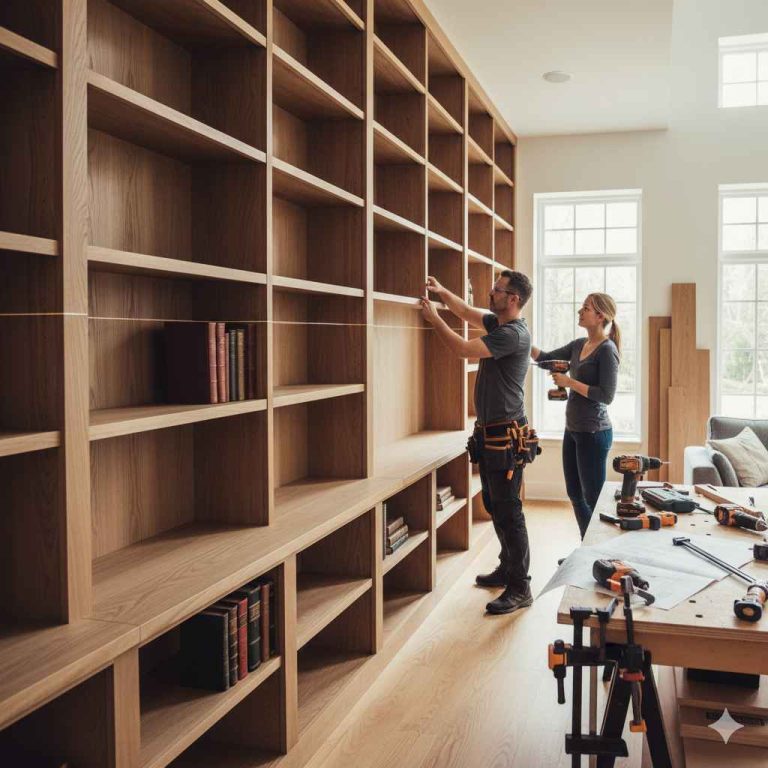
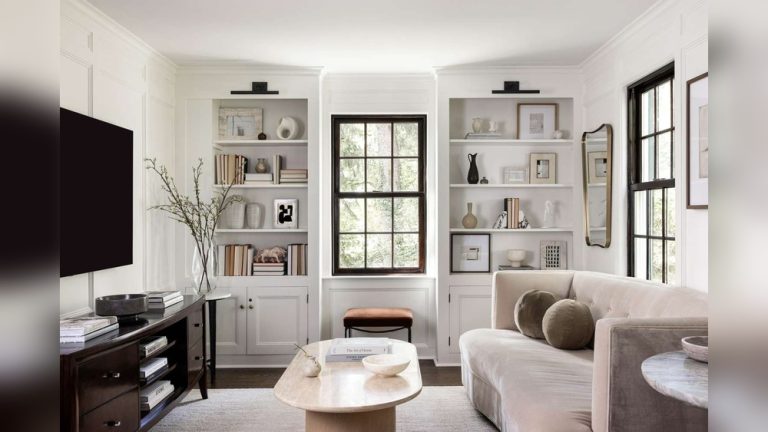
Built-ins are priced by linear foot, not by a single case, because they are built to the room. Open painted shelves can start at $250 to $400 per linear foot. Units with doors and a base cabinet in painted MDF or poplar can run $550 to $800 per linear foot. Walnut full walls with doors, ladder, and base cabinets can reach $1,000 to $1,600 per linear foot.
Per-linear-foot pricing
Linear-foot pricing makes comparison easier when you are filling a wall. It includes the custom fit, the bench work, and much of the install labor. To compare quotes, multiply the quoted rate by the wall length you need, then add any separate items such as demo, paint, or electrical changes.
Floor-to-ceiling installation
Floor-to-ceiling built-ins cost more because they need exact fit at both ends. The installer must account for uneven floors, out-of-plumb walls, and ceiling variation. A piece that fills the whole wall usually takes more planning than a freestanding unit, and it often needs more site work before the finish goes on.
Scribing and wall fit
Scribing is the fitting work that closes gaps against walls, trim, and floors. More scribing means more labor, especially in older homes where surfaces are not square. That hidden work is one reason built-ins cost more than freestanding bookcases even when the face dimensions look similar.
Painted MDF or poplar versus white oak or walnut
Painted MDF or poplar usually keeps built-in pricing lower because the species is easier to finish and the look is more uniform. White oak and walnut move the price up because the material cost is higher and the finishing process takes more care. If the wall includes doors, base cabinets, and a ladder, the project moves into the highest tier fast.
Product example: IKEA BAGGEBO pricing
The IKEA BAGGEBO bookcase is priced at $39.99 in Canada. It measures 50 cm wide, 25 cm deep, and 160 cm high. The shelf load limit is 8 kg per shelf, and the package weighs 16.69 kg, or 36 lb 13 oz. Because it is tall and light, anchoring is required.
Retail price and dimensions
Those dimensions put the BAGGEBO in the compact, narrow category. It works as a small storage case, a light-duty display shelf, or a starter unit in a tight room. The size also explains the low price: less material, fewer shelves, and a simpler box construction.
Maximum load per shelf
An 8 kg shelf limit is a warning to keep the load light. Books can exceed that limit quickly, especially if they are hardcovers or grouped closely together. If you plan to store dense items, a stronger unit with thicker shelves is a better choice.
Packaged weight
At 16.69 kg, or 36 lb 13 oz, the package is manageable for many buyers but still substantial enough to make delivery and carrying part of the decision. That weight does not mean the assembled unit is heavy-duty. It means the box contains enough panel stock and hardware to create a compact case.
Anchoring requirement
The anchoring requirement matters because a tall, narrow case can tip if it is pulled forward or loaded unevenly. For renters, this can still be a good option if the wall anchor can be installed and later patched. If wall attachment is not allowed, a lower freestanding unit is safer.
How much does it cost to build a bookcase?
To build a bookcase, the total depends on material, size, shelf count, and finish. A simple flat-pack build costs the least in cash but still needs time, tools, and anchoring. A custom build costs more because you are paying for lumber, hardware, labor, finish, and fit.
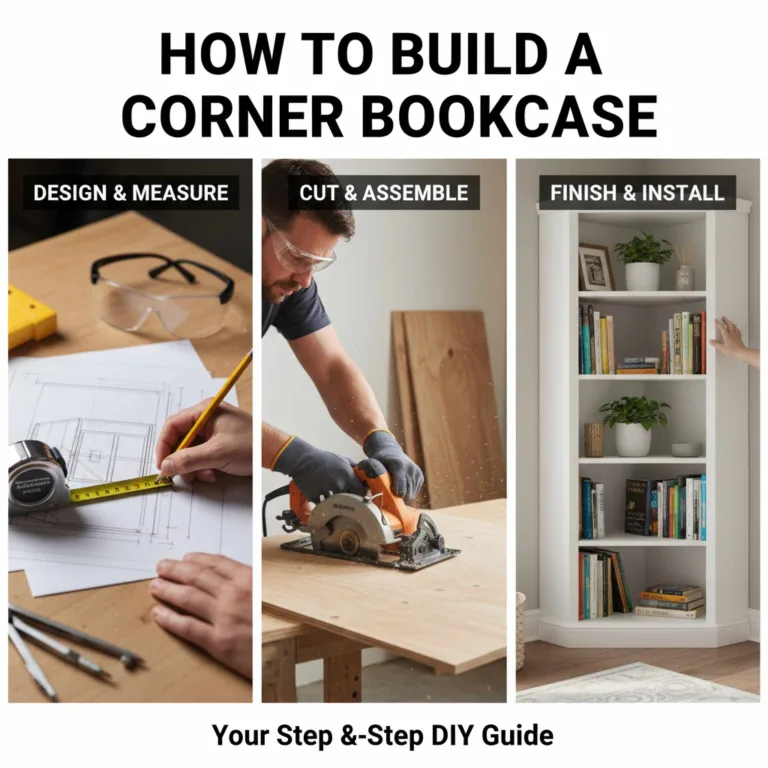
- Choose the material first: particleboard, MDF, pine, poplar, oak, cherry, or walnut.
- Decide on open shelves, cabinet base, doors, or drawers.
- Measure the wall height, width, and any baseboards or trim.
- Add delivery, assembly, anchoring, and finishing to the quote.
- Compare the final total against the storage you actually need.
Suppose you need a 7-foot wall unit for a den and the quote for a built-in looks high. If the same storage can be handled by a freestanding custom bookcase plus one matching cabinet, the lower labor option may fit the budget better. The key is comparing finished storage, not just cabinet count.
Frequently asked questions
How much does a bookshelf cost?
A bookshelf can cost as little as $39.99 for a compact flat-pack piece like the BAGGEBO, or several thousand dollars for custom work. Most buyers will see the clearest comparison in three bands: budget flat-pack, mid-range retail, and custom or built-in. The size, material, and installation method decide where your project lands.
How much does a fitted bookcase cost?
A fitted bookcase usually means a built-in or a wall-fit system, and pricing is often by linear foot. Full wall walnut systems cost more.
How much does a Billy bookcase cost?
Pricing for a Billy bookcase varies by size and finish, so the exact number depends on the model you choose. For a low-cost benchmark, compare it with other flat-pack units in the same size class. The real cost question is whether the shelf load, height, and anchoring fit your space.
How much does a good bookshelf cost?
A good bookshelf is one that matches the load and room without adding avoidable expense. For many buyers, that means a mid-range retail unit or a simple custom piece rather than the cheapest option. If the shelf will hold heavy books or stand in a long-term spot, sturdier materials are worth the extra cost.
Products related to this article
Sponsored / affiliate links. As an Amazon Associate I earn from qualifying purchases. I may earn additional commission from eligible campaigns.