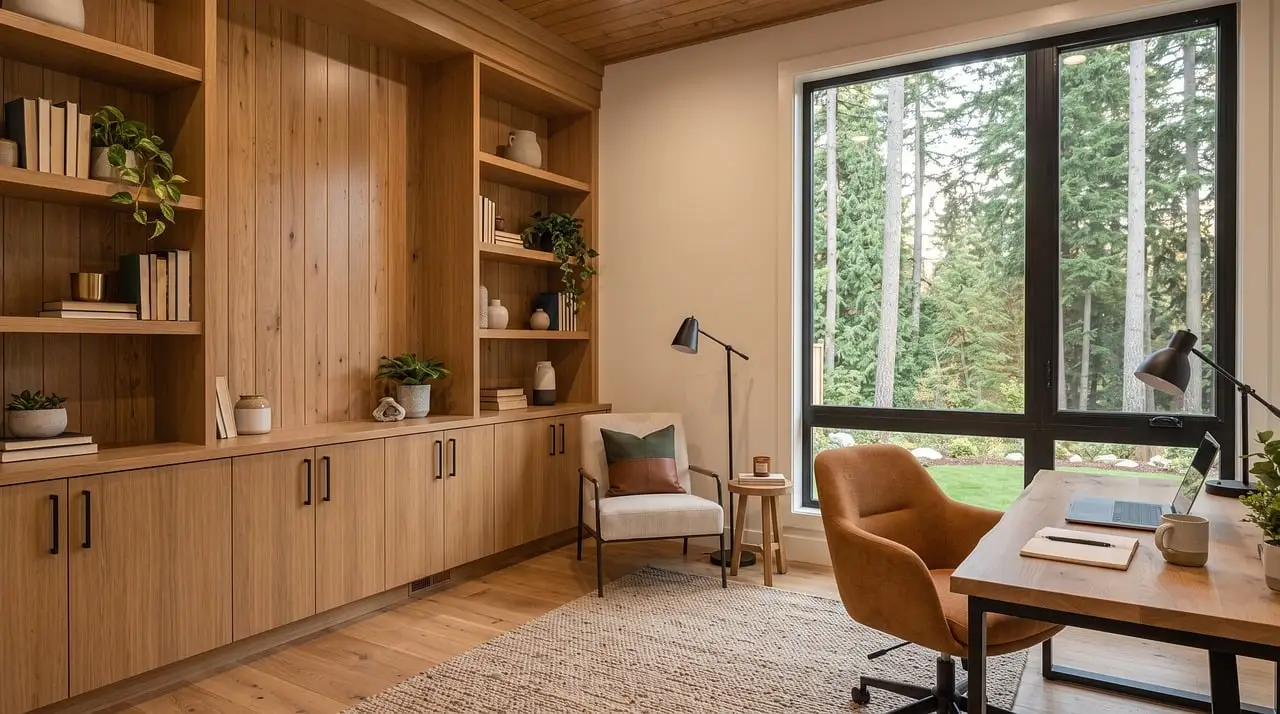
How Much Does a Corner Bookshelf Cost?
A corner bookshelf may cost roughly $40 to $250 for a store-bought unit, $40 to $200 for a floating shelf setup, $120 to $535 for an IKEA-style corner hack, and $450 to $1,825+ for a built-in-style piece. Those ranges are based on common prices checked across major retailers and category pages in the U.S. market, then built out with typical add-ons such as anchors, lighting, trim, and labor. Pick the wrong size or style, and you can miss your budget or end up with a shelf that does not fit the corner or the room. This guide breaks down prices by solution type so you can budget for the look you want.
Budget to premium: corner shelf price ranges


The build type drives the price more than the word “corner” itself. A freestanding unit is usually the cheapest path into storage, floating shelves cost less in materials but need more planning, and built-in-style corners climb fast because labor and finish work can cost more than the shelves. Price ranges below were derived by comparing entry-level and midrange examples from big-box retailers, furniture brands, and the IKEA BILLY line, then layering in common install costs that vary by market and trade availability.
Budget freestanding: what you pay for the unit and basic setup
A store-bought corner bookshelf usually lands in the lowest purchase band because you are paying for one finished product, not site work. Expect a simple unit to cost less than a custom corner, with the biggest variables being height, depth, material, and whether it arrives flat-packed or assembled.
Corner bookcases are commonly sold as standard-height shelving, usually in the 60 to 80 inch range, with depths that often sit around 10 to 15 inches for book storage. That range aligns with common retailer listings and the IKEA BILLY family, which measures 31½ inches wide, 11 inches deep, and 79½ inches tall for a standard unit. A renter-friendly setup usually means assembly, placement, and optional anti-tip anchoring rather than carpentry.
Floating shelves: low-material cost, higher planning needs
Floating corner shelves can be the cheapest material buy, but the total depends on bracket quality, wall anchors, and layout time. They work best for lighter loads and for people who want a lighter visual footprint in a tight corner rather than a full book tower.
Floating corner shelves should be spaced roughly 12 to 14 inches apart vertically for a balanced reading-corner look, while the actual spacing should follow the shelf depth and the item heights you plan to store. Shelf spans that go too wide for the bracket and wall support can bow over time, so the load rating matters more than the style photo. Lighting should also be planned with the shelf: a warm 2700K reading light is a common recommendation, and task lights should be placed so they illuminate the page without shining directly into the seated reader’s eyes.
IKEA-style corner hack: two units, trim, and gap-filling pieces
A freestanding corner shelf can be made from two standard bookcases meeting at a right angle. A typical IKEA BILLY bookcase measures 31½ inches wide, 11 inches deep, and 79½ inches tall, and two of them meeting in a corner occupy about a 31 by 31 inch square of wall. IKEA’s published dimensions make it easier to estimate whether the hack will leave room for a chair, door swing, or trim.
The BILLY corner hack is a budget alternative to a custom built-in look. It works well when you want closed sides, simple assembly, and a cleaner profile than random open shelving, but the total should include trim, filler strips, and paint if you want the gap to disappear. Because the hack uses two units, the shelf cost is really a pair of bookcases plus finishing work, not a single shelf price.
Built-in-style install: where labor and finish work raise the total
A built-in-style corner usually costs the most because the shelf unit is only part of the bill. You are also paying for measuring, leveling, fastening, trim, patching, paint, and sometimes bench construction. Labor can change the total more than shelf count alone, and that labor varies widely by region, wall condition, and whether the job needs carpentry, painting, or electrical work.
That is why a built-in look can cost several times more than a freestanding setup even when both hold the same number of books. The price gap comes from fit and finish, not only from shelf material.
What affects the price of a corner bookshelf?
Size, material, assembly, and add-ons drive the final price more than the shape alone. A taller, deeper unit generally costs more, and any setup that needs anchoring, delivery, lighting, or a bench raises the total. The wrong dimensions can also create a hidden cost if the shelf blocks a chair or wastes wall space.
Size, depth, and height
Height affects price because taller units use more material and usually need stronger hardware. Depth matters because a deeper shelf takes more board stock and may fit books, bins, or decor more comfortably. Width changes how much wall area the unit consumes, which matters in a small room. Manufacturer dimensions are the best starting point for planning: for example, the IKEA BILLY line is published at 31½ inches wide, 11 inches deep, and 79½ inches tall for a standard unit.
Material choice: particleboard, MDF, solid wood, metal
Particleboard and MDF are usually the lower-cost options, especially in flat-packed furniture. Solid wood and metal tend to cost more because of material price, weight, and shipping. If you want a higher-end built-in style, the finish work often matters as much as the material.
Assembly, anchoring, and delivery fees
Flat-pack furniture can keep purchase price down, but assembly takes time. Tall loaded units should be anchored with anti-tip hardware for safety, especially in homes with kids or renters. The U.S. Consumer Product Safety Commission recommends securing dressers, bookcases, and similar furniture to the wall to reduce tip-over risk, and manufacturers typically include wall-anchoring instructions with tall shelving units. Delivery, room-of-choice drop-off, and assembly service can add to the total quickly.
Optional add-ons: lights, bench seating, trim, paint
Reading nook upgrades change the budget fast. Warm reading lights are recommended at 2700K, and the recommended wall lamp height is about 15 inches above a seated shoulder. If you add a bench, a comfortable adult reading seat is commonly about 18 inches deep for the cushion and 16 to 18 inches off the floor. These figures are layout guidelines, not hard rules, but they help keep the nook usable.
Say your room has a tight corner and a narrow walkway. A small freestanding shelf may fit the budget, but a bench plus lamp can double the spend if you also need electrical work or trim to finish the corner properly.
Corner bookshelf cost table
This framework separates the required shelf cost from the optional extras that usually get forgotten. Use it to compare the shelf unit itself against anchoring, lighting, seating, and labor before you commit to a style. Low totals assume the minimum required setup for that scenario; high totals assume the upper end of the listed range with common add-ons.
| Scenario | Shelf unit | Hardware | Anchoring | Lighting | Seating | Labor | Low total | High total | Notes |
|---|---|---|---|---|---|---|---|---|---|
| Budget freestanding | $40–$140 | $0–$20 | $0–$25 | $0–$40 | $0–$0 | $0–$25 | $40 | $250 | Hardware and anchoring are optional on short units; anchoring is recommended for tall loaded units. |
| Floating shelves | $30–$80 | $10–$30 | $0–$20 | $0–$40 | $0–$0 | $0–$30 | $40 | $200 | Required wall support depends on load; lighting is optional but common in reading corners. |
| IKEA-style corner hack | $80–$200 | $20–$60 | $0–$25 | $0–$50 | $0–$50 | $20–$150 | $120 | $535 | Requires two units; trim and paint are optional if you want a cleaner built-in look, but the required minimum still includes two shelf bodies and basic assembly. |
| Built-in-style custom install | $200–$700 | $25–$100 | $25–$75 | $50–$200 | $0–$400 | $150–$500+ | $450 | $1,975+ | Labor and finish work are required; seating and lighting are optional add-ons but common in reading nooks. |
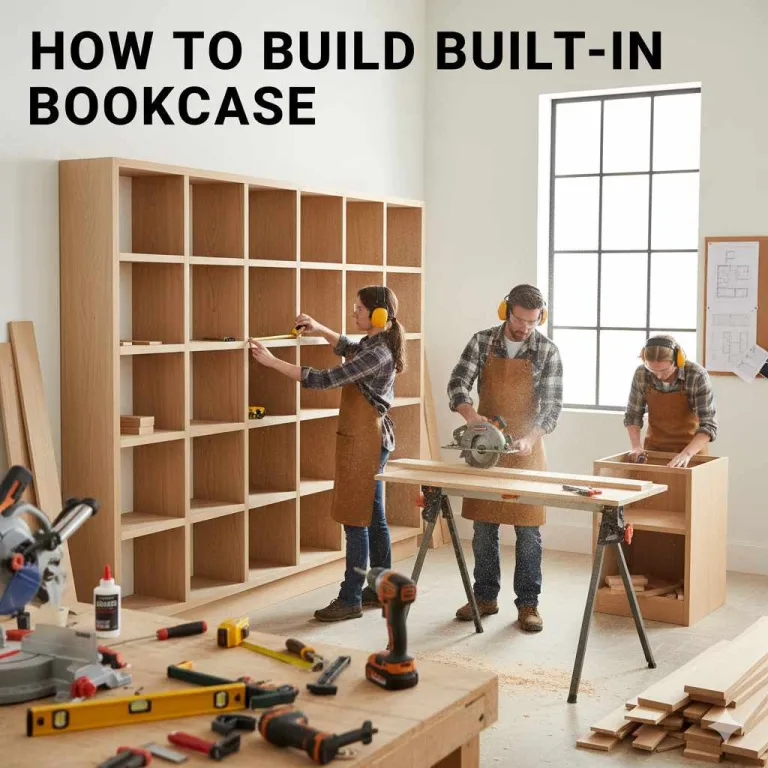
You can build a simple corner bookshelf by combining a stock unit, wall support, and a clean finish plan. The easiest DIY path is a freestanding or hybrid build: measure the corner, choose a shelf depth that leaves chair clearance, anchor the unit if it is tall, and add trim or filler only after the fit is confirmed. If you are building a corner hack from two bookcases, align both units to the same height, leave room for baseboards, then finish the seam with filler strips, caulk, and paint so the joint reads as one piece.
- Measure the corner width, door swing, and any nearby chair or walkway clearance before you buy.
- Choose a unit depth that fits the room and the books you plan to store.
- Assemble the shelf on a level floor and check that both sides sit square to the wall.
- Anchor tall units to the wall using the hardware provided by the manufacturer or a compatible anti-tip kit.
- Add filler strips, trim, and paint only after the final fit is confirmed.
- Set the lighting after the shelf is in place so the beam lands on the reading surface, not the wall.
How much is a bookshelf for a small room?
For a small room, a slimmer and shorter corner bookshelf usually fits better than a wide, deep unit. The right size depends on wall clearance, chair placement, and whether you need storage only or a reading nook. In tight spaces, the total cost can rise if you buy the wrong dimensions first.
Best size range for tight corners
A narrow corner unit with moderate height often works best because it saves floor area and leaves room for movement. A typical corner bookcase depth of about 10 to 15 inches is easier to place in a small room than a deep cabinet. If the room also holds a chair, smaller depth matters.
How much floor space a reading nook needs
A comfortable reading chair setup needs about 30 inches of clear floor in front of the chair. A simple corner reading nook uses a tall shelf hugging the corner and a chair angled at roughly 45 degrees. That layout keeps the path open while still turning dead space into a usable seat.
When a slim tower fits better than a wide unit
If the corner shares wall space with a doorway, heater, or window trim, a slim tower can be the safer buy. A taller, narrower shelf is often easier to place than a broad unit that eats into walking room. That matters in apartments and other small rooms where every inch counts.
Suppose a 10-by-12-foot room needs both storage and a reading chair. A deep built-in-style unit may look good on paper, but if the chair cannot pull forward without hitting the shelf, the room fails in daily use.
Can you fake a built-in look for less?
Yes, you can get much of the built-in look by pairing two freestanding units in a corner and finishing the seams. This approach usually costs less than custom carpentry because the shelf bodies are stock items, but trim, filler, and paint still matter if you want the gap closed well.
Pairing two freestanding units in a corner
Two standard bookcases meeting at a right angle can create the sense of a custom corner. This works best when both units have the same height and finish. Two BILLY bookcases are a common example because their footprint and height are easy to plan around.
Using filler strips, trim, and paint to close gaps
Filler strips help close the space between the shelf and wall, and trim can hide uneven seams. Paint ties the assembly together visually. These finishing steps are where the built-in illusion happens, and they are also where the budget can start to climb if the room is out of square.
Where this approach saves money and where it does not
This method saves money on joinery and custom fabrication. It does not save much if the room needs major patching, electrical work, or a bench built to fit the exact corner. The more you ask the setup to act like architecture, the more the price starts to look like carpentry.
Corner bookcase dimensions and setup
Corner bookcase buying is easier when you treat dimensions as a budget issue, not only a style issue. Height affects anchoring needs, width affects wall use, and depth affects whether the shelf can live beside a chair, basket, or walking path. Assembly style also changes how renter-friendly the setup is.
Standard height, width, and depth
Most corner bookcases are tall enough to use vertical space efficiently, often around 60 to 80 inches high. Many common shelves fall in the 10 to 15 inch depth range, which suits paperbacks and décor while still fitting tight corners. Width varies widely, but the footprint should be checked before you buy.
Renter-friendly assembly and placement
A renter-friendly setup usually means flat-pack assembly, no built-in trim, and wall anchoring only if allowed by the lease. Floating shelves can also work in rentals if the wall mounting is secure and the load stays light. Freestanding units are the simplest to remove later.
When to use anti-tip hardware
Do not skip anti-tip hardware on tall loaded units. Anchoring reduces tip-over risk and matters more if children, pets, or frequent drawer use are part of the room. Even a shelf that feels stable when empty can become top-heavy once books are loaded onto upper tiers. This is consistent with CPSC tip-over guidance and manufacturer installation instructions for tall furniture.
Reading nook setup
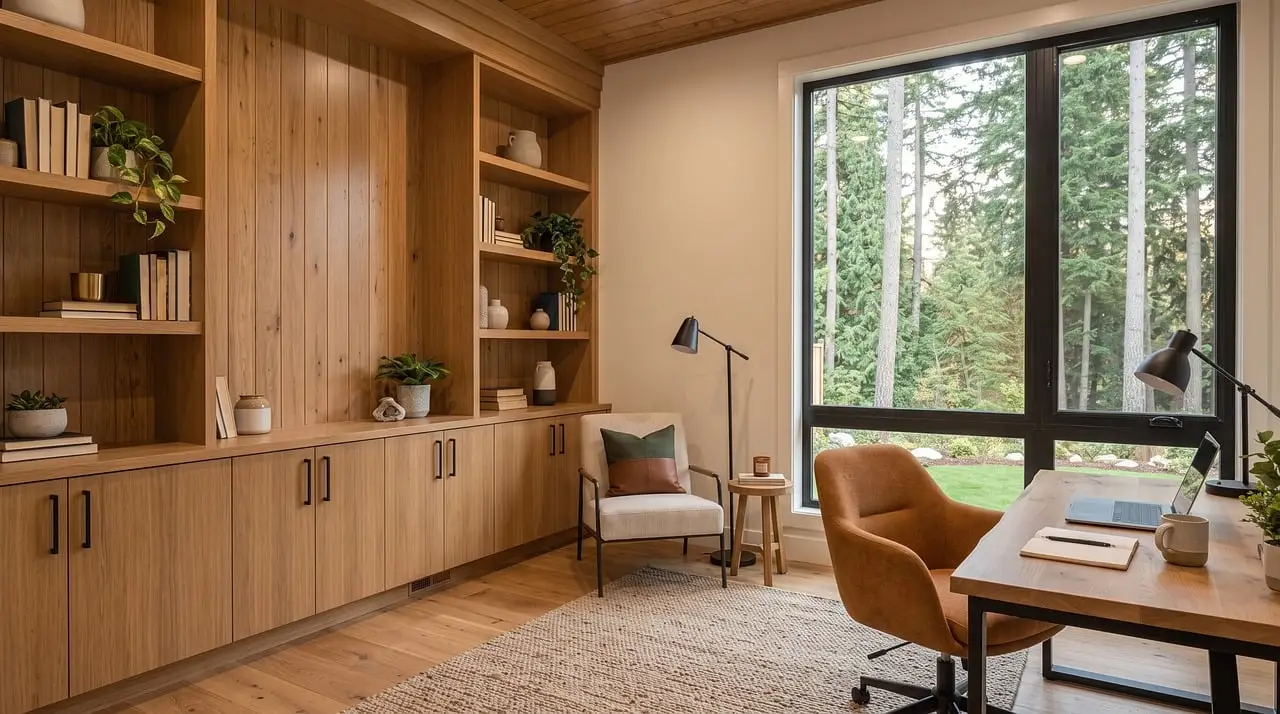
A reading nook works when the chair, shelf, and light all fit the same corner without crowding each other. The layout should leave enough clear floor to sit down, turn, and reach a book. If the corner is dark, the light placement matters as much as the shelf shape.
Chair angle and clear floor space
A chair angled at roughly 45 degrees usually works well beside a corner bookshelf. That angle keeps the seat open to the room while preserving shelf access. Leave about 30 inches of clear floor in front of the chair so the nook feels usable instead of cramped.
Task lighting for a window-free corner
Warm reading lights at 2700K are a practical starting point for a window-free corner. The recommended wall lamp height is about 15 inches above a seated shoulder, which helps put light where the book sits instead of scattering it across the room. A lamp can be a modest add-on or a major electrical expense.
Shelf height that keeps books and seating usable
A comfortable adult reading seat wants to be about 18 inches deep for the cushion and 16 to 18 inches off the floor. That seat depth matters when you place the shelf nearby, because the chair needs legroom and shoulder room. Shelf height should leave access to the top and keep the nook from feeling top-heavy.
A common first-timer mistake is buying a deep shelf for a small corner and then discovering there is no room for the chair angle. The shelf fits the wall, but the nook does not function. That is a layout problem, not a storage problem.
Frequently asked questions
How much does a corner bookshelf cost?
A corner bookshelf usually costs $40 to $250 for a store-bought unit, $40 to $200 for floating shelves, $120 to $535 for an IKEA-style corner hack, and $450 to $1,975+ for a built-in-style install. The biggest jump comes from labor, finish work, and any bench or lighting you add.
How much is a bookshelf?
A basic bookshelf often costs less than a corner version because standard rectangular units are easier to mass-produce and ship. Price still changes with height, depth, and material. Flat-pack models usually sit at the low end, while solid wood and custom pieces move up fast.
Is a freestanding corner bookshelf cheaper than a built-in?
Yes. A freestanding corner bookshelf is usually much cheaper because you pay mainly for the unit and basic setup. A built-in adds measuring, fastening, trim, patching, and finish work, so labor can raise the total more than the shelves themselves.
How much do corner shelves cost if I buy one instead of building one?
Buying corner shelves is usually cheaper than building a custom built-in, especially if you choose floating shelves or a flat-pack unit. A DIY hack can be the lowest-cost path if you already have tools, but material waste and finishing supplies can narrow the savings.
Do I need to anchor a tall corner bookshelf?
Yes, tall loaded units should be anchored with anti-tip hardware. That matters for safety in homes with kids or pets, and it also helps in rentals where a shelf may be moved or bumped. A tall unit can feel steady until books shift weight upward.
Products related to this article
Sponsored / affiliate links. As an Amazon Associate I earn from qualifying purchases. I may earn additional commission from eligible campaigns.