DIY Bookshelf vs Store-Bought Bookshelf: Which to Choose
Choose DIY if you need a custom size, wall-to-wall fit, or heavy-duty shelving and can spend 4–12 hours plus tools. Buy store-made if you want the lowest risk, fastest setup, and predictable cost. A bad choice can waste money on lumber, hardware, or a weak shelf that sags under books. This guide compares total cost, time, load capacity, fit, and common risks so you can pick the right bookshelf for your space and skill level.
This guide is part of our Bookshelf guide: build, style, and organize series.
| Decision factor | DIY Bookshelf | Store-Bought Bookshelf | Winner |
|---|---|---|---|
| True ownership cost | Wood can cost a modest amount, with additional cost for hardware and finish before you count tools, paint, or mistakes. | Common options like the IKEA Billy are priced around $80 to $150, with assembly usually included in the box. | Tie |
| Setup time | It can take several hours when you include cutting, sanding, assembly, finishing, and anchoring. | Often a few hours or less for flat-pack assembly; some units go up faster than others. | Store-Bought Bookshelf |
| Fit and customization | Can be sized to fit a niche, awkward wall, or ceiling height. | Limited to the manufacturer’s available size, depth, and finish choices. | DIY Bookshelf |
| Failure risk | More risk of wobble, sagging shelves, poor fit, or tipping if joinery and anchoring are weak. | Lower build risk because the structure is engineered and the parts are pre-cut. | Store-Bought Bookshelf |
| Style flexibility | Any paint, stain, trim, or built-in detail you can execute cleanly. | Finish and style options are fixed, though some lines offer several colors or textures. | DIY Bookshelf |
DIY bookshelf vs store-bought bookshelf: the core trade-off
DIY gives you exact size control, material choice, and a built-in look that can match the room. Store-bought gives you speed, predictable assembly, and a known structure with fewer chances for a cutting error or a wobbly frame.
What you gain with DIY
You can set the depth, width, and height to fit the opening, which matters in alcoves, under sloped ceilings, and narrow halls. You also choose the material: plywood is budget-friendly, versatile, and easy to work with, while oak and maple are durable hardwood options.
What you gain with store-bought
A store-bought bookshelf usually comes with pre-cut parts, labeled hardware, and a known finish. That lowers the chance of joinery errors and cuts the number of tools you need, which matters if you are not set up for woodworking.
Where each option tends to fail
DIY failures usually come from weak support, uneven cuts, poor wall anchoring, or underbuilt shelves that bow under books. Store-bought failures usually come from size mismatch, limited load capacity, and finishes that do not fit the room.
Is it cheaper to build your own bookshelf or buy one?
DIY can be cheaper on materials alone, but not always on total cost. Once you count tools, finish supplies, wall anchors, and cutting mistakes, a one-off DIY shelf can land close to, or above, a store-bought option in the $80 to $150 range.
Material-only cost versus total project cost
DIY bookshelf materials can cost $50 to $150 for wood alone, and hardware and finish can add another $25 to $50. That makes the base project cost easy to underestimate, especially if you need primer, paint, filler, or extra fasteners.
Tool ownership and one-time purchases
A circular saw or table saw is the main tool for cutting wood, a drill is needed for assembly and pilot holes, and a tape measure is needed for precise dimensions. If you already own those tools, DIY gets more competitive; if not, tool purchase or rental can dominate the bill.
Hidden costs that change the result
Paint, primer, brackets, shelf pins, wood screws, anchors, filler, and replacement lumber from cutting mistakes can all add cost. If you want a built-in look, trim and paint matching also add labor and materials.

What a store-bought bookshelf really costs
Store-bought bookshelves usually win on predictable pricing and less labor. The tradeoff is that you pay for a fixed design, fixed dimensions, and the manufacturer’s choice of materials and joinery.
Price range by size and material
The IKEA Billy bookcase is priced around $80 to $150 and is a popular store-bought benchmark. In general, larger units and better finishes cost more, while budget models may use thinner panels and simpler hardware.
Assembly effort and time
Most flat-pack shelves require basic hand tools and a careful read of the instructions. Assembly is usually quicker than a custom build, but the time savings shrink if the unit is large, needs wall anchoring, or arrives with damaged parts.
Finish options, size options, and durability tradeoffs
Store-bought units often come in a few finish options and limited size choices. Durability depends on panel thickness, shelf support, and wall attachment, so a low-cost shelf may be fine for paperbacks but less suited to heavy hardcovers.
What a DIY bookshelf costs in materials and tools
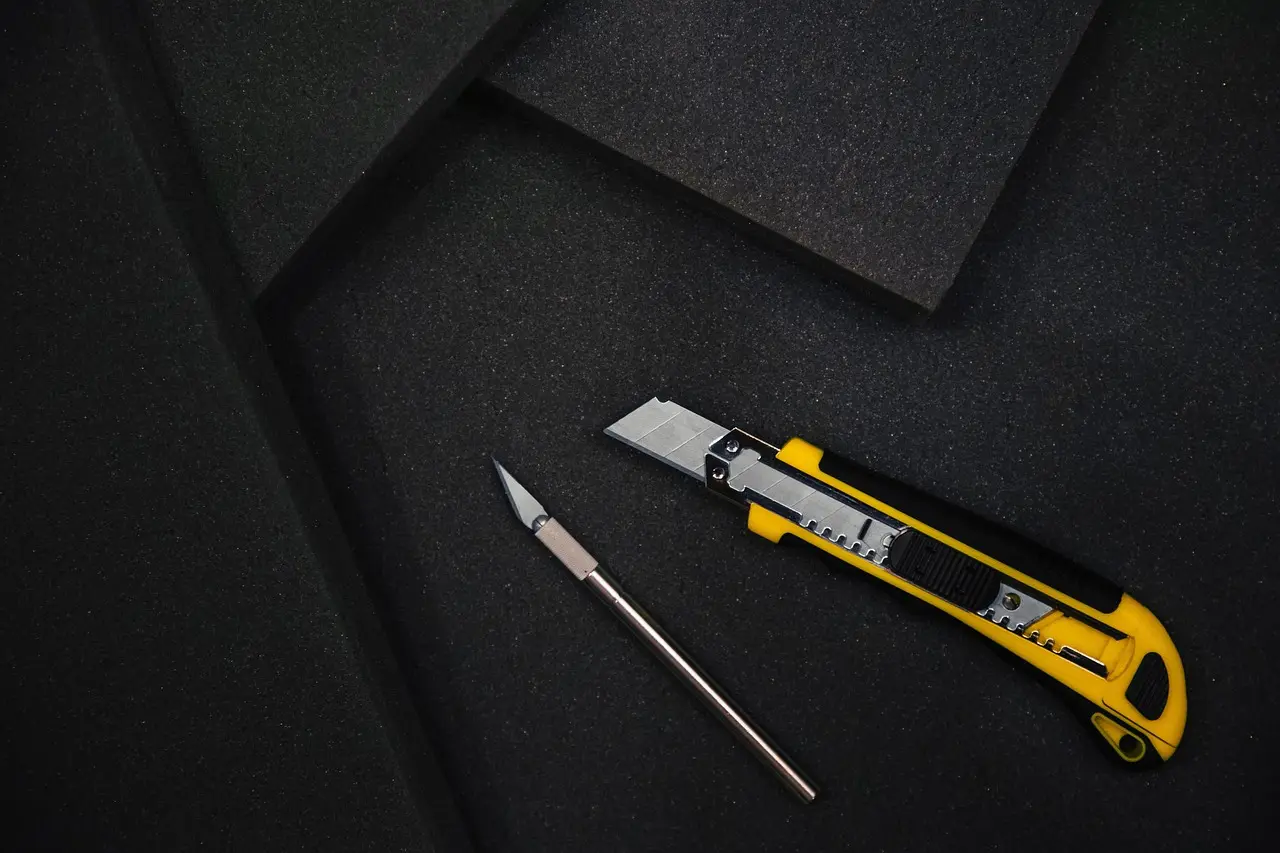
DIY costs vary with material, finish, and the tools you already own. Pine is usually the easier budget choice, plywood is budget-friendly, versatile, and easy to work with, and oak or maple gives you a harder surface that better suits higher wear.
Pine, plywood, and hardwood differences
Pine is commonly used for simple builds because it is easier to cut and join, though it dents more readily. Plywood can keep costs down while improving stability, and hardwoods like oak or maple are better when you want a tougher face and a more refined finish.
Essential tools and what each one does
A circular saw or table saw cuts the panels to size, a drill/driver handles screws and pilot holes, a sander smooths edges and face grain, and a tape measure keeps dimensions accurate. Skipping the measuring step is a fast way to end up with a shelf that does not fit the wall or the books.
Fasteners, finish supplies, and wall anchoring
Brackets, shelf pins, and wood screws are core hardware, and a solid finish usually needs primer, paint or stain, and sometimes filler for screw holes. Wall anchoring matters for tall units because tipping is a real failure risk, especially in homes with children or pets.
How do you choose a bookshelf for your space?
Start with the room, not the product. Measure width, depth, and ceiling height first, then match those numbers to the books you own, the floor space you can spare, and whether the unit needs to stay removable for renting.
Room depth, width, and ceiling height
A shallow wall may favor a slim store-bought unit, while an odd alcove may call for a custom DIY build. Ceiling height matters too, because a taller shelf can use vertical space better but needs more secure anchoring.
Load needs for books versus display items
Heavy hardcovers put more stress on shelf span than framed photos or decor objects. If the unit must hold a dense book collection, stronger shelf material, closer support spacing, and better wall attachment become more important than finish variety.
Renter limits, wall anchors, and placement constraints
Renters often need removable furniture and fewer permanent changes, which pushes the decision toward store-bought or a low-impact DIY piece. If floor unevenness or baseboard trim interferes with placement, a custom build may solve the fit problem more cleanly.
Proof table: budget beginner, heavy-book collector, and style-first homeowner
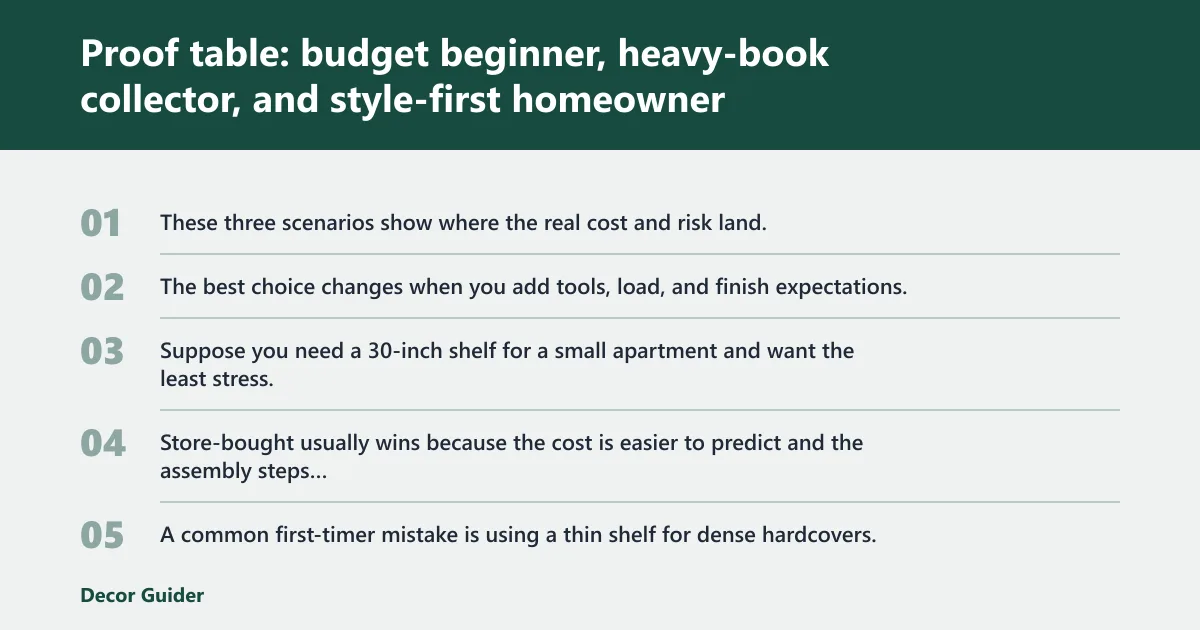
These three scenarios show where the real cost and risk land. The best choice changes when you add tools, load, and finish expectations.
| Scenario | Estimated total cost | Time | Required tools | Risk level | Best choice |
|---|---|---|---|---|---|
| Budget beginner | Store-bought often stays near $80 to $150; DIY can start at $75 to $200 once wood, hardware, and finish are counted. | Store-bought: a few hours; DIY: 4–12 hours. | Store-bought: basic hand tools; DIY: circular saw or table saw, drill/driver, sander, tape measure. | DIY is higher because of cutting and assembly errors. | Store-Bought Bookshelf |
| Heavy-book collector | DIY often costs more up front if you choose thicker plywood or hardwood, but it can pay off in load support. | DIY takes longer because layout and reinforcement matter. | DIY tools plus better anchoring hardware. | Store-bought can sag or tip if the shelf span or panel thickness is weak. | DIY Bookshelf |
| Style-first homeowner | DIY can be moderate to high once trim, paint matching, filler panels, and finish work are included. | Store-bought is faster; DIY takes longer but can match the room better. | DIY needs cutting, finishing, and anchoring tools. | Medium, because the outcome depends on fit and finish quality. | DIY Bookshelf |
Budget beginner
Suppose you need a 30-inch shelf for a small apartment and want the least stress. Store-bought usually wins because the cost is easier to predict and the assembly steps are already mapped out.
Heavy-book collector
A common first-timer mistake is using a thin shelf for dense hardcovers. In that case, a DIY build with plywood or hardwood, proper supports, and wall anchoring is the safer route.
Style-first homeowner
If the goal is a wall-spanning built-in look, DIY or a hybrid approach often fits better than a standard unit. You can control trim lines, paint, and filler panels so the shelf reads like part of the room.
Choose DIY Bookshelf if… / Choose Store-Bought Bookshelf if…
Choose DIY when fit, finish, and load capacity matter more than speed. Choose store-bought when you want a lower-risk path with fewer tools and a clearer cost before you start.
Choose DIY Bookshelf if…
You need a custom width or height for an awkward wall, want a built-in look, or expect to store heavy books. It also makes sense when you already own the key tools and can handle measuring, cutting, sanding, and anchoring without guesswork.
Choose Store-Bought Bookshelf if…
You need something up quickly, want a known price, or need to avoid tool purchases. It is also the safer pick for renters, beginner builders, and anyone who would rather accept standard sizes than risk a miscut.
Choose a hybrid if…
A hybrid route works well when you want a built-in look without full carpentry. A flat-pack unit such as an IKEA Billy can be upgraded with trim, paint matching, filler panels, and wall anchoring so it reads more like a fixed installation.
How to make bookshelves look built in
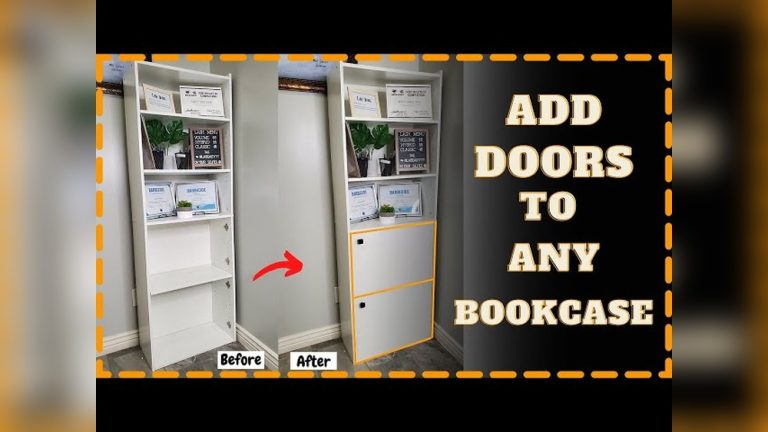
Start with a store-bought unit that fits the wall closely, then close the visual gaps. The IKEA Billy hack is popular because it gives you a ready-made base that can be dressed up with trim, paint matching, anchoring, and filler panels.
IKEA Billy hack basics
Place the bookcase where it nearly fills the opening, then secure it to the wall. Once the shelf is level and anchored, add trim at the sides or top to reduce the furniture-like look.
Trim, paint matching, and filler panels
Paint the surrounding trim to match the wall or the bookcase, depending on whether you want the unit to recede or stand out. Filler panels hide narrow gaps beside baseboards or uneven walls, which helps the installation look planned instead of pieced together.
Anchoring and alignment for a fixed-in look
Anchor the unit to studs whenever possible, then check plumb before you add trim. Even a good-looking shelf will read as temporary if it leans, gaps at the wall, or moves when loaded.
How much do built in bookshelves cost?
Built-in bookshelves can vary widely because the cost depends on size, material, finish, and whether you hire labor. A simple wall niche can stay relatively modest, while a full-wall installation with paint-grade trim, filler work, and anchoring can climb fast once materials and labor are counted.
The main cost drivers are lumber, sheet goods, hardware, finish supplies, and the time required to fit everything cleanly. If the project needs electrical work, extensive trim carpentry, or custom paint matching, the total rises further.
How to build your own bookshelf?
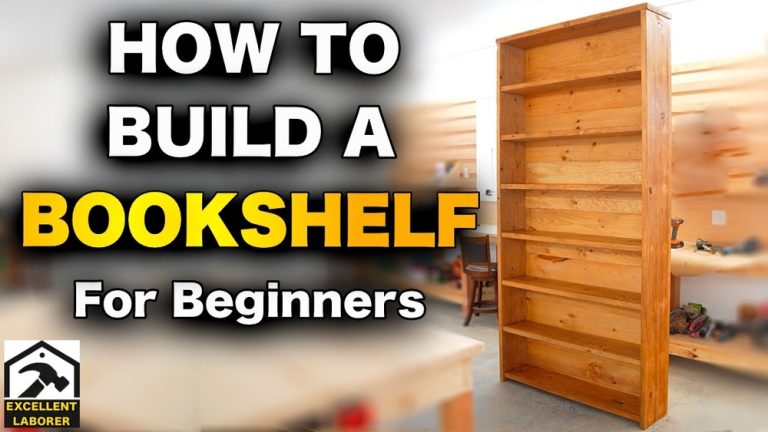
Begin with exact measurements, then choose a material that matches the load and your tools. A straightforward build uses plywood or pine, a circular saw or table saw for cuts, a drill for assembly, a sander for edge cleanup, and screws, brackets, or shelf pins for support.
- Measure the wall space and mark the finished dimensions.
- Choose wood, fasteners, and finish supplies before cutting.
- Cut the parts square and label them.
- Pre-drill pilot holes and assemble the frame.
- Sand edges, apply finish, and let it cure.
- Anchor the bookcase to the wall and check for wobble.
How to build a simple bookshelf?
A simple bookshelf typically uses straight cuts, a basic box frame, and a small number of shelves. The fewer the parts, the fewer chances there are for a fit problem, which makes a simple design a better first build than a decorative or curved one.
Use plywood for the main panels if you want an easier cut list and better stability than thin solid boards. Keep shelf spans modest, reinforce the back if needed, and anchor the unit if it stands tall.
What tools do I need to build a bookshelf?
The essential tools are a circular saw or table saw, a drill, and a tape measure. A sander helps smooth the surfaces, while clamps, a square, and a level make assembly and alignment easier.
For a safer and cleaner build, also plan for pilot bits, countersink bits, and wall anchors appropriate for the final location. If you skip precision tools, small errors can turn into visible gaps or shelf wobble.
What is the difference between a bookshelf and a bookcase?

A bookshelf is the general term for a shelving unit used to store books, while a bookcase is a cabinet with shelving used to store books. In everyday use, people often use both words for the same furniture piece.
For shopping, the label matters less than the dimensions, shelf strength, and anchoring needs. Focus on size, material, and load rating instead of the wording alone.
When is a store-bought bookshelf the better choice?
Store-bought is the better choice when speed, predictable cost, and lower failure risk matter most. It is also the safer answer when you lack cutting tools, need a shelf quickly, or want a known finish without extra painting.
That is especially true for renters, first-time furniture buyers, and people storing moderate book loads in standard wall spaces. A flat-pack unit is easier to replace or relocate than a custom build.
Frequently asked questions
How to do built in bookshelves?
Start with a design that matches the wall opening, then decide whether to build from scratch or modify a flat-pack unit. The finish work matters as much as the frame: anchoring, trim, filler panels, and paint matching create the built-in effect.
Products related to this article
Sponsored / affiliate links. As an Amazon Associate I earn from qualifying purchases. I may earn additional commission from eligible campaigns.