Bookshelf vs Ladder Shelf: Which Should You Buy?
Choose a standard bookshelf for heavy books, kids’ rooms, and long-term storage; choose a ladder shelf for lighter, curated display in small rooms or awkward corners. Pick the wrong frame, and you invite tipping, shelf sag, and wasted floor space. I compare load, safety, room fit, and storage capacity here so you can choose the safer option for apartments, offices, hallways, and corners.
Bookshelf vs ladder shelf: the core trade-off

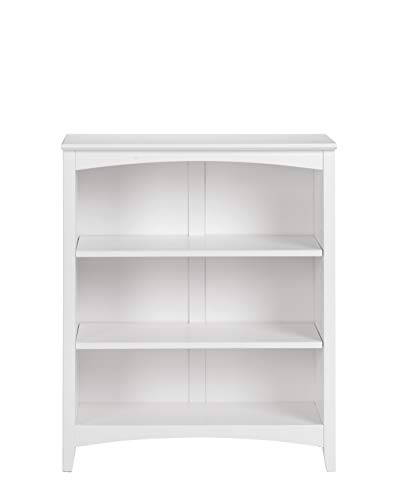
What each piece is designed to do
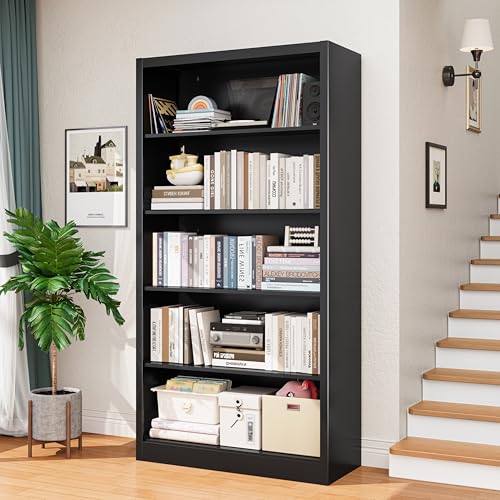
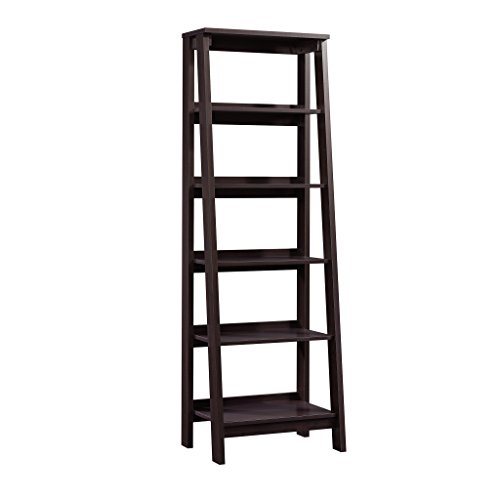
A ladder shelf leans back to save floor space, and a standard bookshelf stands vertical for maximum storage. That split changes shelf depth, load spread, stability, and how much weight each tier can carry without complaint. A ladder bookshelf is built for small rooms; a standard bookshelf is built to hold more.
The short version: display-first or storage-first
If the unit will hold framed art, plants, a few paperbacks, and a lamp, a ladder shelf usually fits the job. If it needs to carry rows of hardcovers, textbooks, reference books, or archive boxes, a standard bookshelf is the safer bet. The storage risk is higher on ladder shelves because the upper tiers are smaller and less forgiving.
How shelf depth changes usable capacity
Many ladder shelves are deeper at the base and taper to a much shallower top shelf. That taper keeps the visual profile light, but it also limits what can sit on the upper shelves without overhang or front-heavy loading. Standard bookshelves keep uniform shelf sizes, so you get more usable depth for books and larger decor.
| Decision factor | Bookshelf | Ladder Shelf | Winner |
|---|---|---|---|
| Capacity | Higher, with uniform shelf sizes and denser stacking | Lower, with tapered tiers and display-oriented storage | Bookshelf |
| Footprint | Deeper visual mass and more floor presence | Leaning profile with lighter visual footprint | Ladder Shelf |
| Stability | Better when properly anchored, especially with even loads | More tipping sensitivity because of the leaning frame | Bookshelf |
| Display value | Good, but can look boxier | Better for airy, curated styling | Ladder Shelf |
| Heavy-book support | Better for heavier rows of hardcovers | Best for light to moderate loads | Bookshelf |
| Renter-friendliness | Freestanding options exist, but anchoring often still needed | Often easier to place in small rooms, but wall anchoring may still be needed | Tie |
| Child and pet safety | Safer when anchored; lower tip risk than a tall leaner | Needs anchoring more often because lean increases tipping concern | Bookshelf |
| Long-term flexibility | Better for changing collections and heavier storage needs | Better for display and light storage, less flexible for archives | Bookshelf |
Capacity and book load
The cleanest difference is load. A single 30-inch-wide shelf holds roughly 25 to 30 average hardcovers, and across five levels that equals over 100 books; that kind of packing suits a standard bookshelf far better than a ladder shelf. Ladder shelves are better for display than dense storage, especially when the upper tiers get narrower.
Footprint and room clearance
A ladder shelf earns its place when floor space is tight and a vertical block would crowd circulation. It works well in small apartments and narrow hallways because the back-leaning form reads lighter in the room. A standard bookshelf uses more visual and practical depth, but it usually gives better storage per square foot when the room can handle it.
Stability and tipping risk
Stability is where the risk split becomes obvious. A standard bookshelf stands upright and generally handles heavy rows more predictably, while a ladder shelf shifts more stress toward the back support and upper tiers. For households with children or pets, anchoring hardware matters on both, but it matters more on a leaning frame.
Display value and visual openness
Ladder shelves win when the goal is a light visual read. The open sides, taper, and angled stance leave wall space visible, which keeps a room from feeling overfilled. Standard bookshelves are better when order and capacity come first, even if the piece looks more solid and less airy.
Renter-friendliness and anchoring
Renters need to think about both wall marks and lease limits. A freestanding standard bookshelf may be easier to place without visible hardware, but tall units still benefit from anti-tip anchoring. A ladder shelf may feel simpler in a lease-friendly setup, yet the wall anchor is often the safer call if the unit is tall, narrow, or loaded unevenly.
Child and pet safety
For kids’ rooms, the safer default is the unit with the lower tip risk and the better load distribution, which is usually the standard bookshelf once it is anchored. Ladder shelves can work in family spaces, but only with disciplined weight placement and wall anchoring. Top tiers should never carry the heaviest books, toys, or ceramic decor.
According to Ladder vs Standard Bookshelf: Which Wins? (2026) — A single 30-inch-wide shelf holds roughly 25 to 30 average hardcovers.
Can a ladder shelf hold books safely?
Where ladder shelves do well with paperbacks and decor
Yes, a ladder shelf can hold books safely when the load stays light to moderate and the heaviest items sit on the lower tiers. Paperbacks, a few hardcovers, framed photos, and small decor objects are the right kind of load. A 5-tier design can work well when the shelf is used as display storage instead of a dense archive.
When hardcovers and dense rows become a problem
Heavy hardcover rows are where ladder shelves start to show limits. Narrow top tiers, a leaning frame, and uneven book weight can lead to shelf sag or a forward-heavy load that feels unstable. Standard shelves are better for heavier rows of hardcovers, especially when the collection grows over time.
Why wall anchoring matters more with a leaning frame
Anchoring reduces the main failure mode: tipping. It also helps when the shelf is placed on smooth flooring, in a hallway, or near a room where kids or pets might bump it. If a ladder shelf will carry books at all, wall anchoring is the safer choice, not an optional extra.
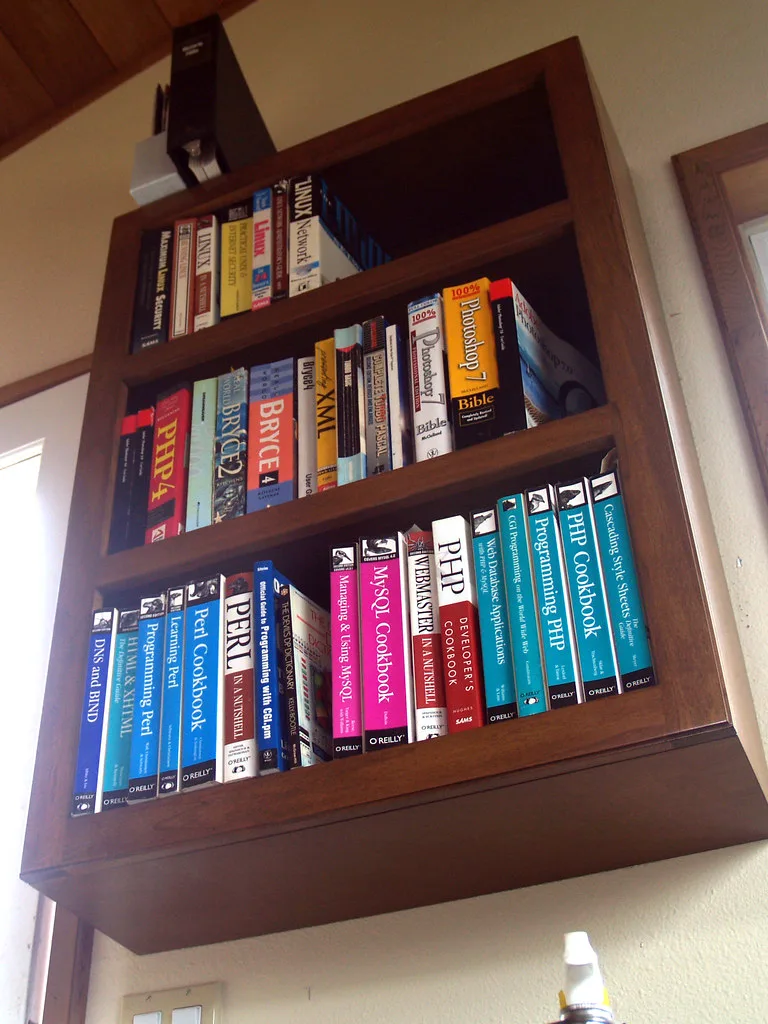
Which is better for a small apartment?
When a ladder shelf makes sense in tight rooms
A ladder shelf is often a better fit when the room is small, the walls are busy, and storage needs are fairly light. It works well in studio apartments, entry zones, and narrow hallways where a full block of cabinetry would feel too heavy. The visual openness matters as much as the footprint.
When a full-depth bookshelf still wins in a small footprint
A standard bookshelf can still win in a small apartment if the real need is book capacity rather than decorative display. One narrow but full-depth bookshelf often stores more useful material than a ladder shelf without requiring multiple units. If the collection is growing, the storage risk is lower with the vertical, uniform design.
Best room types for each option
For home offices, standard bookshelves often make more sense because they can handle references, binders, and denser collections. For living rooms, ladder shelves make sense when the goal is styling plus a few books. In hallways, ladder shelves fit the circulation better. In kids’ rooms, an anchored standard bookshelf is often the safer long-term choice over time.
What are standard bookshelf dimensions compared with ladder shelves?
How the proportions affect use
Standard bookshelves usually keep shelf depth and width consistent from top to bottom, which makes stacking simple and predictable. Ladder shelves taper, so the base carries more usable depth while the upper tiers shrink to 8 inches or less. That taper is why ladder shelves are better for display than for storing bulky books or large decor.
What size ladder shelf fits a narrow room?
For a narrow room, the better ladder shelf is usually the one with a compact base, a slim top, and a 5-tier layout that does not crowd passage space. A corner ladder design can reclaim a 90-degree space, which is often the smartest use of awkward dead space. The goal is clearance, not maximum volume.
Use the decision matrix before you buy

How to score both options across eight criteria
Score each option from 1 to 5 on capacity, footprint, stability, display value, heavier-book support, renter-friendliness, child and pet safety, and long-term flexibility. Then weight the room you actually need to solve. A hallway favors footprint and clearance; a home office should weight capacity and heavy-book support much more heavily.
How room type changes the answer
The same shelf can be right in one room and wrong in another. A ladder shelf in a hallway may be ideal, but that same unit in a child’s bedroom can be a poor safety trade. A standard bookshelf in a studio apartment may feel bulky, yet it can still be the better choice if the owner needs to store textbooks and binders.
Reading the result for mixed storage and display needs
If the load is mixed, put display items on the upper or open tiers and reserve the lower, deeper shelves for heavier books. That strategy works better on a standard bookshelf, but it can also help a ladder shelf stay stable. If the collection keeps growing, choose the option with more reserve capacity, not the prettier one.
- Measure room width, passage clearance, and wall height.
- List the heaviest books or objects the unit will hold.
- Decide whether the shelf is for display, storage, or both.
- Check whether wall anchoring is allowed in the room.
- Choose the frame type that matches the weight and safety risk.
Choose ladder shelf if… / Choose bookshelf if…
Choose ladder shelf if…
Choose a ladder shelf if the room is tight, the load is light to moderate, and the priority is visual openness. It is also a smart choice for a corner ladder shelf in a 90-degree space, or for a 5-tier display piece in a small apartment where the collection is modest. Use it when storage risk is low and style is secondary to room fit.
Choose bookshelf if…
Choose a standard bookshelf if you own heavy hardcovers, expect the collection to grow, or need a true archive unit. It is the better pick for home offices, kids’ rooms, and any setup where dense storage matters more than an airy look. If safety matters more than style, the bookshelf wins.
Frequently asked questions
ladder shelf vs bookshelf
The difference is mainly storage risk and capacity. A bookshelf is the better choice for heavy books, denser rows, and long-term use. A ladder shelf is better for lighter display, narrow rooms, and places where a slimmer visual profile matters more than maximum storage.
what is a ladder shelf
A ladder shelf is a leaning or wall-anchored shelving unit that typically has a deeper base and a narrower top. Many versions are designed for light to moderate loads and are commonly used for books, decor, and small display items. The slanted frame is what gives it its small-space value.
which is better for a small apartment: a bookshelf or a ladder shelf?
It depends on what the apartment must hold. A ladder shelf is usually better when floor space and visual openness matter most. A standard bookshelf is better when the apartment still needs serious book storage, especially for hardcovers, textbooks, or mixed home office use.
how much weight can a ladder shelf hold?
There is no single safe number because width, depth, material, fasteners, and wall anchoring all change the answer. In practical use, ladder shelves are best treated as light to moderate load furniture. Heavy books belong on the lower tiers, and the top tiers should stay for lighter items.
can a ladder shelf hold heavy hardcovers?
Only in limited amounts, and usually not as a dense row. Heavy hardcovers concentrate weight quickly, especially on the narrower upper shelves. If hardcovers are the main load, a standard bookshelf is the safer choice because it supports heavier rows more predictably and with less tipping concern.
do I need to anchor a ladder shelf to the wall?
Yes, anchoring is the safer choice whenever the shelf is tall, lightly built, or placed where children or pets can bump it. Ladder shelves lean by design, so anti-tip hardware helps prevent tipping. In rentals, check the lease first, but safety should still come before convenience.
Products related to this article
Sponsored / affiliate links. As an Amazon Associate I earn from qualifying purchases. I may earn additional commission from eligible campaigns.