Tall Bookshelf vs Low Bookshelf: Which Size Fits Best
Tall bookshelves can work well when floor space is limited and the top shelf is still within reach; a low bookshelf is often easier for under-window, TV, or sloped-wall placement, or in a smaller room. The wrong size can block light, crowd walkways, or leave storage too high to use every day. This guide compares both by room height, clearance, reach, and placement, with a simple checklist for bedrooms and small spaces.
| Decision factor | Tall Bookshelf | Low Bookshelf | Winner |
|---|---|---|---|
| Floor footprint | Narrower base, uses vertical wall space, helps when floor space is tight. | Spreads storage across more wall width and occupies a broader strip of floor. | Tall Bookshelf |
| Daily reach | Top shelves can be hard to reach. | Easier to reach every day. | Low Bookshelf |
| Wall fit | Works well on narrow walls and can make a short wall feel intentional. | Needs enough uninterrupted wall length. | Tall Bookshelf |
| Under-window placement | Usually not the best fit below a window. | Can sit beneath a window. | Low Bookshelf |
| Visual weight | Feels more anchored and stronger in a room. | Keeps the sightline open and lighter. | Tie |
| Storage type | Better for books, bins, and seasonal items that can sit higher up. | Better for daily-use items and pieces you want within easy reach. | Tie |
Tall bookshelf vs low bookshelf: the core trade-off



The choice is as much about fit as it is about style. A tall bookshelf uses wall height and usually wins when floor space is tight, while a low bookcase spreads storage across the floor and gives you easier daily access. The better pick depends on usable wall width, ceiling height, and walking clearance.
Footprint and reach are the main trade-offs
A tall unit concentrates storage upward, which helps in small rooms or narrow walls. A low unit gives you a broad top surface and keeps books, baskets, and bedroom items closer to hand.
Say your bedroom has a 34-inch-wide gap beside the closet and a clear path to the door. A tall, narrow bookcase may fit the gap without blocking circulation, while a low unit could feel bulky even if it holds the same number of shelves.
Visual weight changes the room feel
Tall pieces can make a short wall feel deliberate. Low pieces keep the sightline open and can make a cramped room feel less boxed in. Open bookshelves usually feel lighter than a bookcase with back and side panels, which reads more enclosed.
Measure the room before you buy
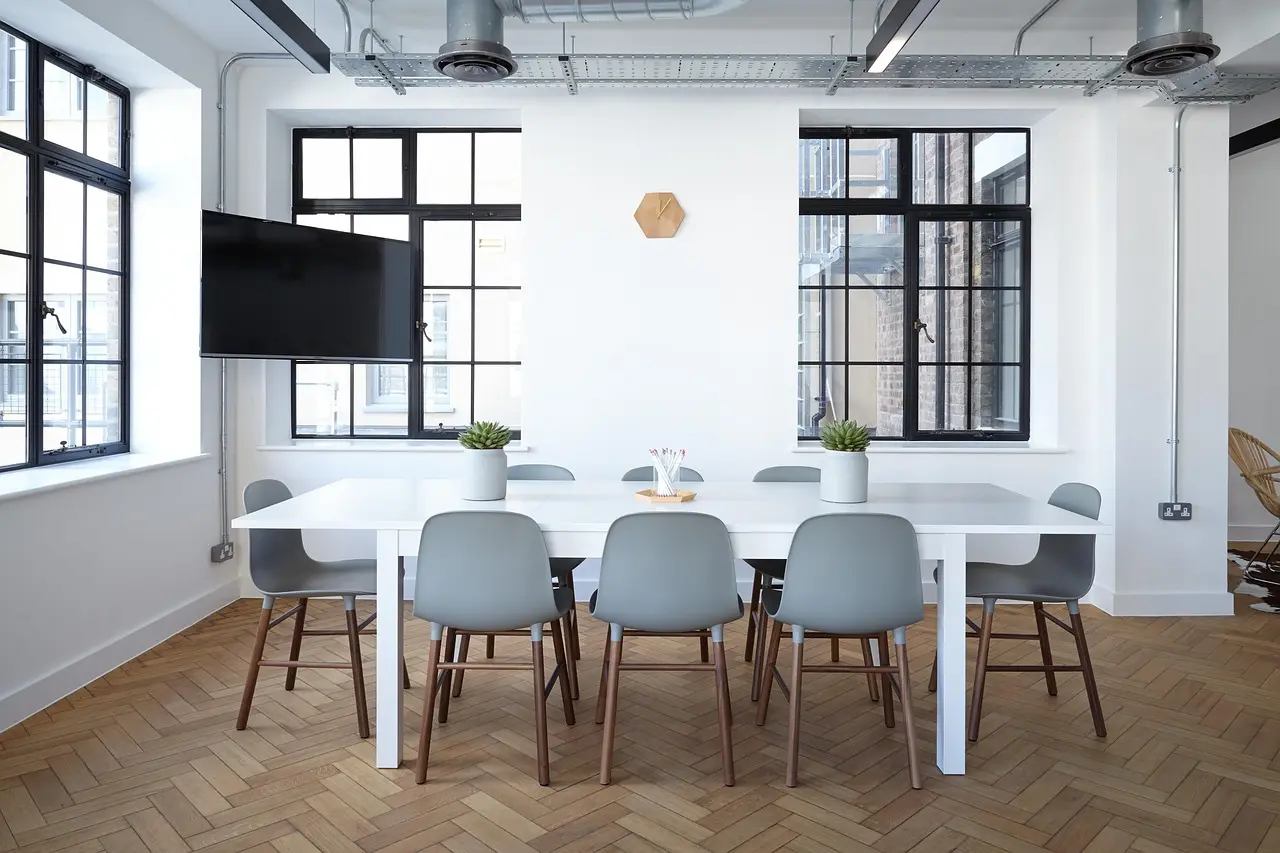
Start with the usable wall width, ceiling height, depth, and walking clearance. Measure the complete footprint, not only width, because doors, drawers, chair pull-out, baseboards, outlets, and trim can change what actually fits. Use painter’s tape to map the footprint on the floor and wall before you buy.
Wall width: measure the usable span, not the empty-looking span
A narrow wall favors vertical storage. A long wall can support a lower, wider unit without crowding the room. Measure between obstructions, then subtract space for door swing, baseboard return, and any outlet you need to keep open.
Ceiling height and trim: avoid a unit that feels too tall
Low ceilings can make a tall unit feel heavy, especially if the top lands close to crown molding or a sloped ceiling line. Height must fit below trim and not crowd windows or vents. In a room with a relatively low ceiling, a low bookcase is often the easier fit if you want more visual breathing room.
Floor clearance: test the path before you commit
Walk the route the room needs every day. Account for dresser drawers, closet doors, desk chairs, and anything that swings open. Painter’s tape helps you see whether a tall shelf’s narrow base truly works or whether its depth interferes with circulation.

Is a tall bookshelf better than a low bookshelf for a small room?
A tall bookshelf is often better for a small room when floor space is tight and you can spare vertical height. A low bookshelf is better when you need open sightlines, under-window placement, or easier daily reach. Small rooms usually reward the option that protects circulation first, not the one with the most shelves.
Small-room placement rules that matter most
Open bookshelves work better in small rooms because they feel lighter. Tall or narrow bookshelves often need wall anchoring, which is another factor to plan for in rental bedrooms, dorms, and guest rooms. If the room has little spare floor area, vertical storage is often the practical choice.
Which takes up less floor space: a tall bookshelf or a low bookshelf?
A tall bookshelf often takes up less floor space because it uses the wall’s vertical space and can keep the footprint narrow. A low bookshelf spreads storage across the floor, so it needs more uninterrupted width even when it is not tall. Depth still matters, so check the complete footprint before deciding.
Why footprint is more than width
A narrow shelf can still block a doorway if it sits too close to a swing path. A low unit can also create a visual barrier even when its depth is modest. That is why floor clearance matters as much as shelf count.
When does a tall bookshelf make more sense?
A tall bookshelf makes more sense when floor space is tight, wall height is available, and you can reach the upper shelves safely. It is also a good fit for narrow walls, short accent walls, and rooms where you want storage to move upward instead of outward. Tall units work best when the top shelves hold items you do not need every day.
Use the upper shelves for seasonal or occasional items
Top shelves are best for display pieces, archive boxes, spare linens, or seasonal storage. Tall units can be hard to reach at the top, so daily-use books, chargers, and bedside items should stay lower. Shorter adults and children should treat the upper shelves as out-of-reach storage unless a step stool is part of the plan.
Check stability before you buy a tall unit
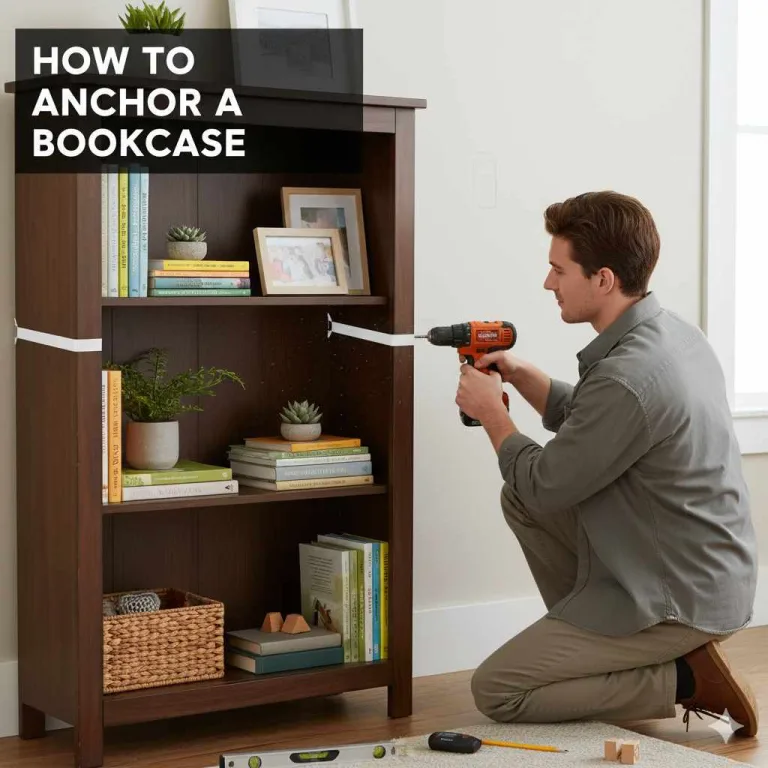
Tall or narrow bookshelves often need wall anchoring. Look for a stable base, shelf thickness that matches the load, adjustable feet for uneven floors, and back or side panel structure that matches the weight you plan to store. Bookcases suit heavier storage better than open shelves, but only if the frame is built for it.
When is a low bookshelf the better choice?
A low bookshelf is the better choice when you want easier daily access, a broader top surface, or placement beneath a window. It also works well along long walls where height is less important than reach and horizontal storage. In bedrooms, guest rooms, and rentals, a low profile often keeps the room calmer and easier to live in.
Low units help with daily reach and useful surfaces
Low bookcases are easier to reach every day. That makes them a better fit for books you use often, baskets, bedtime items, or kid-accessible storage. The top can also hold a lamp, framed art, or a plant, as long as the surface is not needed for circulation or window clearance.
Under-window and long-wall placement favor low units
Low bookcases can sit beneath a window without cutting off daylight. They also work well on long walls where you want storage to feel broad rather than tall. Check baseboards and outlet height first, because a low unit can still block an outlet or sit awkwardly over trim.
How do reach and storage type change the choice?
Daily-use items belong at eye or hand level. Upper shelves are better for display or infrequent storage. The best choice changes when the room is used by shorter adults, children, or anyone with limited mobility, because access matters more than total shelf count.
Match the shelf zone to the item type
Use the easiest shelves for books you grab often, office supplies, or bedroom essentials. Put seasonal items, keepsakes, and spare linens higher up. If a shelf is too high to reach comfortably, it is not a good place for anything used every day.
Think about who needs to reach it
A tall unit may be practical for an adult who can use the full height safely. The same unit may be a poor choice in a child’s room or a shared rental where the person using it changes often. A low bookcase keeps the reach zone simpler and more predictable.
Use this room-fit decision table
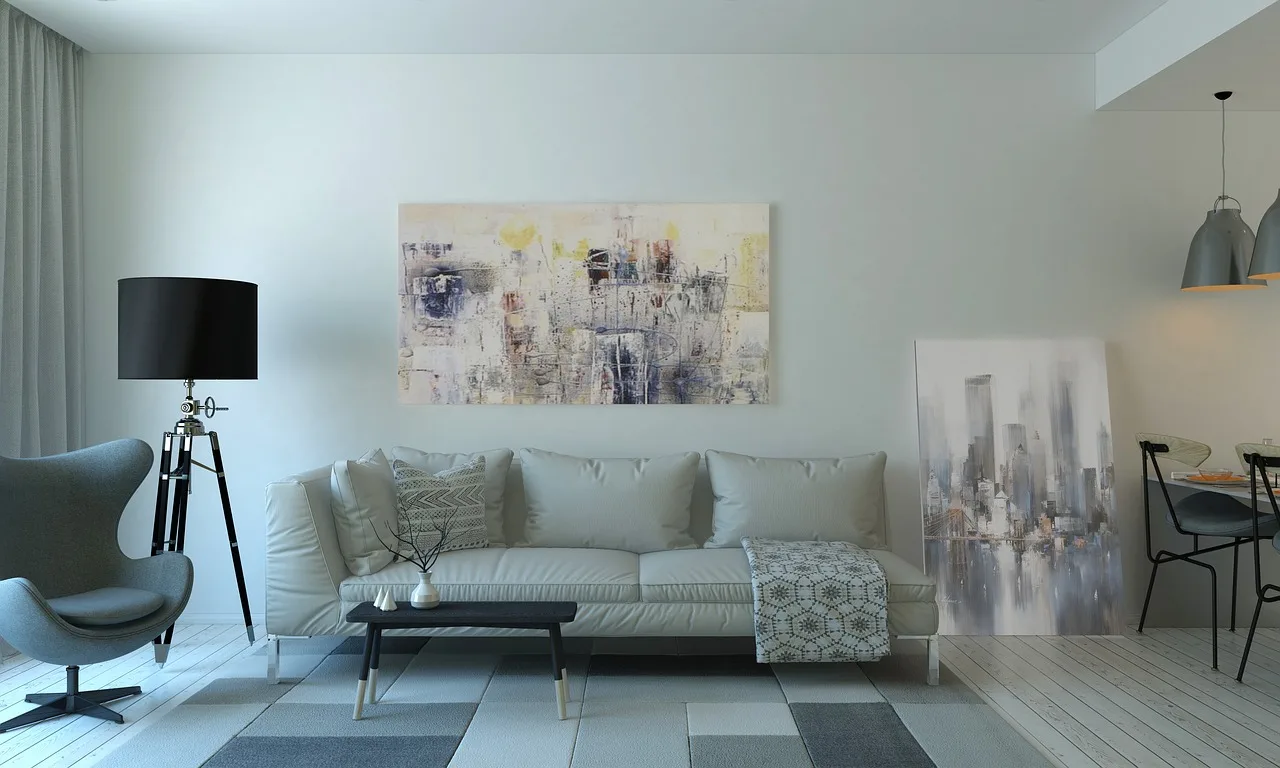
Use the table below as a measurement-first shortcut. It maps wall width, ceiling height, circulation clearance, and storage type to the better profile. Then confirm under-window placement, door swing, outlet clearance, and the reach zone before you buy.
| Room condition | Tall Bookshelf | Low Bookshelf | Better profile |
|---|---|---|---|
| Wall width is narrow | Usually fits better because it uses vertical wall space. | Needs more uninterrupted width. | Tall Bookshelf |
| Ceiling is low or the room is under about 8 feet | Can feel heavy or overpowering if it reaches too close to trim. | Keeps the room visually open. | Low Bookshelf |
| Walking path must stay clear | Better if the base is narrow and the depth is modest. | Better only if there is enough wall length away from the path. | Tall Bookshelf |
| Under-window placement | Usually not suitable. | Fits well beneath a window. | Low Bookshelf |
| Storage is mostly seasonal or display items | Upper shelves can handle occasional-use storage. | Works, but vertical space may be underused. | Tall Bookshelf |
| Storage is mostly daily books, baskets, or child-accessible items | Top shelves are less practical for daily use. | Easier to reach every day. | Low Bookshelf |
Quick checklist before you order
- Measure usable wall width, ceiling height, and depth.
- Check doors, drawers, chair pull-out, baseboards, and outlet location.
- Use painter’s tape to test the footprint on the floor and wall.
- Decide which items need daily reach and which can go higher.
- Choose wall anchoring if the unit is tall or narrow.
- Confirm shelf thickness, back panel or side panel structure, and adjustable feet if the floor is uneven.
Choose tall bookshelf if… / choose low bookshelf if…
Choose a tall bookshelf if the wall is narrow, the floor plan is tight, and you can reserve the top shelves for seasonal items or display. Choose a low bookshelf if the room has a window line to stay under, the wall run is long, or the shelves need to stay easy to reach every day.
Bedroom, rental, dorm, and guest-room examples
In a bedroom with limited floor space, a tall unit often fits beside a wardrobe or desk without crowding the room. In a rental or dorm, a low bookcase may be safer and easier to move, especially if it avoids wall anchoring rules or fits under a window. In a guest room, a low unit can keep the room calm and open while still storing linens and books.
Visual weight and panel structure
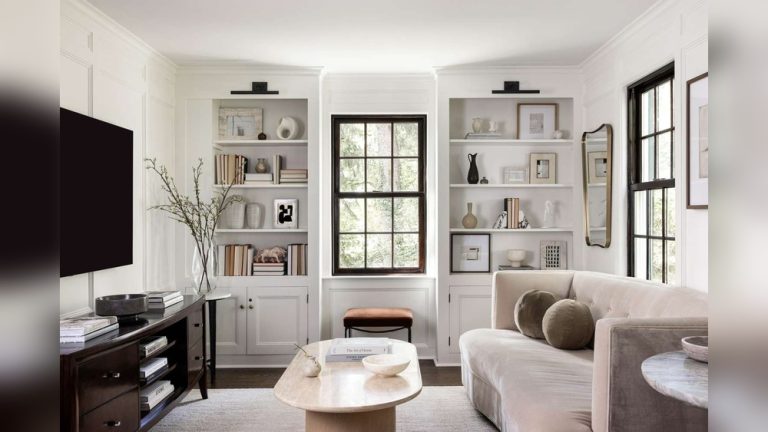
Tall pieces feel more anchored, which can help a short wall look deliberate. Low pieces keep the sightline open and usually feel lighter. A bookcase with back and side panels looks more enclosed; an open bookshelf usually feels lighter and is often a better match for small rooms.
Is a tall bookshelf safer or does it need wall anchoring?
A tall bookshelf is not automatically safer. Tall or narrow bookshelves may need wall anchoring because they can tip more easily, especially if they are loaded unevenly or set on an uneven floor. Safety also depends on shelf thickness, base stability, and whether the unit has adjustable feet.
What to check before setup
Confirm that the frame sits flat, the shelves match the load, and the back panel or side panels give the structure enough support. Anchoring matters most in homes with children, pets, or high-traffic spaces. If the unit feels top-heavy before it is filled, it is a warning sign.
What should I store on the top shelves of a tall bookshelf?
Store seasonal items, infrequently used books, keepsakes, and display pieces on the top shelves of a tall bookshelf. Keep daily-use items lower down so they stay within easy reach. If the top shelf requires a step stool for normal access, it should not hold anything you need often.
Use the top only for low-frequency storage
The top shelves are best for items you can leave alone for weeks or months. That reduces daily strain and avoids constant reaching. In a shared bedroom or small apartment, it is usually smarter to keep the highest shelves light and the heaviest storage near the bottom.
Can a low bookshelf make a room feel less cramped?
Yes. A low bookshelf can make a room feel less cramped because it keeps the sightline open and avoids filling the wall with height. It also works well under windows and along long walls, where a lower profile lets light and movement stay visually clear.
Why low storage often feels calmer
Low bookshelves place storage at a lower visual line, which can make a short or narrow room feel less boxed in. That effect is strongest when the unit is open rather than enclosed and when the top surface is not overloaded. In small rooms, that restraint matters as much as capacity.
Frequently asked questions
Should I choose a tall bookshelf under a window?
Usually no. A low bookshelf is the better fit under a window because it keeps daylight open and uses the lower wall area. A tall unit can block light, crowd the window line, and make the room feel heavier unless the window is unusually high.
When is a low bookcase better than a tall bookshelf?
A low bookcase is better when you want daily items within easy reach, when the wall is long, or when the unit needs to sit beneath a window. It is also a stronger choice for bedrooms and guest rooms where a low profile keeps the room feeling open and less crowded.
How do I decide based on ceiling height and wall width?
Use wall width first. A narrow wall usually favors a tall bookshelf, while a long wall can support a low one. Then check ceiling height: low ceilings can make a tall unit feel heavy, especially if it comes close to trim or sloped edges.
Products related to this article
Sponsored / affiliate links. As an Amazon Associate I earn from qualifying purchases. I may earn additional commission from eligible campaigns.