Open Bookshelf vs Closed Bookcase: Which Fits Best
Choose an open bookshelf if you need quick access, a lighter look, and a display you can change often; choose a closed bookcase if dust, clutter, child safety, or rental wear matters more. Miss that split and you clean more, hide mess in plain sight, or buy storage that fights the room. This guide compares load, cleaning, safety, room fit, and daily upkeep for living rooms, bedrooms, offices, kids’ rooms, and rentals.
Open bookshelf vs closed bookcase: the core trade-off


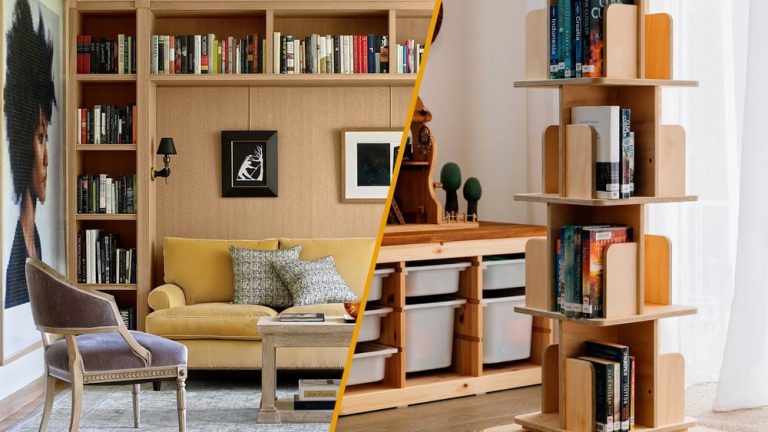
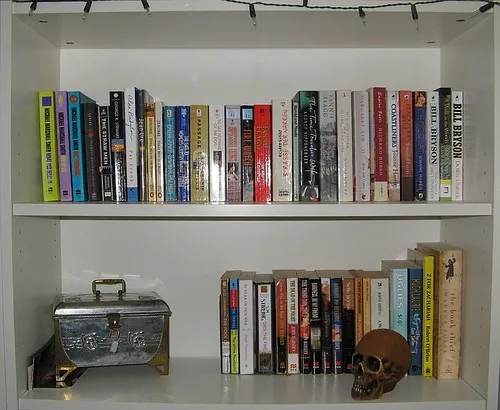
An open bookshelf is a more open shelving structure. It keeps the wall visible and works well for lighter display and flexible layouts. A closed bookcase is usually a freestanding storage unit with side panels and often a back panel, and it suits heavier storage and a more formal look.
The real choice is storage behavior, not taste. If the contents change often and the load stays light, open shelving is usually easier to live with. If the load is dense, the room collects dust, or you want clutter hidden, a closed bookcase is the safer answer.
Side-by-side comparison
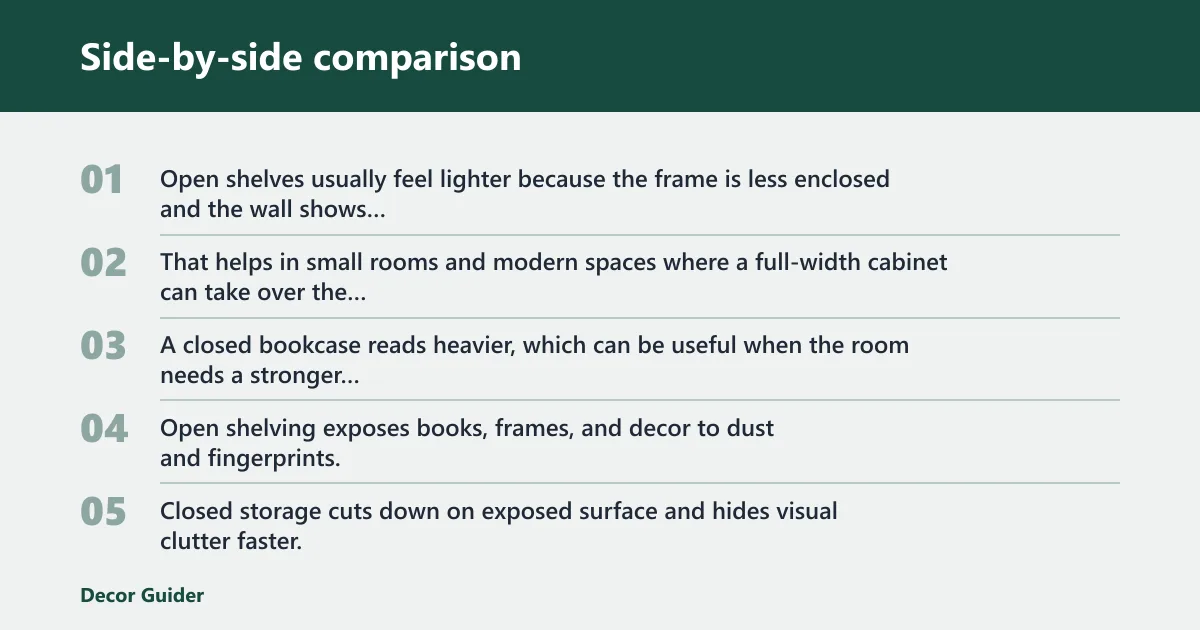
| Decision factor | Open Bookshelf | Closed Bookcase | Winner |
|---|---|---|---|
| Visual weight | Lighter frame, wall stays visible | More enclosed, reads as bulkier | Open Bookshelf |
| Dust control | More exposed, needs more wiping | Better at hiding dust and clutter | Closed Bookcase |
| Heavy storage | Best for lighter items and fewer books | Usually handles heavier storage better | Closed Bookcase |
| Flexibility of use | Good for mixed display and quick rearranging | Better for organized, enclosed storage | Open Bookshelf |
| Small-room fit | Often feels less crowded | Can feel too bulky in tight rooms | Open Bookshelf |
Visual weight and room feel
Open shelves usually feel lighter because the frame is less enclosed and the wall shows through. That helps in small rooms and modern spaces where a full-width cabinet can take over the wall. A closed bookcase reads heavier, which can be useful when the room needs a stronger anchor.
Dust control and cleaning
Open shelving exposes books, frames, and decor to dust and fingerprints. Closed storage cuts down on exposed surface and hides visual clutter faster. If cleaning already feels like a chore, the enclosed option usually wins on upkeep alone.
Storage density and clutter hiding
A closed bookcase is better when the contents vary and some of them are ugly but necessary: chargers, files, boxes, manuals, or mixed household overflow. Open shelves ask for restraint because every item is visible. That makes them good for a tidy collection and bad for random overflow.
Strength, sagging risk, and anchoring
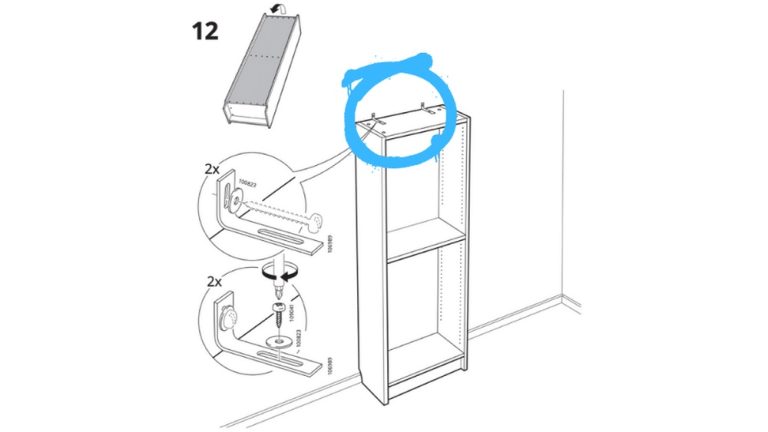
Books can bend a wide shelf over time. Shorter shelves usually resist bending better than long open shelves, and thicker shelves usually support heavier items more safely. Tall or narrow bookshelves often need wall anchoring for safer use, especially where kids pull on shelves or the floor is uneven.
Which is better for heavy books and files?
A closed bookcase is usually the safer pick for heavy books, files, folders, and storage boxes because it tends to have stronger side panels, more enclosure, and better support for dense loads. Open shelves can work, but only when shelf span is short and the shelf material is thick enough for the weight.
Shelf span and sagging risk
Long open shelves are more prone to sagging because the load spreads across a wider gap. That matters more with hardbacks, binders, and file boxes than with decor. Shorter spans reduce bending, which is why compact units often hold up better than wide, open runs.
Material thickness and load limits
Thicker shelves usually support heavier items more safely. In practical terms, plywood often behaves better than thin MDF under repeat load, solid wood can be strong if it is thick enough and properly supported, and metal can be excellent when the frame and shelf deck are built for weight. Thin panels are where sagging starts.
When a closed bookcase is the safer pick
If the unit will carry law books, textbooks, binders, or archive boxes, a closed bookcase is the better baseline. The fuller side supports and enclosed build give it a better chance of staying square under load. That does not make it indestructible, but it does lower the risk of visible bending and wobble.
Which is better for small rooms and rentals?
Open shelving often works well in small rooms and rentals because it can feel less crowded and is easier to move. A closed bookcase can work, but it often looks denser and can make a narrow wall feel closed in. Rental decisions also depend on whether wall fixing is allowed.
Why open shelving can feel less crowded
The open frame leaves air and wall visible, so the piece takes less visual space. That helps in studio apartments, narrow hallways, and bedrooms where a solid cabinet would dominate the room. It can also make a low-ceiling space feel less compressed.
When a closed bookcase feels too bulky
A closed bookcase can feel heavy in a room with little natural light or a very short wall. If the unit is deep and enclosed, it may read like a storage wall rather than furniture. That is fine in an office, but less friendly in a tight living area.
Moveability, wall fixing, and rental-friendly choices
Renters often need furniture that can move without damage and survive several address changes. Open units are usually easier to carry and visually lighter, but tall ones may still need anchoring. If wall fixing is not allowed, choose a lower unit with a wider footprint and keep the load centered.
Open bookshelf vs closed bookcase for display, kids, and dust
Open shelves work best for plants, picture frames, small decor, and a few books. A closed bookcase is better when you want to hide clutter, reduce cleaning, or keep rough use away from contents. In kids’ rooms, the safer choice depends on height, anchoring, and how reachable the shelves are.
Decor, plants, and picture frames
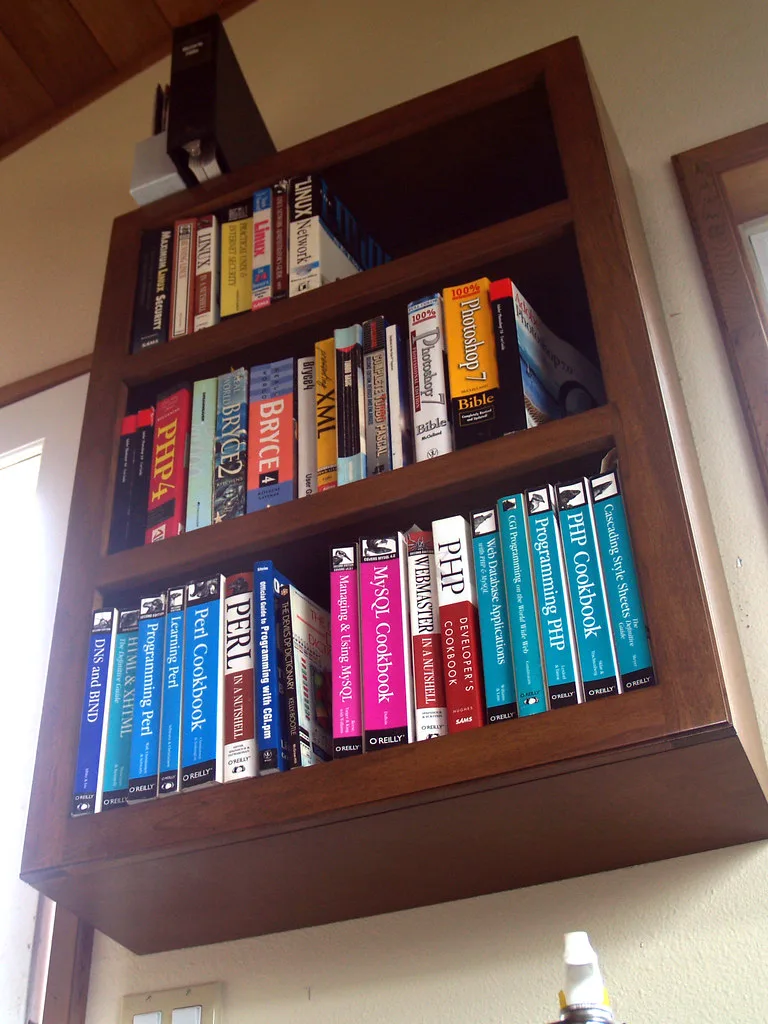
Open shelving makes styling easier and less heavy because the items are visible without opening doors. I use it for plants that need light, framed photos, and small pieces that get swapped often. If the shelf is meant to hold a changing set of objects, the open layout is more forgiving.
Kids’ rooms and safety
A closed bookcase is often safer for kids when it is anchored correctly and used for stored items that should not be grabbed constantly. Open shelves invite climbing, pulling, and more contact with loose objects. The safest choice is usually the one that can be fixed to the wall and kept below the child’s reach for heavy items.
Dust-sensitive storage and cleaning frequency
Open shelves require more frequent dusting because books and decor sit exposed. That matters for allergy-sensitive households, media collections, or anything stored for long periods. Closed storage reduces the cleaning burden and keeps the contents looking orderly between cleanings.
Decision matrix: 8 real-world scenarios
This matrix uses a simple 1 to 5 fit score, with higher numbers indicating a better match for that scenario. The best choice is the option that solves the storage problem with the fewest compromises. A tie means both can work well if the shelf span, material thickness, and anchoring are right.
| Scenario | Open Bookshelf | Closed Bookcase | Winner |
|---|---|---|---|
| Heavy books | 2 | 5 | Closed Bookcase |
| Decor display | 5 | 3 | Open Bookshelf |
| Kids’ rooms | 3 | 4 | Closed Bookcase |
| Rentals | 4 | 3 | Open Bookshelf |
| Small rooms | 5 | 2 | Open Bookshelf |
| Dust-sensitive storage | 2 | 5 | Closed Bookcase |
| Files and folders | 2 | 5 | Closed Bookcase |
| Mixed use | 4 | 4 | Tie |
Choose Open Bookshelf if… / Choose Closed Bookcase if…
Choose an open bookshelf if you want a lighter look, easier access, flexible display, and a unit that makes a small room feel less crowded. Choose a closed bookcase if you need stronger storage, better dust control, hidden clutter, or a more formal finish that handles heavier loads.
Choose open bookshelf if you need this
- Lighter visual weight on a narrow wall.
- Frequent changes to books, plants, frames, or decor.
- A unit that feels less crowded in a small room.
- Lower everyday clutter and easy reach.
Choose closed bookcase if you need this
- Heavier books, binders, files, or boxes.
- Less dusting and better clutter hiding.
- A tidier look in a formal room or office.
- More enclosure and better support from side panels and a back panel.
Quick buying checklist before you order
- Measure the widest books or boxes first.
- Check shelf span and avoid long, unsupported runs.
- Look for thicker shelves if the load is dense.
- Confirm whether wall anchoring is possible or required.
- Match the unit to the room: open for light visual weight, closed for denser storage.
Frequently asked questions
Open bookshelf vs closed bookcase: which is better for small rooms?
An open bookshelf is usually better for small rooms because the open structure keeps the room feeling lighter. The wall stays visible, so the furniture takes less visual space. A closed bookcase can work, but it often reads as bulkier and can crowd a narrow wall.
Should I choose an open bookshelf or a closed bookcase for heavy books?
Choose a closed bookcase for heavy books. It usually handles heavier storage better because the side panels and enclosed build give the shelf more support. If you use open shelves, keep spans short and choose thicker material to reduce sagging over time.
Which looks better in a living room, open shelving or a closed bookcase?
Open shelving often looks better when the room already feels busy or small, because it stays visually light. A closed bookcase works better in a more formal living room or when the owner wants a tidier, more enclosed look. The right choice depends on the room’s storage pressure.
Is a closed bookcase safer for kids than an open bookshelf?
Often, yes, but only if it is anchored and used correctly. A closed bookcase hides and contains items better, while open shelves invite grabbing and climbing. Tall units of either type should be fixed to the wall when children are around.
Do open bookshelves need wall anchoring?
Tall or narrow open bookshelves often need wall anchoring for safer use. That is especially true in homes with kids, pets, or uneven floors. Even when the unit feels steady, anchoring reduces tip risk and helps protect both the shelf and the room.
Which option is better for files, folders, and storage boxes?
A closed bookcase is usually better for files, folders, and storage boxes because it supports heavier loads and hides mixed paperwork. Open shelves can hold some folders, but they are less forgiving when weight builds up or when the contents are not neat enough for display.
How do I choose between an open bookshelf and a closed bookcase for a rental?
For rentals, open shelving is often easier to move and less likely to make the room feel cramped. A closed bookcase is better if you need to hide clutter or store heavier items. Check whether wall fixing is allowed before choosing a tall unit.
Will an open bookshelf make a room feel less crowded?
Yes, usually. The open frame keeps the wall visible and reduces visual weight, which helps a room feel lighter. That said, an overfilled open shelf can still look busy fast, so the benefit disappears if every shelf is packed end to end.
Products related to this article
Sponsored / affiliate links. As an Amazon Associate I earn from qualifying purchases. I may earn additional commission from eligible campaigns.