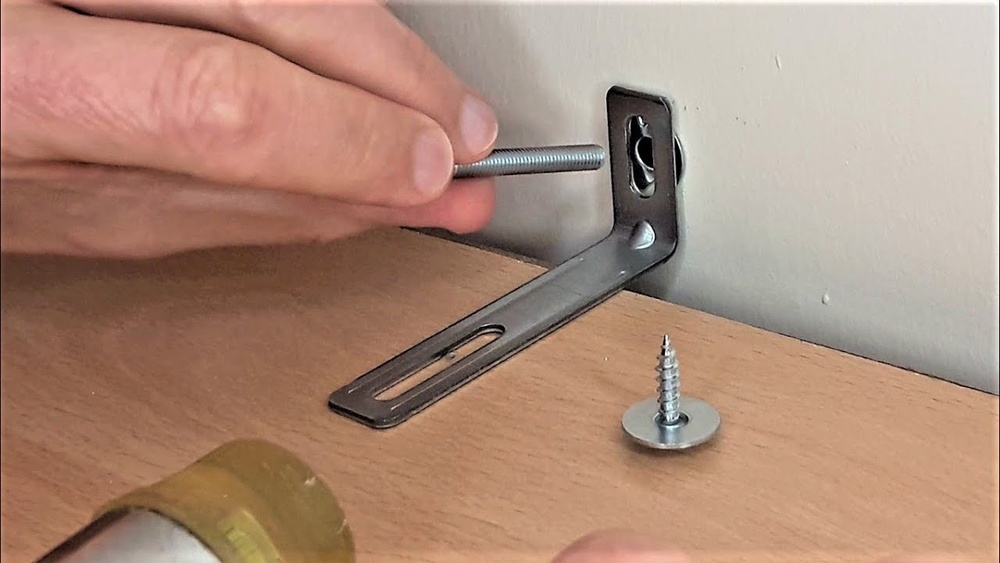
How To Mount A Bookshelf To The Wall
Mounting a bookshelf to the wall is one of the most effective ways to ensure both safety and stability in your home or office. Freestanding bookshelves, especially when filled with heavy books or decor, can easily tip over, causing damage or injury.
With wall-mounted shelving, you gain peace of mind, optimize your space, and even enhance your interior design. But proper installation is key, mounting a bookshelf securely requires the right tools, hardware, and techniques to protect your investment and those around it.
Whether you’re a first-time DIYer or a seasoned home improvement enthusiast, this comprehensive guide will provide you with a step-by-step, expert-backed approach to mounting a bookshelf to the wall. We’ll cover everything from preparing your space and selecting the right hardware, to drilling, leveling, and finishing touches.
You’ll also find data-driven comparisons, real-world examples, and answers to common questions, all designed to help you achieve a safe and professional result.
Key Takeaways
- Wall-mounted bookshelves offer superior safety and space optimization compared to freestanding units.
- The right tools, hardware, and wall anchors are crucial for a secure installation.
- Following a methodical, step-by-step process minimizes errors and ensures stability.
- Real-world examples and case studies illustrate best practices and common pitfalls.
- Maintenance and periodic safety checks keep your bookshelf secure long-term.
Understanding Why Secure Mounting Matters
Mounting a bookshelf to the wall is more than an aesthetic choice, it’s a critical safety measure. According to the Consumer Product Safety Commission (CPSC), unstable furniture like bookshelves causes thousands of tip-over injuries each year, many involving children. In fact, CPSC data indicates that between 2000 and 2026, over 581 fatalities were reported due to furniture tip-overs. Properly anchoring your bookshelf drastically reduces this risk.
Wall mounting also improves usability. A fixed bookshelf allows you to maximize storage without fear of tipping, and can be placed in high-traffic areas or homes with pets and children. In earthquake-prone regions, securing bookshelves is especially important for reducing hazards.
Example: Safety-first In A Family Home
In a recent home safety assessment, a family with three children decided to mount all tall bookshelves after an unsecured unit tipped during play. The process took less than an afternoon per shelf and provided immediate peace of mind. No further incidents occurred, and the children now use the shelves confidently.
The Cost Of Not Securing Bookshelves
- Medical expenses from tip-over injuries can exceed $2,500 per incident.
- Damage repair for floors, walls, and broken items adds significant cost.
- Insurance claims may be denied if negligence in securing heavy furniture is found.
By investing a few hours and minimal materials, you can avoid these risks and protect your household.

Credit: www.youtube.com
Preparing For Installation
Preparation is the foundation of a successful bookshelf mounting. This stage involves evaluating your space, gathering materials, and ensuring you’re working with the right wall type and shelf design.
Evaluating Wall Type And Shelf Design
Not all walls are created equal. Identifying your wall material, drywall, plaster, concrete, or brick, is essential, as it dictates the type of hardware and anchors you’ll need.
- Drywall: Common in modern homes; requires finding studs for maximum strength.
- Plaster: Found in older buildings; more brittle, may need special anchors.
- Masonry (brick/concrete): Demands masonry bits and anchors.
- Metal studs: Require special anchors; common in commercial buildings.
Bookshelf design also matters. Heavier, taller shelves need more anchors, while floating shelves may have included mounting systems.
Gathering Tools And Materials
A well-prepared toolkit saves time and frustration. Essentials include:
- Stud finder (for wood or metal studs)
- Drill and bits (wood, masonry, or multi-purpose)
- Screwdriver or power driver
- Level (24” or longer)
- Measuring tape
- Wall anchors and screws (matched to wall type and shelf weight)
- Pencil for marking
- Protective eyewear
- Vacuum for dust cleanup
Example: Drywall Vs. Masonry Preparation
When mounting a bookshelf in a newer home with drywall, I found wooden studs at 16” intervals, making installation straightforward with wood screws. For a friend’s urban loft with concrete walls, I used masonry anchors and a hammer drill, a very different process, but equally secure.
Safety Precautions
- Turn off power if drilling near electrical outlets.
- Wear eye protection and a dust mask.
- Clear the area to prevent tripping hazards.
Pro Tip: Always check for hidden pipes or wires using a multi-scanner before drilling.

Credit: www.youtube.com
Choosing The Right Hardware And Anchors
The correct hardware is the backbone of a safe and stable installation. Selecting anchors and screws based on wall type, bookshelf weight, and intended use ensures lasting results.
Types Of Wall Anchors
Different anchors serve different wall materials and loads.
| Anchor Type | Wall Compatibility | Max Load (per anchor) | Best Use Case |
|---|---|---|---|
| Plastic Expansion Anchor | Drywall, Plaster | 20-30 lbs | Lightweight shelves |
| Toggle Bolt | Drywall (no stud) | 50-100 lbs | Medium/heavy bookshelves |
| Masonry Anchor | Brick, Concrete | Up to 100 lbs | Concrete/brick walls |
| Wood Screw | Wood Stud | 100+ lbs | Best for heavy units |
Screws And Fasteners
Use screws at least 2, 2.5 inches long for stud mounting. For heavier shelves or masonry, use appropriately rated lag bolts or specialty anchors. Always check manufacturer recommendations.
Comparing Hardware Strength
To illustrate, here’s a comparison of common mounting hardware by load capacity:
| Hardware | Wall Type | Safe Working Load (per piece) |
|---|---|---|
| 3” Wood Screw | Wood Stud | 110 lbs |
| 1/4” Toggle Bolt | Drywall | 90 lbs |
| 1/4” Masonry Anchor | Brick/Concrete | 100 lbs |
When To Use Professional Mounting Kits
For floating or designer bookshelves, always use the included wall mounting kit. Some shelves come with proprietary hardware designed for the unit’s weight and configuration.
Pro Tip: For extra-tall bookshelves, use two anchors at the top and one at the bottom for maximum stability.

Credit: www.wikihow.com
Step-by-step Guide: Mounting A Bookshelf To The Wall
A systematic approach ensures accuracy and safety. Follow these steps for a professional-quality installation.
Step 1: Plan Shelf Placement
- Measure the desired height and width on the wall.
- Mark the top edge and side boundaries with a pencil.
- Consider furniture placement, electrical outlets, and room aesthetics.
Pro Tip: Use painter’s tape to outline the bookshelf’s footprint for a visual preview.
Step 2: Locate Wall Studs Or Select Anchor Points
- Use a stud finder to locate studs, ideally, align at least one mounting bracket with a stud.
- If no stud is available, choose appropriate wall anchors.
- Mark anchor points, ensuring they are level and evenly spaced.
Step 3: Pre-drill Holes
- Use a level to confirm your marks are straight.
- Pre-drill holes for screws or anchors. For masonry, use a hammer drill and masonry bit.
- For drywall, make holes slightly smaller than the anchor diameter for a snug fit.
Step 4: Install Wall Anchors Or Screws
- Insert anchors as needed, tap gently with a hammer if required.
- For studs, drive screws directly (pilot holes recommended).
- Leave screw heads slightly protruding if using keyhole slots on the bookshelf.
Step 5: Mount The Bookshelf
- With assistance, lift the bookshelf into place.
- Align mounting brackets or keyhole slots with screws/anchors.
- Gently lower or press the shelf to engage the fasteners.
- Tighten screws for a secure fit, but avoid over-tightening (which can strip anchors).
Step 6: Confirm Stability And Level
- Use a level to double-check alignment.
- Apply gentle pressure to test for any movement.
- Adjust as necessary.
Step 7: Finalize And Clean Up
- Conceal screw heads with provided covers or paint to match the wall.
- Vacuum dust and debris.
- Reinstall shelf contents gradually, checking for stability after each addition.
Example: First-time Diy Success
When I helped a neighbor install a tall bookshelf in their study, we spent extra time marking and pre-drilling, resulting in a perfectly level, rock-solid shelf on the first try. The right preparation and patience saved hours of potential rework.
Real-world Case Studies And Common Pitfalls
Learning from others’ experiences can prevent costly mistakes and inspire confidence.
Case Study 1: Small Apartment, Big Stability
In a compact city apartment, a renter used toggle bolts to mount a slender bookshelf on drywall without studs. By spreading the load across four anchors, the shelf held 60+ books for years without issue. The key was verifying anchor capacity and regular checks.
Case Study 2: Masonry Wall Challenge
A homeowner with brick interior walls used masonry anchors and a hammer drill to mount a heavy oak bookshelf. Despite the effort, the result was a stable installation supporting over 100 lbs. The lesson: use the right tools and never attempt to shortcut with regular screws in masonry.
Common Pitfalls (and How To Avoid Them)
- Skipping the stud finder, results in weak mounting and potential failures.
- Mismatching anchors and wall type, can cause anchors to pull out.
- Overloading shelves, always check weight ratings.
- Poor leveling, shelves that aren’t level detract from appearance and can stress anchors.
Pro Tip: If unsure, consult a local hardware store or professional installer for advice on unusual wall types.
Aesthetic And Functional Enhancements
Beyond safety, wall mounting a bookshelf opens up new design possibilities and space optimization options.
Customizing Your Shelf
- Paint or stain the shelf to match your decor before mounting.
- Add LED lighting strips for illumination and ambiance.
- Use decorative brackets for a unique look and added support.
Integrating With Other Storage
Mounting a bookshelf above a desk or bench creates a functional, visually appealing workspace. Staggering multiple wall-mounted shelves can create a gallery wall effect.
Cable Management
For bookshelves with electronics, use cable management clips or raceways to keep cords tidy and out of sight.
Safety Accessories
- Install anti-tip straps at the top for extra security, especially in earthquake zones.
- Use corner bumpers if shelves are at child height.
Example: Transforming A Small Home Office
A client in a small home office used wall-mounted bookshelves above their workspace, freeing up valuable floor space. The result was a lighter, more open room with ample storage, achieved in a single weekend.
Maintenance, Periodic Checks, And Long-term Safety
A mounted bookshelf is not a “set and forget” fixture. Routine maintenance ensures continued safety and performance.
Periodic Safety Inspections
- Check all screws and anchors every 6, 12 months for loosening or wear.
- Inspect shelves after any significant events (earthquake, impact).
- Tighten or replace hardware as needed.
Cleaning And Care
- Dust shelves regularly to prevent buildup.
- Avoid overloading shelves, redistribute contents if bowing or sagging occurs.
- Replace worn or damaged anchors immediately.
Upgrading Over Time
As your needs change, consider upgrading wall anchors for heavier loads or replacing shelves with newer designs. Always follow the same safe installation principles.
Pro Tip: Keep a record of hardware used and anchor locations for future reference or repairs.
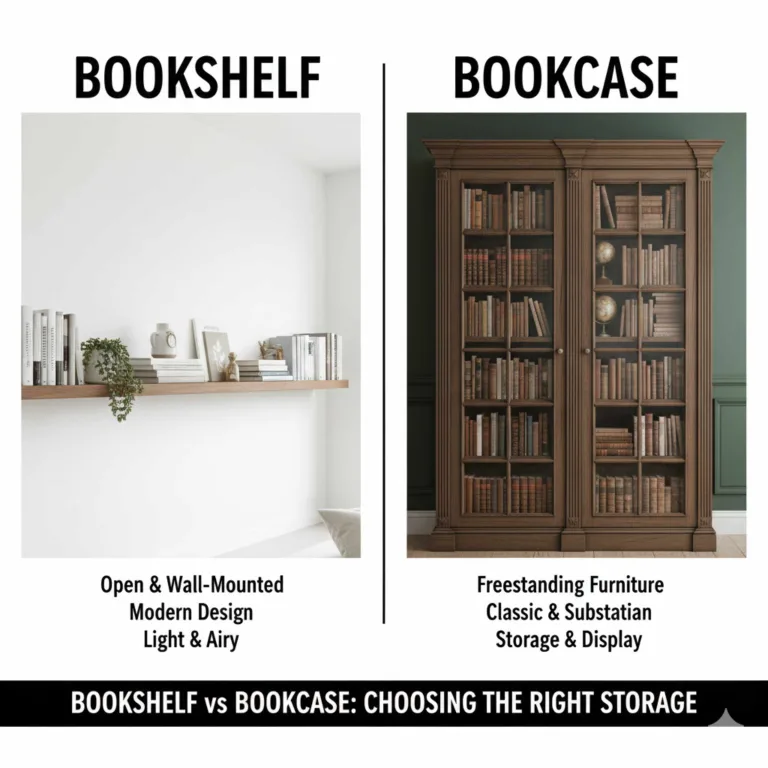
Comparison: Wall-mounted Vs. Freestanding Bookshelves
Choosing between wall-mounted and freestanding bookshelves depends on your goals, space, and lifestyle. Here’s a quick comparison:
| Feature | Wall-Mounted | Freestanding |
|---|---|---|
| Stability | Excellent (if installed correctly) | Variable; can tip over |
| Space Efficiency | High (off the floor) | Moderate; uses floor space |
| Safety | Superior (anchored) | Lower, especially for tall units |
| Mobility | Permanent | Portable |
| Design Flexibility | Customizable | Standard shapes/sizes |
For families, pet owners, and those in earthquake-prone regions, wall mounting offers unmatched safety and peace of mind.
Frequently Asked Questions
What Is The Safest Way To Mount A Bookshelf On Drywall?
The safest way is to anchor the bookshelf directly into wood studs using long wood screws. If no stud is available, heavy-duty wall anchors such as toggle bolts should be used. Always check the load capacity of your anchors and distribute the weight evenly.
Can I Mount A Bookshelf Without Drilling Into The Wall?
While some products offer adhesive or tension-based mounting, these are not recommended for heavy shelves or valuable items. For true safety and durability, drilling and using anchors or screws is necessary. If you are renting, consult your landlord or use removable wall anchors designed for renters.
How Do I Hide Mounting Hardware For A Cleaner Look?
Many modern bookshelves use keyhole slots or proprietary mounting brackets that allow hardware to be hidden behind the shelf. Decorative covers or paintable screw caps are also effective. Floating shelves often have concealed mounting systems for a seamless appearance.
What Should I Do If My Wall Is Uneven Or Curved?
For uneven or curved walls, use adjustable mounting brackets or shims to ensure the bookshelf sits level and flush. Flexible silicone spacers can help fill small gaps. Always check for stability after installation and avoid placing heavy items on the shelf’s edges.
Is It Possible To Move A Mounted Bookshelf Later?
Yes, but you’ll need to unscrew the anchors, patch the wall holes, and potentially repaint. For floating shelves or units with proprietary brackets, keep the installation instructions for reference. When remounting, always check that the new location is suitable for your shelf’s size and weight.
Further Resources
For additional reading on DIY and home safety, see the Family Handyman’s guide to anchoring furniture and the CPSC Anchor It! campaign.
Mounting a bookshelf to the wall is a straightforward but impactful project that enhances safety, space usage, and design. By following the expert advice and step-by-step instructions in this guide, you can achieve a secure, attractive installation that stands the test of time. For more home improvement tips, explore other guides such as choosing the right canning jar makes preserving food easier or the comparison of freeze-drying vs canning for creative storage solutions. With proper planning and attention to detail, your wall-mounted bookshelf will serve your needs safely and beautifully for years to come.
Products related to this article
Sponsored / affiliate links. As an Amazon Associate I earn from qualifying purchases. I may earn additional commission from eligible campaigns.