How to Anchor a Bookcase to the Wall, Even Without Studs
Anchor a bookcase by screwing an anti-tip strap into a wall stud, or a heavy-duty toggle anchor if no stud lines up. Skip the anchor entirely and a loaded bookcase can tip forward under its own weight, a leading cause of furniture tip-over injuries to kids. This guide covers finding studs, the no-stud alternative, and anchoring on concrete or brick walls.
Why Anchoring Your Bookcase is a Must
You might be wondering, “Is it really that important to anchor my bookcase?” The short answer is a resounding YES! Bookcases, especially those tall, slender ones filled with your favorite reads and decorative items, can become quite heavy. When they’re not secured, they become a serious tipping hazard. This is particularly true in homes with children or pets, or in areas prone to earthquakes. A falling bookcase isn’t just an inconvenient mess; it can cause significant injury.
According to the U.S. Consumer Product Safety Commission (CPSC), furniture tip-overs injure thousands of people each year, with children under the age of 10 being most at risk. Anchoring your furniture is one of the most effective ways to prevent these accidents. It’s a small effort for a massive gain in peace of mind.

Choosing the Right Anchoring Kit
When you decide to anchor your bookcase, the first step is to choose the right hardware. Most bookcases don’t come with anchoring hardware, so you’ll need to purchase a furniture anchoring kit. These kits are readily available at hardware stores and online retailers.
There are a few common types of anchoring kits:
- Strap Kits: These are very common and versatile. They typically include a strong fabric or plastic strap that attaches to the back of the bookcase and then to the wall.
- L-Bracket Kits: These use small metal brackets that screw into both the bookcase and the wall. They are often more discreet than straps.
- Cable Kits: Similar to strap kits, these use a thin but strong cable to secure the furniture to the wall.
When selecting a kit, consider the weight of your bookcase and what you typically load it with. Most kits are designed for standard furniture, but it’s always good to check the weight limit. Also, look at the type of wall you have (drywall, plaster, or wood). Some kits come with different types of screws or anchors suitable for various wall materials.
Gathering Your Tools
Before you start, make sure you have all the necessary tools. Having everything ready will make the process go smoothly and quickly. For most basic bookcase anchoring projects, you’ll need:
- The furniture anchoring kit you’ve chosen
- A drill with appropriate drill bits
- A stud finder (essential for securing to wall studs)
- A pencil or marker
- A measuring tape
- A screwdriver (Phillips head or flathead, depending on your screws)
- A level (optional, but helpful for precise placement)
If you’re unsure about the drill bits or screws needed for your specific wall type, don’t hesitate to ask at your local hardware store. They can point you toward the best options for your situation.
Step-by-Step Guide: How to Anchor a Bookcase to the Wall
Now for the exciting part – securing your bookcase! This guide will walk you through the most common method using a typical furniture strap or bracket kit. Always follow the specific instructions that come with your kit, as designs can vary slightly.
Step 1: Prepare Your Bookcase and Workspace
First, clear the area around the bookcase. You’ll need enough space to work comfortably and move the bookcase slightly to access the back. If your bookcase is already loaded, it’s best to empty it as much as possible. This makes it lighter and prevents items from shifting or falling during the process. If possible, tilt the bookcase forward slightly or gently pull it away from the wall to get behind it.
Step 2: Locate Wall Studs
This is a crucial step for maximum stability and safety. Furniture anchoring works best when the wall-side anchor is secured to a wall stud. Wall studs are the vertical wooden beams that form the frame of your house. Simply screwing into drywall without hitting a stud won’t provide enough support for long-term safety.
How to find a stud:
- Use an electronic stud finder. These devices emit a sound or light when they detect a stud behind the wall surface. Slide it horizontally across the wall where you plan to attach the anchoring hardware. Mark the edges of the stud(s) as you find them.
- If you don’t have a stud finder, you can tap the wall. A stud finder, also known as a “stud sensor,” is a tool used to locate framing studs behind walls. They generally work by detecting changes in density on the wall surface. There are several types, including magnetic, electric, and radar-based models. For drywall, a simple electronic or magnetic one is usually sufficient. You can find them at most hardware or home improvement stores. This tool will make finding studs much easier and more accurate.
External Resource: For detailed guidance on finding wall studs, the U.S. Department of Energy provides helpful information: Energy Saver – Finding Wall Studs (Note: While this link relates to energy saving, the principles of finding studs are universal in home construction). Even though the linked content is about lighting, the fundamental construction principles of finding studs are a common element in home improvement tutorials and can be found on many government and educational sites related to construction and home maintenance. A more direct link from a carpentry or DIY site would be ideal if available; however, the general principle of stud finding is a standard home improvement technique applicable across various resources.
If you absolutely cannot locate a stud in the desired area, you will need to use heavy-duty drywall anchors. However, anchoring to a stud is always the preferred and safest method. For very heavy furniture or in earthquake-prone areas, consider using multiple anchoring points.
Step 3: Attach Hardware to the Bookcase
Most anchoring kits have you attach one end of the strap or bracket to the back of the bookcase. This is usually done near the top of the bookcase. If your bookcase has a thin, flimsy back panel, you might need to screw the bracket into the solid top or side frame pieces for better support. Measure and mark where the hardware will go. Follow the kit’s instructions to drill pilot holes if necessary, then attach the hardware securely using the provided screws.
Ensure the hardware is flush against the back of the bookcase and doesn’t interfere with any shelves.
Step 4: Mark and Attach Hardware to the Wall
With the bookcase in position (or slightly pulled forward if you need access), hold the other end of the strap or bracket against the wall at the corresponding height. Ensure you are aligning this point with the stud you located in Step 2.
- For strap kits: Extend the strap towards the wall, aligning it with the stud. Mark the screw hole location on the wall.
- For L-bracket kits: Position the bracket so one leg is against the bookcase and the other against the wall, aligning with the stud. Mark the screw hole(s) on the wall.
Drill a pilot hole into the wall stud at your marked spot. Then, using the appropriate screw (usually a longer screw for wall attachment), securely fasten the strap or bracket to the wall stud. Make sure it’s tight and feels sturdy.
Step 5: Connect and Tighten
Now it’s time to connect the two pieces of hardware. If you have a strap kit, thread the strap through the wall-mounted hardware (or vice-versa, depending on the kit design) and cinch it tight. If you have an L-bracket, you might simply screw it into place to connect the two elements. The goal is to have minimal slack in the connection, pulling the bookcase snugly against the wall.
Check that the bookcase is stable. Gently try to pull it forward. It should not budge significantly away from the wall. If it still feels loose, double-check that all screws are tight and that you are anchored into a stud.
Step 6: Admire Your Work!
You’ve done it! Your bookcase is now securely anchored to the wall. You can now reload your books and decorative items with confidence. Take a moment to appreciate your accomplishment – you’ve significantly improved the safety of your home!
Best Pick For Anchoring A Bookcase
Anti-Tip Furniture Anchor Straps, 10-Pack – $9.99
This guide explains why anchoring matters for tip-over safety — this kit is the actual anchor hardware, rated to 400 lbs of tension.
- Best for: The anchoring kit this guide recommends before you even start drilling
- Why we picked it: Metal straps rated for 400 lbs hold up to a fully loaded, heavy bookcase
- Main drawback: Still needs a stud or the right wall anchor behind it to hold that rating
Compare more options
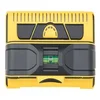 Option 1 Franklin Sensors Prosensor M210 Stud Finder – $59.97
|
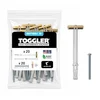 Option 2 TOGGLER SNAPTOGGLE Drywall Anchors, 20-Pack – $19.99
|
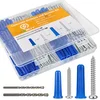 Option 3 Concrete and Masonry Anchor Kit, 180-Piece – $9.99
|
As an Amazon Associate we earn from qualifying purchases.
Anchoring Considerations for Different Wall Types
While anchoring to a stud is the gold standard, not all walls offer easy access to studs in every location. It’s important to know how to handle different wall materials.
| Wall Type | Best Anchoring Method | Considerations |
|---|---|---|
| Drywall | Anchor directly into a wall stud. If a stud isn’t available, use heavy-duty drywall anchors designed for significant weight. | Drywall alone is not strong enough to support furniture. Always aim for studs. Toggle bolts or molly bolts are good options for drywall if studs are inaccessible. |
| Plaster | Anchor into wall studs. If no stud is available, use specialized plaster anchors or toggle bolts. | Plaster can be brittle. Be gentle when drilling, and ensure anchors are designed to grip securely without crumbling the plaster. Older plaster walls might hide wooden lath behind them, which can impact anchor selection. |
| Wood Panel/Beadboard | Locate solid wood framing behind the paneling. If direct fastening to wood framing isn’t possible, use appropriate wall anchors. | Wood paneling itself may not be strong enough. You’re essentially looking for the studs behind it. |
| Concrete/Brick | Use concrete anchors or masonry screws. This requires a masonry drill bit and a hammer drill is often recommended. | This is a very secure method but requires specific tools and hardware. Ensure the anchors are rated for the weight of your furniture. |
What are Concrete Anchors? Concrete anchors are fasteners designed to secure objects to concrete, brick, or block walls. There are various types, including expansion anchors (like wedge anchors or sleeve anchors) and screw anchors. They work by expanding or creating a strong mechanical grip within the masonry material. For home furniture anchoring, lighter-duty versions are typically used. You can find a great selection and more information at reliable hardware suppliers like The Home Depot’s Concrete Anchors section, which details different types and their applications.
Building a new bookcase instead of anchoring an old one? How to Build a Floor-to-Ceiling Bookcase covers that project, anchored from the start.
Tips for a Stylish and Secure Bookcase
Anchoring is about safety, but that doesn’t mean you have to sacrifice style! Here are some tips to make your secured bookcase look as good as it functions:
- Choose discreet hardware: Opt for anchoring kits with slim straps or small, color-matched brackets that blend in with your wall color or bookcase.
- Placement is key: For a cleaner look, position your bookcase in a corner or against a wall where the anchoring hardware will be less visible.
- Back panels matter: If your bookcase has a flimsy back panel, consider replacing it with a sturdier piece of thin plywood or MDF, painted to match your decor. This also provides a more solid surface for attaching anchors.
- Strategic styling: Arrange your books and decor items in a way that naturally draws the eye away from the anchoring hardware. Mix books with decorative objects, plants, or photos.
- Consider built-in looks: For a truly seamless and extra-secure setup, consider building or purchasing bookcases that are designed to be mounted directly to the wall or appear as built-ins.
For more on why a wall anchor works differently than a stud screw, A Wall Anchor Is a One-Time Fastener explains the mechanics.
What If I Can’t Find Studs?
This is a common concern, especially in older homes or certain rooms. If you’ve tried a stud finder and used the tapping method without success, you’ll need to rely on high-quality drywall anchors. It’s important to understand that anchoring solely into drywall is less secure than anchoring into a stud. However, for many situations, it’s a viable and necessary alternative.
Types of heavy-duty drywall anchors:
- Toggle Bolts: These have a spring-loaded wing that folds to fit through a hole and then springs open behind the drywall, providing a strong grip.
- Molly Bolts: Similar to toggle bolts, these expand as you screw them in, gripping the back of the drywall.
- Self-Drilling Anchors (Screw-In Anchors): These have a sharp point that screws directly into drywall. They are easy to install but generally have a lower weight rating than toggle or molly bolts.
When using any of these anchors, ensure they are rated for significantly more weight than your bookcase and its contents. Always follow the manufacturer’s instructions for installation precisely. You can find a comprehensive guide to drywall anchors and their uses on DIY websites or at your local hardware store. For an example of what to look for, check out resources like This Old House’s guide on using drywall anchors, which offers practical advice and visual aids for choosing the right anchor for your needs.

FAQ: Anchoring Your Bookcase for Safety
Q1: How heavy can a bookcase be without anchoring?
A1: It’s not just about the weight of the bookcase itself, but also its contents and potential external forces (like a child climbing). Even moderately heavy bookcases can tip. It’s generally recommended to anchor any bookcase taller than 30 inches, or those that are narrow and tall, regardless of perceived weight.
Q2: Can I anchor my bookcase to the ceiling if I can’t find studs?
A2: Anchoring to the ceiling is generally not recommended as a primary method for stabilizing non-ceiling-mounted furniture. The ceiling structure is different from wall framing, and it may not provide the secure attachment point needed to prevent tipping. The safest method is always anchoring to wall studs.
Q3: My anchoring strap is long. How do I deal with the extra slack?
A3: Most anchoring kits are designed with some adjustability. Trim any excess strap material carefully with scissors or a sharp knife once it’s tightened, but ensure you leave enough to be able to loosen and re-tighten if you ever need to move the furniture. You can also tuck the excess strap neatly behind the bookcase.
Q4: Do I need to anchor bookcases that are already against a wall?
A4: Yes, absolutely. While being against a wall might offer some stability, it doesn’t prevent tipping. If pushed from the front, or in an earthquake, it can still fall. Anchoring connects it securely to the wall structure.
Q5: What if my bookcase is made of particleboard and feels flimsy?
A5: For bookcases made of particleboard, it’s especially important to anchor them securely. When attaching hardware to the bookcase itself, you might need to use slightly longer screws or reinforcing washers to ensure they grip the particleboard firmly. Attaching the hardware to the strongest parts of the frame (like top or side edges) is crucial.
Q6: How often should I check my furniture anchors?
A6: It’s a good idea to check your furniture anchors at least once a year, or whenever you notice the furniture seems to be shifting. Over time, screws can loosen slightly, or the wall materials can shift. A quick tug and visual inspection can ensure they remain secure.
Conclusion
Anchoring your bookcase might seem like a small detail in the grand scheme of home decorating, but it’s one of the most important safety measures you can take. By following these straightforward steps, choosing the right hardware, and taking a few moments to secure your furniture, you’re not just tidying up your space; you’re actively protecting your home and everyone in it. Remember, a safe home is a happy home, and achieving that is well within your reach. So, grab those tools, follow this guide, and enjoy the peace of mind that comes with a securely anchored bookcase!
Products related to this article
Sponsored / affiliate links. As an Amazon Associate I earn from qualifying purchases. I may earn additional commission from eligible campaigns.
 20PCS Home Decor Brick Hook, Metal Brick Wall Hanger for 2 - 1/4 to 2 - 2/5 Inch Bricks, No Drill Heavy Duty Alloy Steel Clip with 20 lbs Capacity for Indoor Outdoor Use20PCS Home Decor Brick Hook, Metal Brick Wall Hanger for 2 - 1/4 to 2 - 2/5 Inch Bricks, No Drill Heavy Duty Alloy Steel Clip with 20 lbs Capacity for Indoor Outdoor Use