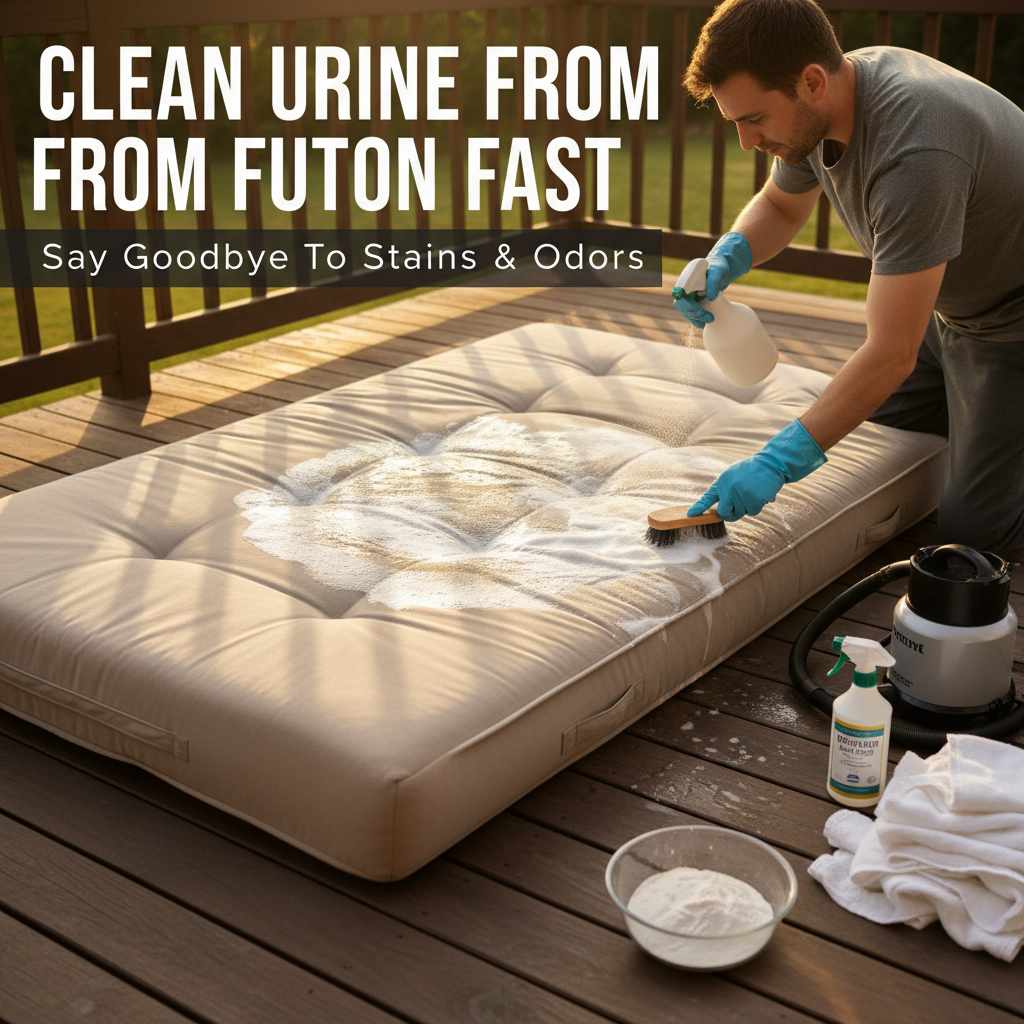
How To Clean Urine From A Futon Mattress Fast
Cleaning urine from a futon mattress involves quick action to blot, an enzymatic cleaner to break down odors and stains, and thorough drying. For stubborn spots or lingering smells, a baking soda paste or vinegar solution can help, followed by good ventilation.

LeakMaster
Queen Sized Fitted Incontinence Mattress Cover by…
- LIQUID PROOF MATTRESS COVER - Made of a California Prop 65 safe vinyl, our mattress cover is an effective barrier to protect your…
- DURABLE BEDDING PROTECTION - Why invest in a great mattress, only to watch it get stained, soiled and damaged? Protect your beddin…
- QUALITY US MADE - All sizes of our mattress cover have a thickness of 7-gauge or millimeters. Thick, elasticized corners ensure co…
As an Amazon Associate I earn from qualifying purchases.

Understanding Futon Mattress Urine Stains
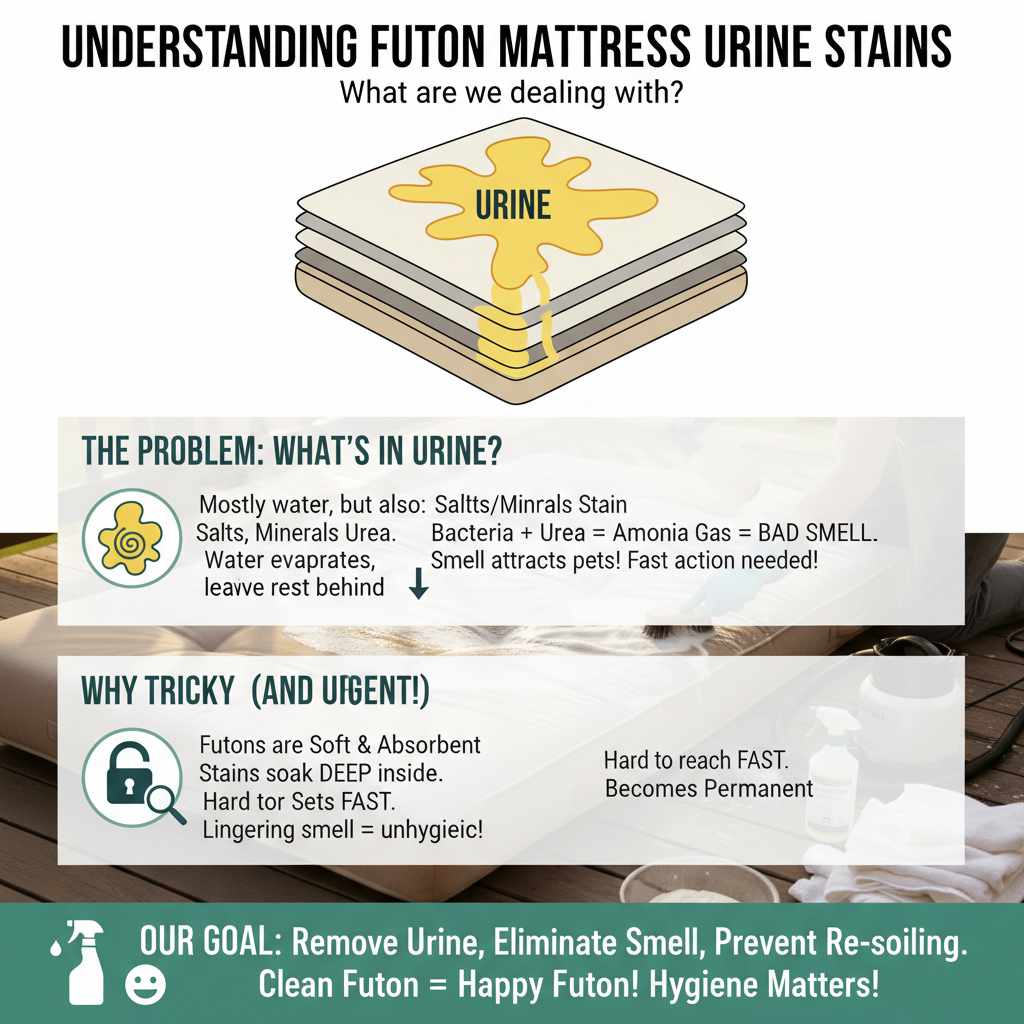
So, what exactly are we dealing with here? Urine is mostly water. But it also has salts, minerals, and other stuff.
When it hits fabric, it soaks in. The water evaporates. But the salts and minerals are left behind.
This causes the stain. And the smell. Your futon mattress is usually soft.
It’s also often a bit hard to get to. This makes cleaning tricky. Getting to the stain deep inside can be tough.
We need to act fast. The longer it sits, the harder it is to remove.
Urine stains can set in. They can become permanent. The smell can linger too.
This is because of bacteria. The bacteria break down the urea in the urine. This process makes ammonia.
Ammonia is what smells bad. It can also attract pets to pee in the same spot again. That’s the last thing we want.
Our goal is to remove the urine. We also want to get rid of the smell. And stop it from coming back.
It’s about more than just looks. It’s about hygiene too. A clean futon is a happy futon.
My Own Futon Urine Mishap
I remember one time, it was late. My cat, a normally well-behaved guy named Mittens, decided my favorite futon was the perfect place to have an accident. I woke up to a strange smell.
I found the spot. Panic set in. It was soaked.
I knew I had to do something right away. I grabbed a stack of paper towels. I pressed down hard.
I kept going until I couldn’t see any more moisture. But the smell was still there. I felt so annoyed.
And a bit grossed out. It felt like a huge mess.
I tried what I thought was a good idea. I sprayed some regular carpet cleaner on it. It helped a little.
But the smell came back. It wasn’t gone. It was just masked.
That’s when I realized I needed a different approach. I needed something that would truly break down the urine. Not just cover it up.
I did some digging. And found out about enzymatic cleaners. They were a game-changer.
They use natural enzymes. These enzymes eat away at the odor-causing molecules. It sounded almost too good to be true.
But it worked. It saved my futon.
Your Go-To Cleaning Toolkit
Before you start, gather these items. Having them ready means you can act fast. Speed is key with urine stains.
You’ll need:
- Paper towels or clean cloths: Lots of them!
- Enzymatic cleaner: This is super important. Look for one made for pet stains or urine.
- Cool water: Never hot water.
- Baking soda: Great for odors.
- White vinegar: Another odor fighter.
- A spray bottle: For mixing solutions.
- A vacuum cleaner: For after it dries.
The Immediate Action: Blotting the Spill
The very first thing to do is blot. Don’t rub! Rubbing spreads the mess.
It pushes it deeper into the futon fibers. Grab a stack of paper towels. Or a clean, absorbent cloth.
Press it firmly onto the wet spot. You want to soak up as much liquid as possible. Lift the towel.
Place a fresh one. Keep pressing. Continue this until you can’t lift any more moisture.
This step is crucial. It removes the bulk of the urine.
Think of it like a sponge. You want to get all the liquid out of the sponge. You wouldn’t scrub a wet sponge, right?
You’d squeeze it. That’s what you’re doing with the futon. This makes the next steps much easier.
And more effective. It also reduces the amount of cleaning product you’ll need. So, blot, blot, and blot some more.
Don’t skip this. It’s the foundation of getting that stain out. And that smell gone for good.
Myth vs. Reality: Urine Cleaning Facts
Myth: Hot water is best for cleaning stains.
Reality: Hot water can actually set urine stains. It can cook the proteins in the urine. This makes the stain harder to remove.
Always use cool water.
Myth: Ammonia-based cleaners are good for urine.
Reality: Urine already contains ammonia. Using ammonia cleaners can make the smell worse. It can confuse pets too.
Stick to enzymatic cleaners.
Using an Enzymatic Cleaner: Your Best Friend
Now comes the magic part: the enzymatic cleaner. This is where you really tackle the odor. And the stain.
Most enzymatic cleaners work by using tiny living organisms, or enzymes. These enzymes eat away at the organic matter in the urine. This breaks down the stain-causing compounds and the odor molecules.
It’s like nature’s little clean-up crew.
Follow the instructions on your cleaner. Usually, you’ll spray it generously onto the affected area. Make sure you cover the entire stain.
And go a little beyond the edges. The cleaner needs to reach all the urine. Sometimes, you need to let it soak in for a while.
It might say 15 minutes. Or maybe even a few hours. Check the label.
Some require you to cover the spot with a damp cloth. This helps keep it moist. So the enzymes can do their work.
Don’t rinse it off too soon. The enzymes need time. They are working after you can no longer see them.
They keep working as it dries. This is a big difference from regular cleaners. You’re not just wiping away a surface stain.
You’re breaking down the source of the problem. This is why it’s so effective for pet accidents. And other organic messes.
Quick-Scan Guide: Steps for Success
| Step | Action |
| 1 | Blot up liquid. |
| 2 | Apply enzymatic cleaner. |
| 3 | Let cleaner work. |
| 4 | Blot again if needed. |
| 5 | Allow to air dry completely. |
| 6 | Vacuum when dry. |
The Importance of Air Drying
After the enzymatic cleaner has done its job, you need to let the futon mattress dry. Completely. This can take some time.
Especially if the spot was large or deep. Don’t try to speed this up with heat. No hair dryers on high heat.
Or direct sun on a very hot day. This can also set any remaining stain. And damage the fabric.
We want natural drying.
Open windows. Use fans. Anything to get good air circulation.
This helps the futon dry evenly. And it helps carry away any lingering smells. A damp futon can lead to mold or mildew.
That’s another problem we don’t want. So, patience is key here. Let it air out until it is totally dry to the touch.
And even a little bit longer to be sure. This is a critical step for preventing future issues.
Dealing with Lingering Odors
Sometimes, even after cleaning, a faint smell might linger. This is normal. Especially if the urine soaked in deeply.
Or if it wasn’t cleaned up right away. Don’t despair. We have a couple of tricks for this.
Baking soda is a fantastic natural odor absorber. Sprinkle a generous amount of baking soda over the dry spot. Or over the entire mattress if you want to freshen it up.
Let the baking soda sit there for several hours. Or even overnight. The longer it sits, the more odor it will absorb.
Then, vacuum it up thoroughly. You should notice a big difference. If the smell is still there, you can try a diluted vinegar solution.
Mix one part white vinegar with two parts cool water in a spray bottle. Lightly mist the area. Don’t soak it.
Vinegar helps neutralize odors.
Let the vinegar solution dry completely. The vinegar smell will go away as it dries. And it will take the urine smell with it.
Again, good air circulation is your friend here. This combination of baking soda and vinegar is powerful. It’s a safe way to tackle tough odors without harsh chemicals.
Many people find this combination works wonders for stubborn smells.
When to Call in the Pros
While DIY methods are great, some situations might need professional help. Consider calling a professional cleaner if:
- The stain is very old and set in.
- The futon mattress is made of a delicate material that you’re afraid to damage.
- You’ve tried multiple methods, and the stain or odor persists.
- The accident involves bodily fluids other than urine, or a large quantity.
Professional cleaners have specialized equipment and solutions. They can often tackle issues that are too difficult for home remedies.
Preventing Future Futon Accidents
Once your futon is clean and fresh, you’ll want to keep it that way. Prevention is always easier than cure. If you have pets, consider using a waterproof futon cover.
These are lifesavers. They create a barrier. Urine can’t soak into the mattress.
They are also easy to wash. This is a simple step that can save you a lot of future headaches.
For children, using a waterproof mattress protector is also a good idea. Accidents happen during potty training. Or if someone is sick.
A protector can catch spills before they reach the mattress. Regularly grooming pets can also help. And providing plenty of opportunities for them to go outside.
For kids, a consistent bedtime routine can reduce nighttime accidents. These small habits go a long way in keeping your futon clean.
Understanding Different Types of Stains
Not all urine stains are the same. The age of the stain matters. Fresh stains are easier to remove.
Old stains might have set into the fibers. The concentration of urine also plays a role. A small amount is easier to handle than a large soak.
And the material of your futon can affect things too. Some fabrics are more absorbent than others.
Synthetic fabrics might be easier to clean. Natural fibers can sometimes absorb more deeply. If your futon has a removable cover, that makes cleaning much simpler.
You can often wash the cover separately. Check the care label for specific instructions. If the cover is not removable, you’ll need to treat the mattress itself.
Futon Mattress Urine Cleaning: A Step-by-Step Summary
Here’s a quick run-through of the process:
- Act Fast: Blot up as much liquid as possible with paper towels.
- Enzymatic Cleaner: Apply a good quality enzymatic cleaner to the stain. Follow product directions.
- Let It Work: Allow the cleaner to soak in and break down odors and stains.
- Air Dry: Let the mattress air dry completely. Use fans for circulation.
- Odor Control: If needed, sprinkle baking soda and vacuum. Or use a diluted vinegar spray.
- Prevent: Use waterproof covers to protect your futon.
What if it’s an Old, Set-In Stain?
If you’re dealing with a stain that’s been there for a while, it’s tougher. But not impossible. You’ll likely need to repeat the cleaning process.
More than once. Start with thorough blotting. Then apply the enzymatic cleaner.
You might need to let it sit longer. Sometimes, up to 24 hours. Ensure the area stays slightly damp.
This helps the enzymes work.
After the initial treatment, allow it to dry. Then assess. If the stain is still visible, repeat.
You might also consider a paste of baking soda and water. Apply this to the stain. Let it dry completely.
Then brush or vacuum it off. This can help lift stains. For very old or stubborn stains, a hydrogen peroxide solution can be effective.
Mix 1 part 3% hydrogen peroxide with 2 parts cool water. Test this in an inconspicuous spot first. It can lighten some fabrics.
Apply sparingly with a cloth. Blot gently. Do not saturate.
Let it sit for about 10 minutes. Then blot with a clean, damp cloth. And let it air dry.
This requires patience. And persistence. The key is to not give up after the first try.
Old stains are a challenge. But they can often be managed. The goal is to lighten the stain as much as possible.
And eliminate the odor.
The Role of Vinegar
White vinegar is a natural disinfectant. It’s also great at neutralizing alkaline odors like urine. It’s a safe and effective addition to your cleaning arsenal.
When you use the diluted vinegar spray mentioned earlier, it works by breaking down the ammonia. This is what creates the bad smell. As the vinegar evaporates, the odor goes with it.
It’s important to dilute the vinegar. Undiluted vinegar can be too strong for some fabrics. And the smell of vinegar itself can be off-putting.
But once it dries, the vinegar smell disappears. And the urine smell should be gone with it. It’s a natural and eco-friendly solution.
Many people prefer using vinegar over chemical cleaners. Especially for pet messes.
When is it Okay to Rub?
Generally, avoid rubbing urine stains. However, after the initial blotting and enzymatic cleaner has worked, and the area is mostly dry, you might gently buff the area with a clean, damp cloth. This is not aggressive rubbing.
It’s more of a gentle buffing motion to help lift any residual residue. Always blot first. Then use gentle motions if needed.
Checking for Residual Moisture
It’s vital to ensure the futon mattress is completely dry. Feel it. Press down.
Are there any damp spots? Any cool-feeling areas? If you detect any moisture, more drying time is needed.
Even a little bit of dampness can lead to mold or mildew. This can create new odors. And damage the mattress.
Fans and open windows are your best friends here.
You can also place the futon in a well-ventilated area. If it’s warm and sunny, but not too hot, placing it outside for a few hours can work wonders. Just be sure to protect it from direct, intense sun for too long.
And bring it in if there’s any chance of rain. Thorough drying is as important as the cleaning itself. It prevents further problems.
And ensures a fresh outcome.
The Final Vacuuming Step
Once the futon mattress is completely dry, give it a good vacuum. This is especially important if you used baking soda. The vacuum will pick up any leftover baking soda.
It will also help to lift the fibers of the mattress. This restores its loft and comfort. And it helps to remove any lingering dry particles or odors.
Use an upholstery attachment on your vacuum. Go over the entire surface of the mattress. Pay special attention to the area you cleaned.
A good vacuuming can make a big difference in how fresh the futon feels. It’s a simple step, but it completes the cleaning process nicely.
When to Consider a Futon Cover
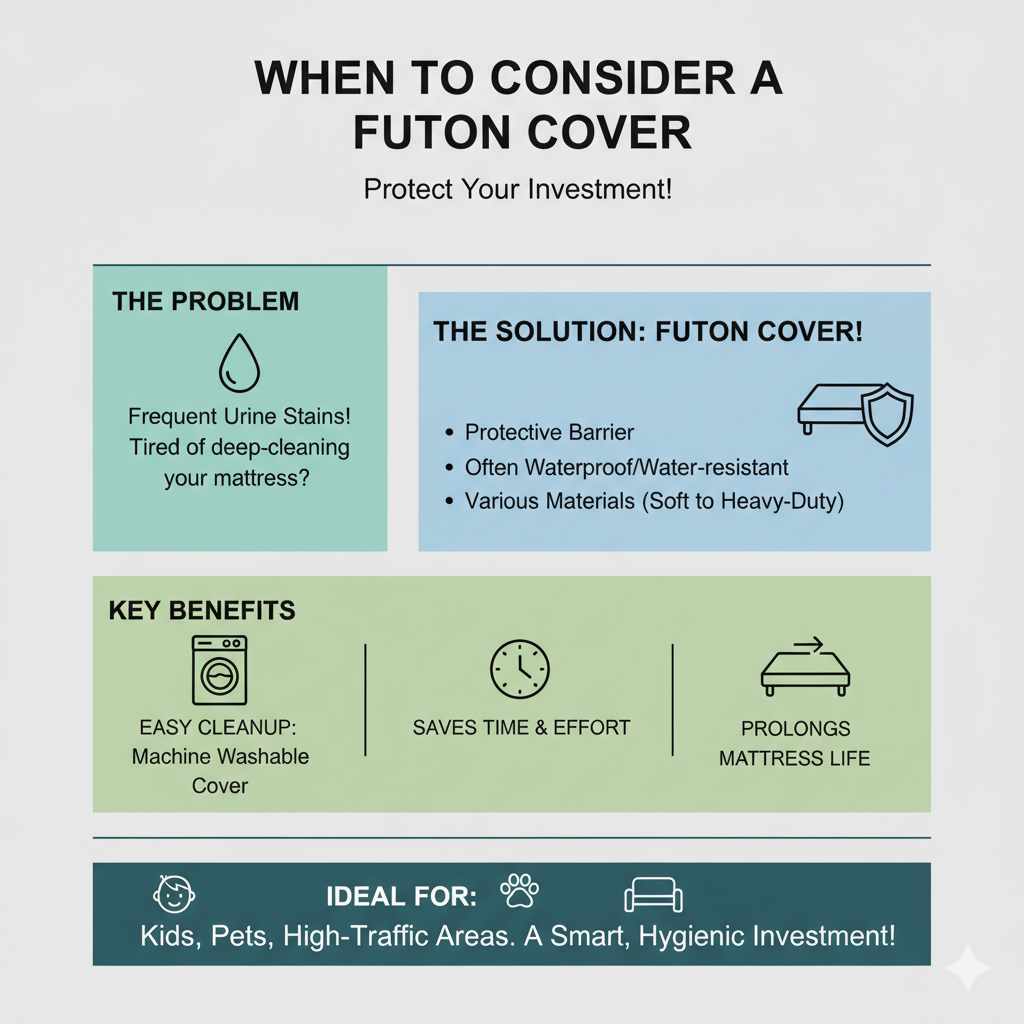
If you find yourself cleaning urine stains more than you’d like, it’s time to invest in a good quality futon cover. These covers are designed to protect your mattress. Many are waterproof.
Or at least water-resistant. They come in various materials. Some are made of soft, breathable fabric.
Others are more heavy-duty. Look for one that fits your futon well. A snug fit prevents shifting.
A cover makes future cleanups so much easier. Instead of cleaning the mattress, you can often just toss the cover in the washing machine. This saves you time and effort.
It also prolongs the life of your futon mattress. It’s a practical investment for any futon owner. Especially those with kids or pets.
Or if your futon is in a high-traffic area.
Frequently Asked Questions About Futon Urine Stains
How quickly should I clean a urine stain on a futon?
You should clean a urine stain as quickly as possible. The sooner you blot up the excess liquid, the easier it will be to remove the stain and odor. Fresh stains are always easier to tackle than old ones.
Can I use bleach on a futon mattress for urine?
It is generally not recommended to use bleach on a futon mattress. Bleach can damage the fabric. It can also set stains.
And it can create harmful fumes. Stick to gentler, more specialized cleaners like enzymatic cleaners.
Will the smell of urine ever go away completely?
Yes, the smell of urine can go away completely if treated properly. The key is to use an enzymatic cleaner. This cleaner breaks down the odor-causing molecules.
Proper drying and deodorizing with baking soda or vinegar can also help ensure the smell is gone.
How do I know if I’ve removed all the urine?
After cleaning and drying, the best way to check is by smell. Once the area is completely dry, sniff it. If you can still detect any urine odor, more cleaning may be needed.
You can also use a black light in a dark room; urine stains may show up under black light.
What is the best way to clean a large urine spill on a futon?
For a large spill, you’ll need to blot up as much liquid as possible first. Then, use a generous amount of enzymatic cleaner. You might need to apply it in sections.
Ensure good ventilation during the drying process. You may need to repeat the process if the spill was extensive.
Can I flip my futon mattress if it has a urine stain?
If the stain is still wet, flipping the futon might spread the mess. It’s best to treat the stain first. Once the mattress is completely clean and dry, you can flip it.
If you have a waterproof cover, this is less of a concern.
Final Thoughts on Futon Freshness
Dealing with a urine stain on your futon mattress can feel like a disaster. But with the right approach, you can bring it back to life. Remember to act fast.
Blot first, then use a good enzymatic cleaner. Give it plenty of time to dry. And don’t forget the power of baking soda and vinegar for lingering odors.
With a little effort, your futon will be fresh and inviting again.
Related pick: Check today's price on Amazon
Products related to this article
Sponsored / affiliate links. As an Amazon Associate I earn from qualifying purchases. I may earn additional commission from eligible campaigns.