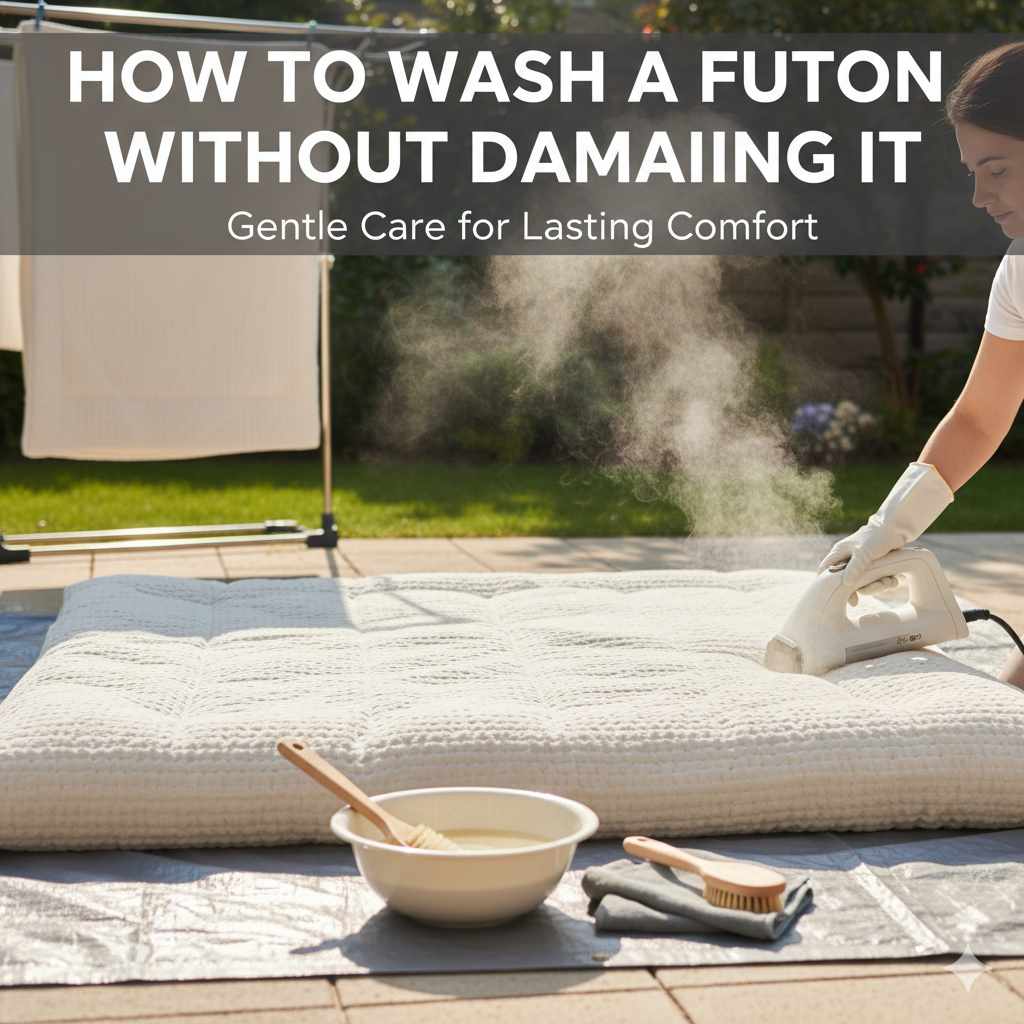
How To Wash A Futon Without Damaging It
Washing a futon involves carefully cleaning its removable cover and, if necessary, spot-treating or airing out the mattress itself. Always check the care tag first. Most covers can be machine washed on a gentle cycle with mild detergent, then air-dried. The futon mattress usually requires gentle spot cleaning and thorough drying to prevent mold or mildew.
Understanding Your Futon and Its Parts
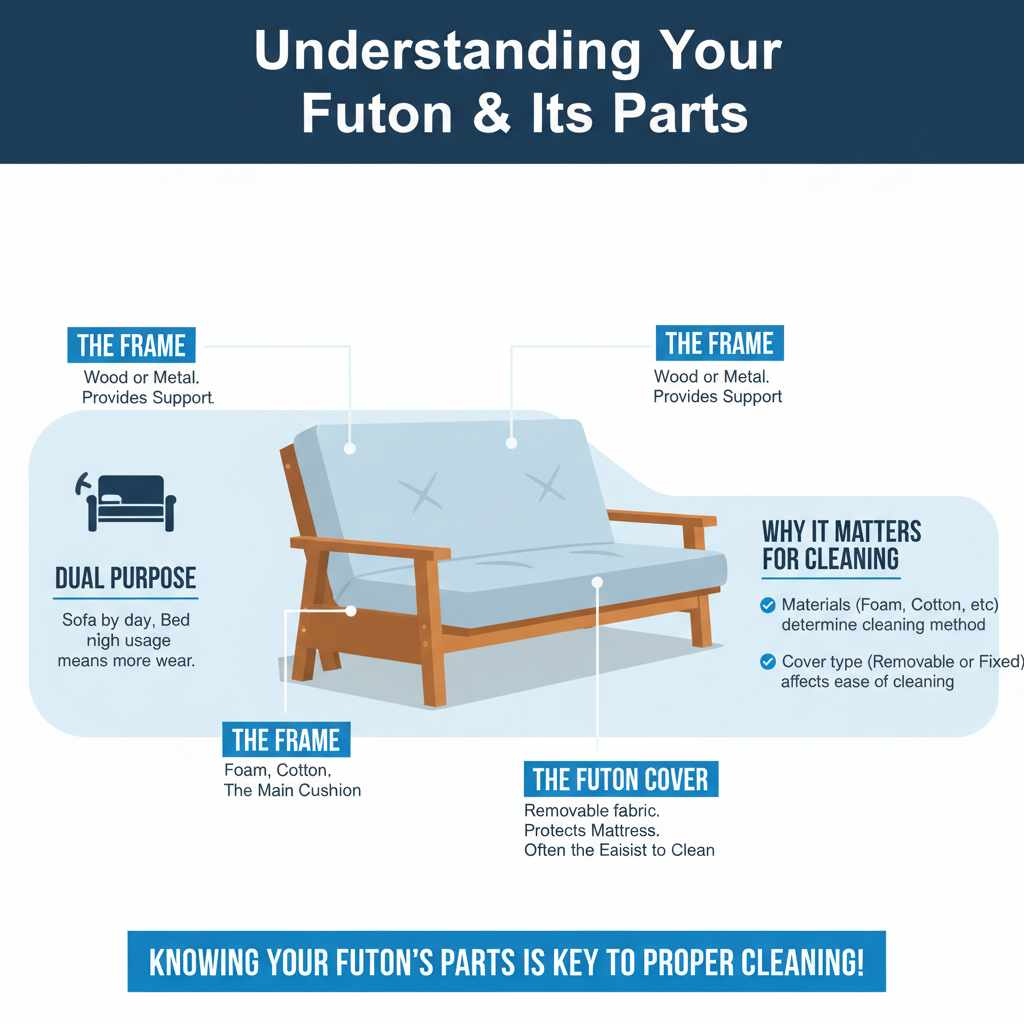
A futon is a clever piece of furniture. It’s often a sofa by day and a bed by night. This dual purpose means it gets used a lot. Because of this, it’s prone to spills, dust, and general wear and tear. Understanding its basic parts is key to cleaning it well. You have the frame, of course, which is usually wood or metal. Then you have the futon mattress itself. This is the thick cushion. Finally, there’s the futon cover, which is like a slipcover for the mattress. This cover is often the part that gets the dirtiest. It’s also usually the easiest part to clean.
The way your futon is made matters. Some covers are fully removable. Others might be attached. Some mattresses are made of foam, while others have springs or cotton batting inside. All these differences affect how you should clean them. Knowing what you’re dealing with is the first big step toward a successful cleaning job. It stops you from guessing and possibly making a mistake.
Checking the Care Tag: Your Cleaning Compass
This might seem obvious, but it’s super important. Most futon covers, and sometimes even the mattresses themselves, have a small tag attached. This tag is like a secret code of instructions from the maker. It tells you exactly how they want you to clean it. Look for symbols or words like “machine washable,” “dry clean only,” or “spot clean.”
If the tag says “dry clean only,” this means you should not attempt to wash it with water yourself. Taking it to a professional dry cleaner is the safest bet. If it says “spot clean,” you’ll need to use a damp cloth and mild cleaner on specific dirty spots. But if it says “machine washable,” you’re in luck! This is the easiest scenario. Always check this tag before you do anything else. It could save you a lot of trouble later.
Cleaning the Removable Futon Cover
Most futon covers are designed to be cleaned. This is where you’ll likely see the most improvement. Removing the cover is the first step. It usually unzips or has ties. Once it’s off, inspect it for any obvious stains. Treating these stains before washing can make a big difference.
For general washing, use a mild detergent. This is gentler on the fabric. Set your washing machine to a gentle or delicate cycle. Use cold or lukewarm water. Hot water can sometimes shrink fabrics or fade colors. Don’t overload the washing machine. Give the cover plenty of room to move around.
Quick Wash Tips for Futon Covers
- Pre-treat Stains: Dab gently with a stain remover before washing.
- Gentle Cycle: Always use the delicate setting.
- Cold Water: Avoid hot water to prevent shrinking and fading.
- Mild Detergent: Choose a gentle, dye-free option.
- Air Dry: Never use a machine dryer if you can help it.
After washing, the most crucial part is drying. Never put a futon cover in a hot dryer unless the tag explicitly says it’s okay. High heat can cause severe shrinking and damage the fabric. The best method is air drying. Hang the cover outside on a breezy day or lay it flat on a clean surface indoors. Make sure it’s completely dry before putting it back on the mattress. Dampness can lead to mildew.
If your cover is not removable, this changes things. You’ll need to focus on spot cleaning and perhaps using a fabric cleaner designed for upholstery. We’ll talk more about that later. But for now, if you have a removable cover, treat it gently and follow these washing steps.
Spot Cleaning Your Futon Mattress
This is where things can feel a bit trickier. The futon mattress itself is usually not meant to be submerged in water. Most are filled with materials like cotton, foam, or fiberfill. Soaking it can damage these fillings and lead to long drying times. This can cause mold and mildew to grow. That’s a much bigger problem to fix!
For spills or small spots, spot cleaning is your best friend. Get a clean cloth or sponge. Dampen it slightly with cool water. You can add a tiny bit of mild soap or a special upholstery cleaner designed for fabrics. Test this cleaner on an inconspicuous spot first. This way, you can see if it discolors the fabric.
Spot Cleaning Best Practices
- Act Fast: Clean spills immediately for best results.
- Damp, Not Wet: Use minimal moisture.
- Gentle Rubbing: Blot or dab; avoid harsh scrubbing.
- Mild Solution: Use water and a little soap or upholstery cleaner.
- Test First: Always test cleaners in a hidden area.
- Dry Thoroughly: Air dry completely.
When you clean a spot, work from the outside of the stain inward. This helps prevent the stain from spreading. After cleaning, use a separate, damp cloth with just water to rinse the area. This removes any soap residue. Then, blot the area with a dry towel. The goal is to get as much moisture out as possible.
Drying is the most critical part of spot cleaning. You need to let the mattress air dry completely. You can help this process by placing a fan near the damp spot. You can also try to prop the mattress up to allow air circulation all around it. If the mattress is very wet, this could take a day or two. Patience here is key to avoiding mold.
Deep Cleaning and Deodorizing
Sometimes, a futon needs more than just spot cleaning. It might have an overall musty smell or just feel not quite fresh. For this, you can try a few methods. First, vacuum the entire mattress thoroughly. Use the upholstery attachment on your vacuum cleaner. Get into all the seams and crevices. This removes dust, dirt, and allergens.
To tackle odors, baking soda is a fantastic natural deodorizer. Sprinkle a generous amount of baking soda over the entire mattress. Let it sit for several hours, or even overnight if possible. Baking soda absorbs smells. After it has sat, vacuum it all up thoroughly. This can make a noticeable difference in how your futon smells.
Deodorizing Steps
- Vacuum First: Remove loose debris and dust.
- Baking Soda Power: Sprinkle evenly over the entire surface.
- Let it Sit: Allow at least 4-8 hours for absorption.
- Thorough Vacuuming: Remove all baking soda residue.
- Sunlight & Air: If possible, let the mattress air out in the sun.
Another good way to refresh a futon mattress is to let it air out. If you can, move the mattress outside into the sunshine and fresh air for a few hours. Sunlight can help kill bacteria and freshen the fabric. Just make sure it’s not raining and that the sun isn’t too harsh, which could fade colors.
For very stubborn smells or stains that spot cleaning didn’t fully remove, you might consider a steam cleaner. However, use extreme caution with steam. You want to use it on the lowest setting and ensure the mattress doesn’t become saturated. Always test in a hidden area first and allow for ample drying time. The risk of mold is higher with steam if not done carefully.
When the Cover Isn’t Removable
This is a more challenging situation. If your futon cover is permanently attached, you can’t just toss it in the wash. You have to treat the entire futon mattress as a single unit. This means you’ll rely heavily on spot cleaning and surface treatments. You cannot soak the mattress.
Start with vacuuming the entire surface. Then, use an upholstery cleaner designed for furniture. Follow the product instructions carefully. Spray a light mist onto a cloth, not directly onto the futon. Gently wipe the fabric. Work in sections. Avoid oversaturating the material. You don’t want water to seep deep into the inner padding.
Cleaning Non-Removable Covers
- Vacuum Thoroughly: Remove all surface dust and debris.
- Upholstery Cleaner: Use a product specifically for furniture.
- Apply to Cloth: Never spray directly onto the futon.
- Light Mist: Avoid soaking the fabric.
- Blot Gently: Work from outside of stains inward.
- Air Dry Completely: Ensure no moisture remains.
After cleaning any spots, you need to “rinse” the cleaned area by wiping it with a cloth dampened only with clean water. This removes detergent residue. Then, blot with a dry towel. Ensure the entire futon dries completely. Again, fans and open windows can help. This can take a long time, possibly 24 hours or more.
For overall freshening, the baking soda trick works well even on non-removable covers. Sprinkle it all over, let it sit, and vacuum it up. You can also try airing it out in the sun if possible. The key here is using the least amount of moisture possible to avoid internal damage.
Drying is Everything: Preventing Mold and Mildew
I cannot stress this enough: thorough drying is vital. When you wash a futon cover or spot clean the mattress, you introduce moisture. If this moisture doesn’t dry completely, it creates a perfect environment for mold and mildew. These can ruin your futon and are bad for your health.
Always aim for air drying. If you washed a cover, hang it up. If you spot cleaned the mattress, make sure air can circulate around the damp area. Open windows, use fans, or even a dehumidifier in the room. Avoid using heat from a dryer or a powerful heater directly on the futon, as this can damage fibers or cause uneven drying.
Drying Checklist
- Check Tag: What does it say about drying?
- Air Dry is Best: Hang covers or prop mattresses.
- Ventilation: Open windows and use fans.
- Avoid Heat: High heat can cause damage.
- Feel for Dampness: Ensure it’s totally dry before use.
- Sunlight Boost: If possible, a little sun helps.
How long does it take? It varies. A thin cover might dry in a few hours. A thick mattress could take 24-48 hours or even longer, depending on how damp it got. You might need to gently press on different parts of the mattress to feel for any remaining moisture. If it feels even slightly damp, let it dry longer.
My experience has shown me that rushing the drying process is a common mistake. I once tried to put a futon cover back on too soon. It led to a musty smell that took weeks to get rid of. Lesson learned: always wait until it’s bone dry, no matter how long it takes.
When to Call a Professional
While most futon cleaning can be done at home, there are times when it’s best to call in the experts. If your futon has a “dry clean only” tag, attempting to wash it yourself could lead to irreversible damage. Professionals have the right solvents and equipment to handle these delicate materials safely.
Large, stubborn stains that you can’t remove with home methods are another reason to seek professional help. This includes things like ink, pet accidents that have deeply soaked in, or large grease stains. They have stronger, specialized cleaners that can tackle these without harming the fabric or filling.
Situations for Professional Cleaning
- “Dry Clean Only” Tag: Always follow care instructions.
- Large or Set-In Stains: Ink, heavy pet stains, grease.
- Delicate Fabrics: Silk, velvet, or antique materials.
- Extensive Odors: If home methods fail.
- Water Damage: If the futon has been heavily soaked.
If your futon has developed a strong, persistent odor that baking soda and airing out haven’t fixed, a professional cleaning service might be able to help. They can often deep clean and deodorize more effectively. Also, if you’re unsure about the fabric type or the best cleaning method, it’s safer to consult a professional. They have the expertise to diagnose the problem and provide the best solution.
I remember a friend who had a vintage futon with a very delicate tapestry cover. She was tempted to try cleaning it herself after a small spill. Thankfully, she asked me first. I strongly advised her to take it to a professional who specializes in antique textiles. She did, and they saved it. It was a good reminder that sometimes, our best effort at home isn’t enough.
Preventative Measures: Keeping Your Futon Cleaner Longer
The best way to avoid difficult cleaning jobs is to prevent the futon from getting dirty in the first place. This sounds simple, but it makes a huge difference. One of the easiest things you can do is use a futon mattress protector. These are designed to fit over the mattress and are usually waterproof or at least water-resistant.
When spills happen, a protector can stop the liquid from reaching the mattress itself. Many protectors are machine washable, making cleanup much easier. You can also get specific futon covers made from stain-resistant fabrics. These are often easier to wipe down than traditional upholstery.
Prevention Tips
- Use a Mattress Protector: Essential for spills and accidents.
- Futon Covers: Consider washable or stain-resistant options.
- No Food/Drinks: Try to avoid eating or drinking on the futon.
- Regular Vacuuming: Dust and debris can set into fabric.
- Immediate Spill Cleanup: Address accidents right away.
- Pet Considerations: Keep pets off if they shed or have accidents.
Regularly vacuuming your futon, both the mattress and any frame components, helps remove dust and allergens. This prevents them from becoming embedded in the fabric. If you eat on your futon, try to do so over a tray or placemat. This catches crumbs and catches drips.
For homes with pets, consider a futon cover that is easy to wash or a durable, pet-friendly fabric. Brushing pets regularly can also reduce shedding onto the futon. These small habits can significantly extend the life and appearance of your futon, making cleaning less of a chore and more of a routine upkeep.
What This Means for You: Keeping Your Futon Fresh
Knowing how to wash your futon means you can keep it looking and feeling good for years. It’s not as complicated as it might seem at first. The key is to understand your specific futon and its materials. Always start by checking that care tag.
For most futons, the removable cover can be washed on a gentle cycle. The mattress itself needs careful spot cleaning and thorough air drying. If you follow these steps, you can tackle spills, stains, and general dinginess without causing damage. The goal is to preserve the fabric and prevent moisture problems like mold.
Key Takeaways
- Check the Tag: Your first and most important step.
- Removable Covers: Wash gently, air dry completely.
- Mattress: Spot clean, use minimal water, dry thoroughly.
- Drying is Critical: Prevent mold by ensuring full dryness.
- Prevention is Key: Use protectors and clean covers.
- Know When to Call Pros: For difficult stains or delicate fabrics.
By using the right methods, you can refresh your futon and keep it a comfortable spot for sitting and sleeping. Don’t be afraid to tackle it. With a little care and attention, your futon can look much better. It’s about making your space clean and cozy again. This knowledge helps you maintain your furniture and save money on replacements.
Quick Fixes and Tips for Futon Care
Let’s quickly recap some easy tips that make a big difference. If you have a small spill, grab a clean, dry cloth immediately. Blot up as much as you can. This stops it from setting into the fabric.
For odors, a simple sprinkle of baking soda left overnight can work wonders. Vacuum it up thoroughly afterward. If your futon seems to have static cling, a dryer sheet lightly wiped over the fabric can help. This is a quick fix that many people overlook.
Speedy Futon Care Tips
- Immediate Blotting: For spills, blot, don’t rub.
- Baking Soda Magic: For odors, let it sit and then vacuum.
- Static Control: Use a dryer sheet lightly.
- Fabric Refresher Spray: Lightly mist for a fresh scent.
- Rotate Mattress: Turn it over and rotate every few months.
Rotating your futon mattress every few months helps it wear more evenly. This means it will stay comfortable and supportive for longer. If you have a separate futon cover, try to wash it regularly, perhaps every season. This keeps it fresh and prevents dirt buildup.
Sometimes, just airing out the futon for a few hours can make it feel new again. Open the windows, let some fresh air in, and let the mattress breathe. These small, easy steps can keep your futon looking great and feeling clean without a lot of effort.

Frequently Asked Questions About Futon Cleaning
Can I wash my entire futon mattress in the washing machine?
No, you generally cannot wash an entire futon mattress in a standard washing machine. Most futon mattresses are too large and contain fillings like foam or cotton that would be ruined by submersion and machine agitation. It’s best to spot clean and air dry.
How do I get out a stain on my futon?
For stains, act quickly. Blot up excess liquid. Use a mild soap and water solution or an upholstery cleaner. Test in a hidden spot first. Gently dab the stain from the outside in. Rinse with a damp cloth and then blot dry. Always allow the area to air dry completely.
My futon smells musty. How can I fix it?
To remove musty odors, sprinkle baking soda liberally over the entire futon mattress. Let it sit for several hours or overnight. Then, vacuum it up thoroughly. Letting the futon air out in sunlight and fresh air can also help significantly.
Can I put my futon cover in the dryer?
It depends on the fabric and the care tag. Most futon covers should be air-dried. High heat from a dryer can cause shrinking and damage the material. Always check the care label. If it’s not specified, air drying is the safest option.
What if my futon cover is not removable?
If the cover is not removable, you must treat the entire futon as a single unit. Focus on spot cleaning with an upholstery cleaner. Use minimal moisture and ensure the entire mattress dries thoroughly afterward to prevent internal damage.
How often should I clean my futon?
It’s good to vacuum your futon regularly, perhaps weekly or bi-weekly, to remove dust. Wash the cover seasonally or when it looks dirty. For the mattress, spot clean spills immediately. A deeper clean or deodorizing can be done every 6-12 months, or as needed.
Conclusion: A Fresh Futon Awaits
Washing a futon might seem daunting, but it’s manageable. By following these steps, you can confidently clean both the cover and the mattress. Remember to check tags, use gentle methods, and prioritize thorough drying. Your futon will thank you, offering comfort and a fresh feel for longer.
Products related to this article
Sponsored / affiliate links. As an Amazon Associate I earn from qualifying purchases. I may earn additional commission from eligible campaigns.