
A Japanese futon is a floor bedding set made of a thin, foldable mattress called the shikibuton and a quilt called the kakebuton, stored away each morning to free up the room. Confuse it with the Western futon, a wood or metal frame that folds into a couch, and you will buy the wrong product entirely, since the two share only a name. This guide covers the real components, how to set one up, and how to care for it.
For another cleaning or care problem, How To Deep Clean A Sofa Like A Pro gives readers a useful next step. For a closely related home or decor topic, How To Decorate Above A Sofa gives readers a useful next step, and Japanese Futon vs Air Mattress is worth reading if you are still deciding between the two.
The Great Futon Misconception: Japanese Futon vs. Western Futon
The biggest point of confusion for most people is the difference between a Japanese futon and the piece of furniture sold as a “futon” in stores across North America and Europe. They share a name, but they are completely different items with different purposes. Understanding this difference is the first step to appreciating the traditional Japanese futon.
A Western futon is essentially a convertible sofa. It has a thick mattress that sits on a heavy frame, usually made of wood or metal. During the day, it functions as a couch. At night, the frame can be unfolded or flattened to create a bed. It is a piece of furniture that stays in one spot.
A Japanese futon, on the other hand, is not furniture. It is bedding. It is a lightweight, frameless sleep system that you place directly on the floor, ideally on a tatami mat. Its most important feature is that it is portable. Every morning, it gets folded up and put away in a closet, freeing up the entire room for other activities. Let’s look at a clear comparison.
| Feature | Japanese Futon | Western Futon |
|---|---|---|
| Primary Use | Bedding for sleeping on the floor | A sofa that converts into a bed |
| Components | Mattress (shikibuton), quilt (kakebuton), pillow (makura) | A single thick mattress and a heavy frame |
| Thickness | Thin and lightweight (usually 2-4 inches) | Thick and heavy (usually 6-8 inches) |
| Frame | None; placed directly on the floor | Required; usually made of wood or metal |
| Storage | Folded and stored daily in a closet | Stays in place as a permanent piece of furniture |
| Mobility | Highly portable and easy to move | Heavy and difficult to move |
As you can see, they are worlds apart. The Japanese futon is about flexibility, minimalism, and making the most of your living space. The Western futon is about combining two pieces of furniture into one.

What Are the Components of a Japanese Futon Set?
A complete Japanese futon set, or futon-gumi, is more than just a mattress. It is a carefully designed system where each part has a specific role. Understanding these components helps you appreciate how it all works together to provide a comfortable night’s sleep.
The Shikibuton (敷き布団): The Mattress
The shikibuton is the foundation of the set. It is the bottom mattress that you lie on. It is much thinner than a Western mattress, typically around 2 to 4 inches thick. This thinness provides a firm, supportive sleeping surface. Traditionally, shikibuton were filled with 100% cotton, which is soft yet supportive. Today, you can also find them filled with wool, silk, or modern polyester blends that are lighter and more resistant to moisture.
Best Japanese Futon Pick
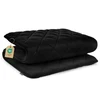
Aircliff Japanese Floor Futon Mattress Roll Up Tatami Mat – $69.99
An affordable roll-up shikibuton-style mattress matching the foldable, floor-based design this guide describes as the core of a Japanese futon set.
- Best for: A budget entry point for trying the Japanese floor-sleeping style
- Why we picked it: Roll-up design matches the fold-and-store daily routine this guide describes for a real shikibuton
- Main drawback: Thinner padding than the premium Made-in-Japan options
Compare more shikibuton floor mattresses
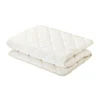 Option 1 Moririn Japanese Floor Futon Mattress Made in Japan Twin XL – $189.99
|
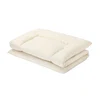 Option 2 Moririn Japanese Futon Floor Mattress Firm Core Made in Japan – $159.99
|
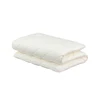 Option 3 Fuli Japanese Futon Twin Size Foldable Shikibuton – $316.00
|
As an Amazon Associate we earn from qualifying purchases.
The Kakebuton (掛け布団): The Comforter
The kakebuton is the quilt or comforter that you cover yourself with. It is known for being incredibly lightweight yet very warm. Traditional kakebuton are filled with hand-pulled silk, which creates a breathable and insulating layer. Modern versions often use high-quality synthetic fills that mimic the properties of silk. The kakebuton is almost always used with a decorative and protective cover that can be removed and washed easily.
The Makura (枕): The Pillow
The makura is the Japanese pillow. Traditional makura are quite different from the soft, fluffy pillows common in the West. They were often smaller, firmer, and filled with natural materials like buckwheat hulls (sobagara), beans, or rice husks. Buckwheat pillows are still popular today because they conform to the shape of your head and neck, providing excellent support and allowing for air circulation. Of course, softer, more modern pillows are also widely used with futons now.
The Tatami Mat (畳): The Foundation
While not technically part of the futon set, the tatami mat is the traditional surface for it. Tatami are mats made from woven rush grass with a rice straw core. They are firm yet have a slight give, making them the perfect base for a futon. The grass material allows air to circulate beneath the shikibuton, which is crucial for preventing moisture and mold buildup. If you do not have tatami floors, you can use a foldable tatami mat or a special underlay mat to achieve a similar effect on hardwood or carpeted floors.
How to Set Up and Use Your Japanese Futon: A Step-by-Step Guide
Setting up a Japanese futon is a simple and quick ritual. Once you do it a few times, it becomes a natural part of your evening routine. Here’s how to do it correctly:
- Prepare Your Space: First, make sure the floor area where you will sleep is clean. A quick sweep or vacuum is all it takes. This ensures your futon stays fresh and clean.
- Lay the Foundation: If you are not sleeping on a tatami floor, lay down your base layer. This could be a foldable tatami mat, a slat base, or a foam under-mattress. This layer provides cushioning and, more importantly, promotes airflow under the shikibuton.
- Unfold the Shikibuton: Take your shikibuton from its storage place (usually a closet, or oshiire). Unfold it and lay it flat on top of your foundation mat. Smooth out any wrinkles.
- Add the Sheets: Just like with a Western bed, you will want to use sheets for hygiene. Place a fitted sheet or a flat sheet over the shikibuton. You should also use a duvet cover for your kakebuton. This makes cleaning much easier, as you only need to wash the covers.
- Place the Kakebuton and Makura: Lay your kakebuton on top of the shikibuton. Place your makura (pillow) at the head. Your bed is now ready for a restful night’s sleep.
The whole process takes just a few minutes. It is a mindful activity that signals the end of the day and prepares you for rest.
The Art of Futon Care: Keeping Your Bedding Fresh and Clean
Because a Japanese futon lies on the floor and is made of natural materials, proper care is essential to keep it comfortable, hygienic, and long-lasting. This involves a few simple, regular routines.
Daily Storage: The Fold-and-Stow Routine
This is the most important habit to develop. A futon should not be left on the floor all day. It needs to breathe. Each morning after you wake up, you should fold your futon and store it. This allows any moisture absorbed during the night to evaporate. It also instantly transforms your bedroom back into a living space. Simply fold the shikibuton and kakebuton into thirds and place them in a deep closet, on a shelf, or in a corner of the room.
Airing Out Your Futon (Futon-hoshi 布団干し)
Airing your futon in the sun is a critical part of its care. The sun acts as a natural disinfectant and dehumidifier. It kills dust mites, prevents mold, and restores the fluffiness of the cotton filling. You should aim to do this at least once a week, or more often in humid climates.
Simply hang your shikibuton and kakebuton over a balcony railing, a clothesline, or out a sunny window for a few hours. According to the Asthma and Allergy Foundation of America, exposure to sunlight can help reduce allergens like dust mites. Flip it halfway through to ensure both sides get sun.
Beating the Futon (Futon Tataki)
While the futon is airing out, you might see people in Japan beating their futons with a special tool that looks like a carpet beater, called a futon tataki. This helps to knock out dust, dander, and other small particles from deep within the fibers. It is a satisfying way to get your futon extra clean.
Washing and Cleaning
The futon itself (the shikibuton and kakebuton) is not designed to be washed in a home machine. You should always use removable covers for both and wash these covers weekly, just as you would with regular bed linens. If the futon itself gets dirty or needs a deep clean, it should be taken to a professional cleaner that specializes in futons.
The Pros and Cons of Sleeping on a Japanese Futon
Switching to a Japanese futon is a big change for many people. It comes with a unique set of benefits and a few potential challenges. Considering both sides can help you decide if it is the right choice for you.
The Benefits of a Futon Lifestyle
- Saves Tremendous Space: This is the most obvious advantage. By storing your bed away each day, you gain a huge amount of floor space. A bedroom can become a home office, a yoga studio, or a playroom in minutes. This is ideal for small apartments and minimalist living.
- Potential Health Benefits: Many people find that the firm support of a futon helps with back pain. A firm surface can promote better spinal alignment during sleep. Research from Harvard Health Publishing suggests that a medium-firm to firm mattress is often best for those with lower back pain.
- Cost-Effective: A high-quality futon set is often much less expensive than a traditional bed, which requires a mattress, box spring, and frame.
- Hygienic and Clean: With regular sunning and beating, a futon can be kept remarkably free of dust mites and allergens. The ease of washing the covers also contributes to a cleaner sleeping environment.
- Portable and Versatile: A futon is easy to move. You can change your sleeping spot, take it with you when you move, or use it as a comfortable bed for guests.
Potential Drawbacks to Consider
- Adjustment Period: If you are used to a soft mattress, a futon will feel very firm at first. It can take a week or two for your body to adjust to the new level of support.
- Physical Effort: The daily routine of folding, lifting, and storing the futon requires some physical effort. This may be difficult for individuals with back problems or mobility issues.
- Closeness to the Floor: Being on the floor means you are closer to dust and drafts. It can also feel colder in the winter. Regular cleaning of the floor is a must.
- Getting Up and Down: For some people, especially older adults or those with knee or hip problems, getting up from the floor can be challenging.
Who Should Try a Japanese Futon?
A Japanese futon is an excellent choice for a variety of people. If you fit into any of these categories, it might be perfect for you:
- City Dwellers in Small Apartments: Anyone living in a studio or a small apartment can benefit from the space-saving magic of a futon.
- Minimalists: If you love a clean, uncluttered look and want to live with fewer, more purposeful possessions, a futon fits perfectly with a minimalist ethos.
- People with Back Pain: If you suspect a soft mattress is contributing to your back issues, the firm support of a shikibuton could provide relief. (Always consult a doctor for medical advice.)
- Budget-Conscious Individuals: A futon can be a high-quality, long-lasting sleep solution without the high price tag of a conventional bed.
- Hosts with Frequent Guests: A futon set is the ultimate guest bed. It is far more comfortable than an air mattress and can be easily stored when not in use.

FAQ: Your Japanese Futon Questions Answered
Is a Japanese futon comfortable?
Comfort is subjective, but many people find them very comfortable once they adjust. A Japanese futon provides firm, even support rather than a soft, sinking feeling. If you like a firm sleeping surface, you will likely find it very comfortable.
Can I put a Japanese futon on a bed frame?
You can, but it defeats the purpose of easy storage and space-saving. If you do, it is best to use a low-profile slat frame that allows for plenty of air circulation underneath to prevent mold.
How often should I air out my futon?
Ideally, you should air out your futon in the sun once a week. If you live in a very humid area, you might want to do it twice a week. If you cannot put it in the sun, even hanging it indoors in a well-ventilated room can help.
Is sleeping on the floor good for your back?
Many people report that sleeping on a firm surface like a futon on the floor has improved their back pain by promoting better spinal alignment. However, it is not a guaranteed cure for everyone. It is best to listen to your body and consult a healthcare professional if you have chronic back issues.
What’s the difference between a shikibuton and a kakebuton?
It is simple: the shikibuton is the mattress you lie on, and the kakebuton is the quilt you put over you. “Shiki” relates to spreading something out underneath, and “kake” relates to hanging something over.
Do I need a tatami mat for my futon?
A tatami mat is the traditional and ideal base, but it is not strictly necessary. The most important thing is to have a barrier between the futon and a non-breathable floor (like hardwood or vinyl). A foldable slat base or a special futon under-mat works well to ensure proper airflow.
How long does a Japanese futon last?
With proper care—daily folding, regular airing, and using protective covers—a high-quality cotton or wool shikibuton can last for 5 to 10 years, or even longer. The kakebuton can last for many years as well.
Conclusion: Is a Japanese Futon Right for You?
A Japanese futon is so much more than just a place to sleep. It represents a different approach to living—one that values flexibility, simplicity, and making the most of the space you have. It is a system that connects you to a long-standing Japanese tradition of mindful living.
While it requires a bit more daily effort than a Western bed, the rewards can be great. You gain a versatile living space, a cleaner sleeping environment, and a firm, supportive bed that may even help your back. It is a lifestyle choice that encourages routine, cleanliness, and an appreciation for uncluttered spaces.
If you are tired of a bedroom dominated by a large, stationary bed or are curious about the benefits of a firmer sleeping surface, exploring the world of the Japanese futon could be a wonderful step. It might just change the way you sleep and live for the better.