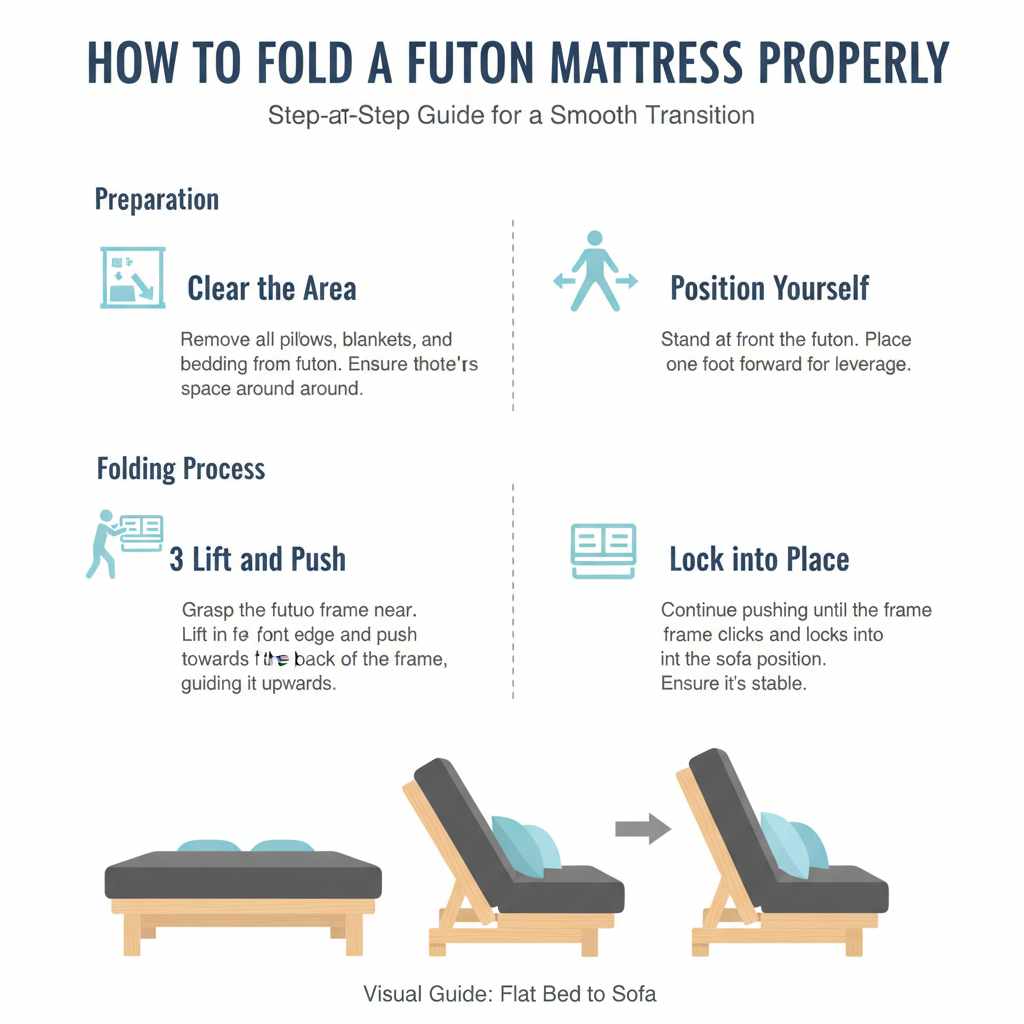
How To Fold A Futon Mattress Properly
Folding a futon mattress correctly involves understanding its structure and material. The goal is to achieve a compact form without damaging the mattress. This ensures it remains comfortable and usable for years to come.
Understanding Your Futon Mattress
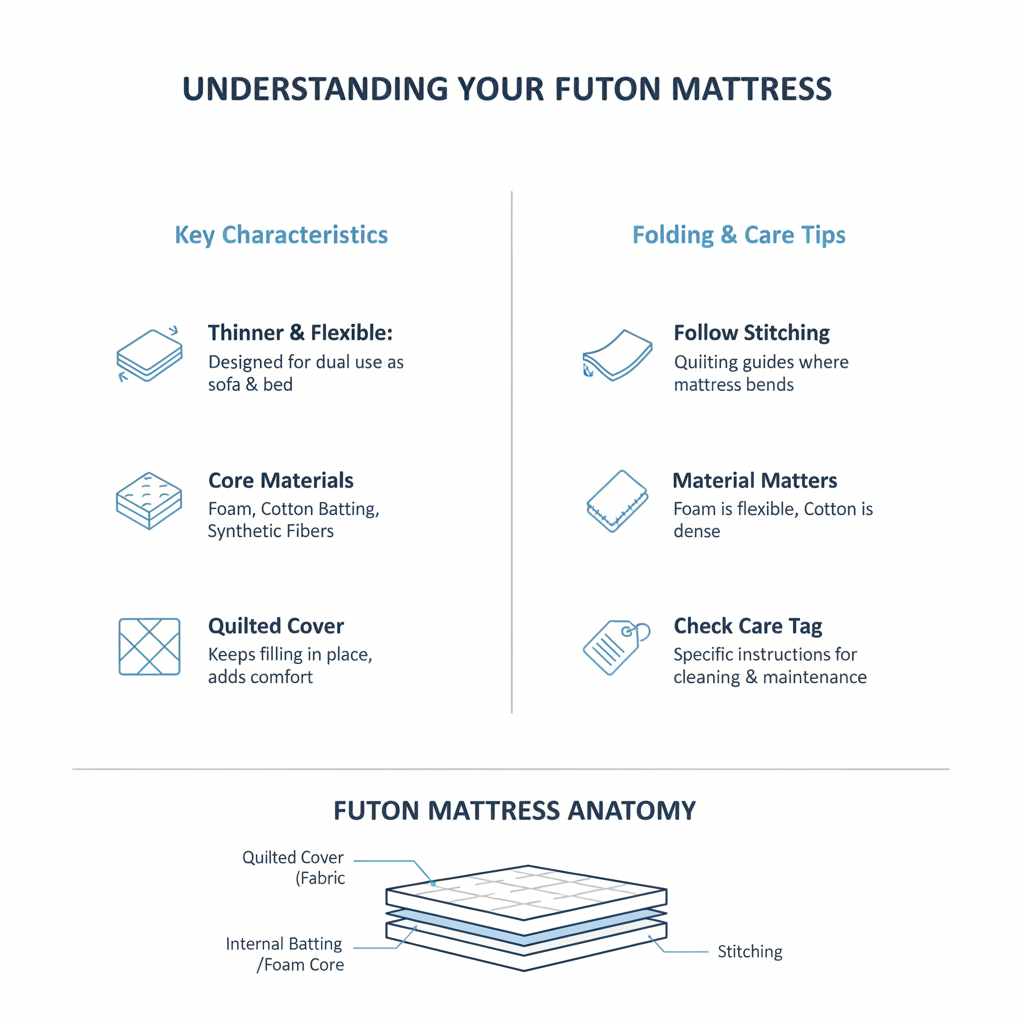
Futon mattresses are different from regular mattresses. They are usually thinner. They are also made to be flexible.
This lets them bend and fold. This is key for their dual use as a sofa and a bed. Knowing this helps you fold it without harm.
Most futon mattresses have a core of foam or batting. This is wrapped in a fabric cover. The cover is often quilted.
This keeps the filling in place. It also adds comfort. Some have springs inside, but they are less common for foldable futons.
The stitching and quilting are important. They guide where the mattress can bend.
The materials used matter too. Cotton batting can be dense. It might not fold as easily.
Foam is more flexible. It springs back well. Synthetic fibers are also common.
They offer good support and foldability. Always check the tag for care instructions. It might have specific advice.
Why Proper Folding Matters
Folding your futon mattress right is more than just making it smaller. It protects the mattress. Folding it wrong can cause damage.
This is especially true for the inner filling. It can get bunched up or creased permanently. These creases make it lumpy.
It won’t feel good to sleep on or sit on.
A damaged futon also won’t look good. The fabric can get stressed. Seams might split.
This is costly to fix. Proper folding keeps the mattress looking its best. It also helps it last longer.
You get more years of use from it. This saves you money in the long run. It’s a simple step with big benefits.
Think about how you will store or move it. If it’s for storage, you want it neat. If it’s for moving, you need it manageable.
Folding it properly makes these tasks much easier. It fits into smaller spaces. It’s easier to carry.
Preparing Your Futon Mattress for Folding
Before you start to fold, do a few things. First, clear the area. You need space to work.
A large, open floor is best. Make sure there are no sharp objects around. These could tear the mattress.
Remove any bedding. This includes sheets, blankets, and pillows.
Check the mattress for any spills or stains. If it’s dirty, clean it first. Let it dry completely.
Folding a damp mattress can lead to mold. Mold is bad for your health. It also ruins the mattress.
Use a mild cleaner if needed. Follow the care label for best results.
Inspect the mattress for any tears or loose seams. If you find any, try to fix them. A small repair now can prevent a big problem later.
This makes sure the mattress can handle the folding process. It keeps the filling safe inside. A strong cover means better folding.
The Basic Folding Method
Most futon mattresses fold in half. This is the most common way. First, find the center of the mattress.
You can usually feel a seam there. Or look for the quilt pattern. It often marks the middle.
Gently lift one end of the mattress. Bring it towards the other end. Meet them in the middle.
The mattress should now be folded in half. It will be thicker. It will also be shorter.
This is the basic shape for most futon frames.
Make sure the fold is neat. Smooth out any bumps. This helps it lie flat.
It also keeps the filling from shifting too much. If your mattress is very stiff, you might need help. A second person can make it easier.
Folding for Storage or Transport
Sometimes, you need to fold the futon smaller. Or you might need to keep it folded for a while. For longer storage, folding it in half might not be enough.
You might need to fold it again. This depends on the mattress size and your storage space.
If you fold it in half, you can try folding it in half again. This creates a quarter-fold. Be gentle.
This can put more stress on the mattress. Especially on the middle fold. Do this only if necessary.
And only if your mattress is made for it.
Some futons are designed to fold into thirds. Check your specific model. If yours folds into thirds, follow that pattern.
This is usually marked by extra seams. These seams allow for a more compact fold. They create a smaller bundle.
When storing, think about air. Futons need to breathe. Don’t store them in plastic bags for long periods.
This can trap moisture. It can lead to mold or mildew. A breathable cover is better.
A cotton sheet or a futon storage bag works well. Place it in a dry, cool place.
For transport, you might want to secure the folded mattress. Straps can help keep it from unfolding. Use soft straps.
Avoid anything that could cut into the fabric. If you’re putting it in a truck or van, tie it down securely. But not too tightly.
You don’t want to crush it.
Futon Folding Check-List
Before You Fold:
- Clear a large space.
- Remove all bedding.
- Check for stains and clean if needed.
- Ensure the mattress is dry.
- Inspect for any tears or loose seams.
During Folding:
- Fold gently.
- Align edges neatly.
- Smooth out lumps.
After Folding:
- Secure with straps if needed.
- Use a breathable cover for storage.
- Store in a dry, cool place.
Common Mistakes to Avoid
One big mistake is forcing the fold. If the mattress doesn’t bend easily, don’t push it. This can damage the inner materials.
It can break seams. Always work with the mattress’s natural flexibility.
Another mistake is folding it too tightly. While you want it compact, crushing it is bad. This can deform the filling.
It can make permanent creases. It can also damage the fabric. Gentle folding is key.
Folding a wet or damp mattress is a serious error. As mentioned, this is a fast track to mold. Always ensure it’s dry.
Even a little dampness can cause issues over time. Especially if stored in a confined space.
Not checking the mattress condition first is also a mistake. Small rips can become big ones during folding. Loose threads can unravel.
It’s like trying to fold a shirt with a hole. The hole gets bigger. Address any issues beforehand.
Special Considerations for Different Futon Types
Futons come in various styles. Some are very basic. Others have more complex quilting.
And some are quite thick. The type of futon affects how you fold it.
Thicker futons can be harder to fold. They have more material. They might need two people.
They might not fold as neatly. Be patient with these. Try to fold them into the widest, gentlest curves possible.
Futons with very elaborate quilting might have specific folding lines. These are designed into the mattress. Try to follow these lines.
They are there to help the mattress bend. They prevent the filling from moving too much.
Memory foam futons are different. They can be heavy. They also tend to spring back.
You might need to hold the fold in place longer. Or use straps to keep it folded while you move it. Don’t try to roll them.
Most memory foam is best folded.
Futon Type vs. Folding Technique
Basic Futons (Cotton/Poly Blend):
- Folding: Usually folds in half easily. Follow natural creases.
- Care: Can be prone to moisture. Ensure dryness.
Thick/Plush Futons:
- Folding: May need assistance. Fold gently to avoid crushing.
- Care: Inner layers can shift. Keep quilt lines intact.
Memory Foam Futons:
- Folding: Can be heavy and springy. Hold fold, use straps.
- Care: Avoid sharp creases. Folding is preferred over rolling.
Luxury/Artisan Futons:
- Folding: Follow designed quilt lines closely.
- Care: Delicate materials. Handle with extra care.
Using Straps and Covers for Folding
Straps are very helpful. They keep the folded futon in place. This is vital for moving or storing.
You can use wide, soft straps. Velcro straps work well. Avoid bungee cords.
They can be too harsh. Or they can slip easily.
Wrap the straps around the folded mattress. Make sure they are snug but not tight. You want to hold the shape.
You don’t want to compress the mattress. Check that the straps don’t dig into the fabric.
A good cover is also important. For storage, a breathable futon cover is ideal. These are made of fabric.
They protect from dust. They also allow air to circulate. This prevents moisture buildup.
If you don’t have a special cover, a clean, old bedsheet can work. Drape it over the folded mattress. Tuck it in.
This offers some protection. Avoid plastic wrap for long-term storage. It traps humidity.
My Own Futon Folding Mishap
I remember one time I had to move. I had a fairly new futon mattress. It was a thick one.
I thought I knew best. I just shoved it into half. Then I tried to force it into a bag.
It was a struggle. The mattress was fighting me.
I heard a strange ripping sound. I stopped. I looked closely.
A seam near the edge had split a little. A bit of the white batting peeked out. I felt a pang of panic.
This was my favorite mattress. It cost a lot of money.
It took me a while to realize my mistake. I hadn’t been gentle. I hadn’t respected its structure.
I was treating it like a rug. After that, I learned to fold it slowly. I let it bend naturally.
I made sure it was fully dry. I used straps. That little rip taught me a valuable lesson about patience.
The “Roll and Tie” Method (When Appropriate)
In some rare cases, rolling might be an option. This is usually for very flexible futons. Or for transport where space is extremely tight.
Most futon manufacturers advise against rolling. It can damage the internal structure.
If you choose to roll, do it carefully. Start from one end. Roll it as tightly as you can.
Use straps to secure the roll. Make sure the fabric isn’t creased sharply. This method is risky.
It’s best to fold if possible.
Foam futons are more likely to tolerate rolling. But even then, folding is safer. The reason is that repeated rolling can break down the foam cells.
This reduces its ability to bounce back. It can also create weak spots.
Always check your futon’s manual. It will tell you the recommended method. If it says fold, then fold.
If it suggests rolling for transport, then proceed with caution. For most people, folding is the way to go. It’s the safest bet.
Folding vs. Rolling Your Futon
Folding:
- Pros: Safer for most materials, preserves structure, less stress on seams, generally easier for standard futon frames.
- Cons: Can be bulky, requires more floor space to perform.
- Best For: Regular use, storage, most futon types.
Rolling:
- Pros: Can be more compact for transport, might fit through tight spaces.
- Cons: Higher risk of damage (crushed foam, stressed seams), not recommended by most manufacturers, can lead to permanent creases.
- Best For: Very flexible futons for temporary, tight transport situations ONLY if explicitly recommended by manufacturer.
When to Call a Professional or Seek More Advice
If your futon is very old or very valuable, you might want expert advice. Some antique futons have delicate fillings. They might need special handling.
You can ask furniture repair shops. Or look for companies that specialize in mattress care.
Also, if you struggle to fold it yourself, get help. A large futon mattress can be heavy. It can be awkward to manage alone.
Asking a friend or family member is a good idea. Safety first is always the best approach.
If you notice significant damage after folding, like large rips or deep creases, it might be time for repair. Sometimes, a professional can fix these issues. They can re-quilt seams or plump up filling.
Maintaining Your Futon After Folding
Once your futon is folded and stored or moved, give it a little care. When you take it out of storage, let it air out. Unfold it fully.
Let it sit for a day or two. This helps it regain its shape. It also lets any trapped odors escape.
Fluff it up. You can do this by hand. Gently punch and smooth the surfaces.
This can help redistribute the filling. It makes it feel more comfortable. This is especially useful after long storage.
If you see new lumps or dents, try to smooth them out. Sometimes, sleeping on it regularly will help it settle. If the problem persists, you might need to look into professional repair.
Regularly check the fabric cover. Keep it clean. Vacuuming it gently every so often helps.
It removes dust and allergens. This keeps your futon fresh and clean.
Real-World Scenarios for Folding
Imagine you’re moving to a new apartment. You need to get your futon mattress down three flights of stairs. Folding it makes it much more manageable.
You can carry it more easily. It’s less likely to get snagged on walls.
Consider a college student. They often have futons. They might need to move them between dorm rooms or home.
Folding makes it fit in a car. It’s easier to store during summer break.
Another scenario is seasonal storage. Maybe you have a futon in a spare room. You want to use that room as an office during winter.
Folding the futon and storing it in a closet frees up space. It keeps it clean and out of the way.
Or perhaps you have a futon frame that converts. You want to use it as a sofa most of the time. Folding the mattress and tucking it away neatly makes the room look tidier.
It shows the sofa function.
What This Means for You
Learning to fold your futon correctly is a practical skill. It helps you take care of your furniture. It extends its lifespan.
It makes moving and storage much simpler.
It means you can enjoy your futon for longer. You avoid costly repairs. You can adapt your living space more easily.
A well-folded futon looks better. It functions better.
It also means you understand your futon’s needs. You treat it with care. This respect for the item leads to better long-term results.
It’s about smart ownership. Taking a few minutes to fold properly saves hassle later.
Quick Tips for Folding Success
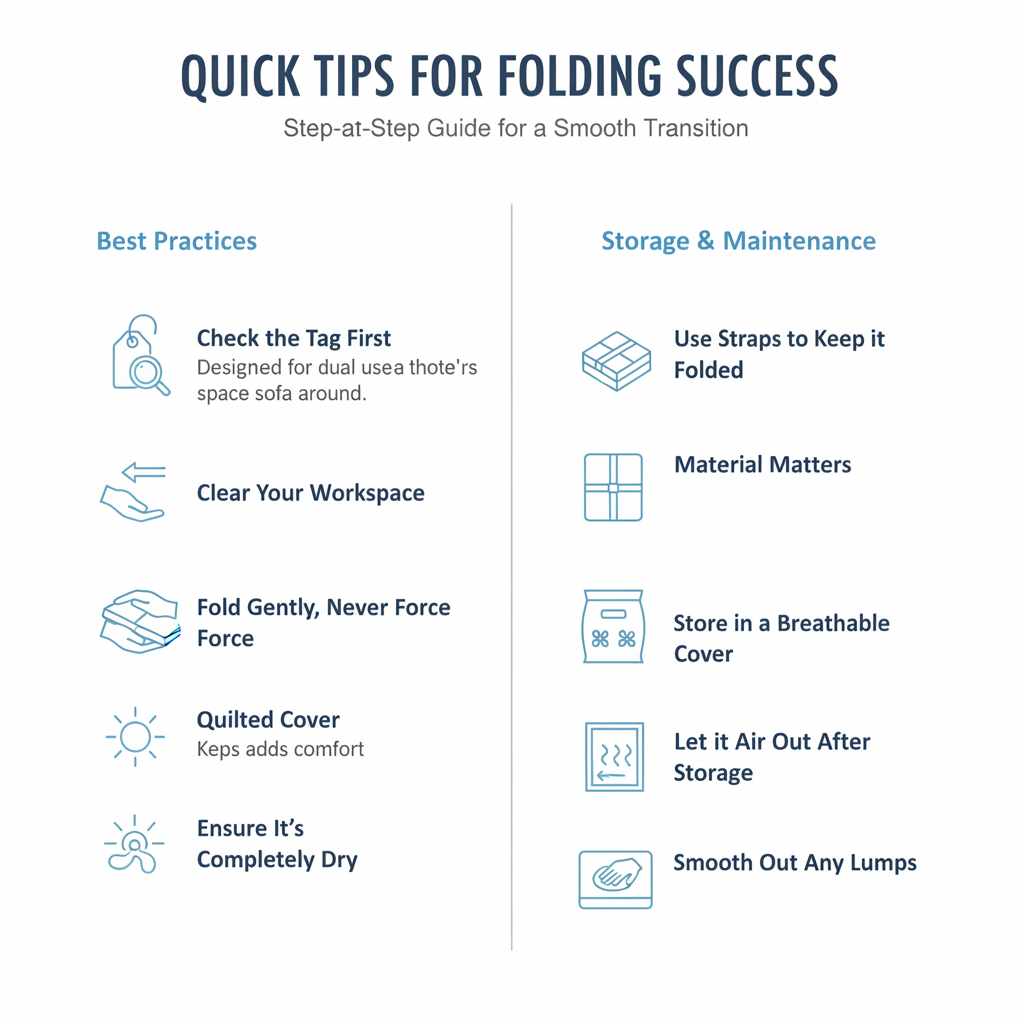
Always check the tag first.
Clear your workspace.
Fold gently, never force.
Ensure it’s completely dry.
Use straps to keep it folded.
Store in a breathable cover.
Let it air out after storage.
Smooth out any lumps.
Frequently Asked Questions About Folding Futon Mattresses
Can I fold my futon mattress the wrong way?
Yes, you can. Forcing it or folding it when wet can damage the filling and seams. This makes it lumpy and less comfortable.
How often should I fold my futon mattress?
Only fold it when you need to move it or store it. Do not keep it folded for long periods unless specified by the manufacturer. Regular use helps it maintain its shape.
Is it okay to leave my futon mattress folded for months?
It’s best not to. Long-term folding can create permanent creases. It can also stress the materials.
If you must store it folded, ensure it’s in a dry, cool place and unbox it periodically if possible.
My futon mattress is very stiff. How do I fold it?
Be patient and gentle. Try to find the natural bend lines. You might need a second person to help.
If it’s too stiff, it might not be designed for frequent folding.
What is the best way to store a folded futon mattress?
Store it in a dry, cool place. Use a breathable cover, like a fabric futon storage bag or a clean sheet. Avoid plastic, which traps moisture.
Can I roll my futon mattress instead of folding it?
This is generally not recommended. Rolling can damage the internal filling and seams. Only consider rolling if your futon’s manual specifically allows it for transport and do so with extreme care.
Conclusion
Folding your futon mattress is a simple task. Doing it right protects your investment. It makes moving and storing much easier.
Always be gentle. Respect the mattress’s structure. Proper care ensures it stays comfortable and useful for years.
Products related to this article
Sponsored / affiliate links. As an Amazon Associate I earn from qualifying purchases. I may earn additional commission from eligible campaigns.