How To Keep A Futon Mattress From Sliding Easily
Keeping a futon mattress from sliding involves using materials that create friction between the mattress and the futon frame. Simple items like non-slip mats, Velcro, or even a good old-fashioned sheet can make a big difference. The goal is to add grip so the mattress stays where you put it.
Understanding Why Futon Mattresses Slide
So, why does this happen? Futon mattresses often slide because they are designed to be flexible. They fold and unfold with the frame.
This flexibility means they don’t always have a firm grip on the frame itself. The frame might be made of smooth wood or metal. The mattress fabric might also be smooth.
This lack of friction is the main culprit. Movement, like sitting down or lying on the futon, pushes the mattress. Gravity does the rest, pulling it down.
This is true for most homes, no matter the season. Even a well-made futon can have this issue.
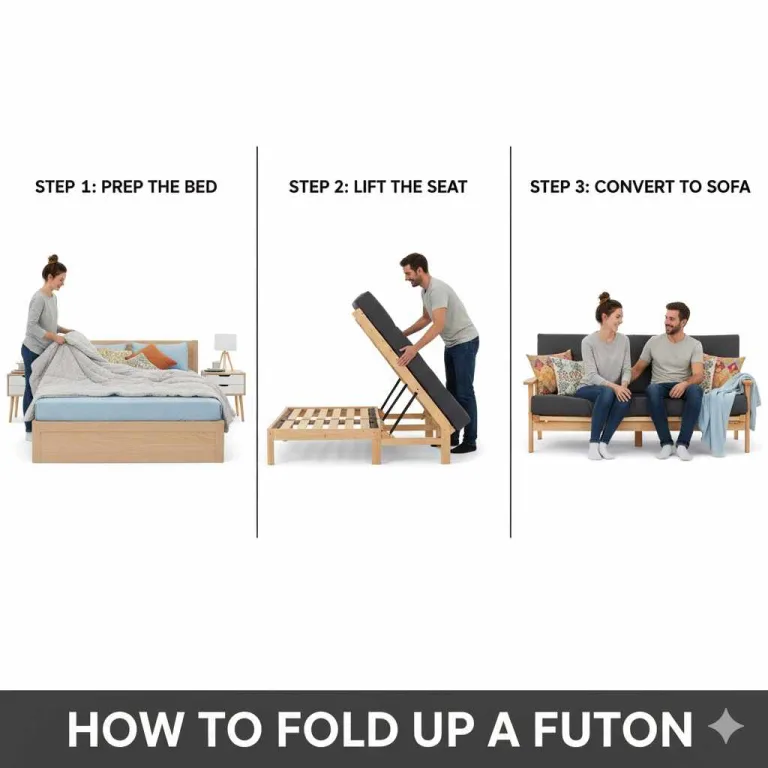
Think about it. Most futon frames are built with a folding mechanism. This allows them to switch between a sofa and a bed.
The mattress needs to move with the frame. This design, while useful, creates a natural tendency for slippage. The mattress isn’t permanently attached.
It’s meant to be adaptable. Without any extra help, it will naturally shift. This is a common problem across many futon models.
It’s not usually a sign of a faulty mattress or frame.

My Own Futon Slip-Up Story
I remember one time, I had just bought a new futon. It looked great in my small apartment. I was so excited to have a sofa that could also be a bed.
That first night, I decided to watch a movie. I curled up on the couch, feeling cozy. About twenty minutes in, I felt a strange dip.
I looked down and the mattress had slid forward. Half of it was hanging off the frame! It was awkward and annoying.
I spent the rest of the movie pushing it back every few minutes. It ruined the chill vibe. I thought maybe I had just gotten a bad mattress.
But it turned out it was a common futon issue. That’s when I started looking for real solutions.
The next morning, I woke up to find the mattress had slid even further overnight. It was bunched up at the bottom. Getting out of bed felt like climbing out of a saggy hammock.
I knew then that I couldn’t live with this. It wasn’t just a minor inconvenience. It was making my futon uncomfortable to use.
I needed a fix, and I needed it fast. This experience pushed me to find the best ways to stop futon mattresses from moving. I wanted a simple, lasting solution.
Quick Futon Grip Checks
Frame Material: Is your frame smooth wood or metal? These offer less grip. Textured frames help a bit more.
Mattress Fabric: Some mattress covers are slick. Others have a rougher weave that grips better.
Weight Distribution: How you sit or lie down matters. Large shifts can cause sliding.
Simple Solutions for a Slipping Futon Mattress
Let’s talk about what you can actually do. The good news is you don’t need special tools or a lot of money. Most solutions involve adding something with grip.
Think of it like adding more “stickiness” between the mattress and the frame. These are practical ideas that many people use. They work in different kinds of homes and with various futon setups.
You can use common household items. Or you can buy inexpensive products made for this. The best approach for you might depend on your futon, your mattress, and how much movement you experience.
It’s often a process of trial and error. But by trying a few of these methods, you should find something that works well for your situation. You’ll enjoy your futon much more.
Using Non-Slip Mats for Grip
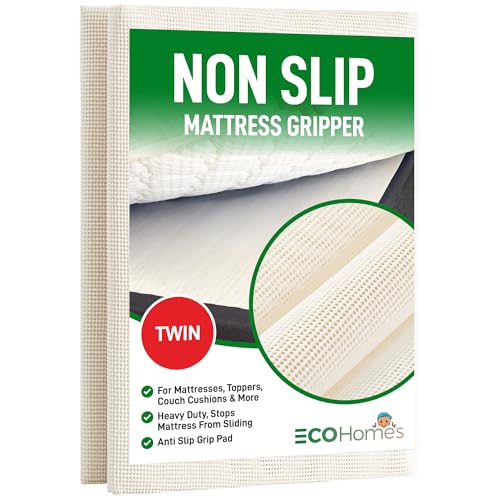
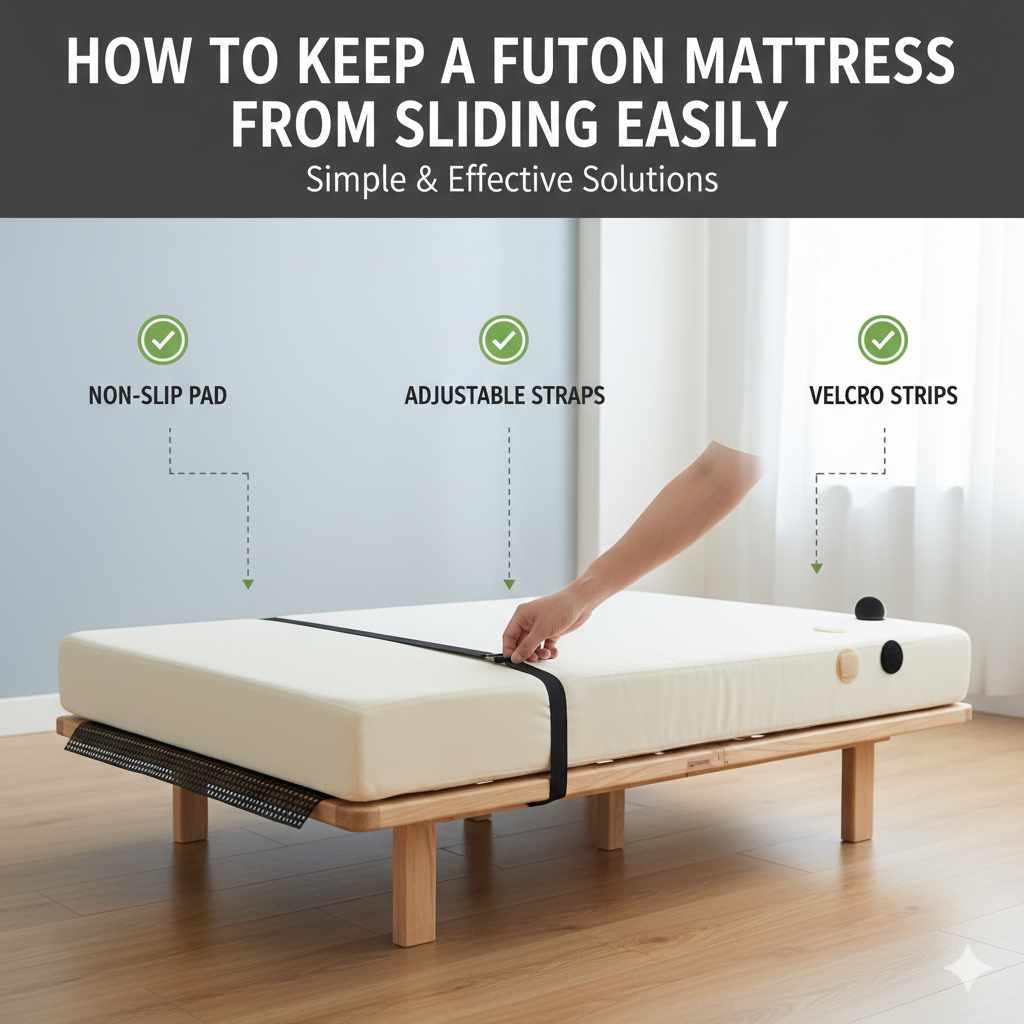
One of the easiest and most popular ways to stop a futon mattress from sliding is by using a non-slip mat. These are the same kinds of mats people use under rugs to keep them from moving on the floor. They are made of rubber or a similar grippy material.
They create a lot of friction.
Here’s how to do it: You’ll want a mat that’s about the same size as your futon mattress, or slightly smaller. You can buy these at home goods stores, department stores, or online. Some people cut them to fit.
Others fold the edges if they are a bit too big. You place the mat directly on top of the futon frame. Then, you place your futon mattress on top of the mat.
The mat grips the frame and the mattress grips the mat. It works like magic.
Non-Slip Mat Guide
Where to Find: Home goods stores, big box retailers, online shops. Look for “rug grippers” or “non-slip drawer liners.”
Size Matters: Aim for a size that covers most of the frame where the mattress rests. You can trim it.
Placement: Lay it flat on the frame. Ensure no big wrinkles. Then, place the mattress on top.
The best part about non-slip mats is how simple they are. You don’t need to attach anything. You can easily remove the mat and mattress if you need to clean them or move the futon.
It’s a temporary fix that often becomes a permanent one because it works so well. I’ve seen people use different types. Some are thin and mesh-like.
Others are thicker and more rubbery. Both can do the job.
Make sure the mat you choose is breathable. You don’t want it to trap moisture. This could lead to mold or mildew.
Most standard rug grippers are fine. They allow air to circulate. Also, consider the color.
If it’s showing, you might want a neutral color. But usually, it’s hidden under the mattress.
Velcro: A Stronger Bond
For a more secure hold, you might consider using Velcro. This creates a very strong connection between the mattress and the frame. It’s a bit more work to set up.
But once it’s in place, it’s very effective. You’ll need industrial-strength Velcro strips. The kind with a strong adhesive backing is best.
The process involves attaching one side of the Velcro to the bottom of your futon mattress. The other side attaches to the top of the futon frame. You’ll want to attach it in several places.
This gives you multiple anchor points. It prevents the mattress from shifting in any direction. You need to be careful when applying the adhesive.
Make sure the surfaces are clean and dry for the best stick. Let the adhesive cure for at least 24 hours before using the futon.
Velcro Installation Tips
Choose Wisely: Get heavy-duty, adhesive-backed Velcro. Look for “hook and loop” fasteners.
Clean Surfaces: Both the mattress bottom and frame should be spotless and dry.
Placement Strategy: Apply strips along edges and in the center. More points mean better hold.
Adhesive Power: Press firmly. Allow 24+ hours for glue to set before use.
One thing to keep in mind with Velcro is that it can wear out over time. Especially if you’re frequently folding and unfolding the futon into a bed. The constant motion can stress the adhesive.
Also, the hooks and loops can get clogged with dust or fibers. This can weaken the bond. If this happens, you might need to replace the Velcro strips.
Or you might need to clean them gently.
Velcro is a good option if you rarely convert your futon. If it mostly stays in couch mode, or if you only convert it to a bed very occasionally, this is a great solution. It offers a truly fixed position.
You won’t have to worry about it sliding at all. It’s a more permanent attachment method.
Sheet Grippers and Straps
Similar to Velcro, but often simpler and less permanent, are sheet grippers and mattress straps. These are commonly used for regular mattresses to keep fitted sheets from popping off. They can be adapted for futons.
They work by connecting points on the mattress to points underneath the frame, or to the frame itself.
You can buy elastic straps with clips. You attach these to the corners or edges of the mattress. Then, you stretch them under the frame and clip them on the other side.
This pulls the mattress down, keeping it snug. Some people also use “sheet suspenders” which work in a similar criss-cross pattern. These add tension and prevent movement.
Sheet Gripper Uses
Corner Clips: Four straps that clip to mattress corners and anchor under the frame.
Adjustable Straps: Longer straps that can be adjusted for a tighter fit.
How they Work: They create tension. This holds the mattress securely to the base.
These are great because they are adjustable. You can tighten them as much as you need. They don’t involve adhesive, so they won’t damage your mattress or frame.
They are also easy to remove. If you need to wash your mattress cover or move the futon, you can just unclip them. They are a very practical choice for many people.
They are also quite affordable.
The downside is they might not be as strong as Velcro. If you’re very active on your futon, or if it’s a very large and heavy mattress, these might not be enough on their own. But for most standard futon setups, they offer a significant improvement in stability.
They are a good first step to try before moving to more involved methods.
The Magic of Drawer Liners
Many people don’t realize that common drawer liners can be a fantastic solution for futon mattresses. These liners are designed to grip surfaces. They prevent items from sliding around.
They come in rolls or sheets. They are often made of a grippy plastic or rubber material. You can find them in kitchen sections of stores.
You simply unroll the liner. Cut it to the size of your futon frame. Lay it flat on the frame.
Then, place your futon mattress on top. The liner’s texture grabs onto the bottom of the mattress. It also grips the frame.
This double grip action is very effective. It’s a very budget-friendly option too. A roll of drawer liner can last for multiple futons or other uses.
Drawer Liner Advantages
Affordable: Rolls are inexpensive and cover a large area.
Easy to Cut: You can shape it perfectly to fit your frame.
Good Grip: Provides excellent friction to prevent slipping.
Removable: Simple to lift off for cleaning or moving.
When choosing a drawer liner, look for one with a good amount of texture. A smooth plastic liner won’t do much. You want something with a raised pattern or a slightly tacky feel.
Some liners are also washable. This is a bonus for hygiene. I’ve used these myself on shelves and in drawers.
They really do stop things from sliding. Applying it to a futon frame is a natural extension of its use.
It’s important to ensure the liner is fully flat. Wrinkles can create weak spots. They might also feel uncomfortable through the mattress.
Take your time laying it out. Make sure it covers all the main support beams of your futon frame. This will give you the best grip coverage.
The humble Pillowcase Trick
This might sound a bit unconventional, but it can work in a pinch! If your futon mattress is a bit loose on the frame, and you have a large, sturdy pillowcase, you can sometimes use it to add grip. This works best if your mattress has a removable cover.
Take a king-size pillowcase. Or even a flat sheet folded in half. Carefully place the futon mattress inside the pillowcase, or wrap it in the sheet.
Then, place this package onto the futon frame. The fabric of the pillowcase or sheet creates more friction than the bare mattress fabric. It’s a simple way to change the surface texture.
Pillowcase Grip Method
The Item: A large, strong pillowcase or a folded flat sheet.
The Process: Slide the mattress inside or wrap it.
The Result: Added fabric texture provides more grip against the frame.
Best For: Temporary fixes or when other materials aren’t available.
This method isn’t as strong as dedicated non-slip products. But it can make a noticeable difference. It’s also completely free if you have these items at home.
It’s a great solution for a temporary fix. Or if you’re looking for a quick way to try something before buying anything. Make sure the fabric isn’t too silky.
A cotton pillowcase will offer more grip than a satin one.
You’ll want to ensure the fabric is pulled taut. Bunching will create an uneven surface. It might feel strange to sleep or sit on.
So, take a moment to smooth it out. This is a clever hack. It shows how simple materials can solve common problems.
It’s a testament to resourcefulness.
DIY Solutions with Grippy Materials
Beyond the specific items, you can get creative with other grippy materials. Think about things that have a rough texture or a slightly sticky feel. These can often be repurposed to keep your futon mattress in place.
For example, some people use sections of old yoga mats. You can cut them to size and place them between the mattress and the frame. Another idea is to use rubber shelf liners.
These are similar to drawer liners but can be more robust. You might even find rubberized shelf liner tape. You could apply this tape to the underside of the mattress or the top of the frame.
DIY Grip Ideas
Old Yoga Mats: Cut to size for excellent cushioning and grip.
Rubber Shelf Liners: Durable and designed for non-slip.
Contact Paper: Some textured contact papers can offer a grippy surface.
Fabric Scraps: Rough fabrics like canvas or denim can add friction.
The key is to experiment with what you have available. Look around your home for materials that feel grippy. Consider their durability.
Will they stand up to regular use? Also, think about safety. Ensure the material is non-toxic and won’t degrade into small pieces.
The goal is to add stability, not create a mess or a hazard.
When using DIY solutions, always test them out. Sit or lie on the futon after applying your chosen material. See if it makes a difference.
You might need to adjust the placement or add more material. It’s about finding that sweet spot where the mattress stays put.
What This Means for Your Futon’s Lifespan
Keeping your futon mattress from sliding isn’t just about comfort. It can actually help your mattress last longer. When a mattress constantly shifts and bunches up, it puts extra stress on the fabric and the internal components.
This can lead to premature wear and tear. Seams might split. Padding can get unevenly compressed.
The overall shape of the mattress can degrade faster.
A mattress that stays in place experiences more consistent wear. This allows the materials to settle in a stable way. It prevents the kind of strain that sliding causes.
So, by using these simple grip methods, you’re not just solving an annoyance. You’re also investing in the longevity of your futon mattress. You’re making sure it stays comfortable and supportive for a longer time.
Think about it like this: if you always walked on one side of a carpet, it would wear out faster. The same idea applies to your futon mattress. When it shifts, certain areas bear more weight or friction.
Keeping it stable ensures the wear is distributed more evenly. This is true for most types of futon mattresses, whether they are foam, fiber-filled, or spring-based. A stable foundation is key.
When to Worry About Futon Mattress Movement
While some sliding is normal, there are times when it might signal a bigger problem. If your futon mattress is sliding significantly, even after you’ve tried grip solutions, consider these points.
Extreme Sagging: If the mattress sags deeply in the middle, it might be worn out. No amount of grip will fix a collapsed mattress. You might need to
Frame Issues: Is the futon frame itself wobbly or damaged? If parts are loose or broken, the frame might not provide a stable base. This can cause the mattress to slide even with grip aids.
Constant Sliding: If the mattress slides no matter what you do, even with strong Velcro or multiple non-slip mats, it could mean the mattress is too heavy or too firm for the frame. Or the frame might be too flexible.
Spotting Trouble Signs
Mattress Sag: Deep dips indicate internal wear.
Frame Instability: Wobbly or loose frame parts.
No Grip Success: Sliding persists despite trying multiple solutions.
Unusual Noises: Creaking or grinding from the frame when used.
It’s also worth checking the warranty on your futon mattress and frame. If you’re experiencing significant issues shortly after purchase, you might be covered. A reputable manufacturer will stand by their product.
They can offer advice or replacements if there’s a defect. Always keep your proof of purchase handy for such situations.
In most cases, however, a sliding futon mattress is a manageable issue. It’s often a sign that your mattress needs a little help staying put. It’s not usually a sign that everything is broken.
The solutions are typically simple and straightforward. You just need to find the right one for your needs. The comfort of your home depends on these small fixes.
Quick Tips for a Stable Futon
Here’s a quick rundown of what to do if your futon mattress is sliding:
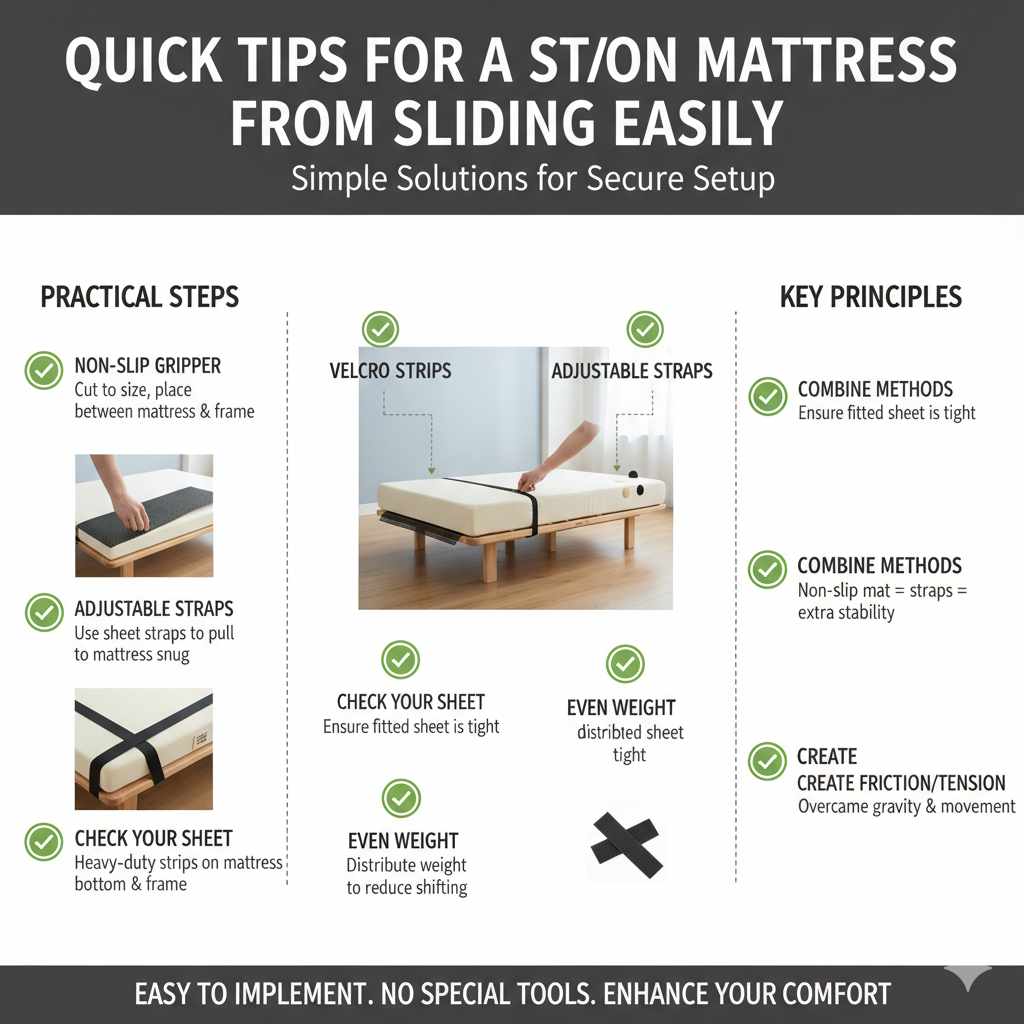
- Start Simple: Try a non-slip rug gripper first. Cut it to size and place it between the mattress and frame.
- Add Tension: Use adjustable sheet straps or mattress grippers to pull the mattress down and keep it snug.
- Secure with Velcro: For a very strong hold, use heavy-duty Velcro strips on the mattress bottom and frame.
- Check Your Sheet: Make sure your fitted sheet isn’t too loose. A tight sheet can help hold the mattress in place.
- Even Weight: Distribute your weight evenly when sitting or lying down to reduce shifting.
- Regular Checks: Periodically check your setup. Make sure grip materials are still in place and effective.
These are practical steps you can take right away. They are designed to be easy to implement. You don’t need to be a DIY expert.
Most of these methods require no special tools. They rely on common sense and simple materials. You can often combine a couple of these tips for even better results.
For example, a non-slip mat plus sheet straps can offer excellent stability.
Remember, the goal is to create enough friction or tension. This friction or tension needs to overcome the forces that cause the mattress to slide. This is usually gravity and the movement of people using the futon.
By understanding this, you can better choose the right method. Or even invent your own solution!
Frequently Asked Questions About Futon Mattress Sliding
Why does my futon mattress keep sliding off the frame?
Futon mattresses often slide because they are flexible and not permanently attached to the frame. The smooth surfaces of both the mattress and the frame create little friction. When you sit, lie down, or move, this lack of grip allows the mattress to shift.
What is the easiest way to stop a futon mattress from sliding?
The easiest way is usually with a non-slip rug gripper or drawer liner. You place this grippy material on the futon frame before putting the mattress back on. This adds friction and stops most sliding.
Can I use a fitted sheet to keep my futon mattress from sliding?
A fitted sheet can help a little, especially if it’s a tight fit. The fabric of the sheet adds some grip. However, it’s rarely enough on its own for significant sliding issues.
It works best when combined with other non-slip methods.
Will velcro damage my futon mattress or frame?
Heavy-duty velcro with adhesive backing can potentially leave residue or damage delicate fabric on your mattress or frame if removed forcefully. It’s best to use it on more robust materials or test in an inconspicuous area first. Ensure surfaces are clean before applying.
How often should I check my futon mattress grip solution?
It’s a good idea to check your grip solution every few months. Look to see if the material has shifted, worn out, or lost its grip. Also, check for any signs of wear on your mattress or frame from the grip material.
Can a heavy mattress cause more sliding?
Yes, a heavier mattress often puts more pressure on the frame. This can make it more prone to sliding. If your mattress is very heavy, you might need a stronger grip solution, like industrial Velcro or multiple layers of non-slip material.
Final Thoughts on a Stable Futon
Dealing with a sliding futon mattress is a common annoyance. But as we’ve seen, it’s also very solvable. From simple non-slip mats to more secure Velcro, there are many ways to keep your mattress in place.
You don’t need to put up with constant adjustments. Finding the right method means a more comfortable and stable futon. This will enhance your enjoyment of your living space.
Try a few of these tips. You’ll be sleeping and relaxing soundly very soon.
Products related to this article
Sponsored / affiliate links. As an Amazon Associate I earn from qualifying purchases. I may earn additional commission from eligible campaigns.