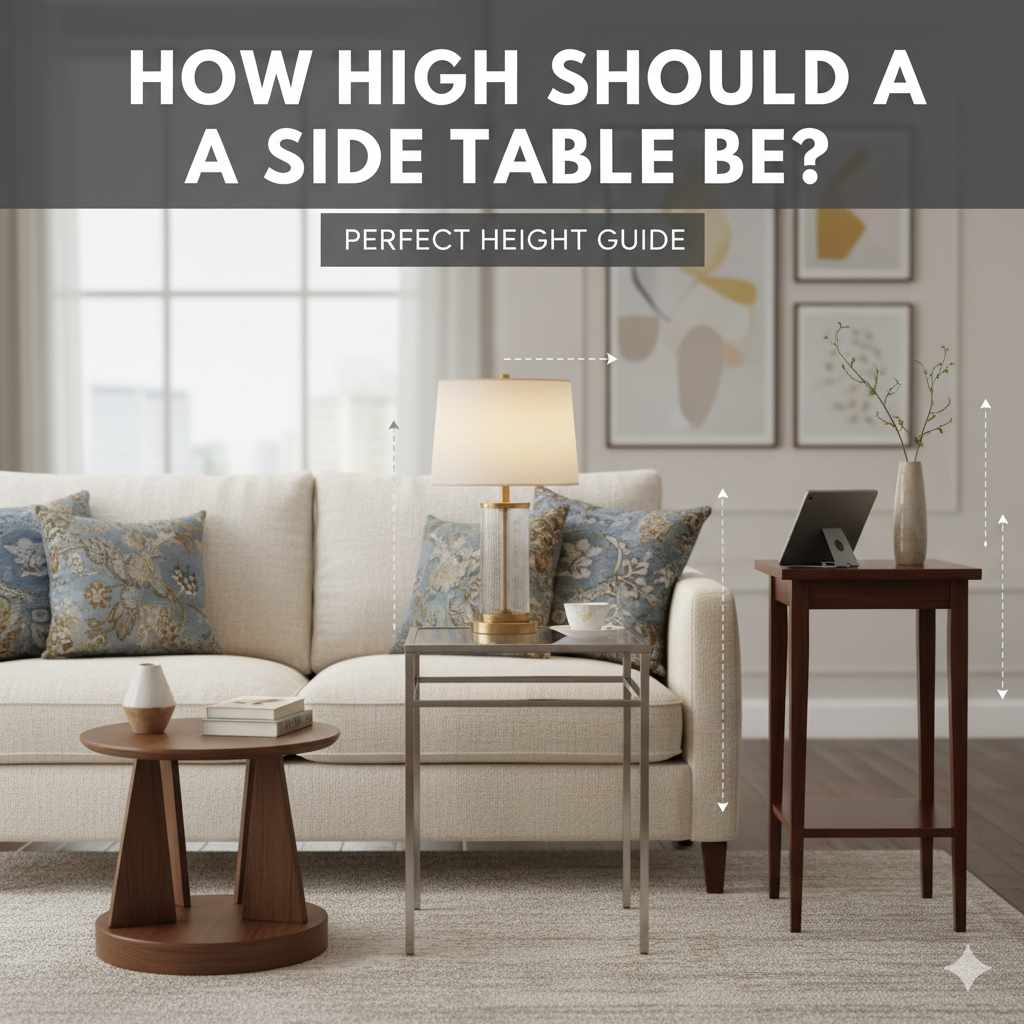
How High Should A Side Table Be? Perfect Height Guide
Understanding Side Table Height
A side table, also called an end table, is a small table that sits next to a sofa or chair. Its main job is to hold things you need nearby. This could be a lamp, a drink, a book, or your phone.
The “perfect” height for a side table isn’t a single number for everyone. It really depends on the other furniture it will be near. Most importantly, it needs to be easy to reach from where you sit.
If it’s too high, you might have to stretch. If it’s too low, things might fall off. Getting the height right makes your room more comfortable and functional.
It helps everything look balanced, too. We want things to feel just right, and height plays a big part in that.
Think about how you use your sofa or armchair. When you’re settled in, where do your hands naturally rest? That’s roughly the height your tabletop should be.
You want to be able to set down your mug or pick up your book without a big effort. This simple idea is the key to a well-designed living space. It’s about making things work for the people who use them every day.
It’s not just about looks; it’s about real comfort and ease of use. This helps ensure your side table becomes a useful part of your room, not just an extra piece of furniture.
My Side Table Struggle Story
I remember one time I got this gorgeous, dark wood side table. It was a total impulse buy because it looked so classic. I brought it home, all excited, and set it next to my favorite reading chair.
The chair is a bit lower to the ground, a cozy, plush kind of thing. My new side table, however, was quite a bit taller. When I sat down with my tea and a book, I had to really lean over to put my mug down.
It felt clumsy. Then, when I wanted to grab my book, it was a stretch. The lamp on top looked like it was on stilts!
It was annoying, and honestly, it made the whole corner feel a little awkward. I even spilled my tea once because the surface wasn’t at a comfortable angle for me to set it down. That’s when I realized just how important side table height really is.
It’s not just a detail; it affects how you use your space every single day.
The Golden Rule: Match Your Seating
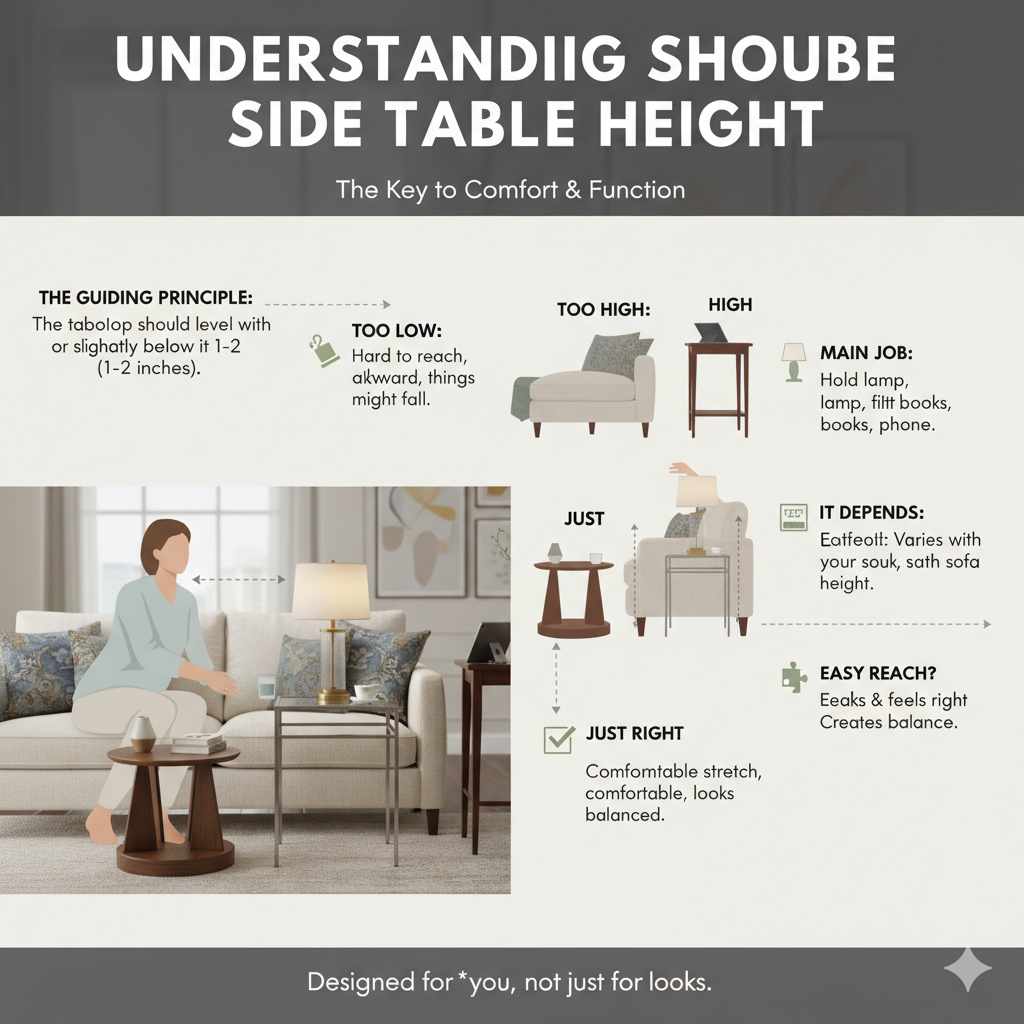
The easiest way to find the right side table height is to match it to the height of your sofa or chair’s armrest. The tabletop should ideally be the same height as the armrest, or just slightly lower. This makes it super easy to reach for things.
You won’t be reaching up or stretching down. Everything you need will be right at hand. This simple rule helps create a smooth flow when you’re relaxing.
It also makes your furniture look like it belongs together.
Why is this so important? Think about a table that’s much higher than your armrest. You’ll feel like you’re reaching for it.
If it’s much lower, you might have to bend over more than you’d like. Matching the armrest height creates a sense of balance. It means your hand can naturally glide from the armrest to the tabletop.
This makes placing drinks, books, or remotes effortless. It’s all about making your living room a place of ease and comfort. A well-placed side table enhances that feeling.
Quick Side Table Height Check
Measure Your Seating:
- Sit in your favorite chair or sofa.
- Find the top of the armrest.
- Measure the height from the floor to this point.
Ideal Side Table Height:
- Aim for a table height that is the same as or 1-2 inches lower than your armrest.
How to Measure Accurately
Measuring is simple, but you need to do it right. First, get a tape measure. Make sure it’s a reliable one.
You’ll need to measure the height of your sofa or chair’s armrest. Do this from the floor to the very top of the armrest. It’s best to measure in a few spots on the armrest if it’s padded or curved.
Take the average of those measurements. This will give you a good general height for your seating.
Once you have that number, you’re looking for a side table whose tabletop height is very close to it. A table that is the exact same height as your armrest is perfect. If you can’t find one that’s exact, one that is one inch lower is also great.
A table that is two inches lower is usually still okay. However, going much lower than that can start to feel a bit too short. It might mean you’re bending too much.
Always consider the total look and feel of your room, too. But for pure function, matching the armrest is key.
It’s also wise to consider the height of the items you plan to put on the table. If you have a tall lamp, you might want a slightly shorter side table. This keeps the lamp from looking too top-heavy.
Or, if you use your side table to hold snacks and drinks for guests, you want it to be at a height that’s easy for people to access while seated. These small details make a big difference in how well your side table serves its purpose. Think about your daily habits and what you’ll use it for most often.
Common Side Table Heights and What They Mean
Side tables come in a range of heights. Understanding these common sizes can help you choose. Most standard side tables are between 20 and 26 inches tall.
This range works well for most sofas and chairs. A table around 20-22 inches is good for lower-profile seating. Think of those modern, sleek sofas that sit close to the floor.
A 24-inch table is often the sweet spot for many average-height sofas and chairs. It’s a very popular size for a reason. It fits well with most common furniture styles and heights.
Many people find this height to be just right for their needs.
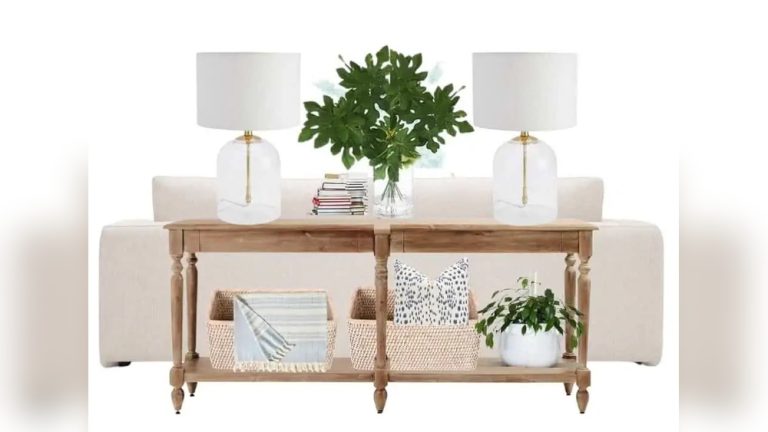
Tables that are 26 inches or higher might be better suited for taller chairs or sofas. Sometimes, you might find console tables or sofa tables that are even taller. These are usually placed behind a sofa.
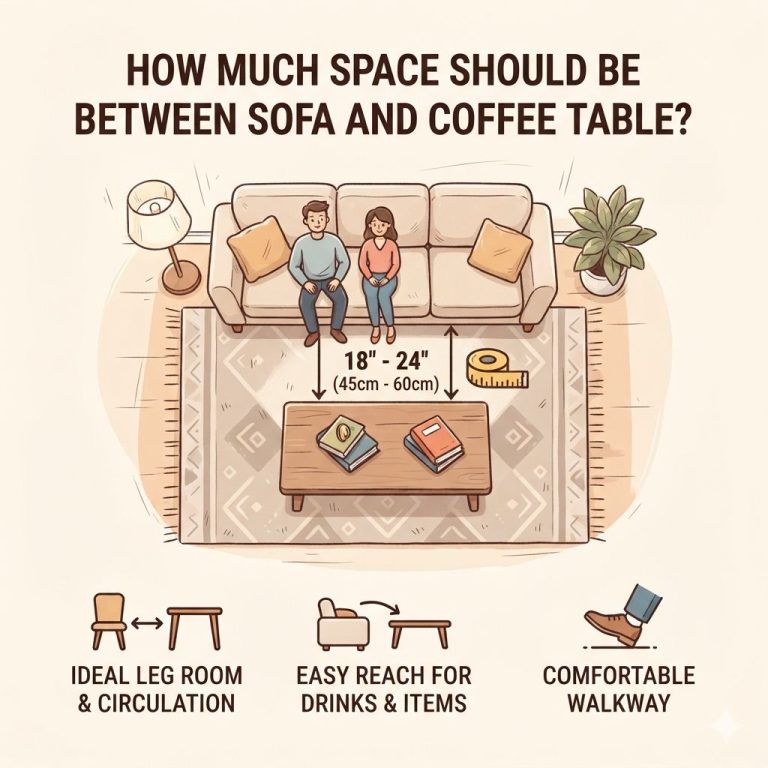
They are not typically used as side tables next to seating. It’s rare to find a side table shorter than 18 inches. If you do, it’s likely a coffee table.
Coffee tables are meant to be much lower. They are placed in front of the sofa, not beside it. Knowing these ranges helps you narrow down your search.
Side Table Height Ranges
Lower Seating (e.g., modern sofas, low chairs):
- Height: 18 – 22 inches
- Notes: Offers a low profile, good for minimalist spaces.
Standard Seating (most sofas and chairs):
- Height: 22 – 26 inches
- Notes: This is the most common and versatile range.
Taller Seating (e.g., high-back chairs, taller sofas):
- Height: 26 inches and up
- Notes: Ensure it matches the armrest height of your taller furniture.
Factors Beyond Armrest Height
While matching your armrest is the best starting point, other things can influence your choice. Think about the scale of the table itself. A very wide table might feel overwhelming next to a slim chair.
Likewise, a tiny table might get lost next to a huge sectional sofa. The table’s height also plays into its visual weight. A taller table can sometimes feel lighter if it has slender legs.
A short, wide table might feel quite heavy.
The items you plan to put on the table are also important. If you envision a large table lamp, you’ll need a table that’s not too short. A lamp that’s too tall for the table can look unstable.
If you just need a place for a remote and a coaster, a smaller, perhaps even slightly lower table might work fine. Consider the overall style of your room. A very modern, minimalist room might suit a sleek, perhaps slightly lower table.
A more traditional room might look good with a classic height table that has a bit more detail.
Also, think about how much space you have. If the side table is going in a tight corner, you don’t want one that’s too tall or too wide. It could feel cramped.
Measure the space you have available before you buy. This will help you find a table that fits physically and visually. The goal is for the table to complement your furniture, not compete with it.
It should enhance the usability and beauty of your seating area.
Side Table Depth and Width Considerations
Beyond height, the depth and width of your side table matter. A deep table might stick out too far into a walkway. This can be a tripping hazard.
A very narrow table might not hold much. For most standard living rooms, a side table that is about 16 to 24 inches deep and 18 to 30 inches wide is common. This size offers a good balance of surface area and space-saving.
You can fit a drink, a book, and maybe a small decorative item without it feeling crowded.
If you have a very large sofa, a smaller side table might look out of place. You might need a larger, more substantial table to match its scale. Conversely, if you have a small accent chair, a massive side table would just overwhelm it.
Think about proportion. The table should feel like it belongs next to the seating. It shouldn’t dominate the space, but it should also not disappear.
Your personal needs also play a role. If you always have several books and a laptop you want to keep close, you’ll need a wider table.
Side Table Dimensions Cheat Sheet
Ideal Height: Matches sofa/chair armrest (or 1-2 inches lower).
Typical Width: 18 – 30 inches.
Typical Depth: 16 – 24 inches.
Key Tip: Ensure the table’s width and depth complement the size of your seating and the available space.
Placement Matters: Where to Put Your Side Table
The ideal spot for a side table is right beside the seating it serves. This means within arm’s reach. For a sofa, you might have a side table on one end.
Or, if it’s a longer sofa, you might have one on each end. For an armchair, the side table usually goes on the side where you want to place your drink or book. Consider how you sit.
Most people are right-handed, so placing it on the right side is common. But if you’re left-handed, or you want to keep your phone charging there, place it on the left.
Don’t push the table too far away from the sofa or chair. If you have to lean out to grab something, it’s too far. It should feel natural and easy to use.
Also, be mindful of walkways. You don’t want the table to block traffic flow in your room. Leave enough space to walk around it comfortably.
In a corner, a side table can be a great way to fill space and add function. Just make sure it doesn’t make the corner feel too crowded.
Sometimes, people use side tables in pairs. This can create a sense of symmetry and balance, especially next to a larger sofa. If you have a sectional, you might place a side table where two pieces meet, or at the ends.
The key is accessibility. No matter where you place it, the table should be easy to reach from your primary seating position. This ensures it fulfills its purpose as a convenient surface.
When to Consider a Taller Side Table
There are a few situations where a taller side table makes sense. If you have a sofa or chair with unusually high armrests, you’ll need a taller table to match. Some modern furniture designs feature very high, firm armrests that are closer to the height of a counter.
In these cases, a standard 24-inch side table would be far too short. You might need to look for tables in the 28-30 inch range, or even higher.
Another reason is if you have a very tall lamp you want to place on the table. If the table is too short, the lamp might seem top-heavy or ungainly. A taller table provides a more stable and visually balanced base for a larger lamp.
Sometimes, people use side tables next to their bed. In this case, the height should match the top of the mattress or the nightstand you might already have. The goal is always easy access and visual harmony with the surrounding furniture.
Consider also the height of people in your household. If you have very tall individuals, they might find lower tables less comfortable. While armrest height is the primary guide, personal comfort is also important.
If everyone in your home is taller than average, you might lean towards slightly taller side tables. It’s all about making your living space work for you and your family. Don’t be afraid to choose a height that feels just right for your specific needs.
When to Opt for a Shorter Side Table
Conversely, a shorter side table is ideal for lower-profile furniture. Think about those stylish, modern sofas and chairs that sit very close to the ground. Their armrests might only be 18 to 20 inches off the floor.
For these, a standard 24-inch side table would be too tall and look awkward. You’d be reaching down quite a bit to use it. In this scenario, a table that is 18 to 22 inches tall would be a much better fit.
Shorter tables also work well in smaller spaces. They can appear less bulky and make a room feel more open. If you have a small reading nook or a narrow space between furniture, a shorter, perhaps narrower table might be the best choice.
It can provide that essential surface without overwhelming the area. Also, consider the items you’ll place on it. If it’s just for a coaster and a remote, you don’t need a tall table.
A lower, more compact option might be perfect.
It’s also worth thinking about children. While you don’t want a table they can easily climb on, a slightly lower table might be less of a hazard if something is knocked off. However, stability is always key.
Ensure whatever table you choose is sturdy and won’t tip easily. Safety is paramount, especially in homes with little ones. So, a shorter table can be a good choice for lower seating or when you want a less imposing piece of furniture.
Side Table Height Scenarios
Scenario 1: Standard Sofa/Chair
- Armrest Height: 22-24 inches
- Ideal Side Table Height: 22-24 inches
Scenario 2: Low-Profile Modern Seating
- Armrest Height: 18-20 inches
- Ideal Side Table Height: 18-20 inches
Scenario 3: High-Back or Taller Seating
- Armrest Height: 26+ inches
- Ideal Side Table Height: 26+ inches (match closely)
What If My Side Table Isn’t the Right Height?
Don’t despair if your current side table isn’t the perfect height! There are often simple solutions. If it’s too short, you can sometimes add risers.
These are small blocks, often made of wood or plastic, that you place under the legs of the table. You can buy furniture risers at most home goods stores. They come in different heights and styles.
Just make sure they are sturdy and match the table’s look, or are discreet enough not to be noticeable. This can add a few inches easily.
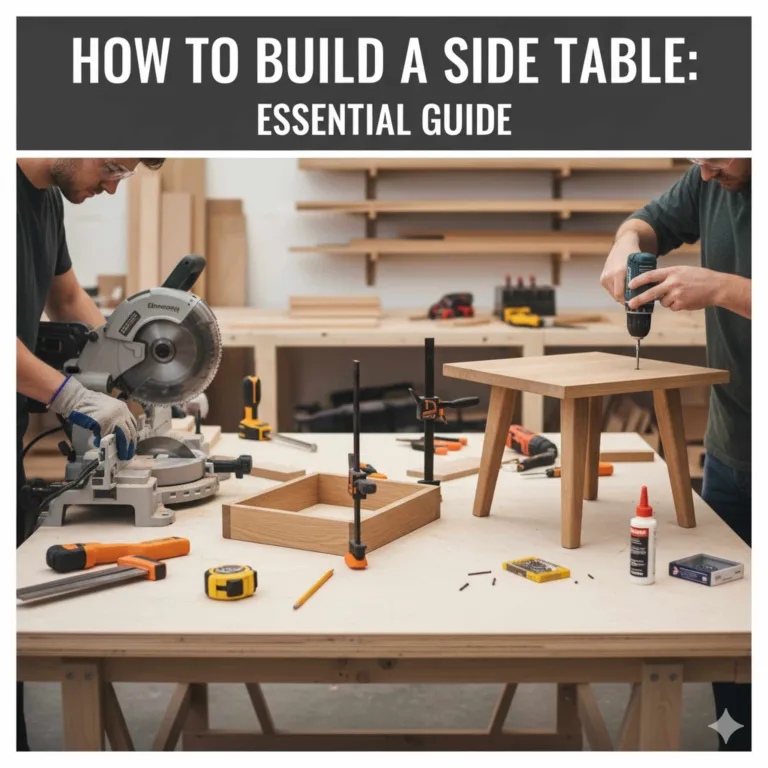
If your table is too tall, it’s a bit trickier. You might be able to trim the legs, but this is a permanent change and requires some DIY skills. It’s usually better to consider replacing the table in this case.
However, if the height difference is only a couple of inches, and the table has chunky legs, you might be able to add felt pads or thin shims under the legs to make a small adjustment. But be careful, as this can make the table wobbly if not done right.
Another option, if the table is too tall but you love it, is to use it in a different spot. Perhaps it would work better next to a taller piece of furniture, like a bookshelf or a taller accent chair. Or maybe it could serve as a small console table against a wall.
Assess the table’s design and how it might fit elsewhere in your home. Sometimes a piece that doesn’t work in one spot can be a perfect fit in another. Don’t let a slightly off height prevent you from using a piece you love!
Beyond Height: Material and Style Considerations
While height is crucial for function, don’t forget the material and style of your side table. Wood tables offer warmth and can come in many finishes. Metal tables can add a modern or industrial touch.
Glass tables can make a space feel more open and airy. Choose a material that complements your existing furniture and decor. Think about durability too.
If you have pets or kids, a scratch-resistant surface might be a good idea.
The style should also match your room’s aesthetic. A sleek, minimalist table might suit a contemporary living room. A more ornate, carved table might fit better in a traditional or farmhouse setting.
Consider the shape too. Round tables can soften a room with a lot of straight lines. Square or rectangular tables offer clean lines and can be easier to place in corners or next to sofas.
When in doubt, look at the overall look you are trying to achieve. Does your room feel cozy? Modern?
Eclectic? Choose a side table that enhances that feeling. The height is about comfort and function, but the style and material are about beauty and cohesion.
Finding a table that ticks all these boxes ensures it’s not just a practical addition but also a stylish one. It becomes a part of your home’s personality.
Style & Material Pairing Guide
For Modern/Minimalist Rooms:
- Materials: Metal, glass, sleek wood finishes (e.g., dark walnut, light oak).
- Shapes: Clean lines, geometric shapes, minimalist designs.
For Traditional/Classic Rooms:
- Materials: Rich hardwoods (mahogany, cherry), detailed wood carvings.
- Shapes: Classic forms, sometimes with turned legs or decorative details.
For Farmhouse/Rustic Rooms:
- Materials: Reclaimed wood, distressed finishes, natural wood tones.
- Shapes: Simple, sturdy designs, often with a slightly worn look.
When is a Side Table Just Too High?
A side table is too high when it creates awkwardness in your daily use. If you find yourself constantly reaching upwards to place your drink, or if your armrest feels significantly lower than the tabletop, it’s likely too tall. This height difference can lead to spills, make it difficult to access your belongings, and simply feel uncomfortable.
Imagine trying to set a full cup of coffee on a table that’s a foot above your hand – it’s a recipe for disaster!
Visually, a table that’s too tall can also look out of proportion. It might seem like it’s towering over your sofa or chair. This can disrupt the visual balance of your room.
A lamp placed on a too-tall table might also look too high for the seating area, casting light in an unflattering way or making the corner feel top-heavy. The ideal height ensures that the table integrates seamlessly with your seating, acting as a natural extension.
If your side table feels like a stretch to use, or if it looks awkwardly tall next to your furniture, it’s probably time to reassess. The goal is effortless convenience. If using your side table feels like a chore, it’s not serving its purpose well.
This is a clear sign that the height isn’t working for your specific setup.
When is a Side Table Just Too Low?
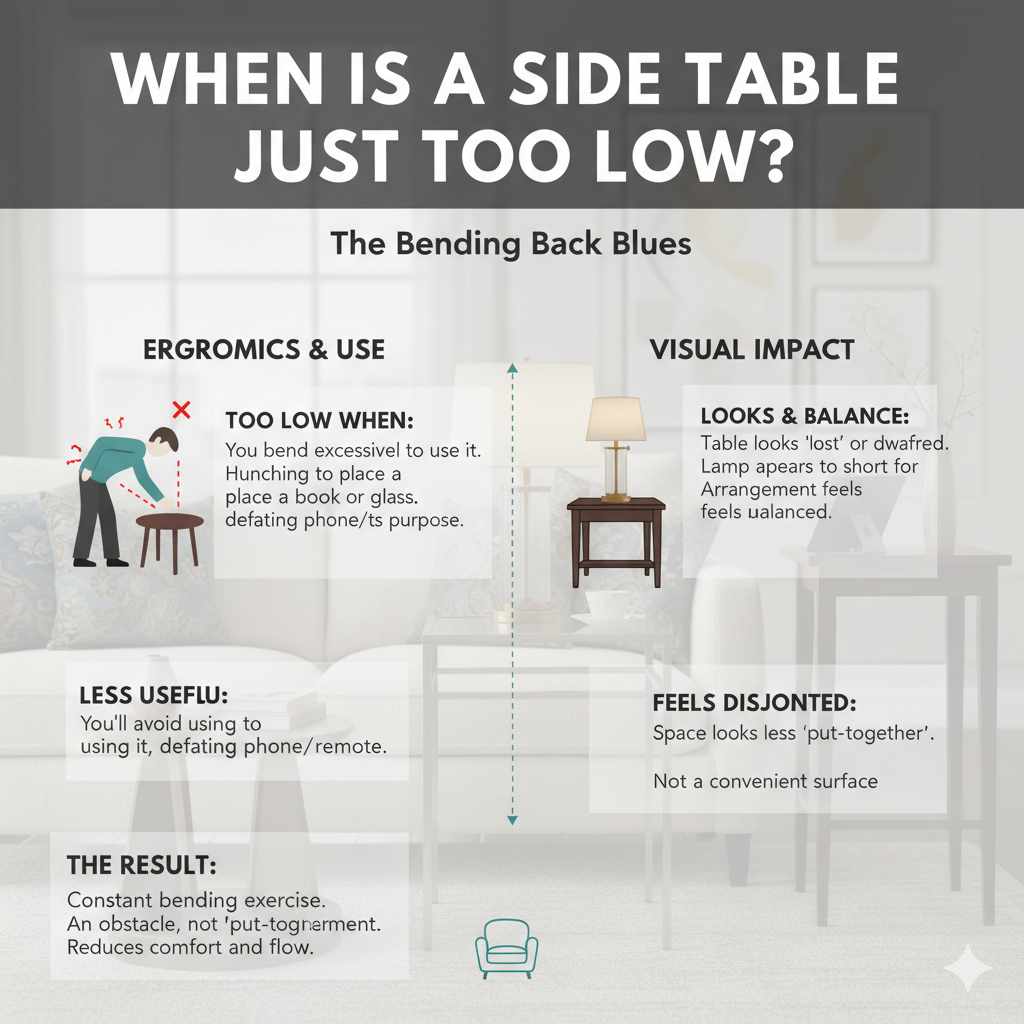
A side table is too low when you have to bend over excessively to use it. If placing a book or a glass requires you to hunch down, it’s too short. This can be uncomfortable, especially if you have back issues.
It also makes the table feel less useful. You might find yourself opting not to use it, defeating its purpose. Think about reaching for your phone or the remote – if it’s a big bend, the table is likely too low.
From a visual standpoint, a table that is too low can also look a bit lost. It might seem to disappear next to your furniture. If you place a lamp on it, the lamp might appear too short for the seating, making the overall arrangement feel unbalanced.
It can make the space feel less put-together. The tabletop should ideally be at a height that is easy to interact with without strain.
If your side table feels like a constant bending exercise, or if it looks dwarfed by your seating, it’s probably too low. It should be a convenient surface, not an obstacle or a reason to strain. A well-chosen side table enhances your comfort and the overall flow of your living area.
Frequently Asked Questions About Side Table Height
What is the standard height for a side table?
The most common height for a side table is between 22 and 26 inches. This range generally works well with average-height sofas and chairs, aligning with their armrest heights.
Should a side table be taller or shorter than my sofa armrest?
Ideally, your side table’s tabletop should be the same height as your sofa’s armrest, or about 1 to 2 inches shorter. This ensures easy reach without too much stretching or bending.
How do I measure my sofa’s armrest height correctly?
Sit on your sofa and use a tape measure to find the distance from the floor to the top of the armrest. Measure in a few spots if the armrest is padded or curved, and use the average for accuracy.
What if my chair has very high armrests?
If your chair has high armrests (above 26 inches), you will need to find a taller side table to match. Look for tables in the 26-30 inch range or higher to ensure comfortable access.
Can I use a coffee table as a side table?
Generally, no. Coffee tables are much lower (usually 16-18 inches) and are meant to be placed in front of the sofa. Using one as a side table would require excessive bending and wouldn’t align with the armrest height.
What if my side table is slightly too tall? Can I adjust it?
If it’s only slightly too tall (1-2 inches), you might be able to add thin shims or felt pads under the legs. However, if it’s significantly too tall, it might be best to replace it or use it elsewhere.
Conclusion: Your Perfect Side Table Height Awaits
Finding the right height for your side table is all about making your living space work for you. The golden rule is to match it to your sofa or chair’s armrest. This simple guideline ensures comfort and ease of use.
Remember to measure carefully and consider the scale of your furniture and your room. Whether you’re buying a new table or adjusting an old one, getting the height right makes a big difference. It turns a functional piece into a truly indispensable part of your home.
Products related to this article
Sponsored / affiliate links. As an Amazon Associate I earn from qualifying purchases. I may earn additional commission from eligible campaigns.