Side Table Vs Nightstand: Which One Do You Need?
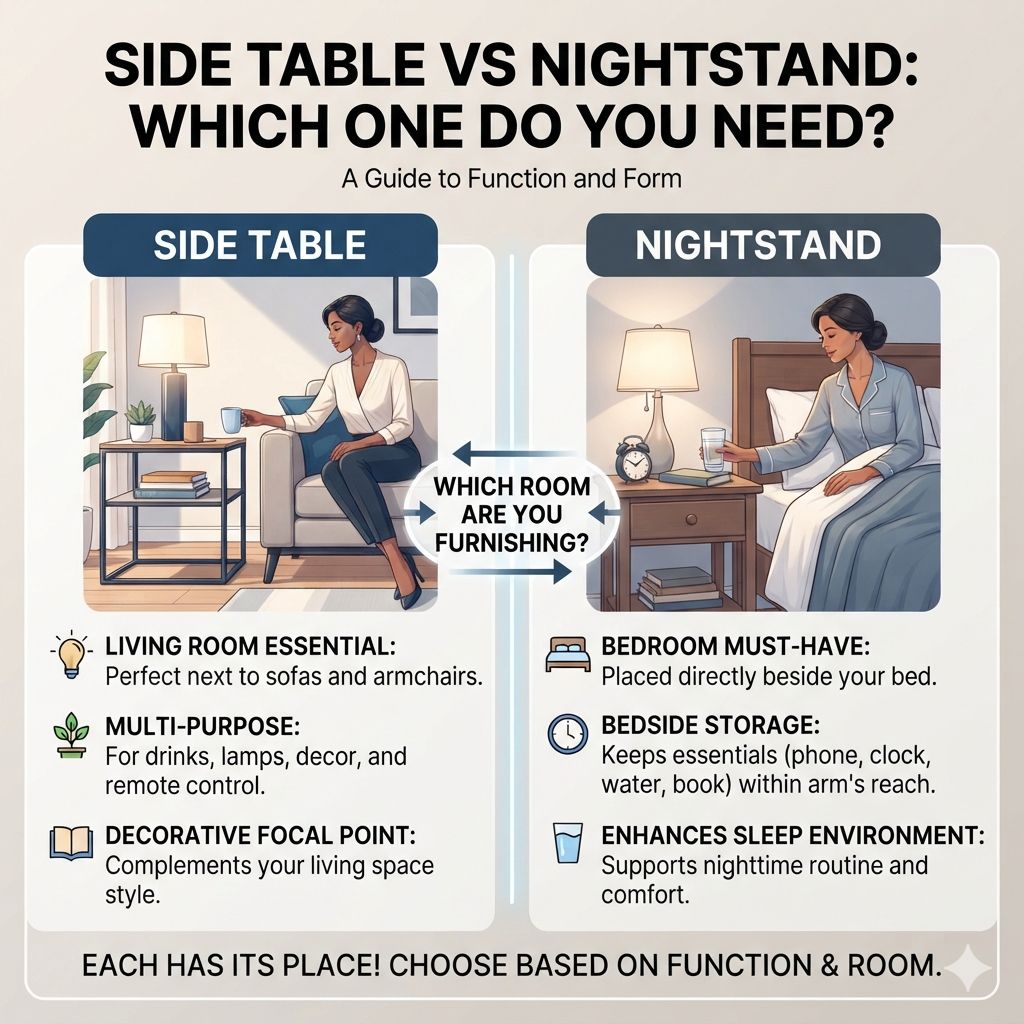
Side tables and nightstands are both small tables. Nightstands are specifically for bedrooms, next to the bed. Side tables can go in any room, like by a sofa or armchair. The main difference is their typical location and the items they hold.
Understanding the Side Table
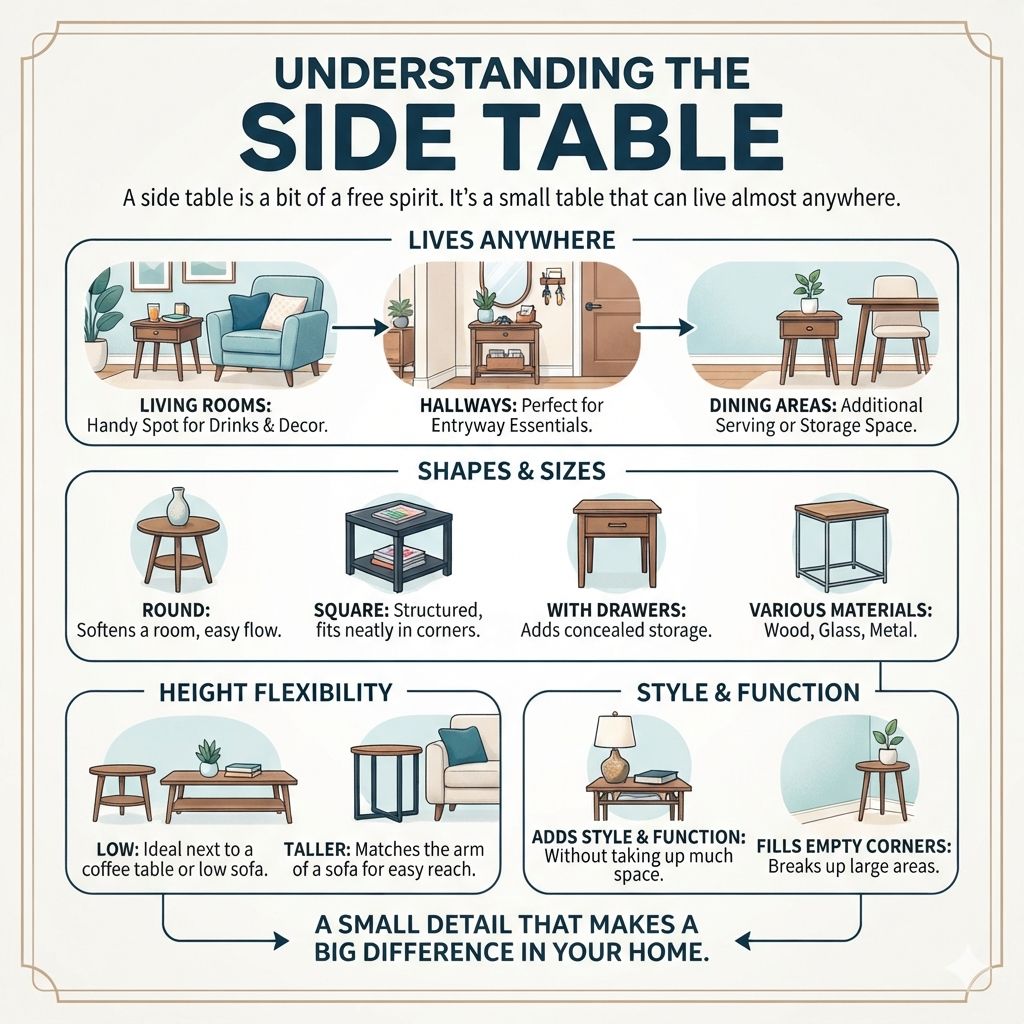
A side table is a bit of a free spirit. It’s a small table that can live almost anywhere. Think of living rooms, hallways, or even dining areas. Its main job is to provide a handy spot for things. It might hold a decorative vase, a stack of magazines, or a drink. They come in all sorts of shapes and sizes. You’ll see round ones, square ones, and even some with drawers.
The height of a side table can vary a lot. Some are quite low, perfect for next to a coffee table. Others are taller, matching the arm of a sofa. This flexibility makes them useful. They add a touch of style and function without taking up much space. People often use them to fill empty corners or to break up large seating areas.
Side Table Styles to Know
C-Table: These tables have a base that slides under a sofa or chair. The tabletop then extends over the furniture. They are great for small spaces. You can eat a snack or use your laptop easily.
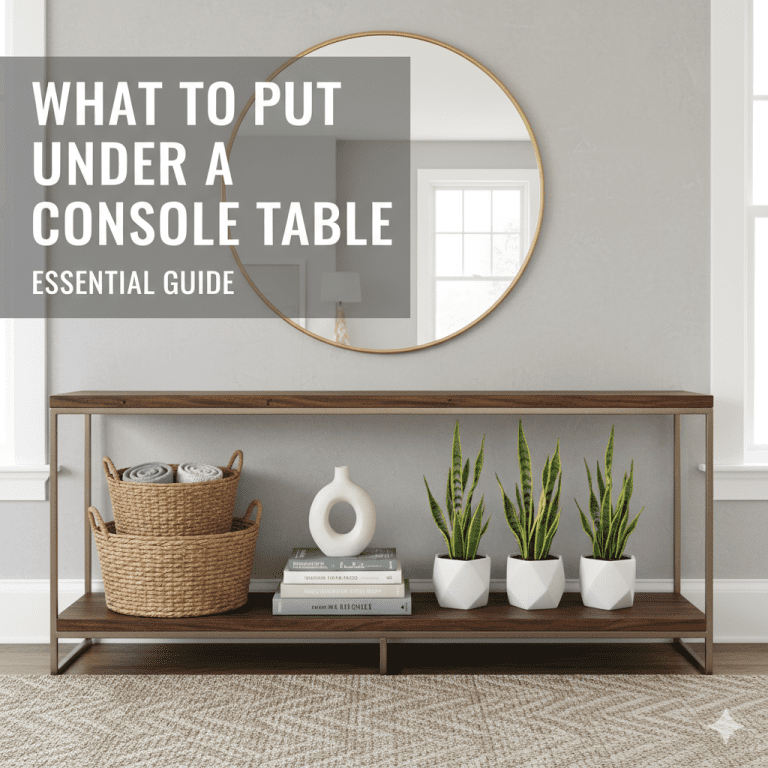
Sofa Table: Often longer and narrower, these tables are placed behind a sofa. They can hold lamps, photos, or serve as a small desk. They add a decorative element without blocking views.
End Table: This is a very common type of side table. It usually sits at the end of a sofa or next to an armchair. They are typically about the same height as the arm of the furniture. Perfect for a lamp and a coaster.
What Exactly is a Nightstand?
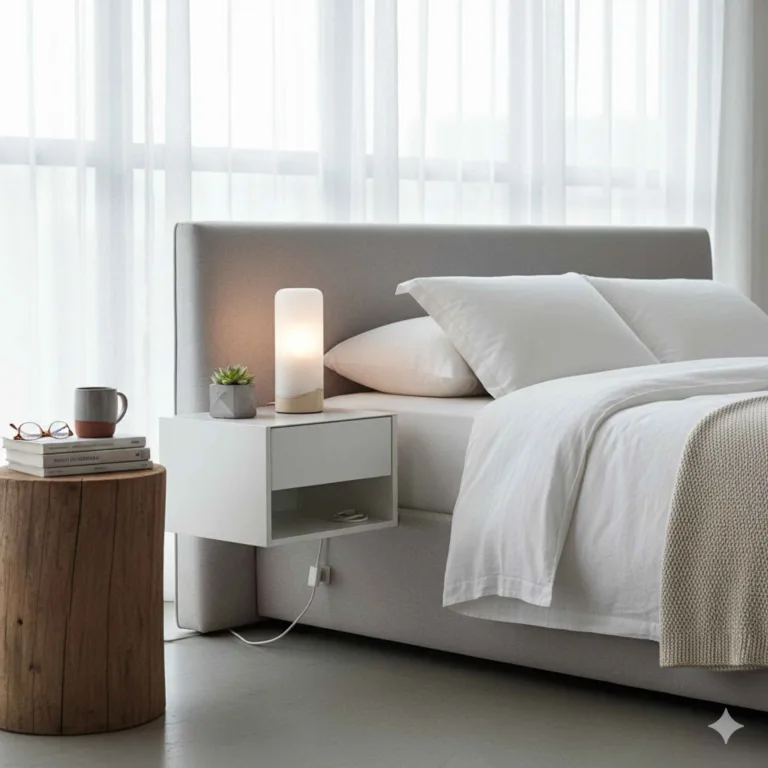
A nightstand has a very specific job and location. Its name tells you its purpose: it sits by your night. This means it lives right next to your bed. Its main role is to hold the essentials you need during the night or first thing in the morning. Think of your alarm clock, a glass of water, your reading glasses, or that novel you’re engrossed in.
Nightstands are usually built to be the right height for your bed. You should be able to reach them easily without sitting up fully. Many nightstands have drawers or shelves. This is great for keeping your bedroom tidy. You can hide away remotes, medications, or other small items. They help keep the space around your bed clutter-free.
Nightstand Essentials Checklist
- Alarm clock or phone charging station
- Lamp for reading
- Glass of water
- Current book or e-reader
- Hand lotion or lip balm
- Glasses or contacts case
- Medications (if needed)
Side Table vs Nightstand: Key Differences
The biggest difference is the location. A nightstand is almost always found in a bedroom, right beside the bed. A side table can live in any room. Its purpose is more general: to add a surface where one is needed.
Another point is height. Nightstands are typically designed to match the height of a standard bed. Side tables have a wider range of heights. They need to fit with sofas, chairs, or other furniture. They are not usually as tall as a nightstand if placed next to a bed.
The items they hold also differ. A nightstand is for personal bedside items. A side table is more for general use. It might hold a drink while you watch TV. Or it could display some decorative items in your living room.
Myth vs. Reality
| Myth | Reality |
|---|---|
| All small tables are nightstands. | No, nightstands are specific bedroom tables. Other small tables are called side tables. |
| Side tables can’t be used in bedrooms. | They can, but they might not be the ideal height or style for beside a bed. |
| Nightstands must have drawers. | Many do, but open shelf designs or simple tabletops are also common. |
When to Choose a Nightstand
You need a nightstand if you have a bedroom. It’s a foundational piece of bedroom furniture. If you sleep in a bed, you’ll want something beside it. This helps you keep essentials close.
Think about your nightly routine. Do you read before sleep? Do you need a place for your phone to charge? Do you keep medication by your bed? A nightstand is designed for these exact needs. It provides a stable surface and often storage for these items.
The height is crucial here. A standard nightstand is usually between 24 and 30 inches tall. This height works well with most standard beds. If your bed is very low or very high, you might need to find a specific size. But for most beds, a standard nightstand is perfect. It makes your bedroom more functional and organized.
When to Opt for a Side Table
Side tables are incredibly versatile. They are perfect for your living room. Place one next to your sofa for easy access to remotes or a drink. It can hold a lamp to create cozy lighting. Or it might be home to a small plant for a touch of green.
They also work well in other areas. A small side table in a hallway can hold keys or mail. In a dining room, it could display a centerpiece. Even in a home office, a small side table can hold a printer or extra supplies. Their adaptability is their strongest feature.
Consider the style of your room. Side tables come in a vast array of designs. You can find modern, minimalist ones. Or you might prefer rustic, farmhouse styles. There are industrial metal ones and elegant mirrored ones. You can match them to your decor or use them as a statement piece.
Side Table Placement Ideas
Living Room: Next to sofas, armchairs, or even in an empty corner.
Entryway: To hold keys, mail, or a decorative item.
Bedroom: If you don’t have space for a traditional nightstand, a low side table can work.
Home Office: Beside a desk for extra surface area or storage.
My Own Nightstand Woes (And How I Fixed Them)
I remember when I first moved into my own apartment. I was so excited about everything. I had this amazing, big bed. But I totally forgot about bedside furniture. I had this cool, low coffee table in my living room. It was made of dark wood with a glass top. I thought, “Hey, I can just put this by my bed!”
Oh, boy. It was a disaster. My bed was pretty standard height. This coffee table was way too low. Every time I wanted to set down my book or my water, I had to lean way over. It was awkward and uncomfortable. Plus, it didn’t have any drawers. My phone, charger, and a million other little things just ended up in a pile on the floor. It was messy!
One night, I reached for my water and knocked the whole thing over. Water went everywhere. My phone got splashed, and my book was soaked. That was it. I realized I needed a proper nightstand. I went shopping and found a simple, two-drawer nightstand. It was the perfect height. Having those drawers was a game-changer. Everything had a place. My bedroom felt so much more peaceful and organized. It’s funny how one small piece of furniture can make such a big difference.
Can a Side Table Serve as a Nightstand?
Yes, absolutely! Sometimes, you don’t have a lot of space. Or maybe you found a side table you love. You can definitely use a side table as a nightstand. The key is to make sure it fits your needs.
First, check the height. It should be roughly the same height as your mattress. You don’t want to be stretching too far or feel like you’re reaching for the floor. Most beds are about 20-26 inches from the floor to the top of the mattress. So, look for a side table in that range.
Next, think about storage. Do you need drawers or shelves? If you like to keep your bedside area tidy, a side table with storage is best. If you only need a place for a lamp and a book, a simple tabletop might be fine. Many stylish side tables have a shelf or a small drawer, making them perfect for bedroom use.
Quick Scan: Side Table as Nightstand
Height Match: Does it reach your mattress top?
Storage Needs: Do you need drawers or shelves?
Style Fit: Does it complement your bedroom decor?
Stability: Is it sturdy enough for daily use?
When is a Nightstand NOT the Best Choice?
Sometimes, a traditional nightstand isn’t the best fit. If you have a very small bedroom, a bulky nightstand might make it feel crowded. You might need something more compact.
If your bed is extremely low to the ground, finding a nightstand that matches can be hard. You might need a very short table, which is more common in side table designs. Also, if you don’t need much storage by your bed, a large nightstand could be overkill.
Another scenario is if you prefer a minimalist look. Some people don’t like the clutter that can come with bedside tables. They might opt for a floating shelf instead. Or simply have nothing beside their bed. In these cases, a nightstand might not be necessary or desired.
Styling Your Bedside Area
No matter if you choose a side table or a nightstand, styling it can make a big difference. It’s your personal space right next to your bed. You can make it look great!
Start with lighting. A bedside lamp is essential. It provides soft light for reading. Choose a style that matches your room. Consider a table lamp or a wall-mounted sconce if you are short on table space.
Add some personal touches. A small photo frame, a favorite book, or a small plant can add personality. Keep it simple, though. You don’t want too much clutter. Too many items can make the space feel busy and hard to use.
Stylish Bedside Additions
Coasters: Protect your table’s surface from drinks.
Catch-all Tray: For small items like keys, earrings, or loose change.
Small Decorative Vase: Add a touch of elegance with a single flower.
Charging Station: Keep your devices organized and charged.
Considering Bed Height
The height of your bed is a really important factor. It directly impacts the height of the table you should choose. You want the top surface of your nightstand or side table to be about the same height as your mattress. Or perhaps just a few inches above or below.
If your table is too low, you’ll have to bend down too much to use it. This can be uncomfortable. If it’s too high, reaching for things might feel awkward. It can also make your lamp’s light shine in your eyes when you’re lying down.
Measure your bed’s height from the floor to the top of your mattress. Then, shop for tables that are close to that measurement. Standard nightstands fit most beds. But if you have a platform bed that is very low, or a four-poster bed that is very high, you’ll need to be more specific. This is where looking at a wider range of side tables might be helpful, as they offer more varied heights.
Materials and Durability
Both side tables and nightstands come in many materials. Wood is very popular. It can be solid wood, like oak or pine, or it can be made of particleboard with a wood veneer. Solid wood is more durable but also more expensive. Veneers can look nice but can chip or scratch more easily.
Metal is another option. It’s often used for more modern or industrial styles. Metal tables can be very sturdy. Glass tops are also common, especially for side tables. They can make a room feel lighter and more open. However, glass can break or show fingerprints easily.
When thinking about durability, consider how you’ll use the table. If it’s in a high-traffic area like a living room, you might want something very robust. If it’s a nightstand that will mostly hold a lamp and a book, it might not need to be as heavy-duty. Think about spills, scratches, and overall wear and tear.
Storage Solutions
Storage is a key feature for many people. Nightstands often come with drawers or shelves. This is perfect for keeping your bedroom tidy. You can store books, chargers, tissues, or even extra bedding.
Side tables can also offer storage. Some have a single shelf underneath. Others might have one or two drawers. The amount of storage space can vary greatly. When choosing, think about what you need to store. Do you have many small items that need hiding away? Or do you just need a surface for a few things?
If storage is a high priority, look for pieces with well-made drawers. Check if they slide smoothly. For open shelves, make sure they are deep enough for your needs. Sometimes, a small basket can be placed on an open shelf to help organize smaller items.
The Impact on Room Aesthetics
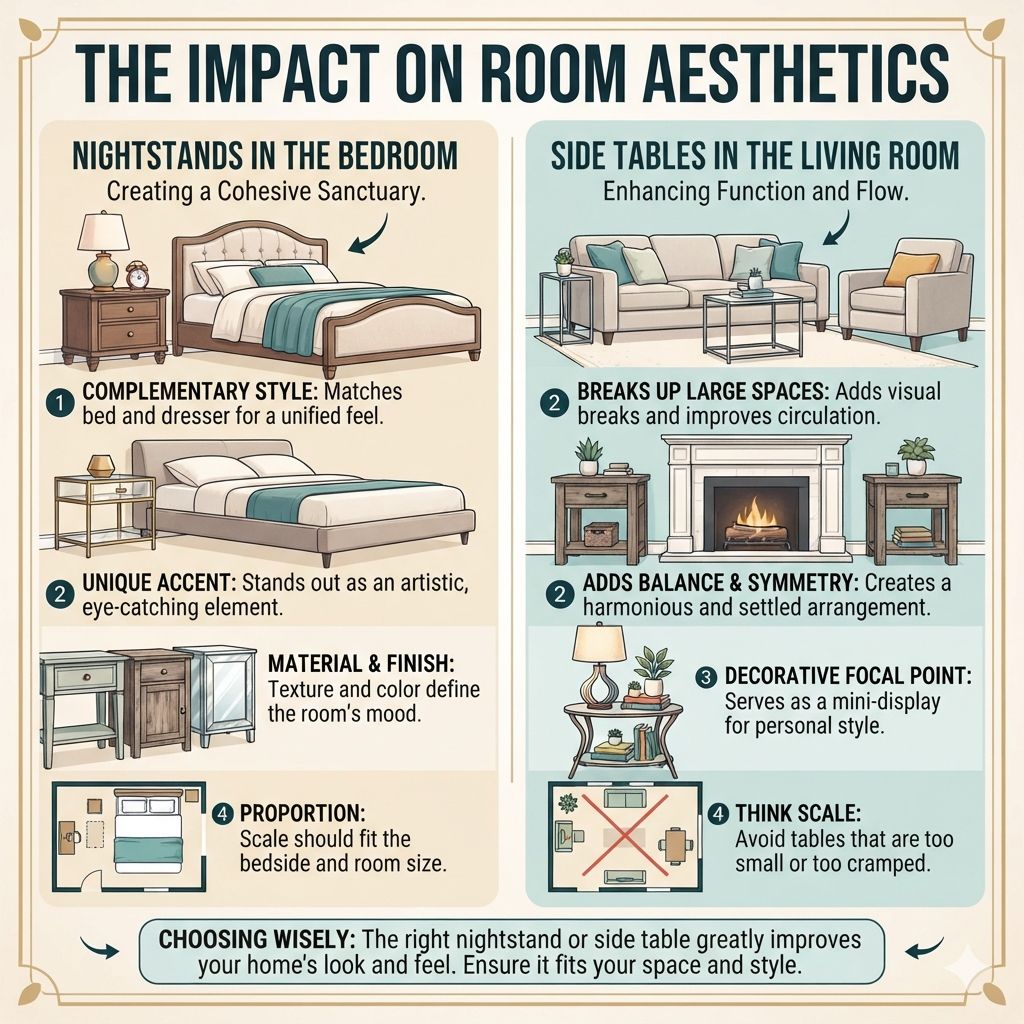
The right table can really enhance the look of your room. A nightstand is part of your bedroom’s overall feel. It can complement your bed and dresser. Or it can stand out as a unique piece.
A side table in a living room can break up a large sofa. It can add balance to the room. It can also serve as a decorative element. The style, material, and finish of the table all contribute to the room’s aesthetic. A sleek metal side table might suit a modern living room. A rustic wooden side table could fit a farmhouse design.
Think about the scale of the table. A small table in a large room might look lost. A large table in a small room can make it feel cramped. The goal is to find a piece that fits the space and the style of your home. Both side tables and nightstands, when chosen wisely, can greatly improve your room’s look and feel.
Frequent Questions About Side Tables and Nightstands
What is the main purpose of a nightstand?
The main purpose of a nightstand is to hold items needed by the bed. This includes alarm clocks, lamps, books, and medications. It provides easy access during the night and morning.
Can I use a nightstand in my living room?
Yes, you can. If a nightstand’s height and style fit your living room needs, it can function as a side table. Some nightstands have a more versatile look.
How tall should a nightstand be?
Ideally, a nightstand should be about the same height as your mattress. This usually means between 24 and 30 inches from the floor.
What is the difference between an end table and a side table?
The terms are often used interchangeably. An end table is a type of side table, typically placed at the end of a sofa or next to an armchair.
Do I need drawers in my nightstand?
Drawers are helpful for storing small items and keeping the bedside area tidy. However, if you only need a surface for a lamp and a book, drawers may not be necessary.
Are side tables good for small apartments?
Yes, side tables are excellent for small apartments. Their compact size and versatility allow them to fit into various spaces, like next to a sofa or in a corner.
Final Thoughts on Choosing
Choosing between a side table and a nightstand really comes down to where you need it and what you need it for. A nightstand is specifically for the bedroom, beside the bed. A side table is more of a general helper, ready to lend a surface in any room.
Consider the height, the style, and the storage you require. Measure your space. Think about your daily habits. With these things in mind, you’ll find the perfect piece to make your room more comfortable and stylish. Whether it’s a dedicated nightstand or a clever side table, it will make a great addition.
Products related to this article
Sponsored / affiliate links. As an Amazon Associate I earn from qualifying purchases. I may earn additional commission from eligible campaigns.
 Acovy 40 Inch Floating Shelves, 12" Deep Floating Shelf Wall Mounted, 40" Wall Shelves, Rustic Deep Bookshelf, Extra Deeper & Thicker Display Shelves for Bedroom, Living Room, Oak, Set of 2
 Acovy 24 Inch Floating Shelves, 12" Deep Floating Shelf Wall Mounted, 24" Wall Shelves, Rustic Deep Bookshelf, Extra Deeper & Thicker Display Shelves for Bedroom, Living Room, Brown, Set of 2