Bedroom Design Ideas
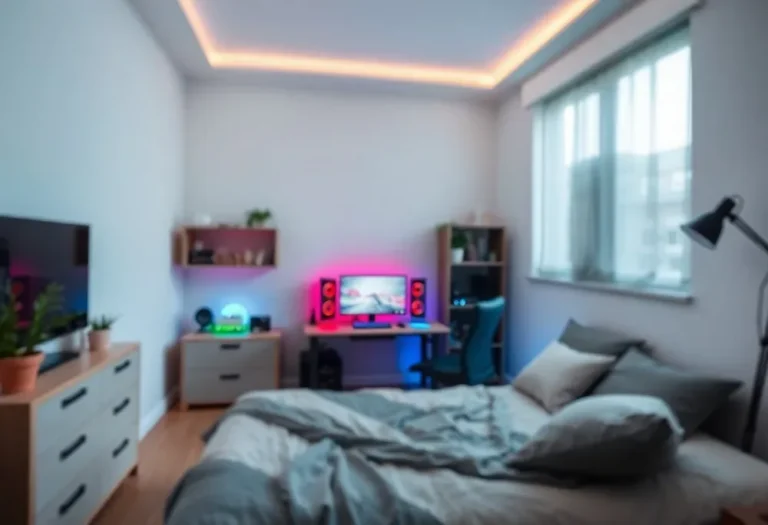
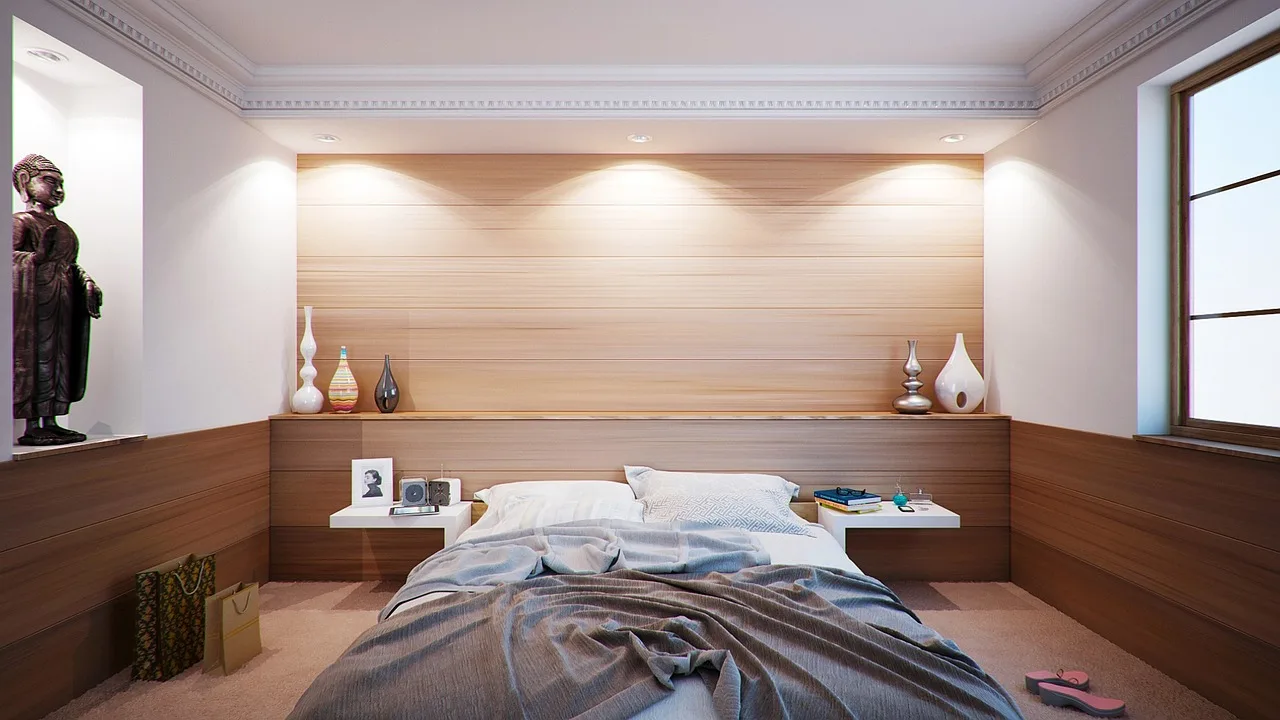
The best bedroom design ideas start with five filters: room size, natural light, storage demand, sleep sensitivity, and style; once those are clear, choices like bed placement, color, lighting, and furniture get much easier. I have seen the opposite many times, a room that photographs well but sleeps poorly, stores badly, and feels awkward to use. This guide maps design ideas to small, dark, shared, and sleep-work bedrooms, with clear picks for layouts, colors, lighting, and storage.
Start with constraints, not inspiration
The five inputs that should drive every bedroom decision
Most expensive bedroom mistakes start when someone picks the pretty move before the practical one. A dark paint color, canopy frame, statement wallpaper, or deep bench can all work, but only when the room can carry their visual and physical weight.
Start with five inputs:
- Room size: how much open floor remains once the bed is in place.
- Natural light: bright south-facing rooms handle deeper color far better than dim north-facing ones.
- Storage pressure: whether clothing, linens, work items, or hobby gear must live here.
- Sleep sensitivity: whether glare, clutter, visible work gear, or strong contrast affects rest.
- Style preference: minimalist, cozy, eclectic, modern, coastal, farmhouse, or boho.
How room size, light, storage pressure, and sleep habits change the plan
A bright, larger room can often handle a darker wall color, a taller headboard, heavier curtains, and a bench at the foot of the bed. A dim, small room often does better with the reverse: a lower-profile frame, a simpler wall treatment, more reflective finishes, and fewer pieces touching the floor.
Storage pressure changes the furniture plan too. If the closet is weak, a sculptural bed with no drawers may look refined and still fail the room in daily use. Shared sleep-work bedrooms need zoning. House Beautiful recommends zoning tricks like a decorative screen or a shift in wall colour.
Durable design moves versus easy-to-swap trend details
Durable moves belong in layout, lighting location, window treatment height, bed scale, and major material choices. Trend details belong in pillow covers, a painted ceiling color, a peel-and-stick wallpaper panel, or a curved accent chair.
For the next year or so, some designers are leaning toward clay browns, olive greens, patterned wallpaper, and darker, cocooning color schemes. Jane at Home says 2026 bedroom furniture trends include curvy shapes and textured fabrics, and also lists warm wood tones and curved silhouettes as popular in 2026. Those details can help, but the longer-life choices are still circulation, storage, and light control.
According to 60 Beautiful Bedroom Ideas – Bedroom Decor Ideas — House Beautiful lists white, green, and black among the most popular bedroom colors for 2026.
What should I prioritize first when designing a bedroom?
Prioritize layout first, then light control, then the color palette, then textiles, and only after that the smaller decor. Bed placement decides traffic flow, nightstand size, and whether the room feels settled. In my work, most bedrooms change more from moving the bed, removing one bulky piece, and fixing bedside lighting than from adding a new accent wall.
Layout before color
The bed is the largest object in the room. Its location decides what can happen everywhere else. If the bed blocks a door swing, crowds a window, or leaves one sleeper pinned to a wall, no paint color will fix the daily frustration.
A good starting test is the doorway view. When someone enters, the room should read clearly. The bed should feel intentional, not wedged between openings or floating in a way that breaks movement.
The highest-payoff upgrades for most bedrooms
- Blackout or light-filtering curtains: immediate visual finish and better sleep control.
- Bedside lighting: frees the overhead fixture from doing every job.
- A larger rug or better rug placement: calms the floor plan fast.
- Matching the bed frame to room scale: often matters more than replacing every other piece.
- Storage furniture with a reason: drawers under the bed, a tall chest, or slimmer nightstands.
A simple budget sequence
- Fix layout and remove excess furniture.
- Control light: curtains, shades, bedside task lighting.
- Paint or wallpaper only after the furniture map is set.
- Upgrade bedding and rug scale.
- Replace the bed frame or nightstands if scale is still off.
- Add easy-to-swap details last: framed art, pillow covers, throws, small accent seating.

Minimalist vs. Cozy: Choosing Your Bedroom Baseline
A minimalist bedroom gives you the fastest cleanup and a visually quiet space, while a cozy setup prioritizes layered textures and sensory warmth for deeper relaxation. Picking the wrong baseline means living with a room that feels either too sterile or too cluttered to maintain.
Comparing these two directions across lighting, storage needs, material choices, and sleep quality helps you lock in a style before buying furniture. The guide breaks down a practical decision checklist so you can match your daily habits—whether you need low upkeep or maximum comfort—to the right layout. Use this minimalist versus cozy comparison to determine which baseline fits your floor plan and routine.
Budget Bedroom Furniture: Knowing When Wayfair Delivers Value
For shoppers prioritizing cost-efficiency, selecting the right items on Wayfair requires looking beyond the sticker price. Their Wayfair bedroom furniture review highlights that low-priced particleboard pieces often lack long-term durability, making them a risky investment for primary bedrooms. Instead, the guide identifies specific bed frames, dressers, and nightstands built with solid materials that justify the spend. It also details the limitations of their replacement support, advising buyers to check assembly reviews before committing to complex items.
Understanding which styles hold up and which quickly wear out saves you from frequent replacement costs. By aligning your purchase with the specific material standards and assembly realities outlined in the review, you ensure your budget-friendly bedroom furniture serves you for years, not just a few months. This approach turns a potential bargain into a reliable, long-lasting addition to your space.
When Pottery Barn Bedroom Pieces Justify the Price
Pottery Barn bedroom decor delivers its best value on upholstered beds, select nightstands, mirrors, and bedding where coordinated finishes and design consistency matter most. Plain storage pieces and small decorative items often carry a premium without offering better construction or hardware than budget alternatives.
Understanding which categories justify the cost prevents overpaying for average quality. A detailed Pottery Barn bedroom review breaks down exactly what to buy, what to skip, and how the brand compares with West Elm and lower-priced retailers. It also covers how sales cycles, shipping fees, and rewards programs shift the real price you pay, giving you a practical checklist before committing to high-ticket furniture.
Bedroom Design Decision Matrix
How to use the matrix
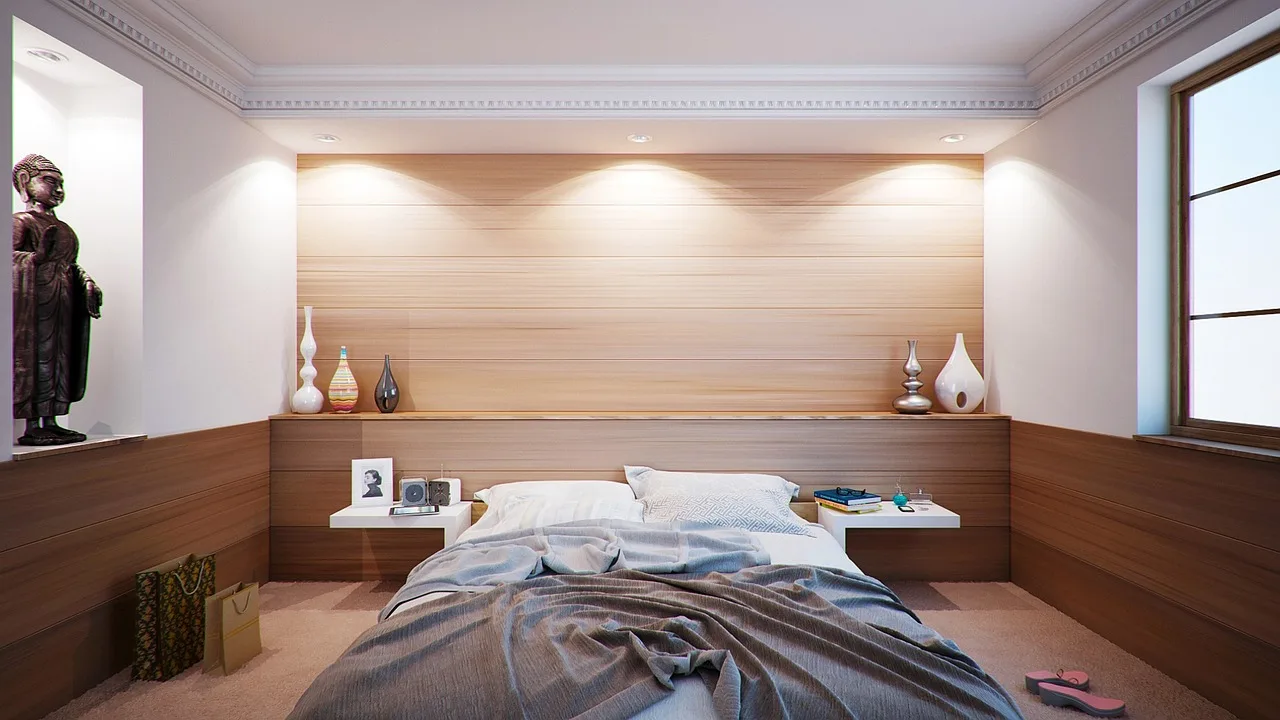
Find the row closest to the room’s real conditions, not the style you wish the room had. A low-light room with heavy storage needs should not borrow its plan from a bright guest room with almost no daily use. The matrix is built to cut common misses before money is spent.
| Room type | Natural light | Storage pressure | Desired mood | Best layout | Color palette | Lighting approach | Decor moves | Avoid if |
|---|---|---|---|---|---|---|---|---|
| Small primary bedroom | Low | High | Restful | Bed on the longest clear wall, slim nightstands, storage bed, no foot bench | Soft white, warm greige, muted green, light brown accents | Warm ambient ceiling light, wall-mounted bedside lights, reflective curtains | Linen bedding, flat-weave rug, warm wood, one mirror opposite side wall | Dark ceiling, canopy bed, bulky settee, busy wallpaper on all walls |
| Large primary bedroom | High | Medium | Cozy | Centered bed, bench or settee, reading chair near window | Tonal blue, earth tones, terracotta accents, warm wood and stone | Overhead ambient, bedside lamps or pendants, reading lamp by chair | Velvet throw, larger rug, patterned curtains, textured headboard | Tiny rug, under-scaled art, all furniture pushed to walls |
| Shared bedroom with work zone | Medium | High | Ordered | Bed away from desk sightline, desk by window, screen or colour shift to zone | White, sage, tan, brown, black used in small accents | Separate task light at desk, soft bedside light, controlled overhead | Closed storage, cane screen, tonal bedding, cable control | Desk facing bed, open shelving overloading visual field, one light source only |
| Guest bedroom | High | Low | Fresh | Bed centered for easy access on both sides, small luggage bench if room allows | White, green, blue, pale tan | Simple ambient light, bedside lamps, easy dimming if possible | Crisp bedding, floor-length curtains, one accent wall or soft wallpaper | Oversized storage furniture that reduces circulation |
| Teen bedroom | Medium | High | Flexible | Storage bed, desk zone, pinboard or renter-safe wall panel | White base with blue, green, terracotta, or black accents | Bright task light at desk, warm bedside lamp, layered overhead control | Washable rug, peel-and-stick wallpaper, open and closed storage mix | Fragile pale fabrics, oversized lounge seating, too many micro-accessories |
| Low-light rental bedroom | Low | Medium | Soft | Keep bed visible from door, use floating shelves sparingly, maximize floor area | Cream, soft green, pale clay, light brown, touches of black | Plug-in sconces, warm bulbs, light-filtering curtains hung high | Peel-and-stick wallpaper behind bed, rattan details, textured quilt | Heavy drapery stacks, dark matte paint on every wall, large media unit |
The failure-case filter
If a choice reduces walkway comfort, blocks daylight, or adds visual noise where sleep happens, it should be reconsidered. This is where many popular bedroom design ideas go wrong. The room may look styled in a still photo and feel cramped every night.
How should I plan the bedroom layout?
Plan the layout by placing the bed first on the calmest wall that keeps entry clear, allows workable access on each side, and does not fight the window or door. After that, protect walking paths, keep nightstands scaled to the room, and separate work from sleep whenever both functions share one space.
Best bed placement relative to windows and doors
The best wall is usually the one seen from the doorway, provided it is not chopped up by openings. If a centered headboard under a window is the only option, keep the headboard lower and use full, intentional drapery so the bed feels grounded instead of accidental.
Avoid placing the bed where a door opens directly into its side or where one sleeper has to squeeze past a dresser daily. In awkward rooms, symmetry matters less than clear use.
Traffic flow around the bed and nightstands
Traffic should bypass the pillows. If the route to the closet, bath, or window cuts across the sleeping zone, the room stays unsettled. I see this often when a bench, wide chair, or oversized rug pushes circulation into the bed corners.
Nightstands should suit the remaining space, not the bed width alone. In tight rooms, slimmer pieces or wall-hung shelves often beat matching bulky tables.
Zoning for work and sleep in shared or multipurpose rooms
Work gear reads as mental noise in a bedroom. The cleaner fix is physical separation. House Beautiful recommends zoning tricks like a decorative screen or a shift in wall colour. That can be enough to visually move the desk area out of the sleep zone without adding a full partition.
Put the desk near the window if possible and keep the bed out of the video-call background when practical. Closed storage matters more here than decorative storage.
Space-saving layout ideas for small bedrooms
- Use wall-mounted sconces or pendants instead of lamps when the nightstands are narrow.
- Consider under-bed drawers or a lift-up storage bed when closet space feels tight.
- Skip a bench if it turns the foot of the bed into a bottleneck.
- Use one dresser that fits well instead of two shallow pieces that clutter edges.
- Keep art and mirrors scaled to the wall, not oversized for drama.
Furnishing a shared bedroom for two adults
A shared bedroom requires furniture that supports two sleep schedules, double the clothing storage, and individual personal zones. Choosing a king or queen bed, a unified storage plan, and separate nightstands prevents daily clutter and sleep disruption.
The supporting guide breaks bedroom furniture into three categories: shared sleep surfaces, shared storage solutions, and individual spaces tailored to each person’s habits. It covers bed sizing for two adults, small-room layouts, whether to buy matching sets or separate pieces, and how much storage couples actually need. Getting these decisions right ensures both people have function and style without constant compromise. Explore bedroom furniture for couples to plan a layout that works for two.
How do I choose the right bedroom color palette?

Choose bedroom colors by reading the room’s light first, then the mood target. Bright rooms can handle deeper or moodier schemes, while dim rooms usually benefit from lighter or tonal palettes. The strongest palettes also connect to the finishes in the room, so paint, wood, fabric, and metal read as one plan.
Light versus dark schemes by natural light level
Low-light rooms often flatten when painted in dark matte shades from wall to wall. The color can look muddy by late afternoon, especially with heavy furniture. In those rooms, lighter bases with darker accents usually give better depth.
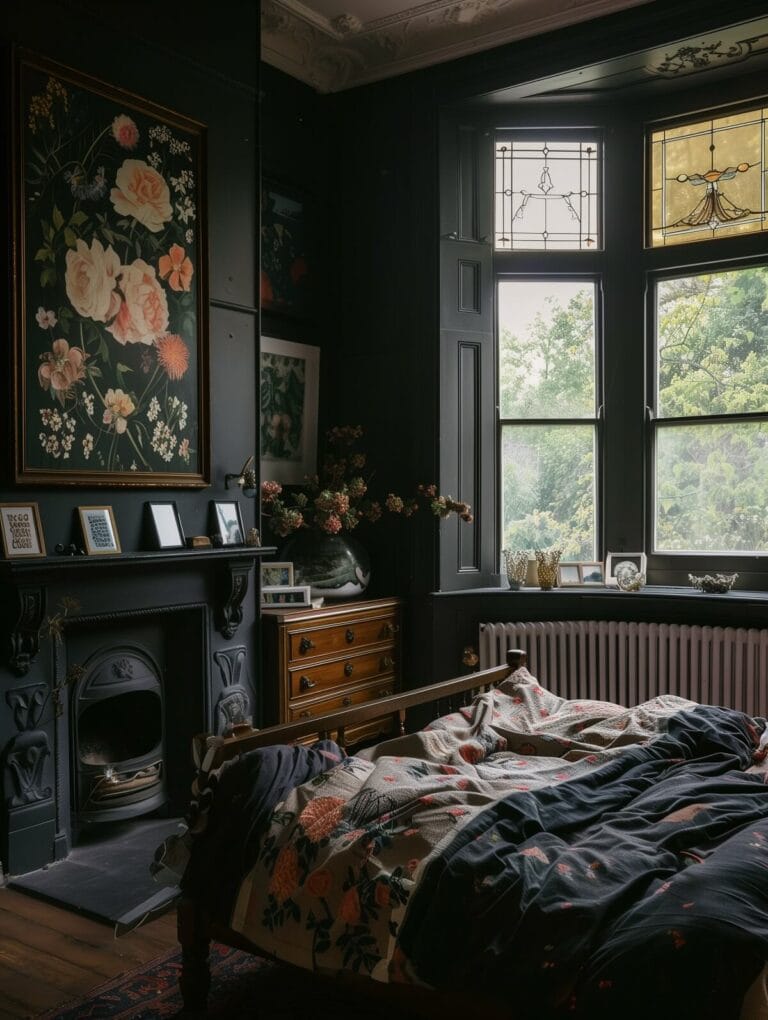
Bright rooms can often support darker colors like black, deep blue, olive, or brown more easily. House Beautiful lists white, green, and black among the most popular bedroom colors for 2026. Black works best when balanced by warm wood, upholstery texture, or a lighter ceiling.
Tonal palettes that feel quiet without looking flat
House Beautiful says bold can be restful when you use tonal shades. That is useful for anyone who wants mood without hard contrast. A tonal blue room, for example, might pair a soft blue wall, deeper blue drapery, and a slate-blue quilt, then add oak and stone for warmth.
Tonal schemes also keep pattern under control. They suit bedrooms where visual calm matters more than statement pieces.
2026-friendly hues and what they suit
- White: best for low-light rooms, renters, and layered textile schemes.
- Green: works from pale sage to deep olive and pairs easily with wood and cane.
- Black: strongest in brighter rooms with fewer competing patterns.
- Terracotta and earth tones: add warmth to cool light and suit cozy or farmhouse directions.
- Blue: useful for restful tonal rooms and coastal-leaning spaces.
- Brown: brings weight and maturity when used through wood, upholstery, and rugs.
How finishes should connect to the palette
Jane at Home recommends natural wood and/or stone finishes for large bedroom pieces. That keeps bigger items grounded and less trend-dependent. Warm wood softens white, black, blue, and green. Stone works especially well when a room needs contrast without shininess.
Linen and cotton read lighter. Velvet reads denser and warmer. Boucle adds softness but can feel visually thick in a small dark room if repeated too often. Cane and rattan reduce visual weight, which helps nightstands, chair backs, and screens feel easier in tighter layouts.
How to Pick the Perfect Headboard for Your Bedroom
If you’re stuck deciding which headboard to buy, the guide breaks down options by comfort, storage, renter constraints, and room size. It walks you through measuring the wall, matching materials, and picking a silhouette that complements your bed and décor, so you avoid wasted space or an awkward look.
The quick‑comparison tables and decision matrix let you pinpoint the best choice for reading, small spaces, or a renter‑friendly setup, and the article’s comprehensive headboard ideas give buying tips on size, mounting, and style.
Bedroom lighting ideas that work at night and during the day
Ambient, task, and bedside lighting roles
Every bedroom needs ambient light for the room, task light for reading or dressing, and softer bedside light for winding down. Relying on one bright ceiling fixture usually leaves the room either gloomy in corners or too harsh near the bed.
Overhead lighting should fill the room, not dominate it. Bedside lighting should reach books, devices, and water without forcing someone to stand up. A desk or vanity needs its own task source when present.
When to use bedside lamps, pendants, or sconces
Table lamps are easiest when the nightstands are generous and the room is not short on surface area. Pendants and sconces free the nightstand top, which is useful in small rooms. Good Housekeeping notes bedside pendant lights should hang at least two feet above the nightstand.
Pendants do not suit every room. If the bed wall is already busy with patterned wallpaper, a tall headboard, and dramatic drapery, visible cords or hanging fixtures can tip the composition into clutter.
Warm light and natural light maximization
Warm light is the safer default for a restful bedroom because it softens surfaces and reduces the clinical cast that cool bulbs can give white walls. During the day, preserve daylight before adding decor. Heavy layered drapery in a dim room often solves privacy and creates a second problem.
Good Housekeeping highlights patterned floor-length curtains as a focal point. That works best when the room has enough daylight to support stronger fabric. In low-light rooms, a lighter curtain with subtle pattern usually performs better.
Choosing Window Treatments for Better Sleep and Privacy
Blackout curtains generally outperform blinds for sleep quality and nighttime privacy, but blinds are the better fit for narrow bedrooms, damp spaces, and rentals where a slim profile matters. Choosing the wrong treatment can lead to early wake-ups from dawn light and compromised privacy.
The guide on bedroom curtains vs blinds breaks down how each option handles light blocking, insulation against heat and cold, noise reduction, and cleaning effort. It also includes a decision matrix covering six common bedroom scenarios and compares setup costs, helping you match the right treatment to your specific room conditions rather than relying on aesthetics alone.
Matching Wall Tone to Natural Light
Wall color directly impacts sleep quality, mood, and perceived room size. Dark walls work best in bedrooms that receive strong daylight or where a cocooned atmosphere is the goal. Light walls are necessary for small, dim rooms that need morning brightness to feel open.
Choosing the wrong tone creates friction every day. A practical room audit—measuring window exposure, checking artificial lighting, and evaluating square footage—prevents the most common mistakes with either palette. The guide on dark versus light bedrooms provides a decision matrix to match your specific conditions, along with targeted fixes to keep dark rooms from feeling cave-like and light rooms from appearing sterile.
Furniture, textiles, and wall treatments that change the room fastest
Choosing bed frames, nightstands, benches, and accent seating by scale
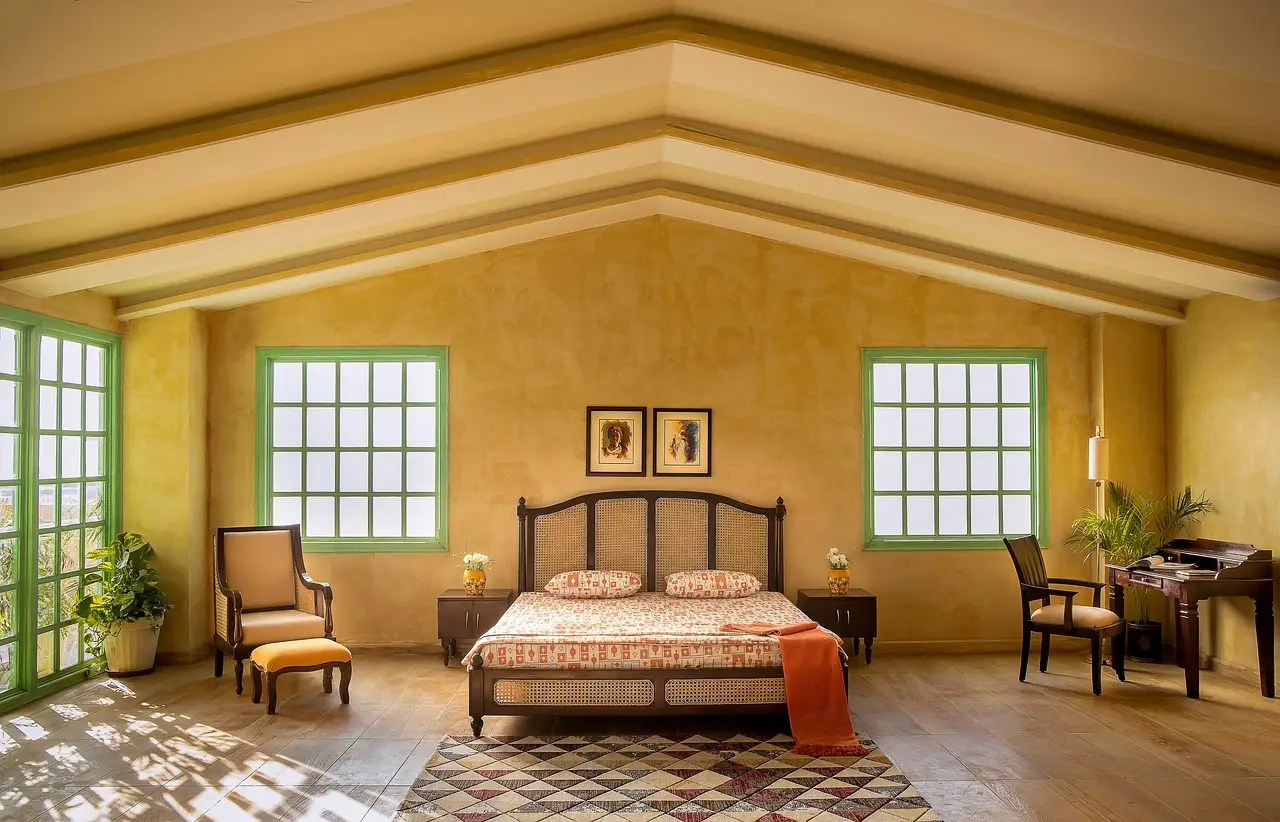
Start with the bed frame profile. Low and visually open frames help small rooms. Taller upholstered headboards can anchor large bedrooms. Curved forms are current, and Jane at Home says 2026 bedroom furniture trends include curvy shapes and textured fabrics, but keep curves in one or two pieces so the room does not go soft everywhere.
Nightstands should reflect need, not habit. If the room barely fits them, wall-mounted options, narrow drawer units, or one full nightstand paired with one shelf often solve the problem. Benches and settees belong only where circulation still feels easy after they arrive.
Bedding layers, curtains, rugs, and texture mixing
Textiles do much of the mood work. Smooth cotton percale reads cleaner and cooler. Linen loosens the room visually and softens acoustics. Velvet on one item can add depth; velvet on drapes, bench, and pillows all at once can feel heavy.
Use the rug to join the bed and nightstands into one composition. Rugs that are too small make the whole room feel pieced together. Patterned floor-length curtains can carry a bedroom when walls are plain, but if wallpaper is already active, quieter drapery usually looks more settled.
Paint, wallpaper, shiplap, stone or brick panels, and accent walls
Paint is the easiest broad change. Wallpaper is stronger and should earn its place. Statement wallpaper works best on the bed wall when the other walls can stay calm. In small dark bedrooms, high-contrast wallpaper on every wall often shrinks the room and adds visual noise around sleep.
Shiplap suits farmhouse and coastal directions when kept simple and painted to reduce contrast. Stone or brick panels add weight quickly, so they belong in larger rooms or on carefully chosen sections, not by default.
Using the ceiling as a fifth wall
The ceiling can do real work when the room is plain or awkward. Barron Designs suggests a single beam across the center of the ceiling can change the room, and says one ceiling beam can make a room appear longer and more open. That is a better move in clean rooms than in ones already crowded with beams, wallpaper, and dark trim.
Soft ceiling color can also help. In minimalist rooms, Barron Designs recommends keeping minimalist bedroom accents in pale pinks, greys, greens, and tans. Those shades translate well overhead when the walls are quiet.
Adding warmth and texture with bedroom rugs
A 100% wool or wool-blend rug with a medium pile is the most effective way to add physical warmth and visual texture to a bedroom. Positioning the rug so the front portion of the bed rests on it anchors the sleeping area, while a 5×8 size typically works well in smaller rooms without overwhelming the floor plan.
Choosing the right material and placement prevents common sizing mistakes that make a room feel disjointed. Our guide to bedroom rug ideas compares specific wool, shag, jute, and washable options suited for queen beds, king beds, and compact rental spaces, helping you match the rug to your layout and maintenance needs.
What are the best bedroom design ideas for small rooms?
The best small-room bedroom design ideas reduce visual weight, protect floor space, and make storage do double duty. That usually means a lower bed frame, slimmer nightstands, wall-mounted lighting, better curtain placement, and fewer pieces overall. Small bedrooms improve from restraint and planning, not from squeezing in every feature.
Visual expansion moves that actually help
Hang curtains higher so the window reads taller. Keep bedding tones close to the wall color if the room feels chopped up. Choose furniture with some leg exposure or lighter visual mass. Mirrors help when they bounce useful light, not when they simply duplicate clutter.
Space-saving furniture that earns its footprint
Storage beds are often more valuable than a stylish bed plus an extra chest. Floating nightstands can open the floor. Wall-mounted sconces release tabletop space. Narrow dressers tend to work better than wide low units when floor depth is limited.
Skip canopy beds unless the ceiling height, daylight, and room width clearly support them. In many small rooms, they bring drama and steal air.
Light-reflecting decor and scaled accessories
Choose a few larger accessories over many tiny ones. Lots of small decor creates busyness. A medium mirror, one ceramic lamp, and one framed piece over the headboard usually read calmer than six tabletop items and a gallery wall in a cramped room.
Sizing Wall Art for Empty Bedroom Walls
The right wall art format depends on your bed width, available wall space, and lighting rather than personal style alone. Oversized single pieces anchor wide blank walls behind a king or queen bed, while gallery layouts offer flexibility when you want to mix frame sizes or swap prints seasonally.
Before buying, measure the horizontal span above your headboard and account for whether you need removable hardware—especially in rentals. Canvas suits minimalist rooms, whereas framed prints allow budget-friendly updates without replacing the whole arrangement. For specific sizing ratios and layout comparisons, explore these bedroom wall art ideas to match your exact dimensions.
Choosing a Nightstand for Tight Floor Plans
A small bedroom requires a nightstand matched to your specific spatial constraints rather than a standard table. Wall-mounted shelves or floating drawers maximize surface area when you can drill, while slim C-tables and over-bed trays offer renter-friendly alternatives that keep walkways clear. Cube units or two-drawer stands only work if you have at least 16 to 18 inches of floor width beside the bed.
Picking the wrong footprint blocks dresser drawers or crowds movement paths, eliminating the storage you intended to add. Evaluating options by fit, clearance, and installation requirements ensures the piece actually functions in a tight room. For detailed breakdowns of small space nightstands organized by layout type and mobility needs, consult the full guide.
Choosing the Right Foot‑of‑Bed Bench
Finding a bench that fits the foot of your bed without crowding the space can be tricky, but the guide on bedroom bench ideas breaks it down by size, storage type, cleaning ease, pet‑friendliness, and overall style. It highlights the sweet spot of 45‑56 inches for a seat that also hides linens, warns against overly deep or low benches that block traffic, and recommends top picks such as an upholstered storage bench, budget‑friendly bin options, and a soft velvet version for comfort. Use these criteria to buy a bench that adds seating, storage, and visual balance the first time you shop.
Assessing Floating Nightstand Feasibility
Many small bedroom designs prioritize vertical space, but wall-mounted furniture requires specific structural support and usage patterns. The floating nightstand review breaks down exactly when this solution beats traditional tables. It analyzes the trade-offs between saved floor space and reduced storage capacity, detailing how install risks like stud alignment and weight limits affect long-term functionality. This matters because choosing a wall unit without verifying your wall structure can lead to damage or unusable surfaces.
By comparing specific specs against daily bedside habits, the guide helps you determine if a slim freestanding alternative is a safer bet. It outlines a clear decision matrix so you avoid investing in hardware that does not fit your specific storage needs or room dimensions.
Choosing Between a Bedroom Bench and a Storage Ottoman
If you want longer, everyday seating at the foot of the bed, a bedroom bench is the clear winner; if concealed storage is your top priority, a storage ottoman makes more sense. The guide walks you through measuring the foot‑of‑the‑bed space, comparing clearance, storage capacity, and safety considerations, and even shows how a bench can double as an ottoman in a pinch. Understanding these trade‑offs prevents a cramped feel in small rooms and helps you match the piece to your lifestyle. Learn the full comparison in the bench vs ottoman article.
Which bedroom style direction fits the way you live?
Minimalist, cozy, eclectic, and modern
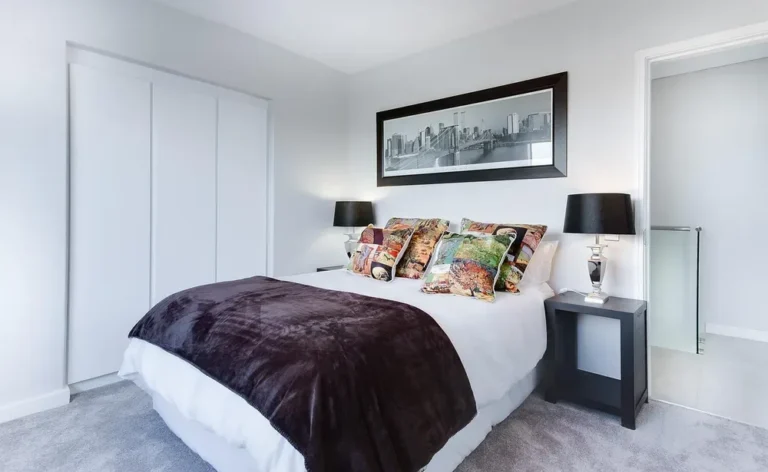
Minimalist suits high storage discipline and low visual tolerance. It works best when hidden storage is good, because the style breaks down fast under daily clutter. Cozy suits people who want softer edges, layered bedding, curtains with body, and warmer tones.
Eclectic needs editing. It works in bedrooms when the palette is controlled and the furniture heights relate. Modern prefers fewer forms, cleaner lines, and stronger negative space. For many rooms, modern plus one warm material is easier to live with than strict minimalism.
Coastal, farmhouse, and boho
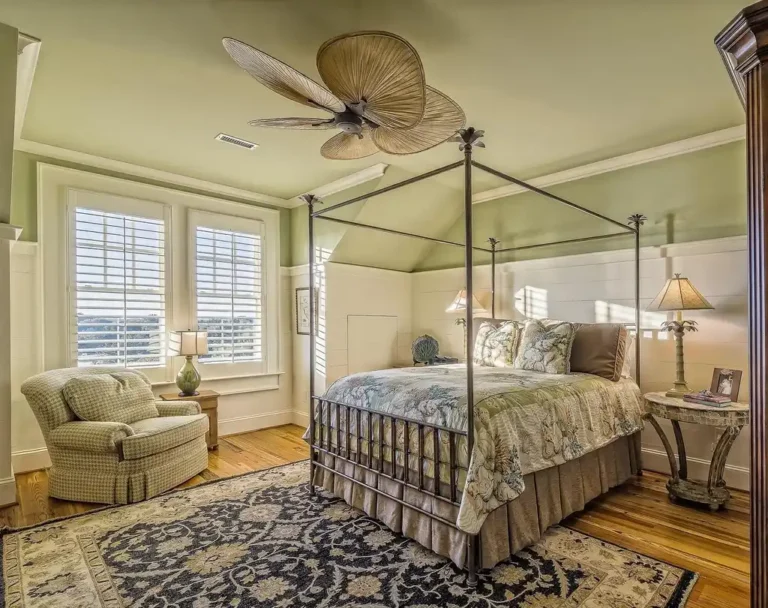
Coastal works best when it leans on texture and airy color rather than theme decor. Farmhouse wants warm wood, simple panel details, and practical textile choices. Boho needs the most caution in small bedrooms because layered pattern, rattan, fringe, and low seating can build clutter quickly.
How to choose one direction without buying a full set
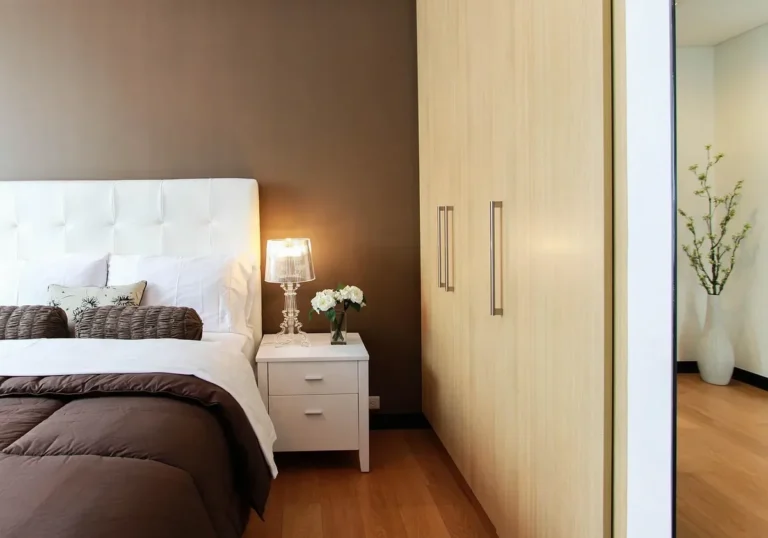
Pick a style through three anchors: the bed frame shape, the main material, and the palette temperature. Then let the rest support that choice. A warm oak bed, white walls, blue linen, and a woven shade can lean coastal without buying a full matching suite. A black frame, stone-topped nightstand, and tonal brown bedding can lean modern with very few pieces.
Modern vs Contemporary Bedroom: Choosing the Right Style
Understanding the distinction between a modern bedroom and a contemporary bedroom is crucial for creating a space that feels cohesive and inviting. The guide breaks down the core trade‑off—fixed, clean lines and lasting warmth of modern design versus the flexible, trend‑driven elements of contemporary style—while comparing color palettes, furniture shapes, materials, and lighting needs.
It also offers practical tips for adding warmth, a decision‑making checklist, and side‑by‑side style recommendations, helping you avoid a cold or dated look. Use this insight to select the approach that best matches your lifestyle and aesthetic goals with the modern vs contemporary bedroom guide.
Frequently asked questions
how to design bedroom ideas
Start by sorting bedroom design ideas through five filters: room size, daylight, storage demand, sleep sensitivity, and style direction. Then place the bed, check walking routes, choose a palette that suits the light, and add lighting and textiles that support how the room is actually used each day.
how to make bedroom design
Make a bedroom design by building in order: layout first, then window treatment and lighting, then paint or wallpaper, then bedding, rug, and furniture upgrades. This sequence prevents common mistakes, especially buying decor before knowing whether the room needs storage, clearer circulation, or stronger bedside lighting.
how to design a beautiful bedroom
A beautiful bedroom usually comes from proportion, restraint, and material consistency more than from expensive decor. Keep the bed wall clear, repeat one or two finishes, use bedding with real texture, and let the lighting soften the room. Beauty holds better when the room also sleeps and stores well.
how do I make my bedroom feel cozy and restful
Use warm light, quieter contrast, fuller curtains, and bedding with soft texture such as linen, cotton, or a controlled amount of velvet. Remove work clutter from sightlines, keep the walkway clear, and favor tonal color over sharp pattern changes near the bed if visual calm matters at night.
what bedroom trends are popular in 2026
Popular 2026 bedroom trends include white, green, and black palettes, clay and olive tones, wallpaper with visible pattern, darker moody color, curvy furniture, textured fabrics, warm wood tones, and curved silhouettes. The safer long-term choices are warm wood, natural stone, and better lighting placement; the easier trend swaps are wallpaper, accent colors, and smaller curved pieces.
how should I choose bedroom colors, furniture, and lighting
Choose colors by daylight level, furniture by room scale and storage pressure, and lighting by task. Dim rooms usually need lighter walls and reflective textiles, while bright rooms can take darker color. Furniture should protect circulation, and bedside lights should support reading and winding down without relying on one overhead fixture.
Products related to this article
Sponsored / affiliate links. As an Amazon Associate I earn from qualifying purchases. I may earn additional commission from eligible campaigns.