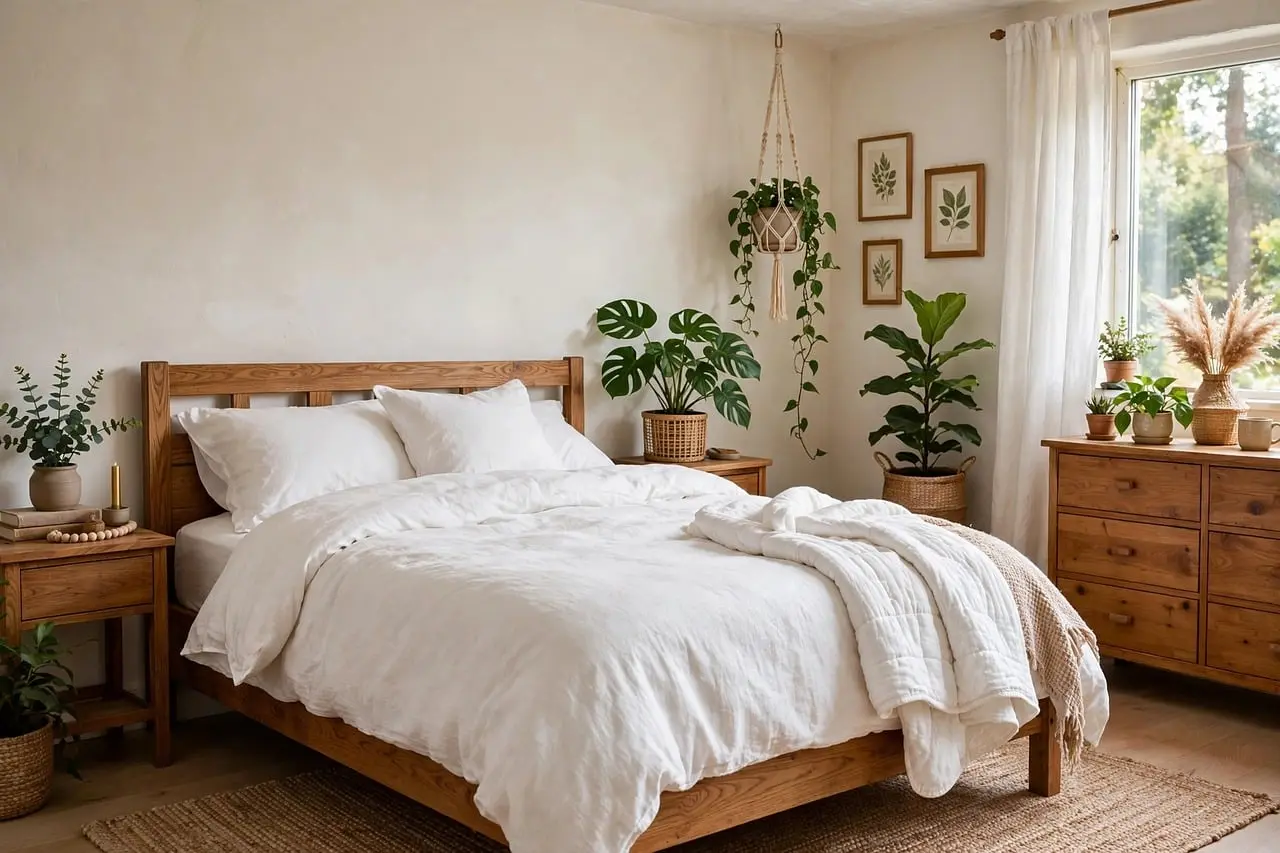
Dresser Cost: How Much Does a Bedroom Dresser Cost?
Most standard six-drawer dressers usually cost about $150 to $400. Go too cheap, and you often get weak drawers, basic slide hardware, and finishes that scuff early. This guide breaks dresser cost into small-room, standard-room, and long-term buy tiers so you can match price to storage needs.
Typical cost range
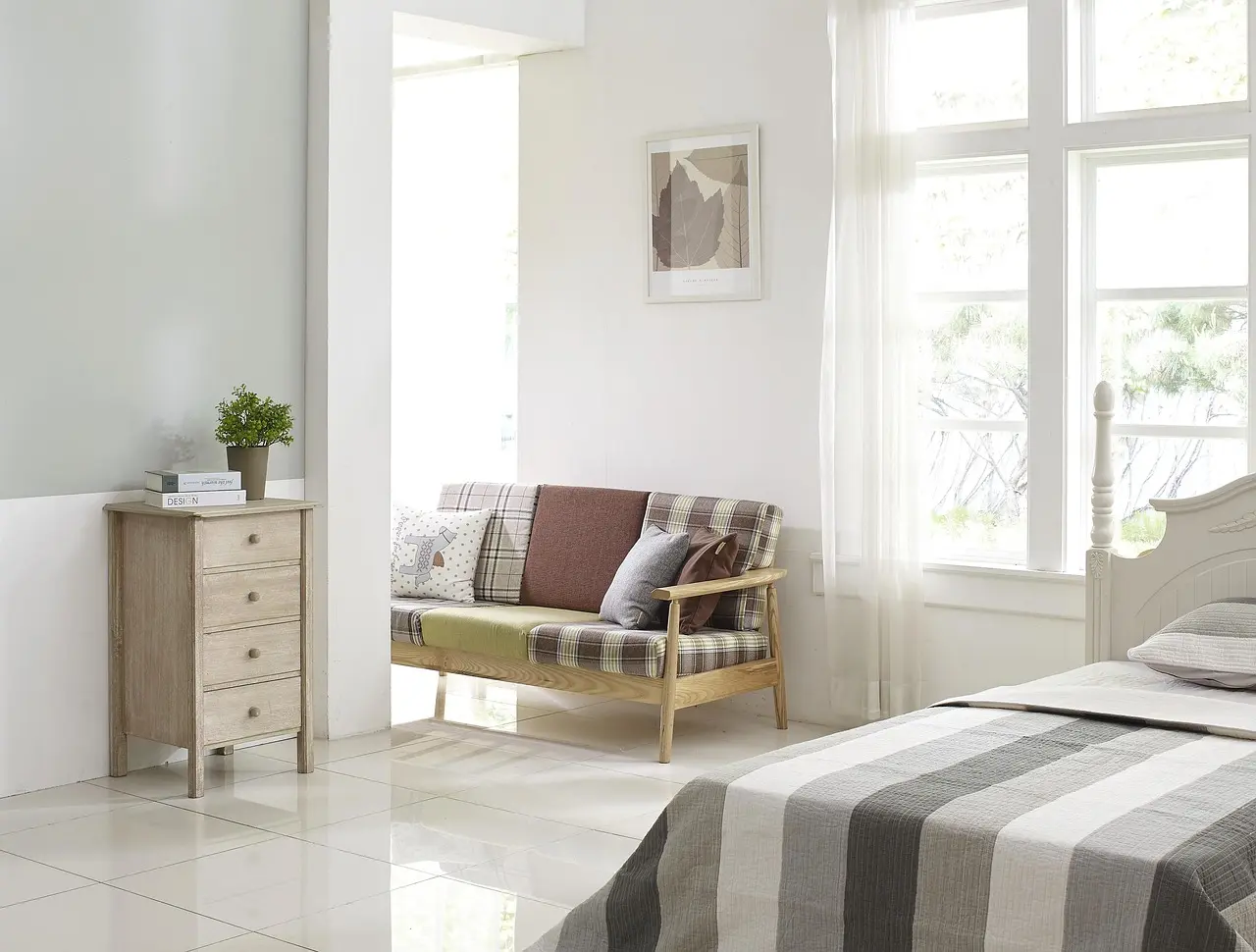
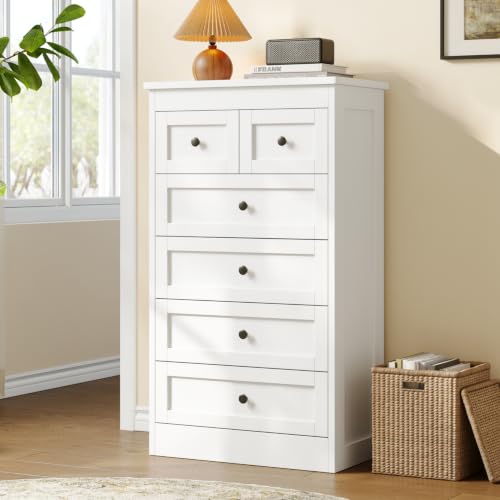
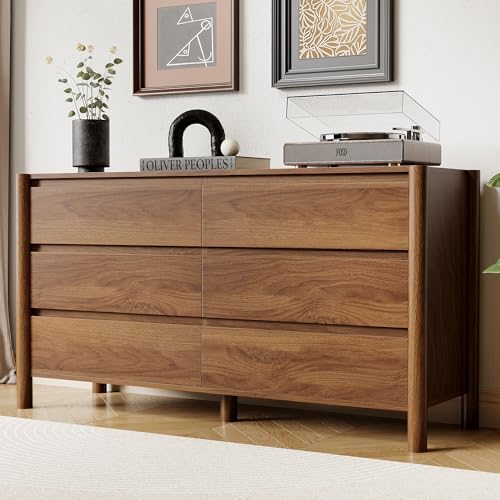

For most buyers, a new dresser falls somewhere between $100 and $800, with budget, mid-range, and high-end tiers making the real differences. The wide spread comes from material, drawer count, width, hardware, and finish quality. A small dresser can cost far less than a wide double dresser with the same brand label.
The best value zone for most bedrooms is usually $300 to $800 when you want a stable frame, usable drawers, and a finish that holds up better than the cheapest options. Lower prices can work in tight spaces, but they usually trade away durability, drawer smoothness, or tipping resistance. Higher prices can make sense when the dresser must handle heavy daily use.
If a dresser looks underpriced for its size, check the materials and the drawer count first. A wide six-drawer dresser sold far below the usual range often signals thin particleboard, lightweight drawer boxes, or basic slide hardware. That does not make it unusable, but it does mean you should judge it on use case, not the sticker alone.
Dresser cost matrix
| Price tier | Dresser type | Common drawer count | Typical material | Width range | Hidden costs | Best-fit room scenario |
|---|---|---|---|---|---|---|
| Budget | Narrow dresser or small chest | 2-3 drawers | Fabric or particleboard | About 24-36 inches | Wall-anchoring hardware, assembly time, tipping risk, higher return risk if it feels flimsy | Small room, guest room, temporary setup, light storage |
| Mid-range | Standard dresser or wide double dresser | 4-6 drawers | Wood or wood-composite | About 42-60 inches | Delivery fee, assembly, stair carry charges, replacement hardware if missing parts | Primary bedroom, everyday storage, better balance of price and durability |
| High-end | Large dresser or premium chest | 8-9 drawers | Solid hardwood | About 54-72 inches | Delivery, setup, premium finish care, possible restocking charges on custom orders | Long-term investment, heavy use, matching a higher-end bedroom set |
| Custom | Built-to-order dresser | Usually 6 drawers | Species-specific hardwood | Built to order | Design time, shop labor, finish upgrades, freight delivery, possible deposit terms | Exact fit, special wood choice, heirloom or design-specific project |
Budget dresser
Budget dressers are priced from $50 to $199 and usually use fabric or particleboard construction. They often have 2-3 drawers, lightweight frames, and simpler hardware. That makes them useful for small rooms, but the lighter build can increase tipping risk, so wall-anchoring hardware matters.
These are best when you need basic storage, not long service life. A narrow dresser in this range can work in a studio, child’s room, or guest room where the dresser will not carry heavy loads. The tradeoff is usually shorter lifespan and less resistance to wear.
Mid-range dresser
Mid-range dressers are priced from $200 to $800 and are usually the best value zone for most bedrooms. They commonly use wood or wood-composite construction, with 4-6 drawers and better slide hardware. This is where many buyers get the best mix of size, finish, and durability.
This tier often includes the kind of dresser that can last 10 years or more with normal use, though build quality still varies. A 4-drawer dresser in this range may suit a compact room, while a 6-drawer model can anchor a standard bedroom without pushing into premium pricing.
High-end dresser
High-end dressers are priced from $900 to $4,271.25 and are typically made from solid hardwood with premium finishes and designer branding. Larger drawer counts are more common here, including 8-drawer and 9-drawer options. You are paying for material quality, labor, and a more finished look.
This tier makes sense when the dresser is part of a long-term bedroom plan, or when you want a piece that matches the rest of a higher-end set. It is not automatically the better buy. If the room only needs moderate storage, the extra cost may not return much practical value.
Custom dresser
Custom dressers sit outside ordinary retail pricing. A standard custom six-drawer dresser can cost $3,800 to $11,500, while a custom four-drawer pine or poplar dresser is priced at $2,200 to $3,500. A custom six-drawer walnut dresser is priced at $6,800 to $11,500, and species choice drives much of the spread.
Custom work costs more because you are paying for design time, labor hours, joinery, finish work, and overhead, not just wood. For ordinary storage needs, a retail dresser usually makes more sense. Custom becomes relevant when you need exact dimensions, a specific wood species, or furniture that must match a built-in room plan.
What drives dresser price the most?
Construction material is the biggest price driver, then drawer count and overall width. Fabric and particleboard usually sit at the low end, wood-composite sits in the middle, and solid hardwood sits at the top. Bigger dressers need more material, more labor, and more hardware, so price rises with size as well as build quality.
Construction material
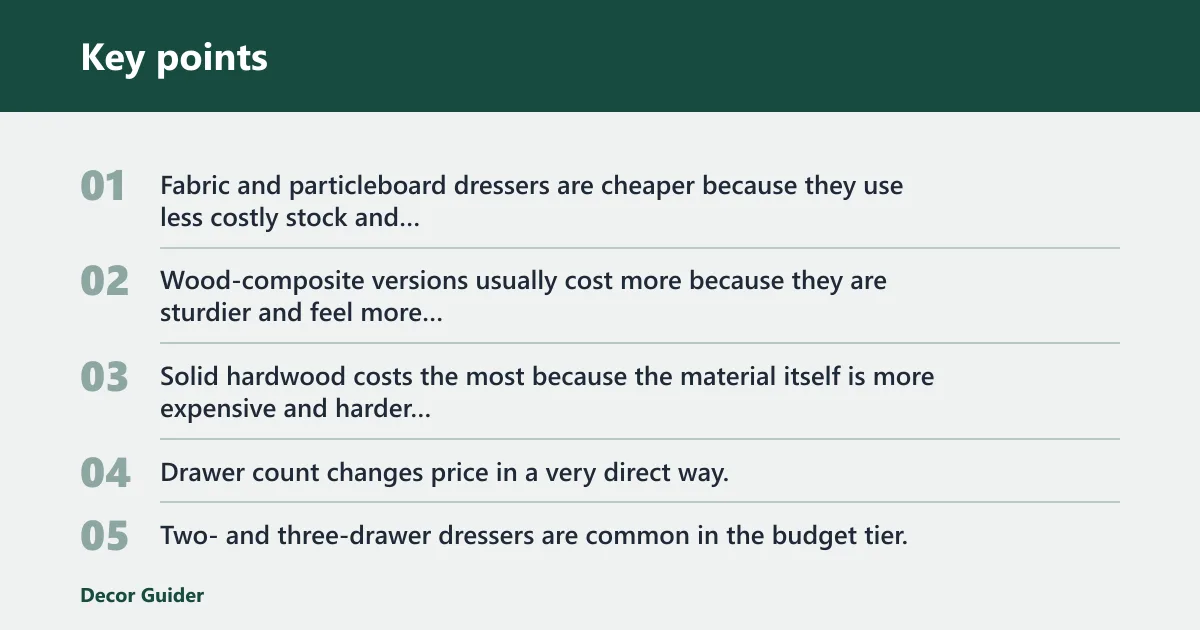
Material sets the starting point for cost. Fabric and particleboard dressers are cheaper because they use less costly stock and simpler construction. Wood-composite versions usually cost more because they are sturdier and feel more finished. Solid hardwood costs the most because the material itself is more expensive and harder to work with.
Drawer count
Drawer count changes price in a very direct way. Two- and three-drawer dressers are common in the budget tier, 4-6 drawers are common in mid-range pricing, and 8-drawer or 9-drawer models usually push into higher price bands. More drawers mean more fronts, slides, boxes, and assembly time.
Say your room is small and you only need folded shirts plus socks. A 3-drawer dresser can be enough, and paying for 8 drawers would buy storage you may not use. Now suppose the same room also stores bedding and off-season clothing. The extra drawers start to make better sense.
Width and overall size
Width matters because it changes both storage capacity and material use. A narrow dresser may be right for a small room, while a wide double dresser can replace a separate chest or nightstand storage. Larger widths usually cost more even when the style looks similar at first glance.
That is why dresser cost should be judged by size category, not by brand name alone. Two dressers with the same number of drawers can land in different price bands if one is a narrow chest and the other is a wider, heavier unit built for more storage.
Finish, hardware, and brand positioning
Finish quality affects both price and how the dresser ages. Better paint, stain, veneer, drawer slides, and handles raise manufacturing cost. Brand positioning adds another layer, especially when a line is marketed as a design piece rather than basic storage. Paying more can mean better details, but not always better function.
Is a $200 dresser worth buying?
A $200 dresser can be worth buying when you need a simple, low-cost storage piece and the build is honest for the price. At that level, you often get basic wood-composite construction, moderate drawer count, and enough size for a smaller room. It is a fair target if expectations stay realistic.
Spend more than $200 when you need heavier daily use, wider drawers, or better long-term stability. If the dresser will hold bulky clothing, be opened constantly, or sit in a primary bedroom, the jump to $300-$800 often buys better slides, stronger panels, and better finish quality.
A lower-cost dresser still makes sense when the room is temporary, the storage load is light, or the dresser will not face years of daily use. In that case, a cheaper piece can be the right answer as long as you add wall anchoring and accept that the finish and hardware may not age well.
What do IKEA and other retailers charge?
Retail pricing gives useful anchors, but it should not be read as a universal standard. The same brand can sell a low-cost 3-drawer model and a larger 8-drawer model at very different prices. Retail examples help you see how drawer count, width, and material affect the sticker price.
IKEA price anchors
IKEA STORKLINTA 3-drawer dresser is listed at $129.99. IKEA BRIMNES 4-drawer dresser is listed at $229.99. IKEA RAST 6-drawer dresser is listed at $129.99. IKEA HEMNES 8-drawer dresser is listed at $449.99. IKEA GULLABERG 8-drawer dresser is listed at $379.99.
Those examples show why drawer count alone does not set price. The lower-priced RAST and STORKLINTA lines sit in a very different build and finish category than HEMNES or GULLABERG. Compare the structure, not just the number of drawers.
Ashley price anchors
Ashley Furniture dressers start at $229.99. That starting point sits right at the edge between budget and mid-range pricing, which makes it a helpful reference for shoppers moving beyond the cheapest tier. It also shows that “mid-range” can begin surprisingly close to budget pricing.
Why are solid wood dressers so expensive?
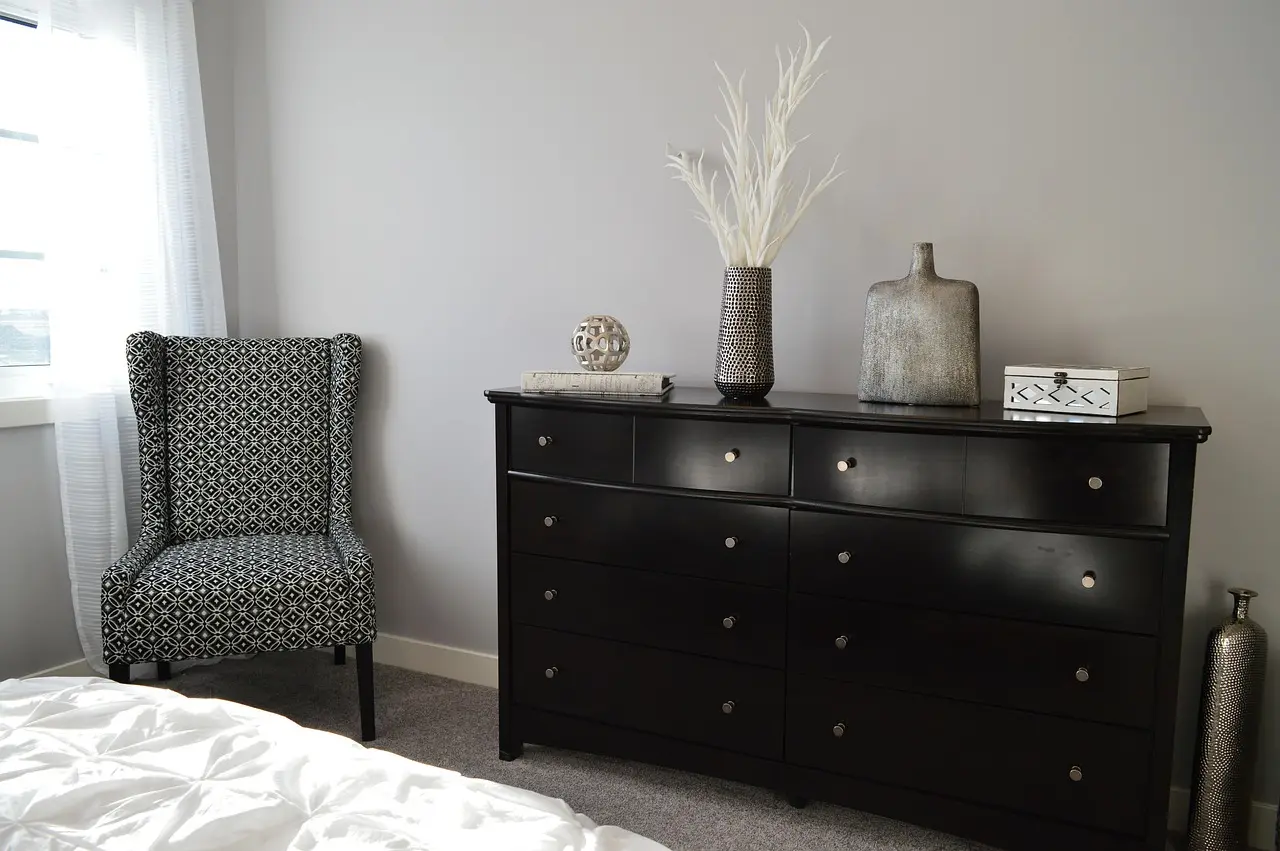
Solid wood dressers cost more because the material, the labor, and the finish work all cost more. Hardwood stock is pricier than particleboard or composite material, and it also takes more careful machining. Premium branding can add still more cost, especially in designer or heirloom-style lines.
Finish time matters too. Better sanding, staining, sealing, and color matching all take labor. Drawer fit also tends to be tighter on higher-end pieces, which means more time in production. That does not guarantee better value, but it explains why the price climbs quickly.
Premium prices do not always equal better value for every room. If a bedroom only needs moderate storage, a well-built $300-$800 dresser may be a smarter buy than a costly hardwood piece. The right choice depends on use, not the wood species alone.
Do delivery and assembly add to the cost?
Yes. Delivery and assembly often add to the real cost of a dresser, even when the sticker price looks acceptable. Many retailers charge separate fees for shipping, room-of-choice delivery, or in-home assembly. The final total can move far above the shelf price once those services are added.
Staircase access can raise the bill further if the delivery team has to carry a heavy dresser up steps or through tight halls. Some stores also charge setup fees for larger items. If the dresser is flat-packed, assembly time becomes part of the cost even when no assembly line item appears.
Wall anchoring hardware should also be treated as a real cost, especially for lightweight budget dressers. Return and restocking risk matters too. A dresser that arrives damaged, missing hardware, or smaller than expected can cost time and money to send back.
How much should you spend by bedroom size?
Bedroom size should guide the tier you choose. Small rooms usually do better with a budget or lower mid-range dresser, standard bedrooms usually fit best in the mid-range zone, and long-term investments make sense when the dresser will anchor a larger room for years. Storage need and durability should drive the number.
Small room dresser budget
For a small room, aim for $50 to $199 if the storage need is modest and the dresser can be anchored to the wall. Narrow dressers and 2-3 drawer chests work well here. The goal is to save floor space, not to buy the largest storage capacity available.
Standard bedroom dresser budget
For a standard bedroom, $200 to $800 is usually the most practical range. That level can buy a 4-6 drawer dresser with enough width to handle everyday clothing. This is the zone where price and usefulness often meet best for most shoppers.
Long-term investment budget
For a long-term investment, $900 and up makes sense when you want solid hardwood, larger drawer counts, and better finishing. This budget is most defensible when the dresser will stay in the home for many years, or when it needs to pair with a more formal bedroom setup.
Frequently asked questions
What is a good price for a dresser?
A good price for a dresser is usually $300 to $800 if you want a strong balance of material quality, drawer count, and day-to-day durability. Lower prices can still work for light use, but this range is where many buyers find the best value for a primary bedroom.
What is the difference between budget and mid-range dressers?
Budget dressers usually cost $50 to $199 and often use fabric or particleboard with 2-3 drawers. The mid-range tier usually offers better hardware and longer service potential.
How much do IKEA dressers cost?
IKEA dresser pricing depends on the model and drawer count. The range shows how build and size change the price.
How much does a custom dresser cost?
A standard custom six-drawer dresser can cost $3,800 to $11,500. Custom work costs more because labor and species choice matter so much.
What affects dresser price the most?
Material affects dresser price the most, followed by drawer count and overall width. Fabric and particleboard keep prices lower, wood-composite sits in the middle, and solid hardwood raises the price fast. Finish quality, hardware, and brand positioning also matter, but material is the main driver.
Products related to this article
Sponsored / affiliate links. As an Amazon Associate I earn from qualifying purchases. I may earn additional commission from eligible campaigns.