Bedroom Curtain Cost: How Much Do They Really Cost?
Bedroom curtains are often priced around $75 to $300 for one standard window with ready-made panels, basic rods, and hardware, while custom setups can often run about $300 to $1,000 or more per window. Buy poorly, and you can overspend on fabric, undersize the panels, or end up with curtains that block light badly and look short. This 2026 price guide breaks down bedroom curtain costs for one window, two windows, and a whole room, plus where ready-made and custom pricing usually land.
Breaking down panel, hardware, and installation expenses
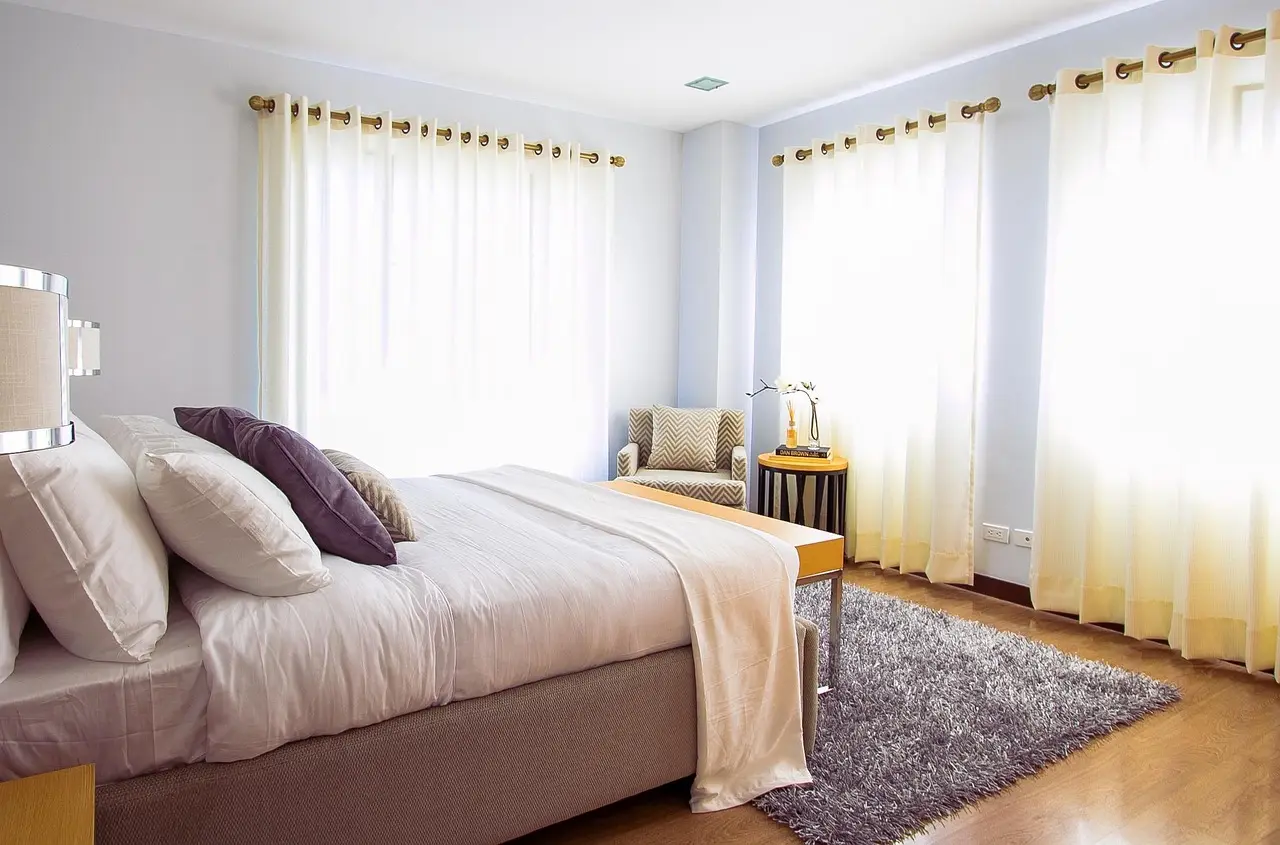


For a bedroom, the cost usually centers on one finished window. Ready-made panels keep the price down, while made-to-measure work lifts the total because you pay for fabric, lining, sewing labor, hardware, and sometimes installation. A realistic all-in budget for a bedroom window often runs above the panel price alone.
Panel, pair, and per-window pricing
Many stores sell curtains by panel pair, but bedroom budgeting works better per window. A standard bedroom window often needs two panels, a rod, brackets, and sometimes rings or finials. If you compare only the pair price, you can miss hardware and installation, which are common add-ons.
Standard 84-inch lengths are commonly used for bedrooms because they fit many windows without custom hemming. Taller windows or a desired floor-grazing look can push you into longer lengths or custom work. Wider windows also need more fabric, so the total rises fast.
Why bedroom totals are higher than sticker prices
Panels are only part of the bill. Fabric by panel can range from $60 to $900, hardware and accessories can range from $20 to $200, and installation can range from $50 to $350. Once you include lining, sewing, and mounting, the room total can jump quickly.
| Scenario | Panel type | Size assumption | Fullness ratio | Lining | Rod/hardware | Installation | Estimated total per window | Total for two windows | Best use case |
|---|---|---|---|---|---|---|---|---|---|
| Budget | Ready-made polyester pair, standard 84-inch length | 1 standard window, about 48 in. wide by 60-84 in. high | 1.5x | Unlined | Basic rod, brackets, simple rings if needed | DIY hanging | $75-$180 | $150-$360 | Rental bedrooms, guest rooms, or decorative layering |
| Mid-range | Ready-made or simple custom cotton-linen blend pair | 1 standard window with a wider stack or taller drop | 2x | Cotton or thermal lining | Mid-grade rod, rings, brackets, finials | Professional hanging | $250-$550 | $500-$1,100 | Main bedroom, privacy, sleep comfort, better drape |
| Premium | Custom velvet or lined blackout pair | Oversized or tall window, floor-length treatment | 2.5x | Blackout or thermal-blackout lining | Heavy-duty rod, reinforced brackets, decorative finials | Professional measuring, hanging, and levelling | $900-$1,800 | $1,800-$3,600 | Sleep-first rooms, large windows, or a finished designer look |
What drives the price up
Fabric choice, fullness, window size, lining, and sewing labor are the main cost drivers. If you change all of them at once, the quote can move far more than expected. A bedroom with wider windows and a fuller drape needs more yardage, stronger hardware, and more labor.
Fabric choice and weight
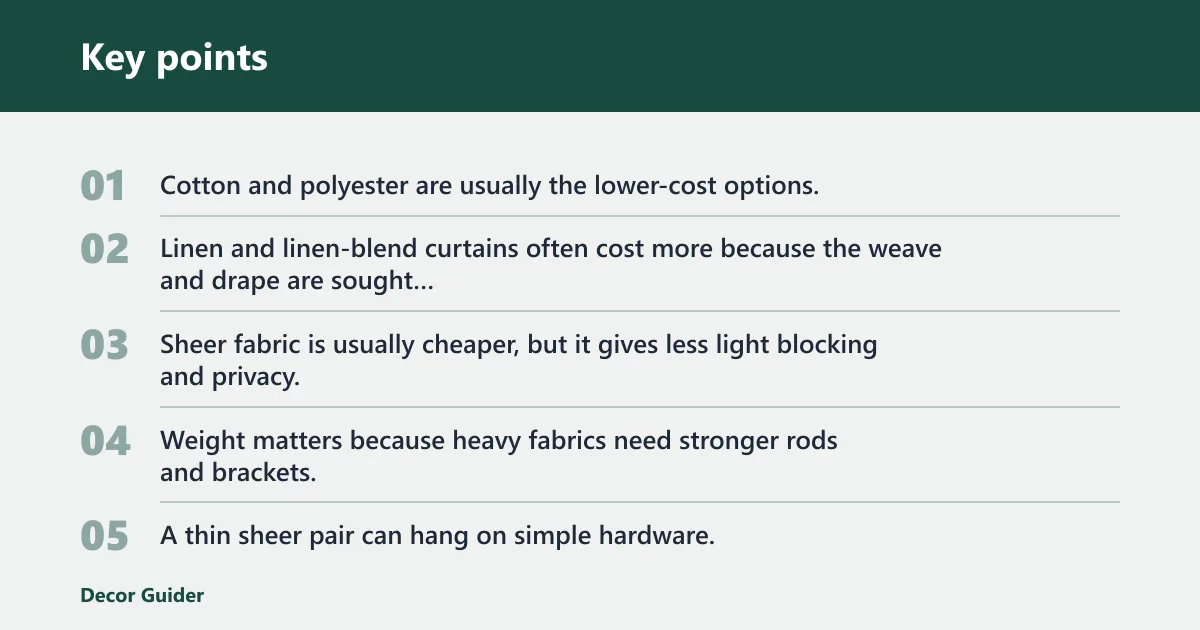
Cotton and polyester are usually the lower-cost options. Linen and linen-blend curtains often cost more because the weave and drape are sought after, while velvet tends to be heavier and more expensive because of the material itself and the extra structure needed to hang it well. Sheer fabric is usually cheaper, but it gives less light blocking and privacy.
Weight matters because heavy fabrics need stronger rods and brackets, especially on wider windows. A thin sheer pair can hang on simple hardware. A lined velvet pair often cannot.
Fullness ratio and extra yardage
Fullness ratio is the amount of fabric used compared with the window width. A 1.5x fullness is the leanest common look. A 2x fullness gives a fuller bedroom drape. A 2.5x fullness creates extra volume, but it also raises fabric use and sewing time.
Say your window is 48 inches wide. At 1.5x fullness, you need about 72 inches of finished curtain width before hems and return allowances. At 2x, that rises to 96 inches. More width means more cloth, and more cloth means a higher budget.
Window size and mounting complexity
Standard bedroom windows cost less to cover than oversized or tall ones. A larger span needs longer rods, more brackets, and more fabric. If the rod has to clear furniture, fit inside a shallow recess, or span an extra-wide opening, installation can also take longer and cost more.
Picture a bedroom with one 36-inch window and another with a 72-inch opening. The second one does not cost twice as much in every case, but it does need materially more yardage and stronger support hardware. That is where many budgets go off track.
Lining and custom sewing labor
Unlined curtains are the cheapest to buy and hang. Cotton lining adds some body and modest light control. Thermal lining helps with comfort and temperature control, while blackout lining raises the cost because it adds material and sewing steps. Custom labor may be priced per panel or per pair, and hemming, side seams, and header construction all add to the bill.
Are ready-made curtains cheaper than custom?
Yes. Ready-made bedroom curtains are usually cheaper than made-to-measure options because they use standard sizes and less labor. Custom bedroom curtains cost more per window, but they solve fit problems for taller, wider, or unusually placed windows and can be better for a polished finish.
Ready-made bedroom curtain pricing
Ready-made bedroom curtains usually fit standard widths and lengths, including common 84-inch panels. They are a good fit if your window size is ordinary and you want a lower all-in total. A ready-made pair still needs rods and hardware, so the final number is more than the panel price.
Custom bedroom curtain pricing
Custom curtains can cost anywhere from $300 to $4,000 a window. The wide range reflects fabric choice, lining, fullness, sewing labor, and hardware. If the quote includes measuring or fitting, confirm that in writing before comparing it with a ready-made total.
When standard sizes make more sense
Standard sizes make the most sense when you want a lower budget, quick delivery, and a simple install. They are also the safer pick for renters, secondary bedrooms, or rooms where the goal is privacy rather than a tailored look. For odd-sized windows, custom may prevent sagging, short hems, or awkward light gaps.
How much do blackout curtains cost?
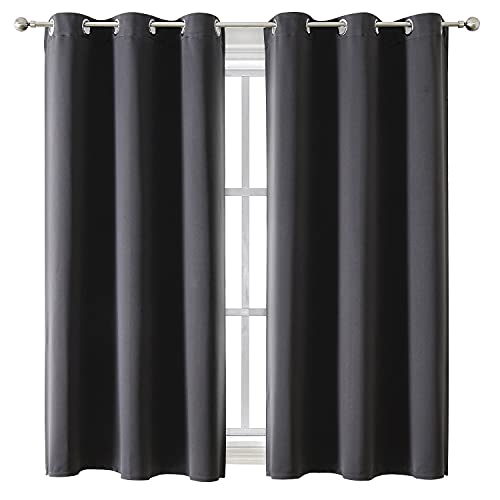
Blackout bedroom curtains usually cost more than sheer or basic decorative panels because they use denser fabric or a blackout lining. For sleep-first rooms, the extra spend often buys better privacy and much lower light seepage. Thermal blackout styles can also help with comfort near drafty windows.
Blackout versus room-darkening pricing
Room-darkening curtains reduce light, but they do not always block it fully. Blackout curtains are the stronger sleep-focused option. In pricing terms, blackout panels usually sit above basic cotton or polyester pairs because of the lining and construction needed to limit light transfer.
Privacy and sleep-focused use cases
Bedrooms used for daytime naps, shift work, or street-facing windows usually benefit from blackout or room-darkening panels. If privacy is the top need, blackout tends to justify its higher price better than sheer curtains. If style matters more than darkness, a lined linen-blend option may be enough.
How lining changes the total
An unlined pair is the cheapest path. Add cotton lining and the cost rises modestly. Thermal lining pushes it higher, and blackout lining usually adds the most because it has to be cut, sewn, and matched to the face fabric. That is why two visually similar curtains can have very different totals.
How much should you budget for rods and installation?
Plan for rods, rings, brackets, and finials as part of the room budget, not as an afterthought. A basic setup can stay modest, but decorative or heavy-duty hardware changes the total fast. Installation matters too, especially if the wall needs careful leveling or secure mounting.
Rods, rings, brackets, and finials
Hardware and accessories can range from $20 to $200. Basic rods are the cheapest. Decorative rods, metal finials, and heavier brackets push the number up. Wide windows or heavier fabrics need stronger support, and cheap hardware can sag before the curtains even hang properly.
DIY hanging versus professional installation
If you hang curtains yourself, you save the installation fee but still need a level rod and secure anchors. Installation can range from $50 to $350 when you hire it out. That fee often covers mounting, alignment, and cleanup, especially on tricky walls or large openings.
Levelling and heavy-duty support costs
Levelling becomes more important with floor-length curtains and long rods. If the rod bows in the middle, the curtains may drag, gap, or stack unevenly. Heavy-duty brackets and reinforced anchors cost more, but they help prevent repeated adjustments later.
How to budget for one window or the whole room
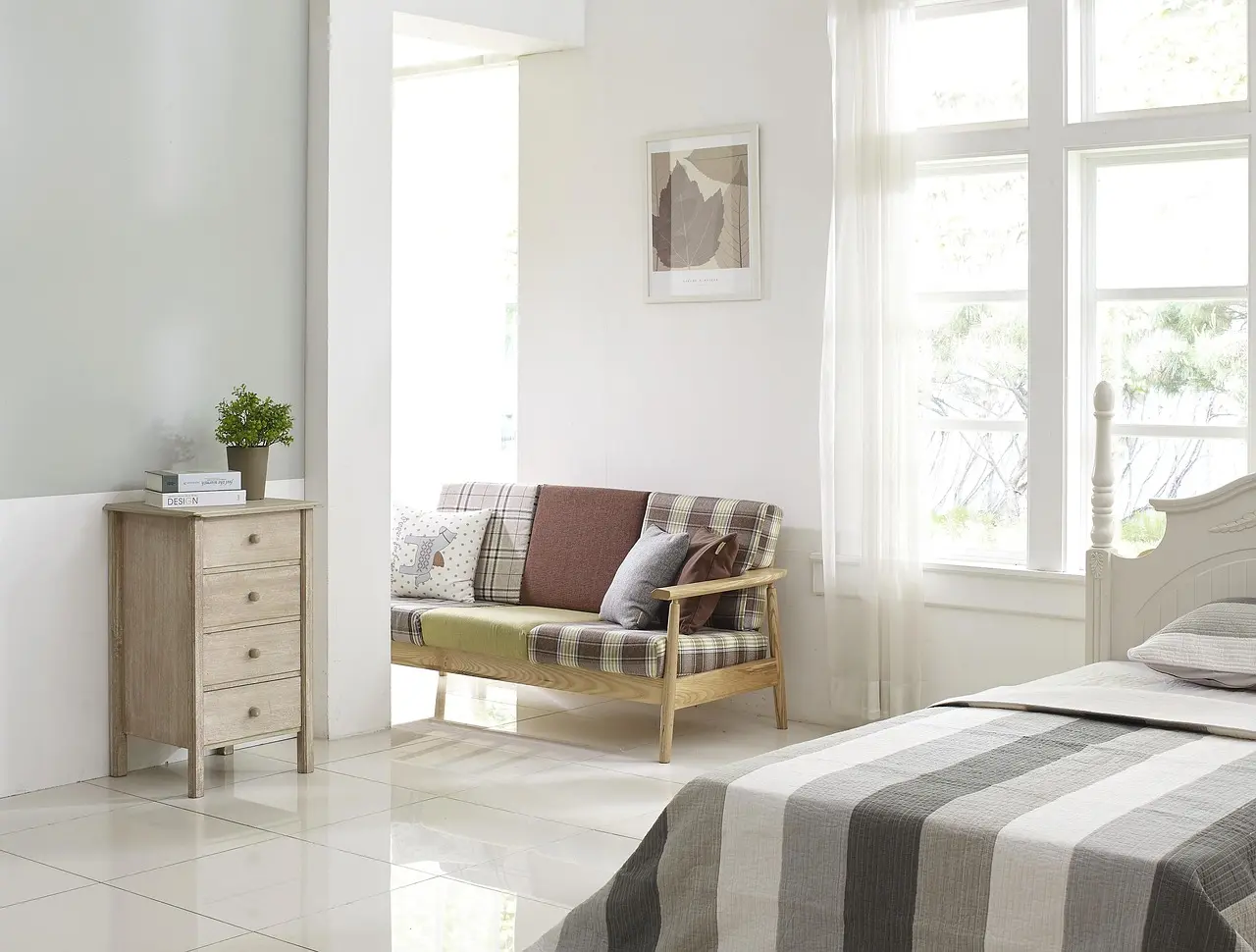
Start with the window count, then add the pieces that finish the job. A single bedroom window can often stay in the lower range if you choose ready-made panels and basic hardware. Two windows usually move the room into mid-range territory, especially once you include installation and better lining.
Single-window bedroom budgets
The exact total depends on fullness, fabric weight, and whether you need blackout performance.
Two-window bedroom budgets
For two windows, double the panel count and much of the hardware, then add one installation allowance if the job is simple. Mid-range bedroom projects often land around $800 to $1,600, while premium rooms can reach about $2,000 to $3,600 when the windows are large or the fabric is heavy.
A common first-timer mistake is buying two standard 84-inch panels for a 60-inch-wide window and stopping there. The room looks underdressed, the fabric does not cover the sides well, and the final result still needs brackets or wider rods to look finished.
When oversized windows need a higher allowance
Oversized windows need more fabric, longer rods, and usually stronger brackets. That means the budget should move up before you pick a fabric. If the opening is wider than standard or the curtains need to hang high and wide, use the premium end of your range as the planning number.
Frequently asked questions
How much do bedroom curtains cost?
Bedroom curtains usually cost $75 to $300 for one standard window with ready-made panels, basic rods, and hardware. A room with custom sizing, lining, and professional installation can move to $300 to $1,000+ per window. Bigger windows, heavier fabric, and fuller gathers all raise the total.
How much do custom bedroom curtains cost per window?
Custom curtains can cost anywhere from $300 to $4,000 a window. For most bedrooms, the useful planning range is the mid-to-upper part of that spread once you include fabric, lining, hardware, and labor. Taller windows, blackout lining, and decorative rods all increase the bill.
What is the average cost of bedroom curtains with blackout lining?
A practical average for bedroom curtains with blackout lining is about $250 to $550 per window when you include a standard pair, basic-to-mid-grade hardware, and typical installation choices. Rooms with premium fabric, heavy-duty hardware, or custom sizing can climb much higher.
Are ready-made bedroom curtains cheaper than made-to-measure?
Yes. Ready-made bedroom curtains are usually cheaper because they use standard sizes and less sewing labor. Made-to-measure costs more per window, but it handles tall, wide, or awkward openings better and often gives a cleaner fit. Standard 84-inch lengths are the lowest-cost starting point.
How much does curtain installation cost for a bedroom?
Installation can range from $50 to $350. The low end fits simple bedrooms with straightforward wall mounting, while the high end covers harder jobs, heavy curtains, or extra levelling. If the rod must support blackout or velvet panels, expect the install budget to move upward.
How much should I budget for rods and hardware with bedroom curtains?
Hardware and accessories can range from $20 to $200. A basic bedroom setup needs a rod, brackets, and possibly rings, while a decorative or heavy-duty setup needs stronger parts and finials. Wider windows and heavier fabrics should always get a larger hardware allowance.
Products related to this article
Sponsored / affiliate links. As an Amazon Associate I earn from qualifying purchases. I may earn additional commission from eligible campaigns.