Bedroom Rug Cost / Price Guide
A bedroom rug usually costs about $60 to $1,500, and the best cost-per-year value is often found in a rug size and material that fit the room and traffic level. Buy too small or too cheap, and you can replace it sooner, pay more per year, and lose the comfort payoff. This guide breaks down bedroom rug prices by size, material, and quality so you can compare total value, not just sticker price.
What drives bedroom rug cost



Bedroom rug cost comes down to four things: size, material, construction, and where you buy it. Size changes how much floor the rug covers, material affects feel and cleaning time, construction changes labor and finish quality, and retail channel changes shipping, markups, and sale timing.
Size and square footage
Larger rugs cost more because they use more material and more labor. The jump is not linear in every case, but it usually tracks area. A 3×5 rug costs about $40 to $150, a 5×7 or 5×8 rug costs about $80 to $400, an 8×10 rug costs about $200 to $900, and a 9×12 rug costs about $300 to $1,500.
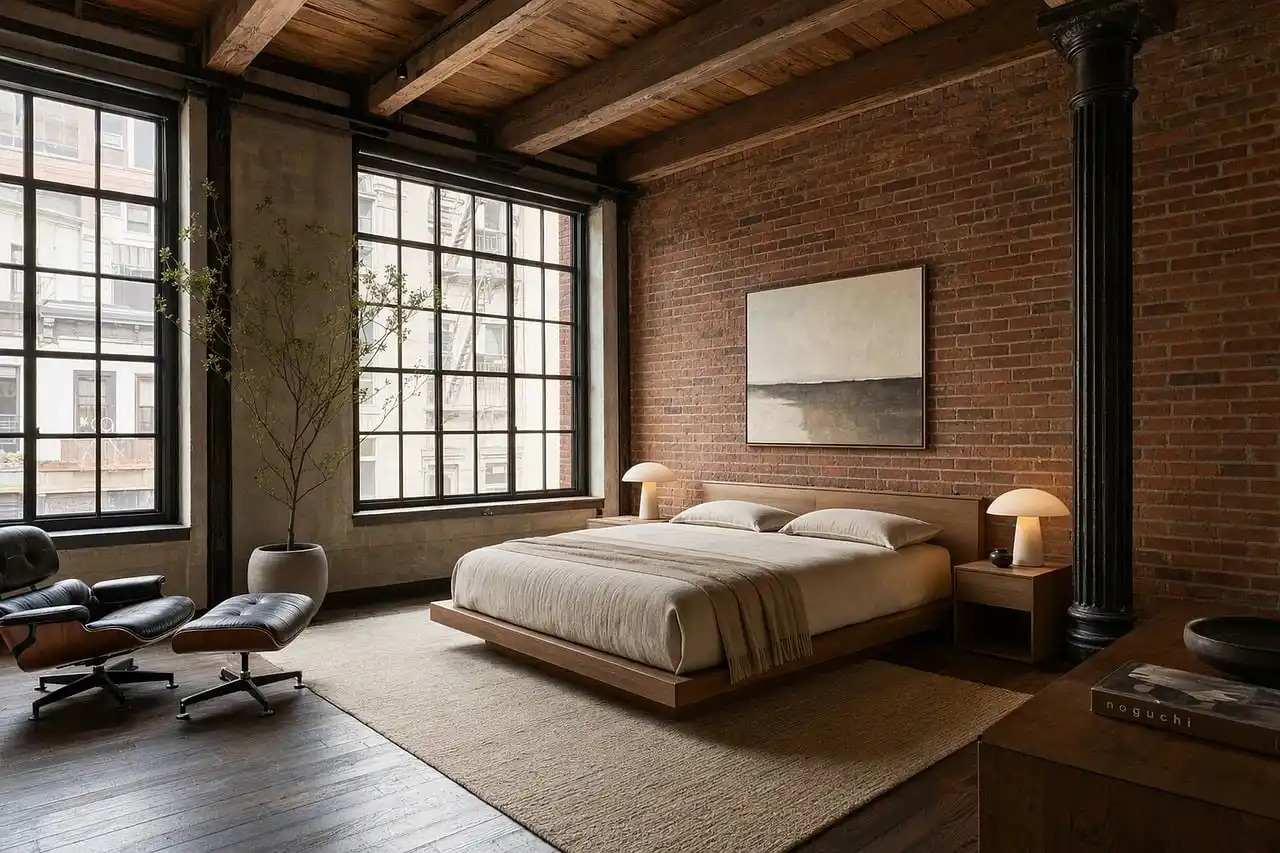
Bedroom layouts change the buying decision. Under-bed coverage often calls for a 5×8, 6×9, 8×10, or 9×12 rug. Side runners may use two smaller pieces. A foot-of-bed rug can be smaller than a full under-bed rug, which can keep the budget down while still adding warmth where you step first.
Material and pile type
Material affects both sticker price and ownership cost. Polypropylene and polyester/PET are often the cheapest choices, while wool usually costs more but is commonly reported to hold up better over time. Jute and sisal sit in the middle for price, though they are not as soft underfoot. Cotton is usually easier on the budget, and viscose often looks dressier but needs more care.
Construction and labor level
Machine-made and machine-woven rugs are usually the lowest-cost constructions. Hand-tufted rugs sit above them, hand-loomed or flatweave pieces often cost more than basic machine options, and hand-knotted rugs sit at the top because they require the most labor. More hand work usually pushes the price per square foot higher.
Where the rug is sold
Urban markets, premium retailers, and home delivery for large rugs can increase the total. Regional pricing shifts of about 10% to 40% are commonly reported once logistics, freight, and store overhead are added. A large rug shipped to a dense city apartment can cost more than the same rug sent to a rural address, even before tax.
Bedroom rug budget table
This table turns sticker price into project cost. It includes the rug, a pad, delivery, and estimated tax so you can compare the total, not just the tag. The totals below are planning numbers, not quoted invoices, and the cost per year is a rough value check based on expected lifespan.
| Scenario | Typical rug size | Rug price | Pad | Delivery | Tax | Estimated total | Expected lifespan | Approx. cost per year |
|---|---|---|---|---|---|---|---|---|
| Small bedroom | 3×5 | $40 to $150 | $20 to $40 | $0 to $50 | $4 to $16 | $64 to $256 | 3 to 5 years | $13 to $85 |
| Queen bed | 5×8 | $120 to $400 | $30 to $60 | $20 to $75 | $12 to $36 | $182 to $571 | 5 to 8 years | $23 to $114 |
| King bed | 8×10 | $200 to $900 | $40 to $80 | $50 to $200 | $20 to $89 | $310 to $1,269 | 6 to 10 years | $31 to $212 |
| Side runners | 2 runners, 2×6 each | $80 to $240 | $20 to $40 | $20 to $60 | $8 to $24 | $128 to $364 | 3 to 6 years | $21 to $121 |
| Foot-of-bed | 5×7 | $80 to $400 | $25 to $50 | $20 to $75 | $10 to $36 | $135 to $561 | 4 to 7 years | $19 to $140 |
| Premium wool | 9×12 | $1,000 to $10,000+ | $60 to $150 | $100 to $200 | $100 to $1,000+ | $1,260 to $11,350+ | 10 to 20 years | $63 to $1,135+ |
A common first-timer mistake is buying the rug before checking the bed footprint. A 5×7 rug under a queen bed can leave the rug looking too short at the sides, while a 5×8 or 6×9 usually gives a more balanced frame and better barefoot coverage.
How much is a rug for a bedroom?
For most bedrooms, a useful budget starts around $100 to $400 for an entry-level synthetic rug, $200 to $1,500 for mid-range natural or blended options, and $1,000 and up for premium handmade pieces. The best value usually sits in the middle: enough quality to last, without paying handmade prices for a low-traffic room.
Typical price bands by size
Bedroom rug prices climb with size. A 2×3 rug costs about $20 to $80, a 3×5 rug costs about $40 to $150, a 5×7 or 5×8 rug costs about $80 to $400, an 8×10 rug costs about $200 to $900, and a 9×12 rug costs about $300 to $1,500. Those ranges cover a wide spread in material and construction.
What each budget tier usually buys
Entry-level budgets usually buy machine-made polypropylene or polyester/PET rugs in standard sizes. Mid-range budgets often buy larger rugs in wool blends, flatweaves, or better-finished synthetics. Premium and handmade budgets buy wool hand-knotted rugs, custom sizes, or pieces with more labor in the weave and edge finish.
Value sweet spot for most bedrooms
The value sweet spot is often a standard-size 5×8 or 8×10 rug in polypropylene, polyester/PET, or a wool blend. These options usually balance softness, stain resistance, and price. For a bedroom, that matters more than a high-fashion weave that needs extra care and costs more to clean.
How do you choose the right size?
Bedroom rug size should follow the bed, the room, and the walking path. You want enough rug under or beside the bed to feel intentional, but not so much that the rug crowds doors, dressers, or the route to the closet. The wrong size wastes money fast.
Under-bed placement rules
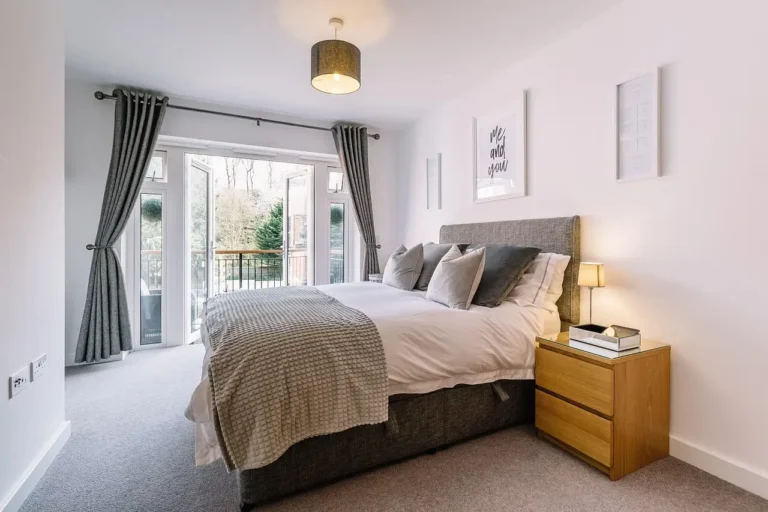
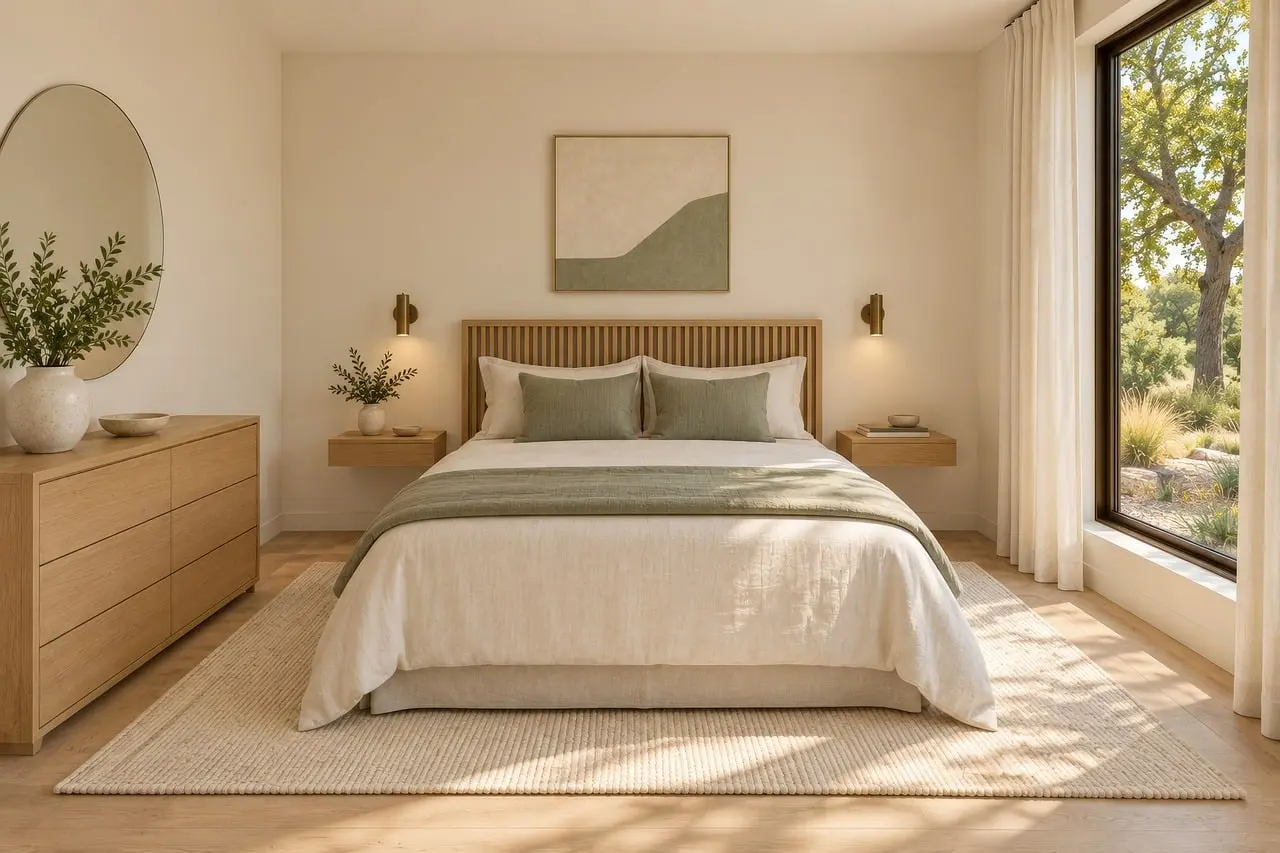
For under-bed placement, the rug should extend beyond the sides and foot of the bed enough to create a visible border. A queen bed often pairs well with a 5×8 or 6×9 rug, while a king bed often needs an 8×10 or 9×12 rug. If the room is tight, choose a smaller rug placed mostly under the lower two-thirds of the bed.
Side-runner layouts
Side runners work well when you want softness underfoot without paying for a full room-sized rug. Two narrow runners placed on each side of the bed can lower the total budget and still cover the main step zones. This setup is useful in rooms with limited clearance or a centered bed.
Foot-of-bed layouts
A foot-of-bed rug is a good fit when you want warmth and a softer landing point without covering the entire sleeping zone. A 5×7 or similar piece can work if the room is small or if the bed already sits on carpet. This layout also helps when you want to avoid blocking dresser drawers or closet doors.
Sizing mistakes that waste money
Too-small rugs make the room feel unfinished, and too-thick rugs can create door-clearance problems. High-pile rugs are a poor choice where the bedroom door swings low or where closet doors skim the floor. If allergies matter, hard-to-clean viscose or deep-pile options can raise maintenance cost and shorten the useful life of the rug.
Which materials change the price most?
Material changes both purchase price and the hidden cost of ownership. In a bedroom, comfort matters, but so does cleaning. A soft rug that traps dust or stains easily can cost more over time than a cheaper synthetic that holds up well and vacuums cleanly.
Synthetic options: polypropylene and polyester/PET
Polypropylene and polyester/PET are usually the best entry-level buys. Budget synthetics are priced from about $40 to $400, which makes them easy to fit into a bedroom plan. They often resist stains better than many natural fibers, and they are a practical pick for guest rooms or temporary setups.
Natural fibers: wool, jute, sisal, and cotton
Wool tends to cost more, but it often offers better comfort and durability. Mid-range naturals are priced from about $200 to $1,500. Jute and sisal usually land lower than premium wool, but they feel rougher underfoot. Cotton is usually lighter and more casual, with cleaning that can be simpler than some mixed-fiber rugs.
Viscose and why it prices differently
Viscose can look elegant for the price, but it often needs gentler care and more careful spot cleaning. That can make the apparent bargain less attractive in a bedroom that sees frequent bare feet or makeup spills. If low maintenance matters, viscose is usually not the first place to spend money.
Why do similar rugs cost so differently?
Two rugs can look almost identical and still cost very different amounts. The reason is usually construction, fiber quality, edge finish, backing, and where the rug was made or sold. Small changes in labor and logistics can move the price more than the surface appearance suggests.
Machine-made versus hand-made pricing
Machine-made rugs are cheaper than hand-knotted rugs because production is faster and less labor-intensive. A hand-knotted wool 8×10 rug commonly costs $2,000 to $6,000, while an 8×10 rug in a lower-cost construction can sit far below that. The price gap is mainly labor, not just material.
Pile height and finish details
Thicker pile, denser weave, bound edges, and fringe work can all add cost. A higher-pile rug may feel softer, but it can also be harder to vacuum and less friendly for low-clearance doors. Repair or fringe work can add cost later if the edges wear or snag.
Regional pricing and delivery effects
Urban versus rural pricing differences can shift totals by about 10% to 40% once freight and delivery are included. Large rugs may add $50 to $200 for delivery alone. If a retailer charges more for lift-gate service or apartment delivery, the bedroom rug budget can move quickly even when the rug itself is fairly priced.
Suppose you are comparing two 8×10 rugs that both list at $300. One ships free to a suburban home, and the other adds $150 in freight plus a pad and tax. The second rug can end up costing enough more to erase the apparent deal before it even reaches the bedroom.
How much should you budget for a rug pad and delivery?
Plan for more than the rug price. Professional cleaning can run $2 to $6 per square foot, so the ownership budget should include care, not only purchase day costs.
What a rug pad does for value
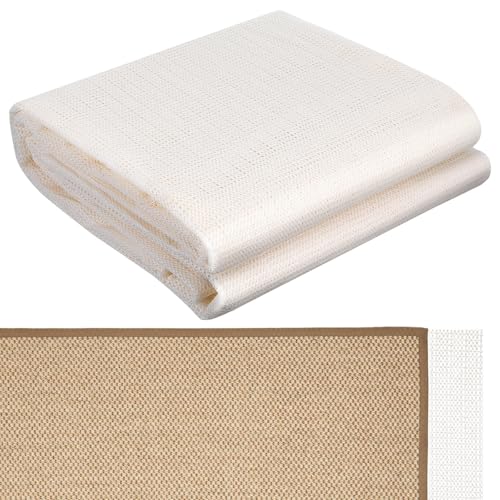
A pad helps keep the rug in place, adds cushioning, and can reduce wear on the backing. In a bedroom, that matters because the rug often sits near the bed and gets daily foot traffic. A better pad can also make a thinner rug feel more expensive underfoot.
Cleaning and long-term upkeep
Vacuuming and spot care are the main routines for most bedroom rugs. Wool usually tolerates regular maintenance well, while viscose and some natural fibers need more caution. Professional cleaning is worth pricing into the budget every few years, especially for larger rugs that hold more dust and soil.
Frequently asked questions
How much does a rug cost?
A rug can cost about $20 to $1,500+ depending on size, material, and construction. Small synthetic rugs sit at the low end, while large wool or handmade rugs cost much more. Bedroom buyers should also budget for a pad, delivery, and tax so the total is realistic.
What are rug rates for common bedroom sizes?
Larger sizes usually rise in cost because they use more material and labor.
Why are rugs so expensive?
Rugs get expensive when size increases, labor rises, or the fiber and finish are higher grade. Hand-knotted work costs more because it takes more time, and larger rugs add shipping and handling costs. In bedrooms, the price can feel steep, but a better rug can also last longer and cost less per year.
How do I choose rug size for a bedroom?
Start with the bed footprint and leave enough rug visible around the sides and foot to make the room feel balanced. A queen often works with a 5×8 or 6×9, while a king often needs an 8×10 or 9×12. If space is tight, side runners or a foot-of-bed rug can be a better fit.
Products related to this article
Sponsored / affiliate links. As an Amazon Associate I earn from qualifying purchases. I may earn additional commission from eligible campaigns.