Bedroom Lighting Cost / How Much Does It Cost to Light a Bedroom?
Lighting a bedroom typically costs $50–$300 for a basic fixture setup, $150–$800 with electrician installation, and about $1–$6 a month to run with LED bulbs. Skip the math and you can buy the wrong fixture size, pay too much for wiring, or end up with a room that is too dim or too bright. This guide breaks bedroom lighting into fixture cost, installation cost, and monthly operating cost, with budget targets by room size and use.
Bedroom lighting cost basics


Bedroom lighting cost depends on fixture type, how many lights you need, and whether installation is DIY or professional. The full budget has three parts: the fixture purchase, the labor to install it, and the electricity to run it each month. Those parts can vary a lot between a small guest room and a primary bedroom.
First cost versus running cost
First cost is what you pay upfront for the ceiling light, pendant, sconces, lamps, bulbs, and any electrician labor. Running cost is the electricity bill after the lights are in place. A room with a lower purchase price can still cost more over time if it uses more wattage or runs for many hours each night.
Wattage measures electricity use, not brightness. Brightness is measured in lumens. That matters because two bedroom lights can look equally bright while using very different amounts of power.
Small room versus primary bedroom
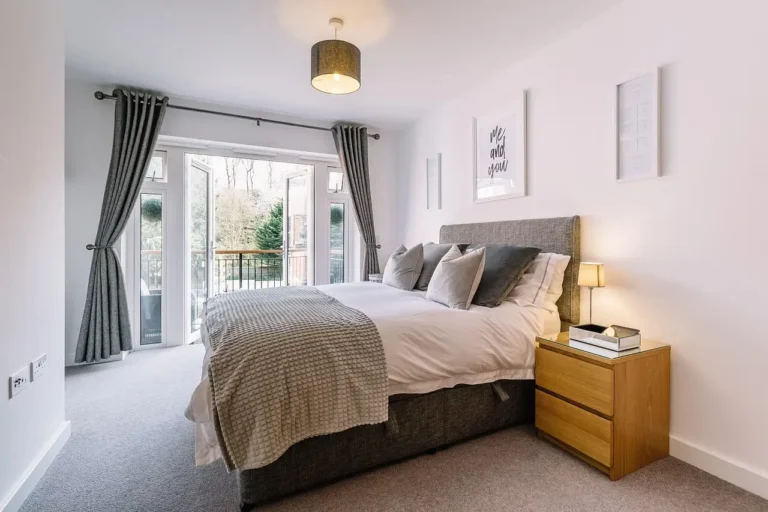
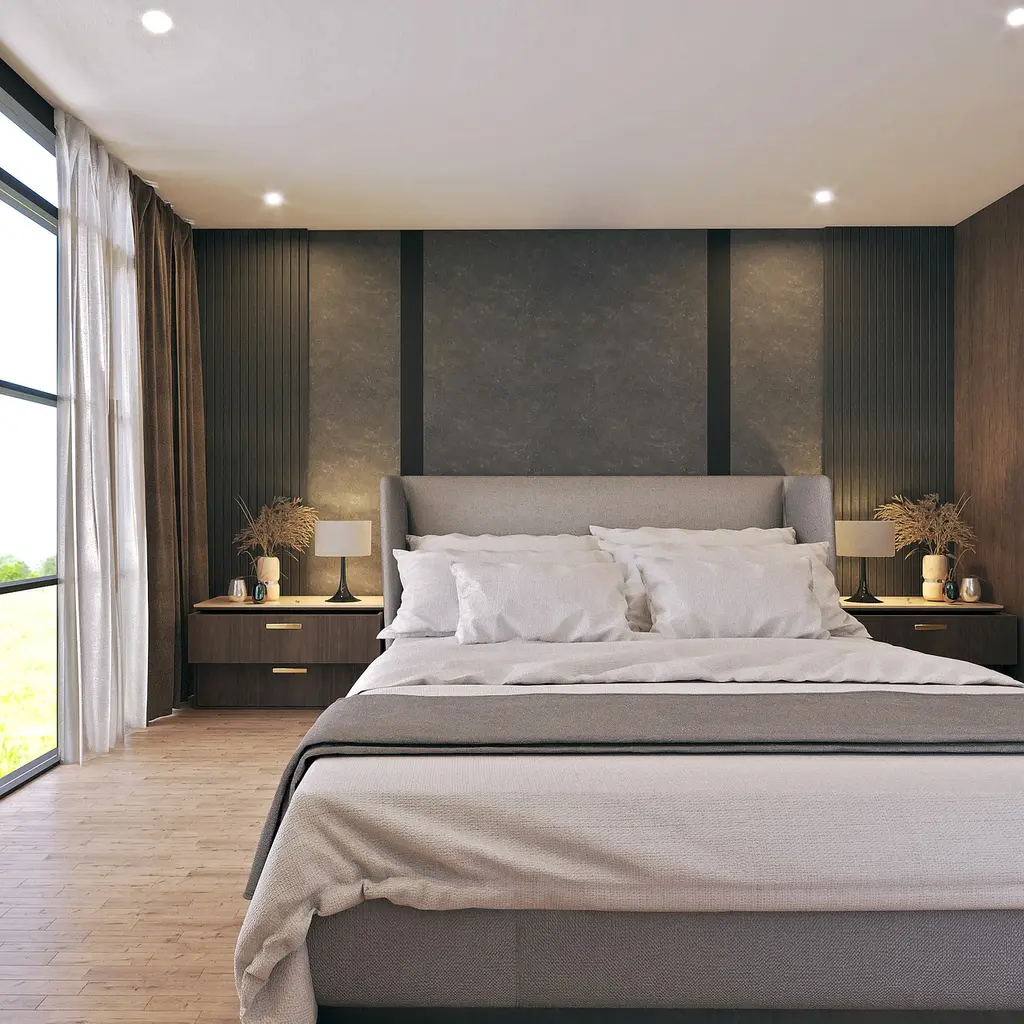
A small bedroom often needs one ceiling fixture plus one bedside light on each side, or even just one bedside lamp if the room is used lightly. A primary bedroom usually needs more layered lighting so you can read, dress, and move around without glare. More fixtures raise both purchase cost and installation cost.
Say your room is 10 by 10 feet and you only need soft general light for sleep and occasional dressing. A single flush-mount ceiling fixture plus one lamp can be enough. Suppose the room is a primary bedroom with a reading chair and two nightstands. Then two bedside sources and a central fixture usually make more sense than one bright overhead light.
Bedroom lighting calculator table
This table turns bedroom lighting into three practical budgets. The numbers are estimates, not quotes, but they show how fixture count, installation method, and wattage change the total. Electricity cost uses the rate shown in the assumptions column, and monthly cost reflects typical evening use.
| Scenario | Fixture mix | Estimated purchase cost | Estimated installation cost | Estimated monthly running cost | Assumptions |
|---|---|---|---|---|---|
| Renter-friendly | 1 ceiling fixture, 1 table lamp, 1 plug-in bedside light | $50–$140 | $0–$80 | $1–$2 | 24W total LED load, 3 hours/day, $0.20 per kWh |
| Standard | 1 ceiling light, 2 bedside lamps, dimmable LED bulbs | $150–$350 | $100–$250 | $2–$4 | 42W total LED load, 4 hours/day, $0.20 per kWh |
| Upgraded | 1 pendant or flush mount, 2 wall sconces, 2 lamps | $300–$800 | $250–$600 | $4–$6 | 60W total LED load, 5 hours/day, $0.20 per kWh |
These scenarios are built around warm LED lighting, because LED bulbs typically range from 4W to 18W and use less energy than incandescent or halogen bulbs. If your room runs longer hours or uses higher wattage, the monthly cost rises. If you dim the lights most evenings, the cost falls.
Assumptions for wattage, hours, and kWh rate
To estimate running cost, convert watts to kilowatts, multiply by hours used, then multiply by the electricity rate per kWh. A 100W light bulb uses 0.1kW per hour. The national energy price cap per kWh of electricity is 24.86p, though local tariffs vary by region and plan.
A simple formula looks like this: (total wattage ÷ 1000) × hours used × rate per kWh. If you want a monthly number, multiply the daily cost by 30.
How much does bedroom lighting cost installed?
Installed bedroom lighting often lands between $150 and $800, but the spread depends on whether you need a simple fixture swap or new wiring. A direct replacement is cheaper than adding a new switch, running cable, or opening walls. Professional installation also costs more than DIY because of labor and safety checks.
When you need an electrician
You usually need an electrician when the room lacks an existing ceiling box, when you want wall sconces hardwired into the wall, or when a dimmer switch must be added. Anything that changes wiring or load on a circuit should be handled with care. Safety matters more than saving a small labor fee.
What wiring complexity changes
A straightforward fixture swap uses less labor than a new lighting layout. Running cable to two bedside sconces takes longer than hanging a single ceiling light. If the work requires patching drywall, accessing the attic, or changing a switch location, the price climbs quickly.
Typical installed light fixtures can cost $100 to $250 each, and high-end LED lights can cost $300 or more per light. Those figures are useful for comparing fixture quality, finish, and style before labor is added. A better-made fixture can cost more upfront, but it may suit the room layout better and reduce the need to replace it later.
Typical labor cost buckets
- Simple fixture replacement: lowest labor cost, usually one existing ceiling point.
- Dimmer or switch change: moderate labor, depending on wiring and box access.
- New sconces or new circuit work: highest labor cost, because wall work and wiring take longer.
What is the cheapest way to light a bedroom?
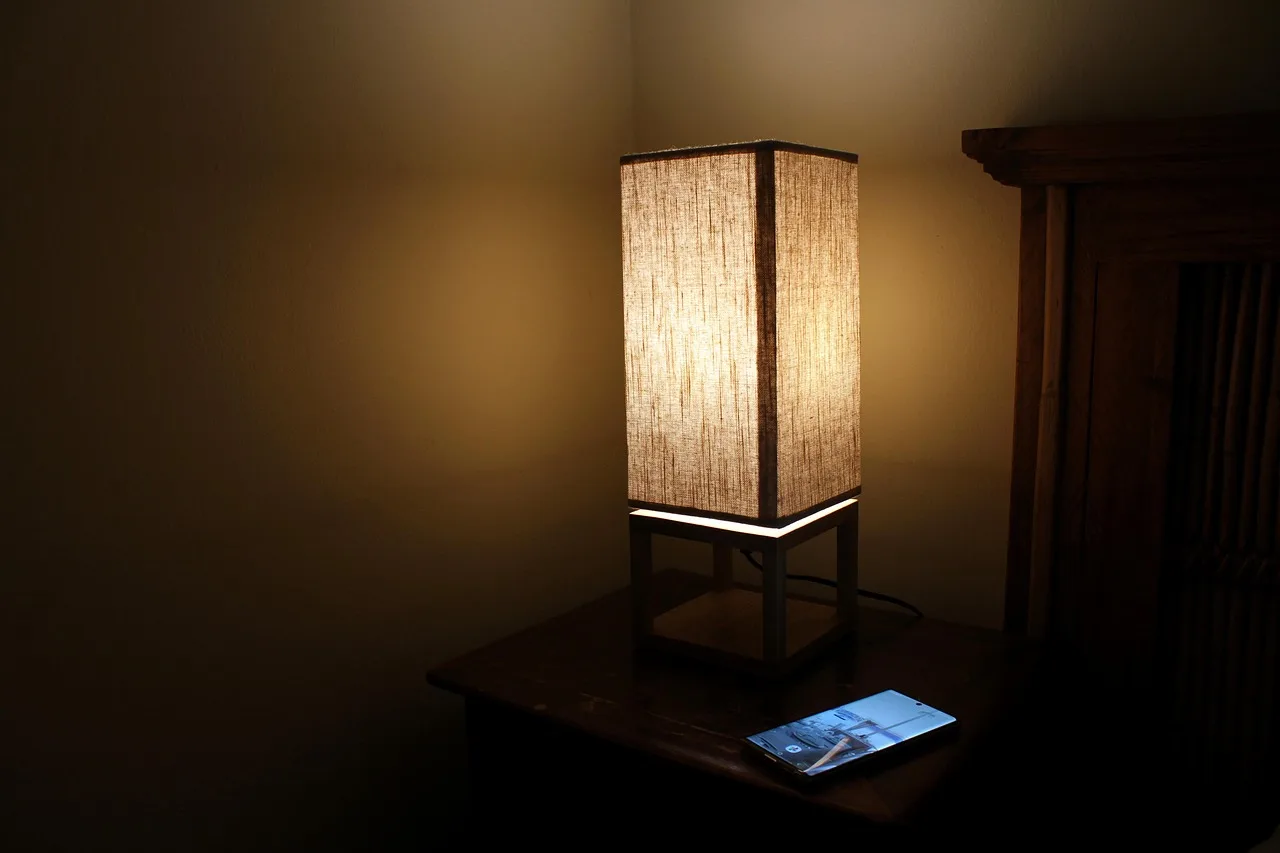
The cheapest way to light a bedroom is usually one existing ceiling fixture plus one or two low-cost LED lamps, all on simple switches. If you can avoid new wiring, you keep labor down. Choose warm LED bulbs, and pick fixtures sized for the room instead of oversized statement pieces.
Low-cost fixture mixes
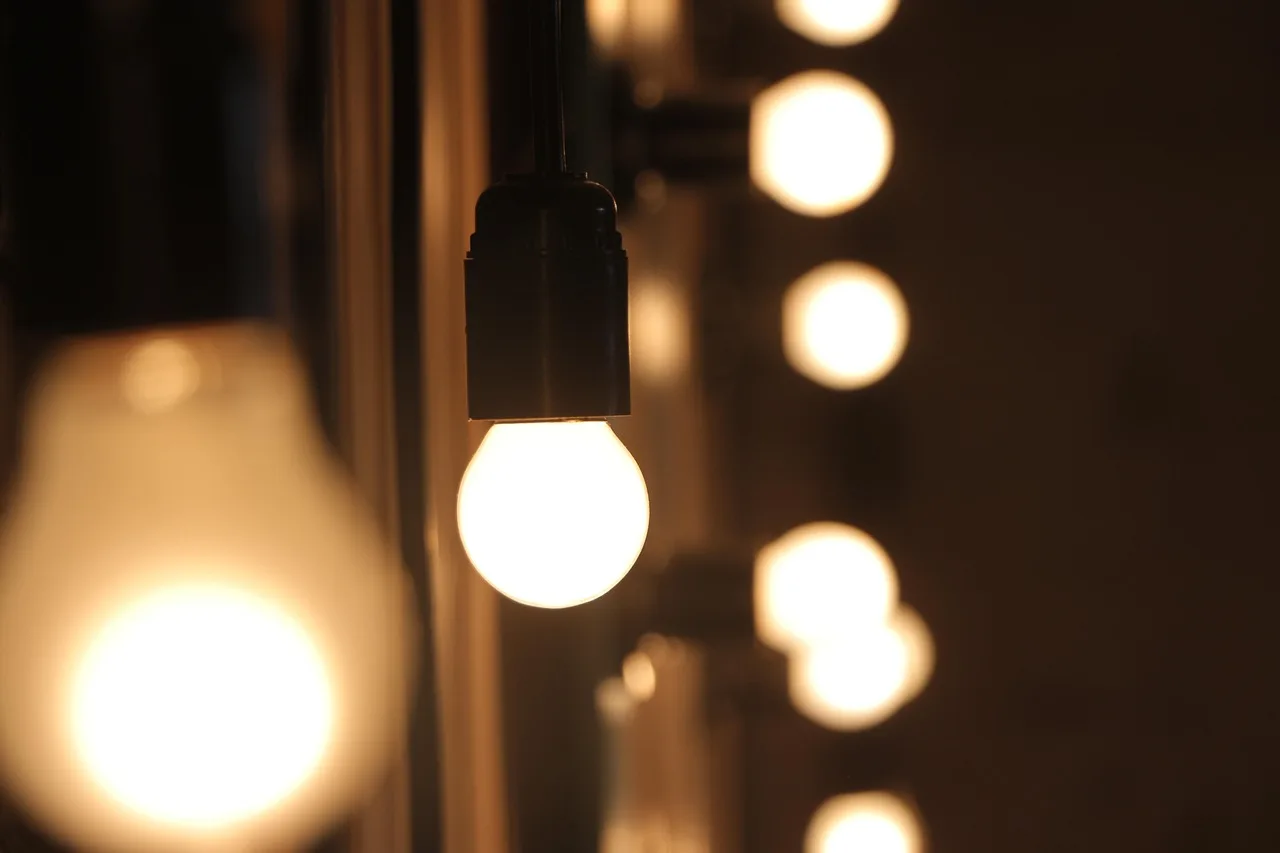
A flush-mount ceiling light is often the lowest-cost hardwired option. Add a basic table lamp or plug-in wall light for bedside reading. String lights are the cheapest decorative layer, but they should not be the main source of usable light in a bedroom.
Simple solar-powered lights can cost as little as $50 each, but that figure is a poor match for a bedroom because indoor use is not the same as exterior use. For bedrooms, the low end is usually about choosing plain finishes, fewer fixtures, and LED bulbs with standard sockets.
Where DIY helps
DIY can help if you are replacing a lamp, swapping a bulb, or installing a plug-in light. That keeps labor out of the budget. It also helps if the room already has enough light points and only needs better bulbs or a dimmer-compatible lamp.
Where cheap choices backfire
A common first-timer mistake is buying a single bright ceiling fixture for a room that needs both general light and reading light. The room may look lit, but the bedside area stays harsh or shadowy. That can lead to a second purchase, which costs more than planning the layout first.
Another mistake is buying non-dimmable bulbs for a dimmer switch. That mismatch can cause flicker, poor control, or a need to replace the bulbs. Cheap parts are not cheap if they do not work together.
How many light fixtures do you need in a bedroom?
Most bedrooms need at least one general light source and one or two task lights, depending on room size and use. A small room may work with one ceiling light and one bedside lamp. A larger primary bedroom often needs a ceiling fixture plus two bedside sources for balanced light.
Ceiling light alone
A single ceiling fixture can work in a compact bedroom used mostly for sleeping. It gives ambient light and keeps the plan simple. The problem is that one overhead source can create shadows near the bed, closet, or mirror.
Add bedside lamps or sconces
Bedside lamps or wall sconces add task lighting for reading and low-glare evening use. They also let you keep the ceiling light dimmer or off. Wall sconces save nightstand space, but they often raise installation cost because they may need wiring inside the wall.
Layered ambient and task lighting
Layered lighting means you combine overhead light with bedside sources. That setup is usually more comfortable because it lets you switch between full-room lighting and soft reading light. Dimmable lighting helps here because it reduces perceived brightness without changing the fixture layout.
LED bulbs and bedroom running costs
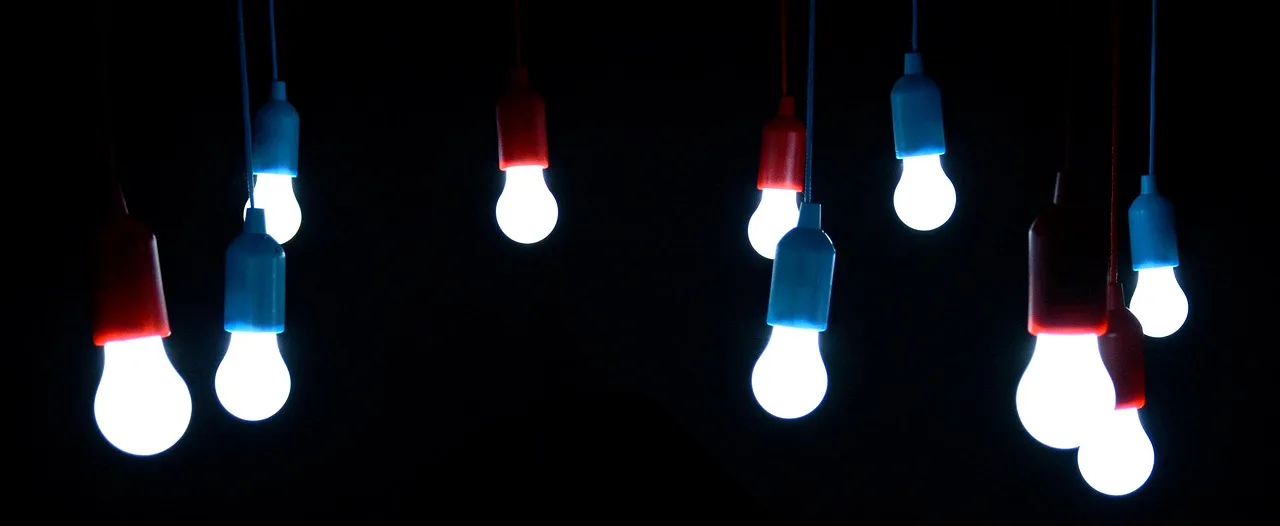
LED bulbs are usually the cheapest bedroom bulb choice to run because they use less electricity than incandescent or halogen bulbs. Most manufacturers list LED bedroom bulb wattages in the 4W to 18W range, which is far below older bulb types. That lower wattage can trim the monthly bill without sacrificing comfort.
Wattage versus lumens
Wattage tells you how much electricity a bulb uses. Lumens tell you how bright it is. That distinction matters when you compare bulb types, because an efficient LED can give similar brightness with much less wattage than an older bulb.
Common bulb ranges help with comparison. LED bulbs typically range from 4W to 18W. CFL bulb wattages tend to range from 6W to 22W. Incandescent bulbs are usually much higher for the same room brightness, which is why they cost more to run.
Dimmable options
Dimmable lighting helps create a softer bedroom mood and can cut energy use when the lights are turned down. But dimmers need compatible bulbs and switches. If the bulb is not marked dimmable, it may flicker or fail early.
Warm color temperatures
Bedrooms usually work best with warm color temperature bulbs rather than cool, blue-white light. Warm tones feel more relaxed for evening use and are easier on the eyes when you are winding down. Low-glare output matters too, especially for bedside reading.
Monthly cost formula
Here is a practical way to estimate running cost: watts ÷ 1000 × hours per day × 30 × electricity rate per kWh. If a bedroom uses about 42W of LED lighting for around 4 hours a day at about 20p per kWh, the monthly cost is about 1.01.
That is why bulb choice matters. Ten 18W LED bulbs cost just over 4p per hour to run, which is a clear sign that modern LEDs can keep bedroom operating costs low even when more than one fixture is on.
What changes the total price?
The total price changes with fixture style, bulb type, fixture count, and installation method. Style and finish affect the purchase price. Wiring complexity affects labor. And bulb choice affects the monthly bill, which is often ignored at the start.
Fixture style and finish
A plain ceiling light usually costs less than a decorative pendant or a pair of matching sconces. Heavier materials, specialty glass, and designer finishes push the price up. In a bedroom, a simpler fixture often works as well as a more expensive one if the light distribution is right.
Bulb type and count
More bulbs can improve light coverage, but they also raise the total purchase cost. The effect on running cost depends on wattage. A set of efficient LED bulbs can still be cheaper to run than one older high-wattage bulb.
Installation method and safety
Hardwired fixtures cost more to install than plug-in lamps because they may require an electrician or contractor. Safety considerations matter whenever new wiring, ceiling boxes, or wall switches are involved. If the installation feels more complex than a simple replacement, budget for professional help.
Frequently asked questions
How much does it cost to light a bedroom?
For a basic bedroom setup, a common budget is about $50–$300 for fixtures and bulbs, with more if labor is needed. The total goes up when you add sconces, dimmers, or extra task lights. Room size also matters, because a primary bedroom usually needs more than a small guest room.
How much does it cost to run bedroom lights per month?
For many bedrooms with LED bulbs, running cost is commonly about $1–$6 a month. The exact number depends on total wattage, hours of use, and your electricity rate per kWh. More fixtures, longer evening use, and higher local tariffs all push the bill up.
Are LED bedroom lights cheaper to run?
Yes. LED bedroom lights are usually cheaper to run because they use less wattage than incandescent or halogen bulbs for similar brightness. That lower energy use reduces the monthly bill, especially when the lights are used every night. LEDs also work well with warm, comfortable bedroom lighting.
Products related to this article
Sponsored / affiliate links. As an Amazon Associate I earn from qualifying purchases. I may earn additional commission from eligible campaigns.