Best Bedroom Paint Ideas for Low-Light Rooms: 7 Picks
For low-light bedrooms, I often lean toward warm off-white or greige in north-facing rooms, soft yellowed neutrals for east or west, and dusty blue-green only with warm bulbs. Pick the wrong one, and the walls can go gray, muddy, or harsher than the paint chip, which is expensive to fix. This guide gives a bedroom-specific way to match color to light direction, bulb temperature, and mood, with practical shade picks.
This guide is part of our Bedroom design ideas series.
How to choose paint for a dark bedroom
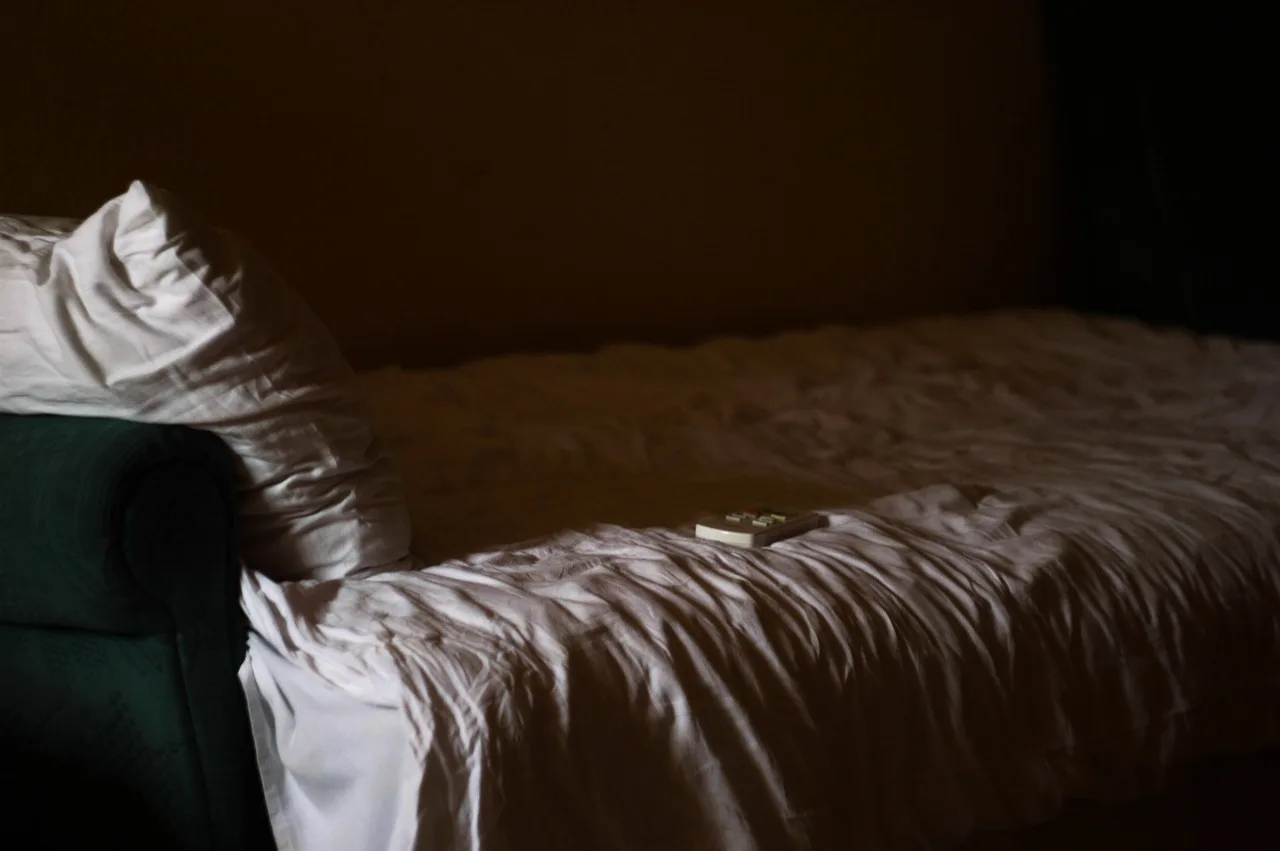


Start with the room, not the swatch fan. Light direction changes the same color fast, and bedroom lamps often stay on for long evening stretches, so bulb temperature matters as much as the wall color itself.
Match color family to the room’s light direction
North-facing bedrooms often feel cooler and flatter. They often need warm off-white, greige, or creamy beige to keep the walls from reading gray. South-facing rooms can take cleaner whites and softer cools more easily, because they get more steady light during the day.
East- and west-facing bedrooms shift more during the day. Morning light can flatter pale blues and soft whites, while evening light can push beige and cream warmer. Windowless or enclosed bedrooms need the most discipline: choose a color family that still looks right under lamps, not only in daylight.
Use bulb temperature to filter paint choices
Warm bulbs can yellow some whites and flatten cool grays. A color that looks airy on a chip can look dull under warm light. In practice, that means crisp white is not always the safest answer, and a creamier neutral often behaves better at night.
Cooler bulbs can make warm paint look sharper and less cozy. If the bedroom is used for reading or getting dressed, the bulb choice should support the paint choice. The two should be selected together.
Decide the mood first: calm, cozy, airy, or cocooned
Paint can shift room mood fast, so the finish color should match the feeling you want before you chase brightness. Calm rooms usually do well with warm neutrals or soft gray-beige. Cozy rooms can take deeper beige, muted lavender, or a controlled gray. Airy rooms favor off-white and pale colors. Cocooned bedrooms can use deeper, lower-reflective hues without looking like a mistake.
What colors make a low-light bedroom look brighter?
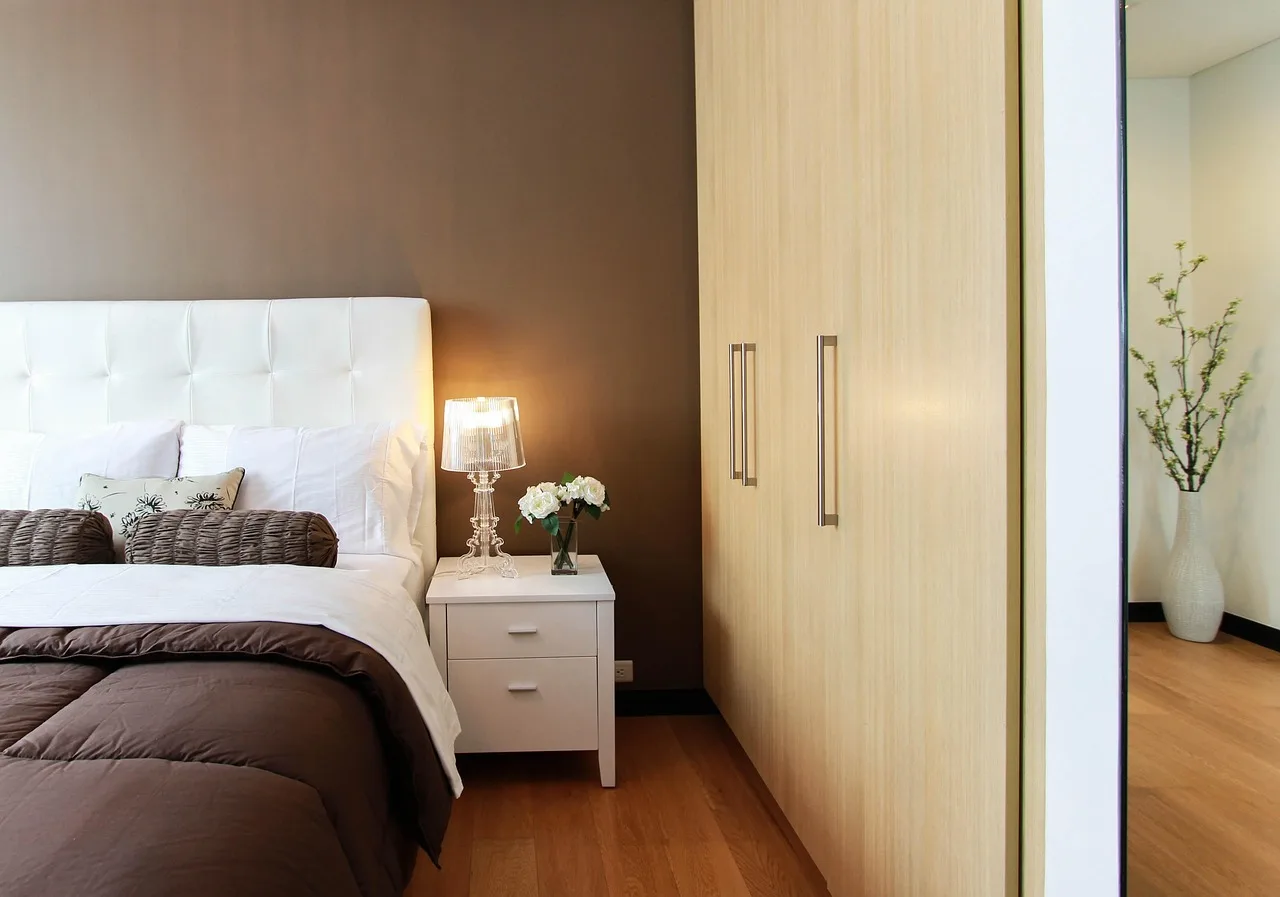
The brightest-looking bedroom color is often a warm off-white rather than a stark white. In dim rooms, pure white can turn cold or flat. Soft neutrals with a little cream, beige, or pale color often reflect available light more gracefully and feel easier on the eye.
Warm off-white vs pure white
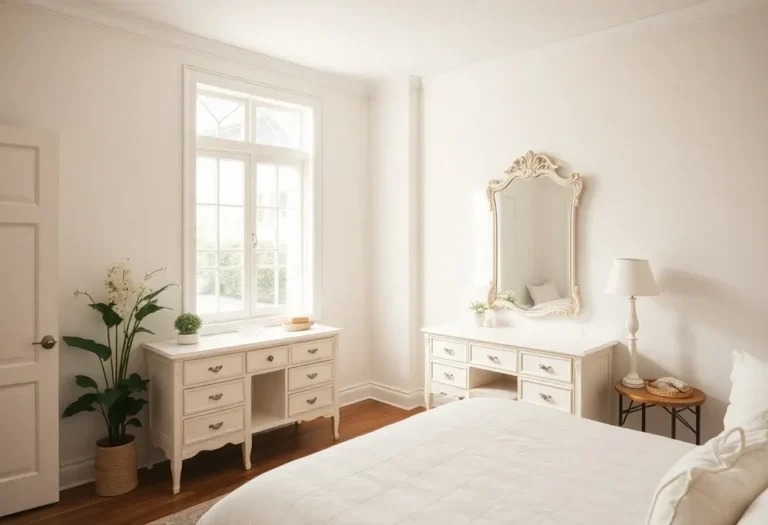
Warm off-white has a clear advantage in many low-light bedrooms because it keeps the room from feeling gray in dim light. Pure white can work, but only when the room gets enough clean light and the trim, ceiling, and bulbs all help it stay crisp. Otherwise it can look chalky.
Chantilly Lace by Benjamin Moore is a strong white option when the goal is brightness and the room gets north-facing light that still needs a clean reflector. Bob Vila and Comfy Inspo both point to crisp white behavior here, and that matters more than the name on the chip.
Greige and beige in dim light
Greige is a gray-beige hybrid, and that middle ground is why it works so often in bedrooms with low light. It can read warmer or cooler depending on the window direction and lamp temperature, which makes it easier to live with than a flat gray.
Accessible Beige by Sherwin-Williams SW 7036 is a useful example. It is a warm neutral with a subtle gray-and-beige mix, and it helps bounce light while softening shadows. That makes it useful when a room needs warmth without turning yellow.
When soft color beats a white wall
If the bedroom has little natural light, a pale color can look more alive than a white that goes dingy by evening. Borrowed Light by Farrow & Ball is a good example of this. It reads pale blue and can mimic daylight in enclosed spaces.
Wallflower is another option when the room needs a softer lift. It is a subtle lavender, and that little hint of color can create a luminous effect instead of the dead look some whites get after sunset.
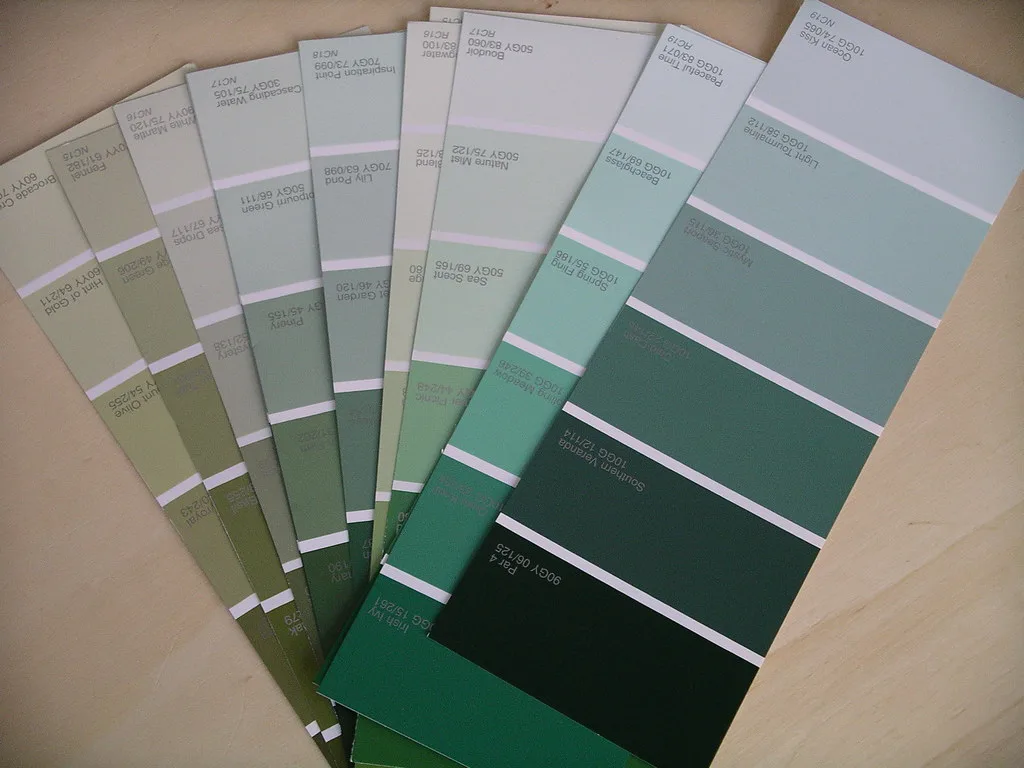
Best paint colors for low-light bedrooms
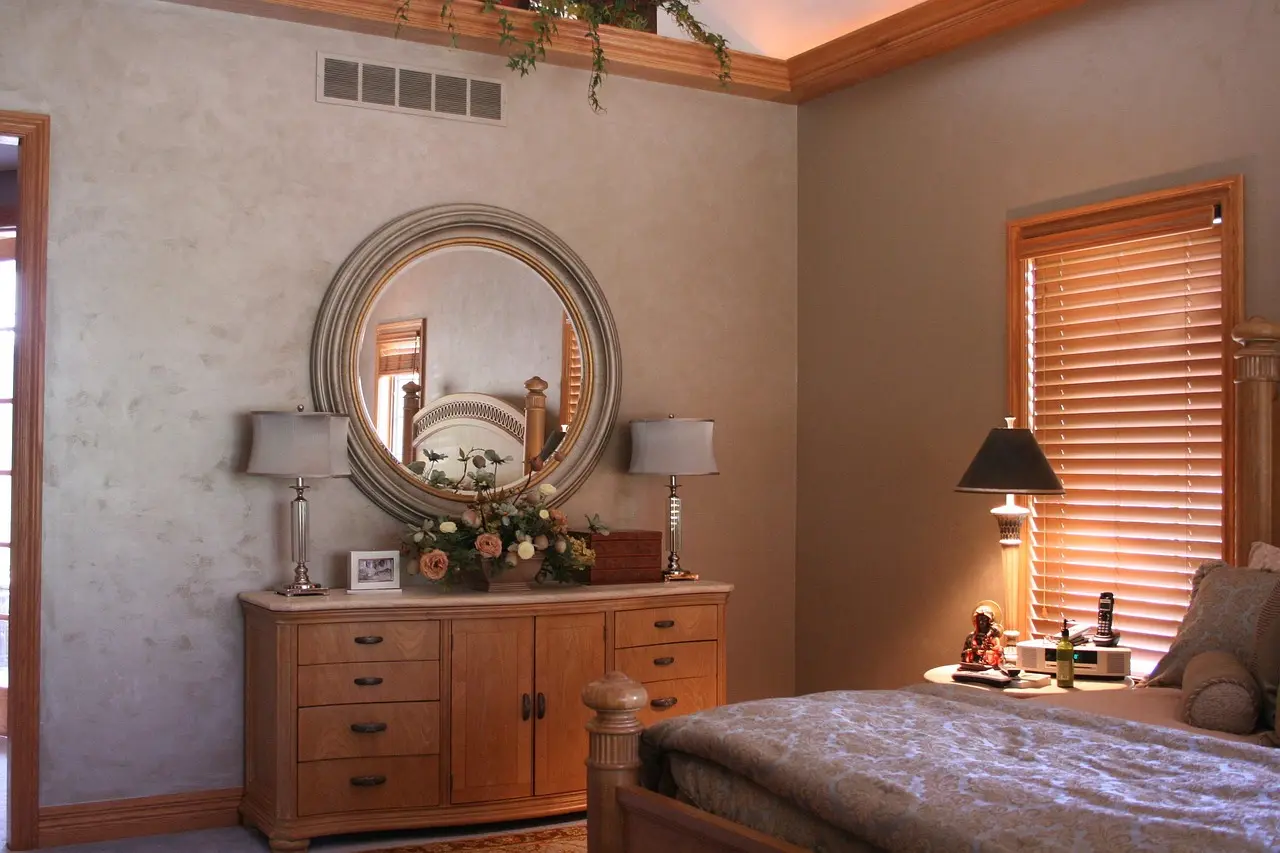
The best low-light bedroom colors are the ones that hold their shape under both daylight and lamps. These six paint families cover most situations well: warm neutral, creamy off-white, crisp white, mid-gray, pale blue, and soft lavender. Exact choice depends on room orientation and mood.
Accessible Beige by Sherwin-Williams
Accessible Beige is one of the safer warm neutrals for bedrooms with limited light. It bounces light, reduces the heavy shadow effect around corners, and stays calm instead of turning overly tan. Use it when you want restful and livable rather than bright-white.
Alabaster by Sherwin-Williams
Alabaster has subtle yellow undertones and a creamy off-white look that gives a soft diffused glow. Comfy Inspo notes the undertones clearly, and that is the point: it is warmer than a clean white, so it can read gentle and settled in a bedroom.
Chantilly Lace by Benjamin Moore
Chantilly Lace is a crisp, clean white that reflects available light well. It is most useful in north-facing rooms where the light is cool but still present. If the room has dark floors or heavy furniture, this white can keep the walls from sinking visually.
Repose Gray by Sherwin-Williams
Repose Gray has a chameleon quality and works in bedrooms with limited natural light when a mid-tone is wanted. It is not a safe choice if the room already feels cold, but it can be excellent when the goal is a quiet, tailored look without going beige.
Borrowed Light by Farrow & Ball
Borrowed Light is useful in enclosed or windowless rooms because it creates the illusion of daylight. That does not mean it becomes brighter than white in every case. It means the color family supports a daytime feel better than a flat cool gray would.
Wallflower by Sherwin-Williams SW 6281
Wallflower gives a subtle lavender cast without feeling sugary. Bob Vila describes it as a subtle purple hue, and that matters in bedrooms because violet-based pastels can look soft under lamps while still carrying enough color to avoid a washed-out wall.
Should you use warm or cool paint in a dark bedroom?
Warm paint usually performs better in dark bedrooms because it prevents the gray cast that low light can create. Cool paint can still work, but it needs the right bulb temperature and room orientation. The wrong cool gray under warm bulbs often reads flat or slightly dirty.
How warm undertones help prevent a grey cast
Warm undertones keep walls from going lifeless when daylight is thin. That is why warm off-white, beige, and some greiges outperform pure cool gray in many bedrooms. They hold a softer edge when the sun goes down and the lamps become the main light source.
When cool paint works better than expected
Cool paint can be useful when the bedroom is very sunny during part of the day or when the goal is crisp and quiet rather than cozy. Pale blue and some blue-grays can also work in windowless rooms if the artificial light is tuned to support them.
Borrowed Light is the clearest example of a cool-leaning shade that can still feel bedroom-friendly. It works because it references daylight instead of fighting it.
What to avoid under warm bulbs
Avoid cool grays that already look slightly purple or green on the chip. Warm bulbs can make those undertones more obvious. Yellowed whites can also go too creamy under the wrong lamp, which is why testing on the actual wall matters more than choosing from a fan deck.
What finish is best for bedroom walls in low light?
Matte or eggshell usually works best on bedroom walls in low light. They reduce glare, hide minor wall flaws, and keep the room from looking shiny in odd places. Higher sheen can reflect light too hard and make the wall surface feel busier than it should.
Matte vs eggshell for soft reflection
Matte gives the softest look and can be the best option when the walls are imperfect or the room already has enough furniture and texture. Eggshell adds a bit more reflection, which helps in a dim room without making the surface look glossy.
When higher sheen looks too hard
Satin and semi-gloss can make bedroom walls feel harsh if the room is low on natural light. They are better reserved for trim, doors, and areas that need cleaning more often. On a bedroom wall, they can bounce lamp light in a way that feels distracting at night.
Trim and ceiling finish choices
Light trim and a slightly brighter ceiling can help a low-light bedroom feel less closed in. Keep the wall finish softer than the trim finish. That contrast gives the room structure without turning the walls into glare panels.
Low-light bedroom paint decision table
This table maps room condition, bulb temperature, and mood goal to a paint family, finish, and sample warning signs. Use it before you buy. It is faster than repainting after the walls go muddy.
| Room condition | Bulb temperature | Mood goal | Color family | Finish recommendation | Sampling warning signs |
|---|---|---|---|---|---|
| North-facing bedroom | 2700K to 3000K | Calm and bright | Warm off-white or greige | Eggshell | Looks gray by evening, trim reads colder than walls |
| East- or west-facing bedroom | 2700K | Cozy and soft | Accessible Beige or Alabaster | Matte to eggshell | Yellowing after sunset, corners look muddy |
| Windowless or enclosed room | 2700K | Airy | Borrowed Light or a pale blue-green | Eggshell | Blue goes flat, room feels cold under lamps |
| Bedroom with dark furniture | 3000K | Bright and balanced | Chantilly Lace or warm off-white | Eggshell | Walls disappear against trim, white turns chalky |
| Bedroom wanting a cocooned feel | 2700K | Cocooned | Repose Gray or Wallflower | Matte | Color looks flat, no depth at night |
How to test swatches before you buy
Testing is where most bedroom paint decisions are won or lost. A small chip lies about brightness, especially in low light. Bob Vila recommends a swatch at least 2 feet square, using two coats, and observing it during all times of day.
- Paint a sample at least 2 feet square on the actual wall.
- Apply two coats so the color reads the way it will on the finished wall.
- Check it in morning light, afternoon light, and evening light.
- View it with lights on and lights off.
- Compare it against the trim, floor, bedding, and headboard.
- Reject it if it looks muddy, yellowed, chalky, or flat at the main viewing time.
A sample is failing if a warm white turns dingy, a gray reads green or purple, or a pale blue loses its shape under lamps. That is the point where the right answer is usually a different family, not a different brand name.
Brand matching matters too. Benjamin Moore, Sherwin-Williams, and Farrow & Ball all label colors differently, so the same mood can require different names at different counters. Shop by the actual color family and undertone first, then use the brand name as the final ordering step.
What colors are good for dark rooms
Warm off-white, greige, beige, pale blue, and soft lavender are usually the safest starting points for dark rooms. The best choice depends on whether the room needs to feel brighter, calmer, or more enclosed. In low light, undertone matters more than saturation alone.
What colors are best for a relaxing bedroom
The most relaxing bedroom colors are usually soft neutrals with low contrast. Accessible Beige, Alabaster, and a quiet greige often feel settled without being dull. If you want a cooler calm, Borrowed Light can work, but only when the lamp temperature supports it.
What color light best for bedroom
For many low-light bedrooms, a warm white bulb around 2700K is often a good fit for the paint choices. It flatters warm neutrals and keeps the room from feeling stark at night. Cooler light can work in some modern bedrooms, but it often makes dim spaces feel harder.
What paint colors make a low-light bedroom look brighter?
Warm off-white, crisp white, and pale cool colors with enough light-supporting undertone can make a low-light bedroom look brighter. Chantilly Lace helps when you want clean reflection, while Alabaster and Accessible Beige often look softer and more forgiving in real rooms.
Do white walls work in a room with little natural light?
White walls can work, but the right white matters. In low light, some whites look chalky or cold, while warm off-whites stay easier to live with. Chantilly Lace is useful when you want crisp reflection, while creamier whites often behave better in everyday use.
What color should I avoid in a dark bedroom?
Avoid colors that are already low in lightness and high in muddy undertone, especially cool grays that may turn flat under warm bulbs. Very yellow whites can also become tiring. Strong reds, plums, and terracottas pull walls inward, which can make a dark bedroom feel tighter.
How do I test bedroom paint in a low-light room?
Paint a 2-foot-square sample with two coats, then view it morning, afternoon, evening, and with lights on and off. Compare it against trim and furniture. If the color shifts into mud, chalk, or yellow at the main viewing time, move on to another family.
Can dark paint work in a bedroom with no windows?
Yes, but only when the mood goal is cocooned and the lighting plan is strong. Dark paint absorbs more light, so it can work best on an accent wall or in a room with careful lamp placement. Full-room dark color needs more testing than a pale palette.
Products related to this article
Sponsored / affiliate links. As an Amazon Associate I earn from qualifying purchases. I may earn additional commission from eligible campaigns.