Accent Wall Cost: How Much Does a Bedroom Accent Wall Cost?
A bedroom accent wall typically costs about $50 to $1,500, with peel-and-stick wallpaper often at the low end, paint in the middle, and wood slats or custom millwork toward the high end. Choose the wrong finish and you can overspend, damage a lease wall, or repaint sooner than planned. This guide compares bedroom accent wall costs by finish type, DIY versus pro labor, and which options fit renters, homeowners, and different design goals.
Painting, wallpapering, and board and batten options
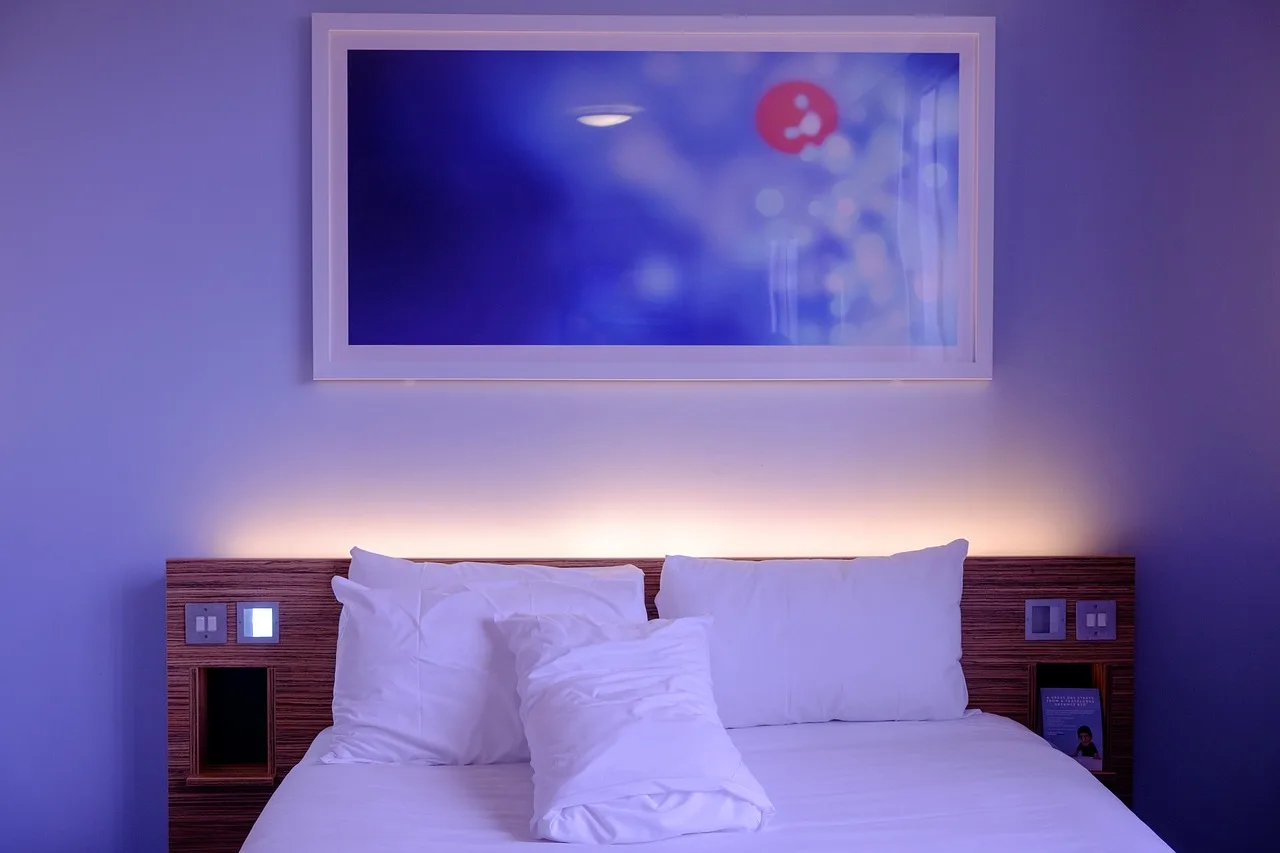


The wall behind the bed is often the room’s main focal point, so it is usually where you spend first. That choice changes both visual balance and cost, especially when the wall is the longest uninterrupted surface in the room. A simple painted wall is the least expensive path; custom trim, slats, and paneling move into higher labor territory fast.
Painted accent wall
Paint is usually the lowest-cost option because you are paying for one wall, not a built-out surface. It works best for subtle color changes, often one or two steps deeper in the same palette, and it is easy to change later. A standard 2.4m ceiling can make a very dark accent wall feel heavy, so lower-contrast colors are often the safer spend in smaller bedrooms.
Wallpapered accent wall
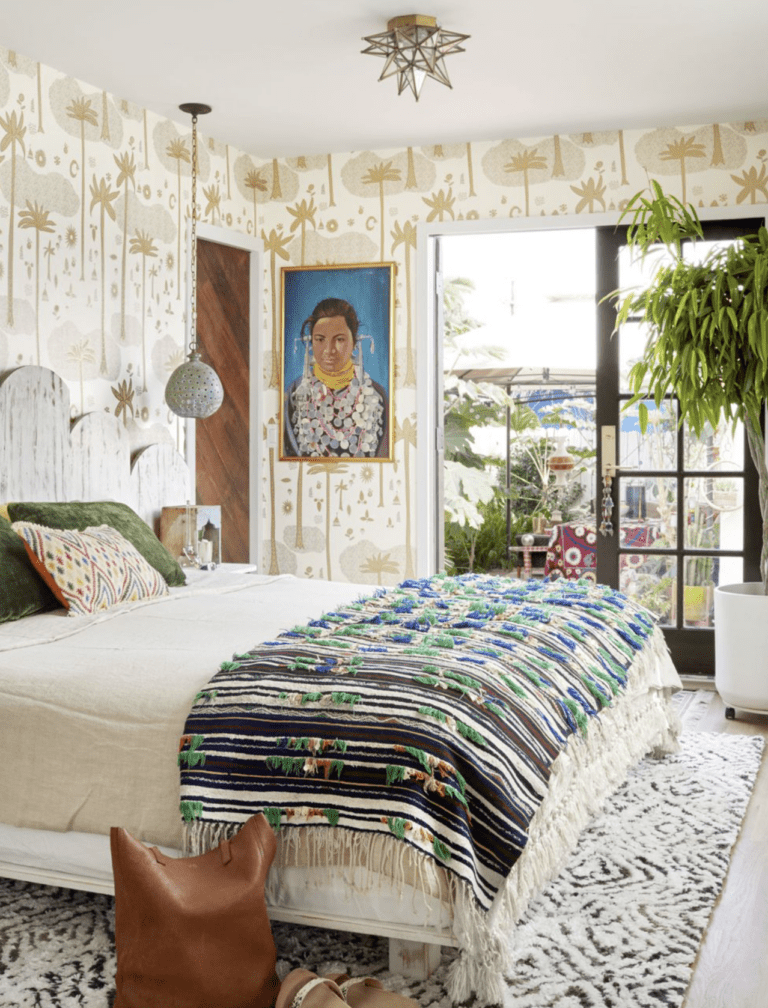
Wallpaper usually costs more than paint because the material price is higher and the wall needs cleaner prep. It works best with large-format prints; small dense patterns can feel busy, and pattern scale changes how large or small the room feels. Peel-and-stick versions are the common renter-friendly choice, but smooth walls and careful alignment still matter.
Board and batten wall
Board and batten sits between paint and custom millwork. The standard version uses thin wooden battens attached in a pattern, then painted to match or contrast the wall color. A renter-friendly version exists with removable mounting tape or strips, but that temporary path can still cost more than plain paint because you are buying lumber, layout time, and extra finishing.
Fabric panel accent wall
Fabric panel walls are useful when you want softness instead of hard edges. They can be renter-friendly when hung from a wall-mounted rod or ceiling track, and they can soften sound while adding warmth and visual weight. Cost depends on fabric quality, the support system, and how neatly the panels must fit around outlets, corners, or trim.
Wood slat accent wall
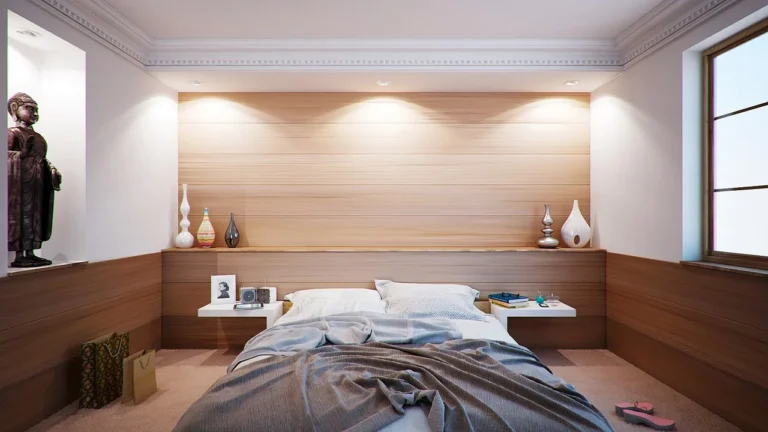
Wood slat walls are usually custom installs and often sit at the top of the budget ladder. They add texture and warmth, but the price rises because of layout, finishing, and labor. The cut pattern has to stay even across the wall, and that precision takes time. This is the kind of finish that can look simple from across the room and still require a lot of labor up close.
Geometric trim and panel walls
Geometric accent walls use trim or panels to create a modern architectural focal point. The more custom the layout, the more labor the project needs. Sharp angles, repeated spacing, and full-height lines all increase the chance of measuring mistakes and caulk cleanup, which is why these walls tend to move out of DIY territory unless the design stays very simple.
Wainscoting and decorative wall panels
Wainscoting and decorative wall panels are premium finishes for a bedroom focal wall. They are material intensive and installation intensive, so they usually cost more than paint, wallpaper, or basic board and batten. These finishes are often chosen when the wall behind the bed needs to look built-in rather than decorative, which pushes labor and finish quality to the foreground.
Accent wall cost matrix
This matrix uses the wall behind the bed as the reference point, since that is the most common focal wall in a bedroom. It also treats custom accent wall work as a broader benchmark, not a bedroom-only quote. A Denver custom accent wall company lists custom accent walls at $1,500–$5,000, which is a useful reference for premium wall builds that include layout, materials, and installation.
| Finish type | Material range | Likely labor range | Typical total tier | DIY difficulty | Renter-friendly risk | Common failure risks |
|---|---|---|---|---|---|---|
| Painted accent wall | $25–$150 | $0–$300 | Low | Easy | Low to moderate | Bad color contrast, poor edge lines, uneven sheen |
| Wallpapered accent wall | $40–$500 | $100–$400 | Low to mid | Moderate | Moderate | Pattern mismatch, bubbles, busy small print |
| Board and batten wall | $80–$450 | $200–$900 | Mid | Moderate to hard | Moderate | Out-of-square layout, visible gaps, wall damage at removal |
| Fabric panel accent wall | $100–$600 | $150–$700 | Mid | Moderate | High | Sagging, poor tension, track alignment issues |
| Wood slat accent wall | $250–$1,200 | $500–$2,000 | High | Hard | Low | Warping, uneven spacing, visible fasteners |
| Geometric trim, wainscoting, and decorative panels | $200–$1,500 | $700–$3,500 | High | Hard | Low | Layout drift, too many cuts, heavy patch and paint work |
What makes a bedroom accent wall cost more?
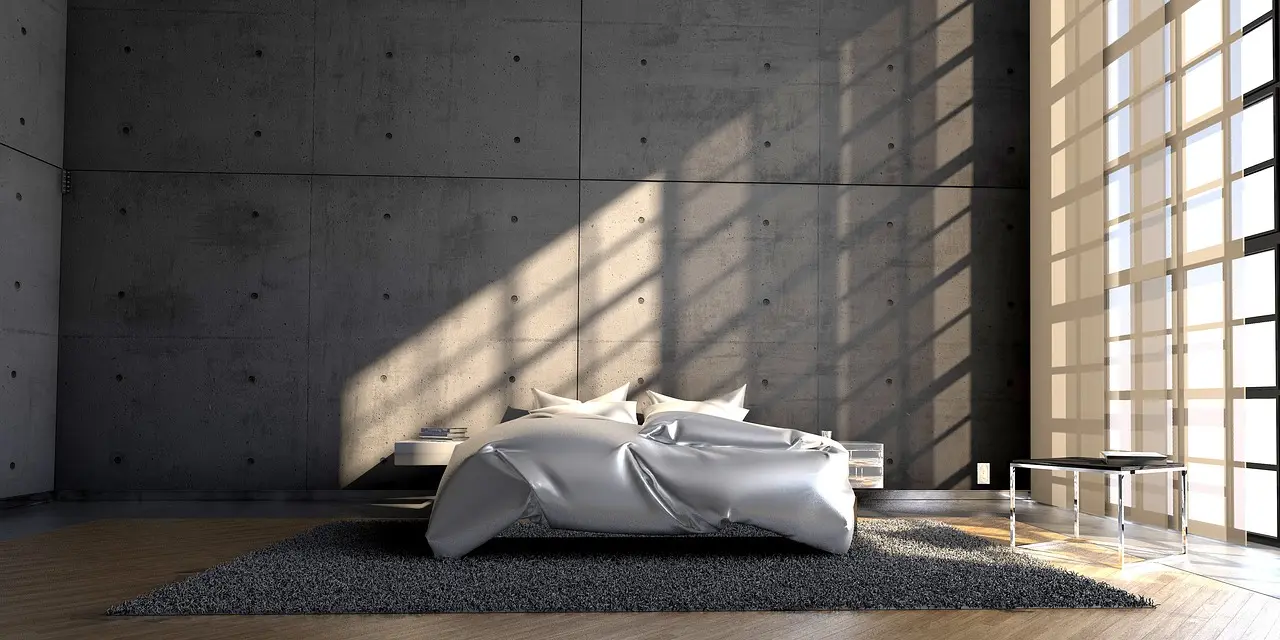
Wall size, ceiling height, prep, and access drive most of the price jump. A longer wall uses more material and more labor, and a standard 2.4m ceiling still changes how much paint, wallpaper, trim, or panel stock you need. Complex layouts, trim conflicts, and repair work raise the bill even when the finish seems simple.
Wall size and ceiling height
The larger the wall, the more material and time the project needs. Taller walls also change the visual result, because a dark finish on a standard 2.4m ceiling can feel heavier than it would on a taller room. If the wall runs from floor to ceiling and spans the bed wall, coverage and cut waste both rise.
Prep, patching, and surface condition
Prep can be the hidden cost. Nail holes, dents, old adhesive, texture issues, and paint repairs all add time before the accent wall finish even starts. Smooth wallpaper and trim work need cleaner surfaces than paint does, so a wall that looks simple from a distance can still be expensive to make ready.
Layout complexity and custom cuts
Every window, outlet, corner, vent, or sloped ceiling adds cutting and fitting time. Accent walls work best on walls with inside corners on both sides, because that layout gives the design a cleaner frame. A full custom layout with repeated geometry usually costs more than a straight painted field.
Access, trim, and removal risk
Stairs, tight closets, built-in furniture, and tricky corners all slow the job. For renters, removal risk matters too, because anything attached with adhesive, nails, or brads can lead to repair costs at move-out. That end-of-lease risk is part of the real budget, not an afterthought.
Which wall behind the bed should you choose?
The wall behind the bed usually works best because it is the main focal point and often the longest uninterrupted wall in the room. It gives the accent wall a clear job: frame the bed, balance the room, and keep the design anchored. Skip that wall if windows, doors, or awkward corners break the layout so much that the finish will look chopped up.
Why symmetry helps
Accent walls read best when the bed, lighting, and any art can sit in a balanced layout. Inside corners on both sides help the wall feel intentional rather than arbitrary. If the bed wall is centered and fairly plain, you get more impact for the same spend.
When windows and doors rule it out
A wall with too many openings can turn a simple finish into a custom cut project. That usually increases labor and makes wallpaper, slats, or paneling harder to install cleanly. In those rooms, the better spend may be a lighter paint change or a decorative ceiling, which can act as the fifth wall in tricky spaces.
When dark walls feel heavy
When a bedroom is small, low, or already crowded with furniture, a very dark accent wall can make the room feel heavier than intended. If the room already has limited light, choose a lighter finish or less contrast. Say your bedroom has a 2.4m ceiling and a narrow bed wall with one window off to the side; a muted tone will usually read cleaner than a deep, high-contrast finish.
Is a renter-friendly accent wall cheaper?
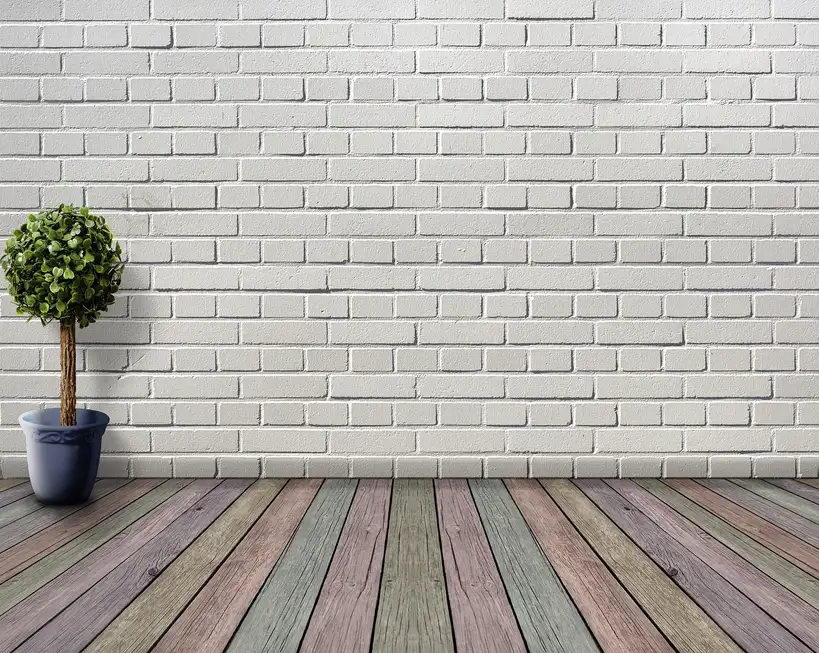
Sometimes yes, but not always. Rent-friendly options can reduce lease-end risk and may save money on repairs, yet they can add material cost or extra hardware. Accent walls can be a solution when a rented bedroom cannot be painted, but the cheapest renter-safe choice is often the one that leaves the wall least altered.
Temporary paint alternatives
If the lease blocks paint, peel-and-stick wallpaper or removable decor can offer a lower-risk update than permanent materials. IKEA sells wall accents starting at $4.99, and small decor pieces such as the GILLSTAD wall decoration set of 3 at $19.99 or the PS 2026 wall decoration set of 3 at $11.99 can add a focal point without a full wall build.
Removable board and batten options
Board and batten can be made more renter-friendly with removable mounting tape or strips, but that does not make it free of risk. The battens still need to sit straight, and the wall still needs to come back in good condition later. For many renters, that makes it a mid-cost, mid-risk choice rather than the cheapest one.
Fabric panels and track systems
Fabric panels often make sense in rentals because they can be hung from a wall-mounted rod or ceiling track. That setup can avoid the hard look of trim while still creating a focal wall. It also means the end-of-lease cleanup is usually lighter than with nailed-in woodwork, though the hardware still has to be removed carefully.
Lease-end repair and removal costs
Removal costs matter when adhesive, holes, or paint matching are likely to follow. A renter who plans to move within a year may spend less overall on a finish that installs cleanly and comes down cleanly, even if the material itself is not the absolute cheapest. That is why “cheap” should include repair risk, not just the purchase price.
When does a small bedroom feel smaller?
A bedroom can feel smaller when the accent wall has too much contrast, too much texture, or a pattern scale that fights the room. Dark colors can make a wall feel heavier, and busy small prints can compress the space visually. If the room already has a low ceiling or a short bed wall, a subtle finish is usually the better spend.
Color contrast and visual weight
High-contrast dark paint, thick trim, and heavy wood finishes all pull attention to one plane. That can work in a larger bedroom, but in a compact room it may make the wall feel closer than it is. A softer shift, often one or two steps deeper in the same palette, is less likely to overwhelm the room.
Pattern scale and room perception
Wallpaper is where scale matters most. Large-format prints usually read more calmly, while small dense patterns can feel busy and shrink the wall visually. If the bed wall is already narrow, a calmer repeat often gives the room more breathing space.
Ceiling height and balance
Lower ceilings leave less room for a dramatic finish. On a standard 2.4m ceiling, tall vertical elements or very dark surfaces can feel compressed if the room is already tight. Picture a 3.0m-wide bed wall in a compact bedroom: a pale paint change or a simple panel layout will usually keep the room steadier than a dense geometric build.
Custom accent wall budget tiers
Use budget tiers to match the finish to the room, not the other way around. The $1,500 to $5,000 benchmark sits in the custom tier for a full bedroom focal wall, especially when the project includes trim, slats, wainscoting, or a highly detailed layout. Bedroom pricing still changes with wall size, access, prep, and labor.
Low-budget tier
This tier usually covers paint, simple peel-and-stick wallpaper, or a very small decor-led wall treatment. It is the best fit when you want change with low risk and fast removal. If the design goal is subtle, this is often all you need.
Mid-range tier
Mid-range budgets usually cover wallpaper with better prep, basic board and batten, or fabric panels with hardware. This is where many homeowners and renters land when they want more structure without committing to a full custom build. The wall still changes the room, but the cost stays more contained.
Custom tier
Custom wood slats, geometric trim, and premium wainscoting land here. These finishes need more layout precision and more finish work, so they are harder to keep cheap. If the room is large, the wall is complex, or the result needs to feel built-in, this tier is the realistic one.
Should you hire a pro or DIY a bedroom accent wall?
Choose DIY for paint, simple wallpaper, or basic decor changes. Hire a pro when the finish depends on exact spacing, tight cuts, or clean removal from a rental wall. The bigger the risk of visible mistakes, the more a contractor-grade install makes sense. A common first-timer mistake is treating board and batten like a paint job; the layout usually takes longer than expected.
- Choose the wall behind the bed if it is the cleanest focal wall.
- Check whether the finish needs perfect alignment, cuts, or custom layout.
- Match the finish to the lease, especially if holes or adhesive are involved.
- Estimate prep, materials, and removal, not just the visible surface.
- Use DIY for low-risk finishes and hire a pro for precision-heavy work.
Frequently asked questions
How much does a bedroom accent wall cost?
A bedroom accent wall typically costs $50 to $1,500, depending on the finish, the wall size, and whether you hire labor. Paint and simple wallpaper sit near the low end. Wood slats, custom trim, and wainscoting can move into the upper range quickly.
What is the cheapest way to do a bedroom accent wall?
Paint is usually the cheapest way to do a bedroom accent wall, especially on a single wall with minimal prep. A subtle color shift often gives enough contrast without extra labor. If you cannot paint, small decor pieces or removable wallpaper are the next budget-conscious options.
How much does a painted accent wall cost versus wood slats or wallpaper?
Paint is usually the least expensive, wallpaper is often next, and wood slats are usually the priciest of the three. Paint needs the least material and labor. Wallpaper adds prep and alignment work. Wood slats need layout, cuts, finishing, and often professional installation.
Is a renter-friendly accent wall cheaper than a permanent one?
Not always. Rent-friendly options can save on lease-end repair, but removable products and hardware can still cost more up front than a simple painted wall. The real savings come from lower damage risk and easier removal, not from the sticker price alone.
What factors make an accent wall cost more?
Wall size, ceiling height, prep, custom cuts, and access all raise the price. The finish matters too. A straight painted wall is simpler than geometric trim or slat work. If the wall has windows, outlets, or uneven surfaces, labor and material waste go up.
How much does custom trim or paneling cost for a bedroom accent wall?
Custom trim or paneling often lands in the higher budget tier because the material and installation are both labor intensive. For broader custom accent wall work, a benchmark of $1,500–$5,000 is a realistic reference. Bedroom-specific pricing still depends on wall size, finish detail, and access.
How Much Does a Wood Accent Wall Cost? — Learn about the costs of wood accent walls and the many options available
Wood accent walls usually cost more than paint or wallpaper because they need more material, cutting, and labor. A simple slat wall can sit in the mid-to-high range, while a fully custom build can reach the $1,500–$5,000 benchmark. That price reflects layout, finish quality, and install time.
Products related to this article
Sponsored / affiliate links. As an Amazon Associate I earn from qualifying purchases. I may earn additional commission from eligible campaigns.
 Modern Wood Slat Wall Panels, Peel and Stick Acoustic Panels, Self-Adhesive Wall Covering and Easy Installation, 47.24x11.82in. 8-Pack Natural Wood Finish(Walnut)
 Modern Self-Adhesive Black Wood Slat Wall Panels, Peel and Stick, Decorative Wall Covering, 8-Pack 47.24x11.81in. Natural Wood Surface (Ebony)