Bedroom Makeover Cost / Price Guide
A bedroom makeover is often budgeted anywhere from about $500 to $15,000+, with cosmetic refreshes around $500 to $3,000 and full remodels around $5,000 to $15,000+, so start by matching scope to your budget. If you skip that choice, you can overspend on labor, buy the wrong materials, or stall mid-project. This guide breaks down each cost line by line so you can price paint, flooring, lighting, storage, and furniture before you spend.
Bedroom makeover cost overview
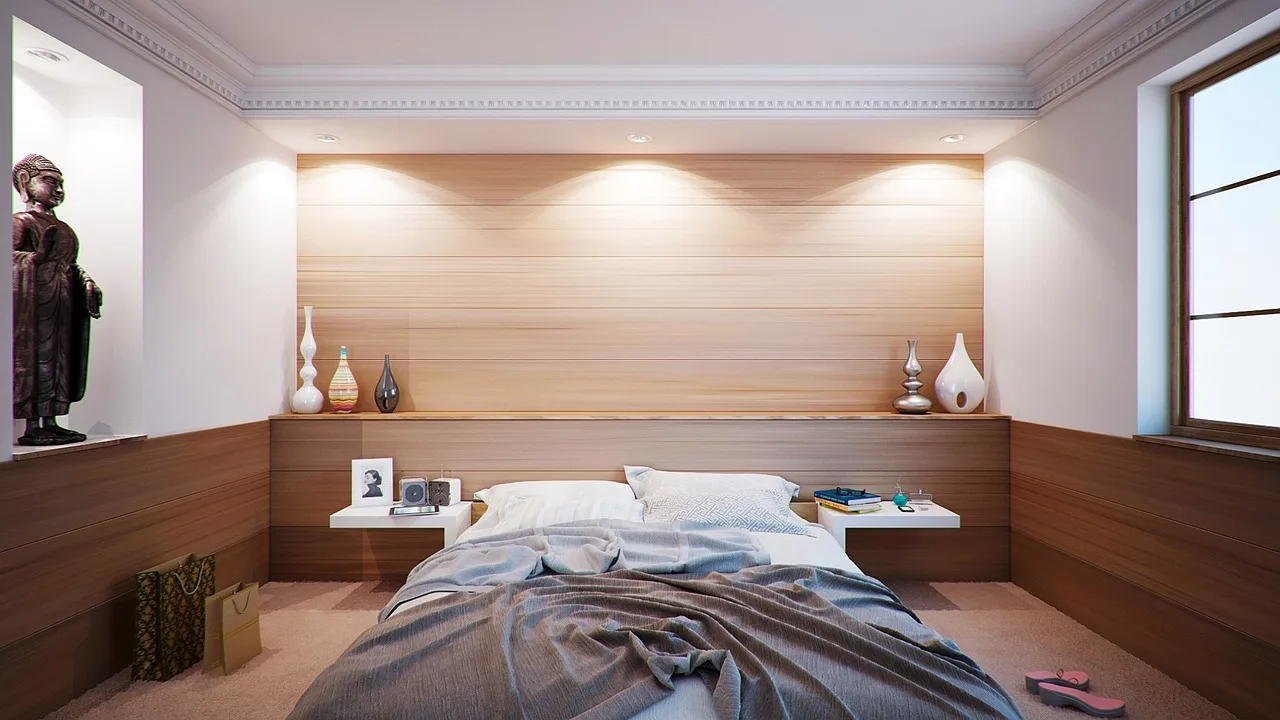



Bedroom pricing changes fastest with project scope, then room size, then finish level. A light refresh can land around $3,000 to $7,000, while a midrange remodel commonly sits between $7,000 and $15,000. A bedroom renovation can range from $3,000 to $25,000, and permits and inspections can add up to $2,000 when electrical or layout work is involved.
Budget refresh vs mid-range refresh vs full makeover
A budget refresh usually covers paint, a simple light fixture swap, basic flooring touchups, and a few new furnishings. A mid-range refresh often adds new flooring, better lighting, closet organizers, and more coordinated furniture. A full makeover can include electrical changes, recessed lighting, built-ins, trim work, and higher-cost finishes across the room.
What changes the total fastest
Furniture, flooring, and electrical work move the total more than paint alone. Window treatments and storage systems can also swing the budget sharply. Labor matters too, because hourly crew rates are shown as $40 to $120 per hour, and larger scopes need more hours, more trades, or both.
How much should you budget by room size?
Room size sets the floor under the budget, but it does not control the full number. A 10×12 room can stay in a lighter spending band if you keep the scope cosmetic. A 14×16 primary bedroom often needs more flooring, more paint, larger furniture, and more labor hours, so the total climbs quickly.
10×12 bedroom budget range
A 10×12 bedroom is often the best fit for a budget refresh or compact mid-range update. Smaller square footage reduces paint, flooring, and labor time, but furniture can still dominate if you replace the bed, dresser, and nightstands at the same time.
12×12 bedroom budget range
A 12×12 room is a common reference point when people ask about a standard bedroom budget. It usually sits in the middle of the cost curve. That makes it a useful planning baseline for comparing cosmetic refresh costs against a true remodel.
12×14 and 14×16 bedroom budget range
A 12×14 room adds enough area to raise flooring and paint costs in a visible way. A 14×16 room can shift the project into primary-bedroom territory, where storage, window treatments, and lighting choices matter more because the room needs more function, not just a new look.
How ceiling height changes cost
Higher ceilings raise paint and labor costs because walls cover more square footage and trim work takes longer. They also change lighting needs. A room with standard ceilings will usually cost less to finish than one with tall walls, vaulted lines, or extra crown and ceiling detail.
Bedroom makeover budget matrix
This matrix separates three tiers so you can budget by outcome instead of guessing from one blended average. The figures below are planning ranges, not quotes. They assume modest to typical materials, then scale upward as room size and finish level increase.
| Tier | Room size | Paint | Flooring | Lighting | Furniture | Storage | Labor | Permits | Contingency | Total |
|---|---|---|---|---|---|---|---|---|---|---|
| Budget refresh | 10×12 | $250-$450 | $500-$900 | $150-$350 | $700-$1,400 | $150-$400 | $800-$1,400 | $0-$150 | $250-$450 | $2,800-$5,100 |
| Mid-range refresh | 12×12 | $350-$650 | $1,000-$1,800 | $300-$800 | $1,500-$3,000 | $400-$1,200 | $1,500-$3,000 | $100-$500 | $400-$900 | $5,550-$11,850 |
| Full makeover | 12×14 | $500-$900 | $1,600-$3,200 | $800-$2,000 | $3,000-$6,000 | $1,500-$4,000 | $2,500-$5,500 | $500-$2,000 | $1,000-$2,500 | $11,400-$26,100 |
A 10×12 budget refresh can stay relatively contained if you reuse the bed and storage. A 12×12 mid-range refresh often lands in the middle because it adds better flooring and more complete furniture replacement. A 12×14 full makeover can cross into remodel territory once electrical, storage, and labor stack up.
What does flooring add to the bill?
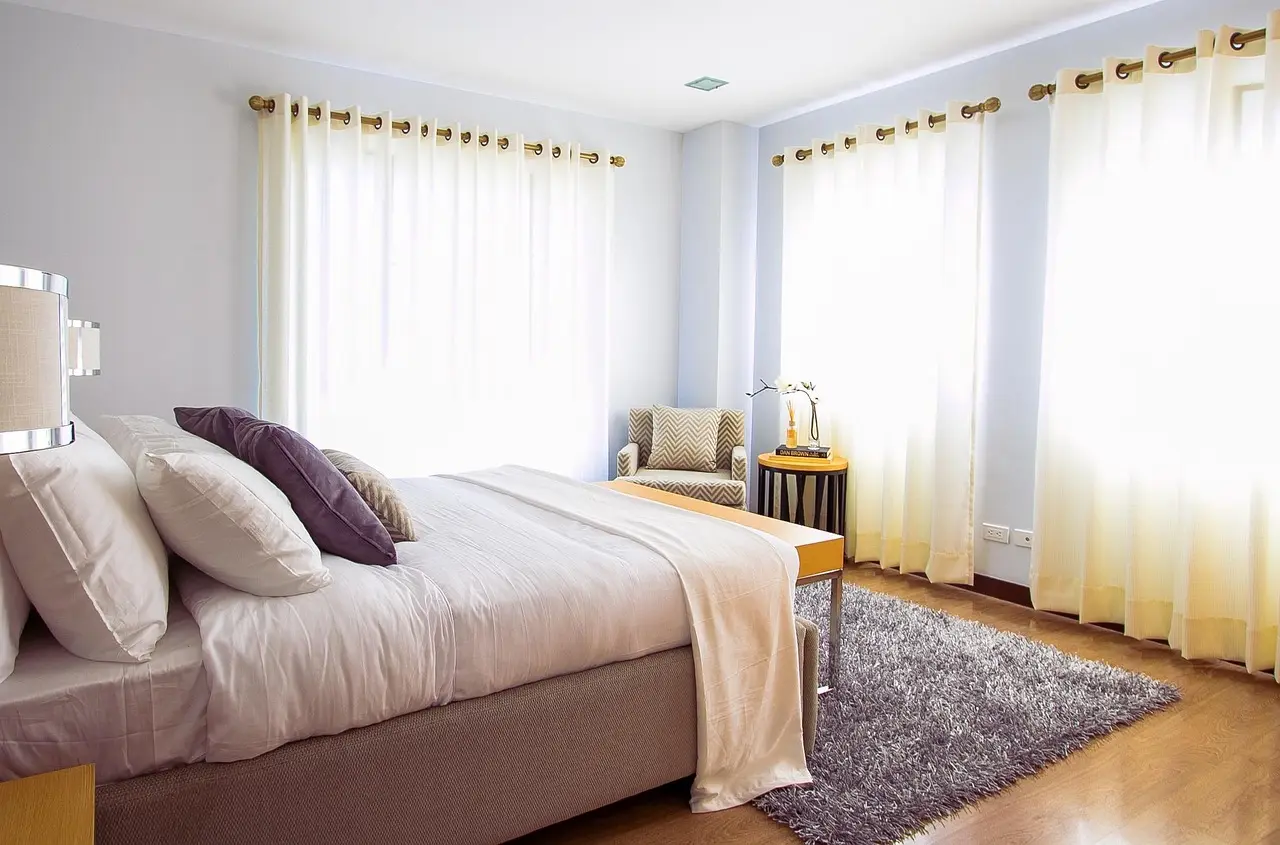
Flooring is one of the biggest cost drivers in a bedroom. Carpet is often the least expensive installed choice, while hardwood and tile push the price higher because material and labor both rise. Subfloor repairs, transitions, and furniture moving can add to the total as well.
Carpet installed cost
Carpet usually keeps the budget lower in bedrooms, especially when you want a soft, quiet surface. Installation is often simpler than hard-surface floors, but pad quality, stairs, and old-floor removal can change the final bill. It is a common fit for refresh projects.
Laminate and vinyl plank installed cost
Laminate and vinyl plank usually sit in the middle of bedroom flooring pricing. They cost more than basic carpet but often less than hardwood. Their appeal comes from easier cleaning and a more finished look, especially in rooms that double as a home office or guest room.
Hardwood and tile installed cost
Hardwood tends to raise both material and installation costs, especially if you need baseboard work or careful transitions. Tile is usually the most labor-heavy bedroom option because it demands a stronger subfloor, more prep, and more time. Tile in a bedroom also makes sense only for specific design goals.
Labor complexity and subfloor prep
Uneven subfloors, moisture issues, or old flooring removal can add hours before the new surface goes in. That is where low bids often fail. A quote that looks cheap may leave out leveling, underlayment, haul-away, or trim touchups after the install.
Paint, lighting, and electrical costs
Paint seems cheap until you add primer, multiple coats, trim, and ceiling work. Lighting can stay inexpensive with a simple fixture swap, or rise quickly if you add recessed lights, new switches, or a ceiling fan. These items often shape the room’s final look more than decor does.
Paint, primer, and coat counts
For a bedroom, paint cost is usually tied to wall area, surface condition, and how many coats you need. Primer matters on dark walls, repairs, or patched drywall. If you include ceilings and trim, the total climbs because each surface adds labor and paint.
Trim and ceiling add-ons
Painting baseboards, doors, crown, and ceilings takes time. That extra time can matter more than the paint itself. A room that only needs walls repainted will cost less than one that also needs caulk, sanding, and a full trim refresh.
Fixture swaps vs recessed lighting
A basic fixture swap is usually the easiest electrical upgrade. Recessed lighting takes more time because it may require new wiring, cutouts, and patching. The jump from one ceiling fixture to several recessed cans is often one of the clearest places where a refresh turns into a remodel.
Outlets, switches, smart controls, and ceiling fans
Adding outlets or replacing switches can be a modest cost if the wall access is easy. Smart switches add device cost and wiring time. Ceiling fans need proper support and wiring, so they can push the budget higher than a basic light swap, even before finish work is included.
Storage and furniture budget drivers
Furniture can dominate a bedroom budget faster than paint or flooring. A bed, dresser, nightstands, and window treatments may cost more than the room finish work combined. Storage choices matter too, because simple organizers and custom built-ins live in very different price bands.
Organizers vs built-ins
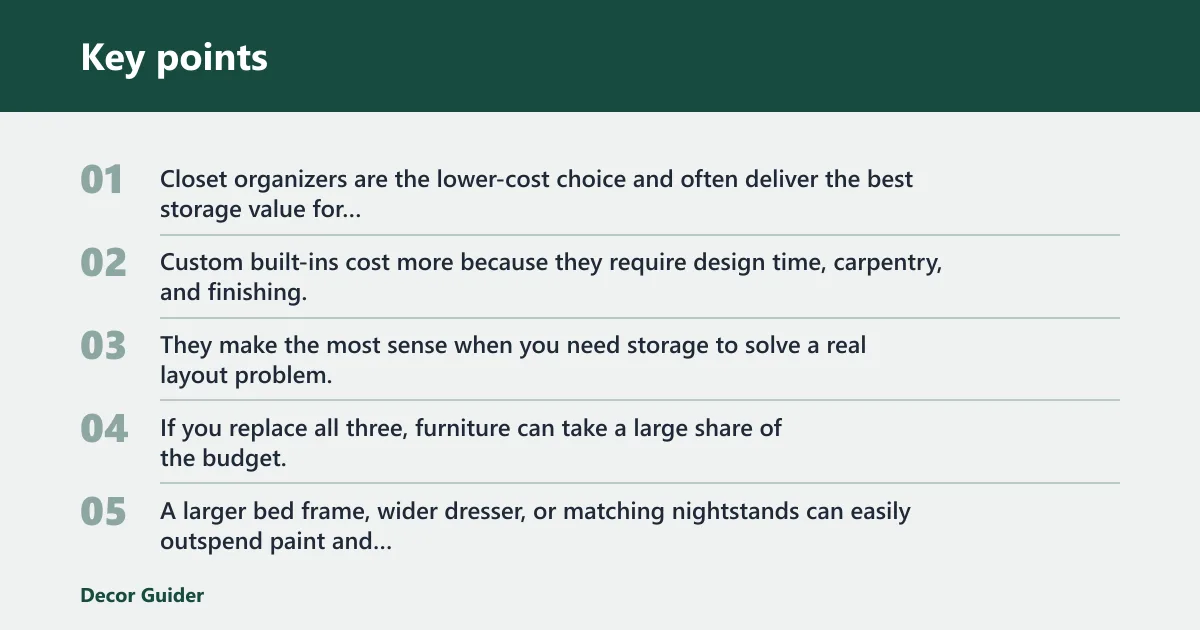
Closet organizers are the lower-cost choice and often deliver the best storage value for a standard bedroom. Custom built-ins cost more because they require design time, carpentry, and finishing. They make the most sense when you need storage to solve a real layout problem, not only a style update.
Bed, dresser, and nightstand costs
If you replace all three, furniture can take a large share of the budget. A larger bed frame, wider dresser, or matching nightstands can easily outspend paint and lighting. That is why furniture-driven makeovers often need a higher cap than cosmetic-only plans.
Window treatments and delivery fees
New blinds, shades, or drapery panels add another line item that many budget plans miss. Delivery fees, assembly, and hauling away old pieces can also add up. Say your 12×12 room gets new flooring, a new bed, and blackout shades; the room can feel finished, but the budget may jump more than expected because the furniture and delivery stack together.
When storage costs outgrow decor costs
Storage costs outgrow decor costs when the room needs daily function, not just a visual refresh. That happens in primary bedrooms with limited closet space, shared rooms, or rooms that also hold work gear. At that point, storage is part of the remodel, not an afterthought.
What hidden costs should you plan for?
Hidden costs can add 8% to 15% to initial estimates, and they are a common reason bedroom budgets run short. Removal, disposal, delivery, patching, trim touchups, and moisture repairs are easy to overlook. Permits and inspections can add up to $2,000 when scope requires them.
Removal and disposal
Old carpet, underlayment, damaged drywall, and outdated fixtures often need removal before new work starts. Haul-away and disposal fees may seem small on a single line, but they become meaningful when several trades are involved.
Patching, trim touchups, and haul-away
Every flooring change, outlet update, or wall repair can leave behind finish work. That includes patching holes, repainting touched areas, and resetting trim. A budget that ignores these details usually looks lower than the final invoice.
Moisture or damage repairs
Moisture remediation, subfloor repair, or damaged plaster can shift a refresh into a larger project. If mold, rot, or structural damage is found, the room may need more than cosmetic work. That is one point where the makeover becomes a remodel.
Contingency at 8-15 percent
A contingency of about 8% to 15% is a common rule of thumb for most bedroom projects. It helps cover surprises without forcing a pause midway through the job. Suppose a 12×12 room is priced at $8,000; a contingency adds $640 to $1,200, which is easier to absorb than a last-minute scramble.
Frequently asked questions
How much does a bedroom makeover cost?
A bedroom makeover usually lands anywhere from $500 to $15,000+, depending on scope and room size. Cosmetic refreshes sit at the low end, while full remodels move higher once flooring, electrical, built-ins, and furniture replacement are all part of the plan.
What is the average cost of a bedroom remodel?
For planning, a midrange remodel commonly sits between $7,000 and $15,000. That range usually assumes a more complete update than paint alone, with flooring, lighting, storage, and some furniture changes. Large rooms or higher-end finishes can push the total past that band.
How much should I budget for a 12×12 bedroom makeover?
A 12×12 bedroom is often best budgeted in the middle of the pricing curve. If you want a cosmetic refresh, plan for the lower thousands. If you want new flooring, lighting, and furniture, the budget can move into the midrange remodel zone quickly.
What factors increase bedroom renovation costs
Size, finish level, electrical work, flooring choice, storage systems, and furniture replacement are the biggest cost drivers. Ceiling height, trim detail, subfloor repairs, delivery fees, and permit needs can raise the total further. Labor also rises when the project needs more than one trade.
What is the cheapest way to makeover a bedroom?
The cheapest path is a cosmetic refresh: repaint walls, keep the existing layout, use a simple light fixture swap, and reuse the main furniture. Focus on visible impact first. That approach avoids electrical changes, major flooring replacement, and custom storage costs.
What hidden costs should I plan for in a bedroom remodel?
Plan for haul-away, delivery, disposal, patching, trim touchups, and possible moisture or subfloor repairs. Also set aside a contingency of 8% to 15%. Those items are the usual reason a bedroom project goes over its first estimate.
Is a bedroom makeover cheaper than a full remodel?
Yes. A makeover is usually cheaper because it can stop at paint, lighting, simple flooring, and basic furniture updates. A full remodel adds more labor, more finish work, and often more permits. The price gap grows fast once walls or wiring change.
How much to add a bedroom
Adding a bedroom costs far more than refreshing one because it involves construction, framing, electrical, insulation, windows, flooring, and permits. This is a separate project class from a makeover. In many homes, adding a bedroom is closer to a major remodel than a room update.
Products related to this article
Sponsored / affiliate links. As an Amazon Associate I earn from qualifying purchases. I may earn additional commission from eligible campaigns.