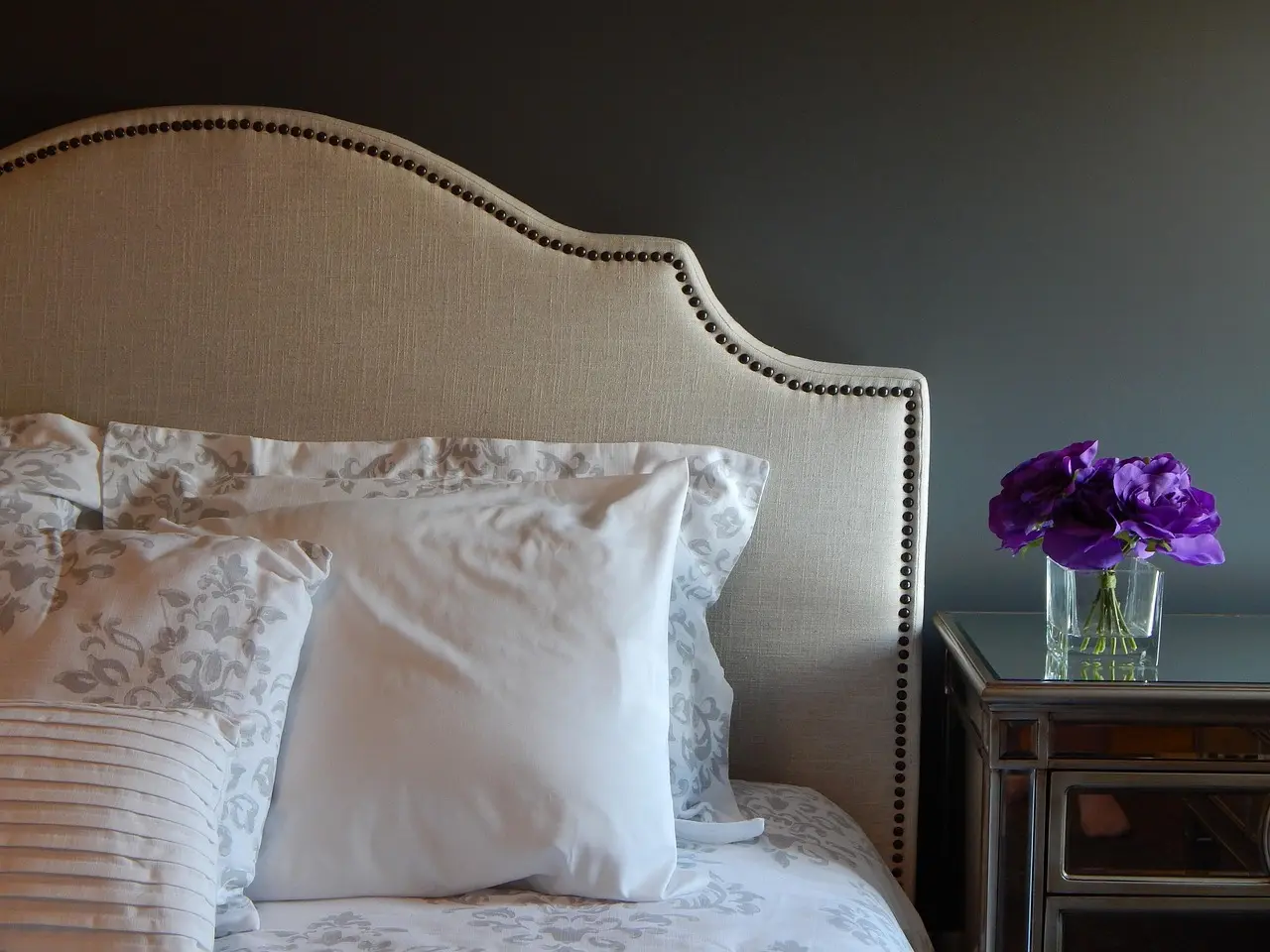
5 Best Bedroom Headboard Ideas for Style (2026): we compared
Pick the best bedroom headboard by solving the main issue first: comfort, storage, renter limits, or scale, then match the material and silhouette. A mismatched headboard wastes wall space, feels odd to lean on, or fights the bed and the room. This guide compares the best headboard ideas by use case, with buying tips on size, mounting, materials, and style.
Quick comparison
| Product | Badge | Best for | Price | ||
|---|---|---|---|---|---|
 |
KEIKI Queen Size Velvet Canopy Bed with Button TuftedKEIKI | Upgrade pick | Queen · 75.2 in tall · USB-A & USB-C · 1300 lb capacity | $799.99
Price as of 1 Oct 2026
|
View |
 |
Bme Nipe King 14 Inch Bohemian Bed Frame with AdjustableBme | Budget pick | King · 14 in platform · Adjustable wicker headboard · Solid acacia wood | $284.32
Price as of 1 Oct 2026
|
View |
 |
TEAMIX Floating Nightstand with Charging Station, WallTEAMIX | Pair with it | Wall-mounted folding nightstand · USB-C · LED light · 50 lb capacity | $36.99
Price as of 1 Oct 2026
|
View |
 |
VINGLI Twin or Twin XL Size Headboard, AdjustableVINGLI | Our pick | Twin/Twin XL · 3-tier shelves · Padded backrest · RGB LED + USB | $149.99
Price as of 1 Oct 2026
|
View |
 |
Japovker Black Industrial Queen Size Metal Canopy Bed FrameJapovker | Also great | Queen · Black metal canopy with gold accents · Round-pipe frame | $139.00
Price as of 1 Oct 2026
|
View |
The fastest choice depends on the bedroom problem, not the trend. For reading comfort, upholstered usually wins; for small rooms, rattan, metal, or wall-mounted designs usually fit better.
If the room has no nightstand or constant clutter, a storage headboard solves more than a decorative one. Renters should start with floating, no-drill, or removable options before anything permanent.
How we chose
The selection starts with comfort for sitting up in bed, because many people use the headboard as a backrest more than a visual accent. After that comes room size, wall height, cleaning effort, renter-safe install options, and whether the design needs to replace a nightstand.
That order matters. A handsome headboard that is too deep for a small bedroom, too hard to clean, or too awkward for lamp placement becomes a daily nuisance.
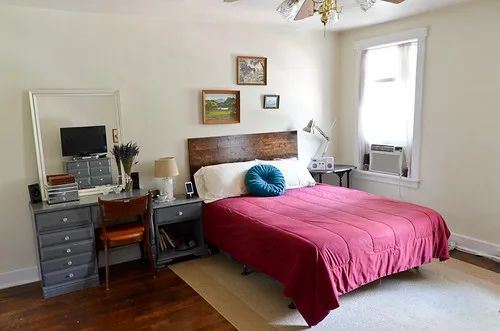
Headboard decision matrix and measurement checklist
Use the matrix below to match the headboard to the room before shopping. The best choice is the one that fits the bed, wall, and daily routine without forcing other furniture to work harder.
| Room size | Renter status | Comfort need | Maintenance level | Storage need | Best headboard type |
|---|---|---|---|---|---|
| Small room | Renter | Low | Low | Low | Wall-mounted or metal with a thin profile |
| Small room | Owner | Moderate | Moderate | Low | Rattan/cane with open weave |
| Medium room | Owner | High | Moderate | Low | Upholstered with tufting or channel stitching |
| Medium room | Renter | High | Moderate | Low | Wall-mounted upholstered or padded panel |
| Large room | Owner | Moderate | Low | Low | Wood panel with natural grain |
| Any size | Owner or renter | Low | Low | High | Storage headboard |
| Any size | Renter | Low | Low | Low | DIY faux headboard with paint or wallpaper frame |
Simple measurement checklist
- Measure mattress width first, then check whether the headboard should match it or extend slightly wider for balance.
- Measure headboard height from the floor or bed base to the top edge, then compare it to the wall height and window line.
- Check bedside lamp clearance so the top of the headboard does not block switch access or crowd the shade.
- Measure the space beside the bed for nightstands, especially if the headboard has wings, shelves, or a canopy frame.
- Mark the wall with painter’s tape before buying, so the silhouette can be judged against the actual room proportions.
A tall headboard usually reads better in rooms with high ceilings or a low bed base. A low profile works better when the wall is short, the room is cramped, or the mattress already sits high.
Upholstered headboard: best for reading comfort
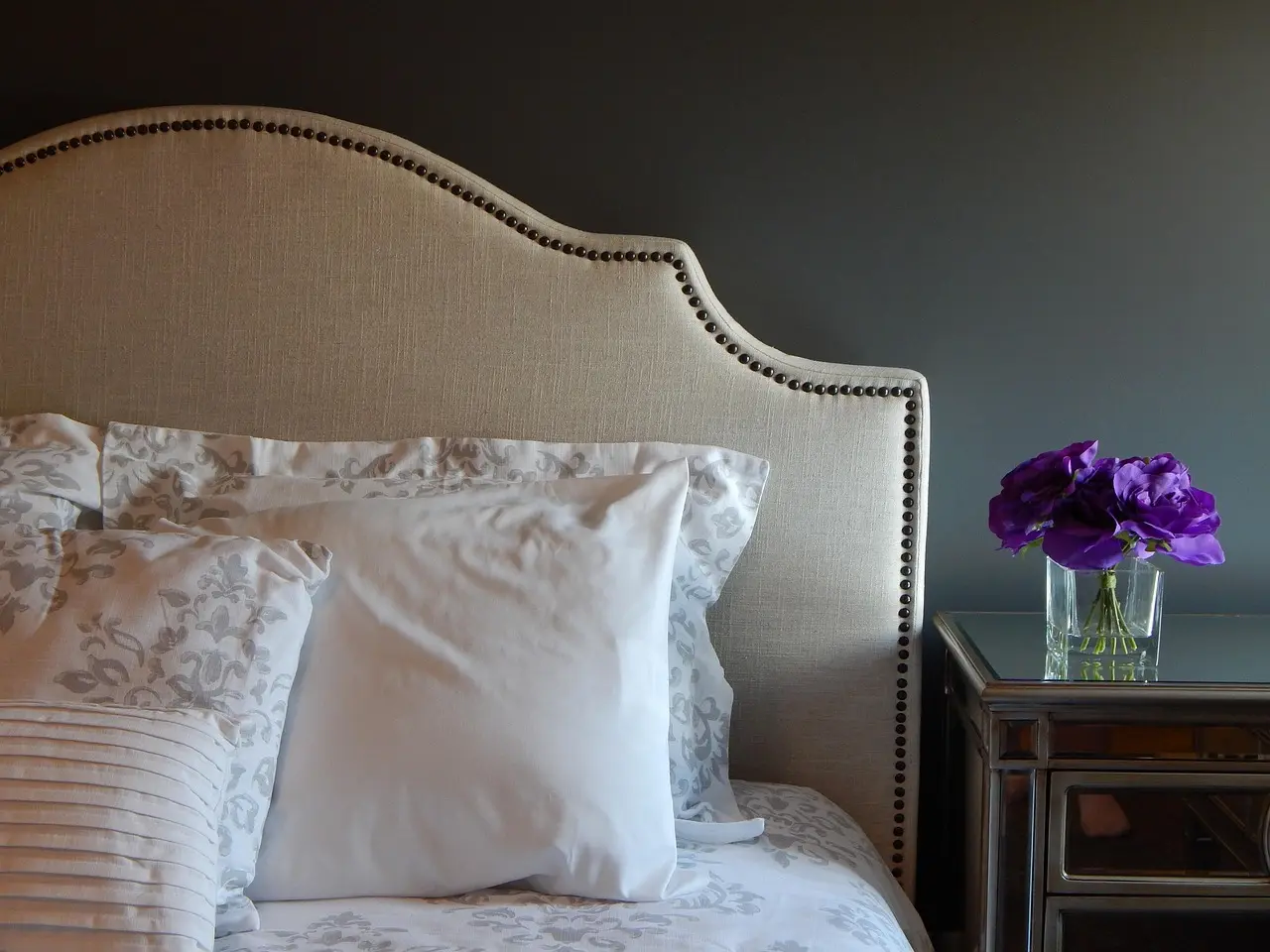
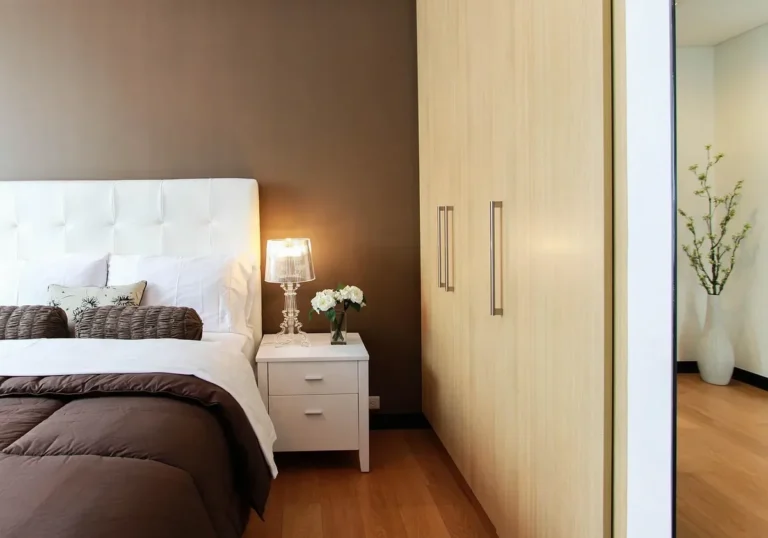
Upholstered headboards are the best pick when the bed doubles as a reading spot. Soft fabric makes leaning back easier on the shoulders, and the padded surface also helps if pets or children spend time on the bed.
Soft fabric options and where each one makes sense
Velvet suits a room that wants a softer, more polished feel, but it shows marks more readily than tighter weaves. Linen-look fabric feels lighter and works well in casual rooms, while performance fabric is the safer choice for households that deal with pet hair, snacks, or daily wear.
Tufting versus channel stitching
Tufting creates a more traditional look and adds visual depth, especially in neutral shades. Channel stitching reads cleaner and more modern, and it often fits rooms that already use straight lines in the nightstands, dresser, or bedding.
Neutral versus bold color choices
Neutral upholstery blends easily with changing bedding, which matters if the room gets restyled often. Bold color can work well when the headboard is the main accent, but it needs more discipline elsewhere so the room does not feel crowded.
For people who sit up in bed most nights, an upholstered headboard usually gives the best balance of comfort and style. The drawback is maintenance: fabric can collect dust, pet hair, and oils faster than wood or metal.
Wood panel headboard: best for warmth and durability
Wood panel headboards suit bedrooms that need a grounded, lasting surface with visible texture. Natural grain adds warmth without the upkeep of fabric, and the look fits modern, farmhouse, Japandi, and transitional rooms with equal ease.
Natural grain, solid wood, and reclaimed wood differences
Natural grain matters because it gives even a simple panel more depth. Solid wood usually feels sturdier and more stable over time, while reclaimed wood adds character and can show more variation, knots, and wear that some rooms welcome and others do not.
Style fit for modern, farmhouse, Japandi, and transitional rooms
Modern rooms work best with smooth panels and restrained tone. Farmhouse rooms can take more visible texture, Japandi settings often prefer lighter wood and clean lines, and transitional rooms do well with a balanced panel that does not lean too rustic or too minimal.
Care and durability notes for busy bedrooms
Wood is easier to wipe down than upholstery, which helps in bedrooms where dust buildup is a constant issue. The tradeoff is comfort: a bare wood headboard is less forgiving for long reading sessions unless it is paired with pillows.
What headboard works best in a small bedroom?
The best headboard for a small bedroom is usually one that takes little visual and physical space. Rattan/cane, metal, and wall-mounted styles are the strongest options because they keep the wall from feeling heavy and preserve more usable floor area.
Rattan/cane for light visual weight and open weave texture
Rattan and cane work well in small rooms because the open weave breaks up the surface, so the headboard does not feel bulky. That makes it a strong fit for coastal, boho, and Japandi rooms that need texture without visual weight.
Metal headboards with a thin profile and easy cleaning
Metal headboards keep the profile slim, which helps when the bed already fills most of the room. Spindle and arched silhouettes can look classic or vintage depending on finish, and they are easy to clean with a quick wipe.
Wall-mounted styles that save depth
Wall-mounted headboards help when every inch matters because they avoid a thick frame behind the bed. They also make the bed feel less blocked off, which is useful in tighter layouts with narrow walkways.
What headboard is best for renters?
Renters usually get the most value from wall-mounted, removable, or no-drill headboard solutions. The best option is the one that gives the floating look without forcing permanent holes, wall damage, or awkward placement around existing outlet and lamp locations.
Wall-mounted headboards and floating look options
Wall-mounted headboards create a clean, floating effect and often free up floor space around the bed. They work especially well when the room needs a tailored finish but the lease limits permanent furniture changes.
No-drill and adhesive-friendly approaches
No-drill and adhesive-friendly systems can work for light decorative panels or faux headboard solutions, but they are not ideal for heavy pieces. The main risk is wobble, so the wall surface must be smooth, clean, and suitable for the adhesive or hanger.
How to keep bedside lamps and nightstands working with the install
Before mounting, check that the headboard will not block outlet access, lamp switches, or the surface where a nightstand sits. A floating install looks best when the bedside furniture still has enough breathing room on both sides.
Storage headboard: best for no-nightstand layouts
Storage headboards are the right answer when the room needs organization more than decoration. They replace some of the work a nightstand would do, which helps in compact rooms, studio setups, or bedrooms where one side of the bed must stay clear.
Shelf depth that actually works in daily use
Shelf depth matters more than people expect. A shallow ledge may hold a phone but not a book or glasses case, while a deeper shelf can collect clutter fast if there is no simple place for everything.
Book, phone, and glasses storage
A good storage headboard keeps daily essentials within arm’s reach without making the bed area feel busy. That works well for readers, late-night phone users, and anyone who wants fewer items on the floor or dresser.
When storage beats a separate nightstand
Storage wins when the room has no practical space for a nightstand, or when the bed is pushed against a wall. It loses when the bedroom already has enough furniture, because extra shelves can become dust traps and visual clutter.
Can I make a DIY headboard without buying a new bed frame?
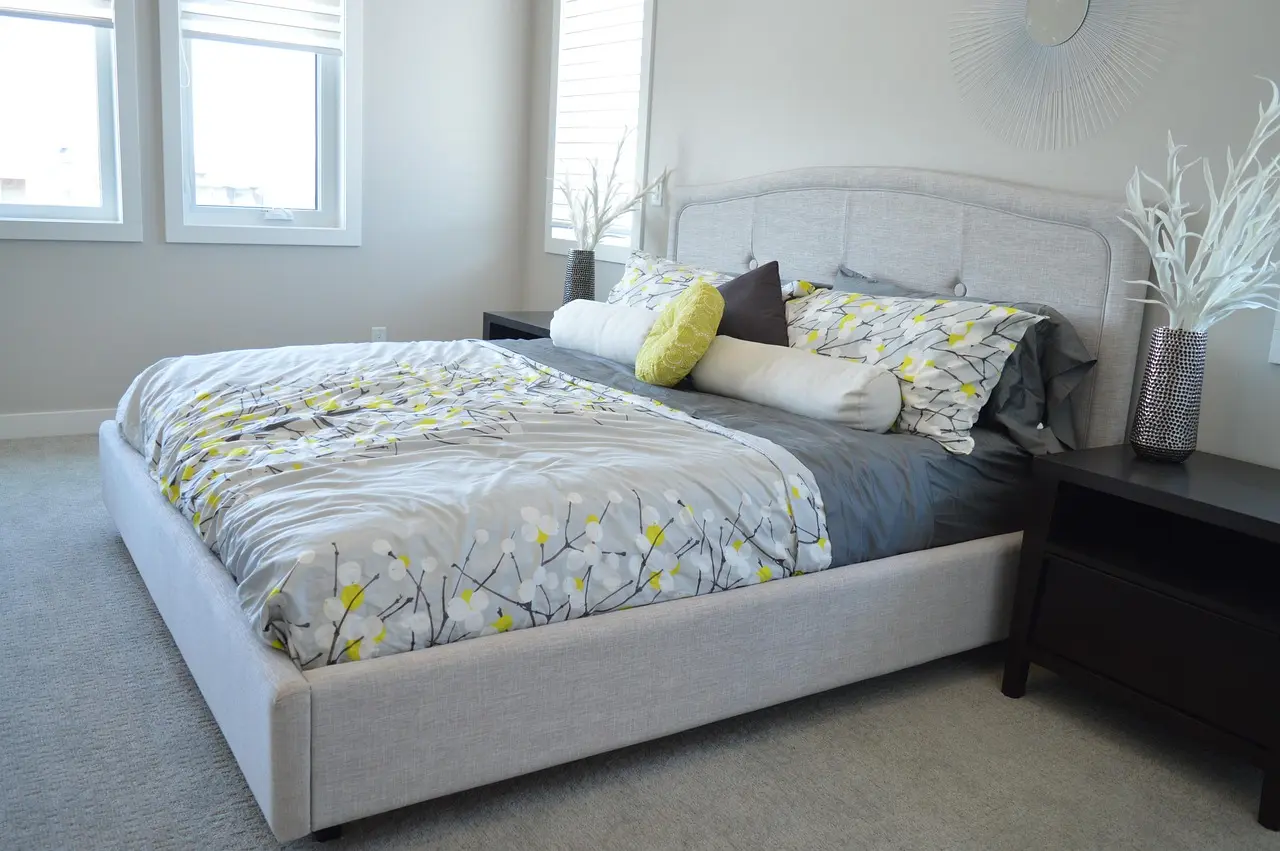
Yes. A DIY headboard can be made without replacing the bed frame by creating the shape on the wall or hanging a lightweight material behind the bed. The best versions are simple, flat, and easy to clean, because the main risk is wobble or mess over time.
Painted shape ideas
A painted arch, rectangle, or scalloped outline gives the bed a clear anchor without adding bulk. Good Housekeeping includes wallpaper as a headboard solution, and Hommy Decorr says painted wall headboards are budget-friendly; both approaches work best when the wall finish is smooth and the bed stays centered.
Wallpaper frame ideas
A framed wallpaper panel can create a strong focal point with less commitment than a full feature wall. Good Housekeeping also includes custom wood paneling behind the bed, which can be adapted into a faux panel frame if the room needs more structure.
Textile hanging ideas
A textile hanging can work when the goal is softness and low cost. Good Housekeeping notes that a draped textile can function as a faux headboard, and curtains can frame a headboard behind a bed. A sheer tulle canopy can also work, though fabric tends to collect dust and may need regular care.
The common failures are easy to predict. Fabric hangings can sag, painted shapes can look off-center if the bed shifts, and adhesive-backed solutions can peel if the wall is textured or humid.
What headboard material is easiest to maintain?
Metal is usually the easiest material to maintain because it wipes clean fast and does not hold dust the way fabric can. Wood is also manageable with simple dusting, while upholstery and woven materials need more attention if the room gets used heavily.
That said, easy maintenance is not the same as best overall. A metal or wood headboard may be lower effort, but a padded upholstered one can still be the better choice if reading comfort is the top priority.
What headboard style makes a bedroom look more luxurious?
An upholstered wingback or tall padded headboard usually gives the strongest luxury feel because it adds height, softness, and a more finished silhouette. The look reads especially well in larger rooms, though the upholstery requires more cleaning than wood or metal.
High headboards also tend to look more expensive when they align with the wall width and do not crowd the lamps. If the room is small, a luxe effect can still come from clean proportions and a good fabric choice rather than sheer size.
How tall should a headboard be?
The right headboard height depends on mattress height, ceiling height, and how much wall the bed needs to occupy. A taller headboard works when the ceiling is high or the bed needs a stronger focal point; a lower headboard fits tighter rooms and shorter walls.
As a practical check, the top edge should clear the pillows enough to stay visible, but not so high that it crowds a window, artwork, or lamp placement. If the bed sits high off the floor, a modest headboard can still look proportionate.
How do I add storage with a headboard?
Add storage with a headboard by choosing shelves, cubbies, or a built-in ledge instead of a plain panel. The best designs hold a phone, book, and glasses without requiring a separate nightstand on both sides of the bed.
Depth matters. Too shallow and the shelf becomes decorative only; too deep and the headboard starts to swallow the room. A well-planned storage headboard keeps the top surface clear enough to avoid dust and clutter.
What is the best headboard idea for a bedroom?
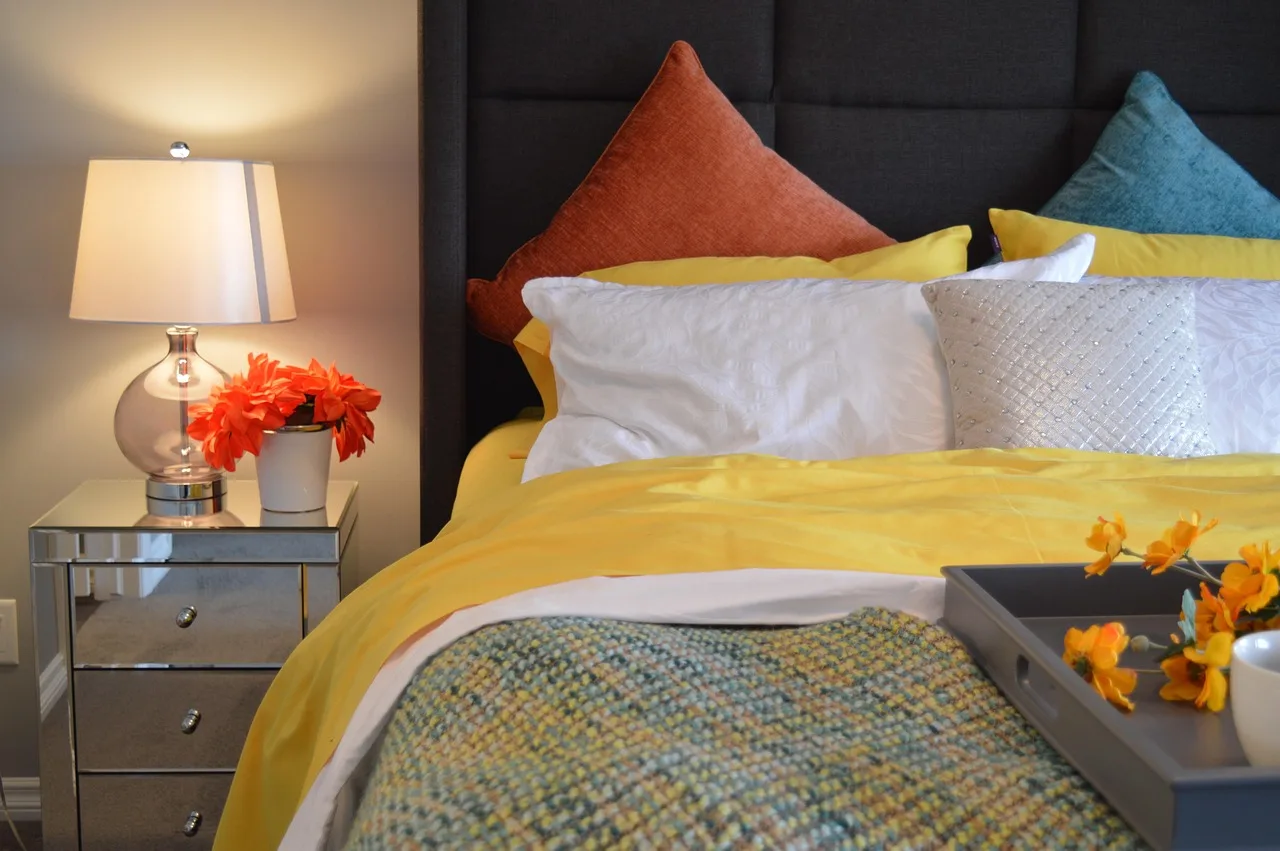
The best headboard idea is the one that solves the bedroom’s biggest problem first. Upholstered styles are best for reading comfort, wood suits durability and warmth, rattan/cane helps small rooms feel lighter, and storage headboards work when nightstands are not practical.
If the room has no special constraint, a well-proportioned upholstered or wood panel headboard is the safest all-around pick. If there is a constraint, let that decide the material before style does.
Which one should you buy?
Buy by need, not by trend. For the tightest budget, a DIY faux headboard or a simple metal frame gives the biggest visual change with less spending. For comfort, upholstered is the best choice. For renters, choose wall-mounted or floating styles. For storage, pick a headboard with shelves before adding more furniture.
For small rooms, rattan/cane and thin-profile metal stay visually light, while a wall-mounted design saves depth. For warmer, more grounded rooms, wood panel headboards are the most dependable long-term choice. Good Housekeeping lists 44 DIY headboard ideas, Hommy Decorr gathers 18 cozy bedroom upgrade ideas, and Elite Decor Idea positions upholstered wingback headboards as a luxury-hotel look, wood panel headboards as a long-term value choice, rattan/cane headboards as best for small bedrooms, and bookcase headboards as best for no-nightstand setups.
Frequently asked questions
How do I choose a headboard style for my room?
Start with the room’s constraint: reading comfort, size, renter rules, cleaning effort, or storage. Then match the material and silhouette to that need. A style that looks right but blocks lamps, crowds the bed, or is hard to clean will feel wrong fast.
Are upholstered headboards better than wood headboards?
Upholstered headboards are better for sitting up in bed because they feel softer against the back and shoulders. Wood headboards are better for easy care and long-term durability. The better pick depends on whether comfort or maintenance matters more in that bedroom.
Products related to this article
Sponsored / affiliate links. As an Amazon Associate I earn from qualifying purchases. I may earn additional commission from eligible campaigns.