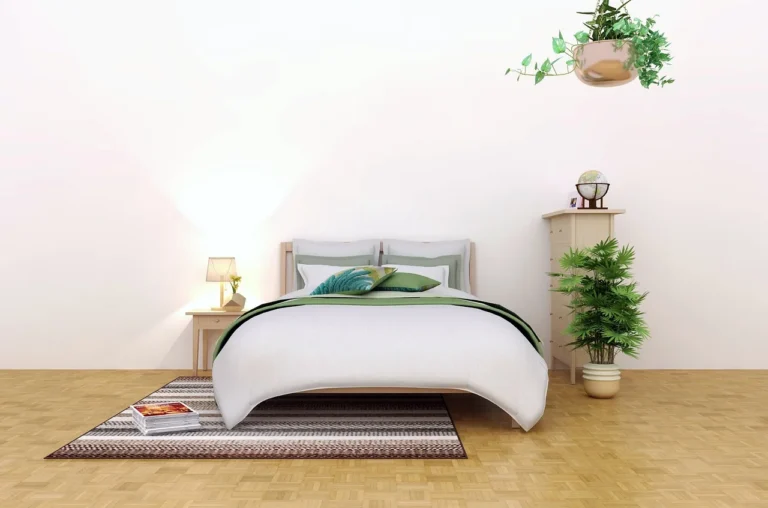
Storage Ottoman for Bedroom Review: Is It Worth It?
A storage ottoman is worth it for a bedroom only when hidden storage fills a real gap and you can live with slower access and a bigger lift. If you open it less than once a week, a drawer bed or under-bed bin is often the more practical choice. A bad size or lift-top can waste space, snag bedding, and make access annoying. This guide weighs storage volume, room fit, access frequency, and mechanism reliability so you can decide before you buy.
Verdict by bedroom type


For a small bedroom with limited storage, a storage ottoman is often a smart buy when you need a large hidden compartment and can tolerate slower access. It is less appealing if you want quick grab-and-go storage, if the bed sits in a tight corner, or if you expect the lift mechanism to do heavy work every day.
The best case is a room that needs bedding storage, seasonal clothing storage, or a place for items that do not need daily access. The weaker case is a room where floor space is so tight that opening the base becomes awkward, or where the mattress will be very heavy.
When the hidden storage is worth the tradeoff
Choose a storage ottoman when the room has a storage gap that a chest or wardrobe cannot solve cleanly. The key advantage is volume: the full base opens to a compartment spanning the bed’s entire footprint, and ottoman storage can be three to four times a two-drawer divan. It also helps in narrow rooms and awkward layouts where drawers cannot open.
That tradeoff works best when you store bedding, spare pillows, blankets, or out-of-season clothes. Those items can sit out of the way for weeks or months, so a slower lift is acceptable.
When a drawer bed or chest is the better buy
Pick a drawer bed or a chest of drawers when you need frequent access, clearer separation of contents, or lower lift effort. Drawer storage is easier to reach for single items, while a storage ottoman asks you to lift the mattress and expose the whole base.
If the room already has a built-in wardrobe, the ottoman becomes less compelling unless floor clutter is the main problem. In that case, a chest may be cheaper and easier to use every day.
Storage ottoman matrix
This matrix scores a bedroom storage ottoman on the factors that matter most in real use. Use it as a decision filter, not a style quiz.
| Criterion | Strong fit | Weak fit | What that means |
|---|---|---|---|
| Storage volume | Large hidden compartment suits bedding and seasonal items | Only a small amount of overflow storage is needed | Best when you need a lot of hidden space in one footprint |
| Daily access | Items are opened weekly or less | You need frequent grab-and-close access | Slower than a drawer or open shelf |
| Lift effort | Medium-weight mattress and quality gas-lift pistons | Very heavy mattress or weak lift hardware | Opening becomes tiring if the setup is mismatched |
| Room-fit | Narrow rooms, awkward layouts, or drawer-blocking walls | Plenty of open floor around the bed | Ottomans help when drawers cannot swing out cleanly |
| Mechanism risk | Clear warranty on pistons and hinge hardware | No clear parts coverage or vague build claims | Lift hardware is a wear item and should be replaceable |
| Dust protection | Need cleaner storage for bedding and clothes | Items can sit in open boxes without issue | The closed base protects contents better than open storage |
| Visual bulk | Want one bed to replace several visible storage pieces | Prefer a lighter-looking frame | The base reads bulkier than a plain frame |
| Value versus a chest of drawers | Needs one large hidden storage zone more than a separate cabinet | A cheaper chest already solves the problem | Weigh the bed’s premium against the furniture it replaces |
Buy or skip by bedroom type
- Small bedroom with limited cupboards: Buy, if you need bedding or seasonal storage.
- Room with built-in wardrobes: Skip unless floor clutter is the main issue.
- Couple’s room with no spare wardrobe space: Buy, if both users are fine with slower access.
- Renter in a tight layout: Buy only if the bed can stay long term and the lift feels manageable.
- Bedroom with daily-access storage needs: Skip and choose drawers or a chest instead.
Pros and cons
A storage ottoman gives you hidden capacity, but the lift mechanism changes how you live with the bed. The advantages are real. So are the drawbacks.
Pros
- Hides a large amount of storage inside the bed footprint.
- Protects bedding and clothes better than open boxes.
- Reduces the number of visible storage pieces in the room.
- Fits narrow rooms and awkward layouts where drawers cannot open well.
Cons
- Slower to access than a drawer bed.
- Lift effort rises as mattress weight increases.
- Gas-lift pistons and hinges add failure points.
- Some models feel bulky in small rooms or against tight walls.
Say your bedroom is about 2.4 metres wide and the bed sits beside a wardrobe. A drawer bed may block the wardrobe door, while an ottoman still opens upward and keeps the floor clear. The tradeoff is that you must lift the base instead of sliding a drawer.
Suppose the bed will store spare duvets and winter clothes that come out only a few times each season. The slower access is fine. If the same compartment needs to hold charger cables, books, and socks, the ottoman is the wrong tool.
Who it’s for
A storage ottoman suits you if the room is short on storage, the layout is awkward, and the items you want to hide are not needed every day. It also suits couples who want one large hidden compartment instead of several smaller drawers, and renters who need the bed to do more of the storage work.
It is less suitable if you already have a built-in wardrobe, if your mattress is very heavy, or if you open bedroom storage constantly. In those cases, a chest of drawers or drawer bed usually gives better day-to-day convenience.
Small bedrooms and tight floor plans
This is the strongest use case. Ottomans suit narrow rooms and awkward layouts where drawers cannot open, and they avoid adding another cabinet to an already crowded floor. They are also useful when wall placement makes side drawers impractical.
People storing bedding or out-of-season clothes
These are the best contents for hidden storage. Bedding is bulky, seasonal clothes take space for months at a time, and both benefit from the dust protection that a closed base provides. Daily-use items belong somewhere easier to reach.
Couples, renters, and rooms with built-in wardrobes
Couples often value one large compartment over several separate drawers, but only if both people are comfortable with the lift. Renters should check whether the frame will stay long enough to justify the premium. If the room already has built-in wardrobes, the ottoman is optional rather than essential.
Is it better than a drawer bed?
Neither option wins outright. A drawer bed is easier for frequent access, while an ottoman usually gives more storage volume in the same footprint and can fit better where drawer clearance is poor. If you need quick access, drawers are easier. If you need one large hidden compartment, the ottoman is stronger.
Storage volume and access compared
A drawer bed divides storage into smaller zones. That makes it simpler to reach one item, but it also limits how much bulky bedding or seasonal clothing you can pack in. By contrast, the full base of an ottoman opens as one compartment, which is why capacity is often much higher.
Space efficiency and room clearance
Ottomans are better when the room has little spare clearance around the bed. Drawer beds need side or foot-end room to pull the drawers out, and that can be a problem near wardrobes, radiators, or sloping ceilings. The ottoman keeps storage inside the bed footprint.
Visual bulk and placement against walls
Drawer beds can look lighter because the base is broken up by drawer fronts. Ottomans look more solid. End-lift models are often easier to place against a wall than side-lift versions, while side-lift models generally need clear space along the side to open properly. That distinction matters in tight bedrooms.
What to check before you buy

Check the mechanism, the frame, and the mattress together. A storage ottoman is only as good as its lifting hardware and build quality. The bed should feel stable, the joints should be tight, and the lifting action should suit the mattress weight you plan to use.
- Check the gas-lift pistons. They are the lift assistance and a wear item, so look for clear warranty coverage and a stated parts policy. Weak lift feel, uneven raising, or noisy motion are warning signs.
- Inspect the hinges and fixings. Hinges should feel solid, and the frame should not flex when the base is lifted. Loose joints shorten long-term durability.
- Match the mattress weight to the frame. A medium-weight mattress is often the most practical middle ground. Very heavy mattresses make daily lifting harder and put more strain on the struts.
- Check room clearance. Side-lift models need side space, while end-lift versions need room at the foot. Sloping ceilings and awkward wall placement can make either style annoying if measured badly.
- Compare total cost with a chest of drawers. The ottoman often carries a price premium of about £100–£200 over a comparable non-storage frame, so make sure the hidden storage replaces something you would otherwise buy.
The Independent tested beds for quality, style, capacity and user-friendliness, and also tested the mechanism for smoothness, noise and reliability. Those are the right pressure points. A frame can look good and still fail the real test if the lift is clumsy or the build feels loose.
Gas-lift pistons, hinges, and warranty coverage
Gas-lift pistons do the heavy work, so they should not be treated like a bonus feature. Ask how the mechanism is covered, whether replacement parts are available, and whether the frame uses quality hardware rather than a basic lift that may wear out quickly.
Build quality: joints, fixings, and frame stiffness
Sturdy joints and solid fixings matter because the whole bed moves when you lift the base. A frame with poor stiffness can feel shaky under load, especially if the mattress is heavy or the bed is used often. That kind of wear shows up before the storage compartment does.
Mattress weight and lift feel
A heavy mattress makes any ottoman harder to open, even when the pistons are decent. A medium-weight mattress is often the safer choice because it balances support with easier lift assistance. If the mattress is exceptionally heavy, the lift may feel awkward from day one.
How much storage does a storage ottoman bed actually give?
It gives enough space for bulky bedroom items, and for many users it adds roughly a wardrobe’s worth of hidden storage. The full base opens to the entire footprint of the bed, so the usable space is far larger than a small under-bed tray or a two-drawer setup.
That does not mean every item belongs there. The best results come from storing objects that are bulky, occasional, and tolerant of slower access. If the storage needs sorting every day, a drawer or shelf will work better.
Best items for hidden storage
- Duvets, extra pillows, and spare bedding.
- Out-of-season clothes in sealed bags or boxes.
- Blankets, throws, and guest bedding.
- Occasional-use shoes or spare linen sets.
Items that should stay elsewhere
- Daily clothing you need every morning.
- Books, chargers, and other frequent grab items.
- Anything fragile that may get crushed.
- Items that you need to access one-handed, often.
Dust protection and daily-use limits
The closed compartment helps keep bedding and clothes cleaner than open boxes, which is one of its clearest practical advantages. That same closure also makes the space less convenient for daily-use items. Good storage here means slower access in exchange for better protection and a tidier room.
Are side-lift ottoman beds easier to use than end-lift ones?
Not always. Side-lift ottoman beds can be easier in long, narrow rooms if the side is open, but they become awkward when a wall, wardrobe, or bedside unit blocks the lift path. End-lift models are often simpler to place against walls, though they need clear space at the foot of the bed.
The right choice depends on the room, not the label. If the bed sits under a sloping ceiling or beside a tight wall, measure before buying. A good mechanism still fails if the opening path is blocked.
What can it actually store?
Use the compartment for bulky bedding, spare clothes, and items that do not need frequent access. It works best as a hidden reserve, not as a daily drawer replacement. The cleaner storage space is a real plus, but only when the contents match the access pattern.
A common first-timer mistake is using the ottoman to store a jumble of blankets, remotes, and chargers instead of a neatly organized set of bedroom essentials. That makes retrieval clumsy and wastes the compartment’s depth. Keep it for grouped, low-frequency storage and the bed becomes much more useful.
Frequently asked questions
Is a storage ottoman worth it for a small bedroom?
Yes, if the room is short on storage and the bed area can handle the lift path. Ottomans suit narrow rooms and awkward layouts where drawers cannot open. Skip it if your storage needs are daily and your floor plan leaves little room to raise the base comfortably.
What are the downsides of a bedroom storage ottoman?
The main downsides are slower access, more lift effort, and extra dependence on the piston and hinge hardware. Heavy mattresses make the job harder. A poor frame can feel loose over time, so mechanism quality and build quality matter more than they do with a simple bed base.
Is an ottoman bed better than a divan bed?
It depends on what you need the storage to do. An ottoman usually gives more hidden storage and a cleaner look, while a divan with drawers is easier for frequent access. If you want maximum capacity and cleaner storage, ottoman wins; if you want quick access, divan drawers are simpler.
How do ottoman beds compare with drawer storage beds?
Ottoman beds generally offer more storage volume and better use of tight spaces, while drawer storage beds are easier to open and sort. Drawer beds can be friendlier for daily use. Ottomans win on hidden capacity and room fit, but they ask more from the lift mechanism and the mattress.
Will a heavy mattress make an ottoman harder to lift?
Yes. Mattress weight directly affects lift feel, and a heavier mattress makes the base harder to raise and lower. A medium-weight mattress is often the practical sweet spot because it works better with gas-lift pistons. Very heavy mattresses can turn a useful bed into a tiring one.
What should I check before buying an ottoman bed frame?
Check the gas-lift pistons, hinge quality, warranty coverage, frame stiffness, and whether the bed fits your room layout. Side-lift frames need side clearance, end-lift frames need room at the foot, and both need solid joints and fixings. Compare the total cost with a chest of drawers before you commit.
Products related to this article
Sponsored / affiliate links. As an Amazon Associate I earn from qualifying purchases. I may earn additional commission from eligible campaigns.