Bedroom Storage Cost: Prices and Budget
For the cheapest workable bedroom storage, a common rule of thumb is about $20-$80 for under-bed bins and over-door organizers, about $80-$250 for modular cubes or wardrobes, and about $200+ for built-ins; renters should start with non-permanent pieces. Pick the wrong type, and you lose floor space fast. You may also end up paying for storage that never fits the room. This guide compares bedroom storage by price, capacity, permanence, and installation so you can budget the right option.
Bedroom storage cost overview


Bedroom storage pricing depends most on how much it holds, how permanently it changes the room, and how much labor it needs. A standard 12×12 bedroom furnishing budget can range from about $2,500 to $8,000, and the storage portion often shifts fast once you move from bins to furniture to built-ins.
For a simple room, the cheapest useful answer is often low-profile storage that fits under existing furniture. For a long-term bedroom upgrade, storage beds, dressers, and wardrobes usually give better capacity per item, while built-ins cost more up front because they trade flexibility for custom fit and cleaner use of wall space.
What drives the price
Bedroom storage prices move with size, material quality, finish level, and delivery complexity. A dresser in engineered wood can sit near the low end, while solid wood, soft-close hardware, or a painted finish can move the same piece into a much higher band. King-size pieces also tend to cost more than full-size versions.
Labor matters too. General assembly and delivery labor rates commonly range from $60 to $120 per hour and $50 to $100 per hour, so the same purchase can cost more if you need stair carries, inside placement, or multi-piece installation.
Typical budget tiers
A basic budget usually covers bins, one small dresser, or a simple nightstand. A midrange budget often fits a storage bed or a better dresser and pair of nightstands. A higher budget is where wardrobes and built-ins enter, especially if you want better hardware, a custom fit, or more concealed storage.
The guide below uses price ranges, but the right budget depends on whether you need a renter-friendly fix or a permanent room upgrade.
When cheap storage is enough
Cheap storage is enough when you only need seasonal overflow, a place for extra bedding, or a temporary fix before a move. It is also enough if the room is small and you need to keep circulation open. Oversized storage can cost more and still work worse if it blocks drawers, closet doors, or walking paths.
Bedroom storage cost matrix
This comparison focuses on storage-specific options, not general bedroom furniture. The most useful number is not just price; it is price relative to usable storage volume and how permanently the piece changes the room.
| Storage option | Price range | Storage capacity tier | Installation complexity | Renter-friendly? | Best use case |
|---|---|---|---|---|---|
| Under-bed storage bins | $20-$80 | Low | None | Yes | Seasonal clothes, linens, shoes |
| Nightstand with drawer | $60-$300 each | Low | Low | Yes | Phone, reading items, small bedside clutter |
| Dresser | $150-$2,000 | Medium | Low to medium | Yes | Folded clothing, everyday storage |
| Storage bed | $700-$3,000+ | Medium to high | Medium | Usually yes | Rooms without closet space |
| Modular wardrobe | $250-$1,500 | High | Medium | Usually yes | Clothing that needs hanging and shelving |
| Armoire | $500-$3,500+ | High | Low to medium | Yes | Freestanding concealed storage |
| Built-in modular closet system | $800-$3,500 | High | Medium to high | Sometimes | Better wall-to-wall organization without full custom carpentry |
| Custom built-in closet | $2,500-$10,000+ | Very high | High | No | Permanent space optimization and resale-minded upgrades |
How to read it: low capacity options are cheapest but fill fast, while high-capacity and permanent options cost more because they usually hold more clothing and require more labor. If your room is small, the best value may be a medium-capacity piece that keeps traffic lanes open.
| Storage option | Estimated cost per cubic foot |
|---|---|
| Under-bed storage bins | $2-$6 |
| Nightstand with drawer | $15-$45 |
| Dresser | $8-$25 |
| Storage bed | $10-$30 |
| Modular wardrobe | $8-$22 |
| Armoire | $10-$28 |
| Built-in modular closet system | $12-$30 |
| Custom built-in closet | $18-$45 |
These are estimated ranges, not retail quotes. They assume typical usable volume after shelves, drawer boxes, and door hardware are accounted for. The cheapest piece is not always the cheapest per cubic foot if it stores awkwardly or forces you to buy a second unit later.
How much do storage beds cost?
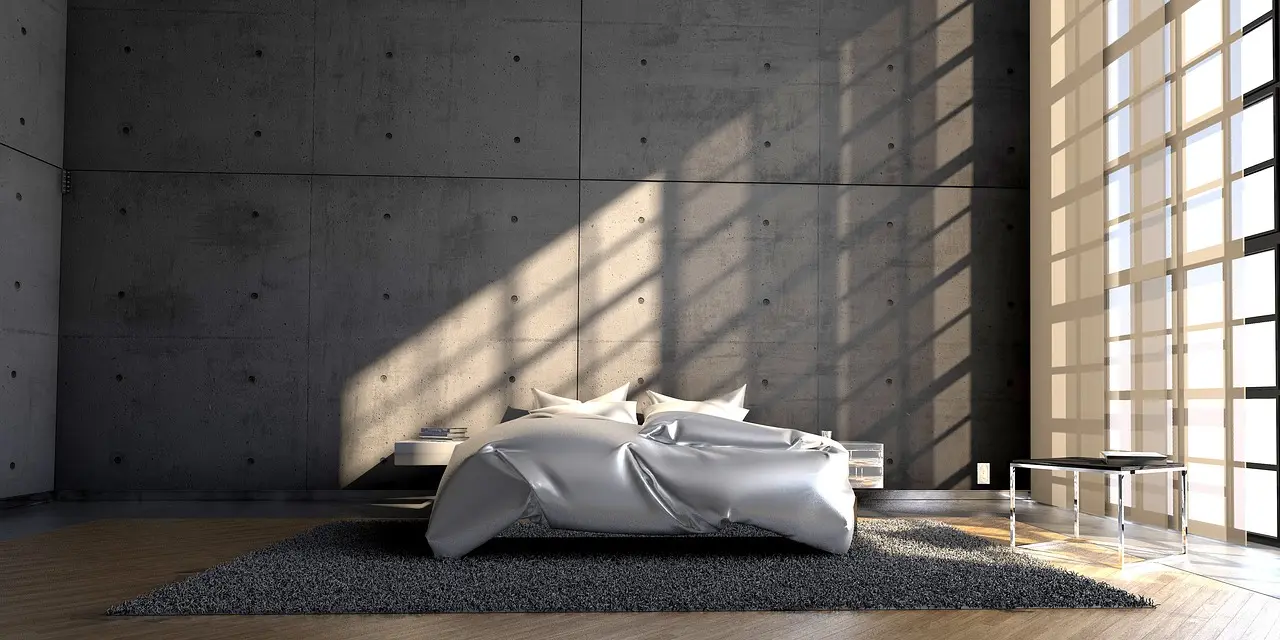
Storage beds usually cost more than plain platform frames because the frame does double duty as furniture and hidden storage. Expect a low range around $700 for simpler models, with higher pricing for larger sizes, better hardware, and drawer or lift mechanisms that need sturdier construction.
Sleep Foundation describes a storage bed as a frame with drawers or shelves underneath, and that basic design explains the premium: more material, more parts, and more engineering. Sleep Foundation also lists the Silk & Snow Bed Frame with Storage at $700, which sits at the lower end of the category.
Platform beds versus drawer-lift beds
Platform storage beds are usually cheaper than lift beds because they rely on drawers or open cubbies instead of a hinged mattress platform. Drawer beds tend to work better for everyday access, while lift beds offer larger single compartments but can be awkward if you need frequent access to items stored under the mattress.
Lift beds also add wear points. Hinges, pistons, and frame connections can become the replacement costs people forget when they only compare sticker price.
Size differences: full, queen, king
Full-size storage beds are usually the least expensive of the standard sizes. Queen versions add width and often add drawer volume, while king versions typically cost more still. The guide says a king-size setup typically adds 15–25% to the furniture subtotal, which is a useful budgeting rule when you compare identical designs across sizes.
A queen bedroom set can run $1,200 low, $2,000 average, and $4,000 high, while a broader bedroom furniture bundle may run from $600 low to $1,800 average and $4,500 high. Those figures show how much the bed size and package contents can move the total.
Access, clearance, and compatibility costs
Check under-bed clearance before you buy. Drawer beds need room to open, and lift beds need enough ceiling clearance to raise the mattress platform without hitting a wall shelf, window trim, or sloped ceiling. Mattress thickness also matters, because some storage beds work poorly with very thick mattresses or flexible bases.
One common failure case is buying a king-size storage bed for a narrow room because it seems efficient on paper. If the drawers cannot open fully, the storage is there but not usable.
How much do dressers and nightstands cost?
Dressers and nightstands usually form the most flexible storage package for a bedroom. The guide lists Dresser / Storage at $150 low, $800 average, and $2,000 high, which is a practical range for shoppers who want drawers without locking the room into a permanent built-in.
A dresser and matching nightstands can be cheaper than a storage bed, but the set price rises quickly if you want solid wood, a higher drawer count, or premium finish details. Delivery and setup can matter almost as much as the furniture itself.
Drawer count and material choices
More drawers usually mean a higher price, but the material has just as much impact. Solid wood costs more than engineered wood or veneer-faced pieces because it tends to be heavier, denser, and more durable. Better slides, dovetail joinery, and soft-close hardware also add cost.
Engineered wood can be a smart budget choice if you need the storage now and do not expect heavy daily use. Solid wood makes more sense when the dresser will carry a large clothing load or needs to last through moves.
Single nightstand versus pair pricing
A single nightstand is often priced for convenience, while a matching pair can cost less per unit because the retailer treats it as a set. Basic models with a drawer and open shelf sit lower than premium versions with charging ports, thicker tops, or higher-end finishes.
Delivery and assembly fees also change the math. A pair can be more efficient to deliver once than two separate purchases, but a larger box may trigger room-of-choice service or inside delivery fees.
Assembly and delivery fees
Another pricing guide lists delivery and setup from $100 to $350, with a high of $800. That spread is why a low furniture price can turn into a midrange final bill after service charges.
Current Cost says a basic queen set may require 2–4 hours of assembly, while larger setups can need 6–10 hours. If labor is billed at common rates, the total can rise quickly once multiple pieces need assembly and placement.
Wardrobes, armoires, and built-in closet systems
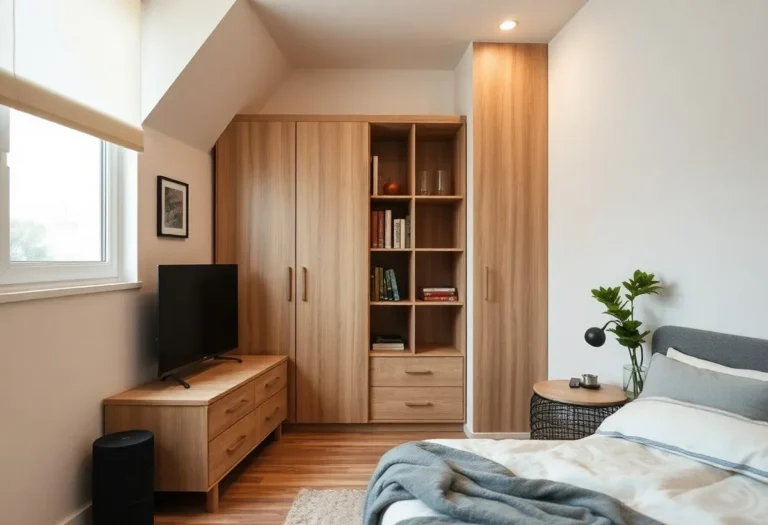
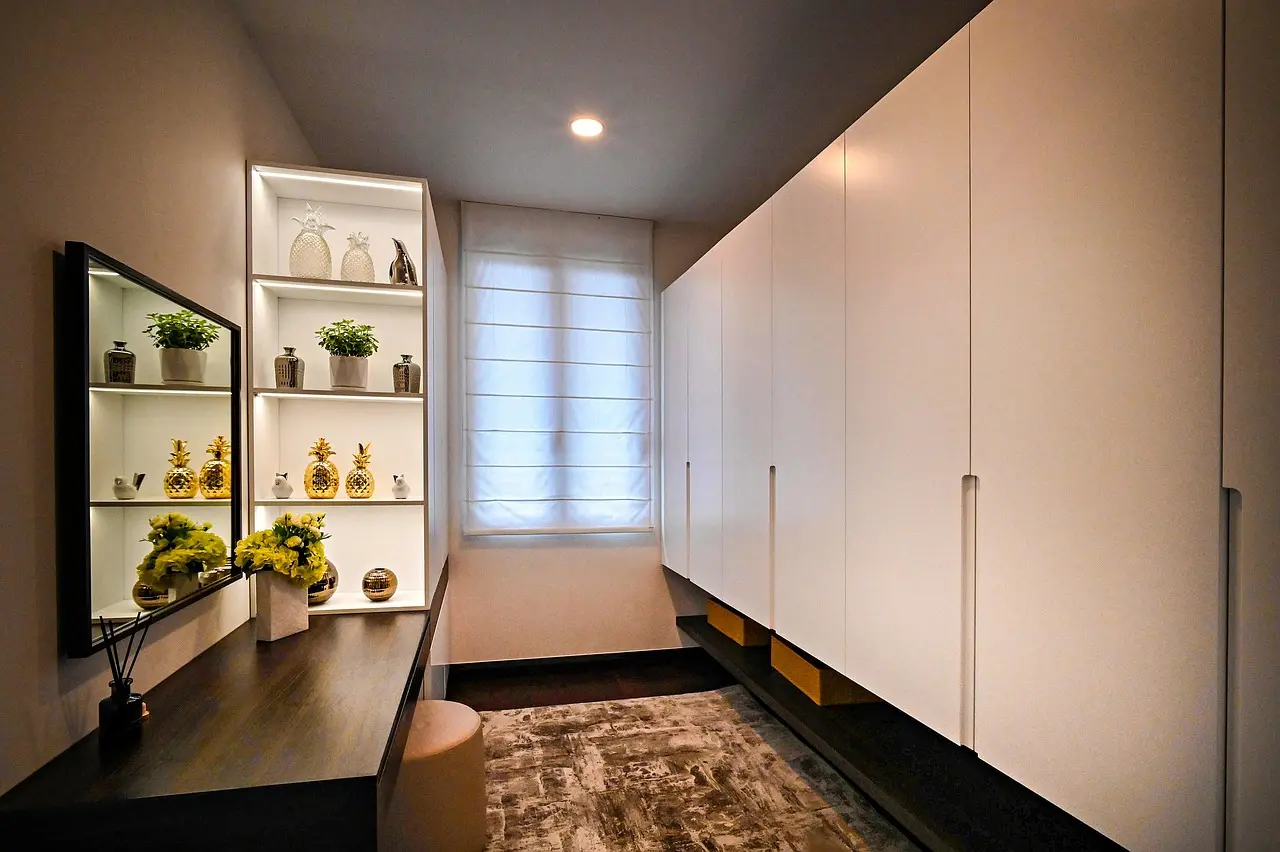
Wardrobes and built-in closet systems are the high-capacity end of bedroom storage. They are the right comparison when a dresser no longer solves the problem or when closet space is too small for the clothes you need to hang, fold, and separate.
Freestanding wardrobes and armoires are usually easier to move and more renter-friendly than built-ins, but built-ins can use wall space better and create more storage in the same footprint.
Freestanding wardrobe price factors
A freestanding wardrobe usually costs more as it gets taller, wider, or better finished. Door style matters too: sliding doors can save floor space, while hinged doors can be easier to access in a room with room to open them fully. High-end finishes, mirrored fronts, and thicker panels push the price up.
Material quality matters here as much as it does in dressers. Solid wood, heavier hardware, and better interior fittings raise the price, but they also help the piece hold clothing without sagging or wobbling.
Custom versus modular built-ins
Modular closet systems are usually the lower-cost built-in option because they use pre-sized components. Custom built-ins cost more because they are cut, fitted, and installed for the exact room dimensions. That extra labor buys a tighter fit and better use of corners, alcoves, and awkward walls.
A mid-range bedroom install often falls around $200 to $500 in labor and service fees, but custom work can exceed that once carpentry, finish work, and hardware upgrades are included.
Labor and install time
Built-ins take longer because the wall has to be measured, assembled, leveled, and secured. Larger closet systems may also need trim adjustments, filler panels, or hardware upgrades that turn a one-hour furniture job into a half-day install.
Picture a small primary bedroom with one wall reserved for storage. A modular system may leave a few inches unused on each side, while a custom built-in can fill that wall neatly and free floor space elsewhere. The tradeoff is cost and permanence.
What is the cheapest way to add bedroom storage?
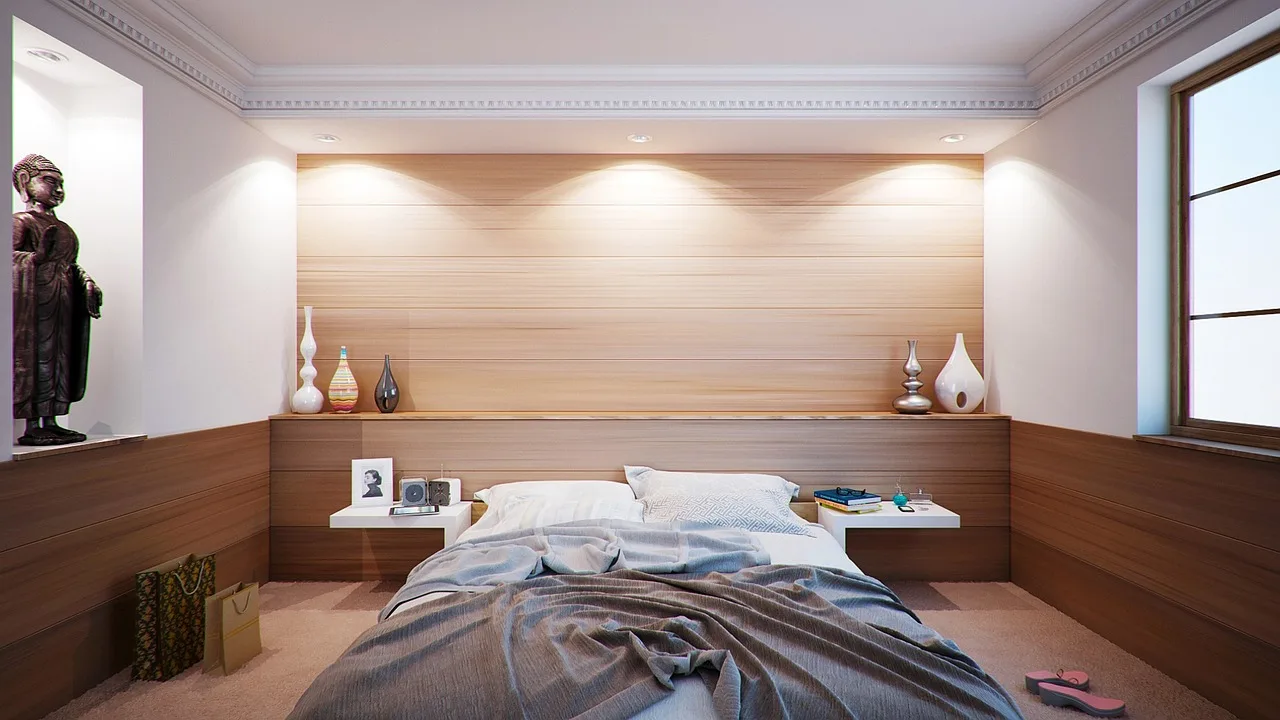
The cheapest workable way is usually under-bed storage, followed by flat-pack cubes, over-door organizers, or a basic nightstand with a drawer. Renters should start with no-drill pieces because they preserve the lease and can move with you. Permanent solutions cost more and should be reserved for rooms that need them.
What makes this option cheap is not only the sticker price; it is the lack of labor, hardware, and installation time.
Under-bed bins and low-profile organizers
Under-bed storage bins are the budget standouts. Look for low-profile height, smooth rolling wheels if you want frequent access, and a lid that closes tightly enough for dust control. Flat bins usually cost less, while rolling versions are easier to slide under heavier frames.
These work best for seasonal clothing, spare bedding, and rarely used shoes. They are less useful if you need daily access, because pulling bins out every morning gets old fast.
Renter-friendly picks with no drilling
Renter-friendly storage should be freestanding or sliding, not wall-mounted. Good options include bins, modular cubes, small wardrobes, and simple dressers. If a piece needs anchors, screws into studs, or custom trim, it stops being the cheapest option for a rented room.
Where budget storage works best
Budget storage works best in small bedrooms, guest rooms, and multipurpose spaces where flexibility matters more than appearance. It also works well when you are waiting to move and do not want to pay for a permanent upgrade twice.
A common first-timer mistake is buying a huge armoire because it looks like the best value, then realizing the door swing blocks a closet or dresser drawer. In a tight room, the cheapest piece can become the most expensive mistake if it interrupts circulation.
What adds to the final bill?
The final bill often rises because of delivery, assembly, material upgrades, taxes, and warranty add-ons. Bedroom storage usually ships as bulky furniture, so service charges can be a meaningful share of the total, especially for large frames and built-ins.
Regional pricing also matters. Urban deliveries, limited parking, and stair carries often cost more than standard curbside drop-off in easier-access areas.
Delivery and assembly charges
Inside delivery usually costs more than curbside because it includes carrying the item into the home and placing it in the room. Stairs, long walks from the truck, and elevator bookings can all add fees. A simple flat-pack item may be cheap to deliver, while a heavy wardrobe or storage bed may not be.
At common labor rates of $60 to $120 per hour and $50 to $100 per hour, a two-person delivery or assembly team can add enough cost to change your budget tier.
Material and hardware upgrades
Solid wood costs more than veneer or engineered wood, and better hardware costs more than basic drawer slides and hinges. Soft-close drawers, heavy-duty hinges, and higher-grade handles are small line items individually, but they add up across a dresser, bed frame, or closet system.
Finish options matter too. Paint-grade, matte, and stained finishes all price differently, and premium finishes often bring a higher labor or materials charge.
Taxes, warranties, and regional pricing
Taxes are easy to forget because they show up at checkout, not on the product page. Warranties can also add to the total, especially for higher-priced items with moving parts or long delivery windows.
Current Cost’s pricing shows how totals can move: a premium scenario reaches $7,320 for furniture and $600 for delivery and assembly, while another guide says total project range can reach $9,400 at the high end. That gap is a reminder to budget for the full cart, not just the furniture price.
Frequently asked questions
How much does bedroom storage cost?
Bedroom storage can start under $50 for basic bins and climb into the thousands for wardrobes, storage beds, and built-ins.
How much should I budget for bedroom storage?
For a simple room, budget a few hundred dollars for bins, a nightstand, or a basic dresser. For a midrange upgrade, plan for $700 to $2,500 if you want a storage bed, a dresser, and delivery. Built-ins and premium wardrobes can push the budget much higher.
Is built-in bedroom storage more expensive than freestanding furniture?
Yes, built-in storage is usually more expensive than freestanding furniture because it adds labor, fitting, and often custom materials. Freestanding dressers and wardrobes cost less up front and stay movable. Built-ins make more sense when the room layout is fixed and you want maximum wall-to-wall storage.
How much does delivery and assembly add to storage furniture costs?
Delivery and assembly can add $50 to $200 in many cases, with some scenarios running much higher. Stairs, inside placement, and bulky items are the usual cost drivers.
What is the cheapest way to add storage to a bedroom?
The cheapest way is usually under-bed bins or other low-profile organizers. They keep costs low because they need no labor and no drilling. If you are renting, start there before buying a dresser or wardrobe, since those cost more and may take up valuable floor space.
Products related to this article
Sponsored / affiliate links. As an Amazon Associate I earn from qualifying purchases. I may earn additional commission from eligible campaigns.