Minimalist Bedroom vs Cozy Bedroom: Which Fits You?
Choose a minimalist bedroom if you want the easiest room to clean and the quietest feel; choose a cozy bedroom if you want more sensory comfort; choose a hybrid if you need both. Pick the wrong one, and you end up with a room that feels cold or one that fills up fast and takes more work to keep in order. This guide compares comfort, upkeep, space fit, lighting, storage, and materials so you can choose with confidence.
This guide is part of our Bedroom design ideas series.
Minimalist bedroom vs cozy bedroom: the core trade-off


The trade-off is simple: restraint versus sensory load. Minimalist bedrooms often use simple lines, fewer furnishings, hidden storage, and clean surfaces, so the room asks very little of you day to day. Cozy bedrooms often ask for more layers, warmer light, and more visible softness, which can feel better but needs tighter control.
| Decision factor | Minimalist Bedroom | Cozy Bedroom | Winner |
|---|---|---|---|
| Sleep style | Best for people who sleep better with visual quiet and fewer stimuli | Best for people who sleep better with warmth, softness, and enclosure | Tie |
| Cleaning and upkeep | Lower cleaning time because there are fewer surfaces and objects to manage | Higher upkeep because blankets, pillows, rugs, and drapes collect more dust | Minimalist Bedroom |
| Room size fit | Better for small rooms and tight movement flow | Better for larger spaces where layers do not crowd circulation | Minimalist Bedroom |
| Sensory comfort | Calm, clean, and restrained | Soft, warm, and enveloping | Cozy Bedroom |
| Storage load | Relies on hidden drawers and built-in shelves | Uses baskets and decorative boxes, but can look busy if overfilled | Minimalist Bedroom |
Sleep style
Sleep preference is the first filter. A minimalist room helps when visual noise keeps the mind active at night, while a cozy room helps when a person sleeps better inside a softer, more enveloping setting. The right answer depends on whether the sleeper wants calm restraint or tactile comfort.
Cleaning and upkeep
Minimalist rooms win on maintenance because fewer furnishings mean fewer dust traps and less rearranging. Cozy rooms can still be manageable, but they demand more discipline around blankets, pillows, rugs, and other soft layers so the room stays restful instead of busy.
Room size fit
Small rooms often benefit from minimalist layouts because more open floor area can improve movement flow and help avoid crowding. Cozy design can work in larger spaces, where added layers do not squeeze circulation or make the room feel heavy.
Sensory comfort and storage pressure
Cozy bedrooms win when comfort means softness, warmth, and visual fullness. Minimalist bedrooms win when comfort means less friction, fewer things to put away, and a lower daily maintenance load. The best choice often comes down to which pressure the room should relieve.
What is a minimalist bedroom, and what makes it work?

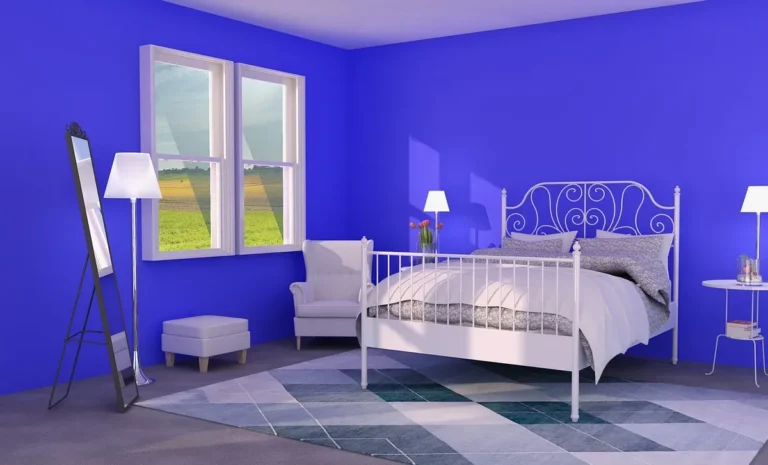
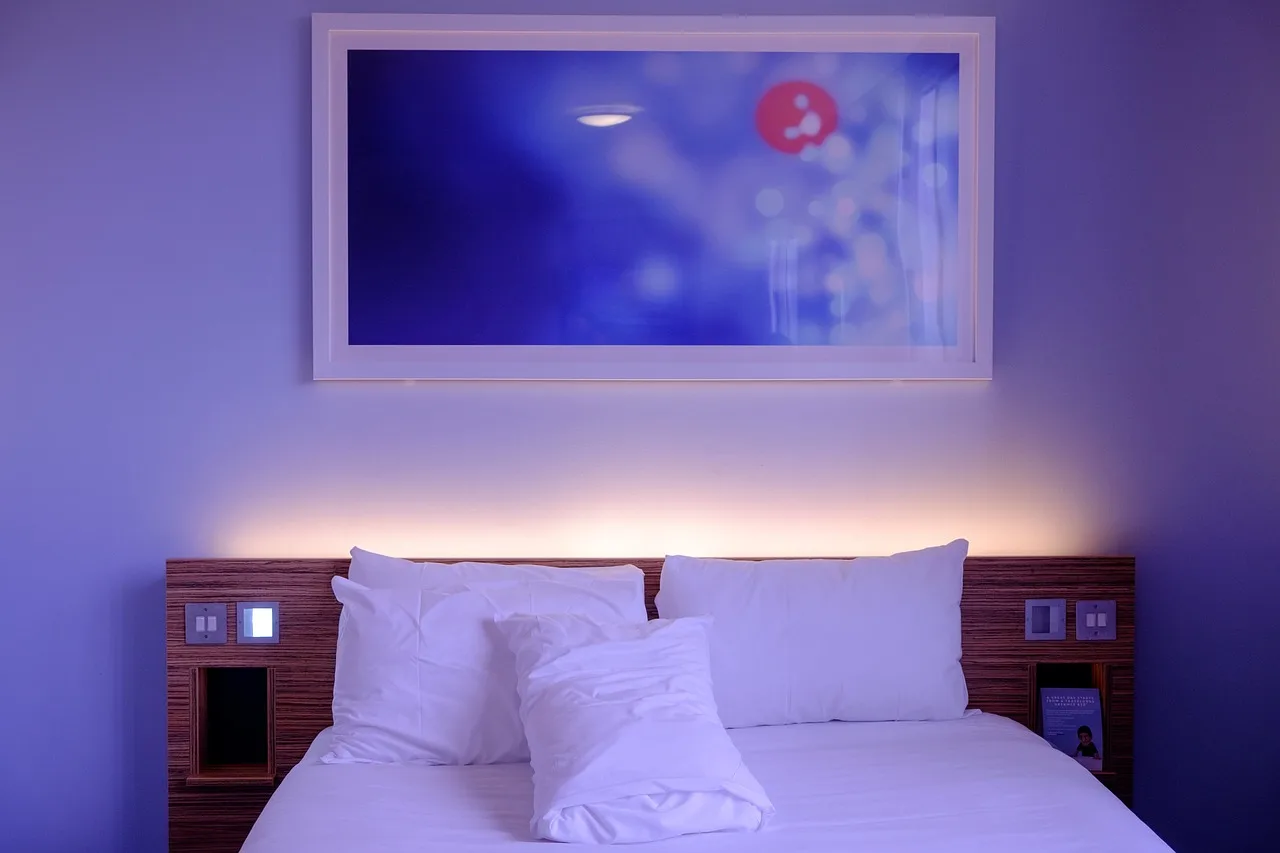
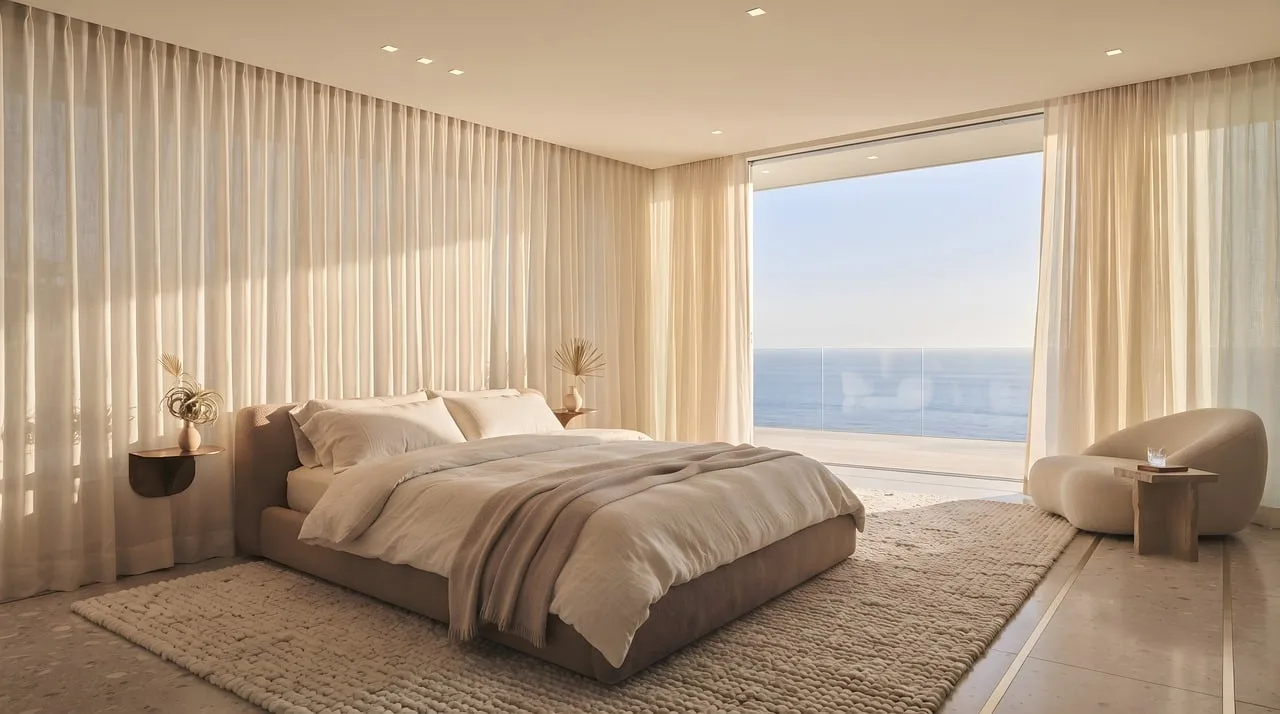
A minimalist bedroom works by removing friction. Simple lines, little decoration, neutral colors, hidden storage, clean surfaces, and a small number of practical furnishings keep the room visually quiet and easy to maintain. Sleeper Guide says minimalist bedrooms often use soft neutrals like white, beige, gray, and light pastels.
Simple lines and fewer furnishings
Clean-lined furniture keeps the room from feeling chopped up. A bed, one or two nightstands, and a practical storage piece are often enough, especially when each item has a clear purpose and enough visual breathing room around it.
Hidden storage and clean surfaces
Minimalist storage works best when clutter is removed from sight, not merely reduced. Sleeper Guide says minimalist bedrooms use hidden drawers and built-in shelves, which keeps surfaces open and cuts visual interruption.
Best materials, colors, and finishes
Wood or metal furniture fits this style well, especially with matte finishes and plain bedding. PureWow notes that minimalism does not have to mean neutrals only, though white, beige, gray, and light pastels remain common. Dark grays and navys can still work when the aim is a more cocooning effect.
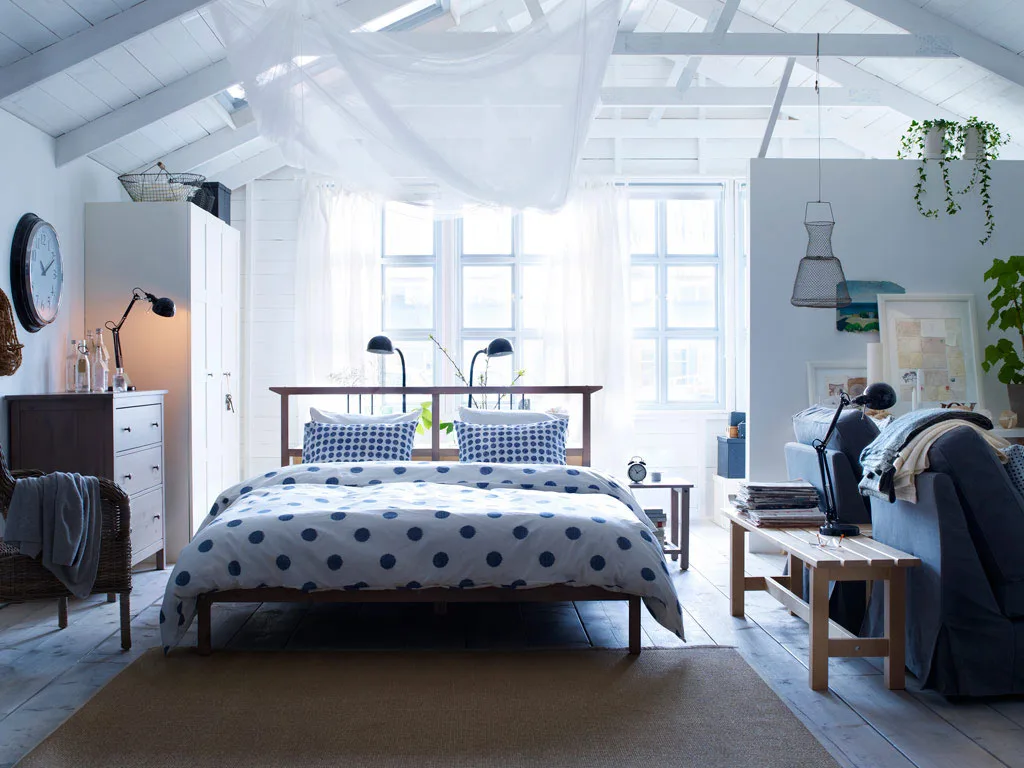
What is a cozy bedroom, and what makes it work?
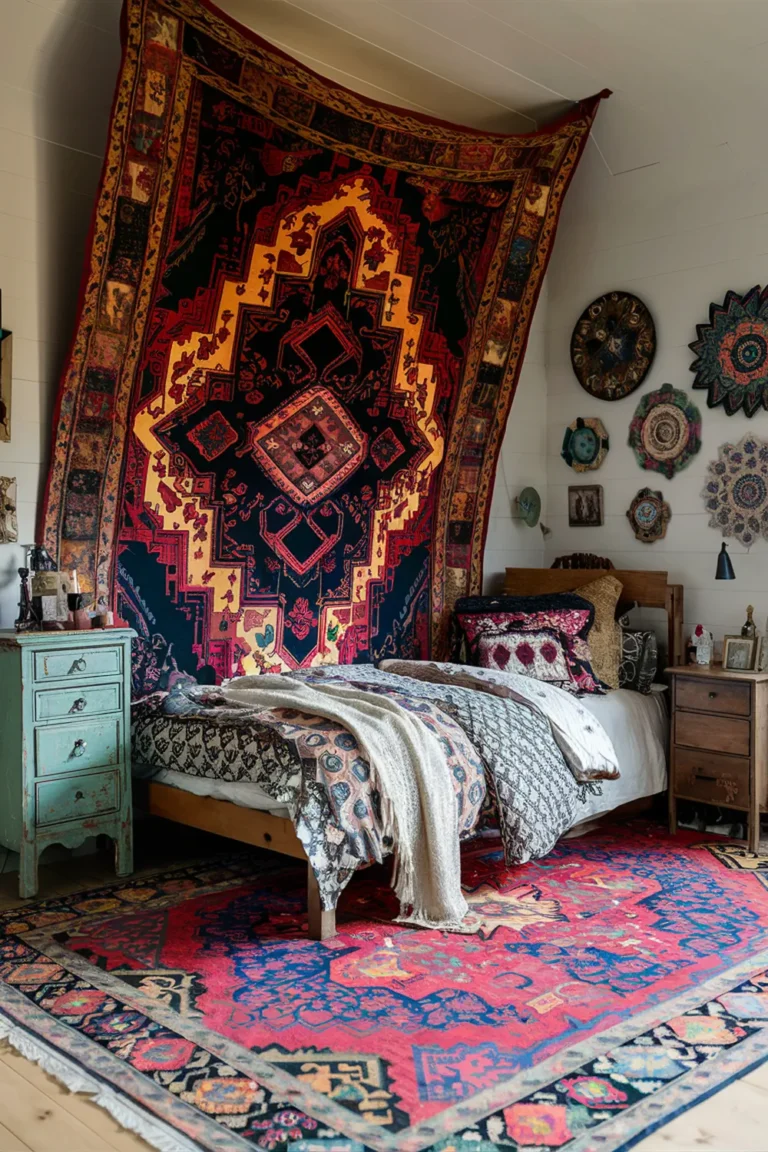
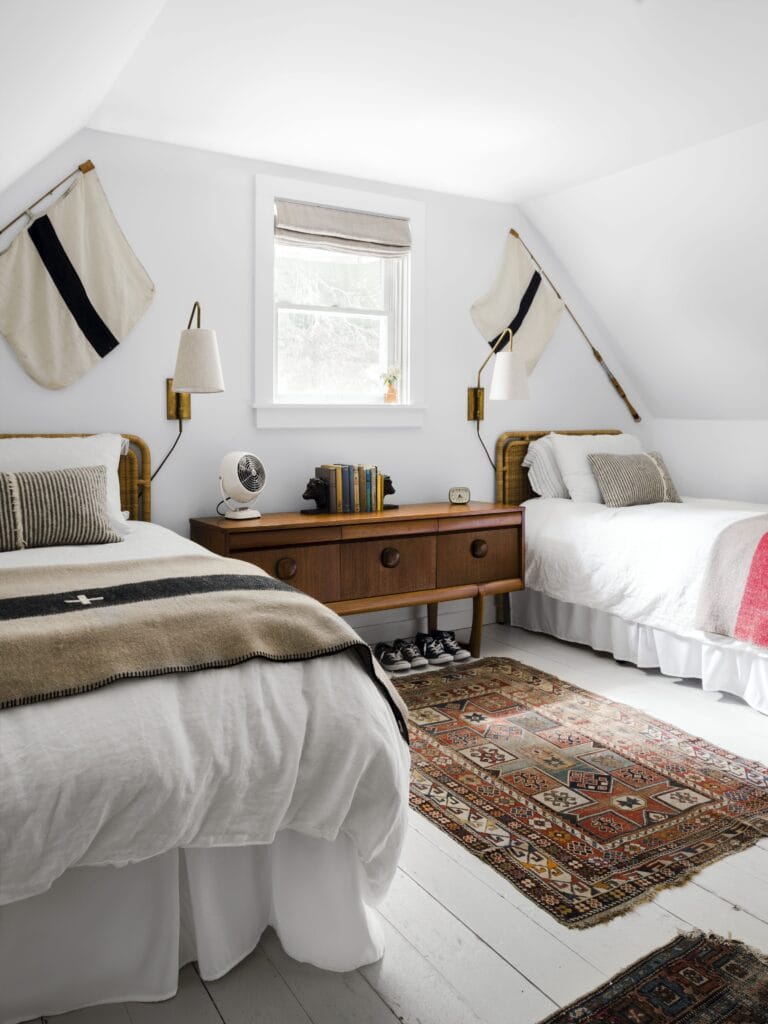
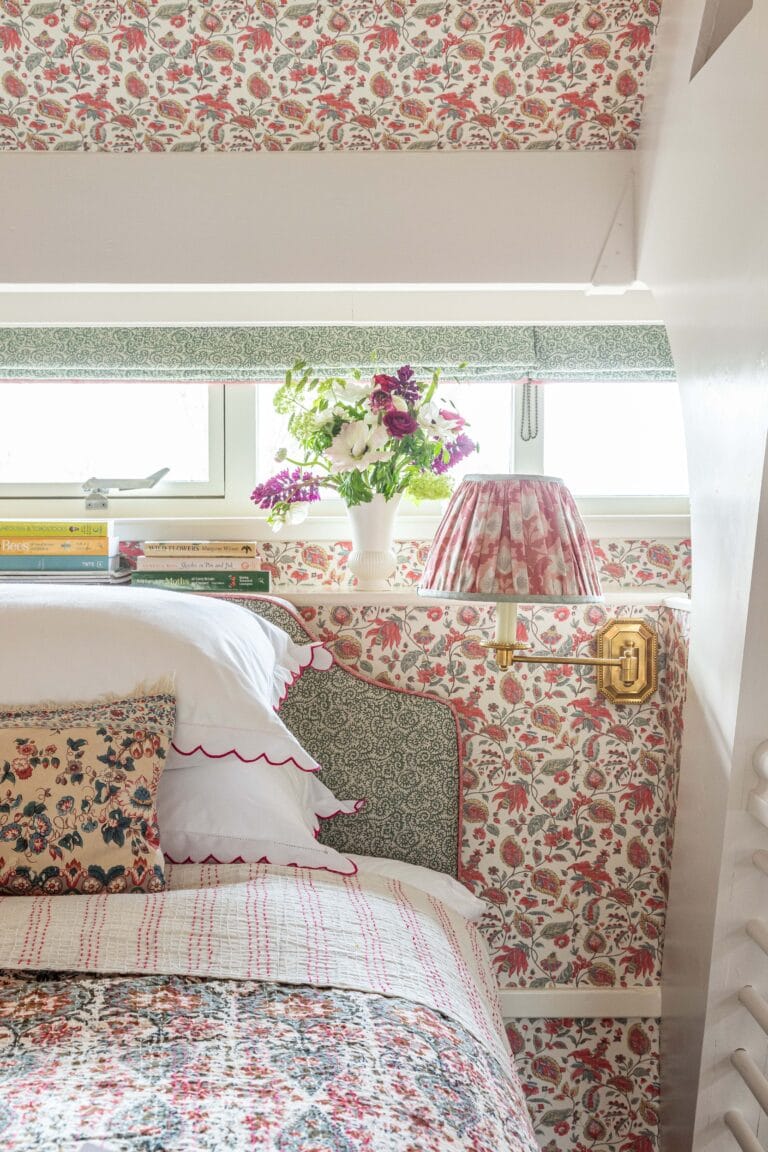
A cozy bedroom works by adding softness, warmth, and personal detail without tipping into visual clutter. Sleeper Guide points to soft blankets, plush pillows, rugs, curtains or drapes, and personal touches as the core ingredients. The style feels best when layers are intentional, not random.
Soft layers and warm light
Cozy rooms lean on texture more than structure. Soft blankets, plush pillows, and rugs make the bed and floor feel inviting, while warm lighting keeps the room from feeling flat at night.
Personal touches without visual noise
Personal items belong here, but they need boundaries. A few framed pieces, books, or meaningful objects work well if the room still has clear surfaces and consistent placement; too many small items make the room feel busy instead of comforting.
Best materials, colors, and finishes
Many style guides say cozy bedrooms often use beige, soft browns, and muted reds. Rounded edges, wood, and softer textiles support the mood, while laced bedding, matte finishes, and layered fabrics add depth without making the room feel stiff.
Which bedroom style is better for sleep?
Neither style wins for everyone. Minimalist bedrooms often help when a person sleeps best with low visual input and a room that stays mentally quiet. Cozy bedrooms help when sleep feels easier with warmth, softness, and a more enclosed atmosphere, provided the room does not become visually noisy.
Sleep habits that favor calm restraint
If clutter keeps a person awake, minimalist design usually performs better. Clean surfaces, fewer furnishings, and hidden storage reduce the number of things the eye has to process, which can make the room feel calmer at bedtime.
Sleep habits that favor sensory softness
If the sleeper feels unsettled in rooms that seem bare, cozy design may work better. Soft blankets, plush pillows, rugs, and warm light create a nest-like effect that many people find comforting before sleep.
When the room itself gets in the way
The room can work against sleep when style and function clash. A minimalist room that feels cold may be too stark to relax in, while a cozy room that accumulates too many objects can start to feel active instead of restful.
Use this decision checklist to choose your style

This checklist works because style choice is really a decision about habits, not taste alone. Answer it by looking at how you sleep, how much clutter you tolerate, how much time you want to spend cleaning, and how much storage and lighting control the room actually needs.
| Decision checklist | Minimalist Bedroom | Cozy Bedroom | Winner |
|---|---|---|---|
| Sleep preference | Best if you sleep better with visual quiet and fewer objects | Best if you sleep better with softness and a warmer mood | Tie |
| Clutter tolerance | Best if you prefer almost no visible clutter | Best if you are comfortable with more visible layers and personal items | Minimalist Bedroom |
| Cleaning time | Best if you want fast dusting and less reset time | Best if you accept more upkeep for more comfort | Minimalist Bedroom |
| Room size and movement flow | Best for small rooms and tight circulation | Best for larger spaces with room for layering | Minimalist Bedroom |
| Lighting control | Best with natural light and day-night flexibility | Best with paper lanterns, dimmers, and a soft glow | Tie |
| Preferred materials | Best with clean-lined wood or metal and matte finishes | Best with soft fabrics, rugs, and textured bedding | Tie |
- If you hate visible clutter, start with minimalist.
- If you need softness to relax, start with cozy.
- If you want both, keep the structure fairly minimalist and add warmth in layers.
- If the room is small, protect movement flow before adding extras.
- If the room is large, decide how much texture the space can hold without feeling busy.
Sleep preference and noise level
Think about how the room feels at the end of the day. If the sight of extra objects keeps the brain alert, minimalist is the safer path. If a plain room feels emotionally thin, cozy may be the better fit.
Clutter tolerance and cleaning time
This is where many people decide quickly. Minimalist rooms suit low tolerance for objects and low tolerance for maintenance. Cozy rooms suit people who are willing to trade more cleaning for more softness and visual comfort.
Room size, lighting control, and movement flow
Small rooms benefit from space discipline. Minimalist furniture, hidden storage, and open floor area keep circulation easy. Cozy bedrooms work better when there is enough room for rugs, drapes, and layered bedding without crowding the walking path.
Preferred materials and texture level
Material choice often reveals the right style. Smooth wood, metal, and matte finishes point toward minimalist. Plush bedding, laced bedding, soft fabrics, and multiple textures point toward cozy.
What colors work in a minimalist vs cozy bedroom?
Minimalist bedrooms usually rely on white, beige, gray, and light pastels, though they do not have to stay pale. Cozy bedrooms often lean into beige, soft browns, and muted reds, which can add warmth and a more enclosed feeling. Color should support the desired mood, not fight it.
Color choices for minimalist rooms
Light neutrals keep the room open and easy to read visually. PureWow notes that minimalism does not have to mean neutrals, and darker grays and navys can create a cocooning effect when someone wants minimal structure without a sterile feel.
Color choices for cozy rooms
Warm, muted colors are the easiest way to make a cozy room feel settled. Beige and soft brown keep the room grounded, while muted reds add warmth without the visual sharpness that brighter tones would bring.
What furniture should you use in a minimalist bedroom vs a cozy bedroom?
Minimalist bedrooms work best with clean-lined furniture and simple practical pieces. Cozy bedrooms can still use straightforward furniture, but rounded edges, wood, and softer forms usually feel more aligned with the style. Beds and nightstands matter most because they set the room’s visual tone.
Furniture for minimalist bedrooms
Choose a bed with a plain frame, a restrained headboard, and nightstands that do not add visual bulk. Clean-lined furniture keeps the room from feeling crowded, especially when storage is already built in.
Furniture for cozy bedrooms
Choose pieces that soften the room’s geometry. Rounded edges and wood help the bedroom feel more welcoming, and simple practical pieces still work well if the bedding, rug, and lighting carry the warmth.
How do you make a cozy bedroom without cluttering it?
Use fewer but larger comfort signals. Cozy does not need dense decoration; it needs a controlled mix of texture, light, and personal detail. Keep the number of objects low, use storage intentionally, and let soft materials do the heavy lifting.
Limit the layer count
Start with one main blanket, a small number of pillows, and one rug rather than piling on every soft item available. That keeps the room tactile without turning the bed into a stack of objects.
Use storage as part of the design
Decorative boxes and open baskets can work, but they should not become a second layer of clutter. Put the bulk in closed storage first, then leave only a few chosen items visible so the room still feels calm.
Keep lighting soft, not dim everywhere
PureWow recommends a soft glow from a paper lantern and also recommends putting lighting on a dimmer for day-to-night mood control. That approach lets a cozy room shift from bright enough for use to soft enough for winding down.
Can a minimalist bedroom still feel cozy?
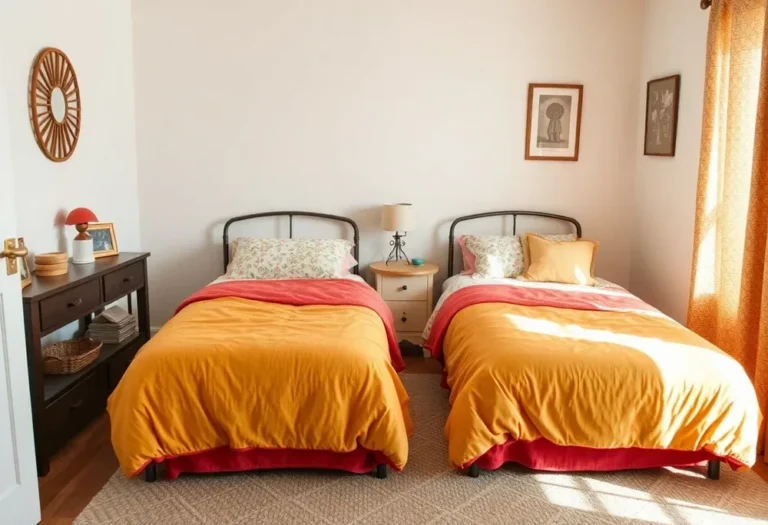
Yes. A minimalist bedroom can feel cozy when the room keeps its simple structure but adds warmth through texture, lighting, and a slightly softer palette. The key is to keep the layout spare while using materials and light to stop the room from feeling cold or bare.
Use warmth without adding clutter
A textured blanket, one or two soft pillows, and a rug can add comfort without changing the room’s overall simplicity. The trick is to choose items that do a lot visually and stop there.
Choose light and color carefully
Natural light helps minimalist rooms feel less severe, while a dimmer makes the space more adaptable after dark. If the room still feels too sharp, darker grays or navys can soften the mood without filling the room with objects.
Focus on touch, not quantity
Texture layering matters more than object count here. Soft fabrics, matte finishes, and one tactile piece near the bed often do more for comfort than several decorative items scattered around the room.
Choose Minimalist Bedroom if… / Choose Cozy Bedroom if…
Choose Minimalist Bedroom if you want quick cleaning, low visual noise, small-room efficiency, and hidden storage that keeps the room simple to maintain. Choose Cozy Bedroom if you want a warmer sleep mood, more texture, and a room that feels softer at first glance. Choose a hybrid if your answer is yes to both.
Choose Minimalist Bedroom if…
You want fewer things to dust and reset. You live in a small room or need better movement flow. You prefer clean-lined furniture, hidden drawers, and a plain surface that stays calm with minimal effort.
Choose Cozy Bedroom if…
You want soft blankets, plush pillows, rugs, curtains or drapes, and warmer colors. You have enough room for the added layers and you are willing to manage more upkeep to get more sensory comfort.
Choose a hybrid if you want both
Keep the structure minimalist and add one cozy layer at a time. Use a neutral base, hidden storage, clean-lined furniture, and then bring in a rug, a soft blanket, and warm lighting. That usually solves the common middle case without drifting into clutter.
Frequently asked questions
Is a minimalist bedroom or cozy bedroom better for sleep?
It depends on what keeps you settled at night. Minimalist bedrooms often help people who sleep better with less visual input and fewer objects. Cozy bedrooms often help people who relax more easily with warmth, softness, and a more enclosed feeling.
What is the difference between a minimalist bedroom and a cozy bedroom?
Minimalist bedrooms use simple lines, little decoration, clean surfaces, and hidden storage to keep the room visually quiet. Cozy bedrooms rely on soft blankets, plush pillows, warm lighting, rugs, curtains, and personal touches to create a more comforting sensory feel.
Can a minimalist bedroom still feel cozy?
Yes. The room can stay minimal while gaining warmth through a textured blanket, a rug, matte finishes, and softer lighting. The goal is to add comfort through material choice and light, not by adding more objects.
How do you make a cozy bedroom without cluttering it?
Use a low object count and let texture do the work. Keep storage closed where possible, limit the number of decorative pieces, and choose a few large comfort items instead of many small ones. That keeps the room soft without making it visually busy.
Which bedroom style works better for a small room?
Minimalist usually works better in a small room because open space improves movement flow and reduces crowding. Cozy can still work if the room is carefully edited, but too many layers, large textiles, or extra furniture can make the space feel tight.
What colors work in a minimalist vs cozy bedroom?
Minimalist bedrooms often use white, beige, gray, and light pastels, though darker grays and navys can create a cocooning effect. Cozy bedrooms usually lean toward beige, soft browns, and muted reds because those tones feel warmer and more enveloping.
Products related to this article
Sponsored / affiliate links. As an Amazon Associate I earn from qualifying purchases. I may earn additional commission from eligible campaigns.