Small Bedroom vs Large Bedroom: Which Works Better?
Small bedrooms usually work better with fewer, smaller pieces and enough walking space to move comfortably; larger bedrooms can handle bigger furniture and separate zones, but only if circulation stays open. Miss that balance, and the room feels cramped, storage gets awkward, and everyday use gets harder. This guide compares layout, storage, furniture scale, and comfort tradeoffs for primary bedrooms, guest rooms, and rentals.
This guide is part of our Bedroom design ideas series.
| Decision factor | Small Bedroom | Large Bedroom | Winner |
|---|---|---|---|
| Bed size fit | Twin, full, or a tightly planned queen; bigger beds can dominate the floor plan | Queen, king, or split zones with a wider bed footprint | Large Bedroom |
| Circulation | Needs tight path planning around the door, bed, and storage | Offers wider walkways and more placement options | Large Bedroom |
| Storage strategy | Best with under-bed storage, narrow chests, and compact organisers | Can support wardrobes, dressers, and separate storage zones | Large Bedroom |
| Multiuse potential | Limited; works best when sleep is the priority | Stronger fit for dressing, reading, or a small work area | Large Bedroom |
| Risk of poor function | Feels cramped if furniture is oversized | Can feel empty, echoey, or underused without zoning | Tie |
Small bedroom vs large bedroom: the core trade-off
A small bedroom pushes you toward sleep-first planning, while a large bedroom gives you room for storage and zones if you control scale carefully. The real difference is not just square footage. It is how much clear floor area remains after the bed, storage, and door swing are counted.
Room shape can outweigh raw size. A compact rectangle with a simple door location may work better than a larger, awkward room with cutouts, multiple openings, or a tight corner where furniture cannot sit cleanly.
What changes most as square footage grows or shrinks
As a room shrinks, the bed size decision comes first, then the storage type, then the number of extras. As a room grows, the question shifts from “what fits” to “what zones make sense.” That is why large bedrooms can waste space if you never assign a purpose to the open area.
How room shape can outweigh raw size
Two rooms with the same area can behave differently. A square room can hold a centered bed and balanced bedside tables more easily, while a long narrow room may push the bed against one wall and reduce circulation on one side.
📊 IKEA shows a small bedside-table example with the KNARREVIK model at 37 x 28 x 45 cm. Source: Bedroom – Explore Bedroom Furniture in India.
What counts as a small bedroom or a large bedroom?
There is no universal cutoff, because local building codes, door placement, and room shape change the answer. As a practical starting point, a small bedroom is usually one that limits furniture choices and forces you to protect walking space, while a large bedroom is one that can accept a larger bed plus distinct activity zones without crowding.
Vocabulary.com frames small and large as relative comparisons, not fixed absolutes. A “small” shirt comparison is a reminder that size words depend on context, and bedrooms work the same way.
Practical size bands to use as a starting point
Use these as planning cues, not universal rules: smaller rooms often behave like small bedrooms, mid-sized rooms can feel tight but workable, and larger rooms may start to feel more open if the shape is efficient. A long narrow room can still function like a small room even when the number is higher.
Why bed size and circulation matter more than a single number
A room that can hold a bed but leaves no clear path from the door to the closet is not working well. A useful test is whether the room still leaves enough walking space where you need to move.
When a room is small on paper but functions like a larger room
If the layout has one door, few corners, and enough wall length for the bed and storage without blocking movement, a smaller room can feel efficient. A wall-to-wall built-in or a low-profile bed can also make a modest room work better than its size suggests.

Side-by-side comparison: furniture scale, circulation, and storage
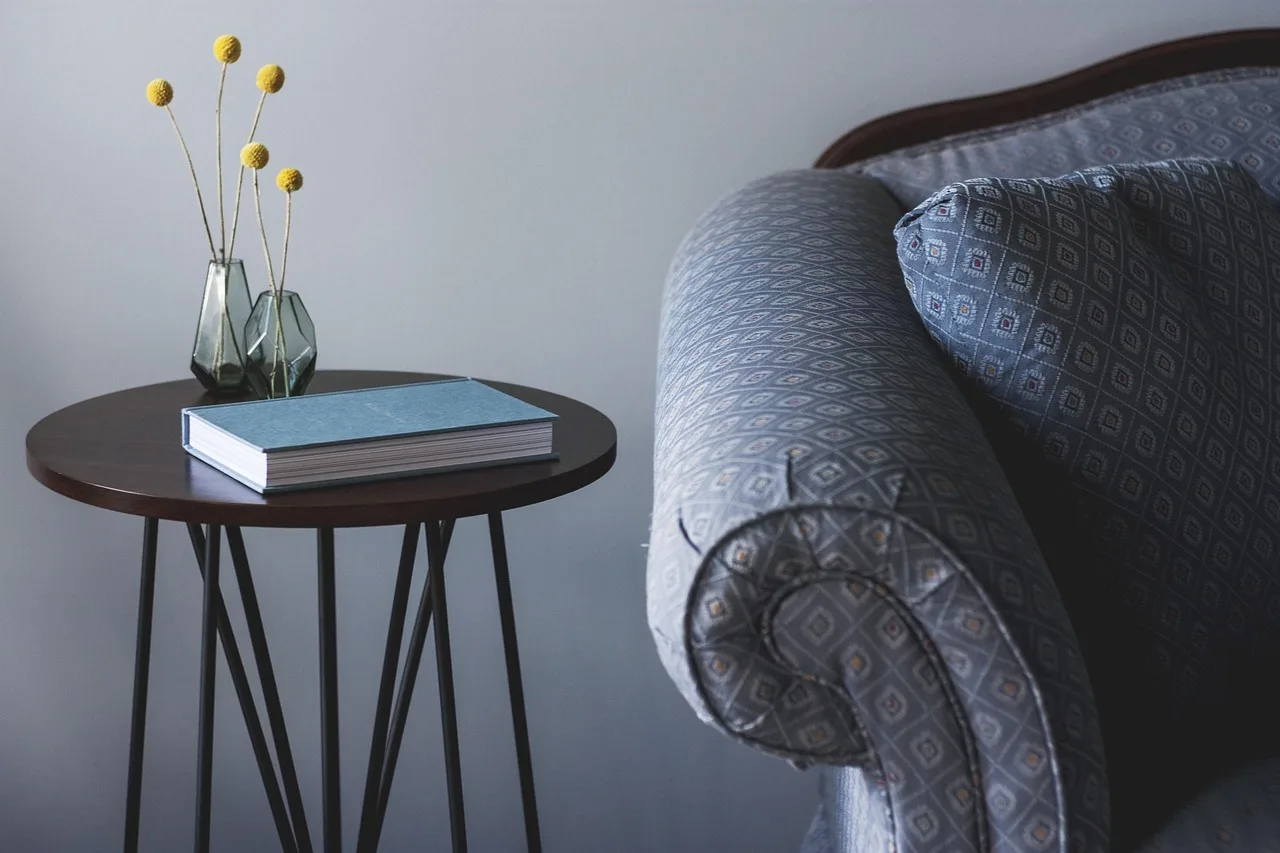
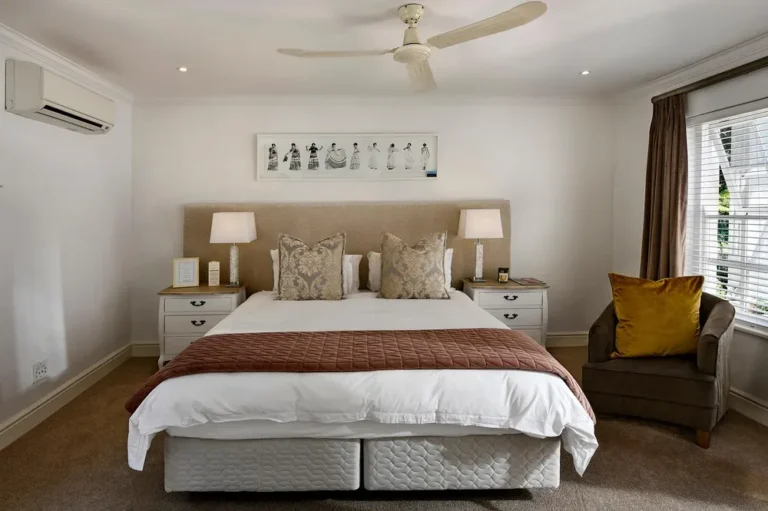
Furniture scale changes fast as the room gets smaller. In a small bedroom, a full or queen bed may leave too little clearance for bedside tables or dresser drawers, while in a large bedroom the same pieces can look undersized unless you balance them with wider nightstands, a larger dresser, or a second zone.
IKEA highlights bedroom storage and bedroom lighting as core planning issues, and it also promotes decluttering as a bedroom-use benefit. That focus fits the comparison here: the room size decides how much furniture you can add, but the layout decides whether that furniture helps or hurts.
Bed size and nightstand scale
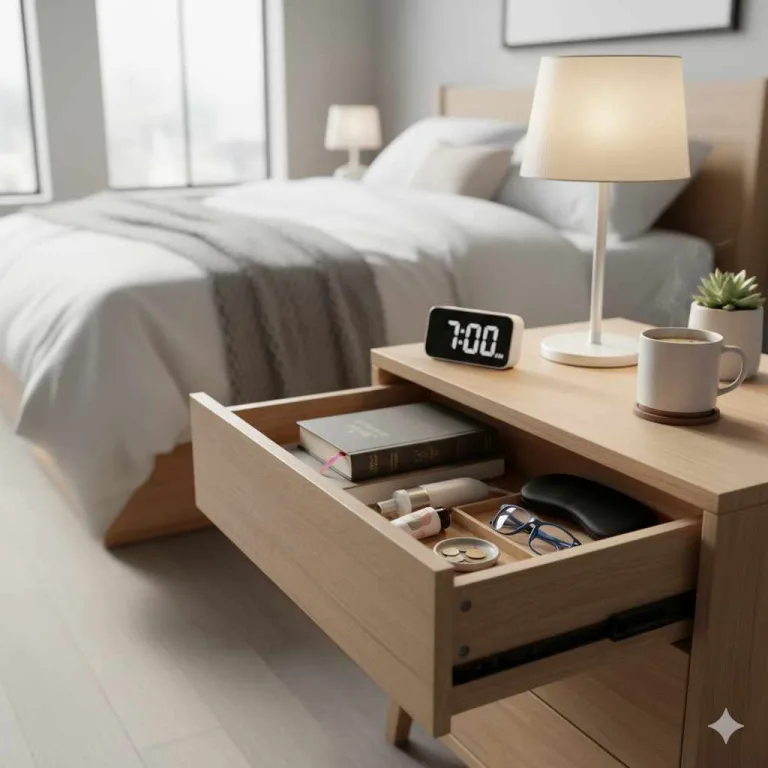
Small bedrooms often work better with slimmer nightstands, narrower frames, or storage beds that reduce the need for a bulky dresser. IKEA’s KNARREVIK bedside table at 37 x 28 x 45 cm is a useful example of how small bedside furniture can keep the edge of the room open.
Large bedrooms can take wider nightstands and more proportionate bedside lamps without crowding the bed. The risk is choosing pieces that are too small, which makes the room feel underfurnished rather than balanced.
Clearance around the bed and walking paths
Clearance is where small bedrooms usually fail. If you cannot keep a usable walkway to the door and around the bed, the room may fit the furniture on paper but still feel hard to use. In a large bedroom, the issue flips: too much open floor can break the connection between the bed, storage, and any seating or dressing area.
Storage capacity and furniture type
Small rooms usually do better with under-bed storage, a compact chest of drawers, or a wardrobe with a smaller footprint. IKEA lists the MALM chest of 2 drawers at 40 x 55 cm and the KULLEN chest of 6 drawers at 140 x 40 x 72 cm, which shows the difference between a compact piece and a taller, more storage-heavy option.
Large rooms can support wardrobes and bigger chests without closing off circulation. IKEA also describes modular wardrobe combinations as suitable for everyday use in most bedrooms, which matters most when you want storage that can be adjusted to the room rather than forcing the room to fit one fixed cabinet.
How each room type handles extra pieces
In a small bedroom, every extra chair, bench, or accent table must earn its floor space. In a large bedroom, extra pieces can help if they define zones, but they can also create dead corners and clutter if they are added without a purpose.
How does layout change in a small bedroom?
A small bedroom works best when bed placement protects circulation first and storage second. The room should give you a clear path, open the door without collision, and avoid bulky furniture that blocks drawer fronts or crowds the foot of the bed.
Best bed placement when space is tight
Place the bed on the longest uninterrupted wall when possible. If that wall also supports a window, a low headboard or a centered layout may work better than forcing a larger frame into a corner that blocks movement on both sides.
Ways to keep door swing and walkway width clear
Check the door swing before choosing the bed position. A bed placed too close to the hinge side can cut into the entry path, and a dresser near the door can make the room feel smaller every time you open it.
- Measure the wall length, door swing, and closet opening first.
- Set the bed position so you keep a clear path to the door and closet.
- Choose slim bedside tables or a single side table if one side is tight.
- Use storage under the bed before adding another large case piece.
- Keep the center of the floor open unless you need a specific function there.
Storage strategies that reduce floor clutter
Small bedrooms benefit from storage that hides volume in unused space. Under-bed bins, shallow drawers, wall-mounted shelves, and smaller organisers keep the floor easier to move through and make the room easier to clean.
How does layout change in a large bedroom?
A large bedroom gives you more planning freedom, but that freedom can backfire if the room has no zones. Without a clear furniture plan, the room can feel cold, echoey, or visually empty even though it has plenty of square footage.
Avoiding empty zones and poor furniture spacing
Do not push every piece against the walls by default. That creates a perimeter ring and an unused center, which can make the room feel disconnected and oddly proportioned.
When to create reading, dressing, or work areas
Use zones when the room is large enough that a second function will not interfere with sleep. A chair near a lamp can form a reading corner, a bench or dresser can define a dressing area, and a small desk may fit if the room has a separate section away from the bed.
Using scale so the room does not feel underfilled
Large rooms need furniture with enough visual weight to match the floor area. Oversized beds are not always the answer, but undersized pieces can look temporary. Rugs, curtains, and bedding help anchor the bed zone and make the room read as intentionally arranged rather than empty.
Bedroom size decision matrix
Use the table below as a working guide, not a code substitute. Room dimensions, door location, and closet placement can shift the best answer, but these pairings are a practical starting point for choosing bed size, storage type, and the main purpose of the room.
| Room dimensions | Best bed size | Recommended clearance target | Storage type | Primary goal |
|---|---|---|---|---|
| Under 9 x 10 ft | Twin or full | Keep 24–30 inches where movement matters most | Under-bed storage and a narrow organiser | Sleep-first |
| 9 x 10 ft to 10 x 12 ft | Full or compact queen plan | Protect at least one clear side path and door access | Small chest of drawers or slim wardrobe | Sleep-first with limited storage |
| 10 x 12 ft to 12 x 14 ft | Queen | Maintain clear circulation around the bed and wardrobe access | Chest of drawers plus wardrobe or modular storage | Balanced sleep and storage |
| Above 12 x 14 ft | Queen or king | Keep zones open so the center does not go unused | Wardrobe, dresser, and zoned storage | Zoning-first |
Choose small bedroom if… / Choose large bedroom if…
Choose a small bedroom if sleep is the main goal, your storage can stay compact, and you need the room to stay easy to navigate. Choose a large bedroom if you want separate functions, more flexible circulation, or enough wall and floor area for a bed plus storage without constant compromises.
Choose a small bedroom if…
You are furnishing a rental and cannot change the room. You want the least amount of visual and physical clutter possible. You can live well with a smaller bed, under-bed storage, and one or two compact case pieces.
Choose a large bedroom if…
You own the space and want to set up zones around sleep, dressing, or reading. You need room for a wardrobe, larger dresser, or extra seating without blocking the path to the door. You are willing to plan scale so the room does not feel sparse.
How renters and owners should weigh the trade-off differently
Renters usually benefit from flexible, modular pieces that can move to the next home. Owners can justify room-specific storage or a more permanent zoning plan, especially in a primary bedroom that needs to work for years rather than one lease term.
What is best bedroom size?
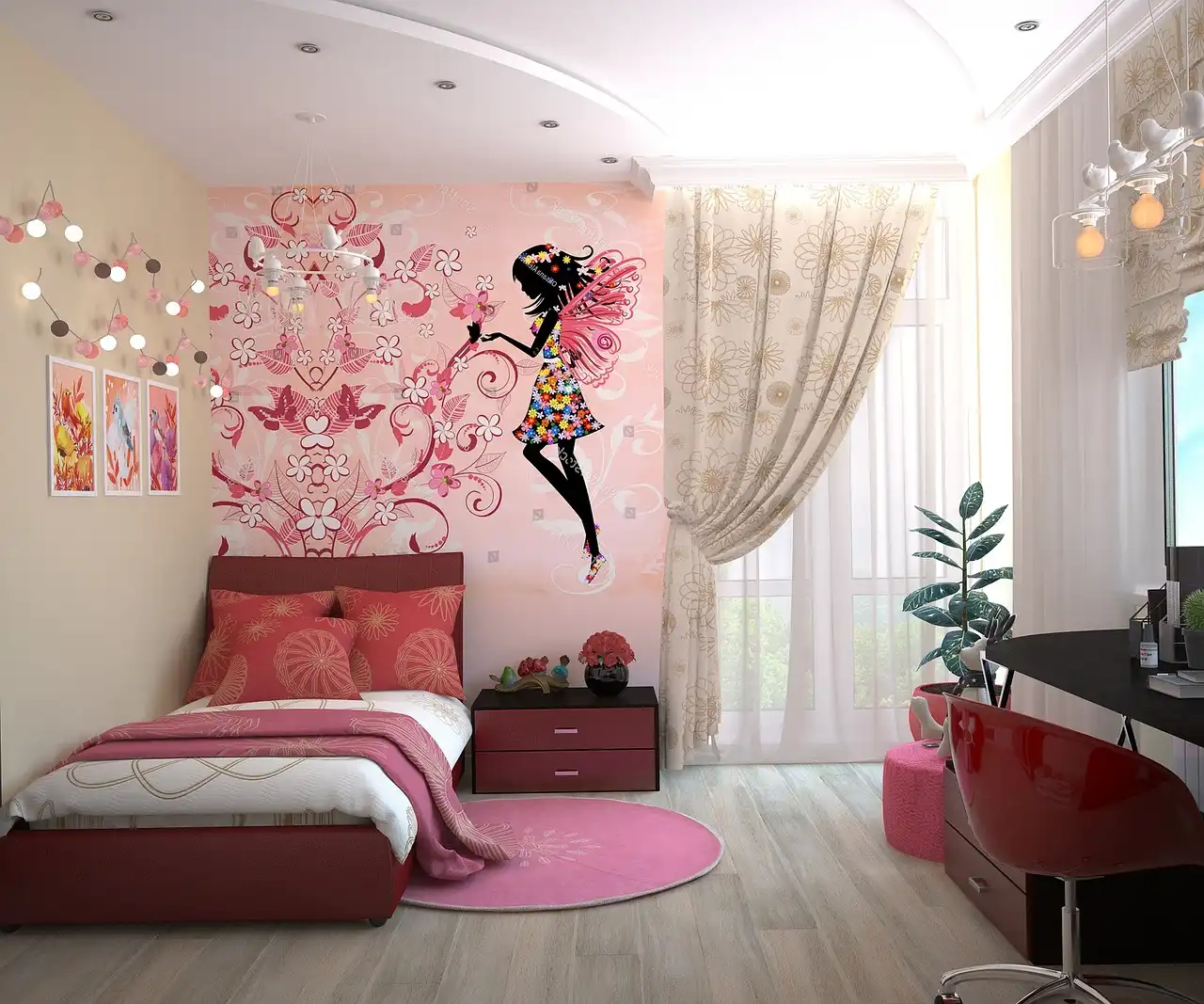
The best bedroom size is the one that fits the bed you need, leaves safe circulation, and supports the room’s main job without wasted space. For many people, that means a medium-sized room that can hold a queen bed, a pair of sensible nightstands, and storage without forcing awkward paths or empty corners.
If the room is too small, the bed and storage compete. If it is too large, the room can feel underused unless you divide it into clear functions. The best size is the one that matches your use case, not the one that sounds largest on paper.
Frequently asked questions
small bedroom vs big bedroom
A small bedroom is easier to overfill and harder to move through, so it rewards compact furniture and strict clearance planning. A big bedroom gives you more options for storage and zoning, but it can also feel underused if you do not assign the space a purpose beyond sleeping.
what is considered a large bedroom
A large bedroom is one that can hold a larger bed, storage, and at least one extra function without crowding the walking path. There is no universal number, but once the room can support zones and still keep clear circulation, it begins to function like a large bedroom.
how large is a small bedroom
A small bedroom is usually one that forces careful furniture selection and leaves little extra room after the bed and storage are placed. As a planning guide, smaller rooms often behave this way, though shape and door location can change the result.
what is considered a small bedroom
A small bedroom is a room with limited floor area, tight circulation, and little margin for oversized furniture. It may still work well if the bed is scaled correctly, storage stays compact, and the layout protects the door swing and walking path.
what is best bedroom size
The best bedroom size is the smallest room that still fits your bed, storage, and any extra function you truly need. For sleeping plus storage, a room that can support a queen bed and a sensible storage plan without blocking movement is often the most practical middle ground.
what bedroom size is best for sleeping and storage
A bedroom that balances sleep and storage usually sits in the middle range, where a queen bed, a chest of drawers, and a wardrobe or modular unit can coexist with usable clearance. If the room is smaller, you will need to compress storage. If it is larger, you may need zones to avoid wasted space.
Products related to this article
Sponsored / affiliate links. As an Amazon Associate I earn from qualifying purchases. I may earn additional commission from eligible campaigns.