Dark Bedroom vs Light Bedroom: Which Fits Yours?
Choose dark bedroom walls if your room gets strong daylight or you want a cocooned feel. Choose light walls if the room is small, dim, or you need morning brightness. Choose wrong, and sleep, mood, and your sense of room size all fight you. This guide gives a simple room audit to decide dark vs light and fix the most common mistake with each choice.
For a quick cultural anchor, Dark is a 3-season Netflix series released in 2020. It is labeled a thriller with an 18+ rating on Netflix, runs for 3 seasons and 26 episodes on Wikipedia, has 3 seasons according to Rotten Tomatoes, and carries a Rotten Tomatoes average Tomatometer of 95% and Popcornmeter of 94%. That same name fits the bedroom question well: dark can feel controlled, but only when the room’s light is managed on purpose.
| Decision factor | Dark Bedroom | Light Bedroom | Winner |
|---|---|---|---|
| Strong daylight / bright exposure | Absorbs glare and calms a bright room | Can feel washed out in high sun | Dark Bedroom |
| Small room / low ceiling | Can compress the room if light is poor | Expands corners and lifts the ceiling line | Light Bedroom |
| Sleep-first use | Blocks visual stimulation and reads restful | Needs more treatment to avoid a bright, alert feel | Dark Bedroom |
| Low-light or north-facing room | Often turns cave-like without strong task lighting | Reflects scarce daylight better | Light Bedroom |
| Maintenance tolerance | Shows lint, dust, and roller marks faster | Hides dust and touch-ups more easily | Light Bedroom |
| Best overall when the room is mixed | Works if the palette stays cohesive and layered | Works if the room needs softness without glare | Balanced |
Dark bedroom vs light bedroom: which one fits your room?
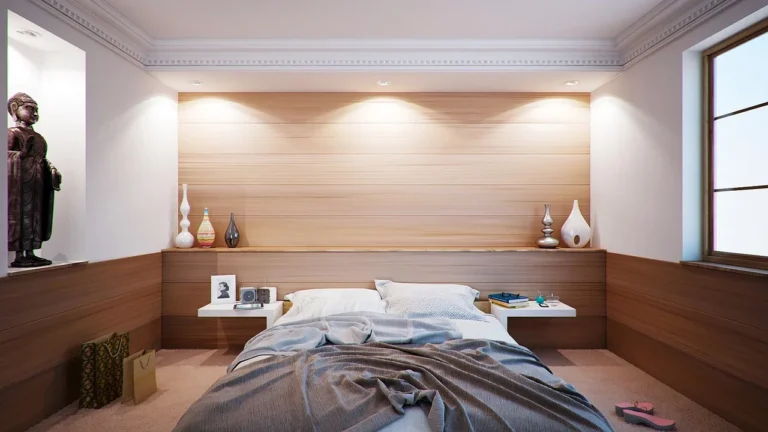
Dark wins when the room already gets plenty of daylight, you want lower visual stimulation at night, and the furniture can carry some contrast. Light wins when the room needs help bouncing daylight, when the ceiling feels low, or when you want the room to feel more open at first glance.
Why the result changes so much
Bedroom color is not only about taste. It changes how much light bounces, where shadows land, how large the corners read, and how calm the room feels when you are trying to fall asleep.
Architectural Digest says dark bedrooms can feel cozy and inviting, recommends low lighting and bedside sconces with a dimmer, says the room should feel cohesive through consistent saturation levels, and describes dark palettes as calming in a bedroom. Those points line up with what happens in real rooms: dark can work very well, but only when the light plan supports it.
When a balanced palette is the safer choice
If the room gets uneven daylight, has a medium-sized footprint, or needs to do multiple jobs, a balanced palette is usually the safer middle ground. That means midtones, soft contrast, and fewer sharp jumps between walls, bedding, and furniture.
📊 Dark is a 3-season Netflix series released in 2020. Source: Netflix.
Should a bedroom be light or dark?
Use the room’s exposure, sleep needs, and upkeep tolerance to decide first. Dark is usually better for bright rooms and a sleep-heavy feel; light is usually better for small, dim, or north-facing rooms. If the room sits between those extremes, a balanced palette often performs best.
Use window exposure and orientation first
South- and west-facing rooms usually get stronger daylight, especially in the afternoon and evening. Those rooms can support darker walls because the natural light keeps the room from feeling heavy.
North-facing rooms usually receive cooler, flatter light. In those rooms, a light or midtone palette reflects more of the available daylight and keeps the walls from looking dull.
Factor in sleep sensitivity and maintenance tolerance
If bright morning light wakes you too early or your brain stays alert in a white room, darker walls often help. They cut visual activity and make evening feel quieter.
If you want the room to hide fingerprints, patch repairs, and dust a bit better, light paint is easier to live with. Dark walls are less forgiving on bad patchwork and roller marks.
When small rooms still work with dark walls
Small rooms can take dark color when the ceiling is decent, the windows are strong, and the furniture is kept visually simple. A dark room reads smaller only when the shadows swallow the corners and the lighting is too weak.
In a small room, the fix is not always lighter paint. Sometimes it is better lighting, a softer finish, and a lighter ceiling or bedding layer that keeps the room from feeling closed in.
How natural light changes the result
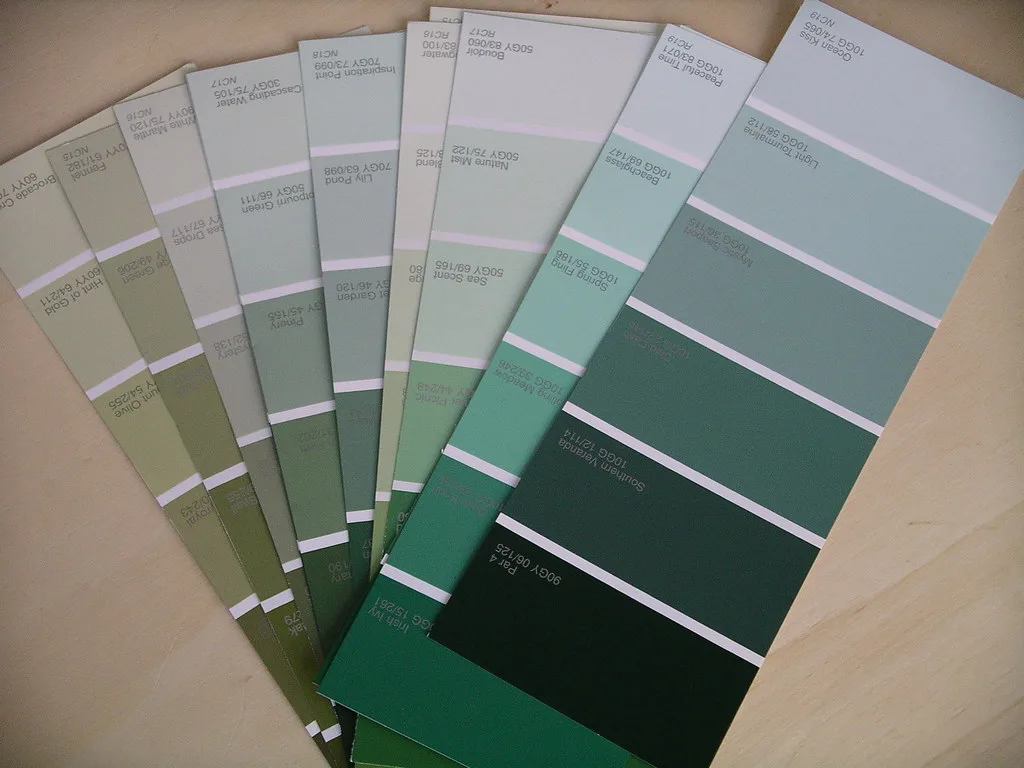
Window size, direction, and time of day decide whether a bedroom color will read soft, flat, moody, or washed out. The same paint can feel elegant in one room and gloomy in another because natural light changes the bounce from floors, walls, and textiles.
Window size, direction, and time of day
Large windows and strong morning sun give you more room to go dark. The room still reads bright enough during the day, while evening feels more restful.
Small windows, high obstructions, or late-day-only exposure usually call for lighter walls. That way the room does not lose what little daylight it gets.
How floor finish and wall reflectivity change bounce
Glossy or light floors reflect more light back into the room. That can rescue a darker wall color by lifting the lower half of the room.
Matte dark floors absorb more light and make a dark wall palette feel even deeper. If that is the starting point, a light bedroom or a balanced scheme usually reads better.
North-facing, low-light, and bright rooms
North-facing bedrooms often need light walls or a midtone palette because the daylight is cool and limited. Bright rooms can carry deeper saturation more easily, especially if the walls are matte and the finishes are controlled.
Low-light rentals are the toughest case. If you cannot add hardwired fixtures or repaint often, a light or balanced room usually causes fewer problems.
What lighting works best for each palette?
Warm light, dimmers, and layered ambient sources work better in dark bedrooms because they stop the room from feeling flat and cave-like. In light bedrooms, controlled task lighting and softer ambient light prevent glare and keep the room from feeling clinical.
Warm versus cool color temperature
Warm bedroom lighting usually supports both palettes better at night because it lowers the visual “alert” feel. Cool light can make a light room look sharper and a dark room feel colder than intended.
For reading, choose focused bedside task light rather than blasting the whole room. That keeps the rest of the room quiet and protects the sleep cue.
Dimmers, sconces, and bedside task lights
Dimmers matter more than people think. A dark bedroom without dimming can feel theatrical in the wrong way; a light bedroom without dimming can feel too bright before bed.
Bedside sconces free the nightstand and keep light at eye level where it belongs. They are especially useful in dark rooms, where overhead glare tends to flatten the mood.
Ambient layers and glare control
Use two layers if possible: a soft ambient source and a reading source. If you have a very dark palette, consider low-level ambient light around the room edges so the corners do not disappear.
In a light bedroom, keep bare bulbs and high-gloss shades to a minimum. Glare is the common failure there.
The bedroom decision matrix
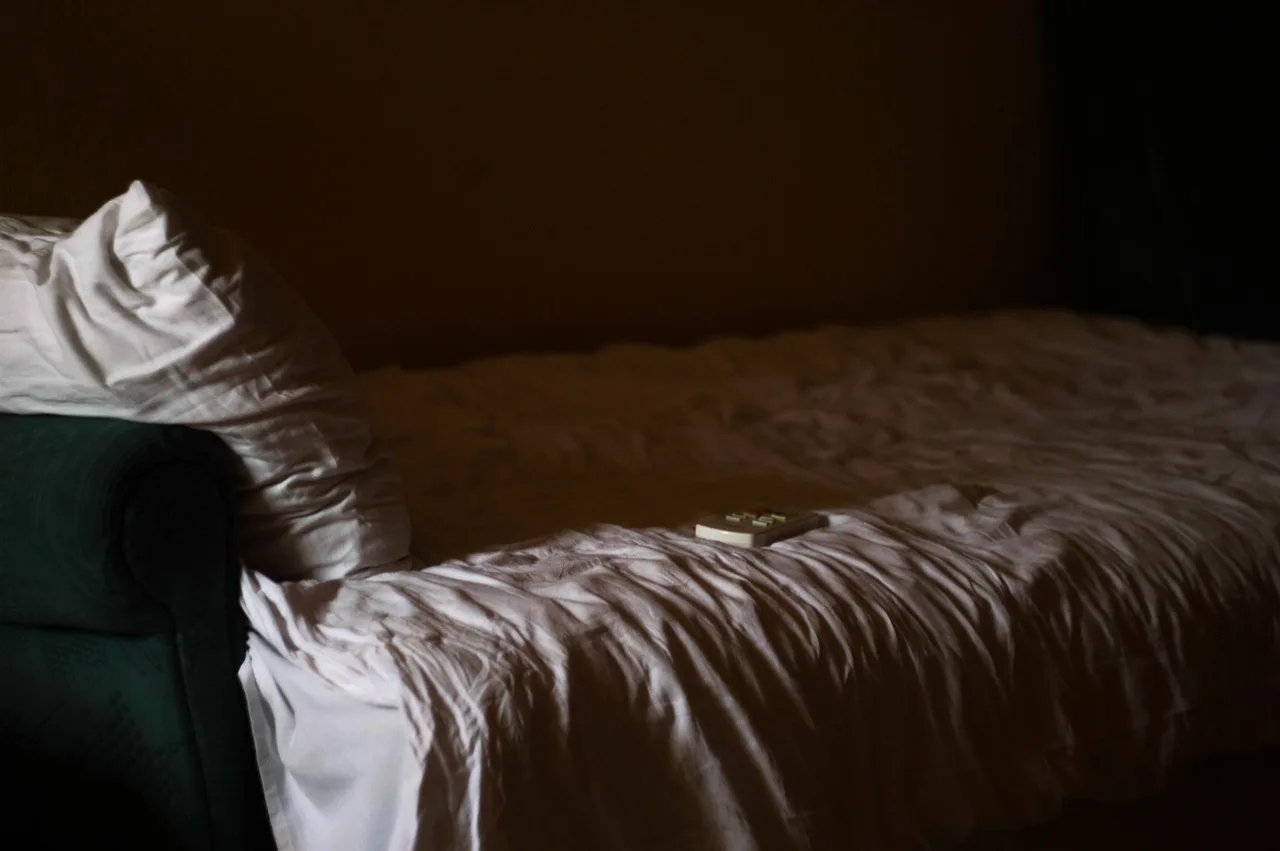
Score each item from 1 to 5, then add the totals. Lower numbers favor dark; higher numbers favor light; middle totals usually point to a balanced palette. The point is not perfection. It is a quick audit that turns a vague preference into a usable result.
| Factor | 1 | 3 | 5 |
|---|---|---|---|
| Window exposure | North-facing, small window, low daylight | Moderate daylight, mixed exposure | Large, bright, sun-rich room |
| Room size | Very small | Average bedroom | Large room |
| Ceiling height | Low ceiling | Standard height | High ceiling |
| Floor finish | Dark, matte, low reflectivity | Medium reflectivity | Light or reflective floor |
| Sleep sensitivity | Low sensitivity to light | Moderate sensitivity | Very sensitive to light and stimulation |
| Maintenance tolerance | Low tolerance for visible dust or touch-ups | Medium tolerance | Comfortable with frequent cleaning and touch-ups |
How to read the result
Around the single digits to low teens: choose a dark bedroom. You have enough light control to keep it from feeling heavy.
Around the mid-teens to 20 points: choose a balanced bedroom. Use midtones, soft contrast, and texture instead of a hard dark-versus-light decision.
Around the low 20s to 30 points: choose a light bedroom. The room likely needs brightness, bounce, and airiness more than drama.
Top fix for each result
Dark bedroom fix: add layered warm lighting with dimmers and keep the finish matte or eggshell so the walls stay deep without looking shiny.
Light bedroom fix: stop the room from feeling sterile by using soft whites, eggshell or satin finish, and warmer textiles around the bed.
Balanced bedroom fix: repeat one wall color, one wood tone, and one fabric family so the room feels planned instead of mixed by accident.
How to make a dark bedroom feel calm, not cave-like
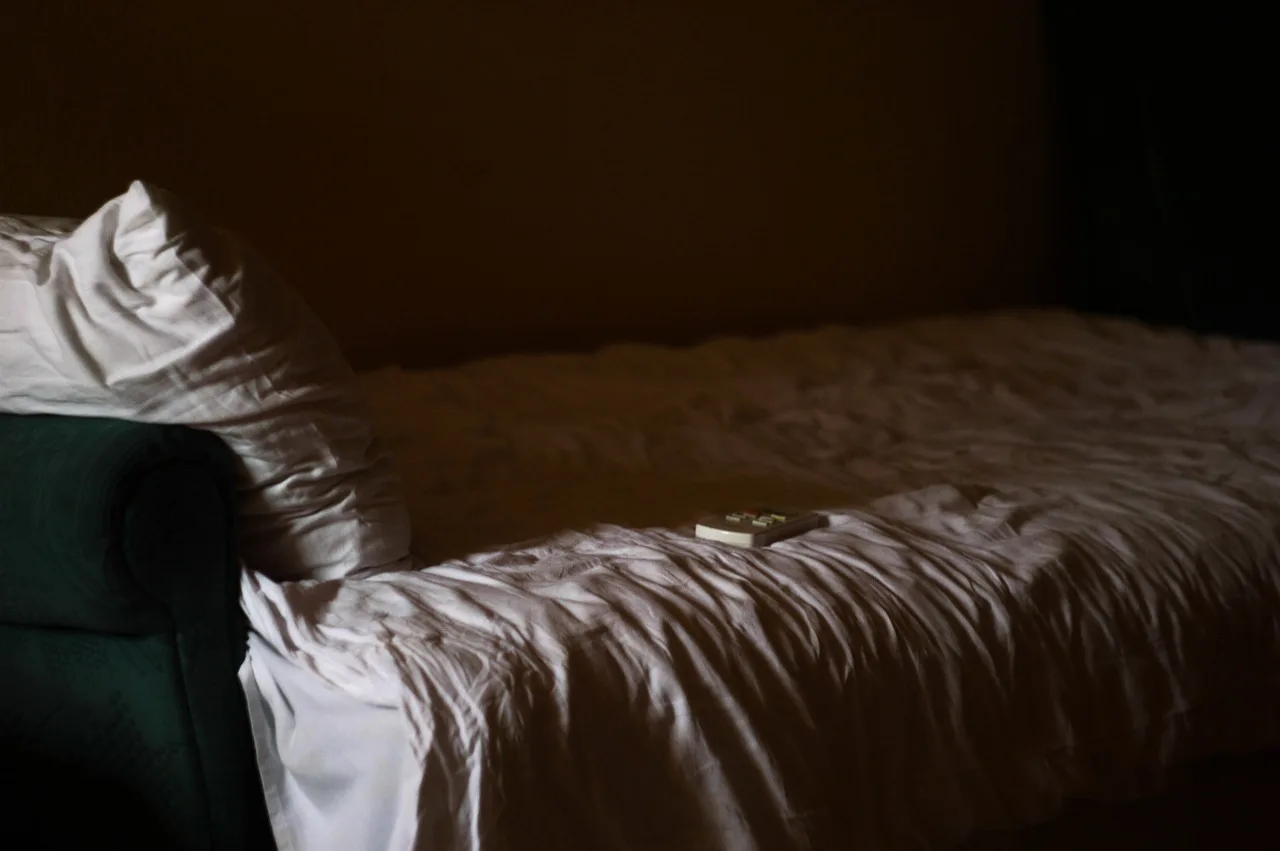
A dark bedroom feels calm when the walls, bedding, and lighting sit at the same depth level. It feels cave-like when the room has too little light, too much black mass, or hard contrast that leaves the corners unreadable.
Best paint finishes and wall color saturation
Matte paint keeps dark walls from throwing back too much glare. Eggshell can work if you need more wipeability, but satin can start to look shiny on deep tones.
Keep saturation consistent across nearby surfaces. A dark wall next to an overly bright ceiling or wildly different trim color can make the room feel chopped up.
Texture layering with bedding, rugs, curtains, and wallcovering
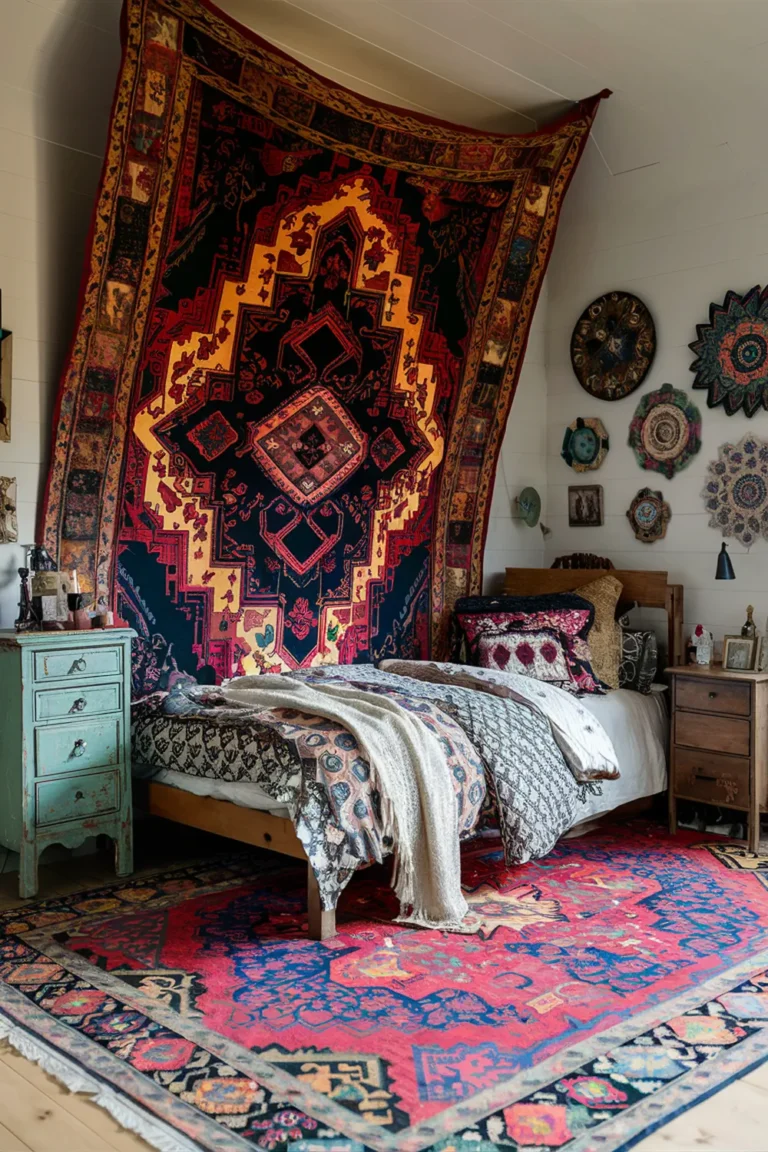
Use woven bedding, a dense rug, lined curtains, and a nubby throw. Those pieces break up a flat dark wall and stop the room from reading one-note.
Wallcoverings or textile panels can also help in rentals where paint is limited. They add depth without needing a full repaint.
Furniture contrast and wood tone matching
Light furniture on dark walls creates useful contrast and keeps edges visible. Dark-on-dark can work too, but only when the furniture has shape, sheen, or a wood grain that reads against the wall.
If the wood tone is close to the wall tone, add a lighter lamp shade, a pale rug, or a textured headboard so the room does not collapse into one dark mass.
How to make a light bedroom feel warm, not sterile
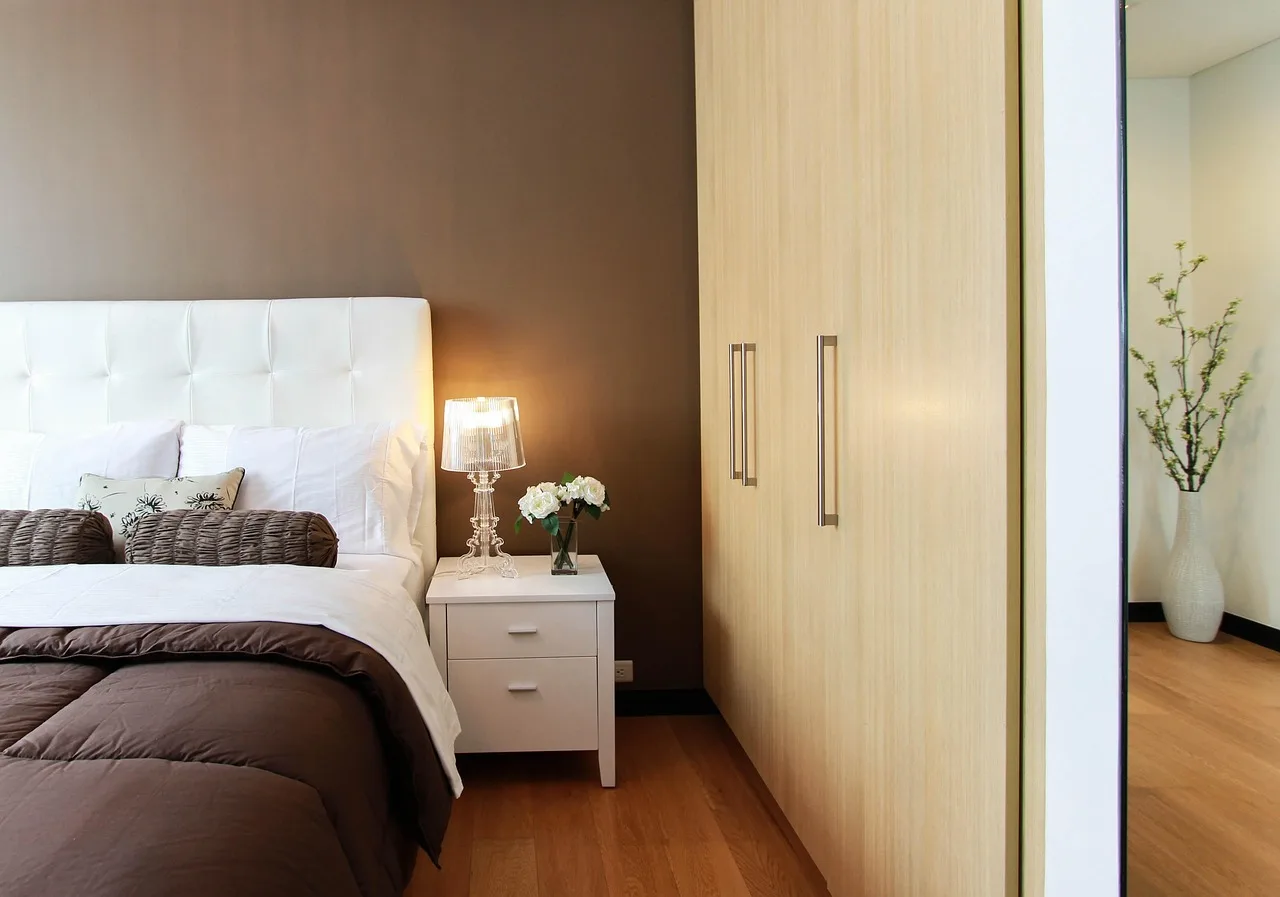
Light bedrooms go sterile when the walls are too cool, the finish is too shiny, and the room has too many hard surfaces. The fix is usually softer white, less glare, and warmer materials around the bed and windows.
Choosing soft whites, midtones, and satin or eggshell finishes
Soft whites with a hint of warmth usually read better than stark white in bedrooms. Midtones can be easier to live with because they keep brightness without the hard-edged feel of pure white.
Eggshell or satin can work in light rooms if you need durability, but too much sheen can bounce light around and make the room feel clinical. Matte softens the look, though it may need more care.
Using textiles to add depth
Layer bedding, curtains, and a rug with some contrast in texture, not only color. That gives the room weight without needing darker walls.
Keep the palette controlled. Too many bright whites can feel cold; one warmer fabric family usually settles the room down.
Window treatments and accent lighting that stop glare
Sheer curtains work when you want privacy and daylight, but they need support from dimmers and bedside lighting at night. Blackout curtains are better when sleep is the priority and outside light is a problem.
For accent lighting, use low-level lamps or sconces rather than a single bright ceiling source. That keeps the room from feeling flat in daytime and harsh after dark.
Frequently asked questions
Should a bedroom be light or dark?
It should be dark if the room gets strong daylight, you want less visual stimulation at night, or you like a cocooned feel. It should be light if the room is small, dim, or north-facing. Most rooms land in the middle and do best with a balanced palette.
Which light is better for bedroom?
Warm, dimmable light is usually better for bedtime because it is easier on the eyes and supports a calmer evening routine. Use cooler light only for short reading tasks if needed. A bedside sconce or task lamp is more useful than one bright overhead fixture.
Is a dark bedroom good for sleep?
Often, yes, because it reduces visual stimulation and makes the room feel quieter. It is not automatic, though. A dark room with bad lighting, no dimmer, or too little window control can still feel unsettling rather than restful.
Do light bedrooms feel bigger?
Usually they do, because pale walls bounce more light and keep corners visible. The ceiling can also read higher when the room is bright and the trim is lighter. That effect weakens if the room is overlit or full of glare.
How do I make a dark bedroom cozy instead of gloomy?
Use matte or eggshell paint, add warm layered lighting, and repeat a few textures in bedding and curtains. Keep furniture contrast visible so the room has shape. If the corners disappear, add low ambient light rather than more bright overhead light.
Can a dark bedroom work in a small room?
Yes, if the room has decent natural light, a simple furniture layout, and enough artificial lighting to keep the edges visible. Small dark rooms fail when the floor, walls, and ceiling all absorb light at once. Then the room reads closed in.
How do I choose between dark and light bedroom walls?
Score the room by window exposure, size, ceiling height, floor finish, sleep sensitivity, and maintenance tolerance. Low scores point to dark, high scores point to light, and middle scores point to balanced. Then fix the most likely failure with lighting and finish.
What colors work best in a light bedroom?
Soft whites, warm off-whites, pale taupes, muted beige, and gentle midtones usually work best. They keep the room bright without turning it stark. Avoid harsh cool white if the room already gets strong daylight or reflective flooring.
should a bedroom be light or dark
Choose dark when the room is bright, you sleep better with less visual activity, and you can control lighting with dimmers and blackout treatment. Choose light when the room is dim, small, or needs more bounce from existing daylight. Balanced is the safer middle when the room has mixed conditions.
which light is better for bedroom
Warm, dimmable, layered lighting is usually the best fit for sleep and wind-down time. Bedside sconces or task lamps give you reading light without flooding the room. If the bedroom is light-colored, keep glare low with shaded bulbs and softer ambient light.
Verdict
Choose a dark bedroom if your room is bright, you want a sleepier mood, and you can control lighting with dimmers, sconces, and blackout or heavy window treatments. Choose a light bedroom if the room is small, north-facing, low-light, or needs help feeling open. Choose a balanced palette when the room sits between those extremes or when you want the fewest surprises.
The most common dark-room mistake is weak lighting. The most common light-room mistake is glare and sterility. Fix those first, then let the wall color follow the room.
Products related to this article
Sponsored / affiliate links. As an Amazon Associate I earn from qualifying purchases. I may earn additional commission from eligible campaigns.