Blackout Curtain Review: Worth It for Bedrooms?
Blackout curtains are worth the extra cost for bedrooms that need near-total darkness, shift workers, light sleepers, nurseries, or sunrise-facing windows; if you mainly want privacy and glare control, room-darkening curtains are usually enough. Skip the right light-blocking level, and you can still wake early, sleep poorly, or pay for fabric that does not fix the problem. This review explains when blackout curtains earn their price, when room-darkening is the better buy, and why fit and mounting often matter more than the fabric rating.
Verdict
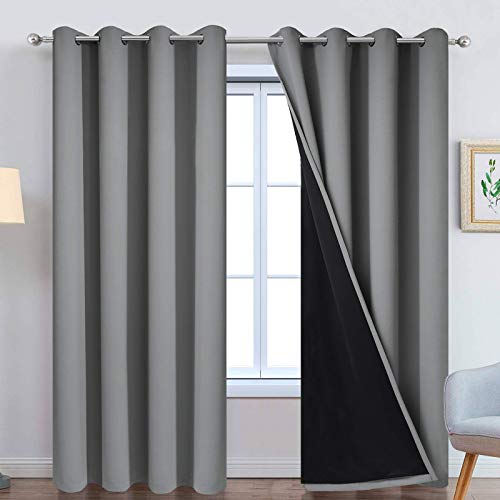
For bedrooms, the choice is less about the label and more about light control at the window. True blackout can help, but only if panel width, rod type, and mounting position keep side and top gaps small. Based on published product details and buyer feedback, Yakamok is the strongest fit here if you want a low-cost true-blackout setup with a black liner; it still needs careful sizing and solid mounting to work as promised.
Specs at a glance
| Item | What matters in a bedroom | Yakamok |
|---|---|---|
| Light blocking | Near-total darkness works best for sensitive sleepers | 100% blackout claimed; black liner |
| Construction | Multi-layer fabrics usually block more light than simple room-darkening cloth | 2 layers |
| Header | Grommets suit standard rods and are easy to hang | Silvery grommets |
| Care | Bedroom curtains should be easy to maintain | Machine washable in cold water |
| Best use case | Sleep-first bedrooms with strong exterior light | Bedrooms needing stronger darkening |
Who it
Blackout curtains are most useful when light interrupts sleep. A 2022 PNAS study found room light of 100 lux versus less than 3 lux affected sleep-related measures, which is why the difference between “dark enough” and “fully dark” matters in bedrooms. If a streetlight, dawn, or hallway spill reaches the bed, blackout fabric can be a real upgrade.
They are also worth considering for shift workers, children’s nap rooms, and any bedroom where a person sleeps at odd hours. For a guest room used only occasionally, or a calm bedroom with thick blinds already doing most of the work, room-darkening curtains may be enough.
Sleep sensitivity changes the value
Light sensitivity varies a lot. Some people sleep fine with filtered morning light. Others wake as soon as a window brightens. That gap is why blackout curtains are a high-value purchase for light-sensitive sleepers but only a modest upgrade for people who already sleep well in a dim room.
Suppose a child’s nap room faces east and brightens at 6:30 a.m. In that case, blackout curtains can do more than a decorative panel ever will. Suppose the same room already has opaque blinds and only gets brief afternoon glare. Then room-darkening fabric may be the better buy.
What works
True blackout is about much higher light blocking, not just darker fabric. The Rest Laboratory says many marketed blackout curtains block only 80 to 90 percent of incoming light, while true blackout blocks 99 to 100 percent. That difference matters most in bedrooms with sunrise, streetlights, or irregular sleep schedules.
Triple-weave fabric is a common construction language to watch for. The useful part is the multi-layer woven build, often described as having a hidden dark center layer that helps stop light transmission. Do not assume every “blackout” label uses the same method or blocks the same amount of light.
Privacy and UV protection
Blackout curtains are usually excellent for privacy because they stop visibility through the window at night. They also help with UV blocking, which matters near sunny windows where furniture, flooring, and textiles can fade over time. If the bedroom faces hard afternoon sun, that protection can justify the upgrade even when sleep is not the only concern.
Thermal value in hot or cold rooms
Thermal blackout curtains can help reduce summer heat gain and winter heat loss at the window, but they are not a substitute for good insulation or air sealing. They make the most sense in hot, sunny bedrooms, drafty rooms, or upper floors with strong sun exposure. In milder rooms, the thermal benefit is often secondary to the sleep benefit.
Why mounting changes the result
Fabric alone does not guarantee darkness. Side gaps, top gaps, short panels, and narrow rods can leave bright slivers that defeat a “blackout” panel. A wrap-around curtain rod helps by bringing the fabric closer to the wall and reducing perimeter light leakage better than a standard straight rod in some setups.
A common first-timer mistake is buying a panel that just barely covers the window. A 36-inch-wide opening with a single narrow panel can still leak morning light around both sides. A wider rod and fuller panels usually improve bedroom darkness more than moving from one similar fabric to another.
What does not?
Blackout curtains are not soundproof. They may soften some outside noise, but they should not be purchased for serious noise control. If sound is the main problem, window inserts, sealed blinds, or other acoustic treatments matter more than fabric thickness.
They can also look heavier than room-darkening panels. That is fine in a sleep-first room, but it can feel too closed-in in a design-first bedroom that depends on daylight, texture, and a lighter drape. Wirecutter’s 2026 guide also notes that the CB2 option is best for a breezy look but lets some light in, which is exactly the trade-off many style-first rooms make.
Fit mistakes that ruin performance
Undersized width is the most common failure. So is weak fullness. For better coverage, the combined panel width should usually exceed the window width, not merely match it. If the curtains are stretched flat across the opening, light leaks become obvious at the edges.
Bracket strength matters too. Heavier curtains need a rod and anchors that can support the load, especially with lined or thermal panels. Renters often need no-drill options, but those setups must still hold weight securely or the panels sag and create more gaps.
Blackout curtain decision matrix
| Bedroom scenario | Sleep value | Installation difficulty | Cost pressure | Design impact | Verdict |
|---|---|---|---|---|---|
| Street-facing adult bedroom | High | Medium | Medium | Low to medium | Buy |
| Renter bedroom | Medium to high | High | Medium | Medium | Upgrade installation |
| Child nap room | High | Medium | Medium | Low | Buy |
| Hot, sunny bedroom | Medium | Medium | Medium to high | Low | Buy |
Alternatives
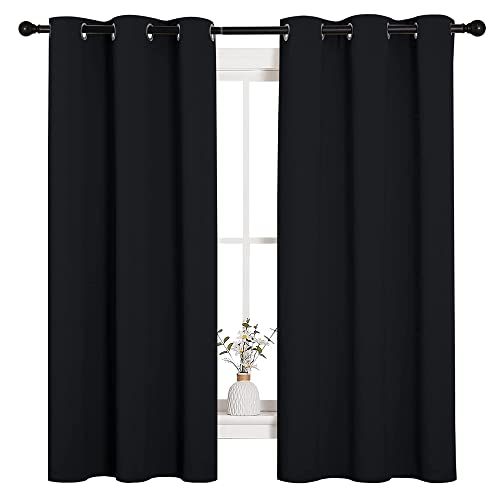
NICETOWN Blackout Curtains are a better fit when budget matters and you still want serious light control. The listed range of 85% to 99% light and UV blocking is broad, so the real-world result will depend heavily on fit and installation. They are best for buyers who can tolerate a little light leakage and want a lower-cost step up from room-darkening fabric.
Drawback: the “room darkening” wording signals that not every setup will feel truly blacked out, especially if your window has strong side gaps or shallow coverage.

Deconovo Living Room Curtains lean more toward style-first bedrooms. The silver wave dots foil print gives them a decorative look, and the thermal insulated build helps if the room runs hot. They make sense when you want some light control without the heavier visual feel of full blackout fabric.
Drawback: the decorative surface can be a poor match for people who need near-total darkness, and the panel’s room-darkening approach will not solve bright morning light as well as a true blackout setup.
Should you buy it?
Buy blackout curtains if your bedroom problem is light, not just window cover. That means sunrise wake-ups, shift work, naps, or a room that stays bright because of streetlights or reflective surfaces. If your bedroom already feels dark enough with existing blinds, room-darkening curtains usually give better value and a lighter look.
Buy
Choose blackout curtains when sleep matters more than daylight style, when the room faces strong sun, or when privacy after dark is non-negotiable. They are also a smart pick if fading is a concern for bedding, flooring, or furniture near the window.
Skip
Skip them if you mainly want a neater look, modest glare control, or a brighter bedroom during the day. In that case, room-darkening curtains or blinds may be enough, and you will avoid the heavier feel and extra cost of full blackout fabric.
Upgrade installation
Upgrade the mounting before you upgrade the fabric if the room leaks light at the edges. A wider rod, better overlap, and stronger brackets often improve darkness more than switching between two similar curtain fabrics.
How to install blackout curtains so they actually work
Start with coverage, not color. The rod should extend beyond the window frame so the panels can stack off the glass. That extra overhang reduces side leakage and helps the room get darker when the curtains are closed.
- Measure the window width and add rod overhang on both sides.
- Use enough panel fullness so the curtains do not stretch flat when closed.
- Hang the rod higher than the frame if the top gap is a problem.
- Choose a wrap-around rod when side light leakage is a major issue.
- Check bracket strength before buying heavier thermal or lined panels.
For renters, no-drill mounting can work, but only if the bracket system holds the curtain weight and still allows enough overhang. If the setup cannot support the load, the curtain will sag, gaps will widen, and the blackout claim will matter much less.
Who should buy blackout curtains?
Buy them if the bedroom has a real darkness problem. That includes sunrise exposure, shift work, children’s naps, and rooms where privacy at night is not enough because light also affects sleep. Skip them if the main need is a neat window finish or mild glare control.
For value, compare the curtain against cheaper substitutes. Room-darkening curtains can be enough for many bedrooms. Blinds plus liners can solve a specific light problem with less fabric bulk. A sleep mask is the lowest-cost option, but it does not fix the room for naps, kids, or shared sleeping spaces.
Frequently asked questions
Are blackout curtains worth it for a bedroom?
Yes, if the bedroom needs near-total darkness. They are most worth it for light-sensitive sleepers, shift workers, nurseries, and sunrise-facing rooms. If you only need privacy or softer morning light, room-darkening curtains are usually the better value and easier to live with.
Do blackout curtains really help you sleep better?
They can, especially when outside light reaches the bed. The benefit is strongest for sensitive sleepers.
What is the difference between blackout and room-darkening curtains?
Blackout curtains aim for near-total light blocking, while room-darkening curtains only reduce brightness. The Rest Laboratory says many marketed blackout curtains block only 80 to 90 percent of incoming light, so check the details carefully. Room-darkening is enough for glare control; blackout is for true sleep darkness.
Why do blackout curtains still let light in around the edges?
Because fabric is only part of the system. Light leaks through side gaps, top gaps, and undersized coverage even when the panel itself blocks well. A wider rod, taller mounting height, and fuller panels usually matter as much as the curtain label.
Are blackout curtains worth the extra cost for renters?
Sometimes, but only if the room has a real darkness problem. Renters often need no-drill solutions, which can limit weight support and increase the chance of gaps. If the setup cannot hold the curtain securely, a better-fit room-darkening curtain or a temporary rod may be smarter.
How do I install blackout curtains so they actually work?
Measure for overhang, not just frame width. Mount the rod wide enough that panels can stack outside the glass, and place it high enough to reduce top leakage. If the curtains are heavy, make sure the rod and brackets can carry the load without sagging.
Products related to this article
Sponsored / affiliate links. As an Amazon Associate I earn from qualifying purchases. I may earn additional commission from eligible campaigns.