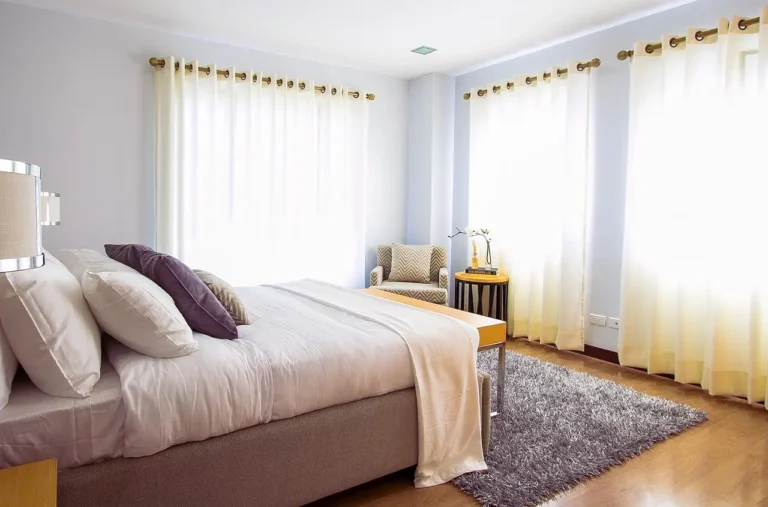
How to Create a Cozy Bedroom Reading Nook
Create a cozy bedroom reading nook by reserving about 30–36 inches for circulation, placing the seat beside a natural or task light source, and choosing a chair or bench with back support and a nearby surface. If you skip the layout, the corner will feel cramped, dim, and awkward to use. This guide covers layout, lighting, seating, storage, and small-space tweaks that keep the nook comfortable without crowding the room.
Planning your reading nook layout and essentials
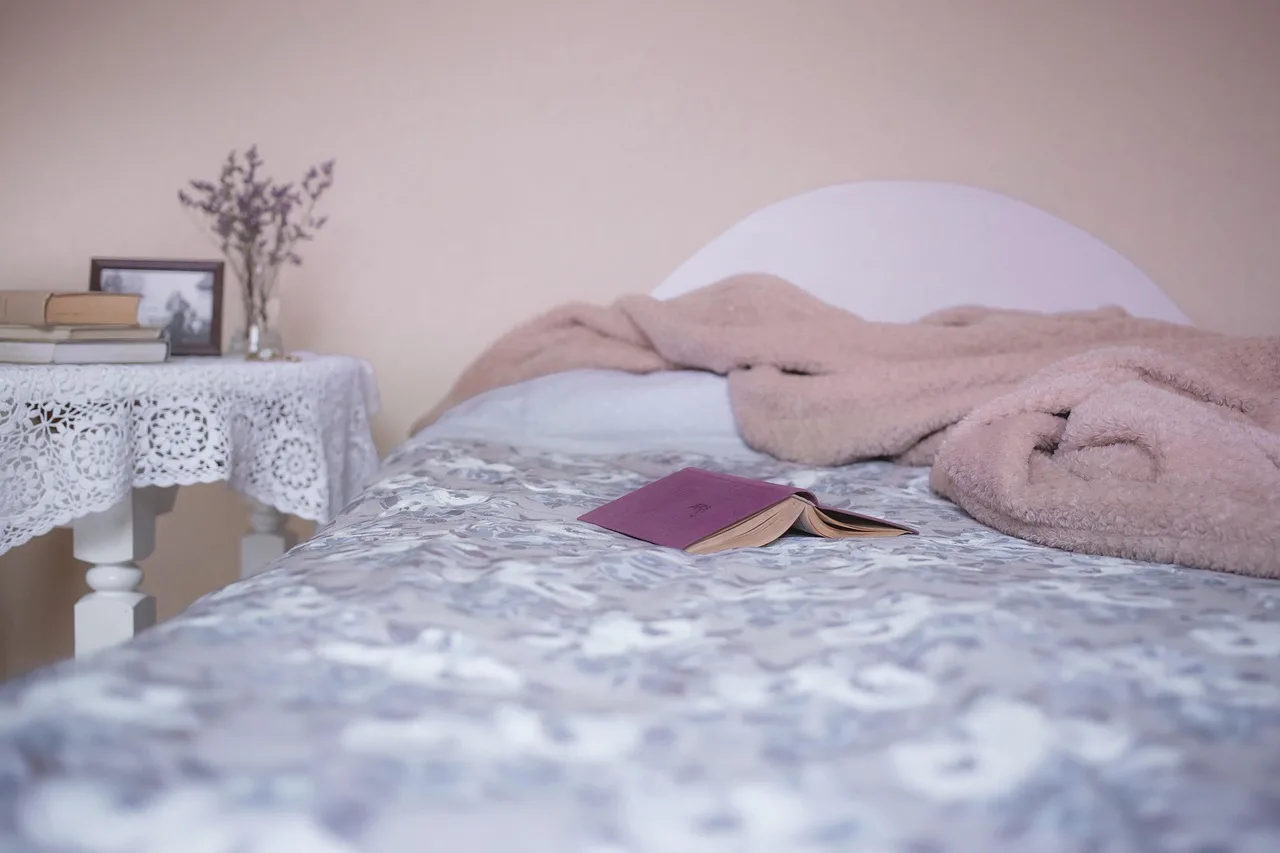


What you’ll need
- A seat that fits the corner: armchair, compact accent chair, bench, window seat, floor cushion, or bean bag
- A task light: floor lamp, wall sconce, clamp light, or clip-on book light
- A small surface for a drink, glasses, or a bookmark
- Book storage: floating shelves, slim bookcase, basket, side table, or storage ottoman
- Soft layers: throw blanket, cushions, pillows, rug, canopy, or curtain
- Painter’s tape or removable floor marking tape
- A tape measure
What to decide first
- Mark the room’s circulation path before you move anything. Leave 30–36 inches where you walk so the nook does not pinch the bedroom layout.
- Pick the nook’s job: quiet reading, daytime lounging, or both. A reading-only corner can stay tighter; a dual-use corner needs more room for turning, reaching, and sitting down.
- Set a comfort budget before you buy. Spend first on the seat and light, then add storage and textiles after the layout works.
- Lay out the footprint with tape on the floor. This quickly shows whether a chair blocks a closet door, dresser drawer, or bed edge.
Say your bedroom is 10 by 11 feet and the only open area is beside the bed. A compact accent chair with a slim side table may work better than a deep armchair, because the narrower seat protects walking space while still giving you a backrest.
Where should a reading nook go in a bedroom?

A common choice is a low-traffic corner with either daylight or nearby power. Window corners, alcoves, empty bedroom corners, under-stair areas, and bedside zones all work if the path to the bed, closet, and door stays clear. A reading nook should feel intimate, not crowded.
Compare the most common locations
- Window corner: good for daytime reading and a bright feel; watch for glare and cold drafts.
- Empty corner: easiest to fit in square or rectangular rooms and easiest to zone with a rug.
- Alcove: naturally defined and useful in rooms with an architectural recess or built-in opening.
- Under-stair area: efficient in homes with an odd-shaped bedroom layout.
- Bedside zone: convenient if you need the nook to double as a night-reading spot.
F1 and F2 matter here: reading nook ideas can use a bay window or an alcove, and they can also fit square or rectangular rooms. The shape matters less than the access. If you can sit without turning the room into an obstacle course, the spot is workable.
Check daylight, outlets, and noise
- Stand in the candidate spot at both daytime and evening hours.
- Confirm access to an outlet if the seat needs a plug-in lamp or charger.
- Check whether the corner sits near a hallway, closet door, or vent that adds noise.
- If the room is dim, choose a spot within reach of a lamp rather than relying on overhead light alone.
How do you choose the right seat?
The best chair for a bedroom reading nook depends on how long you read and how much floor space you can spare. For longer sessions, choose a seat with solid back and arm support. For shorter, casual reading, a bench or floor cushion can work if you can sit comfortably without sliding or hunching.
Match the seat to the use case
- Armchair: best for longer reading because it gives back and arm support.
- Compact accent chair: good for small bedrooms where depth must stay modest.
- Bench: useful beside a window or in a narrow nook, especially with cushions.
- Window seat: a strong option when the room already has a built-in ledge or bay window.
- Floor cushion or bean bag: works for casual lounging, but it is weaker for posture over time.
IKEA’s reading nook page lists 62 items, and its examples include the POÄNG low-back armchair and the STRANDMON wing chair with ottoman. That is a useful reminder that “cozy” does not require oversized furniture. The seat still needs enough depth to sit back naturally without blocking movement.
Check back support, arm support, and depth
- Sit all the way back and see whether your upper back rests against the chair without slumping.
- Check whether your elbows can rest or relax without reaching forward.
- Make sure the front edge of the seat does not force your knees into the bed path or drawer path.
- If the chair feels too deep, add a firm cushion behind the lower back rather than piling on soft pillows.
Suppose a 28-inch-deep chair fits the corner visually but pushes into the walkway when you pull it out. That is a layout failure, not a style problem. A slimmer seat or a bench with a wall-hugging profile will solve more than extra decor will.
How do you light it for night reading?
Night reading needs warm white light around 2700K to 3000K, placed so it reduces page shadows and eye strain. A reading nook should not depend on one overhead fixture. A task light aimed from the side or slightly behind the shoulder usually works better.
Choose the fixture type
- Floor lamp: good when the seat sits away from the wall or needs a flexible arc.
- Wall sconce: helpful in tight rooms because it keeps the floor clear.
- Clamp light: useful when you have a shelf, headboard, or ledge nearby.
- Clip-on book light: best as a backup or for rental setups with limited wiring access.
DecorMatters names 2700K to 3000K as a useful warm-light range. Aim the beam so the book page stays lit without washing out the whole corner. If the light is behind you, it can create a shadow across the page. If it is too far forward, it can glare into your eyes.
Place the light to avoid shadows
- Put the lamp slightly to the side of your dominant reading hand.
- Raise or lower the shade until the page is bright but not harsh.
- Test the angle while seated, not while standing.
- If the lamp still throws a shadow, move it 6 inches at a time and recheck the page.
How do you make a reading nook feel cozy without taking up space?
Use soft textiles, a restrained palette, and one clear visual boundary to make the nook feel finished without making it bulky. Layering works best when each piece has a job, such as warmth, quieter sound, or better posture. The goal is calm, not clutter.
Use textiles with a job
- Throw blanket: adds warmth and gives the seat a finished look.
- Cushions and pillows: help tune back support and arm comfort.
- Rug: softens sound and marks the nook as its own zone.
- Canopy or curtain: can visually frame the space, especially in a larger bedroom.
Choose washable, durable fabrics for daily use. That matters more than a delicate texture that only looks good on day one. In a bedroom, the reading corner should stand up to blankets, book stacks, and regular use without feeling fussy.
Keep the palette calm
Warm neutrals, muted earth tones, soft contrasts, and layered textures fit most bedroom decor better than high-contrast mixes. If the bedroom already feels restful, echo that mood in the nook instead of making it a separate design statement. Two or three coordinated tones are usually enough.
What should you put in a bedroom reading nook?
Start with the basics that support use: a seat, a light, a surface, and book storage. After that, add comfort layers. The best setup keeps current reads close, gives you a place for a drink, and avoids making you leave the nook every time you need a charger or bookmark.
Build around storage and a small surface
- Floating shelves: preserve floor space and suit a rotating stack of books.
- Slim bookcase: works when you can spare a narrow wall section.
- Basket: simple for current reads and blankets.
- Side table: handles a drink, glasses, and a reading lamp.
- Storage ottoman: gives hidden storage and a perch for feet or a tray.
Centris notes that a bedroom reading nook can be a couch, chair, or bench, and recommends cushions, a throw, and a table. That matches a practical priority order: keep the books and light within reach, then add softness after the layout is stable.
Use vertical storage when floor space is tight
Floating shelves are the easiest way to store a current stack without taking up walking room. Keep only the books you are actively reading plus one or two backups. A small rotation keeps the corner from turning into a catchall.
Best reading nook setup by bedroom type
This decision table helps you match the nook to the room instead of forcing one setup everywhere. The right choice depends on circulation, light, and how much floor space you can give up. Use it as a quick filter before buying anything.
| Room size | Best seating | Best lighting | Storage choice | Estimated footprint | Main failure risk |
|---|---|---|---|---|---|
| Tiny bedroom | Compact accent chair or floor cushion | Clip-on book light or wall sconce | Floating shelves or basket | About one chair width plus a slim side table | Blocking the bed path |
| Windowed room | Window seat or bench | Floor lamp for night use, daylight by day | Storage ottoman or shelf below the window | Bench depth plus access space in front | Glare or drafts at the window |
| Renter room | Armchair or compact accent chair | Clamp light or floor lamp | Basket or side table | One seated zone with no wall changes | Depending on permanent wiring or built-ins |
| Shared bedroom | Bench or small chair | Wall sconce or clip-on light | Slim bookcase or floating shelves | Tight corner zone with clear circulation | Visual clutter in a room that already has two uses |
| Low-light room | Armchair with supportive back | Floor lamp with warm white output | Side table with a small stack | Seat plus lamp reach and surface space | Trying to rely on ambient light alone |
Common mistakes
Most bad reading nooks fail because they look finished before they function well. A pretty corner that blocks a drawer or throws page shadows is still a bad nook.
- Overfilling the corner. Keep the footprint intimate and leave the walking route clear.
- Choosing the wrong light. Use warm white light around 2700K to 3000K and place it to avoid page shadows.
- Skipping storage and a surface. Add a small table, basket, or shelf so the nook can hold a book and a drink.
- Picking soft seating with no support. A chair that looks inviting but lacks back support becomes tiring fast.
- Using decor before layout. The seat, light, and circulation path come before extra pillows or styling pieces.
A common first-time mistake is treating every empty corner as fair game. If the nook sits beside a closet that opens into the same space, the chair may need to move every time you dress. Tape the footprint first, then decide whether the room still works.
Frequently asked questions
How do I design a reading nook in a small bedroom?
Use the smallest seat that still supports your posture, then add a wall-mounted or clip-on light to keep the floor clear. A basket or floating shelf handles books without taking over the room. Keep 30–36 inches of circulation open so the nook stays usable every day.
What is the best chair for a bedroom reading nook?
For longer reading, choose an armchair or compact accent chair with a back you can lean into. If the room is tight, a bench near a window can work well with cushions. A chair should fit the corner without forcing you to sidestep around it.
How do I light a reading nook for night reading?
Choose warm white light around 2700K to 3000K and place the fixture so the page gets light from the side, not from behind your shoulder. A floor lamp, wall sconce, clamp light, or clip-on book light can work if glare stays low.
What are some bedroom reading nook ideas for renters?
Use furniture and lighting that do not require permanent changes: a compact chair, a floor lamp, a basket, and removable shelves if allowed. A renter-friendly nook should rely on portable pieces, not built-ins or rewiring. That keeps the setup flexible when you move.
How do I decorate a reading nook so it feels relaxing?
Repeat the bedroom’s calm colors in the nook and add only a few soft layers. A throw, one or two cushions, and a rug are usually enough. Keep the palette in warm neutrals or muted earth tones so the corner feels restful instead of busy.
Products related to this article
Sponsored / affiliate links. As an Amazon Associate I earn from qualifying purchases. I may earn additional commission from eligible campaigns.
 Acovy 40 Inch Floating Shelves, 12" Deep Floating Shelf Wall Mounted, 40" Wall Shelves, Rustic Deep Bookshelf, Extra Deeper & Thicker Display Shelves for Bedroom, Living Room, Oak, Set of 2
 Acovy 24 Inch Floating Shelves, 12" Deep Floating Shelf Wall Mounted, 24" Wall Shelves, Rustic Deep Bookshelf, Extra Deeper & Thicker Display Shelves for Bedroom, Living Room, Brown, Set of 2