Can You Put a Desk in a Bedroom?
Yes, if you keep about 24 to 30 inches of clear walking space and avoid placing the desk in your direct sleep sightline, a bedroom can hold one without hurting flow. A poor layout can crowd circulation, make bedtime feel busier, and blur work and sleep. This guide covers placement, desk size, and desk types so you can fit one into your room.
Designing a bedroom desk that prioritizes sleep
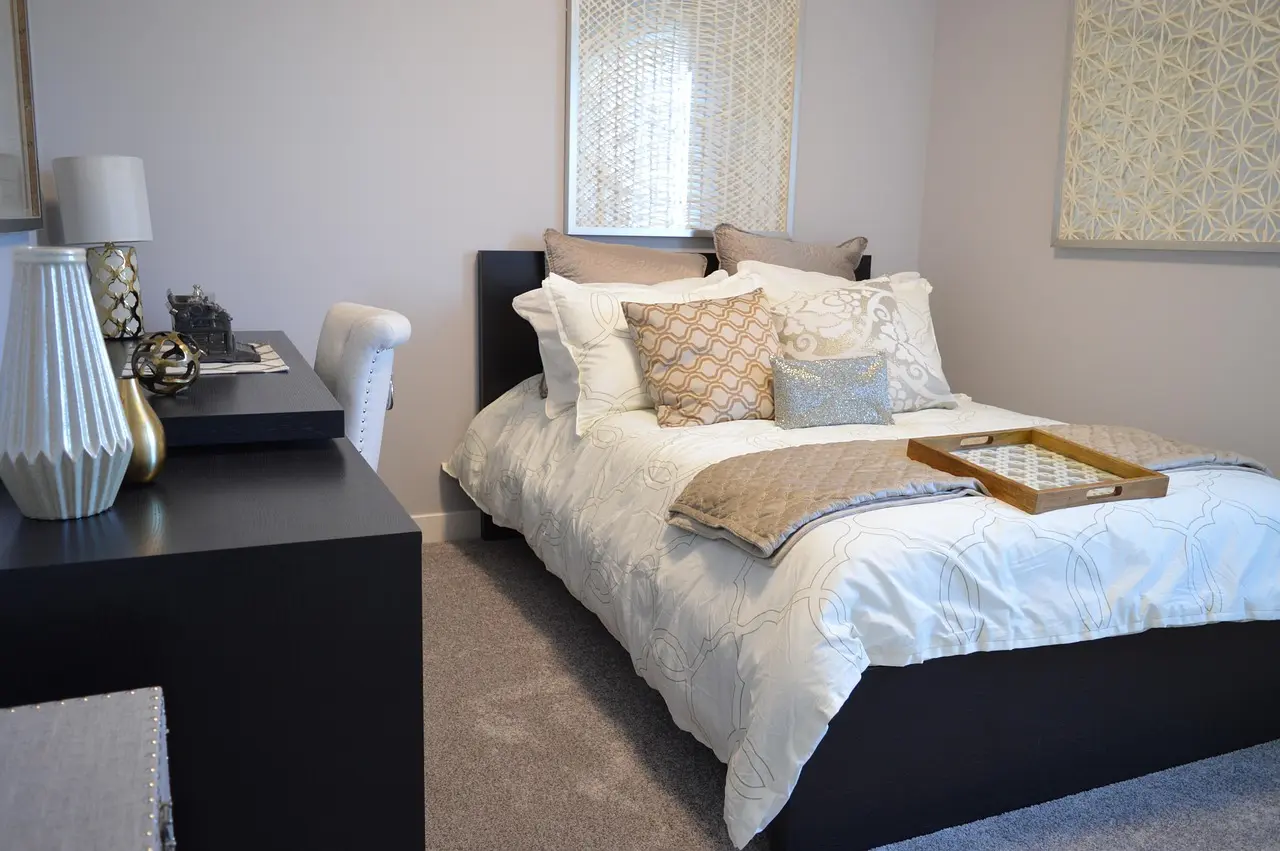


Yes. A bedroom can support a desk when the layout protects sleep first, leaves room to move, and gives the chair space to pull out. The best setups use dead space, a solid wall, or a niche that would otherwise stay unused.
The problem is usually not the desk itself. The trouble usually starts with a bad fit: a blocked door swing, a chair that takes over circulation, glare at the wrong hour, or a surface that still looks active after work ends.
When a bedroom desk works well
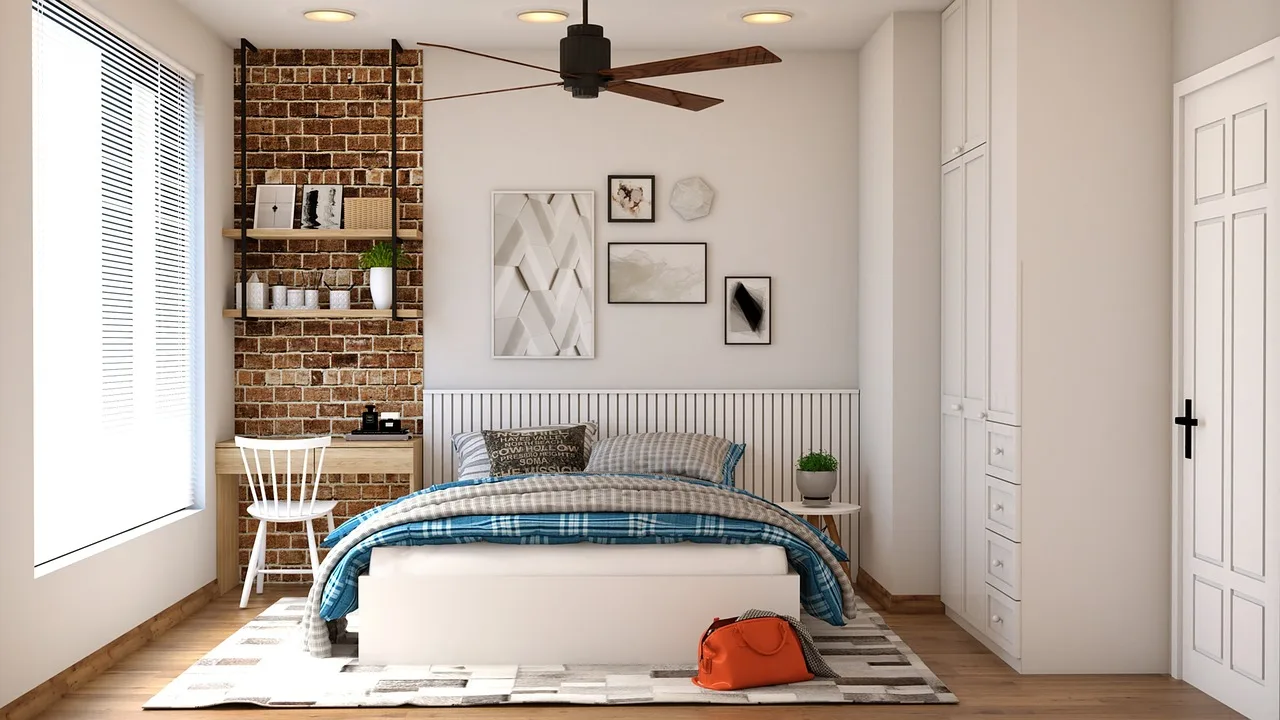
A desk works best when the room has one clear work zone and one clear sleep zone. That usually means the bed keeps its main wall, the desk goes on a side wall or in a corner, and the path from the door to the bed stays open.
It also works better when the desk type matches the work pattern. Full-time work needs a steadier setup. Part-time work can often use a fold-down surface or a smaller desk that is easier to clear at night.
When the layout is too tight
If the room cannot hold both the desk and the chair without cutting into the walking path, the setup is too tight for a standard desk. That is especially true when a wardrobe door, closet door, or balcony door already uses the same floor space.
In a very small room, a desk can still work, but the type changes. A nightstand replacement desk or a wall-mounted surface may fit where a freestanding desk will not.
What a sleep-first setup means
A sleep-first setup keeps the bed visually dominant, keeps work materials contained, and keeps the chair and cables out of the nightly route to the bed. It also avoids placing the screen where bright light or late-evening reflections keep your eye engaged.
That usually means the desk sits near the wall, not floating in the center, and the room still reads as a bedroom when the laptop closes.
Bedroom desk decision table
| Room shape | Bed position | Window placement | Recommended desk type | Minimum clearances | Likely failure point | Sleep-first feel? | Recommend? |
|---|---|---|---|---|---|---|---|
| Narrow rectangle | Bed on the longest wall | Window on the short wall | Floating desk | 24 to 30 inches of walking space; 45 to 55 centimetres depth | Chair blocks the passage beside the bed | Yes, if the desk stays on a side wall | Yes |
| Square room | Bed centered on one wall | Window beside the bed or across from it | Corner desk | At least 90 centimetres clear on each side of the corner | Corner feels cramped if the chair cannot slide back | Usually, if the chair stays in the corner zone | Yes |
| Small room with closet | Bed on one wall, closet on another | Window opposite the closet | Cloffice | Closet depth 75 centimetres or deeper | Shallow closet leaves no knee or chair room | Yes, if the closet door stays visually closed or open only during work | Yes |
| Very small room | Bed against the longest wall | Window not directly behind the monitor | Nightstand replacement desk | Width 60 to 80 centimetres; keep bedside access open | Surface becomes a catchall for both work and sleep items | Yes, if storage stays minimal | Yes |
| Room with one dead corner | Bed leaves a free corner | Window on a different wall | Corner desk | At least 90 centimetres clear on each side | Monitor sits too close to the wall or the door | Usually, if the desk does not face the bed | Yes |
| Bed under window | Bed under the window, desk on side wall | Window used for side light only | Floating desk | Keep monitor out of direct window glare and leave 24 to 30 inches of walking space | Screen reflections and tight bed access | Sometimes | No |
| Bed opposite closet | Bed faces the closet door | Window on adjacent wall | Fold-down desk | Clear closet swing plus chair pull-out room | Desk and chair compete with closet access | Only if the desk closes away fully | No |
| Centered bed, one usable wall | Bed centered on one wall | Window on the remaining wall | Nightstand replacement desk | Keep the usable wall open and avoid crowding the bed side | Surface becomes too narrow for both work and bedside use | Sometimes | No |
| Alcove or niche | Bed elsewhere, niche left open | Window outside the niche | Floating desk | Match niche width to the chair and desk depth | Low ceiling or tight side walls make the chair awkward | Yes, if the niche reads as a separate work zone | Yes |
| Oversized bedroom | Bed can stay centered or float off the wall | Window can be treated as secondary light | Center placement | Preserve clear circulation around the desk and bed | Desk becomes too visually dominant if the zone is not anchored | Yes, if the room stays balanced | Yes |
Where should a desk go in a bedroom?
A desk should go where it interferes least with circulation and least with sleep. In most rooms, that means along a solid wall, in a corner, or inside a closet rather than in the middle of the floor.
Along a solid wall
This is the safest default. A floating desk works especially well here because it has no legs taking up floor space, but it needs stud support and a solid wall. The best depth is 45 to 55 centimetres for most laptop and single monitor setups, while a deeper 60-centimetre surface suits a large monitor or books beside a laptop.
Width matters too. A desk that is 80 to 100 centimetres wide works for focused work, while 120 centimetres gives room for a monitor, notebook, and cup without crowding.
Near a window without glare
Window light can help during the day, but monitor glare is a real placement factor. Midday light can wash out the screen and make work feel harder than it should.
Place the desk so the window is beside the screen, not directly behind it or directly in front of it. That cuts reflections and keeps the monitor easier to read during work hours.
In a corner or dead space
Corner placement is useful when the room has an awkward angle or a gap between bed and closet. A corner desk uses dead space, but it needs at least 90 centimetres of clear space on each side of the corner.
In a tight corner, an L-shaped desk with a short return is often easier to live with. Put the monitor on the longer side. Use the shorter side for notes or a lamp.
Can a desk sit in the middle of the room?
Only when the room is large enough to support it without shrinking circulation. A desk in the middle usually works better in a studio or a very large bedroom than in a typical sleeping room.
In a small bedroom, a center placement usually breaks the sleep-first feel. It also creates two circulation problems at once: the desk is visible from the bed, and the chair footprint becomes part of the room’s main path.
How do you choose the right desk size?

Choose desk size from the room outward, not from the product first. Start with the chair footprint, then the wall or corner, then the width and depth that leave walking space and bedtime access intact.
-
Measure the chair first. The chair footprint must be measured before buying the desk because pull-out space changes the real size of the setup. A chair that seems compact can still make a desk unusable if it blocks the doorway or wardrobe.
-
Match desk depth to the task. Use 45 to 55 centimetres for a laptop or single monitor setup, and move to about 60 centimetres if you need a larger monitor or books beside the laptop. Too little depth forces the screen too close.
-
Match width to the surface load. A width of 80 to 100 centimetres suits focused work, while 120 centimetres gives more room for spread-out papers or a second device. Wider is not always better in a bedroom, because extra width can cut into the walking path.
-
Check the desk height. Most adults should place the desk surface 72 to 76 centimetres from the floor. That range helps the surface line up with a typical seated work position before you fine-tune the chair height.
Floating desk dimensions
A floating desk is wall-mounted, has no legs taking up floor space, and works well when the room needs a lighter footprint. It is best on a solid wall with stud support.
For most laptop and single monitor setups, 45 to 55 centimetres of depth is the useful range. For a larger monitor or books, about 60 centimetres is better.
Fold-down desk dimensions
A fold-down desk suits part-time work-from-home use because the room can look like a bedroom again after the surface closes. It should have at least 40 centimetres of depth when open, and its weight rating should hold a laptop and books.
Inside storage is useful here. Pens, cable clips, and notebooks can live inside the unit instead of on the floor or bedside table.
Corner desk dimensions
A corner desk works best when the room has a corner that would otherwise stay empty. It needs at least 90 centimetres of clear space on each side of the corner.
If the corner is tight, choose an L-shaped desk with a short return. Put the monitor on the longer side so the main screen space stays open, and use the shorter side for notes or a lamp.
Nightstand replacement size
A nightstand replacement desk is useful in very small bedrooms because it does two jobs. It often works at 60 to 80 centimetres wide and should sit close to nightstand height or slightly higher.
It also needs a drawer or tray for bedside items. Without that storage, the desk tends to collect the objects that should have stayed beside the bed.
How do you keep the room from feeling like an office?
Keep the workspace easy to close at night. That means the surface stays clear, the chair has a parking spot, and anything work-related has a contained place to disappear into.
Storage that clears the surface
Use drawers, trays, or a fold-down lid so the desktop does not become a permanent catchall. If the room already has a dresser and wardrobe, skip extra bulky storage unless it solves a specific problem.
For a cloffice, a shelf above the desk and a drawer unit below can help the closet read as organized rather than cluttered. The main point is containment, not decoration.
Lighting that works for day and night
Good lighting matters because a dim bedroom desk pushes the eye harder. A desk lamp helps at night, while daylight should come from a side angle that avoids glare on the monitor.
If the window is the only strong light source, adjust the desk angle before adding more furniture. Placement usually fixes glare better than extra accessories do.
Ways to hide the work zone after hours
A fold-down desk closes. A floating desk can go quiet with the chair tucked away and the surface cleared. A cloffice can hide behind a door or curtain if the room allows it.
Say your bedroom is 10 feet by 12 feet and the bed already uses the best wall. A 120-centimetre desk across from the bed may look tidy during the day, but if the chair blocks the dresser door, the room will still feel crowded at bedtime.
What should you check before you buy?
Before buying, check the chair footprint, the door swing, the closet clearance, outlet access, and the wall type. These details decide whether the desk is merely attractive or actually usable.
-
Map the circulation path. Keep at least 24 to 30 inches of clear walking space where people move most often. That path usually runs from the door to the bed and to the wardrobe.
-
Check door and drawer swings. Open the bedroom door, wardrobe doors, and dresser drawers at full swing before choosing a desk location. A desk that blocks one of these openings becomes a daily frustration.
-
Locate outlets and cables. Place the desk close enough to reach power without stretching cords across the floor. Keep cable routing out of the main path so the setup stays safe and easy to clean.
-
Confirm wall and rental limits. Floating and fold-down desks need wall mounting, so check for studs and any landlord rules before drilling. If drilling is restricted, use a freestanding solution or a desk that does not require wall anchoring.
A common first-timer mistake is choosing the desk before the chair. The desk may fit on paper, but once the chair is pulled back 24 inches or more, the setup can block the wardrobe or sit too close to the bed.
Frequently asked questions
How do you fit a desk in a small bedroom without losing sleep space?
Use dead space first: a wall, a corner, or a closet. Choose a floating desk, fold-down desk, or nightstand replacement if a freestanding desk would cut into the walking path. Keep the bed wall visually calm so the room still reads as a bedroom at night.
Where should a desk be placed in a bedroom?
Place the desk along a solid wall, in a corner, or in a closet if the depth allows it. Avoid putting it where the chair blocks the door, wardrobe, or the path beside the bed. Keep monitor glare in mind when the window gets strong midday light.
Can you put a desk in the middle of a room?
Only if the bedroom is large enough to preserve clear circulation around it. In a small room, a center desk usually disrupts the sleep-first feel and makes the chair part of the main pathway. A wall, corner, or closet usually works better.
Can you put a console table in a bedroom?
Yes, a console table can work as a light-duty desk if it is the right height and has enough depth for the task. It is usually better for a laptop and notebook than for full-time work. Make sure the chair fits underneath and that bedside access stays open.
Can you put a coffee table in a bedroom?
A coffee table can hold a laptop briefly, but it usually sits too low for comfortable desk use. It tends to force poor seated posture and can crowd the room without solving the work-surface problem. It is better as a temporary landing spot than a real desk.
Can you put a desk in a living room?
Yes, a living room can take a desk if you want work away from the sleep zone. The same rules still apply: keep circulation open, manage glare, and choose a desk that fits the room’s use after hours. A smaller, cleaner-looking desk usually works best there.
Products related to this article
Sponsored / affiliate links. As an Amazon Associate I earn from qualifying purchases. I may earn additional commission from eligible campaigns.