5 Best Bedroom Layout Ideas for Small Rooms: research shows
Best Bedroom Layout Ideas for Small Rooms start with the room shape: use a side-wall bed in long rooms, a centered bed in square rooms, and only one major storage wall. Bad planning blocks doors, cuts walking space, and turns small bedrooms into clutter traps. This guide breaks down the best layout by room shape, bed size, storage tradeoffs, and realistic furniture picks for homeowners and renters.
Quick comparison
| Product | Badge | Best for | Price | ||
|---|---|---|---|---|---|
 |
Bekeknlny Twin Size Murphy Bed with Fold-Down Desk &Bekeknlny | Our pick | Twin size Murphy bed with fold-down desk | $425.00
Price as of 24 Sep 2026
|
View |
 |
Cozynome Twin Loft Bed with L‑Shaped Desk, RGB LED Lights,Cozynome | Budget pick | Twin loft bed with L-shaped desk and RGB lights | $249.99
Price as of 24 Sep 2026
|
View |
 |
Bed Risers 4 Inch, Heavy Duty Square Furniture Frame Lift,Ihomepark | Pair with it | 4-inch heavy duty square bed risers | $17.99
Price as of 24 Sep 2026
|
View |
 |
IAE Wall Mounted Folding Desk,Floating Computer Desk forIAE | Also great | 36-inch wall mounted folding desk | $99.00
Price as of 24 Sep 2026
|
View |
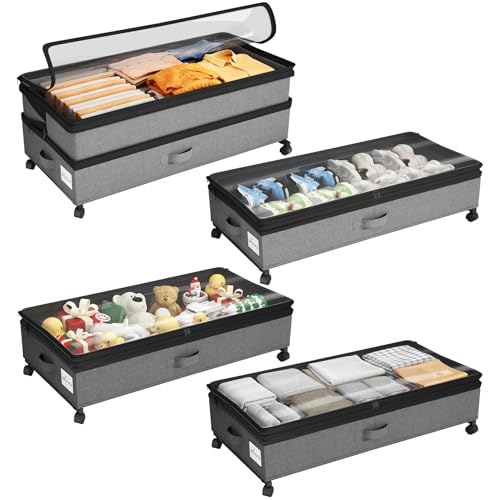 |
Kitstorack 4 Pack Height-adjustable Under Bed Storage withKitstorack | Upgrade pick | Height-adjustable under bed storage containers with wheels | $69.99
Price as of 24 Sep 2026
|
View |
The best all-around pick for most square rooms is a centered bed with wall-mounted storage. For long or awkward rooms, a side-wall or corner-biased plan usually wastes less circulation space and creates fewer conflicts with doors, closets, and bedside access.
According to 12 clever small bedroom layout ideas to maximize space and style … — It lists 12 small bedroom layout ideas in total.
How we chose
The ranking starts with room shape and traffic flow, because a layout can look fine on paper and still fail when a closet door hits the bed.
Bed size matters next. A twin, full, or queen changes how much side clearance remains and whether both sides of the bed stay usable.
Storage gain is weighed against comfort loss. A corner bed may free floor area, but it can make one side hard to reach and turn lamp placement into a nuisance.
Renter-friendliness and install difficulty matter too. Wall-mounted pieces save floor area, but they are harder to reverse and may need a landlord’s approval.
Centered bed with wall-mounted storage: best for square rooms
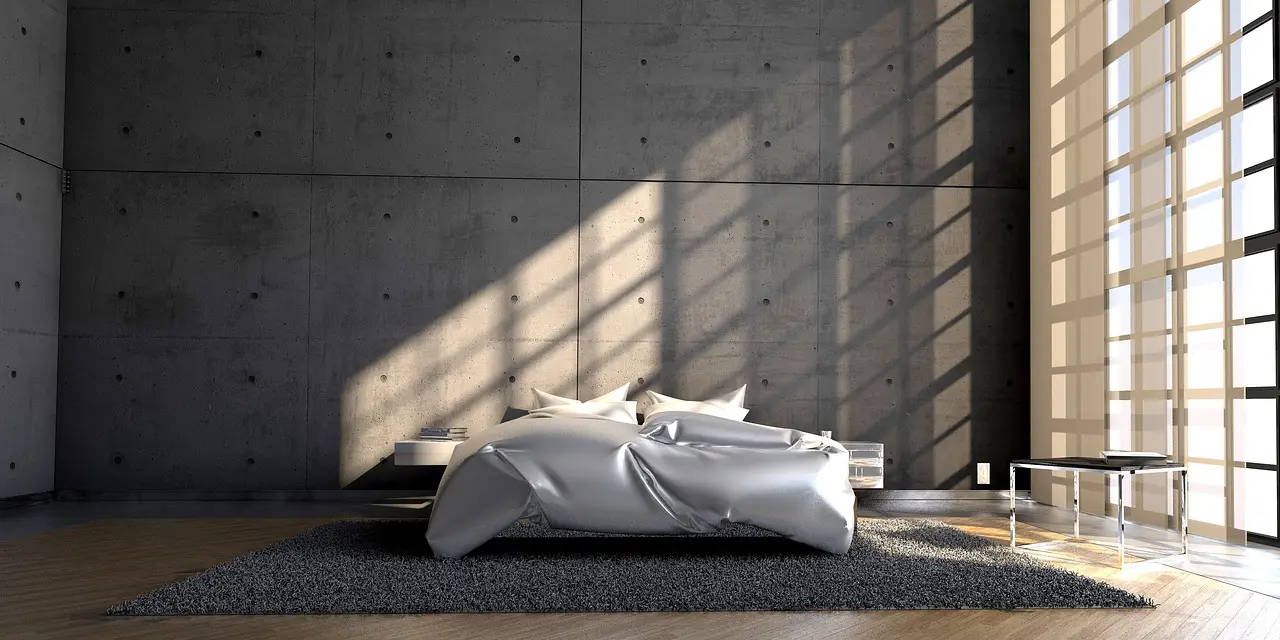
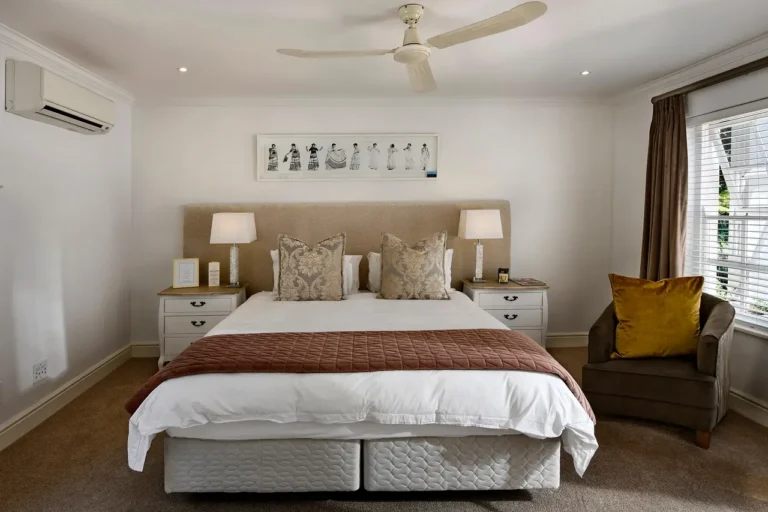
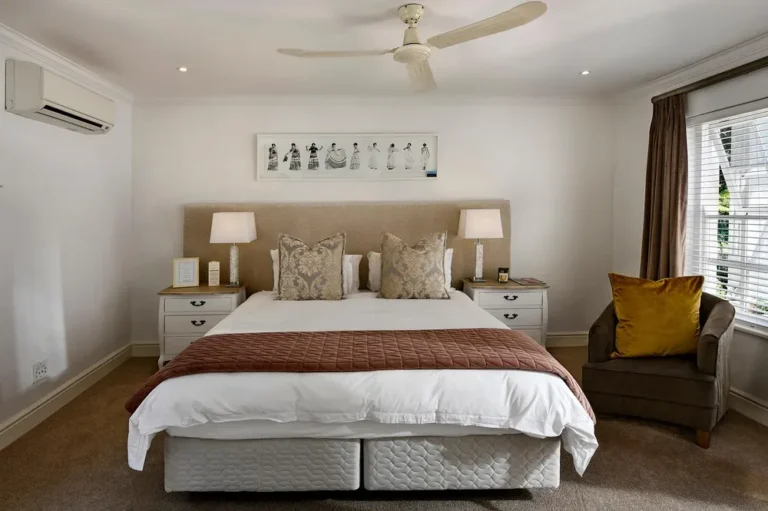
This is the best all-around layout for a compact square bedroom. Place the bed centered on the main wall, keep both sides open if possible, and move storage upward with wall-mounted nightstands, shelves, and lighting.
When this layout works best
It works best when the room is roughly square, the closet is not directly behind the bed, and the door swing does not cut through the main circulation path. It is also the cleanest fit for primary bedrooms, because both sides of the bed remain usable for lamps, charging, and daily access.
For room planning, start with a floor plan that includes room dimensions and key architectural features. Mark windows, doors, closets, ensuite entries, fireplaces, and vents before choosing furniture so you can plan around the room’s fixed features. A sketched plan on paper is enough to catch problems early.
What to use beside the bed
Use wall-mounted nightstands if the floor is tight. Pair them with floating shelves or slim shelves for books and a charger, then add wall-mounted lighting so the tabletop does not need to carry the lamp.
That combination frees floor area and makes the room feel less crowded. The tradeoff is installation complexity, especially in rentals, where mounting hardware may be hard to reverse.
Common mistakes to avoid
Do not center the bed if the closet door then clashes with the frame. Do not place a bulky dresser beside the bed when a wall-mounted option would protect walking space. And do not ignore the natural light source; the bed should not block the best window view unless there is no other workable plan.
Homebuilding frames small-room planning around separate zones and flexible room divides, and that approach fits this layout well when the room must handle sleep plus dressing or reading. It also notes that an ensuite door should be positioned far away from the bed, which is worth keeping in mind during layout decisions.
Corner bed with open floor area: best for narrow rooms
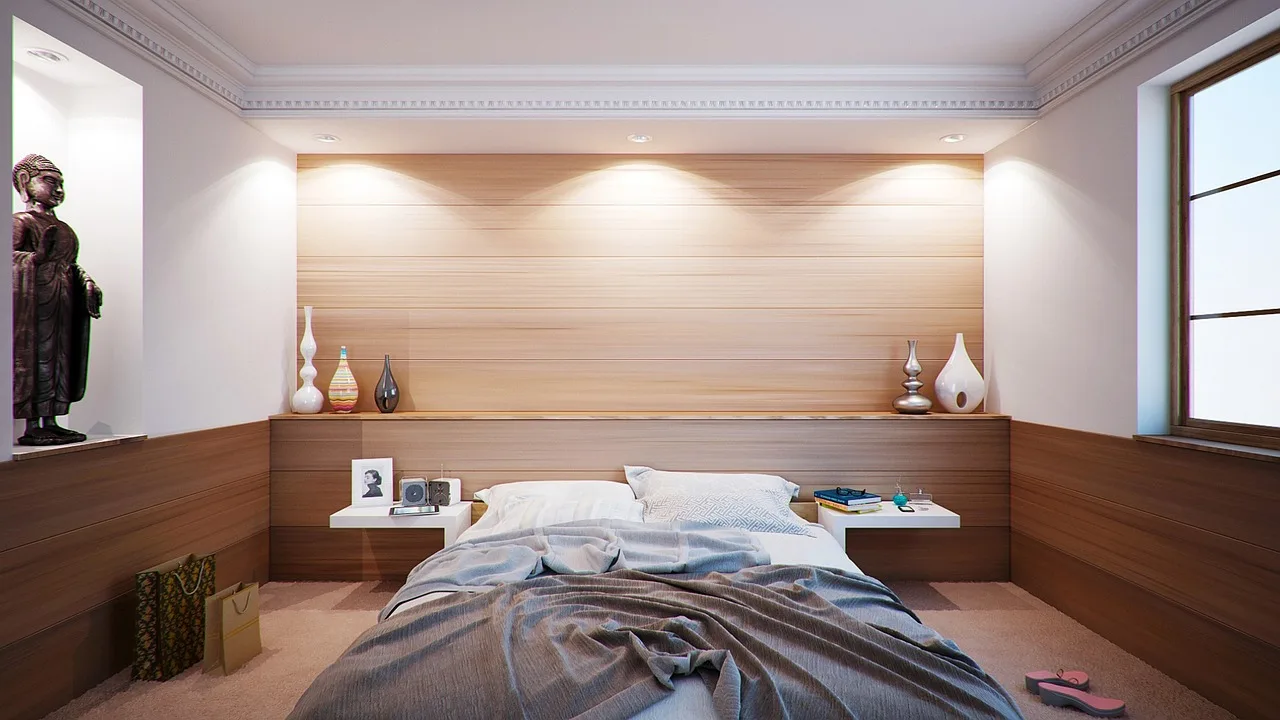
A corner bed can work in a narrow room when the main goal is to keep one side of the room open for movement, a dresser, or a desk. It saves floor area, but it usually gives up some comfort and bedside symmetry.
When a corner bed makes sense
This layout is useful when the room is long and narrow, the closet sits on the opposite wall, and the bed would otherwise choke the path from the door to the storage area. It is also a reasonable choice for guest rooms that are used lightly and do not need both sides of the bed every day.
A corner bed can also help if the room has an awkward window or radiator and the centered position would block it. In that case, preserving circulation matters more than perfect symmetry.
How to keep bedside access workable
Keep a narrow clear path on the open side of the bed, and use a small wall shelf or swing-arm light if a full nightstand will not fit. If the bed is pushed into a corner, choose a layout that still lets one person enter and exit without climbing over storage.
For light and visual openness, keep the bed frame simple and raised on legs if possible. Light bedding and a low-profile headboard help the room feel less crowded than a heavy upholstered frame.
Where this layout fails
It fails when the bed blocks closet access, when the only outlet is buried behind the mattress, or when both people need bedside access every night. It also tends to make bedside lamp placement awkward, which is a common complaint in small primary bedrooms.
If the room is a primary bedroom and both sleepers want easy access, a corner bed is usually the wrong tradeoff. The storage gain is real, but the comfort loss can be constant.
Murphy bed layout: best for studio-style sleeping areas
A Murphy bed makes sense when the room must switch roles during the day. It is strongest in studio-style sleeping areas, guest rooms that double as offices, and rental spaces where the floor must stay open for work, exercise, or play.
When the bed should disappear
Choose a Murphy bed when sleep is not the only job of the room. If the space needs to hold a desk, workout area, or clear play floor during the day, hiding the bed can free the room in a way that a standard frame cannot.
The best fit is a room with one wall that can take the wall cabinet and enough front clearance for the bed to fold down safely. In a cramped room with no clear landing zone, the mechanism becomes more trouble than it is worth.
What furniture pairs well with it
Pair it with a folding desk, a narrow side chair, or a storage bench that can move out of the way. The most practical companion is a wall-mounted, foldable desk, because it preserves floor area and works well in a room that changes use.
Built-in shelving beside the Murphy unit can hold bedding and chargers. Hidden charging spots and a hamper zone help keep the wall clear when the bed is folded up.
Daily-use tradeoffs
The tradeoff is setup friction. A Murphy bed is excellent when it is used occasionally or when the room really needs to change shape each day, but it can become annoying if the bed must be opened and closed every morning and every night.
It is also poor if the room has low ceilings, a tight door swing, or a layout that makes the folded bed hard to approach. A Murphy bed should solve a space problem, not create a daily chore.
Loft bed or daybed layout: best for kids’ rooms and flexible guest rooms
Loft beds and daybeds are strongest when sleeping needs to free a second function below. In kids’ rooms and flexible guest rooms, vertical sleeping can open room for storage, study, or play without crowding the center of the floor.
When vertical sleeping saves the most space
A loft bed saves the most space when the room is tall enough to support usable headroom under and above the frame, and when the lower area will actually be used. If the space under the bed becomes dead space, the gain is weaker than it looks.
A daybed is better when the room needs a sitting zone by day and a bed by night, but not full-height storage beneath. It is gentler than a loft bed for younger kids and easier to live with in a room that changes purpose often.
Headroom and ladder safety checks
Check ceiling height before buying a loft bed. Measure length, width, and ceiling height, then mark door swings and light fixtures on a plan. If the top bunk feels close to the ceiling or the lower desk area feels cramped, the layout is too tight.
Keep the ladder away from the main door path. If the ladder makes nighttime access awkward or creates a pinch point next to the closet, the bed may be solving one problem while creating another.
How to use the space below
Use the lower zone for a desk, drawers, or a reading nook if the bed is lofted. For a daybed, place a storage bench nearby and add a small side table only if it does not block circulation.
Subtle dividers can separate the sleep area from the work area without making the room feel boxed in. A shelf unit, curtain, or open-backed divider usually works better than a solid partition in a small room.
Small-bedroom decision matrix
This decision matrix shows how room shape, bed size, closet or door placement, and daily use should steer the layout. It is the fastest way to match the bed strategy to the problem, instead of forcing one solution into every room.
| Room shape | Bed size | Closet or door placement | Primary use | Recommended layout | Clearance risk | Best space-saving furniture |
|---|---|---|---|---|---|---|
| Square | Full or queen | Closet on side wall, door not opposite bed | Primary bedroom | Centered bed with one storage wall | Low if both sides stay open | Wall-mounted nightstands, floating shelves, wall lights |
| Long and narrow | Twin or full | Door near one end, closet on long wall | Guest room or renter bedroom | Side-wall bed or corner bed | Medium if one side becomes blocked | Slim dresser, under-bed storage, wall-mounted shelving |
| Square | Twin | Closet and door on adjacent walls | Kids’ room | Corner bed with open play area | Low to medium, depending on lamp access | Storage bench, wall shelves, trundle option |
| Studio-style room | Twin or full | One clear wall, no big window conflict | Work plus sleep | Murphy bed with desk zone | High if the fold-down area is too tight | Foldable desk, wall shelves, hidden charging zone |
| Room with tall ceiling | Twin | Door and closet clear of the loft wall | Kid or flexible guest room | Loft bed with use below | High if headroom is limited | Desk under loft, drawers, bins on shelves |
| Very tight rectangle | Twin | Door swing tight to one side | Renter bedroom | Side-wall bed with minimal furnishings | High if furniture gets oversized | Bed risers, under-bed bins, wall-mounted lighting |
How do you fit storage in a tiny bedroom?
Use storage vertically first, then under the bed, then inside any dead corners. In a tiny bedroom, the best storage is the kind that does not steal walking space, block a closet door, or crowd the bedside area.
Built-in storage that pays off
Floor-to-ceiling storage gives the biggest gain when the room can handle a full-height unit on one wall. Alcoves and niches are useful too, because they turn awkward gaps into actual storage rather than wasted air.
Hidden charging spots and hamper zones are worth planning early. They keep cables and laundry out of sight and reduce the pile-up that often makes small bedrooms feel messy.
Under-bed storage and raised furniture
Under-bed drawers and rolling containers are the easiest storage win for renters and budget projects. Bed risers can create enough extra height for bins, but they only help if the frame stays stable and the room still looks balanced.
Keep the pieces simple. Raised legs on dressers and beds make the room feel lighter because more floor remains visible.
What to avoid
A large dresser can eat the same floor area that a wall-mounted shelf would preserve. Avoid deep storage pieces that force a sideways walk around them. In a tiny bedroom, that kind of bulk usually causes more frustration than it solves.
Should a small bedroom use floating nightstands?
Yes, if floor space is tight and the wall can support mounting. Floating nightstands free the floor, make cleaning easier, and help a room feel less crowded, but they can be difficult in rentals and may not work if the wall structure or outlet placement is poor.
When floating pieces are the better choice
They work well beside a centered bed, especially in square rooms where the goal is to keep both sides open without using bulky furniture. They also suit rooms that need a lighter visual footprint and better circulation around the bed.
When to skip them
Skip them when the rental rules make wall mounting impractical, when the wall is not suitable for hardware, or when bedside storage needs change often. A small movable table may be less elegant, but it is easier to live with if the room plan is still in flux.
How do you zone a small bedroom without making it feel cramped?
Use zones only where the room truly has more than one job. A sleep zone, dressing zone, reading nook, and workspace can share a small bedroom if each area stays light, narrow, and visually open.
Simple ways to separate functions
Place a reading chair or storage bench in a corner, not in the main path. Use a foldable desk, a small rug, or an open shelf as a soft divider between sleep and work areas. Flexible room divides are useful when they do not block light or the closet.
The key is restraint. Each zone should have one job and one or two pieces, not a full furniture cluster.
Zone priorities by use case
For a primary bedroom, the sleep zone comes first and everything else should support rest. For a kid’s room, storage and play often matter more. For a guest room, a simple bed zone with a small luggage surface is usually enough.
What furniture should a small bedroom skip?
A small bedroom should skip oversized dressers, deep armchairs, and heavy bed frames that consume floor area without adding much utility. If a piece blocks a doorway, narrows the closet path, or crowds the bedside, it is the wrong size for the room.
High-friction pieces
Skip anything that blocks door swing or makes it hard to reach the closet and ensuite. Large headboards can also be a poor fit when they steal light or push the bed too far into the room.
Better substitutes
Choose a desk-nightstand hybrid instead of two separate pieces when work and bedside storage can share one surface. Use a storage bench at the foot of the bed only if it does not cut into the walking path. A trundle bed works better in a guest room or kids’ room than in a primary bedroom that needs daily comfort.
Which one should you buy
For the lowest cost, start with under-bed storage, bed risers, and one wall-mounted shelf or lamp. That combination fixes clutter without forcing a major room change.
For a midrange budget, the best buy is usually a wall-mounted folding desk or a simple floating nightstand setup, because both create usable space without rebuilding the room. If you need one product that changes the room most, the Bekeknlny Twin Size Murphy Bed with Fold-Down Desk & Storage Shelves is the strongest pick for a studio-style layout, while the Cozynome Twin Loft Bed with L-Shaped Desk works better for a kid’s room or a study-first room.
For renovation-level planning, built-in floor-to-ceiling storage is the biggest long-term fix, especially in rooms with alcoves or awkward niches. That is the best path when the room will stay in the same use for years.
Skip a Murphy bed if you will use the room as a full-time primary bedroom and hate daily setup. Skip a loft bed if ceiling height is tight or the ladder path cuts through the room. Skip a corner bed if it blocks bedside light or closet access.
Fold-down desk Murphy bed: best for studio-style sleeping areas
The Bekeknlny Twin Size Murphy Bed with Fold-Down Desk & Storage Shelves is best for rooms that need to switch from sleep to work fast. Based on the spec sheet and reviews, the integrated desk and storage shelves make it useful for a guest room, office, or studio-style bedroom.
What stands out is the single-wall footprint. When the bed folds up, the room can function more like a work area, which is valuable when floor space is the main problem.
The drawback is daily friction. If the room is used as a primary bedroom every night, the fold-down routine can get old, and the wall cabinet needs enough front clearance to be practical.
Twin loft bed with desk: best for kids’ rooms and study-first spaces
The Cozynome Twin Loft Bed with L-Shaped Desk, RGB LED Lights is best for a kid’s room or a teen room where study space matters as much as sleep. Based on the spec sheet and reviews, the desk, drawers, shelves, charging station, and lights create one compact zone.
What stands out is how much function is stacked into one frame. It can replace several separate pieces and leave more floor area open below.
The drawback is headroom pressure. Loft beds can feel tight in rooms with lower ceilings, and the ladder is a poor match if the user needs frequent nighttime access or if the room already has a tricky door path.
Bed risers for under-bed storage: best low-cost upgrade
The Ihomepark Bed Risers are best when the room already has a usable bed and needs more storage without a major furniture change. Based on the spec sheet and reviews, the 4-inch lift is a straightforward way to make room for bins, shoes, or seasonal items.
What stands out is the low cost and broad compatibility with different furniture types. It is one of the easiest ways to gain hidden storage in a renter-friendly setup.
The drawback is that risers do not solve circulation, door swing, or layout problems. If the room is too crowded already, more under-bed storage can simply hide the clutter rather than fix it.
Wall-mounted folding desk: best for renter-friendly work zones
The IAE Wall Mounted Folding Desk is best for small bedrooms that need a desk but cannot spare a full work surface all day. Based on the spec sheet and reviews, the foldable design is useful for a temporary office or craft station.
What stands out is the space it gives back when closed. That makes it a strong match for a room where the desk must vanish after work hours.
The drawback is installation. Wall mounting can be a problem in rentals, and the desk still needs enough clear floor area when open for a chair and leg space.
Under-bed storage containers: best for hidden overflow
The Kitstorack 4 Pack Height-adjustable Under Bed Storage with Wheels is best for bedrooms that already have enough bed clearance and need a better way to sort clothes or seasonal items. Based on the spec sheet and reviews, the clear window, labels, and wheels make access easier than loose bins.
What stands out is the adjustable height. That makes the set more flexible when the bed frame clearance is not standard.
The drawback is that these containers still depend on usable under-bed height. If the bed sits too low or the room has no room to pull bins out cleanly, they become awkward fast.
Frequently asked questions
What is the best layout for a small bedroom?
The best layout for a small bedroom is usually the one that matches the room shape first. In square rooms, a centered bed with wall-mounted storage is often the strongest choice. In long rooms, a side-wall bed usually protects circulation better and leaves fewer conflicts with the door and closet.
Where should a bed go in a small room?
Place the bed where it preserves the main walking path and keeps door swing clear. If the room is square, centering the bed often works best. If the room is narrow, pushing the bed to one wall can keep the rest of the room usable, but only if bedside access still works.
Is a corner bed a good idea for a small room?
A corner bed can be a good idea in a long or awkward room when the goal is to save open floor area. It is weaker in a primary bedroom because bedside access and lamp placement become less comfortable. It also fails when it blocks the closet or disrupts the room’s main path.
When does a Murphy bed make sense in a bedroom?
A Murphy bed makes sense when the bedroom must also function as an office, studio, or play space. It works best when the bed is not used in a fixed way every day and when there is enough front clearance for the fold-down motion. It is a poor fit if setup friction will annoy you daily.
Products related to this article
Sponsored / affiliate links. As an Amazon Associate I earn from qualifying purchases. I may earn additional commission from eligible campaigns.