Bedroom Bench Cost Price Guide by Size and Style
A custom bedroom bench usually costs about $800 to $2,500 or more. Buy without checking the build and you can overpay for low-density padding, weak frames, or a size that looks wrong at the foot of the bed. This guide breaks down bedroom bench prices by segment, size, materials, and the features worth paying for.
Typical cost range
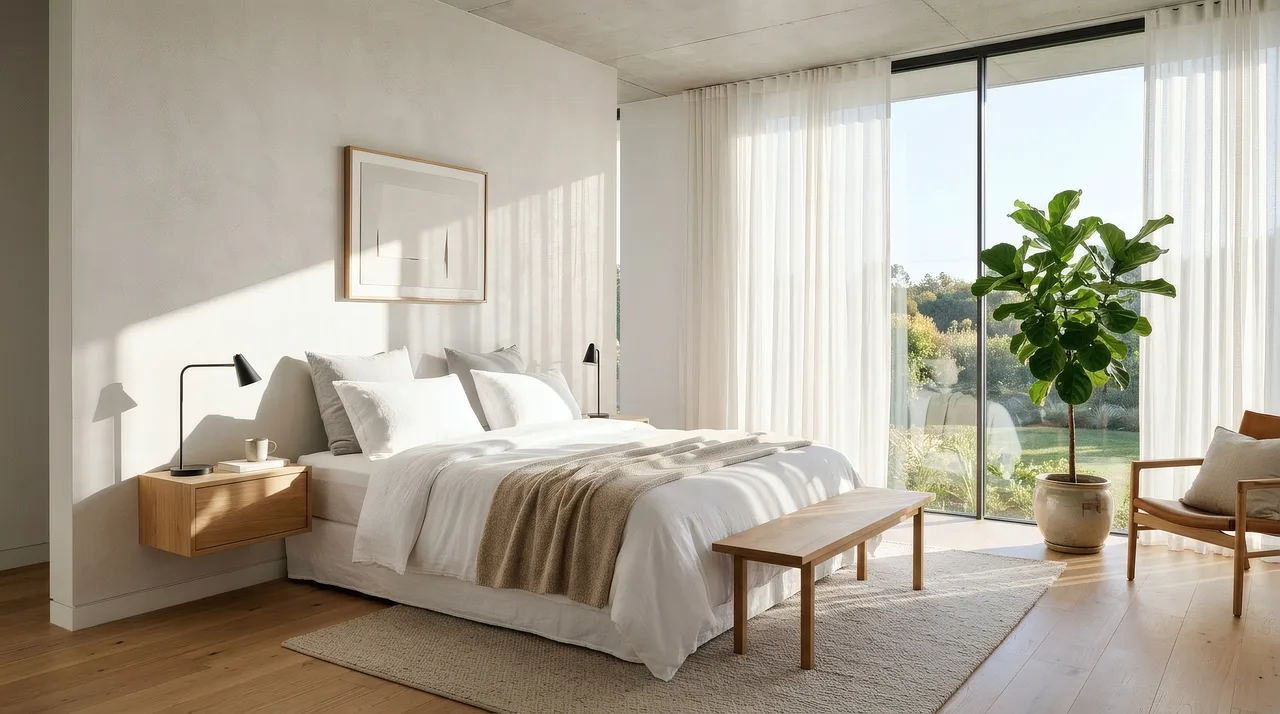


For most shoppers, a bedroom bench falls into four price bands: budget retail, mid-market upholstered, storage, and custom. Bench costs vary widely by material, size, and finish. Basic wooden benches can run from $100 to $800, while premium wood or metal frame benches can reach $1,800 or more once size, finish, and hardware move upmarket.
Bedroom bench price matrix
| Bench segment | 36 inches | 48 inches | 60 inches | 72 inches | Common materials | Hidden add-ons that raise price |
|---|---|---|---|---|---|---|
| Budget retail | $60-$120 | $80-$150 | $100-$180 | $140-$240 | Pine, poplar, engineered wood, simple steel tube | Assembly, thicker cushions, stain or paint upgrades, better legs, freight shipping |
| Mid-market upholstered | $200-$350 | $250-$450 | $300-$550 | $400-$700 | Wood frame with fabric or faux leather, foam padding, basic metal accents | Higher foam density, channel stitching, premium fabric, nailhead trim, protective coating, shipping |
| Storage bench | $250-$450 | $300-$600 | $400-$750 | $500-$900 | Wood, engineered wood, upholstered top, hinges, lift-lid or compartment design | Heavy-duty hinges, soft-close hardware, reinforced lid, liner, finish upgrades, delivery |
| Custom wood bench | $500-$900 | $650-$1,200 | $800-$1,500 | $1,000-$2,500+ | Pine, oak, walnut, cedar, poplar, joined frame or slab build | Species upgrade, joinery, hand finish, curved edges, made-to-order dimensions, installation |
A 4-foot wood bench can cost about $150 to $350, and a 6-foot wood bench can cost about $250 to $1,100. Metal benches are priced from $200 to $1,400. Custom 6-foot benches can run $800 to $1,900, so a longer bench often moves out of impulse-buy territory fast.
What budget buyers can expect
At the low end, you are usually paying for simpler construction and fewer finish steps. That can still be fine for an end-of-bed bench if the frame is stiff and the proportions fit the room. Budget buyers should expect fewer fabric choices, lighter hardware, and less consistent upholstery details.
Where premium prices begin
Premium pricing starts when the bench uses better wood, metalwork, thicker padding, or custom dimensions. Finish and protective coating can add up to $250, and delivery and installation can reach $350. Those add-ons matter because they often appear after the sticker price, not before.
What affects bedroom bench price?
Three things drive most of the cost: material, construction, and finishing. Upholstery, foam density, metal fabrication, and hardware can push the price up quickly. A bench that looks simple from across the room may still cost more because the frame, stitching, hinges, or coating takes more labor and more parts.
Material choice and construction
Wood benches usually price differently from metal benches because the build process is different. Pine and poplar tend to sit below oak, walnut, and cedar, while stainless steel and welded steel frames usually cost more than basic wood. The more complex the joinery or welding, the higher the labor bill.
Wood also changes cost by length. Longer benches need more board footage, which affects both material cost and labor time. A 72-inch bench typically costs more than a 36-inch version even if the design stays the same.
Upholstery, foam, and finish costs
An upholstered bench adds fabric, foam, and labor. Fabric and faux leather can vary widely in price, and foam density changes both comfort and cost. A thicker cushion, tighter corners, or stitched detail usually adds labor hours, so the final bill rises even if the frame is not premium.
Finish matters too. Paint, stain, varnish, and powder coat all add steps. Protective coating can add up to $250, and that figure can rise further when the finish must resist scratches, moisture, or frequent movement at the foot of the bed.
Hardware, cushions, and other add-ons
Storage lids, brackets, premium pulls, and soft-close hinges are not small details. They change the bench price because they add both parts cost and assembly time. A cushioned seat can also move a simple bench into a higher bracket if the foam and cover quality are better than basic retail.
Suppose you want a 60-inch upholstered bench for the end of a queen bed. A plain frame may look affordable at first, but thicker foam, better fabric, and shipping can add enough cost that a storage bench or custom wood build suddenly sits in the same price zone.
Which bench type fits your budget?
Match the bench type to what you actually need at the foot of the bed. A simple backless bench costs less, an upholstered bench adds comfort and softness, and a storage bench costs more because it has moving parts and hidden capacity. Custom work costs the most because labor hours and made-to-order dimensions raise the total.
Budget retail benches
Budget retail benches are best when you want a clean look and a lower total. These are the easiest way to find a bedroom bench under $100, though the size may be smaller and the frame lighter. That price is most realistic for compact, no-frills benches with minimal finish work.
Where can you buy a bedroom bench under $100? Look at flat-pack retailers, entry-level furniture shops, and seasonal online listings, then compare the listed width, depth, seat height, and weight limit. A low price is less useful if the bench is too short, too deep, or too flimsy for daily sitting.
Mid-market upholstered benches
Mid-market upholstered benches suit buyers who want a softer seat and a more finished look. These usually cost more than simple wood benches because upholstery labor, foam, and fabric all add up. This is the segment where comfort starts to matter nearly as much as price.
Storage benches
Storage benches are usually more expensive than simple benches because they include a lid, compartment, or lift mechanism. Hidden storage for bedding, clothes, or shoes adds hardware and construction steps. If the hinges are cheap, the lid can sag or misalign, which is a failure case worth avoiding.
IKEA lists an end-of-bed bench with storage at Rs. 5,990, and IKEA describes end-of-bed benches as useful for sitting and organizing. That combination is why storage benches often sit above plain seating in price even when the exterior looks simple.
Custom wood benches
Custom wood benches cost more because labor hours, species, and joinery materially change the final price. If you want oak, walnut, or a specific stain match, expect the quote to rise.
Does size change the cost?
Yes. Length is one of the biggest price drivers, and bedroom proportions matter as much as style. Common lengths run from 36 to 72 inches, with 36 to 54 inches suiting compact rooms and 48 to 72 inches covering many custom and full-size options. Taller or deeper benches can also cost more because they use more material.
How 36 to 72 inch lengths affect pricing
A 36-inch bench usually costs less because it uses less wood, less fabric, and fewer parts. A 48-inch bench lands in a common middle band. Once you move to 60 or 72 inches, material use rises and shipping becomes less convenient, so the price often jumps faster than the length suggests.
Typical price bands tell the same story. That spread reflects not only extra length, but also broader frame design and finish choices.
Height and depth tradeoffs
Height and depth affect comfort and cost. A deeper bench needs more padding or more board width, and a taller bench may require stronger legs or a more stable base. At the foot of a bed, proportion matters more than a bigger seat. Too much depth can crowd the walking path.
Picture a 72-inch bench in a narrow bedroom with limited clearance. The bench may fit the bed width but still feel oversized if it blocks drawers or narrows the route around the bed. That is where dimensions matter more than a stylish finish.
When oversized benches cost more than expected
Oversized benches can trigger hidden costs. Freight shipping is often higher, assembly may take longer, and storage lids or long cushions may need extra support. A large bench can also cost more to return if the room proportions are off and the piece simply looks wrong in place.
Delivery, assembly, and finish add-ons
Delivery and installation are separate costs, and they should be treated that way when comparing quotes. A common range is about $40 to $350 depending on scope, region, and access. Finish and hardware can also add to the bill, especially when the bench needs a special coating or upgraded parts.
Typical delivery and installation charges
Small, curbside delivery is usually cheaper than in-room placement or full assembly. If stairs, tight hallways, or a narrow doorway are involved, the labor can rise quickly. Regional labor differences matter too, so the same bench may cost more to deliver in one market than another.
Regional labor differences
Local labor rates, freight access, and warehouse distance can all change the final number. Bench quotes that look similar online may end up different once delivery zones and assembly policies are included. That is why comparing the delivered total matters more than comparing sticker price alone.
Common extras that raise the final bill
Stain, paint, varnish, powder coat, cushions, brackets, premium pulls, and better hinges all add cost. Even a small hardware upgrade can matter if the bench has a lid or the seat must hold up under repeated use. Compare what is included before assuming two benches are equivalent.
- Measure the bed width and the open floor space at the foot of the bed.
- Choose the bench type first: simple, upholstered, storage, or custom wood.
- Check the listed length, height, and depth before looking at finish.
- Add delivery, assembly, and any hardware upgrades to the sticker price.
- Compare the final delivered total across two or three sellers.
A common first-timer mistake is choosing a 72-inch bench because it looks impressive online, then discovering the room can’t handle the depth and clearance. Another frequent miss is paying for storage hardware that feels flimsy after a few months, which can turn a higher-priced piece into a bad buy.
Frequently asked questions
How much does a bedroom bench cost?
A storage bedroom bench usually costs about $250 to $900. The biggest swings come from material, length, finish, and whether the bench includes upholstery or storage hardware.
How much is a bench for the end of a bed?
An end-of-bed bench often sits in the same ranges as a bedroom bench, but proportion matters more than in other rooms. Many buyers land between $100 and $600 for a practical piece, while custom or storage models can climb much higher depending on finish, fabric, and size.
What affects the price of a bedroom bench?
Material, size, finish, upholstery, and hardware do most of the work. Pine and poplar usually cost less than oak or walnut. Fabric, foam density, protective coatings, and storage hinges all add labor and parts cost. Delivery and installation can raise the total by a separate $40 to $350.
Are storage benches more expensive than simple benches?
Yes, usually. Storage benches need hinges, a lid, and stronger construction, so they cost more than a plain backless bench. The extra expense also reflects more labor and more hardware. If the storage feature is rarely used, a simple bench may give better value.
How much does a custom wood bench cost?
Custom wood benches often start around $500 and can move well past $1,000, with custom 6-foot benches commonly running $800 to $1,900. Species, joinery, finish, and made-to-order dimensions all affect the quote. Longer benches and premium woods push the total up fastest.
What size bench should go at the foot of a bed?
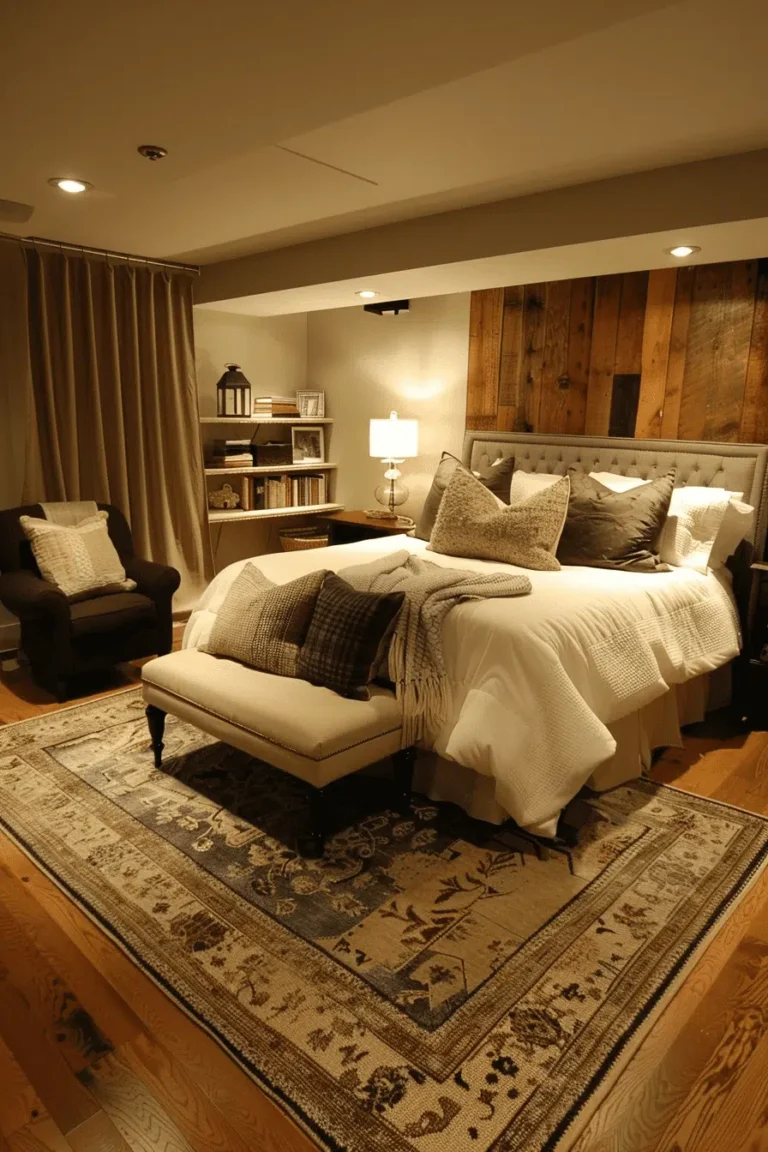
Choose a bench that fits the bed width and leaves side clearance. The same source recommends a bench should not extend wider than the bed frame and suggests 3 to 4 inches of side clearance for proportion. In many bedrooms, 48 to 60 inches is a practical range.
Is a padded bedroom bench worth the extra cost?
A padded bedroom bench is worth the extra cost if you want a softer seat for dressing, putting on shoes, or adding a finished look. The premium comes from foam, fabric, and labor, so it makes sense when comfort matters more than a bare frame or simple backless design.
Products related to this article
Sponsored / affiliate links. As an Amazon Associate I earn from qualifying purchases. I may earn additional commission from eligible campaigns.