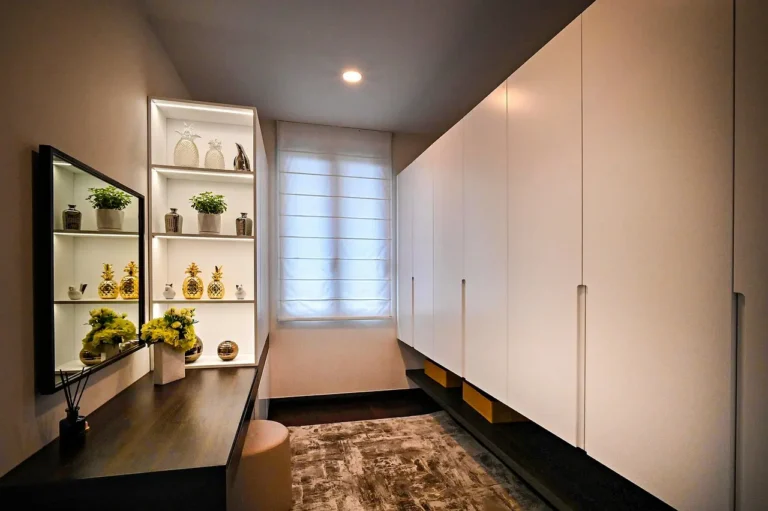
Closet Upgrade Cost: How Much Does a Closet Remodel Cost?
A bedroom closet upgrade typically costs $200 to $1,500 for a simple organizer refresh and $1,500 to $5,000+ for a true remodel; once you add framing, electrical, drywall, or custom built-ins, it usually stops making financial sense as a “closet upgrade.” Poor planning wastes usable space and leads to change orders, and a small project can slide into full renovation pricing. This guide breaks down line-item costs, upgrade tiers, and the point where a closet organizer no longer makes financial sense.
Closet remodel cost at a glance
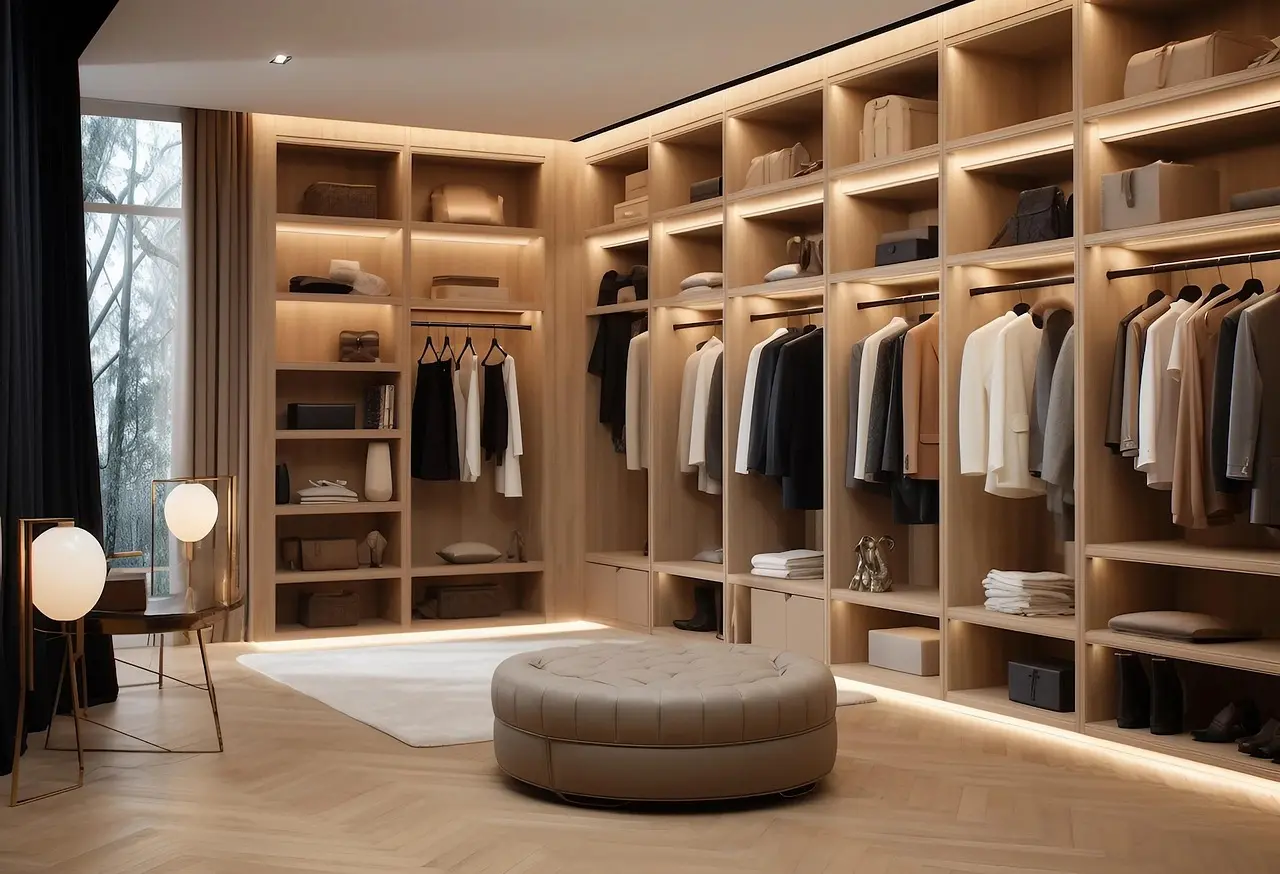


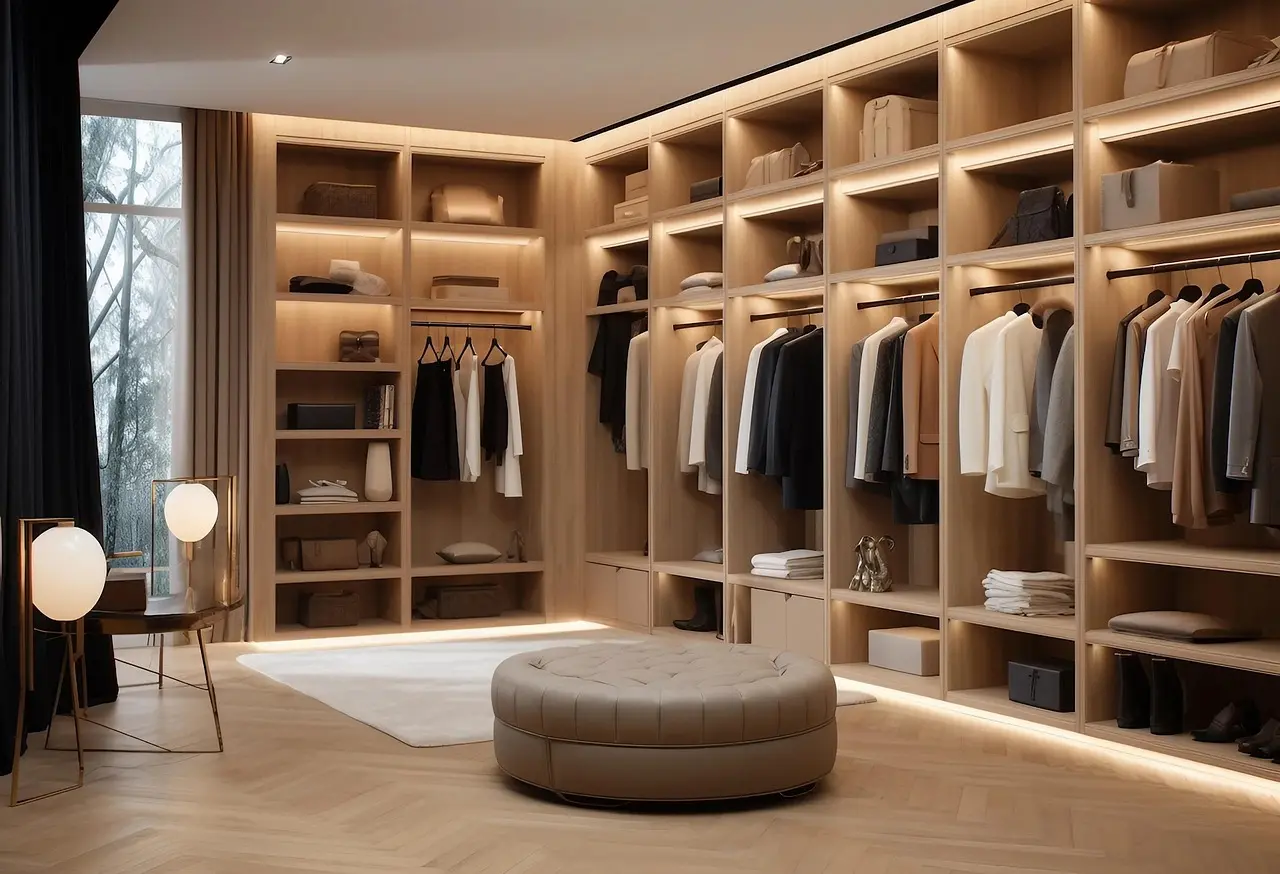
The national average closet remodel cost is about $4,100, with most homeowners spending about $2,300 to $6,700. Costs can range from a few hundred dollars to $20,000 or more, depending on closet size, finish level, and whether you keep the existing footprint. Budget projects may run $150 to $500, standard projects $500 to $2,500, and premium projects $2,500 to $12,000+.
National average cost range
A small, basic closet update can start around $500, while a large, fully custom walk-in closet can reach about $22,000. The broad spread comes from scope: storage-only projects stay near the low end, while work that changes walls, lighting, or doors moves into remodel territory fast. Installation labor also shifts by region, so the same plan can price very differently from one market to another.
Budget, mid-range, and premium tiers
Budget work usually covers shelves, a simple rod layout, and minimal labor. Mid-range projects often add better cabinetry, more finish work, and upgraded hardware. Premium projects are where island drawers, lighting changes, and full built-ins begin to add up. In other words, the closet itself may be small, but the scope can be large.
Cost per square foot and what changes it
Closet remodel cost often works out to a few hundred dollars per square foot in a small space and much more in a large, heavily built-out closet. The main drivers are layout changes, trim and drywall repairs, electrical work, door replacement, and labor rates. A plain organizer swap is very different from opening walls or rerouting power.
Reach-in closet vs walk-in closet costs
A reach-in closet remodel usually costs less than a walk-in because the footprint is smaller and the finish scope is lighter. A walk-in closet often needs more shelving, more labor, and sometimes lighting or cabinetry, which pushes the total up. Built-in wardrobes sit in between, since they can be large but are often simpler than a fully finished walk-in room.
Reach-in closet typical price range
A reach-in closet in the Seattle area is listed at $560 to $3,340. That range fits a common bedroom closet where the main goal is better hanging space, shelves, and a cleaner layout rather than a full room conversion. For a small reach-in, spending on premium carpentry rarely pays off unless storage needs are unusually specific.
Walk-in closet typical price range
A walk-in closet in the Seattle area is listed at $1,120 to $8,890. Larger primary-suite walk-ins can go much higher when you add built-ins, lighting, specialty racks, or cabinetry. A walk-in is where add-ons start to matter more, because the room can support deeper storage and more finish work without feeling cramped.
Built-in wardrobe price range
Built-in wardrobes are usually installed as wall units that replace or supplement a closet opening. The scope often includes carcasses, doors, shelves, drawers, and trim, but not always new framing or electrical. That makes them a strong option when you want more storage without changing the room structure.
Closet size and price examples
Closet size affects price because material count, labor time, and finish work rise as the footprint grows. A 10 sq ft closet may be a simple reach-in, while an 80 sq ft or 150 sq ft space can support multiple storage zones, lighting, and cabinetry. Bigger closets also make premium upgrades more tempting, which can push the budget up quickly.
10 to 20 square feet
A 10 sq ft closet is listed at $500 to $1,900. At 20 sq ft, a basic organizer often remains the best-value choice, especially if the bedroom already has enough storage elsewhere. At this size, the cost per inch of usable storage matters more than decorative finish work.
40 to 80 square feet
In the 40 to 80 square foot range, a closet can support double-hang sections, drawers, and better lighting. This is the point where a standard walk-in update can make sense, especially if the current layout wastes corners or dead wall space. It is also where a built-in wardrobe can compete with a full remodel.
100 to 150 square feet
A 150 sq ft closet is listed at $8,000 to $21,000. At this size, a fully custom layout, doors, and electrical work can all fit into one project without feeling excessive. The space may justify premium finishes, but only if you actually need them; otherwise, the budget can outrun the function gained.
Closet materials and linear foot pricing
Linear foot pricing helps compare systems quickly, especially when you are choosing between stock, semi-custom, and custom builds. Material choice matters because it affects both purchase price and install complexity. Laminate is usually the lowest-cost finished option, while cedar tends to sit at the higher end because of material cost and detailing.
Laminate costs per linear foot
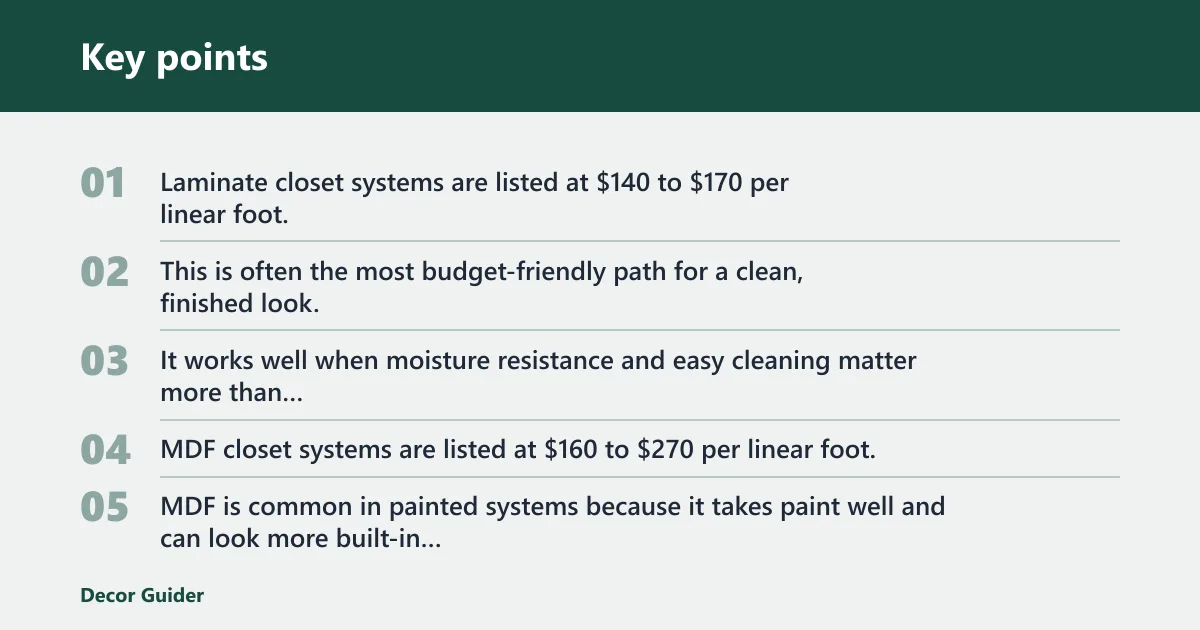
Laminate closet systems are listed at $140 to $170 per linear foot. This is often the most budget-friendly path for a clean, finished look, especially in a secondary bedroom or a simple reach-in. It works well when moisture resistance and easy cleaning matter more than furniture-grade materials.
MDF costs per linear foot
MDF closet systems are listed at $160 to $270 per linear foot. MDF is common in painted systems because it takes paint well and can look more built-in than plain wire shelving. It is a practical middle option for homeowners who want a smoother finish without stepping into higher material costs.
Plywood costs per linear foot
Plywood usually costs more than MDF because the material is stronger and more stable for many cabinet uses. It is a common choice when you want better durability for drawers, shelves, and heavier loads. In a closet, it often makes sense when the system needs to hold more weight or take more wear.
Cedar costs per linear foot
Cedar is often chosen for its look and scent, especially in wardrobes or specialty storage areas. It usually prices above basic MDF or laminate systems, and it is not necessary for a standard bedroom closet. Use it when the material itself is part of the design goal, not just the structure.
Closet upgrade costs by feature

Feature upgrades are where closet budgets drift upward. A basic storage layout can stay modest, but drawers, lighting, and door work quickly add labor and finish costs. For small closets, the best-function-per-dollar upgrades are usually shelving changes and better lighting, not decorative extras.
Shelving and organizer systems
Shelving and organizer systems are the core spend in most closet projects. Stock or semi-custom layouts are usually the most cost-effective, while fully custom systems cost more because each run must be measured, cut, and installed to fit the room. If the existing footprint works, this is usually the first place to spend.
Built-in cabinets and island drawers
A closet island with drawers is listed at about $900 to $5,200. Built-in cabinets add storage density and can make a large walk-in feel more finished, but they also add labor and material cost fast. These features make the most sense in larger primary closets, not in small reach-in spaces.
Recessed lighting and statement lighting
Lighting can be a low-cost improvement or a real budget driver, depending on whether you are replacing a fixture or adding wiring. Recessed lighting often needs electrical planning, and new fixtures may require permits in some areas. Statement lighting is usually more about style than storage, so it should come after function needs are covered.
New doors, hardware, and specialty racks
New doors and hardware matter when the current doors block access or look worn. Specialty racks, including pull-down or motorized clothing racks, can help in tall closets, but they are niche upgrades and rarely necessary for a small bedroom closet. These are the kinds of extras that should follow a clear storage problem, not lead the project.
Closet remodel budget calculator
This budget calculator shows how storage-only work compares with a true remodel. Use it as a planning tool, not a quote. A project that starts as a shelf refresh can become much more expensive if you touch drywall, wiring, or door openings.
| Scenario | Shelving / organizer system | Labor | Lighting / electrical | Drywall / paint | Doors / hardware | Total cost range | Best-fit home situation |
|---|---|---|---|---|---|---|---|
| Reach-in refresh | $150 to $800 | $200 to $700 | $0 to $300 | $0 to $200 | $0 to $250 | $500 to $1,900 | Small bedroom closet with an intact footprint and no wall changes |
| Standard walk-in update | $800 to $2,500 | $600 to $1,800 | $200 to $1,200 | $300 to $900 | $200 to $800 | $1,500 to $5,000+ | Primary closet that needs better layout, more storage, and updated finishes |
| Premium custom suite | $2,500 to $8,000+ | $1,500 to $4,500 | $800 to $3,500 | $700 to $2,000 | $500 to $2,500 | $5,000 to $12,000+ and up | Large primary suite with built-ins, lighting changes, and design-driven finishes |
Say your 20 sq ft reach-in still has usable walls and a standard door. A shelf-and-rod refresh plus basic labor may keep the job near the low end, while adding wiring or new drywall can push it into a remodel price bracket that no longer matches the space.
What drives closet remodeling costs up?
Closet remodel costs rise fastest when the project stops being storage-only. Framing changes, drywall repair, electrical work, and higher labor rates are the biggest jumps. A simple closet can stay affordable; a closet that needs construction work will not.
Layout changes and framing work
Changing the layout often means moving walls, widening openings, or reworking the closet depth. That is where a budget project can break down, because framing labor and inspection steps add time. The more the plan departs from the original shell, the more likely the cost moves into full remodel territory.
Drywall, paint, and trim changes
Drywall and paint costs show up when shelves are removed, walls are opened, or a closet is reconfigured. Trim work adds another layer if you are matching the bedroom finish. These details are easy to overlook, but they are often the reason a quote grows after the first estimate.
Electrical work, permits, and labor rates
Lighting and electrical work can require permits, especially if new circuits, switches, or recessed fixtures are added. Installation labor varies by region, so a similar closet can cost more in one city than another even with the same materials. That regional spread is one reason a national average should never be used as a firm quote.
How can you save money on a closet remodel?
The cheapest path is usually to keep the existing footprint and avoid moving walls, wiring, or doors. Storage-only upgrades give the best return on function per dollar in most bedrooms. Once you change structure, the project often becomes a renovation rather than an organizer update.
Keep the existing footprint
Keeping the footprint intact avoids framing, drywall, and many permit issues. That one decision often protects the budget better than any material swap. If the closet already fits the room, spend on better layout rather than bigger construction.
Reuse doors and walls when possible
Reusing existing doors and walls can cut out some of the most expensive finish work. Even if the doors are not perfect, a hardware swap or paint refresh may solve the problem without full replacement. This is especially useful in reach-in closets where the shell still works.
Choose storage features by function-first priority
Start with the features you will actually use: hanging space, shelf spacing, and drawer count. After that, decide whether lighting or a cabinet makes sense. A statement fixture or motorized rack may look appealing, but it should not crowd out the basics in a small closet.
Compare stock, semi-custom, and custom systems
Stock systems are usually the least expensive, semi-custom offers more flexibility, and full custom costs the most. For many bedrooms, semi-custom gives the best balance of fit and price. Custom is best when the closet has unusual dimensions or when you need every inch of storage planned around your wardrobe.
Frequently asked questions
How much does a closet remodel cost?
A closet remodel can range from a few hundred dollars to $20,000 or more. The final price depends on size, materials, labor, and whether the project stays inside the existing shell.
What is the average cost to remodel a closet?
The average cost to remodel a closet is about $4,100. That figure sits between basic organizer work and larger built-in projects. If your plan includes lighting, doors, or carpentry changes, expect the price to move above a simple storage refresh.
How much does a walk-in closet remodel cost?
The spread reflects finish level, cabinetry, lighting, and whether the closet stays within the original footprint or becomes a more involved build-out.
How much does a reach-in closet remodel cost?
A reach-in closet in the Seattle area is listed at $560 to $3,340. A small, basic update can start around $500. If you are only replacing shelves and organizing the current opening, that usually stays far cheaper than a layout change or a full finish upgrade.
What is the cost per square foot for a closet remodel?
Closet remodel pricing per square foot depends on scope, but larger closets usually cost more in total because they need more material and labor.
What drives closet remodeling costs up the most?
Layout changes, framing, drywall, electrical work, and higher labor rates drive costs up the most. Those items move a project away from organizer replacement and into remodel territory. Add-ons like island drawers, lighting, and built-in cabinets can also raise the total quickly.
Is a closet remodel worth it?
It is worth it when the current closet wastes space, lacks enough hanging or shelf storage, or makes daily use harder than it should be. If the only issue is appearance, a refresh may be enough. If the layout is wrong, a remodel can deliver a real functional gain.
Do closet remodels need electrical or permit work?
Not always. Simple organizer projects usually do not need permits, but new lighting, added circuits, or other electrical changes may. If the plan includes recessed lighting or wiring changes, check local rules before work starts so the budget does not get hit by avoidable delays.
Products related to this article
Sponsored / affiliate links. As an Amazon Associate I earn from qualifying purchases. I may earn additional commission from eligible campaigns.