Paint for Bedroom Cost: How Much Does It Cost?
Painting a standard 10-by-12-foot bedroom often costs roughly $300 to $900 professionally, or about $100 to $250 in DIY materials, depending on wall height, prep, and paint quality. Bad estimates lead to surprise labor charges, extra primer fees, and buying too little paint. This guide shows how to calculate bedroom paint cost from room size, surface area, and condition, then compare DIY and pro quotes.
Wall estimates by bedroom size


Floor area is the first budget check because most bedroom quotes start with the room’s footprint before painters adjust for height, trim, ceiling work, and patching. A small bedroom usually falls in the 10×10 range, a standard bedroom around 12×12, and larger rooms move into 12×18 or 14×16+ territory.
Small bedroom estimates: 10×10
A 10×10 bedroom has 100 square feet of floor area. For walls only, a professional estimate commonly lands around $350 to $600, with the lower end tied to clean walls and simple trim and the higher end tied to more prep, repairs, or local labor rates. DIY materials usually stay far below a pro quote, but supplies still matter.
Standard bedroom estimates: 12×12
A 12×12 bedroom has 144 square feet of floor area. A professional walls-only estimate is often $400 to $900, which matches the jump in paintable surface and labor time. A room in this range can look simple on paper and still move up fast if the walls need patching or the color change calls for primer.
Large bedroom estimates: 12×18 and 14×16+
Rooms at 12×18 and 14×16+ can move into primary-bedroom pricing because the wall area rises quickly, and many of these rooms also include more trim, a larger closet opening, or a better-finished ceiling. A primary bedroom walls-only estimate commonly lands around $500 to $1,100, while a quote with extra surfaces can pass $1,500.
Why floor area is the first budget check
Floor area does not equal paintable area, but it gives a fast way to sanity-check a quote. Painting costs are often quoted at $2 to $6 per square foot of floor space, so a 144-square-foot bedroom can land in a very different range than a 100-square-foot room before anyone adds ceiling, trim, or repairs.
How much does it cost to paint a bedroom?
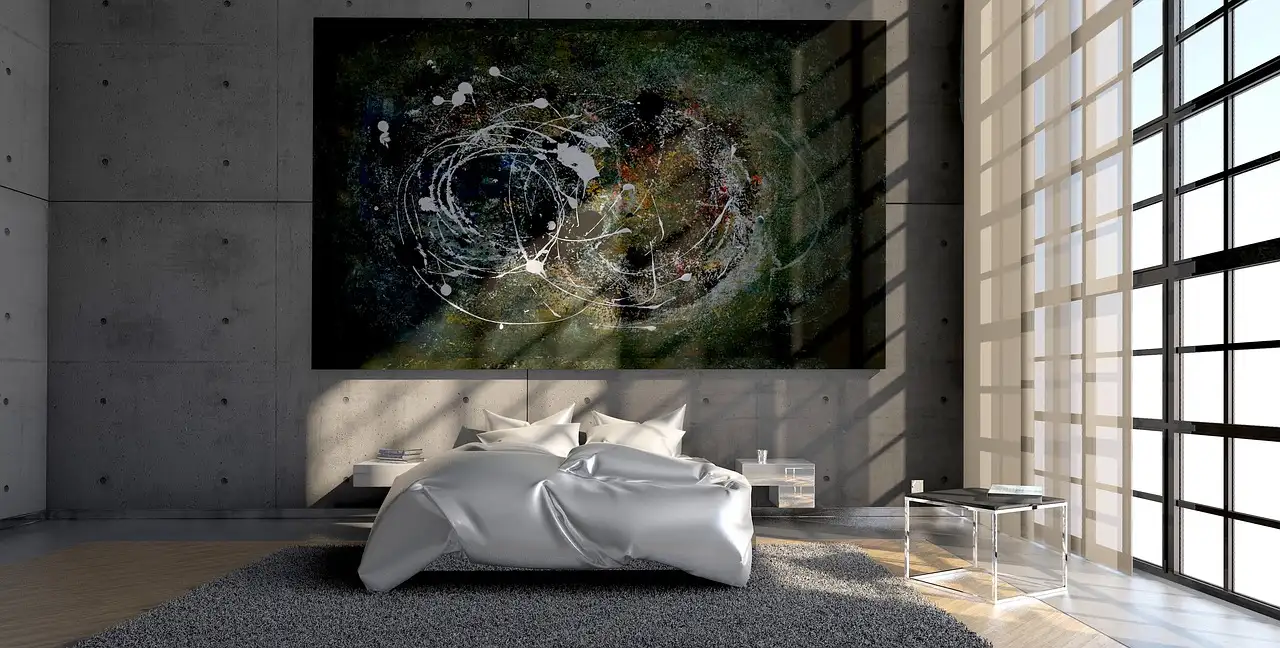
A standard bedroom usually costs $350 to $950 for pro walls-only painting, while DIY bedroom painting often costs $100 to $250 in paint and supplies. The biggest swing comes from wall condition, ceiling height, and whether the quote includes only walls or the full room with ceiling, trim, baseboards, and the door.
DIY walls only versus pro walls only
DIY usually costs less in materials alone, but that does not equal the full quote because labor, cleanup, and finish quality are built into a professional bid. Labor alone on a standard bedroom usually lands between $300 and $700, which is why pro quotes are often much higher than the paint bill by itself.
A common first-timer mistake is budgeting only for the gallon cans and forgetting primer, tape, drop cloths, and wall repairs that can raise the total cost to paint a bedroom. A 12×12 bedroom with small nail holes, a dark navy wall, and one stained patch may need filler, sanding, primer, and a second coat before the color looks even. That changes both the bill and the schedule.
Full-room pricing with ceiling, trim, and doors
A standard bedroom with walls plus ceiling, trim, baseboards, and door roughly doubles a professional quote. Ceiling painting on a standard bedroom is about $150 to $200, and trim, baseboards, and the door typically add $150 to $250. Detail work takes time, so many painters price those items separately.
What a typical quote includes
A normal pro quote usually includes surface prep, cutting in edges, rolling the walls, cleanup, and basic materials. It may also list primer as a separate line if the walls need stain blocking or a major color change. Some painters bundle minor patching, while others bill it as an add-on.
| Bedroom size | Floor area | Walls only, pro | Walls + ceiling + trim + door, pro |
|---|---|---|---|
| 10×10 | 100 sq ft | $350 to $600 | $650 to $1,100+ |
| 12×12 | 144 sq ft | $400 to $900 | $750 to $1,400+ |
| 12×18 | 216 sq ft | $500 to $1,100 | $950 to $1,700+ |
| 14×16+ | 224+ sq ft | $500 to $1,100+ | $1,000 to $1,500+ |
Bedroom paint worksheet
Use this worksheet to estimate a bedroom quote before you call a painter. It works best with an 8-foot or 9-foot ceiling, two coats as the normal baseline, and a quick check of wall condition. Fill in the blanks, then compare the result with the range on the estimate sheet.
| Worksheet item | Your room | Notes |
|---|---|---|
| Room length × width | _____ × _____ ft | Use floor area first |
| Ceiling height | _____ ft | 8 ft or 9 ft common |
| Doors | _____ | Subtract painted door area if included |
| Windows | _____ | Subtract glass and trim openings |
| Coats | _____ | Two coats is the standard baseline |
| Primer needed? | Yes / No | Needed for dark-to-light, stains, or repairs |
| Trim included? | Yes / No | Baseboards, casing, and door detail add labor |
- Measure length and width to get floor area.
- Estimate wall area from the ceiling height.
- Subtract doors and windows.
- Add primer if the color change or wall condition calls for it.
- Add separate line items for ceiling, trim, and doors if needed.
- Compare the result to the quote-check formula below.
Low-to-high estimate range: low end = clean walls, one color, no ceiling, no trim, no primer; high end = repairs, primer, ceiling, trim, and more detailed cutting in. A bedroom that starts near a simple walls-only price can move quickly once surface condition and finish level change.
Quote-check formula: compare the bid in two ways: $/sq ft of floor area and $/sq ft of wall area. If the quote sits far outside both ranges, ask what is included. For example, a 144-square-foot 12×12 bedroom quoted at $720 equals $5 per square foot of floor area. If the paintable wall area is roughly 392 square feet before openings, that same quote is about $1.84 per square foot of wall area.
How much paint do you need for a bedroom?
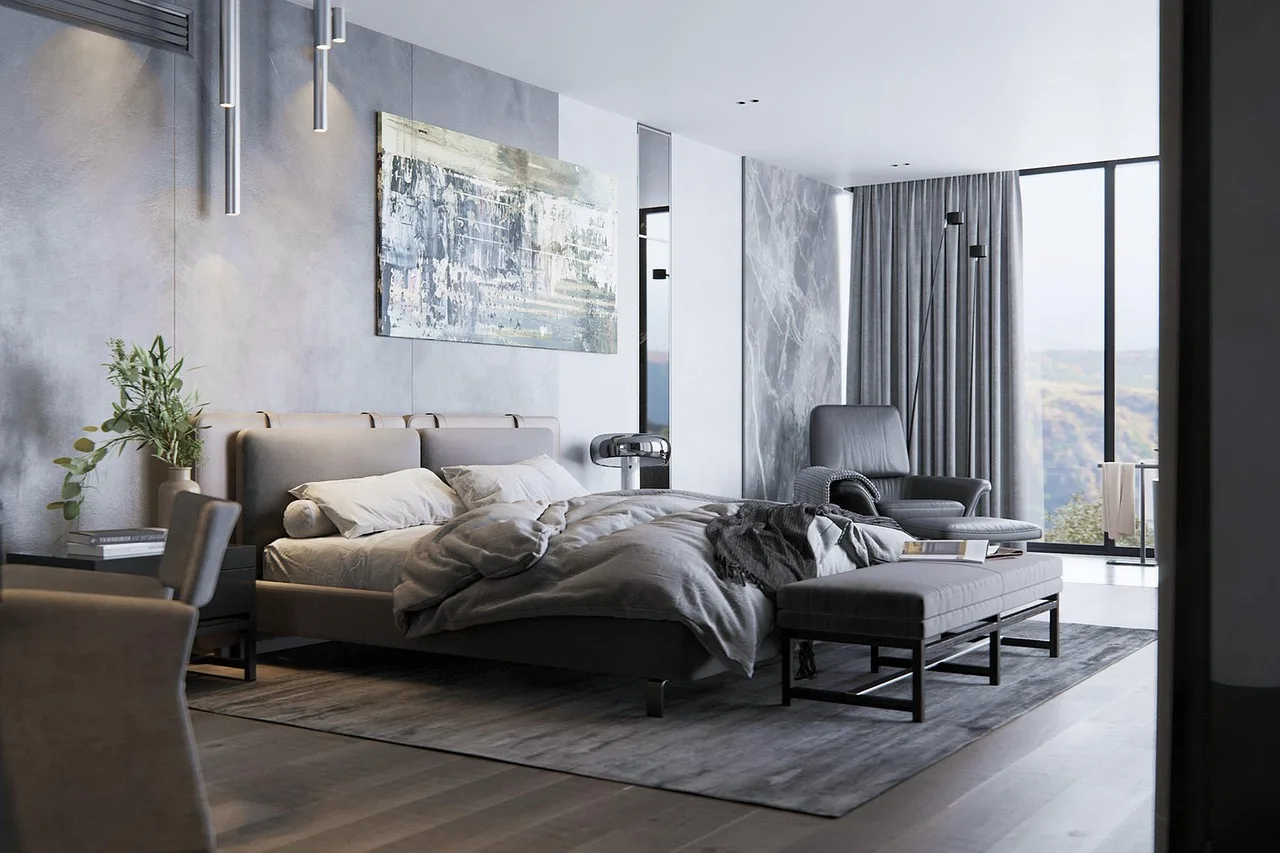
Most bedrooms need enough paint for two coats, and a gallon covers about 350 to 400 square feet per coat. That means the answer depends on wall height, the number of doors and windows, and whether primer is required. A larger room or a darker color change can add a full extra gallon.
Wall area math for 8-foot and 9-foot ceilings
For a quick estimate, multiply room perimeter by ceiling height to get wall area before subtracting openings. A 12×12 bedroom has a 48-foot perimeter, so the wall area is about 384 square feet with an 8-foot ceiling and about 432 square feet with a 9-foot ceiling. That is before doors and windows come out.
Subtracting doors and windows
Doors and windows reduce the amount of paintable surface, but many painters still price them as separate labor items because cutting around them takes time. A bedroom with one door and one window may lose only a modest amount of wall area, yet the bid still rises if the trim around those openings needs careful brushing or masking.
Gallons needed for one coat versus two coats
With one coat, a small bedroom may need about one gallon if the walls are simple and openings are modest. With two coats, many standard bedrooms land closer to two gallons for the walls, plus extra if the color is changing sharply or if the paint line is thin and needs fuller coverage.
When primer changes the paint total
Primer is not automatic. It is more likely when you are going from dark to light, covering stains, or repairing patched areas that would flash through the finish coat. Primer adds both cost and time, and it can change the paint count because some jobs need a primer coat before the finish coats go on.
Say your 12×12 bedroom has a dark charcoal wall and you want to switch to a soft white. Even if the room is average size, the darker base can require primer on the problem wall or on the full room, which adds material cost and often a second day of labor.
What adds the most to the quote?
Prep work usually adds the most because it affects labor first. Patching holes, sanding rough spots, caulking gaps, taping edges, and protecting floors all take time before the first coat goes on. Ceilings, trim, and doors can also move the quote up fast because they require more detail work.
Prep work, patching, sanding, and caulking
Wall condition changes the quote more than many homeowners expect. Small nail holes are quick to fill, but dents, torn drywall, open joints, and failing caulk slow the job down. If a painter has to sand, patch, wait for dry time, and return for a second pass, labor rises.
Dark-to-light color changes and stain blocking
Dark-to-light repaints often need primer because the new color may not cover evenly in two coats alone. Stains from moisture, smoke, or past repairs can also need stain-blocking primer. Those jobs take more time and can add materials that a simple repaint does not require.
Ceilings, trim, and doors
Ceilings often price separately in many quotes, and a standard bedroom ceiling commonly adds about $150 to $200. Trim, baseboards, and the door typically add $150 to $250. A bedroom with lots of casing or built-ins can cost more because each edge needs slow, careful painting.
High ceilings and hard-to-reach edges
Higher ceilings increase price because they add ladder work, longer cutting-in time, and more setup. A 9-foot ceiling usually costs more than an 8-foot ceiling, and vaulted sections cost more again. The quote changes because access time changes, not only because the room feels larger.
DIY vs pro bedroom cost
DIY usually wins on material cost, but not always on total value. A pro quote includes labor, cleanup, prep judgment, and a cleaner finish around corners, trim, and ceilings. DIY makes sense when the walls are sound, the layout is simple, and the room does not need major patching.
Materials-only DIY costs
DIY bedroom painting costs $100 to $250 in paint and supplies. That total should include rollers, brushes, tape, drop cloths, spackle, caulk, and a buffer for touch-ups or a second small purchase. Budget interior paint runs $25 to $35 per gallon, mid-range paint costs $40 to $60 per gallon, and premium paint costs $70 to $110 per gallon.
Labor, cleanup, and finish quality with a pro
Labor is the largest share of a professional bedroom quote. It covers prep, cutting in, rolling, cleanup, and the time needed to get sharp lines around trim and ceilings. A better finish often costs more, but it can save you from repeated touch-ups and uneven coverage.
When DIY stops making sense
DIY stops being economical when wall repair, height, or detail work starts consuming more time than the savings are worth. If the bedroom has peeling patches, high ceilings, or lots of trim, a pro may cost more up front but reduce mistakes, wasted paint, and finish problems.
Bedroom paint sheen and finish
Matte and eggshell are common bedroom wall choices because they hide small flaws better than higher-sheen finishes. Satin is a good middle ground when you want easier cleanup, and semi-gloss works best on trim and doors. Sheen changes washability, touch-up behavior, and how visible wall repairs look.
Matte and eggshell for walls
Matte hides patches and sanding marks well, which helps in older bedrooms or rooms with light wall damage. Eggshell is a common bedroom choice because it keeps a soft look while giving more wipeability than flat paint. For most wall areas, those finishes are easier to live with than a glossy sheen.
Satin and semi-gloss for trim
Satin and semi-gloss hold up better on trim, baseboards, and doors because those surfaces get touched often. Semi-gloss is especially common for details that need cleaning. Higher sheen can make brush marks and wall flaws easier to see, so it is usually a better fit for trim than for large wall fields.
How much does it cost to paint a 12×12 bedroom?
If you add the ceiling, trim, baseboards, and door, the price can move into a much higher range because the painter must handle more detail work.
Suppose your 12×12 bedroom has one window, one door, and a few nail holes. That job may stay near the middle of the range. If the same room needs stain blocking, fresh caulk, and a ceiling repaint, the quote rises even though the floor area stays the same.
Frequently asked questions
Is it cheaper to paint a bedroom myself?
Yes, DIY is usually cheaper on cash outlay because materials often cost $100 to $250. That said, the savings shrink once you buy proper tools, patch supplies, and extra paint for mistakes or touch-ups. If the room needs heavy prep, a pro can be the better value.
How much do painters charge per square foot?
Painters often quote bedroom work at $2 to $6 per square foot of floor space. That method is a shortcut, not a full estimate, so it should be checked against wall area, ceiling height, and included extras. A low floor-area rate can still become expensive if prep is heavy.
Does painting the ceiling cost extra?
Yes. Ceiling painting often appears as a separate line item in bedroom quotes, and a standard bedroom ceiling commonly adds about $150 to $200. The cost rises when the room is large, the ceiling is taller, or the painter must work around lighting, vents, or crown detail.
How can I lower the cost to paint a bedroom?
You can lower cost by clearing the room, handling simple patching ahead of time, choosing one wall color, and keeping the ceiling, trim, and doors out of the scope if they do not need repainting. Getting multiple quotes helps too, because labor rates and prep charges vary by area.
Products related to this article
Sponsored / affiliate links. As an Amazon Associate I earn from qualifying purchases. I may earn additional commission from eligible campaigns.