Warm Lighting vs Cool Lighting for Bedrooms: Choose By Task
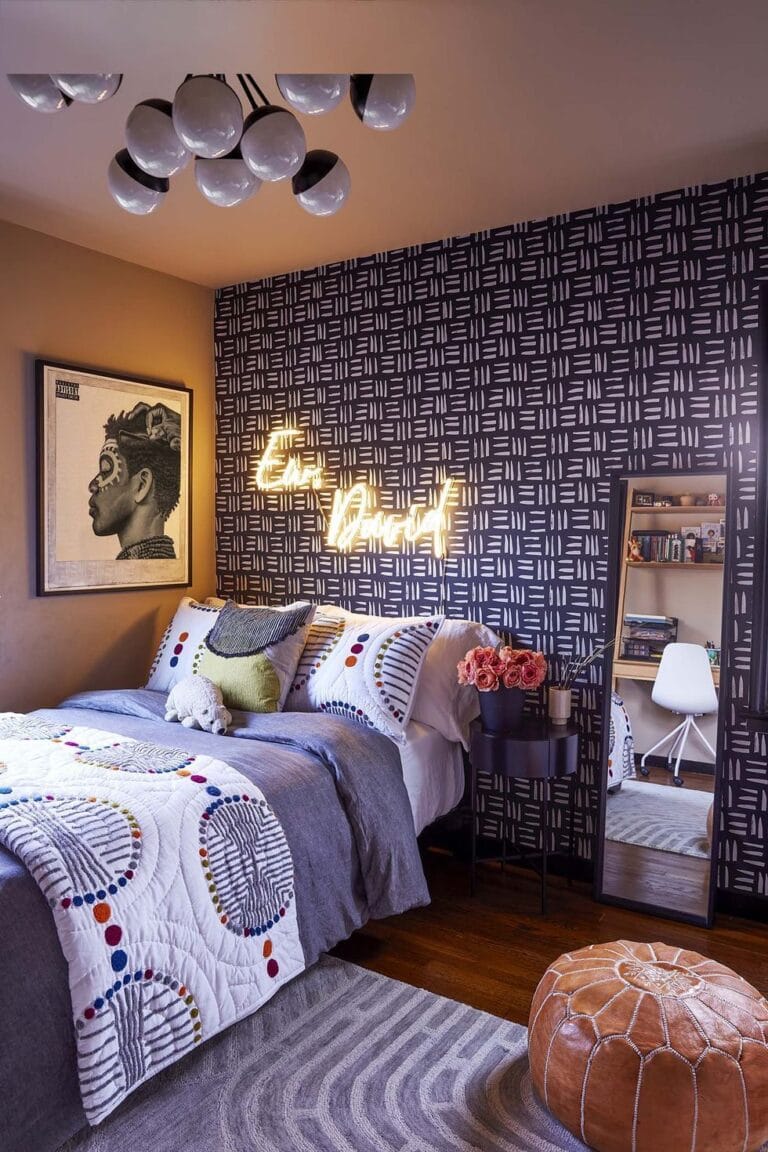
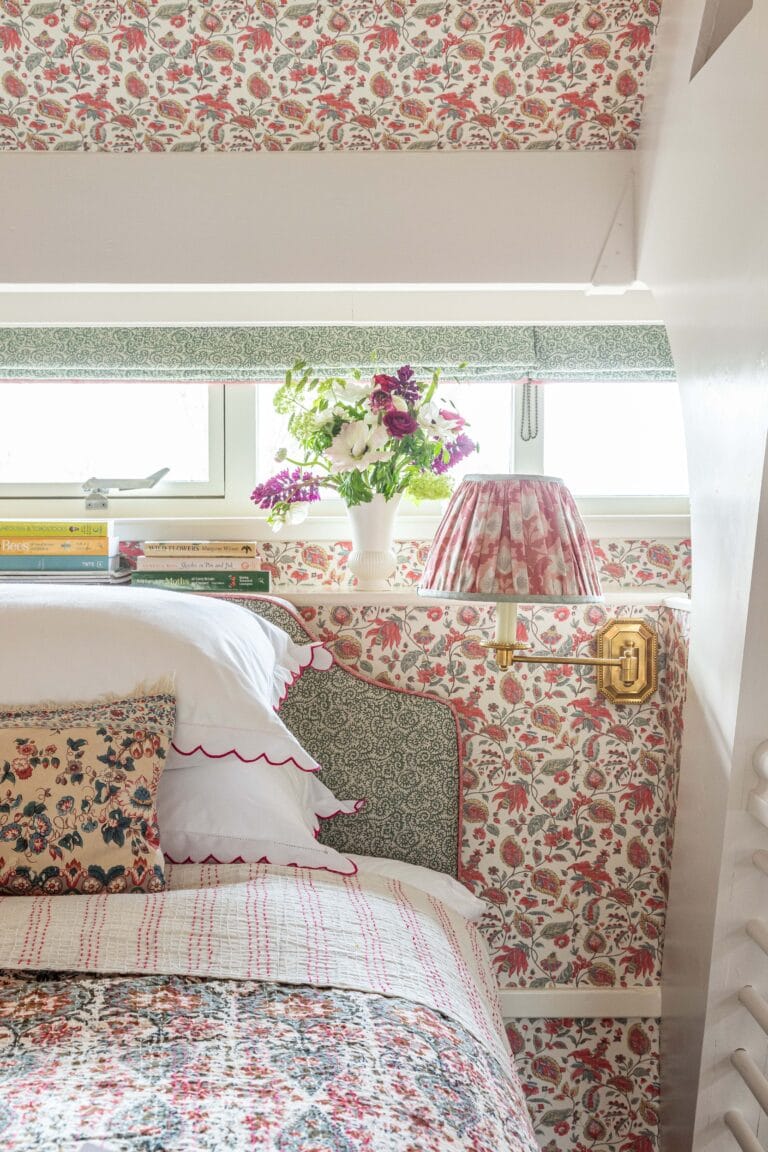
For bedrooms, many people use roughly 2700K–3000K for bedtime areas and about 3500K–4000K for reading, dressing, or a wake-up zone, rather than lighting the whole room at one temperature. Skip that split, and you can make it harder to wind down, read comfortably, or judge colors in the morning. Match bulb temperature to each bedroom task and zone.
| Decision factor | Warm Lighting | Cool Lighting for Bedrooms | Winner |
|---|---|---|---|
| Sleep and winding down | Typically 2700K to 3000K; amber or golden appearance that feels calmer at night | Typically 5000K to 6500K; bluer daylight-like output that feels more alerting | Warm Lighting |
| Reading, grooming, and color judgment | Can work if bright enough, but may flatten contrast in dark corners | Usually clearer for detail, fabric color, makeup, and shaving visibility | Cool Lighting for Bedrooms |
| Bedroom comfort and late-evening use | Often preferred for bedside lamps and floor lights | Can feel stark in a small room or near reflective finishes | Warm Lighting |
| Mixed-use flexibility | Works well with dimmers, but one temperature may not cover every task | Better for task zones, but less relaxing for bedtime if used alone | Tie |
Warm lighting vs cool lighting for bedrooms: the core trade-off


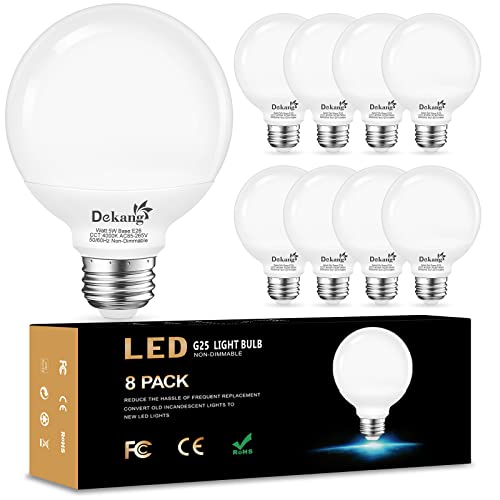
The real choice is not mood versus mood. It is bedtime comfort versus task visibility, and bedrooms often need both. Warm light supports winding down, while cooler light helps you see detail clearly in a closet, at a vanity, or near a desk.
What warm and cool light mean in Kelvin
Color temperature is measured in Kelvin. In many homes, a practical range is roughly 2700K to 6500K, with lower Kelvin values feeling warmer and higher Kelvin values feeling cooler. Warm light is typically 2700K to 3000K in bedroom use, while cool light usually sits around 5000K to 6500K. (en.wikipedia.org)
That shift is easy to see. Warm light leans amber or golden. Cool light leans bluer and tracks more closely with daylight.
Why bedrooms rarely need one bulb temperature for every zone
Bedrooms are often mixed-use rooms. A bed, a reading chair, a closet, and a dresser do not ask for the same light. One bulb temperature can make one area feel right and another area feel off.
This is why layered bedroom lighting matters. Keep ambient light soft. Use task lighting where detail counts. Leave accent lighting low and warm.
How to read bulb labels across brands
Packaging terms can be confusing, so Kelvin matters more than names. CNET places soft white at 2,700 to 3,000 Kelvin and says it is often best for bedrooms. It describes warm white as roughly 3000K to 4000K, bright white as about 4,000 to 5,000 Kelvin, and daylight as around 5,000 to 6,500 Kelvin.
Those labels are useful shorthand, but not all brands use them the same way. Check the Kelvin number first, then the label.
📊 Cool light ranges from 5000K to 6500K. Source: Warm Light vs. Cool Light: Which Is Best For A Bedroom Upgrade?.
Warm light vs cool light: side-by-side comparison

Warm light usually wins for sleep and comfort. Cool light usually wins for clarity and task work. The better bedroom choice depends on where the light falls, how long you stay under it, and whether the room is mostly for rest or for getting ready.
Color temperature range and appearance
Warm light in bedroom use typically means 2700K to 3000K. Livingetc describes it as supporting relaxation, comfort, intimacy, and a candle-like feel. It is also commonly used in table lamps and floor lights.
Cool light is typically 5000K to 6500K and is often described as daylight-mimicking. Livingetc notes that it can help people feel more alert and awake, which is useful when visibility matters more than softness.
Best bedroom uses for each type
Warm light is the better default for bedside lamps, evening reading, and general wind-down time. Cool light is better suited to a grooming mirror, a closet with dark clothes, or a desk corner where you need to read labels, compare colors, or handle close work.
For a room that functions mainly as a sleeping space, warm light usually makes the most sense. For a room that doubles as a dressing station, cooler task lighting earns its place.
Common failure modes in bedrooms
Warm light can fail when the room is too dim, the walls are pale, or the task involves color judgment. Makeup can look off, black clothing can blend together, and a dark bedroom can feel muddy if the fixture output is too low.
Cool light can fail when it is the only light in the room. In a small bedroom, especially with low ceilings or glossy finishes, it can feel harsh and reveal every surface without giving the room much softness.
What color temperature is best for a bedroom?
For most bedrooms, 2700K to 3000K is the best starting point because it supports nighttime winding down and fits bedside lighting well. If your bedroom is also a dressing room, reading nook, or desk area, 3500K to 4000K can work in those task zones without forcing the whole room to stay cool.
When 2700K to 3000K makes the most sense
Soft white bulbs are the easiest fit for a sleep-first bedroom. CNET places soft white at 2,700 to 3,000 Kelvin and says it is often best for bedrooms, which lines up with a warm, lower-glare feel.
If the room is mainly for sleep, that range usually gives you the fewest tradeoffs. It pairs well with dimmable lamps and feels natural beside the bed.
When 4000K to 6500K can still work in a bedroom
Bright white and daylight bulbs have a place when the bedroom is also a work zone or grooming area. CNET places bright white at 4,000 to 5,000 Kelvin, and daylight at 5,000 to 6,500 Kelvin. CNET also says daylight is ideal for working, reading, or applying makeup.
That does not mean the whole bedroom should become daylight bright. It means a task zone can move cooler when accuracy matters.
How soft white, warm white, bright white, and daylight map to bedroom tasks
Soft white is the safest all-purpose pick for sleep-heavy bedrooms. Warm white can bridge comfort and utility, especially if you want a little more visibility without going fully cool. Bright white and daylight belong mainly in task zones, not as the room’s only mood light.
One practical rule: the more the task depends on color, contrast, or detail, the more likely a cooler bucket will help.
How warm or cool light changes by bedroom zone

Match the bulb temperature to the zone, not the room name. A bedroom with a closet, vanity, and reading chair may need three lighting temperatures or brightness levels, even if all of them sit in the same footprint.
Sleep zone: why warmer, dimmer light usually works best
The sleep zone is the place for the warmest light and the lowest output. A bedside lamp in the 2700K to 3000K range lets you read a little, then move toward rest without a hard visual jump. Dimmable lighting helps here because the same fixture can support both reading and winding down.
Reading zone: balancing contrast without making the room feel harsh
Reading needs enough light on the page, but not so much brightness that the whole room feels clinical. A bulb around 3000K to 4000K often works well here, especially in a directional lamp that keeps the beam on the book instead of flooding the room.
Suppose a 12-by-13-foot bedroom has a single overhead fixture and one bedside lamp. If the lamp is very warm but too dim, reading becomes tiring; if it is too cool and exposed, the bed area can stop feeling restful. A focused task lamp solves both problems better than changing the entire room.
Dressing and vanity zone: why cooler or brighter light can help
A closet or vanity needs more truth than comfort. Cooler or brighter light helps you judge shirt colors, foundation tones, and fabric differences more reliably. That is why many grooming areas benefit from bright white to daylight territory rather than soft white alone.
A common first-timer mistake is putting the vanity under a warm bedside bulb and wondering why makeup looks different near a window. The light was too amber for the task.
Cleaning zone: when visibility matters more than mood
Cleaning asks for clear visibility, not atmosphere. A cooler bulb or a bright white lamp can help you see dust on dark furniture, under-bed clutter, or missed spots near trim and mirrors. This is one of the few times where a less cozy setting is actually the useful setting.
Bedroom lighting decision table by use zone
Use this table as the practical shortcut. Start with the task, then choose Kelvin, brightness, and fixture type together. The failure mode column matters because most bedroom lighting problems come from the wrong combination, not the wrong bulb alone.
| Use zone | Recommended Kelvin range | Brightness target | Fixture type | Common failure mode |
|---|---|---|---|---|
| Sleep | 2700K to 3000K | Low to medium, dimmable if possible | Bedside lamp or plug-in floor light | Too much brightness keeps the room feeling alert |
| Reading | 3000K to 4000K | Medium, focused on the page | Adjustable task lamp or directional bedside lamp | Light spreads too widely and feels harsh |
| Dressing | 3500K to 5000K | Medium to high, even coverage | Mirror light, closet bar light, or overhead task fixture | Warm light makes colors hard to judge |
| Cleaning | 4000K to 6500K | High for clear visibility | Overhead light or portable task light | Too little light hides dust and clutter |
Does room setup change the best bulb choice?
Yes. The same bulb can look warmer or cooler depending on the room around it. Wall color, ceiling height, and fixture position all change how the light reads once it is inside the bedroom.
How wall color changes perceived warmth
Warm colors on the walls can make warm light feel even cozier, while cool-toned walls can make the same bulb look a little crisper. Pale finishes also bounce more light, which can make a warm bulb feel brighter than the Kelvin number alone suggests.
In a white or cream room, even a 3000K bulb may feel more open than expected. In a room with deep paint, the same bulb can feel softer and more enclosed.
How ceiling height affects light spread and glare
Low ceilings place fixtures closer to your eyes, so cooler bulbs can feel more intense and warm bulbs can feel more comfortable. Higher ceilings spread light farther, which may require a brighter source or more than one fixture to avoid dark pockets.
A lower ceiling also makes glare more noticeable. In that setup, a shaded lamp or indirect light often beats a bare bulb.
How fixture position changes the look of the same bulb
A bulb in a bedside lamp reads differently from the same bulb in a ceiling fixture. Table lamps and floor lights usually create a softer, more relaxing field because they throw light from lower down and through shade material. Ceiling fixtures often spread light more broadly and can feel less intimate.
This is where layered bedroom lighting pays off: ambient light for general visibility, task light where detail matters, and accent light to keep the room from feeling flat.
Choose warm light if… / choose cool light if…
Pick warm light if the bedroom is mainly for sleep, relaxing, or quiet reading. Pick cool light if the room doubles as a grooming or dressing space that needs clearer visibility. If the bedroom has both roles, use mixed lighting rather than forcing one temperature to do everything.
Choose warm light if your bedroom is mostly for sleep and relaxing
Warm light is the better default when the bed is the main activity. It supports bedtime routines, feels gentler in bedside lamps, and pairs well with dimmers. It is also the easier choice for renters who want a simple bulb swap instead of rewiring.
Choose cool light if your bedroom doubles as a grooming or reading space
Cool light helps when the room must support mirror work, outfit checks, or detailed reading. If you need to tell navy from black, match foundation to skin tone, or see text clearly at a desk corner, a cooler task zone is often the more practical answer.
Choose mixed lighting if the room has a closet, vanity, or desk corner
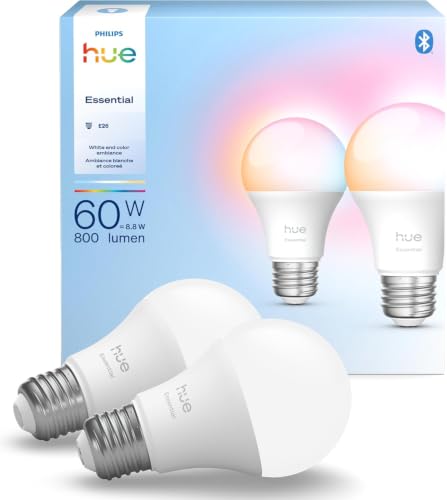
Mixed-use bedrooms usually work best with layered lighting and two temperatures. Keep the sleep zone warm, then add a cooler task light where you need accuracy. Smart bulbs can make that switch easier because they let you change color temperature on the fly.
Can you use cool light in a bedroom?
Yes, but it works best as a targeted tool rather than the room’s only light. Cool light helps in closets, vanities, and desk areas where visibility and color judgment matter. It feels too stark for some sleep zones, especially if the room is small, pale, or low-ceilinged.
When cool light helps
Cool light helps during morning routines, closet sorting, makeup, shaving, and cleaning. It is also useful if the bedroom gets little natural light and needs a task lamp to reveal detail. In those spots, brighter and cooler usually means easier to use.
When cool light feels too stark
Cool light can feel overexposed in a small bedroom, especially when walls are white and fixtures are bare. It can also make the space feel more like a utility room than a sleeping room if you use it as the only source after dark.
How dimmers, smart bulbs, and layered lighting solve mixed-use bedrooms
Dimmable lighting is one of the best bedroom upgrades because it lets you shift from getting ready to winding down without changing fixtures. Smart bulbs go a step further by letting you change color temperature across the day. For renters, plug-in lamps and smart bulbs are often the easiest non-permanent tools.
Frequently asked questions
cool lighting vs warm lighting
Cool lighting is usually better for visibility and task work, while warm lighting is usually better for relaxation and bedtime use. In bedrooms, the better choice depends on zone: keep sleep areas warm and reserve cooler light for grooming, reading, or cleaning where detail matters.
warm vs cool lighting
Warm lighting typically falls around 2700K to 3000K in bedroom use, while cool lighting usually sits around 5000K to 6500K. Warm light feels softer and more restful. Cool light feels clearer and more alerting, which is useful only in the parts of the bedroom where you need precision.
warm lights vs cool lights
Warm lights are the safer choice for most bedroom ambiences because they suit winding down and bedside use. Cool lights are more functional in task zones. If your bedroom does more than one job, choose both in different fixtures instead of forcing one bulb type everywhere.
cool light vs warm light
Cool light gives better visual clarity, especially for makeup, shaving, and dressing. Warm light gives a gentler evening feel and is less likely to keep the room feeling active after bedtime. For most bedrooms, warm light should cover the sleep zone, while cool light stays in task zones.
Products related to this article
Sponsored / affiliate links. As an Amazon Associate I earn from qualifying purchases. I may earn additional commission from eligible campaigns.
 FLEXMAN H8 Router Table Insert Plate, Precision Aluminum Alloy Wood Milling Flip Board Set, 9.5 X 7.9 Multifunctional Woodworking Router Plate for Carving Milling
 Tighall Ceiling Lighting Plate Lamp Base Ceiling Light Cover Pendant Light Plate with Embossed Pattern Chandelier Accessories with Screw (Antique Brass)