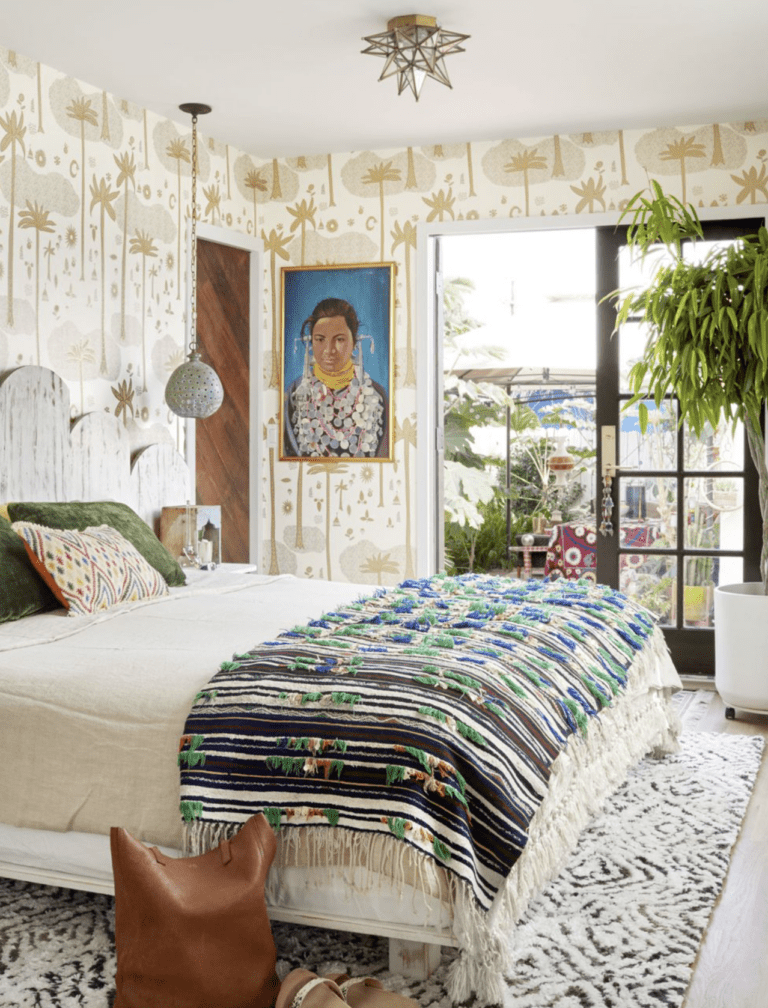
What Color Bedding Is Best for Winter?
For winter bedding, choose one of several color paths: warm neutrals like ivory, oat, and taupe; muted cools like slate blue or sage; or deeper accents such as forest green or burgundy paired with light sheets. If the room is small or low on light, keep the base light. A poor palette can make the bedroom feel colder, heavier, and smaller. This guide explains which winter bedding colors work best and how to layer them without darkening the room. For material basics, see our bedding material guide, the sheet fabric guide, and how to layer a duvet for colder months.
What color bedding works best for winter?



For winter, the best bedding color is the one that reads warmer to the eye while still fitting your room’s light, size, and style. Fabric decides actual warmth. Color changes mood, and winter light makes that effect more noticeable, so a palette that feels cozy in July can look flat or cold by January. That visual effect is well supported by color and lighting research: cooler, lower-angle winter daylight often reduces perceived warmth and makes pale cool tones read bluer, while darker colors can absorb more light and feel visually heavier in dim rooms. In practice, that means the same bedding can feel different by season even when the fabric does not change.
Warm-looking colors versus warm-feeling fabrics
Those are separate decisions. Flannel, fleece, microfiber, and cotton can affect insulation, softness, and breathability. Color affects visual warmth. A white cotton set can feel crisp and light, while a dark blue fleece set can feel very cozy because the color looks grounded and the fabric traps heat better. Breathability and warmth are material properties rather than color properties; cotton is generally more breathable, while brushed flannel tends to feel warmer and softer because its raised surface holds still air more effectively. That is why a pale flannel can feel warmer than a dark cotton percale.
How winter light changes color perception
Low winter light makes cool tones look bluer and dark colors look heavier. Bright white can stay airy, but it may also feel stark if the room already gets little sun. Off-white, cream, beige, and muted blue usually read softer in winter light than a sharp white or a very cool grey. In north-facing or overcast rooms, this is the failure case to watch: a cool grey may seem flat, and a dark navy may compress the space more than expected. For more on choosing palettes by room tone, see our bedroom color palette guide.
The simplest rule for choosing a winter palette
Start with the room first, then decide on the season look. If the bedroom is small or dim, stay with lighter neutrals and soft muted colors. If the room is large and gets good daylight, deeper shades can work well. If you want a cozier read without a dark room, choose cream, taupe, or dark blue in measured amounts. A useful framework is: light room = more contrast is safe; dim room = softer, lighter bedding wins; warm wall tone = cooler bedding can balance; cool wall tone = warmer bedding often feels better. That hierarchy is more reliable than picking a “winter” color first.
- Check the room size.
- Check the amount of daylight.
- Choose a light or dark base accordingly.
- Add one accent color through pillows or a throw.
- Match the palette to your existing furniture and walls.
Winter bedding colors guide
White sheets create an airy, clean, and fresh mood. Grey sheets are contemporary and cool. Beige sheets are casual and timeless. Dark blue sheets are peaceful and classic. Light blue sheets are fresh and colorful. Off-white or cream-colored sheets are cozy. The best bed sheet color depends on the look you want, the room’s light, and how much upkeep you want. Stain visibility varies by shade: white shows the most, very pale creams can still reveal marks, and mid-to-dark tones usually hide everyday wear better, though lint and detergent residue can show more clearly on some darker fabrics. See stain-care tips for bedding.
White and off-white
White bedding works best when you want a bright, open feel. It coordinates easily and keeps a room from feeling cramped, which is useful in rentals and smaller bedrooms. White can show stains more readily, so it fits best if you want a crisp look and plan to keep the bed consistently tidy. Off-white and cream are the softer winter version: they keep the room bright, but they usually feel less stark than pure white in lower winter light. In rooms with cool grey walls or pale flooring, cream can also keep the whole scheme from reading sterile.
Grey and dark blue
Grey feels modern and helps hide stains, which makes it practical for everyday use. It pairs well with yellow, white, and blue, so it is easy to build around. Dark blue reads classic and also hides stains well. It works especially well with grey, beige, light blue, and white. The tradeoff is visual weight: in low-light bedrooms, deep grey and navy can make the bed dominate the room and can make a small space feel more enclosed. Grey is also a shade that can read colder than intended under cool LED lighting, so warm bulbs or a cream accent can help.
Beige and cream
Beige gives a casual, timeless look and a warm appearance without going dark. It can be harder to color-match exactly, so the shade matters. Cream is a strong winter option if you want a softer, cozier mood than bright white but do not want a heavy or moody palette. Beige usually performs best when wall paint, rugs, and wood tones are already warm or neutral; with very cool walls, it can look slightly dull unless you add contrast through pillows or a throw.
Using the color table to compare room size, light, warmth, and stain visibility
Use the table below when you are choosing between light neutrals, dark tones, and accent colors. It is designed for winter bedrooms that need warmth in the eye, not just warmth in the fabric. The table favors common, repeatable colors that work across most homes and seasons.
| Bedding color | Room size fit | Light level fit | Warmth perception | Stain visibility | Best room style | Pick this if… |
|---|---|---|---|---|---|---|
| White | Small to medium | Medium to bright | Fresh, airy | High | Minimalist, airy, rental | you want a clean winter base; you use dark throws for contrast; you like easy coordination |
| Off-white / cream | Small to large | Low to medium | Cozy, warmer than white | Moderate | Classic, calm, neutral | you want warmth without darkness; you prefer soft neutrals; you want a winter look that still feels open |
| Grey | Small to large | Medium to bright | Cool, modern | Low | Modern, minimalist | you want a cleaner look with less upkeep; you like pairing with white or blue; you want a quieter winter palette |
| Beige | Small to medium | Low to medium | Warm, casual | Moderate | Casual, timeless | you want a soft winter base; you like a relaxed look; you are fine with shade matching that needs care |
| Dark blue | Medium to large | Medium to bright | Classic, grounding | Low | Classic, tailored, layered | you want a deeper winter mood; you have enough daylight; you like a bed that hides everyday marks |
| Light blue | Small to medium | Bright | Fresh, cool | Moderate | Light, coastal, simple | you want color without heaviness; you have good daylight; you want a lighter winter palette |
| Sage | Small to large | Medium | Soft, calm | Moderate | Quiet, natural, layered | you want a muted accent; you like bedding that feels restful; you want color that stays gentle in winter light |
| Charcoal | Medium to large | Medium to bright | Deep, grounded | Low | Modern, tailored, masculine-leaning | you want a darker neutral that still feels versatile; you plan to balance it with cream or white; you have enough light to keep it from feeling flat |
Which bedding materials feel warmest?
Flannel is a top choice for winter because it is soft, breathable, and ideal for everyday use. Fleece bedding is lightweight and incredibly warm, which suits colder climates. Microfiber is affordable, easy to maintain, and soft. Cotton is breathable and soft for everyday use, but it is less insulating than flannel. These are general performance tendencies, not absolutes: weave, yarn thickness, and finishing matter too, which is why brushed cotton flannel often feels warmer than smooth cotton percale even when both are cotton.
Flannel bedding
Flannel bedding is a strong winter staple when you want warmth without a stiff feel. It holds heat well, feels soft against the skin, and still breathes better than some heavier synthetics. It is a practical choice for bedrooms that get chilly at night but not so cold that you need the warmest possible layer. Flannel also tends to look more relaxed and less glossy than sateen, which can make a bed feel more inviting in low light.
Fleece bedding
Fleece bedding works well when you want lightweight warmth and a very cozy surface. It is especially useful in colder climates where heat loss matters more than a crisp percale feel. Because fleece can feel warmer than cotton right away, it pairs best with a room that can handle a heavier visual texture. The tradeoff is breathability: fleece can feel too warm for some sleepers and may look visually dense in smaller bedrooms.
Microfiber bedding
Microfiber is a budget-friendly option that stays useful through frequent washing. It is durable, easy care, and soft-feeling, so it fits guest rooms, rentals, and busy households. For winter, it works best when you want a low-maintenance set that still looks smooth and neat under blankets and throws. Depending on the weave, microfiber can also hold lint and pet hair differently than cotton, which matters if the bedroom is high-traffic.
Cotton bedding
Cotton is a good everyday pick if you want breathability and softness rather than maximum insulation. It works well in winter when you add a warmer blanket or duvet cover on top. Cotton is less insulating than flannel, so it is better for people who sleep warm or live in a milder winter climate. In care terms, cotton often tolerates frequent washing well, but crisp white cotton can also expose stains and yellowing more clearly than deeper colors.
What colors make a bedroom feel cozy in winter?
Warm neutrals and deep accents usually make a bedroom feel cozier in winter. Off-white, cream, beige, dark blue, and muted sage look calmer than stark white or icy blue. If the room gets little natural light, choose a lighter warm base and use darker accents in smaller amounts. For broader palette ideas, the bedroom color palette guide can help you balance bedding with walls and furniture.
Choose warmer neutrals for a soft look
Ivory, cream, oat, and taupe keep the room from feeling bare. These shades work well when you want winter coziness without turning the bed into a dark block. They also make layered bedding look softer, especially when paired with textured throws, knit blankets, or matte pillow covers. Compared with pure white, these hues usually feel less clinical in winter daylight and more forgiving when the room uses mixed bulbs.
Use darker shades when the room gets enough light
Dark blue, forest green, and burgundy can feel very cozy, but they need enough daylight to avoid looking flat. In a bright bedroom, these colors add depth and make the bed feel more anchored. In a dim room, they can make the space feel smaller unless you balance them with lighter sheets or a pale duvet. That is the main failure case: a beautiful dark palette can become visually heavy if the room already lacks daylight.
Mix bedding color with throws and pillows
Layering is what keeps winter bedding from looking heavy. A cream base with a navy throw, or a grey duvet with white shams and a soft beige blanket, adds depth without clutter. Keep the number of colors tight. Two neutrals and one accent are usually enough. Texture often does more work than extra color here: cable-knit, brushed flannel, and matte cotton usually read cozier than shiny finishes.
Say your bedroom is 10 by 12 feet and only gets weak afternoon light. A dark charcoal comforter may make the room feel tighter. A cream duvet with a grey throw and one dark blue pillow keeps the winter mood while still leaving the space open. In a similar setup, a pure white set can feel too stark against cool walls, so the “best” color is often the one that softens the room rather than the one that looks most seasonal.
How do you choose bedding colors?

Choose bedding colors by starting with the room’s light, then the room’s size, then the amount of contrast you want. Small bedrooms usually do better with lighter grounds. Rentals and simple spaces often look best with neutral bedding. Layered beds can handle more contrast because blankets and shams break up the color.
For small bedrooms
Small bedrooms usually need lighter bedding colors so the bed does not dominate the room. White, off-white, cream, light grey, and soft beige all help keep the room visually open. If you want a darker accent, use it in a throw or a single pillow instead of the full duvet. This is especially true in rooms with a low ceiling or limited daylight, where dark bedding can visually lower the height of the room.
For rentals and simple spaces
In rentals, bedding often has to work with fixed floors, wall colors, and limited decor changes. Neutral winter bedding is the safest route. Grey, white, cream, and beige coordinate with more furniture finishes, while a dark blue accent can add winter depth without forcing a full redesign. Neutral bedding also makes it easier to swap styles seasonally without replacing the whole set.
For low-light rooms
Low-light rooms usually need warmer, lighter colors. Off-white, cream, beige, and soft light blue are safer than deep cool tones. If you want a darker mood, keep the sheet set light and use the darker tone in pillows or a folded blanket so the bed still reflects some light. That balance prevents the room from feeling closed in, especially when winter daylight is short.
For layered beds with blankets and shams
Layered beds can handle contrast better because the eye sees several surfaces at once. Start with a calm base color, then add one or two winter accents. A white sheet set, grey duvet, and dark blue throw looks intentional. A beige duvet with cream shams and a muted plaid blanket does too. The more layering you use, the more you can tolerate one deeper color without overwhelming the room.
Picture a minimalist bedroom with white walls, pale wood furniture, and one window facing north. A pure dark palette would likely feel heavy. A mix of off-white bedding, a grey knit throw, and a dark blue lumbar pillow gives winter texture without turning the room cold. If the walls were already warm beige, the same bedding could read softer and less contrasty.
Winter bedding colors and room styles
Different room styles need different winter palettes. Minimalist rooms usually do best with white, grey, or cream. Classic bedrooms can handle dark blue and beige. Casual rooms often look best with warm neutrals. The goal is to fit the palette to the room’s existing tone, not to force a seasonal trend into it.
Minimalist rooms
Minimalist rooms usually benefit from low-contrast bedding. White, off-white, pale grey, and light blue keep the bed simple and calm. If you want winter coziness, add texture through materials rather than more colors. A flannel or microfiber duvet in a quiet neutral will read warmer than a busy print. This is also the style where pure white is most likely to work, because the room already supports a crisp, pared-back look.
Classic bedrooms
Classic bedrooms can take on deeper winter colors more easily. Dark blue, cream, and beige feel composed and traditional. White sheets can still work here, especially when paired with a darker coverlet or tailored pillows. The palette should feel settled, not stark. In rooms with traditional wood furniture, these colors usually look deliberate rather than trendy.
Casual and timeless spaces
Beige and cream are strong choices for casual bedrooms because they feel relaxed and easy to live with. Grey also works if you want a cleaner, more modern edge. These colors stay flexible through winter layers, so you can bring in a plaid throw, a textured blanket, or a darker cushion without redoing the whole room.
Coordinating with existing decor
Match bedding to what already exists in the room. If the walls are cool and the furniture is dark, warm bedding can soften the overall feel. If the room is already warm-toned, a cooler grey or blue can stop the space from feeling too heavy. Keep the palette steady across bedding, pillows, and throws. When in doubt, repeat one wall color or one wood tone in the bedding accents so the room feels connected.
Winter bedding color decision table
Use this table as a practical filter. Start with the room size and light level, then decide whether you want the bed to feel warmer, calmer, or more dramatic. The best choice is the one that fits the room before it fits the season.
How to read the table
“Warmth perception” means how the color reads to the eye, not how much heat the fabric holds. “Stain visibility” helps you judge maintenance. “Best room style” tells you where the color usually works with the least effort.
| Color | Room size | Light level | Warmth perception | Stain visibility | Best room style | Pick this if… |
|---|---|---|---|---|---|---|
| White | Small, medium | Medium, bright | Airy, fresh | High | Minimalist, rental | you want a crisp winter base and easy mixing |
| Off-white / cream | Small, medium, large | Low, medium | Cozy, softer than white | Moderate | Classic, neutral | you want warmth without making the room darker |
| Grey | Small, medium, large | Medium, bright | Cool, modern | Low | Minimalist, modern | you want a neat look that hides marks well |
| Beige | Small, medium | Low, medium | Warm, casual | Moderate | Casual, timeless | you want a soft winter palette with a relaxed feel |
| Dark blue | Medium, large | Medium, bright | Classic, deep | Low | Classic, tailored | you want a richer winter mood and good stain hiding |
| Light blue | Small, medium | Bright | Fresh, light | Moderate | Simple, coastal | you want color that still keeps the room open |
| Sage | Small, medium, large | Medium | Soft, calm | Moderate | Natural, quiet | you want a muted winter accent that feels restful |
| Charcoal | Medium, large | Medium, bright | Deep, grounded | Low | Modern, tailored, masculine-leaning | you want a darker neutral that still feels versatile; you plan to balance it with cream or white; you have enough light to keep it from feeling flat |
Color-by-color winter fit
White is best for an airy feel, but it needs upkeep. Off-white and cream are the safest cozy choice when you want warmth without visual weight. Grey is the easiest modern neutral. Beige suits soft, casual spaces. Dark blue is the strongest classic winter color when the room has enough light. For broader coordination ideas, see our bedroom color palette guide.
Frequently asked questions
What bedding are best suited for winter?
For winter, flannel, fleece, microfiber, and cotton are the main choices. Flannel is a top choice for winter because it is soft, breathable, and ideal for everyday use. Fleece is lightweight and incredibly warm. Microfiber is affordable and easy to maintain. Cotton works well when layered with a warmer blanket. In colder bedrooms, the most comfortable setup is often a breathable base with a warmer outer layer.
What luxury bedding are best for winter?
Luxury-leaning winter bedding usually means a strong fabric plus a restrained palette. A cream or dark blue duvet in flannel, high-quality cotton, or a smooth microfiber set can feel more refined than a busy print. The key is texture, color balance, and a neatly layered bed that does not look crowded. High-quality cotton sateen or brushed cotton can also feel elevated when the finish suits the room’s lighting.
Which bed sheets are best for winter?
For winter sheets, choose the fabric first and the color second. Flannel sheets are the warmest-feeling common option. Cotton sheets are breathable and comfortable if you sleep warm. Then choose a color that suits the room: white for airiness, cream for coziness, grey for a modern look, or dark blue for a classic feel. If stain management matters, mid-tone sheets usually hide everyday marks better than pure white.
What colors work best for bedding in winter?
The strongest winter colors are off-white, cream, beige, grey, and dark blue. White feels airy and fresh. Grey looks contemporary and cool. Beige feels casual and timeless. Dark blue looks peaceful and classic. Light blue works if you want a fresher, lighter winter palette. Sage is a softer accent, while charcoal gives a deeper neutral option for rooms that can handle more visual weight.
Products related to this article
Sponsored / affiliate links. As an Amazon Associate I earn from qualifying purchases. I may earn additional commission from eligible campaigns.