Best Bed Size for a Small Bedroom (2026): Research Shows
For a small bedroom, choose the largest bed that still leaves at least 24 to 30 inches of walking space on the main sides, keeps doors and drawers clear, and leaves room for bedside use. If you skip those clearances, the room feels tight, traffic breaks up, and daily tasks like making the bed or opening a closet turn awkward fast. This guide explains how to measure, compare twin, full, queen, and compact alternatives, and decide what fits your room.
Quick comparison
| Product | Badge | Best for | Price | ||
|---|---|---|---|---|---|
 |
FATHOM Medium Twin XL Mattress 12 Inch Memory Foam MattressFATHOM | Our pick | Twin XL · 12-inch · memory foam | $171.93
Price as of 30 Oct 2026
|
View |
 |
Mjkone Cabinet Beds Full Size, Hidden Murphy Wall Bed,Mjkone | Also great | Full size · Murphy cabinet · LED lights | $619.98
Price as of 30 Oct 2026
|
View |
Start with the room, not the mattress label. A bed that fits on paper can still fail if it blocks a closet, cuts off a door swing, or leaves no usable path around the frame.
The best choice is the largest size that still leaves movement, storage access, and bedside function intact. That rule changes with the room’s shape and the other furniture you keep.
How we chose
We compared common small-bedroom use cases by four checks: mattress footprint, minimum room-size guidance, circulation space, and the way nightstands or frames change the real footprint.
We also separated advice for solo sleepers, couples, guest rooms, and rooms that must do double duty. That matters more than mattress size alone.
Twin bed: best for one sleeper
Twin is the smallest common standard bed size, and it is usually the safest pick for a very small room with one sleeper. It leaves the most open floor area for a desk, dresser, or play space, which makes it the easiest size to live with when circulation is tight.
Use twin when sleep is the only priority and the room must still function as a workspace or storage room. The drawback is simple: it gives up shared-sleep comfort, so it is not the right answer for two adults who need regular overnight use.
A common first-timer mistake is choosing a larger mattress because the room feels “big enough” once it is empty. Picture a 9 x 10 foot guest room with a closet near the bed wall: a twin leaves a clear path to the closet, while a full may block the door swing or force the dresser into the walking lane.
Full bed: best for tight two-person setups
Full mattresses measure 54 x 75 inches, and they are often the minimum practical size for two people in tight quarters. Purple lists 10 x 10 feet as a minimum room size for a full bed, which makes it a realistic step up from twin when you need more sleep surface without moving straight to queen.
Full is usually a better fit for a small bedroom than queen when the room must still hold a dresser, nightstand, or open closet access. The tradeoff is narrower shoulder room for couples, so it works best for occasional shared sleeping, smaller adults, or guest rooms.
If you need bedside storage, keep the furniture slim. A narrow nightstand or wall shelf can preserve the walking lane better than a wide cabinet, especially in a room that already has a closet door near the bed.
Queen bed: best for couples with enough clearance
Queen mattresses measure 60-by-80 inches, and Purple lists 10 x 11 feet as a minimum room size for a queen bed. It is the most popular bed size for couples, but that does not mean it belongs in every small bedroom; the layout still has to leave usable circulation and storage access.
Choose queen when the room can handle the mattress plus at least one side with comfortable movement and the door and closet still open freely. The main drawback is that queen often looks fine in a bare room, then feels tight once you add nightstands, lamps, and a dresser.
Suppose your room is 10 x 11 feet and the bed wall also holds a closet door. A queen may fit by the numbers, but one bulky nightstand can force you to sidestep every time you pass the bed. In that case, the mattress fits, but the room does not work well.
For couples, queen is often the best compromise when you want more sleeping width than full without jumping to king-level floor demand. It is the standard benchmark for many bedrooms because it balances sleep comfort and usable space better than larger mattresses.
Can a king bed fit in a small bedroom?
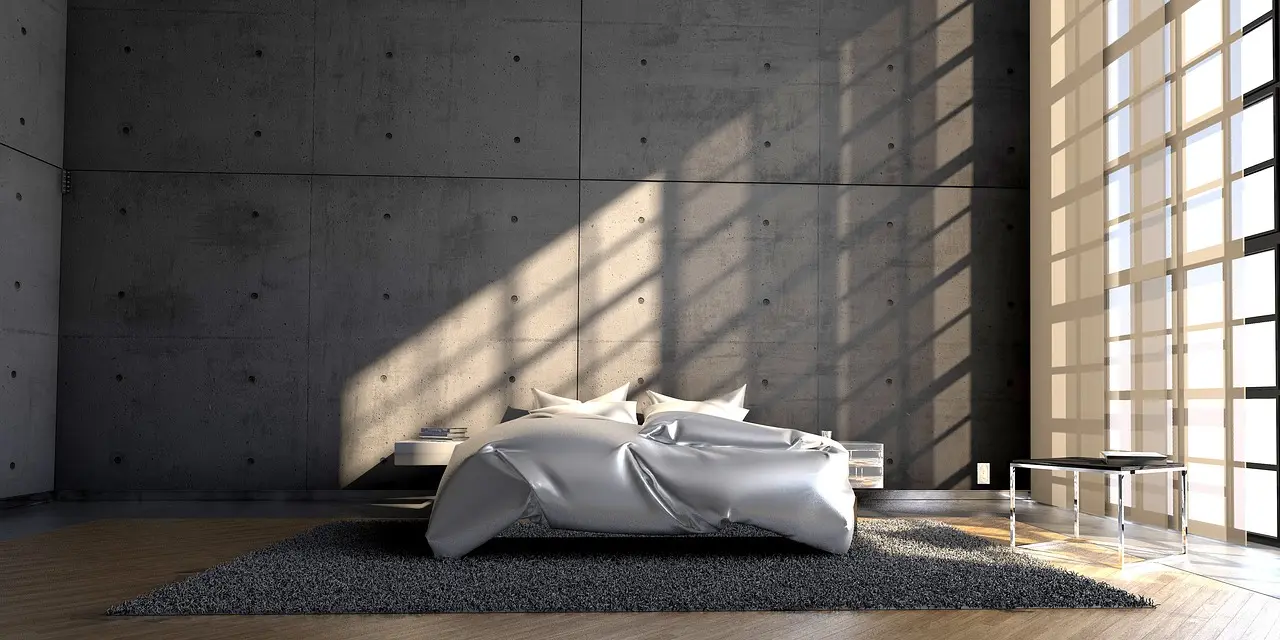
A king bed can fit in a small bedroom, but only when the room is closer to a compact primary bedroom than a truly tight space. King mattresses measure 76-by-80 inches, and Purple lists 12 x 12 feet as the minimum room size for a king bed. Even then, the frame, nightstands, and door swings may make the fit awkward.
Pick king only if the room is square enough, the closet and door placement cooperate, and you can accept reduced storage or slimmer bedside pieces. The usual drawback is circulation: a king may take over the room once you add a frame, drawers, or matching nightstands.
King is also the widest standard mattress size, so width is usually the limiting factor rather than length. If the room is narrow or the bed must sit near a swinging door, king can work on paper and fail in daily use.
California king measures 72-by-84 inches and gives extra legroom for taller sleepers. Purple also lists a 12 x 12 foot minimum room size for California king, so it is not a space-saving choice; it is a comfort choice for rooms that can spare both length and clear walking paths.
Bed size table

This table turns room size into a practical decision. Use it as a first pass, then check doors, windows, closets, and furniture before buying.
| Common small-bedroom size | Recommended bed size | Clearance to preserve | Likely tradeoff for solo sleepers | Likely tradeoff for couples | Likely tradeoff for guest rooms |
|---|---|---|---|---|---|
| 8 x 10 feet | Twin | Keep 24 to 30 inches on the main walking side if possible; keep doors and drawers fully open | Best floor space, least clutter | Too tight for regular use | Works well if sleeping is occasional |
| 10 x 10 feet | Full | Preserve a clear path to the closet and at least one side of the bed | Extra room for storage or desk use | Narrow for nightly shared sleep | Good balance for visitors and storage |
| 10 x 11 feet | Queen, if layout cooperates | Keep the closet door and entry door usable; slim nightstands help | Extra sleep width, less floor space | Most comfortable small-room couple option | May be too much unless guests stay often |
| 11 x 11 feet | Queen preferred; king only with a simple layout | Check both door swings and bedside clearance before deciding | Queen leaves more usable floor than king | King may work if furniture is minimal | Queen is usually easier to furnish |
| 12 x 12 feet | King or California king, depending on layout | Keep at least one comfortable route around the bed and access to storage | Large bed is possible, but room may lose flexibility | Most realistic zone for a larger mattress | Often larger than needed unless the room has multiple uses |
Bed frame and foundation matter
The mattress size is only part of the footprint. A platform frame, thick side rails, storage base, or bulky headboard can take up more room than the mattress label suggests, and a box spring or tall foundation can add height that changes how the room feels.
For tight rooms, a lower-profile frame often fits better than a tall, upholstered one. If the bed must sit close to a window or closet, check the frame dimensions, not just the mattress dimensions.
Nightstands change circulation fast
Nightstands are easy to overlook, but they can make or break a small bedroom. Wider pieces eat into the walking lane, while slim tables, wall-mounted shelves, or hanging lights free up floor space and help the room function.
Bob Vila’s project notes illustrate the point: the existing nightstands were 22 inches wide, then custom nightstands were reduced to 14 inches wide. That kind of change can be the difference between a bed that merely fits and a room that still works.
Room circulation space is the real test
Walking clearance, door swing, and closet access decide whether a bed is practical. A room with an awkward entry door can feel smaller than a larger square room if the bed blocks the path to storage or forces you to squeeze past the frame.
As a rule of thumb, leave 24 to 30 inches on the main walking side whenever possible. If you cannot keep that range, the bed may still fit, but the room will likely feel cramped in daily use.
How to measure before you buy
- Measure the room wall to wall, then mark windows, vents, closet doors, and the entry door swing.
- Measure the mattress and the full bed frame or foundation footprint.
- Draw the bed in the planned position and leave the main walking route clear.
- Check whether you can still open drawers, closet doors, and the bedroom door without bumping the bed.
- Decide whether you need bedside storage, and choose slim pieces if space is tight.
Which one should you buy?
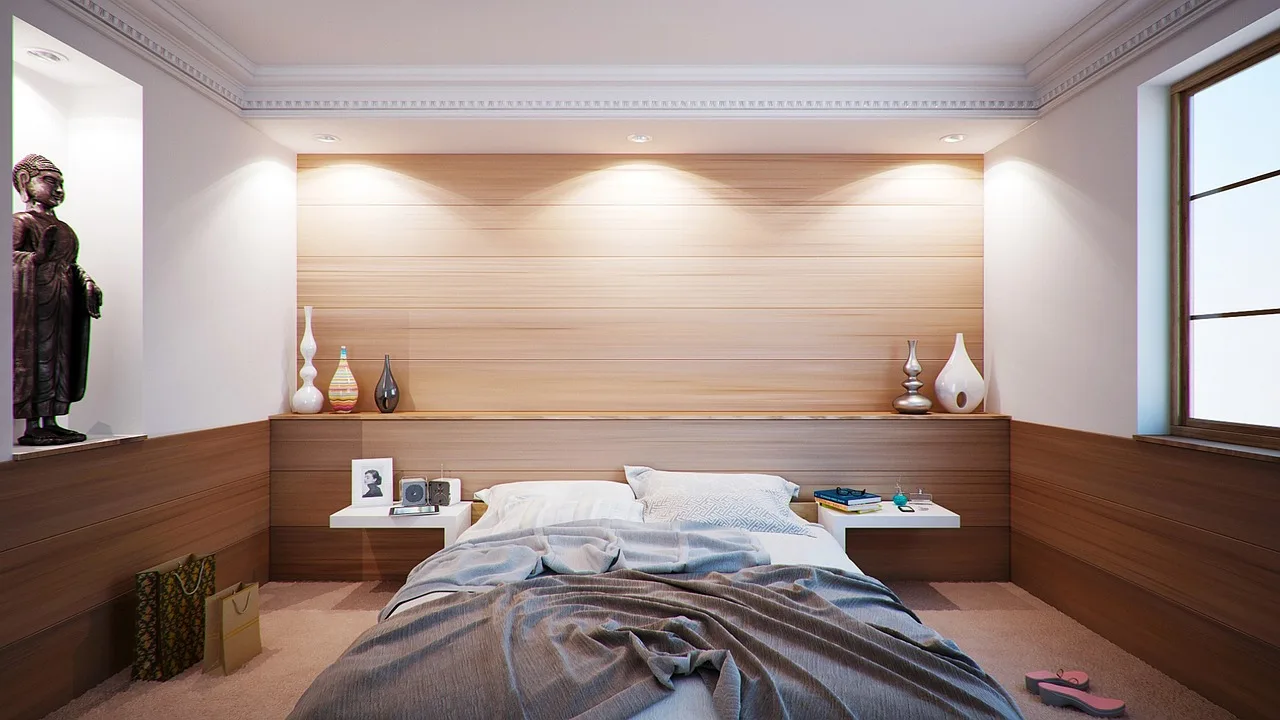
Start with sleep need, then compare it against circulation and storage. For one sleeper in a very small room, twin is usually the safest buy. For two people in a tight bedroom, full is the minimum practical option, while queen is the better couple-size choice if the room can handle it.
If the room is around 10 x 11 feet, queen is often the largest sensible pick, but only if door swings and closet access stay clear. If you are closer to 12 x 12 feet and can simplify the furniture, king becomes more realistic, though it still is not the right answer for many small bedrooms.
Use a simple decision rule: choose the largest bed that preserves sleep comfort first, circulation second, and storage third. If the mattress size wins on comfort but loses on movement or access, it is too large for that room.
FATHOM Medium Twin XL Mattress: best for one sleeper
This FATHOM Twin XL mattress suits a solo sleeper who wants more length than a standard twin without giving up much floor space. Based on the manufacturer’s specs, published product details, and buyer feedback, the 12-inch memory foam build and gel foam are aimed at pressure relief and cooler sleep.
It fits the small-room rule well because Twin XL keeps the footprint compact while adding legroom for taller sleepers. The drawback is that Twin XL is still a one-person solution, and the thickness can make the bed feel visually larger if the frame is bulky.
Mjkone Cabinet Beds Full Size: best for guest rooms
This Mjkone full-size Murphy cabinet bed is a better match for rooms that need sleeping space only part of the time. Based on the manufacturer’s specs, published product details, and buyer feedback, the cabinet-style design saves floor space when the bed is folded away, and no box spring is required.
It is useful when a guest room must double as an office or hobby room, because the bed does not occupy the floor all day. The drawback is that cabinet beds are more specialized than a standard frame, and the price is much higher than a basic mattress setup.
Frequently asked questions
What size bed is best for a small bedroom?
The best bed is the largest one that still leaves usable walking space, door clearance, and storage access. For one sleeper, that is usually twin. For two people, full is the space-saving choice, while queen is the better fit if the room can handle 10 x 11 feet or more and still function well.
How big should a small bedroom be for a bed?
That depends on the bed size and the furniture around it. The same source lists 10 x 10 feet for a full bed, 10 x 11 feet for a queen, and 12 x 12 feet for a king or California king. Those are starting points, not guarantees, because door and closet placement can change the fit.
Will a queen bed fit in a small bedroom?
Sometimes, yes. Queen mattresses measure 60-by-80 inches, and Purple lists 10 x 11 feet as a minimum room size. The key test is whether you can still keep a clear path, open closet doors, and use bedside storage without turning the room into a squeeze-through space.
Is a full bed better than a queen for a small room?
Yes, when floor space matters more than sleep width. Full mattresses measure 54 x 75 inches, so they leave more room for walking, storage, and flexible furniture placement. Queen is better for couples who need more sleeping room, but full is often easier to live with in a compact bedroom.
How do you decide bed size based on room layout?
Measure the room, then map the door swing, closet access, and the main walking route. After that, place the bed on paper and check the remaining space around it. If a larger size blocks movement or storage, drop down one size and simplify the bedside furniture.
Products related to this article
Sponsored / affiliate links. As an Amazon Associate I earn from qualifying purchases. I may earn additional commission from eligible campaigns.