Bedroom Seating Problems: Fixes That Actually Work
Bedroom seating problems usually come from blocked circulation. Keep at least 24 inches of clear walking space, and choose a seat depth that still leaves drawer and closet access. If you ignore that spacing, the room feels crowded, doors snag, and the seat becomes dead weight. This guide shows how to diagnose the obstruction, pick the right seat type and size, and place it where the room can support it.
Why does bedroom seating feel awkward?


Bedroom seating feels awkward when the problem is not the seat itself, but the room around it. Most failures come from one of three issues: clearance is too tight, the furniture is too large for the bed and walls, or the seat sits in a spot that interferes with daily movement and access.
That is why a bedroom can feel smaller, busier, or harder to move through after one extra chair goes in. The quickest fixes are usually practical: move the seat out of the circulation path, remove anything that blocks drawers or doors, and choose a profile that leaves more usable floor around the bed.
Check the circulation path first
Start with movement, not style. The path around the bed should stay open enough for easy passage, and the seat should not block drawers, closet doors, windows, outlets, or the bedroom door. If the room cannot support that path, the seating choice is wrong no matter how attractive it looks.
- Map the walking route. Mark the line from the bedroom door to the bed, closet, dresser, and window. Keep about 24 inches of clear circulation where you need to pass, and add more if two people are likely to use the room at the same time. That 24-inch figure is a common planning guideline for bedroom circulation.
- Measure swing zones. Open drawers, closet doors, and the bedroom door fully before choosing furniture. If a seat sits inside that sweep, it will fail in daily use even if it fits on paper.
- Check outlet access. Leave enough open wall or floor access for lamps and charging cords. A chair that hides the only outlet in the room is rarely worth keeping.
Suppose a queen bed leaves 28 inches on one side but only 18 inches near the closet. A chair may fit by the bed, but it will still fail if the closet door cannot open. In that case, the problem is placement, not seat type.
Choose the right seat for the room
The best seat depends on use, not just footprint. A bedside chair works as a reading perch or clothing drop zone. A bedroom bench suits the foot of the bed. An accent chair belongs in a corner or landing zone. A storage ottoman helps when storage needs are part of the seating problem and the room is too tight for a bulkier piece.
Scale matters here too. Seat height should work with the bed height and nearby nightstands, and the chair or bench should not overpower the headboard. In practice, that means choosing a piece that leaves the bed, door swings, and storage access usable after it is placed.
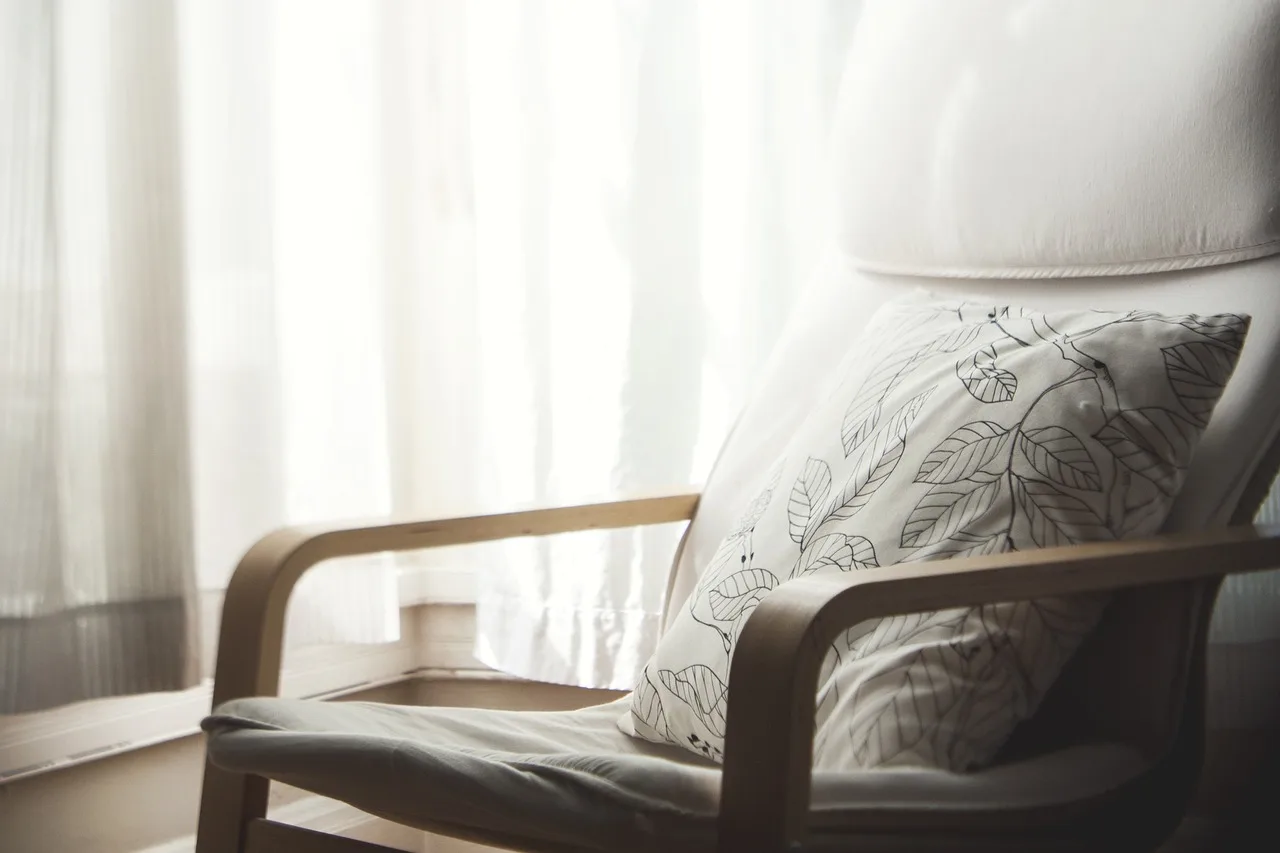
- Bedside chair. Best when you need a compact perch for reading or setting down clothing. Armless profiles usually work best in small rooms because they reduce visual bulk and improve movement around the bed.
- Bedroom bench. Best at the foot of the bed when you want a landing spot for shoes, bags, or folded clothes. Width and seat depth matter more here than arm style.
- Accent chair. Best in a corner or open wall zone, especially when paired with a lamp or small table. Use it when the room has enough floor clearance around it to avoid a jammed look.
- Storage ottoman. Best for tight rooms that need seating and hidden storage in one footprint. It works well for blankets, pillows, and clutter that would otherwise spread across the floor.
Bedroom seating troubleshooting matrix
This matrix helps you match the problem to the fix before you buy or move anything. Use the obstruction first, then the seat type, then the placement rule.
| Problem | Best seating type | Ideal seat width/depth range by scenario | Minimum clearances | Placement fix | What not to do |
|---|---|---|---|---|---|
| No floor space | Storage ottoman | Keep the footprint compact and shallow enough to preserve the walking lane | Keep at least 24 inches of walking space; leave room for drawer and door swing | Place it where it can double as a seat and storage bin, often near the foot of the bed or beside a dresser | Do not add a deep lounge chair that steals the circulation path |
| Blocked drawers | Bedside chair or no seating | Use a narrow profile with a shallow seat so drawers can open fully | Allow full drawer extension plus passage room | Shift the seat to another wall, or remove it if the drawer zone is the only available space | Do not push the seat halfway in front of drawers and hope daily use will work around it |
| No light | Accent chair or reading nook seat | Choose a compact chair that leaves space for a lamp and side table | Leave space for a lamp base, side table, and a clear reach zone | Move the seat near a window wall, a sconce, or a floor lamp so the area can actually be used | Do not put a chair in a dark corner and expect it to function as a reading area |
| Awkward corner | Accent chair or reading nook | Use a petite chair that fits the corner without crowding the opening beside it | Use the wall or corner space without pinching the walkway | Angle the chair toward the room and define it with a rug or side table | Do not force a wide bench into a narrow corner that cannot support it |
| Bed too close to wall | Storage ottoman or no seating | Choose the smallest seat that still solves the storage or landing need | Protect the walking lane and access to the bed side | Use the foot of the bed or a different wall rather than crowding the tight side | Do not place a chair where getting in and out of bed becomes a squeeze |
| Radiator or window interference | Low bench or compact ottoman | Use a shallow piece that stays clear of heat, trim, and the window swing area | Leave the heating source and window operation unobstructed | Place the seat away from the radiator or beneath a window only if the opening, heat flow, and access stay clear | Do not park a tall chair against a radiator or under a window that needs regular use |
| Swing-door conflicts | Armless chair or no seating | Choose the narrowest workable seat so the door can open without contact | Clear the full door swing before adding any seat | Move the seat out of the swing zone or switch to a different wall | Do not place a chair where a door has to brush past it every time it opens |
| Narrow end-of-bed clearance | Bedroom bench or storage ottoman | Use a bench depth near the lower end of the common planning range so the foot of the bed stays passable | Keep enough room to walk around the bench without turning sideways | Choose a smaller bench, or skip seating at the foot of the bed if the turning point is already tight | Do not choose a bench that makes the foot of the bed feel like a bottleneck |
Use case changes the answer
A seat for reading needs light, a small table, and enough space to sit without twisting. A seat for dressing needs easy access and a short reach for clothing. A seat for lounging needs more comfort, but that comfort should never cut off storage doors or the bed path.
That is why a bedroom can feel off even when the furniture is stylish. The wrong seat in the wrong position becomes a visual obstacle and a physical one.
What size bench works at the foot of a bed?
A foot-of-bed bench should match the bed, not overpower it. As a common planning guideline, bench width is often about 2/3 to 3/4 of the mattress width. Seat depth of about 14-18 inches is often used to keep a bench functional without making the room feel cramped.
Choose storage or no-storage based on how much hidden capacity you need. A storage bench works well when blankets, extra pillows, or seasonal clutter need a home. A plain bench is better when the room already feels full and the goal is a lighter visual load.
- Measure the mattress width. Use that number to estimate a bench width in the 2/3 to 3/4 range. That keeps the bench scaled to the bed instead of looking lost or oversized.
- Check the seat depth. Stay near 14-18 inches of depth so the bench can function without swallowing the floor at the foot of the bed. That depth range is a common planning guideline rather than a fixed rule.
- Confirm end clearance. Leave enough room to walk around the bench without turning sideways. If the foot of the bed already feels tight, choose a smaller bench or skip it.
Picture a king bed in a medium bedroom with a bench that is too deep and nearly as long as the mattress edge. The result is a blocked turning point at the foot of the bed. A narrower bench with the same height would solve the problem without changing the whole room.
How do you fit a chair in a small bedroom?
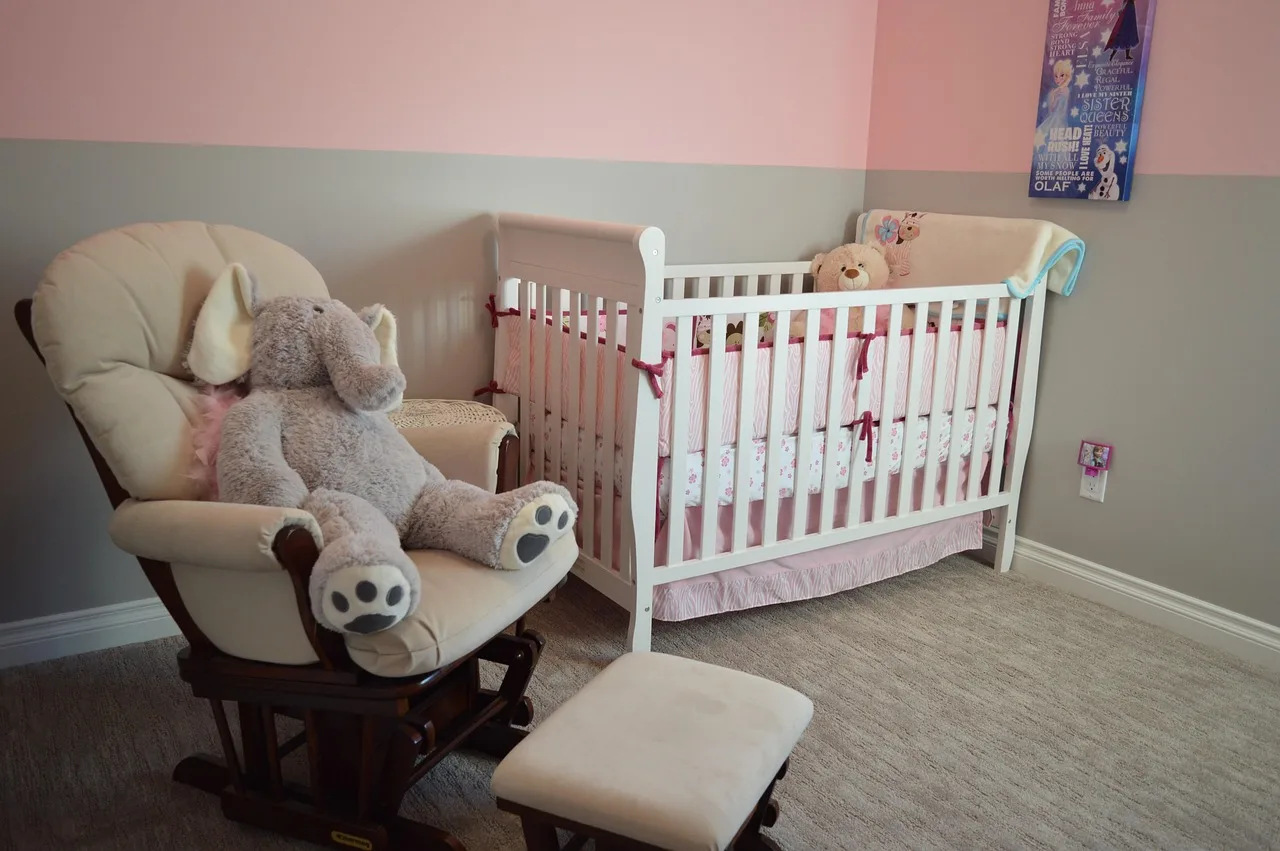
Fit a chair in a small bedroom by choosing a compact shape first, then placing it where the room already has spare space. Armless or low-profile chairs usually work best because they reduce bulk and leave more room for movement. The chair still needs floor clearance around it, especially if the room already holds a bed, dresser, and nightstands.
Use wall space, a corner, or a window zone if the room has no open central area. A chair also works better when it is balanced by other furniture, not isolated as a random extra piece. In narrow rooms, a bedside chair often works only if it replaces something else or takes over a dead corner.
Use the room’s leftover zones
Look for the place where circulation already slows down. A narrow sliver near a window, a spot beside a tall dresser, or a corner that cannot hold a full dresser may support a chair better than the open side of the bed. If the room has a bay window, that zone can become a reading seat if the chair does not block the glass or trim.
For rooms with sloped ceilings, keep the chair where headroom is comfortable. A tall upholstered lounge chair under the low edge of a slope can feel heavy and awkward even if the footprint fits.
Balance visual weight
Scale and proportion matter as much as inches. A large upholstered chair beside a low bed and small nightstand can look crowded. A petite armless chair beside a king bed can look too slight unless the room has other strong pieces to support it visually.
Match the chair to the room size, the headboard height, and the neighboring furniture. If the bed already dominates the room, choose a lighter chair profile. If the bed is low and the walls are open, a more substantial chair may work.
How do you make a seating area feel finished?
A seating area feels finished when it has a job and a small support system. Add task lighting with a floor lamp, wall sconce, or table lamp so the chair can actually be used. Include a small side table for books, water, or glasses. Define the area with a rug when the seat needs its own zone.
Lighting changes both use and mood. A reading nook without task light usually becomes decorative clutter. A lamp beside the seat makes the area more usable and keeps dark corners from swallowing the furniture.
- Add task lighting. Choose a floor lamp, wall sconce, or table lamp based on the wall and floor space you have. Keep the light close enough for reading, but not so close that it blocks circulation.
- Place a small side table. Give the chair a surface within easy reach for a book, drink, or phone. A table that is too large can make a compact nook feel boxed in.
- Define the zone. Use a rug when you want the nook to read as a separate area. This is especially helpful in larger bedrooms or corners that otherwise feel disconnected from the rest of the room.
Replace bulky extras with pieces that solve the seating problem directly. A chair should sit where it can be used, not where it merely fills space. If the room is still tight after placement, the better answer is usually to remove an obstruction rather than add another object.
Frequently asked questions
Why does my bedroom seating feel awkward or cramped?
Bedroom seating feels awkward when the seat is fighting the room’s circulation path, scale, or lighting. If it blocks drawers, sits too close to the bed, or lands in a dark corner, it will seem wrong even if the style is attractive. Clearance and placement usually matter more than the seat type.
How far should bedroom seating be from the bed?
Use the circulation path as the first rule. Keep at least 24 inches of clear walking space where you need to pass, and leave additional room if drawers or closet doors need to open nearby. If the seat is for a reading nook, place it where you can reach it without squeezing past the bed.
What do I do if there is no room for bedside seating?
Use no bedside seat at all if the path becomes too tight. A storage ottoman at the foot of the bed, a narrow bench, or a wall-mounted shelf near the bed may solve the same need without blocking access. The right answer is the one that preserves movement.
How can I make a bedroom seating area feel less cluttered?
Reduce the number of pieces around the seat and give every item a task. One lamp, one small table, and one rug are often enough. Keep storage elsewhere in the room, and use the lightest practical seat profile if the space feels crowded. The goal is calm, not crowded.
Products related to this article
Sponsored / affiliate links. As an Amazon Associate I earn from qualifying purchases. I may earn additional commission from eligible campaigns.